Ever stood in your backyard, staring at a pile of gardening tools or a stack of potting soil bags, and thought, "I really need a place for this"? You’re not alone. We all crave that extra bit of organization outdoors, but here’s the catch: nature is tough on stuff. Rain, sun, wind, and snow don’t care how nice your shelves look. They just want to break them down. So, picking the right material isn’t just about aesthetics; it’s about survival. It’s the difference between a shelf that lasts two seasons and one that becomes a twenty-year heirloom.
In 2026, the options are better than ever. We’ve moved past the days when "outdoor furniture" meant cheap, flimsy plastic that cracked after one winter. Today, you can find materials that mimic the warmth of wood without the rot, or metals that resist rust even in coastal air. But with so many choices, how do you decide? Do you go for the classic look of cedar? The industrial vibe of powder-coated steel? Or maybe something high-tech like composite? This guide breaks it all down, no jargon, just real talk to help you build a space that works as hard as you do.
Understanding the Enemy: Weather and Wear
Before we dive into specific materials, let’s talk about what you’re up against. Outdoor shelving faces a unique set of challenges that indoor furniture never sees. First, there’s moisture. Whether it’s rain, snow, or just high humidity, water is the number one enemy of most building materials. It causes wood to swell and rot, metal to corrode, and some plastics to become brittle. If you live in a rainy climate like the Pacific Northwest or a humid zone like the Southeast, your material choice needs to prioritize water resistance above all else.
Then there’s the sun. UV rays are silent destroyers. They fade colors, weaken structural integrity, and make surfaces hot to the touch. A black metal shelf might look sleek, but in direct summer sun, it can become too hot to handle. Similarly, untreated wood will turn gray and crack under constant exposure. Wind is another factor, especially if you’re on a balcony or an exposed patio. Your shelves need to be sturdy enough to hold their ground, or securely anchored, so they don’t become projectiles during a storm.
Finally, consider temperature fluctuations. In places with harsh winters and hot summers, materials expand and contract. This cycle can cause joints to loosen, screws to back out, and materials to warp. That’s why flexibility and stability matter. You want a material that can handle these swings without losing its shape or strength. Knowing your local climate isn’t just a nice-to-have; it’s the first step in making a smart choice. Don’t just pick what looks good in the catalog; pick what survives your zip code.
The Classic Choice: Natural Wood Species
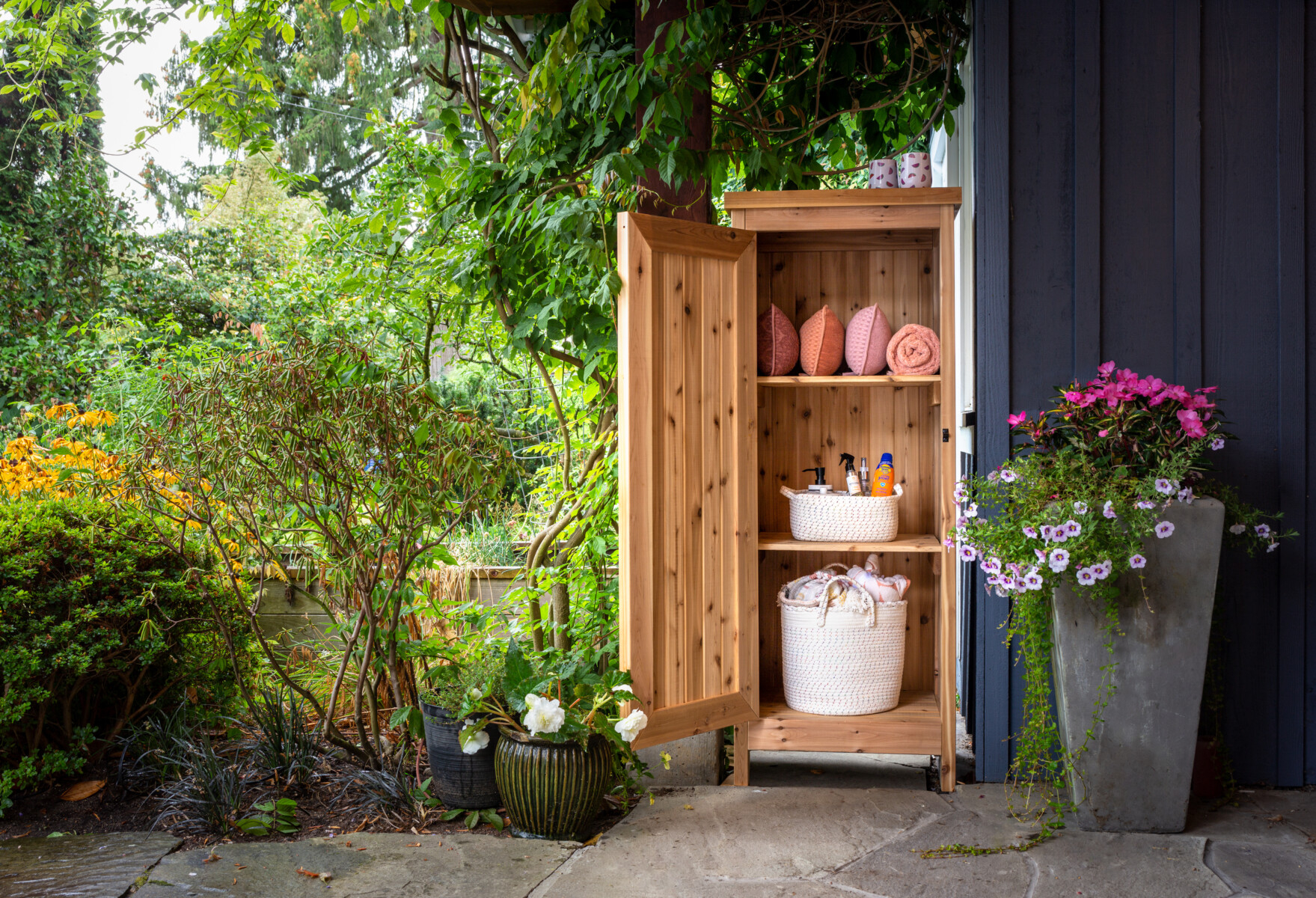
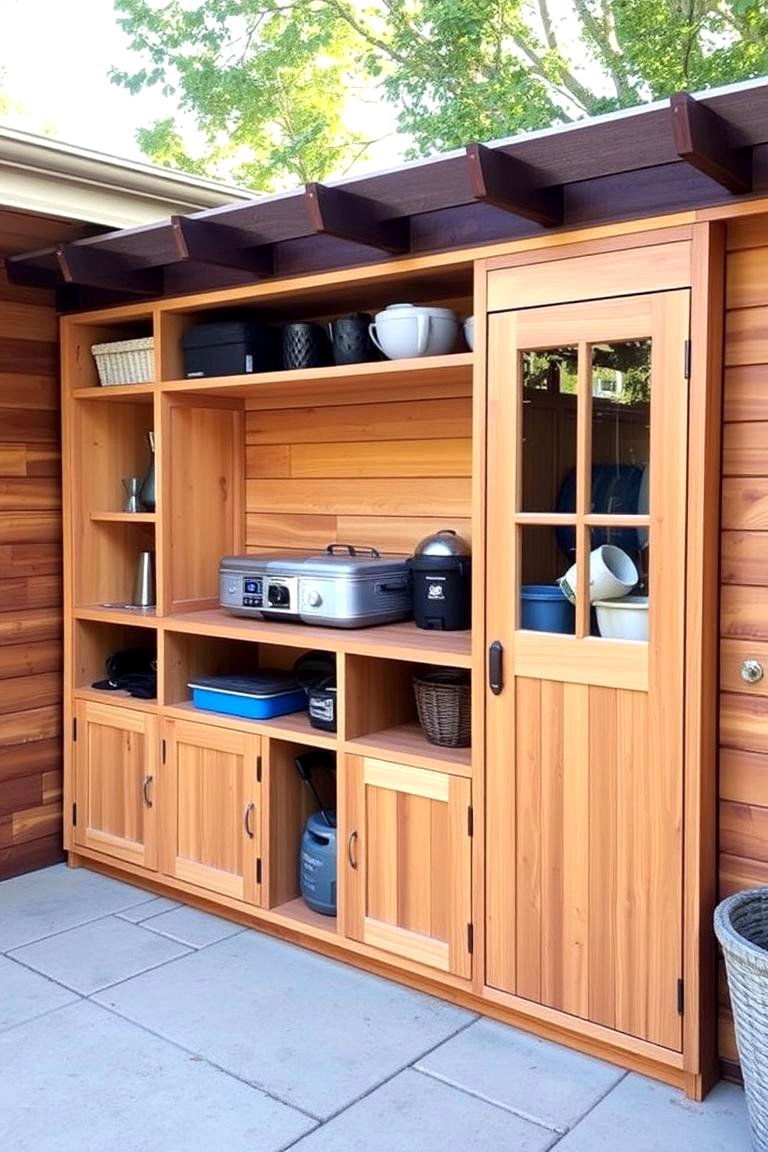
Wood has always been the go-to for outdoor projects, and for good reason. It’s warm, natural, and blends seamlessly with any garden or patio setting. But not all wood is created equal. If you’re thinking about going the wooden route, you need to pick species that are naturally resistant to decay and insects. Cedar and redwood are the top contenders here. They contain natural oils and tannins that repel water and bugs, meaning they can last for years with minimal treatment. Plus, they smell amazing. Who doesn’t love the scent of fresh cedar?
Teak is another premium option, often seen in high-end outdoor furniture. It’s incredibly dense and oily, making it nearly impervious to rot. However, it comes with a hefty price tag. If you’re on a budget, pressure-treated pine is a solid alternative. It’s infused with chemicals that protect against decay and insects, making it durable and affordable. Just keep in mind that it needs to dry out before you can stain or paint it, and it often has a greenish tint initially that fades over time.
The downside to wood? Maintenance. Even the best woods need some love. You’ll need to seal or oil them every year or two to keep them looking their best and to prevent cracking. If you skip this step, your beautiful cedar shelf might turn gray and splinter within a few seasons. But for many people, that ritual of maintenance is part of the charm. It connects you to your space. Just remember, if you hate upkeep, wood might not be your best friend. Also, avoid using MDF or standard plywood outdoors; they’ll soak up water like a sponge and fall apart quickly. Stick to solid wood or marine-grade plywood if you must use engineered products.
The Modern Contender: Composites and Plastics
If the idea of sanding and sealing wood sounds like a chore you’d rather skip, composites and high-quality plastics are your new best friends. In 2026, these materials have come a long way from the cheap, flimsy bins of the past. Modern composite shelving is made from a mix of wood fibers and recycled plastics, creating a product that looks like wood but acts like plastic. It’s resistant to rot, insects, and fading, and it requires almost zero maintenance. A quick hose-down once in a while is usually all it needs.
Plastic resin shelves, often made from HDPE (high-density polyethylene), are another great option. They’re lightweight, waterproof, and won’t rust or rot. They’re perfect for damp areas like poolside or in regions with heavy rainfall. Many modern designs mimic the texture and grain of wood, so you don’t have to sacrifice aesthetics for durability. Plus, they’re often made from recycled materials, which is a bonus if you’re eco-conscious. Brands are now offering UV-stabilized versions that won’t become brittle or fade significantly over time.
However, there are trade-offs. Composites can be heavier than pure plastic, and they might not have the same structural rigidity as metal or solid wood. This means you need to check weight limits carefully. Don’t try to store heavy planters or large toolboxes on a thin composite shelf without proper support. Also, while they resist fading, some lower-quality composites can still discolor slightly over many years. And in extreme heat, some plastics can warp. So, if you live in a desert climate, look for high-quality, UV-rated products. Despite these minor drawbacks, for low-maintenance lovers, composites are a game-changer.
The Industrial Edge: Metal Options
Metal shelving brings a sleek, modern, and industrial vibe to any outdoor space. It’s strong, durable, and can hold significant weight, making it ideal for storing heavy items like pots, tools, or even outdoor kitchen supplies. The most common metals used are aluminum, stainless steel, and powder-coated steel. Aluminum is a standout because it’s naturally rust-resistant and lightweight. It’s perfect for coastal areas where salt air eats away at other metals. You can find it in various finishes, from brushed to painted, and it rarely needs more than a wipe-down.
Stainless steel is another premium choice, known for its strength and corrosion resistance. It’s often used in professional outdoor kitchens because it’s easy to clean and looks sharp. However, it can be expensive and shows fingerprints and water spots easily. If you go this route, look for grade 304 or 316 stainless steel, which offer better resistance to rust. Powder-coated steel is a more affordable option. The powder coating adds a layer of protection against rust and scratches, and it comes in a rainbow of colors. But if the coating gets chipped or scratched, the steel underneath can rust, so touch-ups are important.
One thing to watch out for with metal is heat. As mentioned earlier, metal absorbs sunlight and can get very hot. If your shelves are in direct sun, consider lighter colors or adding a shade structure. Also, ensure your metal shelves are properly grounded or insulated if you’re using them near electrical outlets. Despite these considerations, metal is a powerhouse for durability. It doesn’t warp, rot, or attract pests. For a modern, low-maintenance, and strong solution, metal is hard to beat. Just make sure to choose rust-resistant types and keep an eye on the finish.
Budget-Friendly and Quick Fixes: Wire and Resin
Sometimes, you just need a quick, affordable solution. Maybe you’re renting, or you’re testing out a new layout before committing to something permanent. In these cases, wire shelving and basic resin units are worth considering. Wire shelves, typically made from coated steel, are airy and allow water to drain through easily, which prevents pooling and reduces rust risk. They’re great for potted plants because they allow airflow around the pots. However, they’re not ideal for small items that might fall through the gaps, and the coating can chip over time, leading to rust.
Resin shelving units, often sold as ready-to-assemble kits, are incredibly popular for their ease of use. They’re lightweight, cheap, and require no tools to set up. You can find them in various sizes and configurations, making them versatile for balconies, patios, or garages. While they’re not as stylish as wood or metal, they get the job done. The key here is to buy quality resin. Cheap, thin plastic will crack in cold weather or sag under weight. Look for units labeled as "weather-resistant" or "UV-protected."
These options are perfect for temporary needs or for storing less valuable items. They’re not likely to last decades, but they can serve you well for a few seasons. If you notice cracks or significant fading, it’s time to replace them. Don’t try to repair heavily damaged plastic; it’s rarely worth the effort. Instead, see them as disposable or semi-permanent solutions. For renters, they’re a lifesaver because you can take them with you when you move. Just keep expectations realistic: they’re functional, not fabulous.
So, how do you actually choose? It comes down to three main factors: your climate, your budget, and your lifestyle. Start with your climate. If you’re in a wet, humid area, avoid untreated wood and opt for aluminum, composite, or plastic. If you’re in a dry, sunny spot, wood and metal work well, but consider UV protection. If you’re in a place with harsh winters, make sure your material can handle freeze-thaw cycles without cracking.
Next, look at your budget. Wood and high-end metals like teak or stainless steel cost more upfront but can last longer with care. Composites and plastics have a moderate price point and low maintenance costs. Wire and basic resin are the cheapest upfront but may need replacing sooner. Think about the total cost of ownership, including time spent on maintenance. If you value your weekends, paying a bit more for low-maintenance materials might be worth it.
Finally, consider your lifestyle. Do you love tinkering and staining wood? Go for cedar. Do you want to set it and forget it? Choose composite or aluminum. Do you need to hold heavy loads? Metal is your best bet. Also, think about aesthetics. How does the material fit with your home’s exterior and your personal style? A rustic wood shelf might look out of place on a modern minimalist patio, while sleek metal might feel cold in a cottage garden. Match the material to your vibe. Measure your space carefully, check weight requirements, and don’t be afraid to mix materials. Maybe a metal frame with wood shelves gives you the best of both worlds.
Choosing the right material for your exterior shelving doesn’t have to be overwhelming. By understanding the strengths and weaknesses of each option, you can make a choice that looks great and stands the test of time. Whether you prefer the natural beauty of wood, the modern durability of composite, or the industrial strength of metal, there’s a perfect match for your outdoor space. Remember, the best shelf is the one that fits your life, your climate, and your budget. So take a moment, assess your needs, and pick a material that lets you enjoy your outdoors without worry. After all, your backyard should be a place of relaxation, not a source of stress. Happy building.
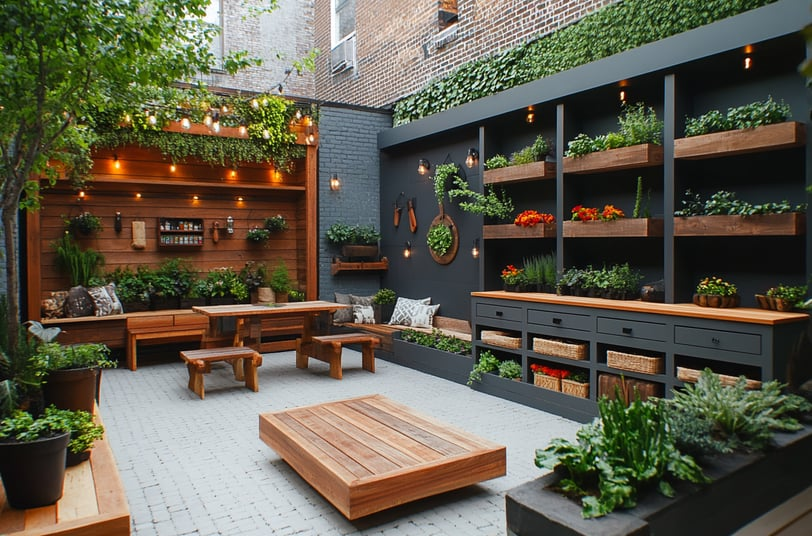
[sps_html tag=”img” src=”https://cdn.northcarolinafinearchitecture.com/2026/06/furniture-for-compact-outdoor-space-with-integrating-seamless-outdoor-storage-solutions-without-compromising-aesthetic-appeal.jpg” alt=”Furniture For Compact Outdoor Space with Integrating Seamless Outdoor Storage Solutions Without Compromising Aesthetic Appeal” style=”width: 100%; height: auto;”]
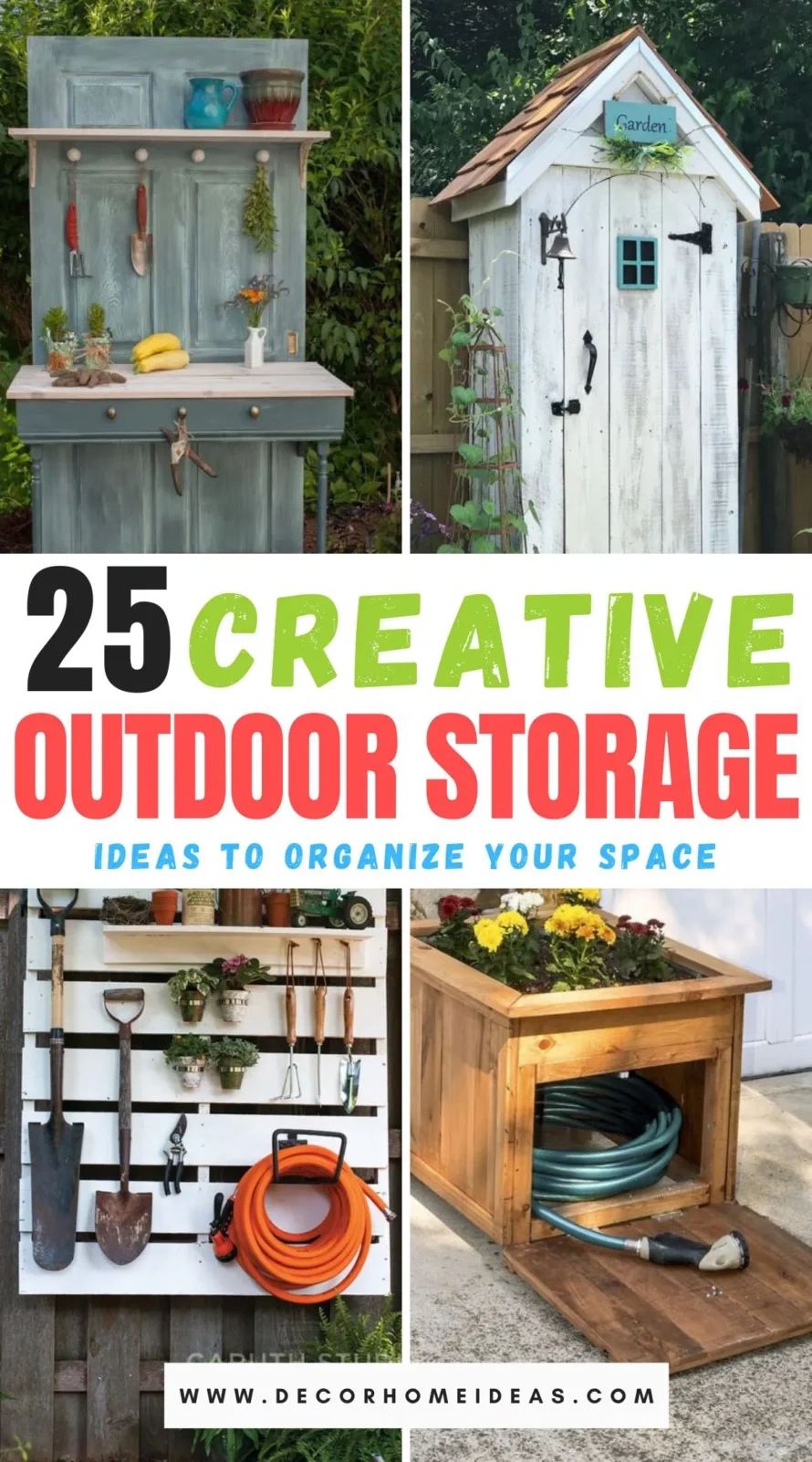
[sps_html tag=”img” src=”https://cdn.northcarolinafinearchitecture.com/2026/06/25-ideas-for-creative-outdoor-storage-solutions-pertaining-to-integrating-seamless-outdoor-storage-solutions-without-compromising-aesthetic-appeal.jpg” alt=”25 Ideas For Creative Outdoor Storage Solutions pertaining to Integrating Seamless Outdoor Storage Solutions Without Compromising Aesthetic Appeal” style=”width: 100%; height: auto;”]
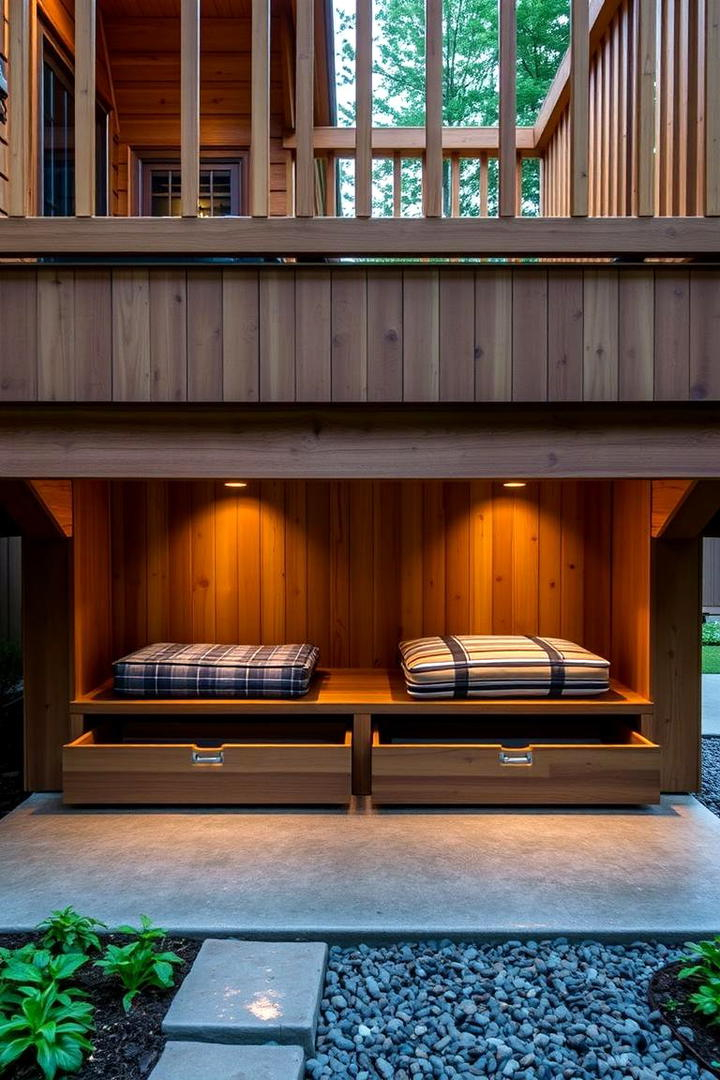
[sps_html tag=”img” src=”https://cdn.northcarolinafinearchitecture.com/2026/06/outdoor-storage-solutions-that-keep-your-space-tidy-and-secure-throughout-outdoor-shelf-design.jpg” alt=”Outdoor Storage Solutions That Keep Your Space Tidy And Secure throughout Outdoor Shelf Design” style=”width: 100%; height: auto;”]
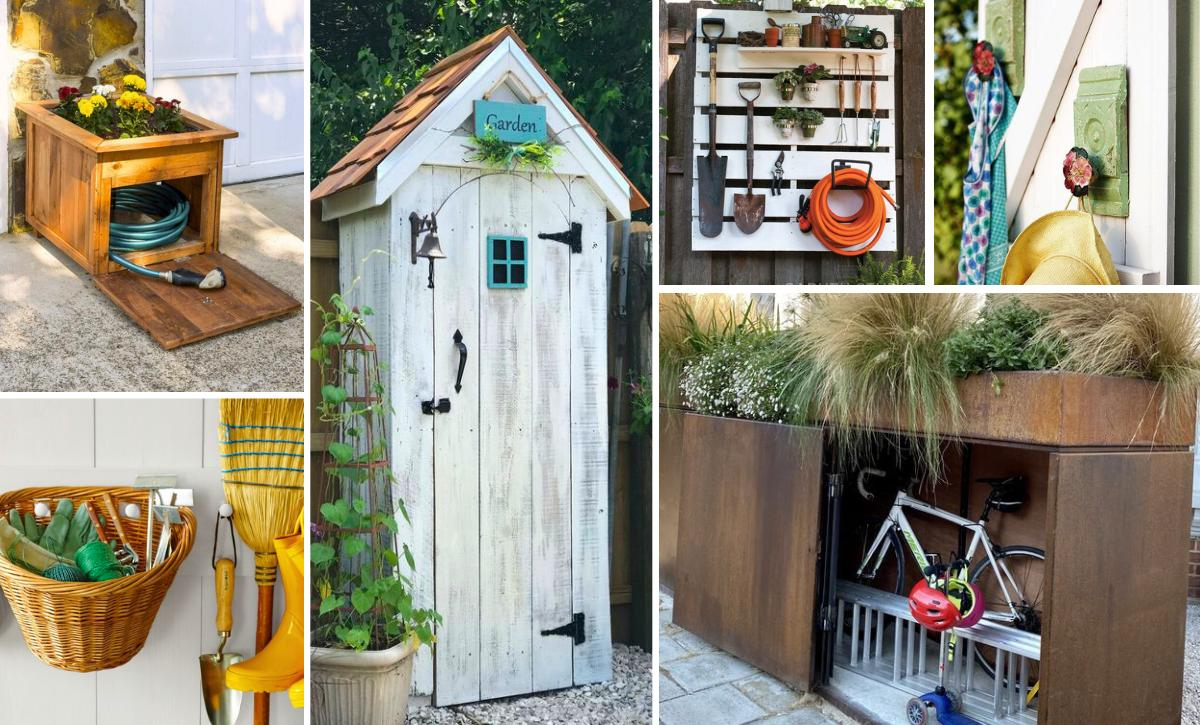
[sps_html tag=”img” src=”https://cdn.northcarolinafinearchitecture.com/2026/06/30-practical-outdoor-storage-ideas-for-a-tidy-yard-in-integrating-seamless-outdoor-storage-solutions-without-compromising-aesthetic-appeal.jpg” alt=”30 Practical Outdoor Storage Ideas For A Tidy Yard in Integrating Seamless Outdoor Storage Solutions Without Compromising Aesthetic Appeal” style=”width: 100%; height: auto;”]
[sps_html tag=”img” src=”https://cdn.northcarolinafinearchitecture.com/2026/06/25-ideas-for-creative-outdoor-storage-solutions-within-outdoor-shelf-design.webp” alt=”25 Ideas For Creative Outdoor Storage Solutions within Outdoor Shelf Design” style=”width: 100%; height: auto;”]