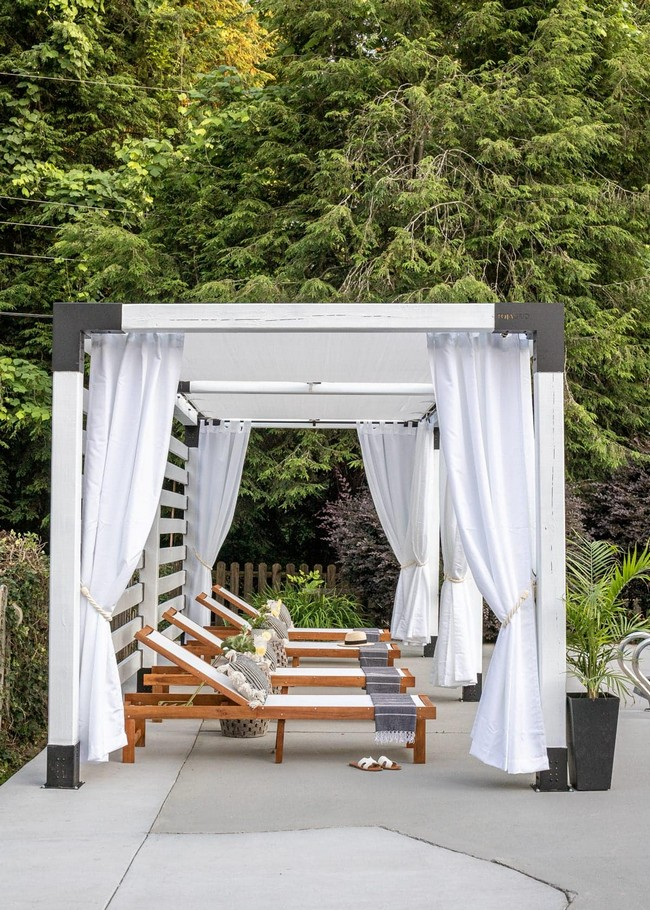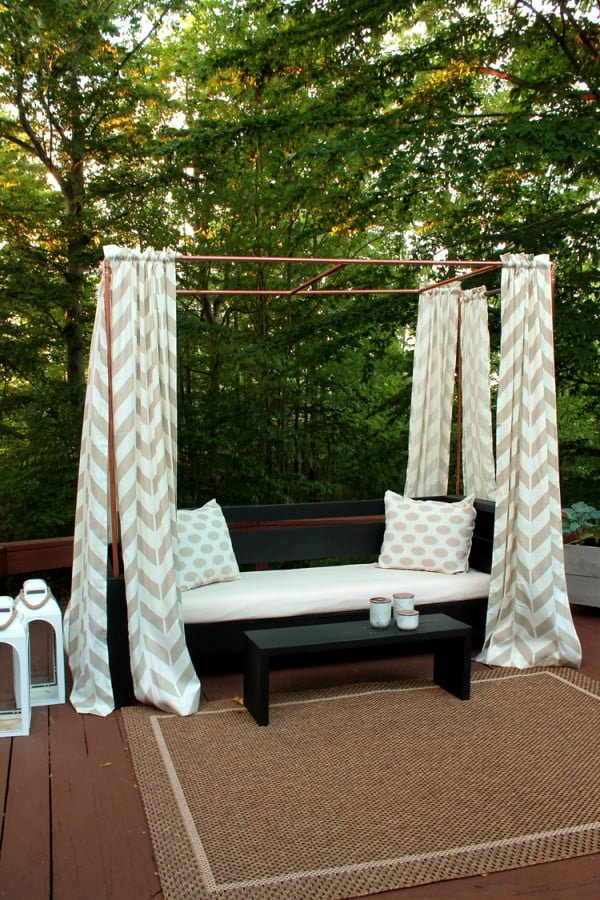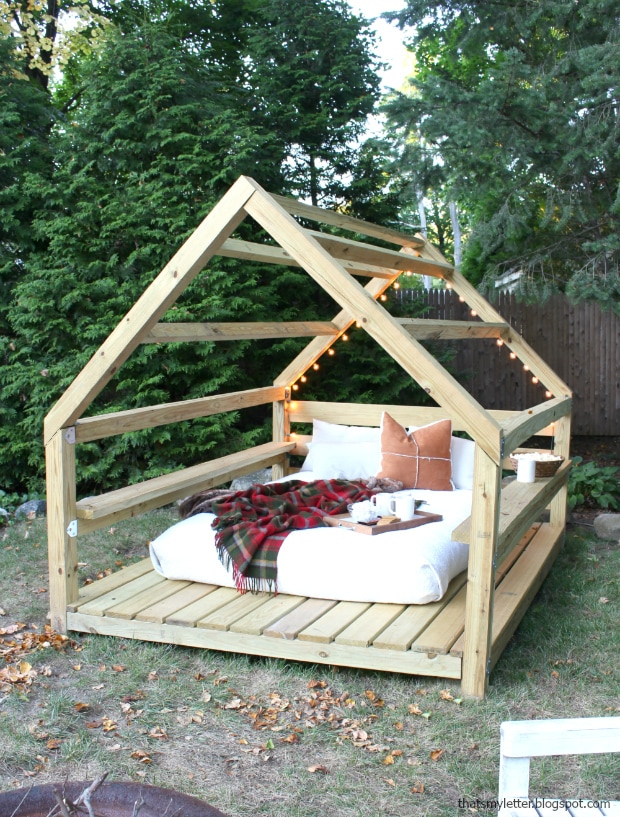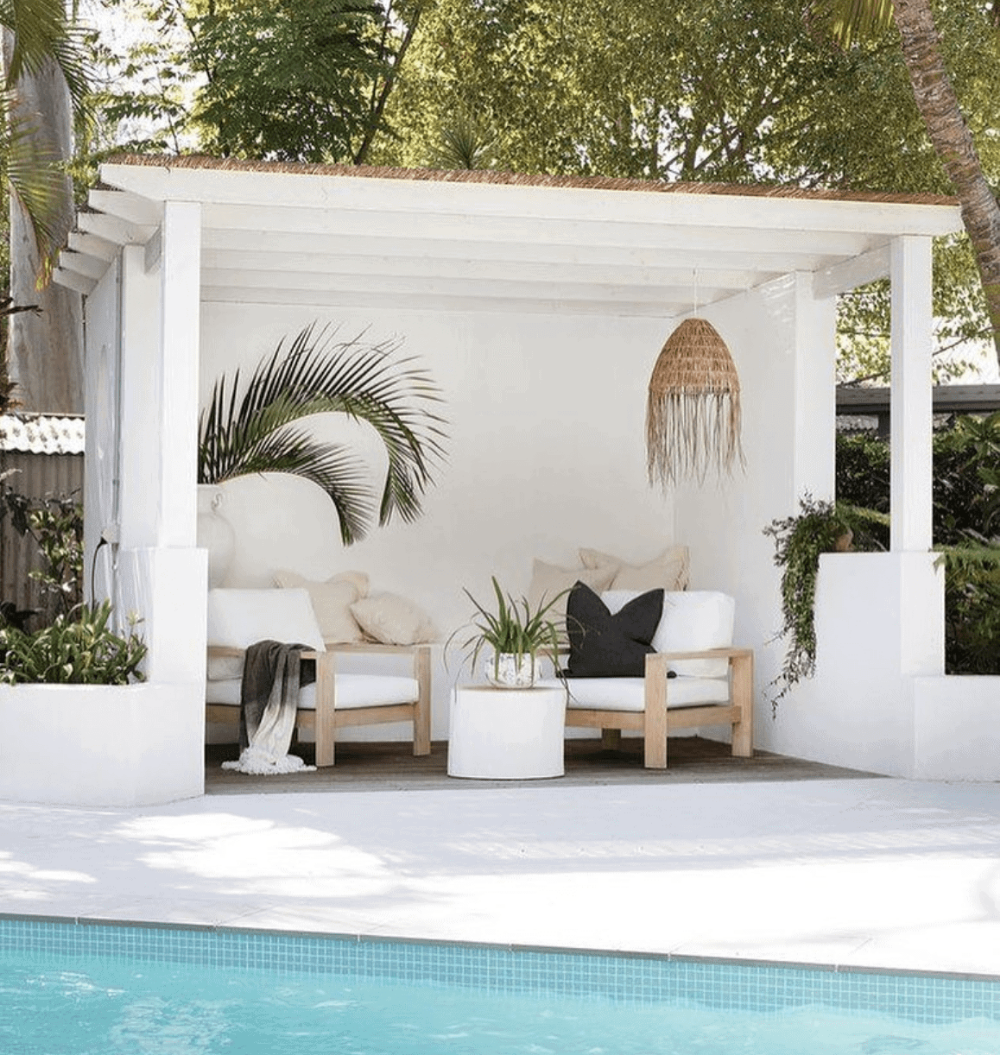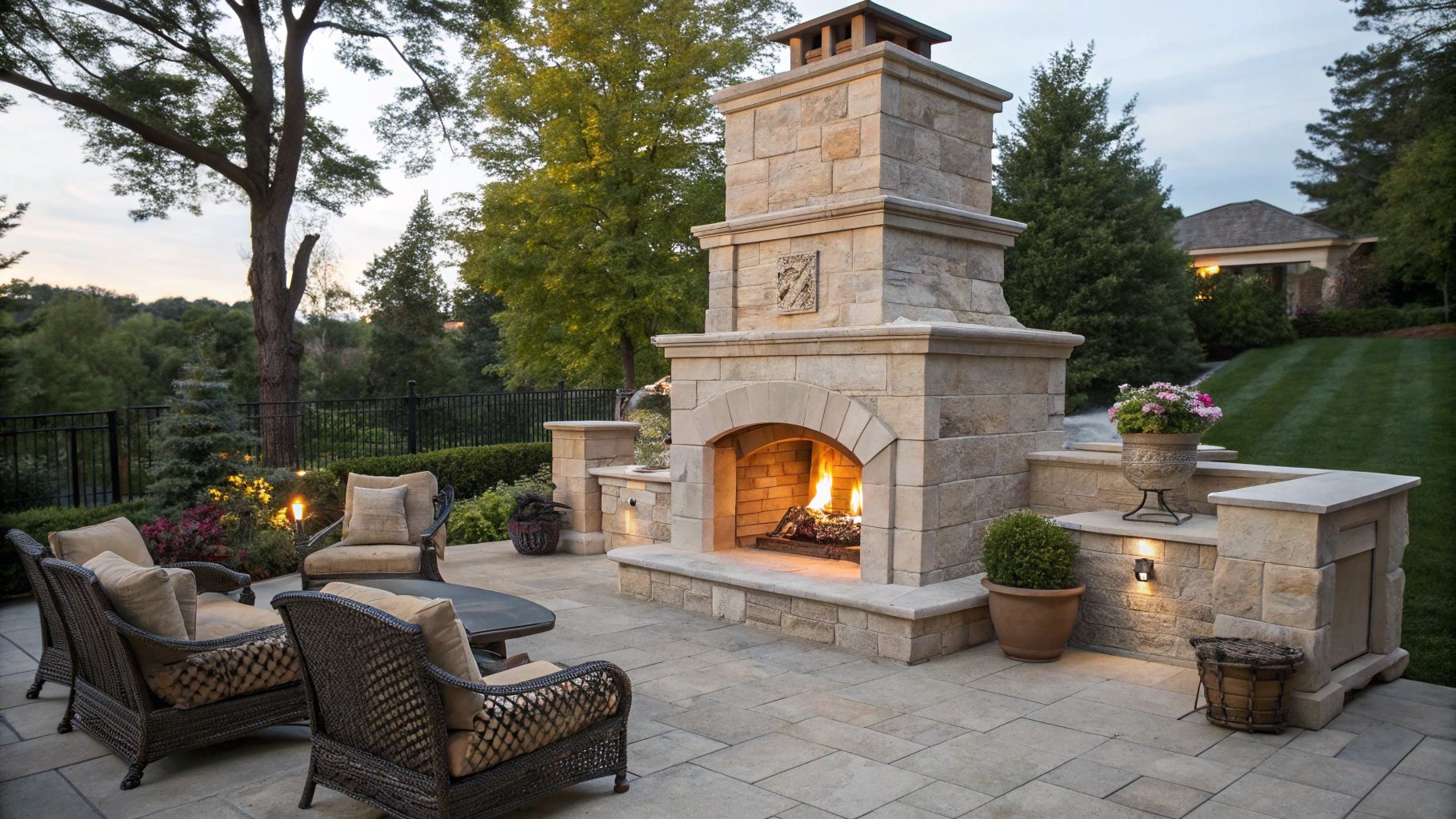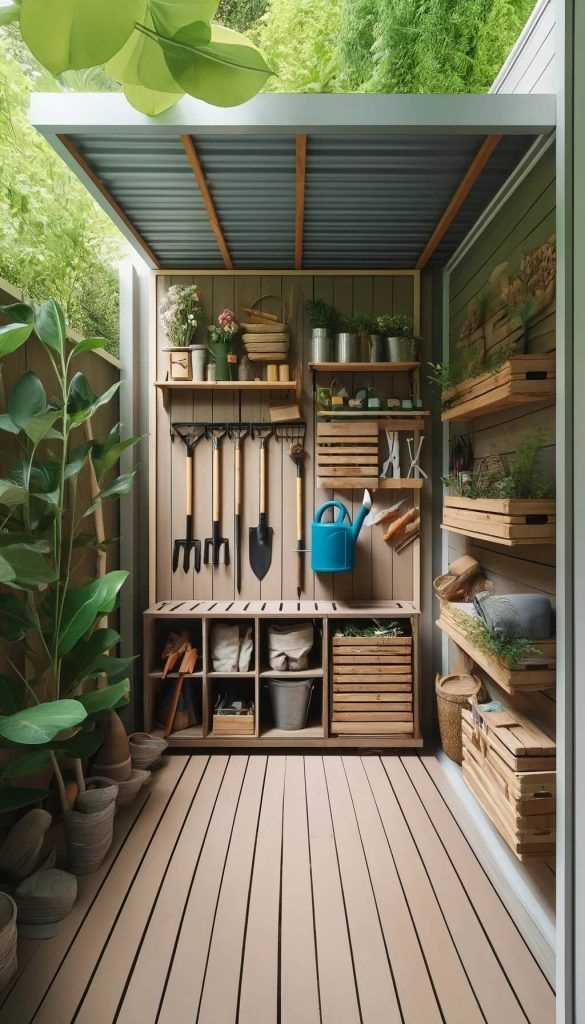
Ever notice how your backyard feels like a different world once the sun dips below the horizon? It’s true. That little cabana by the pool or tucked in the corner of the garden often sits empty for half the year. We treat it like a summer-only accessory. But what if it didn’t have to be that way? What if you could step out there in January, wrapped in a blanket, with warm light glowing around you, feeling just as connected to the outdoors as you do in July?
It’s not magic. It’s mostly just good planning and the right bulbs. In 2026, the line between indoor comfort and outdoor ruggedness has blurred significantly. We aren’t just talking about stringing up some cheap solar lights that flicker and die after a month. We are talking about integrated systems that think for you. Systems that know when it gets dark before you do. This shift changes everything. It turns a shelter into a room. A nice-to-have into a need-to-have.
Let’s be honest, most of us underestimate the power of light. We think of it as purely functional. You need to see where you are walking. Sure. But light is also emotional. It sets the mood. It warms up a cold stone floor visually, even if it doesn’t change the temperature physically. By leveraging smart technology, you can make your cabana a viable extension of your home, regardless of the weather outside. It’s about creating a sanctuary that welcomes you back, even when the days are short and the air is crisp.
The Psychology of Warmth in Cold Weather
Why do we retreat indoors when it gets cold? Part of it is physical discomfort, but a huge part is psychological. Darkness feels isolating. Cold darkness feels forbidding. When you introduce layered, warm lighting into your cabana, you are hacking that instinct. You are telling your brain, "This space is safe. This space is welcoming." It’s a subtle cue, but it works. Studies on environmental psychology have long shown that lighting temperature affects our perception of warmth. A 2700K bulb feels cozier than a 5000K one, even if the air temperature is identical.
Think about the last time you sat by a fire. The flames dance, casting soft, amber glows. You feel relaxed. Smart lighting allows you to mimic this effect without the smoke or the hassle of chopping wood. By using tunable white LEDs, you can shift the color temperature throughout the evening. Start with a brighter, cooler light for cleaning up after dinner, then slowly transition to a deep, warm amber as you settle in with a book or a glass of wine. This dynamic shift helps your body prepare for rest, aligning with your circadian rhythm, which is often disrupted by harsh, static outdoor lights.
Moreover, the visual expansion of space matters. In winter, yards can look stark and empty. Bare branches, brown grass. It’s depressing. Properly placed uplighting in the trees surrounding your cabana, combined with soft downlighting from the structure itself, creates a "room" within the yard. It draws the eye inward. It creates boundaries that feel protective rather than confining. You aren’t staring into the void of your dark backyard; you are sitting within a illuminated jewel box. This sense of enclosure is vital for year-round use. It makes the cold feel manageable because you feel held by the light.
Choosing the Right Hardware for Harsh Conditions
Not all smart lights are built for the elements. This is where many people stumble. They buy a sleek, indoor-smart bulb, put it in an outdoor fixture, and wonder why it fails by November. Rain, snow, humidity, and extreme temperature swings are brutal on electronics. In 2026, the standard for outdoor durability is IP65 or higher. IP stands for Ingress Protection. The first number is dust, the second is water. You want at least a 6 for dust (totally protected) and a 5 or 6 for water (protected against jets or powerful waves). If you live in a area with heavy snow or salt air near the ocean, aim for IP67. It’s worth the extra cost.
Material choice is equally critical. Look for fixtures made from powder-coated aluminum, brass, or copper. Plastic housings might look fine initially, but UV radiation from the sun makes them brittle over time. They crack. They yellow. Then water gets in. Game over. Brass and copper develop a patina, which actually protects them further and looks distinguished. Aluminum is lightweight and resists corrosion well if coated properly. Avoid cheap metals that will rust within a season. You are building a permanent feature, not a temporary decoration. Treat it like part of your home’s infrastructure.
Connectivity is another hurdle. Wi-Fi signals struggle to penetrate thick walls and travel long distances across yards. If your cabana is far from your router, a Wi-Fi-only smart bulb will likely disconnect, leaving you frustrated. Consider using Zigbee or Z-Wave protocols, which create a mesh network. Each device acts as a repeater, strengthening the signal as it hops from one light to the next. Alternatively, use dedicated outdoor hubs that bridge the gap between your home network and the fixtures. Some newer systems in 2026 even use Thread technology, which is low-power and highly reliable for outdoor ecosystems. Do your homework on your specific layout before buying a single bulb.
Layering Light for Function and Mood
One source of light is boring. It’s flat. It creates harsh shadows. To make a cabana truly usable, you need layers. Think of it like dressing. You have a base layer, a middle layer, and an outer layer. Lighting works the same way. First, you have ambient light. This is the general illumination that lets you see. In a cabana, this might come from recessed downlights in the ceiling or integrated LED strips along the beams. It should be even and diffuse, avoiding glare in your eyes. This is your "cleaning up" or "playing games" light.
Second, you have task lighting. Where are you actually doing things? If you have a small bar or kitchenette in the cabana, you need focused light over the counter. Under-cabinet LEDs are perfect for this. If you read in a specific chair, a directional arm sconce or a high-quality floor lamp rated for outdoors is essential. Task lighting prevents eye strain and makes specific activities enjoyable. Without it, you’ll find yourself squinting or moving back inside to do anything requiring focus. Don’t skimp here. Brightness matters for function.
Finally, there is accent lighting. This is the soul of the space. Accent lights highlight textures, plants, or architectural features. Maybe it’s a strip of light under the bench seat, creating a floating effect. Maybe it’s a spotlight on a sculptural tree nearby. Or perhaps it’s candle-style lanterns on the table that sync with your smart system. Accent lighting adds depth and drama. It breaks up the monotony. By controlling these three layers independently via your smart app, you can create dozens of different "scenes." A "Dinner Party" scene might have bright task lighting and moderate ambient light. A "Stargazing" scene might turn off everything except the faintest accent glow. Versatility is key.
Automation: Letting the System Do the Work
The best technology is the kind you forget about. If you have to pull out your phone every time you want to turn on a light, you won’t use it. You’ll just leave it off. Automation removes the friction. The simplest form is scheduling based on sunrise and sunset. Most smart platforms allow you to sync with local astronomical data. As the days get shorter in autumn, your lights turn on earlier automatically. As spring arrives, they delay. You never have to adjust the clock. It just works. This seamless transition ensures your cabana is always ready when you step out the door.
But let’s go deeper. Motion sensors are underrated for cabanas. Not the blinding security floodlights that scare the neighbors, but subtle presence detectors. Imagine walking out to check the stars. The path lights gently fade up as you approach. The cabana interior lights rise to a low level. It feels magical. It feels like the house is alive and welcoming you. These sensors can also serve a safety function, illuminating steps or uneven ground when someone exits late at night. In 2026, these sensors are sophisticated enough to distinguish between a person, a pet, and a swaying branch, reducing false triggers.
Integration with weather data is the next frontier. Some advanced systems can pull local weather forecasts. If a storm is approaching, the system might send you a notification to close retractable screens or secure loose items. More importantly, if the temperature drops below a certain threshold, it can trigger your outdoor heaters to turn on pre-emptively, while adjusting the lighting to a warmer tone to psychologically counteract the chill. This holistic approach—linking light, heat, and protection—is what defines a true smart outdoor living space. It’s not just about bulbs; it’s about comfort management.
Integrating Heating and Shelter with Light
Light alone won’t keep you warm in December. But it works in tandem with heating to create a usable environment. The placement of your lights relative to your heat sources matters. Infrared heaters, which are popular for their efficiency, emit a red glow. If you have cool-white LEDs nearby, the color clash can be jarring. Stick to warm whites (2200K-2700K) to complement the heater’s glow. Also, consider the visual weight of the heaters. Sleek, ceiling-mounted infrared panels are less obtrusive than bulky standing units. Lighting can be used to draw attention away from the mechanical aspects of heating, focusing instead on the people and the atmosphere.
Retractable screens or glass walls are another game-changer for year-round use. They block wind, which is the biggest thief of heat. But they can also reflect light. If you have glass walls, be careful with placement. You don’t want reflections blinding you. Use indirect lighting, bouncing light off the floor or ceiling, to create a soft, even glow that doesn’t bounce back harshly. Smart glass, which can tint electronically, is becoming more accessible in 2026. Imagine dimming the transparency of your walls as the sun sets, increasing privacy and coziness with the tap of a button. The interplay between transparent barriers and intelligent lighting creates a bubble of comfort.
Don’t forget the floor. Cold feet ruin the experience. Heated flooring systems, often used in bathrooms, are increasingly being installed in high-end cabanas. Pairing heated floors with low-level kickplate lighting creates a stunning visual effect. The light grazes the floor texture, highlighting the warmth radiating from beneath. It’s a luxurious touch that signals "stay awhile." When you combine wind protection, radiant heat, and thoughtful lighting, the perceived temperature of the space rises significantly. You might be wearing a sweater, but you aren’t shivering. You are present.
So, you’re ready to dive in. Where do you start? First, map out your zones. Sketch your cabana. Mark where you sit, where you walk, and where you look. Identify the dark spots. Plan your layers. Don’t just buy a kit. Customize it. Hire a licensed electrician if you are running new lines. Safety is paramount. Water and electricity are a deadly mix if handled poorly. Ensure all junction boxes are rated for wet locations. Use conduit where wires are exposed. It’s not just code; it’s peace of mind.
Second, choose a unified ecosystem. Don’t mix five different brands that require five different apps. Stick to one platform, whether it’s Apple HomeKit, Google Home, Amazon Alexa, or a dedicated system like Lutron or Crestron. Compatibility is king. Check if the devices support Matter, the new universal standard gaining traction in 2026. Matter promises to make devices from different manufacturers work together seamlessly. It reduces the headache of setup and ensures your system remains flexible as technology evolves. Future-proof your investment.
Finally, maintenance. Outdoor lights get dirty. Bugs fly into them. Dust accumulates. Clean your fixtures twice a year. Spring and Fall. Use a soft cloth and mild soap. Check seals and gaskets for cracks. Replace any burnt-out bulbs immediately to maintain the balance of your design. Update your firmware regularly. Smart devices receive security patches and feature updates. Ignoring them leaves you vulnerable to glitches or hacks. Treat your lighting system like a car. Regular check-ups keep it running smoothly for years. A little effort goes a long way in preserving that magic.
Making your cabana usable year-round isn’t about fighting nature. It’s about harmonizing with it. It’s about accepting that winter is dark and cold, and responding with warmth and light. Smart lighting is the tool that makes this response effortless. It allows you to reclaim your outdoor space, turning it from a seasonal luxury into a daily refuge. Whether you are drinking coffee in the crisp morning air or watching the snow fall under a canopy of warm LEDs, the experience is enriched.
The technology available in 2026 is robust, reliable, and intuitive. It no longer requires a degree in engineering to set up. With careful planning, quality materials, and a focus on human comfort, you can create a space that serves you every day of the year. It’s an investment in your well-being. It’s an invitation to slow down, step outside, and breathe. So, don’t let your cabana sleep through the winter. Wake it up. Light it up. Live in it.
[sps_html tag=”img” src=”https://cdn.northcarolinafinearchitecture.com/2026/05/9-diy-cabana-ideas-for-fun-outdoor-diyncrafty-with-regard-to-budget-friendly-ways-to-build-a-stylish-diy-backyard-cabana.jpg” alt=”9 Diy Cabana Ideas For Fun Outdoor - Diyncrafty with regard to Budget Friendly Ways to Build a Stylish DIY Backyard Cabana” style=”width: 100%; height: auto;”]
[sps_html tag=”img” src=”https://cdn.northcarolinafinearchitecture.com/2026/05/build-an-outdoor-cabana-lounge-jaime-costiglio-inside-budget-friendly-ways-to-build-a-stylish-diy-backyard-cabana.jpg” alt=”Build An Outdoor Cabana Lounge - Jaime Costiglio inside Budget Friendly Ways to Build a Stylish DIY Backyard Cabana” style=”width: 100%; height: auto;”]
[sps_html tag=”img” src=”https://cdn.northcarolinafinearchitecture.com/2026/05/10-easy-diy-cabana-ideas-for-the-ultimate-backyard-retreat-with-outdoor-cabana-design.jpg” alt=”10 Easy Diy Cabana Ideas For The Ultimate Backyard Retreat with Outdoor Cabana Design” style=”width: 100%; height: auto;”]
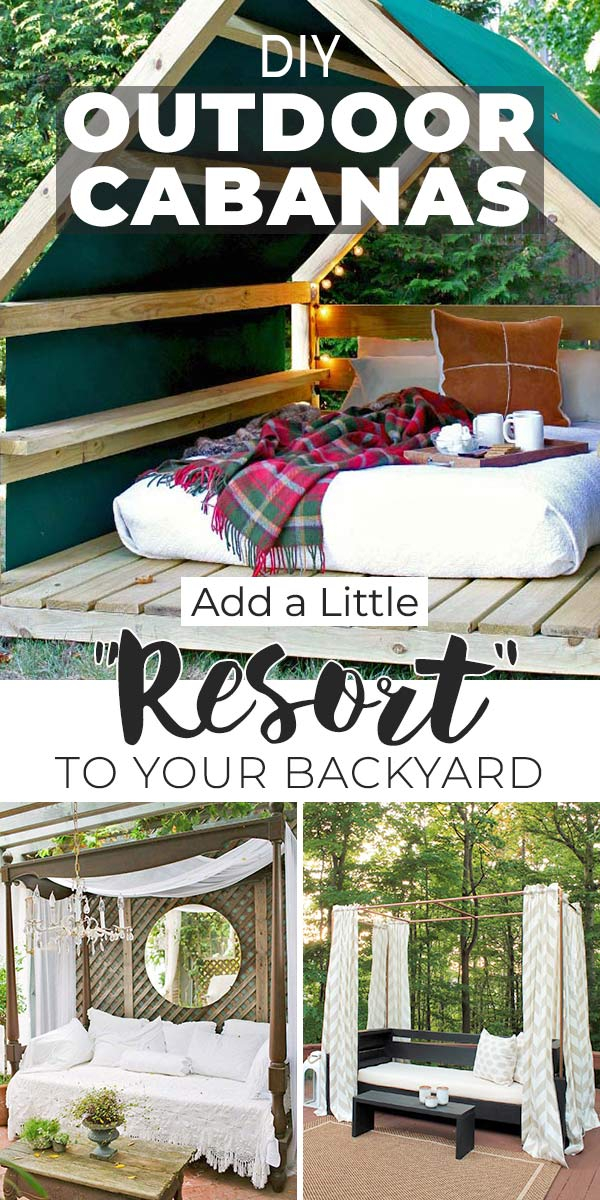
[sps_html tag=”img” src=”https://cdn.northcarolinafinearchitecture.com/2026/05/diy-outdoor-cabanas-add-a-little-resort-to-your-backyard-the-pertaining-to-budget-friendly-ways-to-build-a-stylish-diy-backyard-cabana.jpg” alt=”Diy Outdoor Cabanas - Add A Little "Resort" To Your Backyard! • The … pertaining to Budget Friendly Ways to Build a Stylish DIY Backyard Cabana” style=”width: 100%; height: auto;”]
[sps_html tag=”img” src=”https://cdn.northcarolinafinearchitecture.com/2026/05/cabana-artofit-regarding-outdoor-cabana-design.png” alt=”Cabana – Artofit regarding Outdoor Cabana Design” style=”width: 100%; height: auto;”]