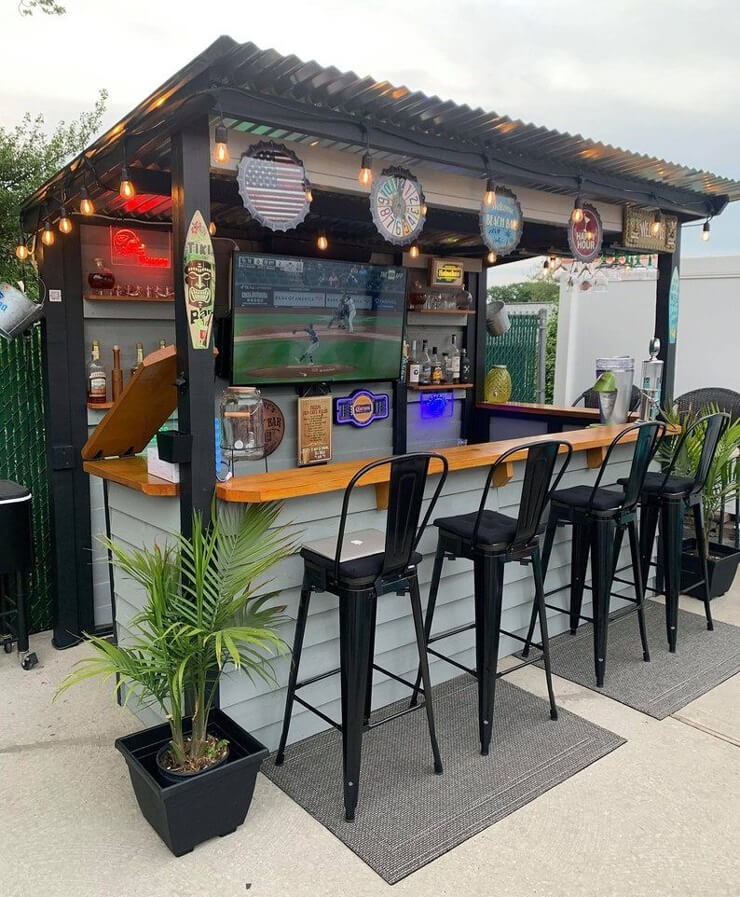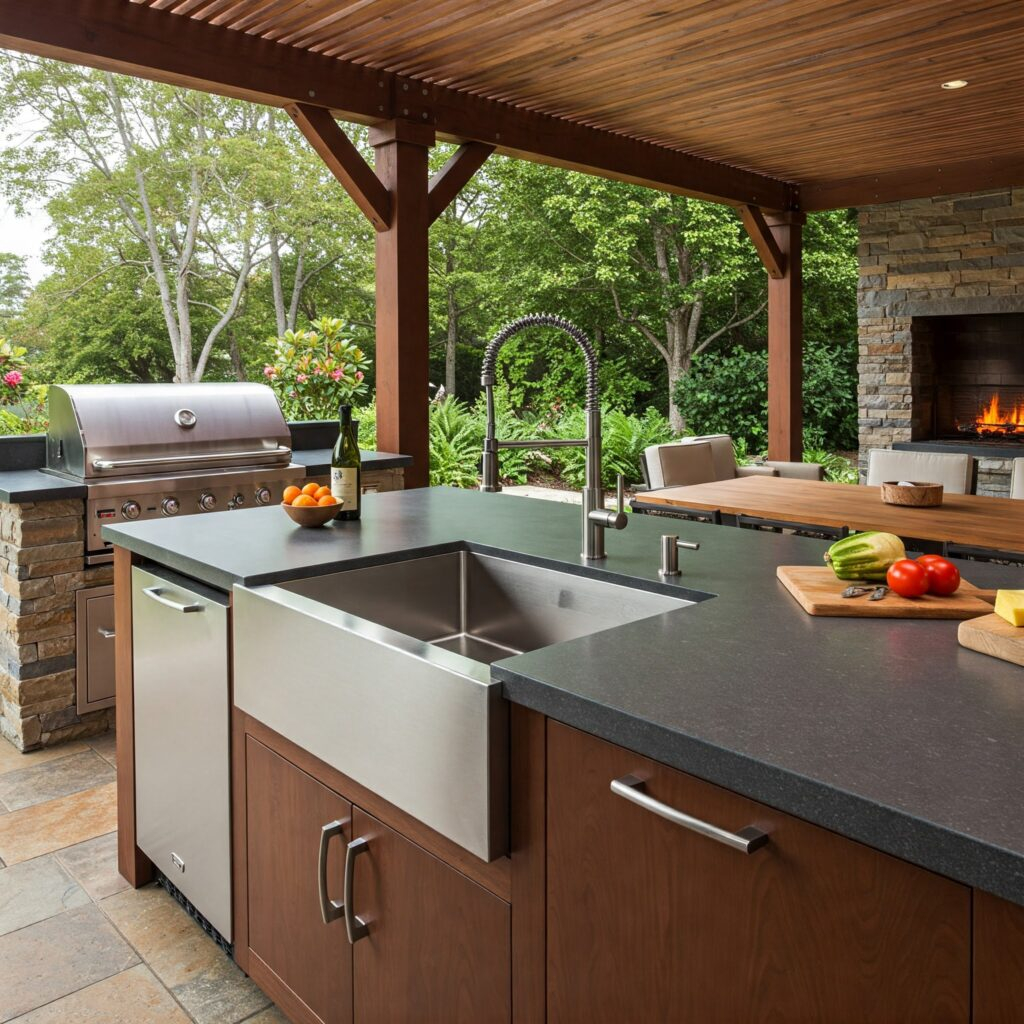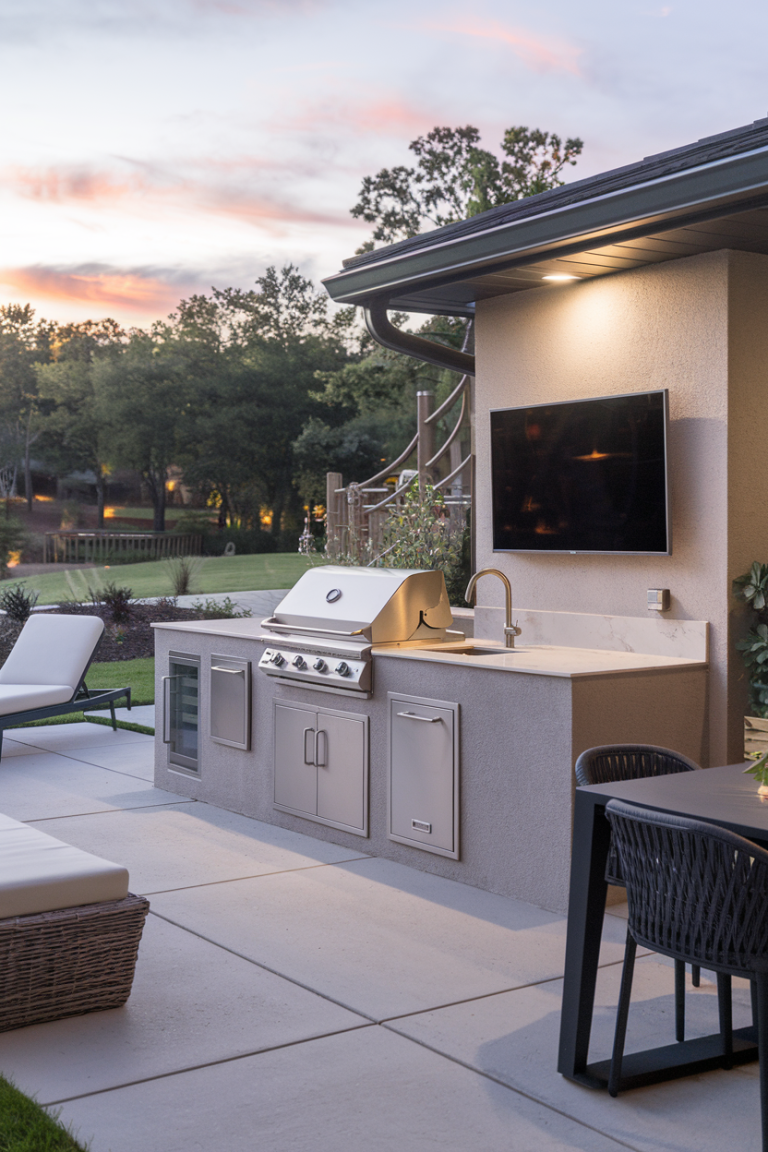
You’ve seen them. Those sleek, shiny boxes tucked into outdoor kitchens that look like they just rolled off a showroom floor. They gleam in the sun, reflecting the pool water and the smiles of your guests. It’s tempting to think that if it looks like a high-end indoor appliance, it’ll work like one too. But here’s the thing: appearances can be deceiving. Especially when rain, humidity, and fluctuating temperatures are involved.
We often get caught up in the aesthetics of our outdoor spaces. We pick the perfect grill, lay down some nice pavers, and maybe add a few string lights for ambiance. Then comes the fridge. You spot one with a nice stainless steel door, think "that matches the grill," and call it a day. But six months later, you’re staring at rust spots, or worse, warm beer on a hot July afternoon. Why? Because a patio fridge needs way more than just a pretty face. It needs guts. It needs engineering designed for the chaos of the outdoors.
Let’s talk about what actually keeps your drinks cold and your food safe when the elements are working against you. It’s not just about the finish. It’s about what’s underneath, how it’s powered, and whether it can handle the mood swings of Mother Nature. If you’re planning to upgrade your backyard setup in 2026, you need to know the difference between a fridge that’s merely dressed for the occasion and one that’s built for the job.
The Myth of the Indoor Appliance Outdoors
It’s a common mistake. People assume a refrigerator is a refrigerator, regardless of where it sits. But indoor units are delicate creatures. They’re designed for climate-controlled environments where the temperature stays relatively stable, usually between 60 and 80 degrees Fahrenheit. They aren’t built to handle the sweltering heat of a direct summer sun or the damp chill of a rainy autumn evening. When you plonk an indoor fridge onto your patio, you’re asking it to perform a miracle.
The compressor in an standard indoor unit will struggle immensely when the ambient temperature rises. In 2025, several studies highlighted how indoor compressors overheat and fail prematurely when exposed to temps above 90 degrees consistently. They run constantly, trying to keep the interior cool, which spikes your energy bill and shortens the lifespan of the appliance. Eventually, it just gives up. You end up with a expensive paperweight that smells slightly of mildew.
Outdoor-rated fridges, on the other hand, are engineered differently. They have heavier-duty compressors and specialized insulation that can handle extreme temperature swings. They’re tested to operate efficiently in conditions that would kill an indoor model. So, before you try to save a few bucks by moving your old kitchen fridge outside, remember: it’s not built for that life. It’s like trying to run a marathon in dress shoes. It might work for a block, but you’re gonna regret it.
Stainless Steel Isn’t All Created Equal
When we say "stainless steel," most of us picture that shiny, silver surface. But not all stainless steel is the same. In the world of outdoor appliances, the grade matters immensely. Many cheaper models use 304-grade stainless, which is good, but for coastal areas or places with high humidity, you really want to look for 316-grade or marine-grade stainless. These contain molybdenum, which adds an extra layer of protection against corrosion and salt air.
If you live near the ocean, this is non-negotiable. Salt spray is brutal on metal. I’ve seen fridges that looked pristine from ten feet away, but up close, the hinges were eaten away by rust. The finish might look tough, but if the underlying materials aren’t resistant, the elements will find a way in. It’s not just about the door panel either. Check the internal components, the shelving, and even the screws. Are they coated? Are they plastic or metal? Every little part needs to be able to withstand moisture.
Also, consider the finish texture. A brushed finish tends to hide fingerprints and minor scratches better than a mirror polish. While a mirror finish looks stunning in photos, it shows every speck of dust and water spot. In an outdoor setting, where pollen, dirt, and splashes are common, a low-maintenance finish is your friend. You want to spend your time enjoying your patio, not polishing your appliance every weekend. Look for poweder-coated options too, as they can offer additional durability against chipping and fading from UV rays.
The Hidden Danger of Electrical Safety
Here’s something most guides skip over: electricity and water don’t mix. It sounds obvious, but when you’re setting up an outdoor kitchen, it’s easy to overlook the specific electrical requirements. An outdoor fridge needs more than just a nearby outlet. The National Electrical Code (NEC) has strict guidelines for outdoor installations. You need a GFCI (Ground Fault Circuit Interrupter) protected outlet. This device cuts off power instantly if it detects a ground fault, preventing shocking hazards.
But it’s not just about the outlet. The cord and the internal wiring of the fridge itself need to be rated for outdoor use. Moisture can seep into connections, causing shorts or even fires. High-quality outdoor fridges have sealed electrical compartments to keep water out. Cheaper models might skimp on this, leaving vital components exposed to humidity. Over time, this exposure leads to corrosion on the contacts, which can cause the fridge to malfunction or become unsafe.
Placement matters too. Don’t just plug it in anywhere. Ensure the outlet is covered by a weatherproof box, even if the plug is inserted. Rain can blow sideways, and sprinklers don’t always hit where you expect them to. In 2026, smart outdoor outlets with remote monitoring are becoming more popular, allowing you to check if your fridge is drawing power correctly from your phone. It’s a small investment that adds a huge layer of peace of mind. Never underestimate the power of a proper grounding setup.
Insulation and Cooling Efficiency in Variable Climates
Think about how hard your fridge has to work. Inside your house, the temperature might vary by a few degrees. Outside, it can swing from 50 degrees at night to 95 during the day. That’s a massive range. To handle this, outdoor fridges need superior insulation. It’s not just about keeping the cold in; it’s about keeping the heat out. High-density foam insulation is standard in quality units, but the thickness and coverage matter.
Look for models with enhanced sealing around the door gaskets. A weak seal lets warm air in, forcing the compressor to work harder. This not only wastes energy but also leads to inconsistent cooling. You might find that the back of the fridge is freezing while the front is lukewarm. Good gaskets are made from durable, flexible materials that don’t crack or stiffen in cold weather. They should create a tight vacuum-like seal when closed.
Another factor is the ventilation. Outdoor fridges often need more clearance around them for airflow compared to indoor ones. If you’re building it into a cabinet, make sure there’s enough space for heat to escape. Trapped heat around the condenser coils reduces efficiency drastically. Some newer 2026 models feature active ventilation systems that help manage this heat buildup, ensuring consistent performance even in tight spaces. Always check the manufacturer’s specs for required clearance. Ignoring this can void your warranty and kill your fridge.
Durability Beyond the Door: Hinges and Interiors
We focus so much on the exterior that we forget the parts that move. Hinges are the unsung heroes of any fridge. In an outdoor setting, they face constant exposure to wind, rain, and frequent opening and closing. Cheap hinges will rust, seize up, or break off entirely. Look for stainless steel hinges with sealed bearings. These resist corrosion and ensure the door swings smoothly for years. Some high-end models even offer reversible doors with robust hinge mechanisms that can handle heavy use.
Inside, the story is similar. Plastic shelves might crack under UV exposure or become brittle in the cold. Glass shelves are better, but they need to be tempered for safety. Wire racks are a popular choice because they allow air circulation and are easy to clean, but they must be coated to prevent rust. Check the interior lining too. It should be easy to wipe down and resistant to mold and mildew. Outdoor fridges get dirty faster than indoor ones, so a smooth, non-porous interior is essential.
Don’t forget the feet or leveling legs. They need to be adjustable and made from corrosion-resistant materials. If the fridge sits unevenly, the door won’t seal properly, leading to cooling issues. Plus, if the legs rust away, the whole unit becomes unstable. It’s the little details that add up to long-term reliability. When you’re shopping, open the door, feel the weight of the hinges, and inspect the interior materials. If it feels flimsy, it probably is. Quality costs more upfront but saves you headache later.
Installing an outdoor fridge isn’t like plugging in a toaster. There are nuances that can make or break its performance. One major issue is sunlight. Direct sunlight heats up the exterior of the fridge, making the compressor work overtime. If possible, position your fridge in a shaded area. If that’s not an option, consider building a cabinet around it or using a cover when it’s not in use. Even a small amount of shade can significantly improve efficiency and longevity.
Another common mistake is ignoring the level of the ground. Patios and decks aren’t always perfectly flat. An unlevel fridge can cause drainage issues inside the unit, leading to water pooling and potential mold growth. Use a spirit level during installation and adjust the feet accordingly. Also, think about accessibility. Will you need to pull the fridge out for maintenance? If it’s built-in, ensure there’s enough room to slide it out without damaging the surrounding cabinetry.
Finally, consider the local climate specifics. If you live in an area with harsh winters, you might need to winterize your fridge. Some models have a "winter mode" or can be safely turned off and drained. Others need to stay running to prevent damage to the seals and internal components. Check the manual for specific instructions. In 2026, many manufacturers are providing clearer guidelines for year-round use in various climates, but it’s still on you to follow them. Proper installation isn’t just about placement; it’s about adapting to your environment.
So, where does this leave us? It’s clear that choosing a patio fridge is about much more than picking a finish that matches your grill. It’s about understanding the harsh reality of outdoor conditions and selecting a unit that’s engineered to survive them. From the grade of stainless steel to the safety of your electrical setup, every detail plays a role in how well your fridge performs and how long it lasts.
Don’t let the shine fool you. Look deeper. Check the insulation, inspect the hinges, and verify the electrical ratings. Ask yourself if it’s built to handle the heat, the rain, and the salt air. Because when you’re hosting that summer barbecue or enjoying a quiet evening by the fire pit, the last thing you want is to worry about whether your drinks are cold or if your appliance is safe.
Investing in a true outdoor-rated refrigerator is an investment in your peace of mind. It ensures that your outdoor kitchen remains a place of joy and convenience, not a source of frustration and repair bills. Take the time to do it right. Your future self, sipping a perfectly chilled beverage on a hot day, will thank you. After all, life’s too short for warm soda and rusty hinges.
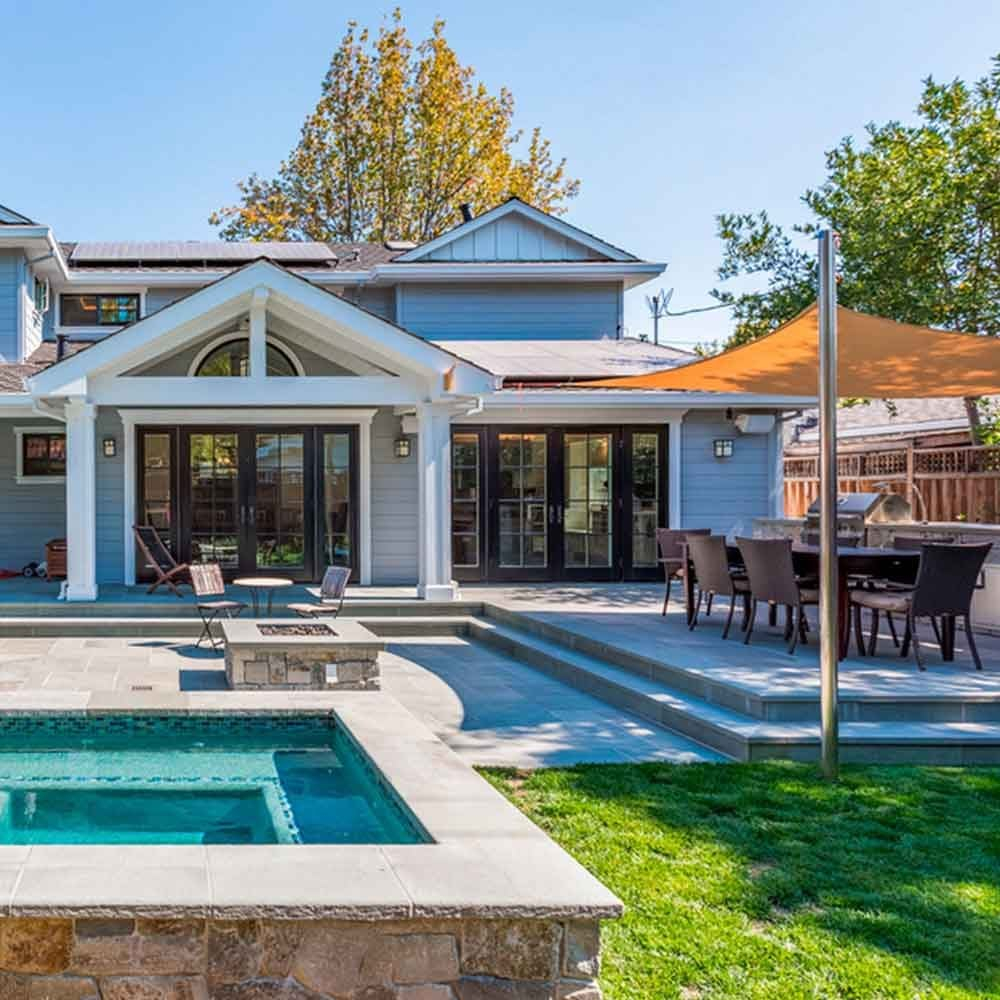
[sps_html tag=”img” src=”https://cdn.northcarolinafinearchitecture.com/2026/05/38-outdoor-entertaining-area-ideas-2025-stylish-patios-decks-pools-with-regard-to-outdoor-refrigerator-design.png” alt=”38 Outdoor Entertaining Area Ideas 2025 – Stylish Patios, Decks, Pools … with regard to Outdoor Refrigerator Design” style=”width: 100%; height: auto;”]
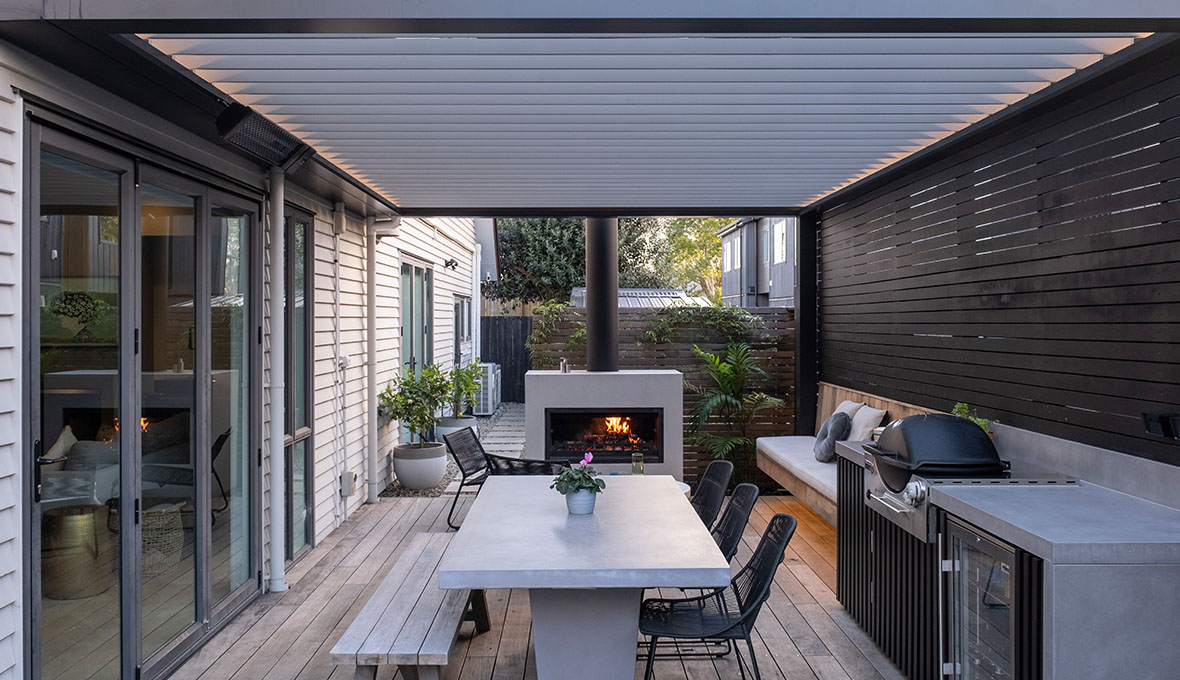
[sps_html tag=”img” src=”https://cdn.northcarolinafinearchitecture.com/2026/05/how-to-create-an-outdoor-space-perfect-for-entertaining-article-for-outdoor-refrigerator-design.jpg” alt=”How To Create An Outdoor Space Perfect For Entertaining | Article for Outdoor Refrigerator Design” style=”width: 100%; height: auto;”]
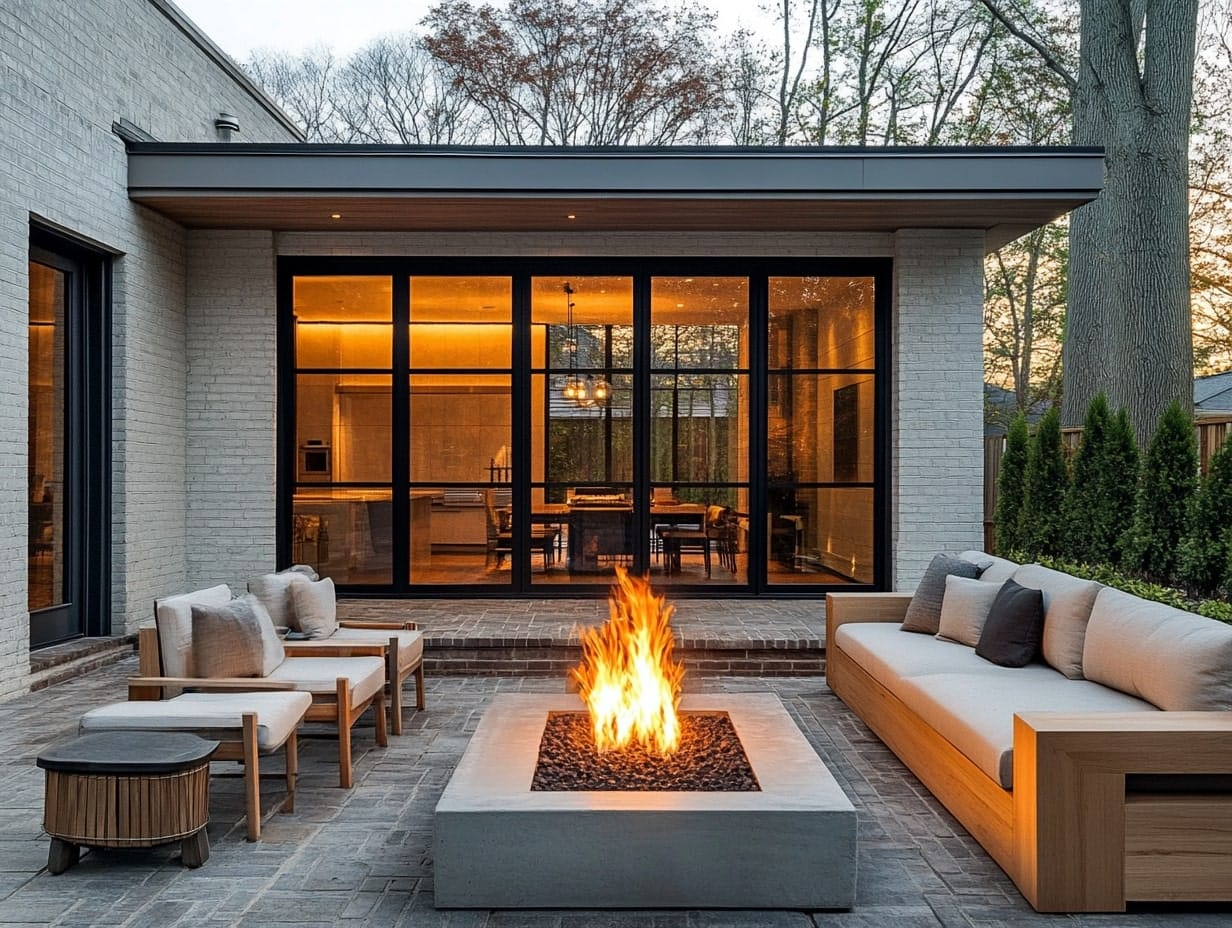
[sps_html tag=”img” src=”https://cdn.northcarolinafinearchitecture.com/2026/05/backyard-entertaining-spaces-ultimate-tips-for-perfect-gatherings-regarding-transforming-your-backyard-entertaining-space-with-smart-refrigerator-placement-ideas.jpg” alt=”Backyard Entertaining Spaces: Ultimate Tips For Perfect Gatherings … regarding Transforming Your Backyard Entertaining Space With Smart Refrigerator Placement Ideas” style=”width: 100%; height: auto;”]
[sps_html tag=”img” src=”https://cdn.northcarolinafinearchitecture.com/2026/05/backyard-entertaining-spaces-family-handyman-in-transforming-your-backyard-entertaining-space-with-smart-refrigerator-placement-ideas.jpg” alt=”Backyard Entertaining Spaces | Family Handyman in Transforming Your Backyard Entertaining Space With Smart Refrigerator Placement Ideas” style=”width: 100%; height: auto;”]
[sps_html tag=”img” src=”https://cdn.northcarolinafinearchitecture.com/2026/05/transforming-your-backyard-into-the-ultimate-outdoor-entertainment-space-inside-outdoor-refrigerator-design.png” alt=”Transforming Your Backyard Into The Ultimate Outdoor Entertainment Space inside Outdoor Refrigerator Design” style=”width: 100%; height: auto;”]