Ever stood in your backyard, coffee in hand, feeling like you’re on stage? It’s that weird, exposed sensation when the neighbors can see every move you make. You want to hide, sure. But you don’t want to feel like you’re sitting in a box. Solid walls block the view, but they also block the wind. And let’s be honest, a stagnant, stuffy patio is nobody’s idea of a good time.
This is where the magic of the crisscross comes in. It’s not just about slapping up some wood strips. It’s about engineering a space that breathes. In 2026, homeowners are finally moving past the era of "privacy at all costs" and embracing designs that let light and air filter through while keeping prying eyes at bay. It’s a delicate dance, but get it right, and your garden becomes a sanctuary that feels open yet secure.
The Science of Seeing and Breathing
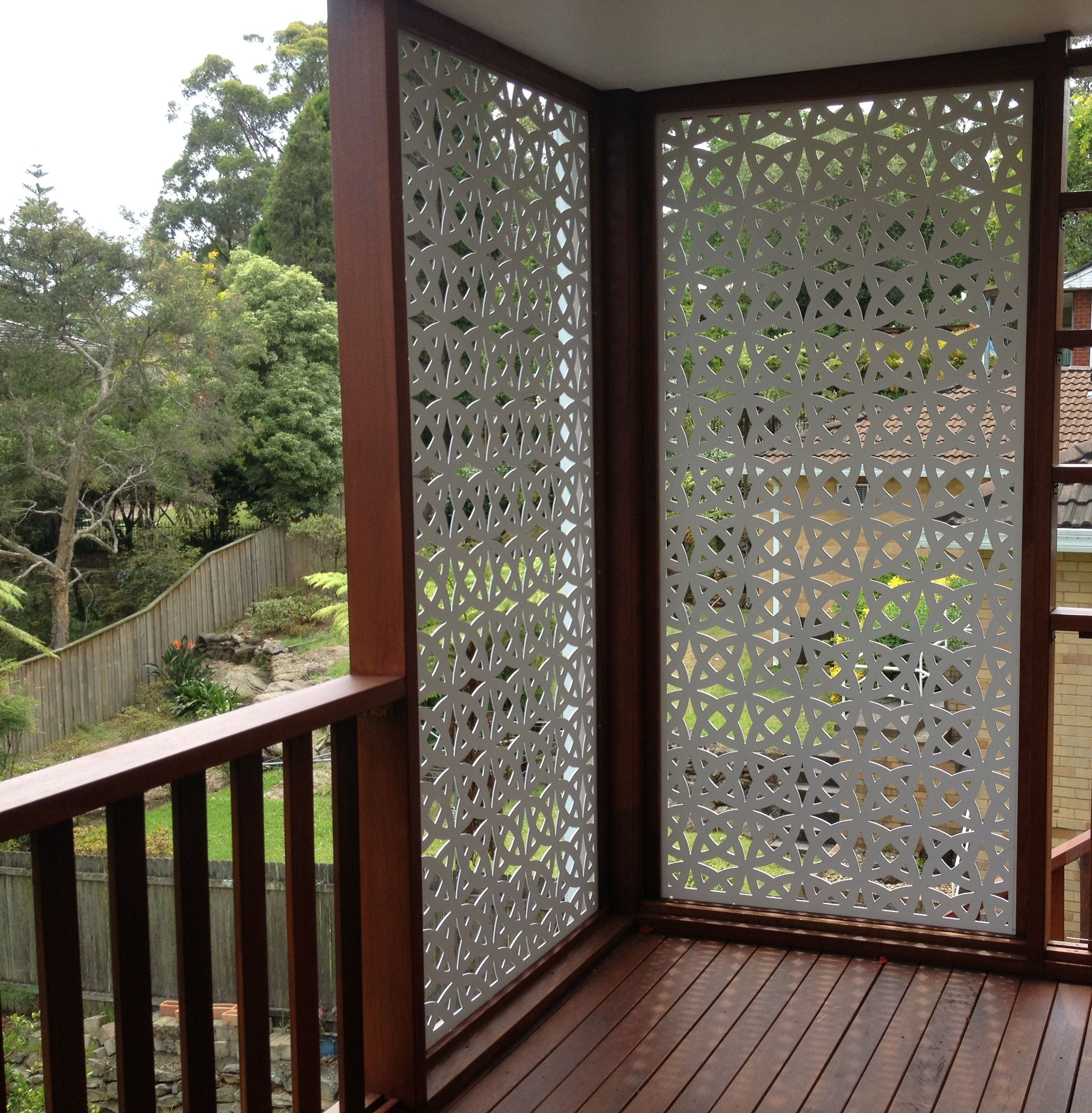
Why does a lattice work when a solid fence fails? It’s all about visual perception and fluid dynamics, though you don’t need a degree in physics to get it. When you look at a solid wall, your eye stops dead. But with a crisscross pattern, your brain gets confused. The overlapping lines break up the image behind the screen. From a distance, those gaps blend together, creating a semi-solid barrier. It’s an optical trick that has been used for centuries, from Japanese shoji screens to Victorian trellises.
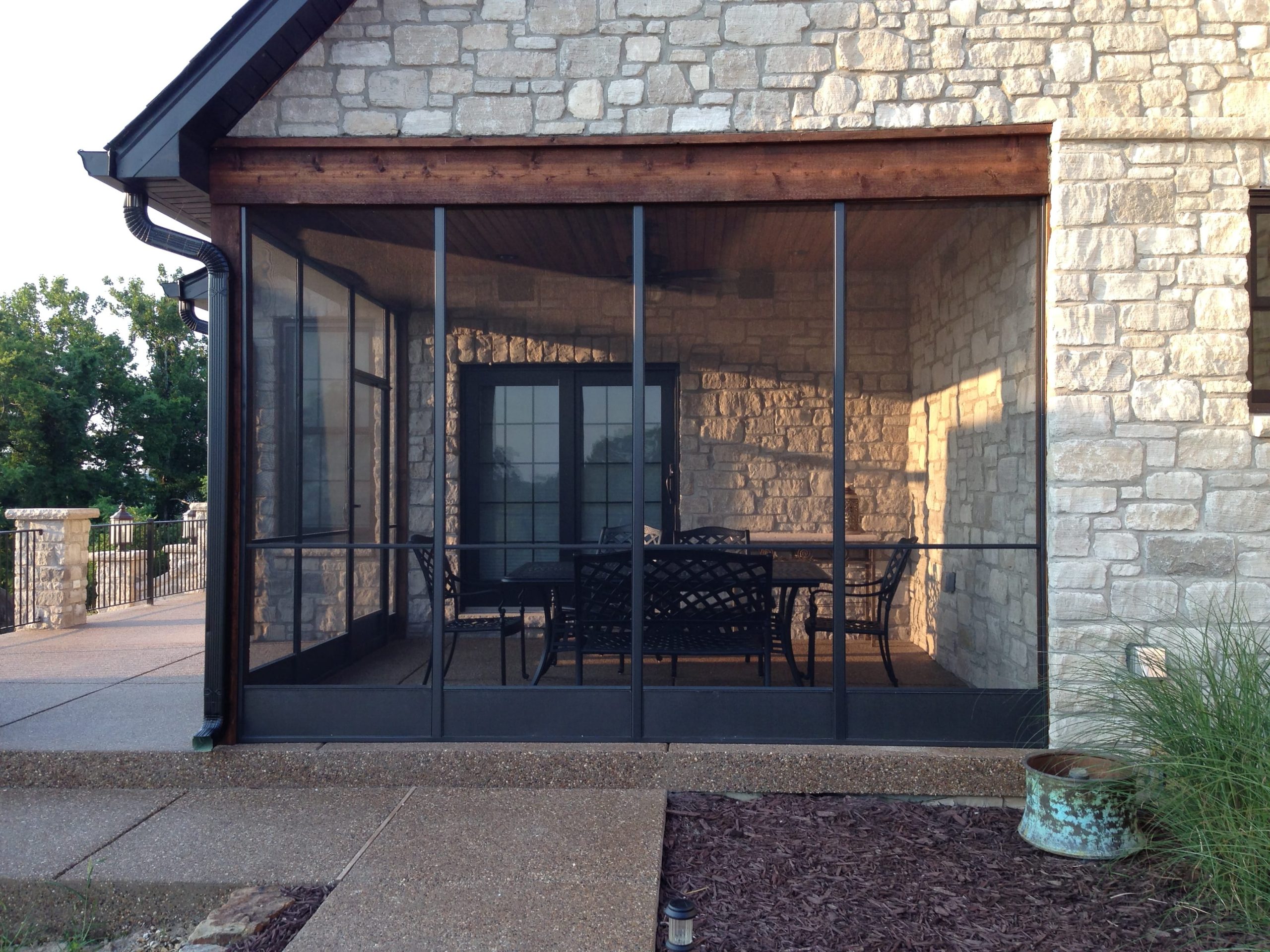
But the real hero here is the airflow. A solid fence creates a vacuum effect or a wind tunnel, depending on the angle. It blocks the breeze completely, which means heat gets trapped. In the summer, that makes your outdoor space unusable. A lattice, however, acts like a sieve. It slows the wind down without stopping it. This gentle circulation keeps the area cool and prevents that heavy, humid feeling that plagues enclosed patios.
Think of it like a mesh screen on a window. You can see out, but people can’t really see in. The key is the density. If the holes are too big, you have no privacy. Too small, and you lose the airflow. The sweet spot, according to recent design trends in 2026, is a pattern that offers about 70-80% visual screening. This allows enough light to pass through to keep plants happy and the space bright, while still giving you that crucial sense of seclusion.
Choosing Your Pattern: Diamond vs. Square
Not all crisscrosses are created equal. The two main contenders are the diamond (diagonal) pattern and the square (grid) pattern. Each has its own vibe and functional benefits. The diamond pattern is the classic choice. It’s dynamic and draws the eye upward, which can make a small garden feel taller. Because the strips cross at an angle, the openings are technically smaller than the spacing between the strips might suggest. This gives you slightly more privacy for the same amount of material.
Square grids, on the other hand, feel more modern and structured. They create a clean, orderly look that pairs well with contemporary architecture. The airflow through a square grid is often more direct because the openings align vertically and horizontally. If you live in an area with strong prevailing winds, a square grid might allow a bit more breeze to pass through straight-on compared to the deflecting nature of a diagonal lattice.
Then there’s the spacing. This is where most people mess up. A standard 2-inch gap looks nice and airy, but it offers almost zero privacy. You’ll see everything. For true screening, you need to go tighter. Recent guides from experts suggest using 1-inch or even smaller openings for maximum effect. Yes, it uses more wood or vinyl, and yes, it costs a bit more. But the difference in privacy is night and day. It’s like the difference between a sheer curtain and a blackout shade. You want something in the middle.
Material Matters in 2026
Back in the day, you had cedar or pressure-treated pine. Maybe vinyl if you were feeling fancy. Today, the options are way more diverse, and each brings something different to the table. Wood is still the king of aesthetics. Cedar and redwood are naturally resistant to rot and insects, and they smell amazing. But they need maintenance. You’ve got to stain or seal them every few years, or they’ll turn gray and brittle. In 2026, many homeowners are opting for thermally modified wood, which is more stable and lasts longer without chemicals.
Vinyl and PVC have come a long way. They used to look cheap and plasticky, but newer composites mimic wood grain surprisingly well. The big plus? Zero maintenance. You hose them off, and you’re done. They don’t warp, crack, or fade as easily as wood. However, they can get hot in direct sunlight, and if they break, you usually have to replace the whole panel. You can’t just sand down a scratch.
Composite materials are the rising star. Made from a mix of wood fibers and plastic, they offer the best of both worlds. They look like wood, feel like wood, but resist rot and insects like plastic. They’re heavier, though, so you need a sturdy frame. And then there’s metal. Aluminum lattice panels are gaining traction for their sleek, industrial look. They’re incredibly durable and thin, allowing for very tight patterns without looking bulky. Just make sure it’s powder-coated to prevent rust, especially if you’re near the coast.
Strategic Placement and Height
Where you put the lattice is just as important as what it’s made of. You don’t need to wrap your entire yard in it. That’s expensive and can feel claustrophobic. Instead, think about "zones." Where do you actually spend time? Is it the dining patio? The hot tub area? The reading nook? Focus your privacy efforts there. A well-placed screen can define a room outdoors without building four walls.
Height is another critical factor. Standard fences are 6 feet tall. But often, you don’t need that much height for privacy. If your neighbors are on higher ground, maybe you do. But if you’re on level ground, a 4-foot lattice on top of a 3-foot solid base can be incredibly effective. This "topper" approach, popularized in recent DIY guides, adds privacy where it’s needed (at eye level when sitting or standing) while keeping the base solid for security and pet containment.
Consider the sun’s path, too. A lattice on the west side of your patio can block the harsh afternoon sun while still letting breezes through. It acts as a shade sail and a privacy screen in one. But if you put it on the north side in a cooler climate, you might block precious warmth. Map out your garden’s microclimates before you drive a single post. It saves you from regretting your choices later when you’re shivering in the shade or baking in the sun.
Living Lattices: Adding Greenery
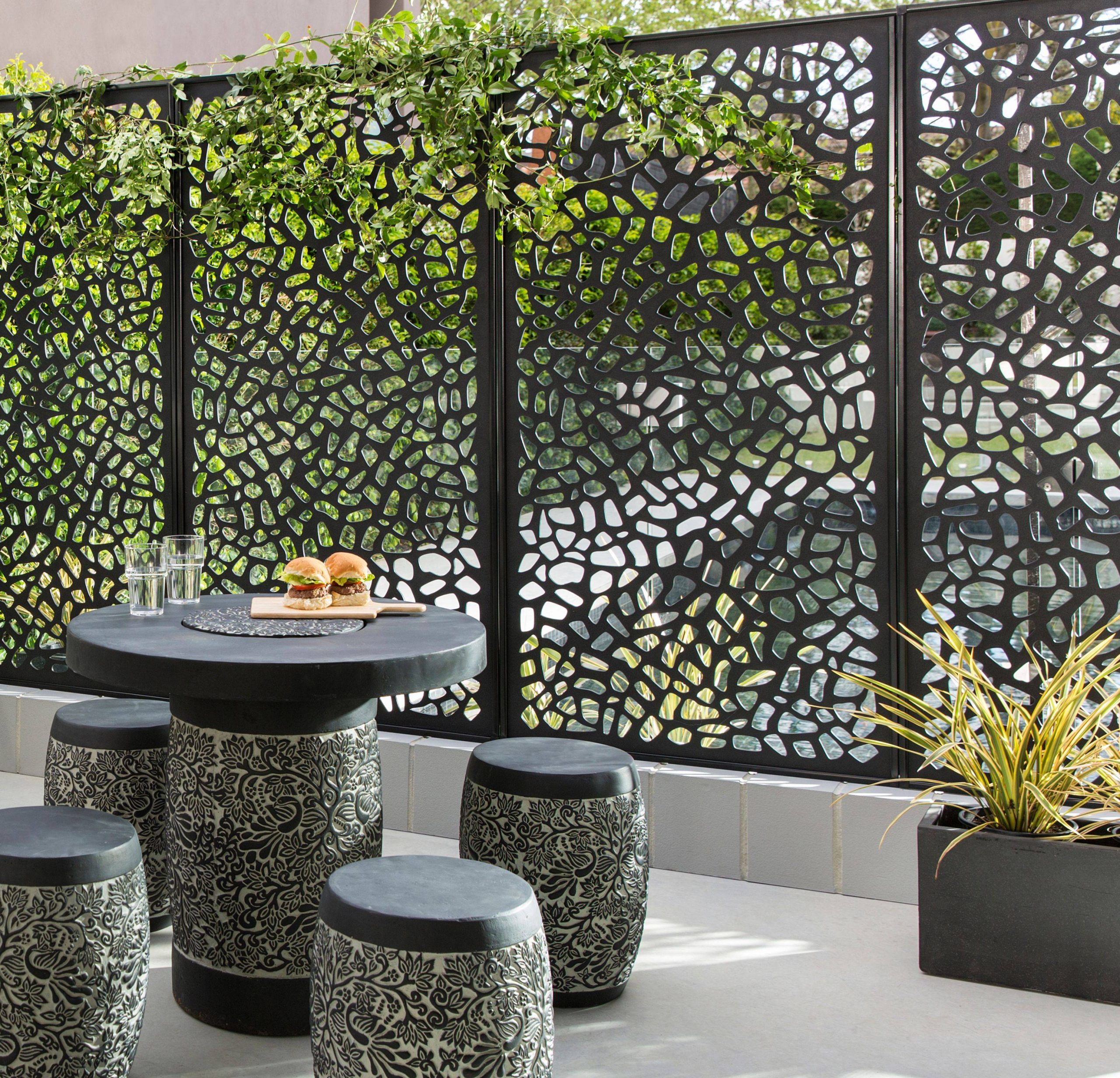
A bare lattice is nice. A lattice covered in vines is magical. This is where function meets beauty. Plants add an extra layer of privacy, soften the hard lines of the structure, and bring life to the space. But you have to choose the right plants. Fast-growing annuals like morning glories are great for a quick fix, but they die back in winter. For year-round coverage, you need evergreens or sturdy perennials.
Clematis is a favorite for its stunning flowers and manageable growth. Jasmine adds incredible scent, which enhances the sensory experience of your garden. Ivy is classic but can be invasive and damaging to wood if not managed properly. In 2026, there’s a big push towards native climbing plants that support local pollinators. Honeysuckle and trumpet vine are excellent choices that birds and bees love.
Don’t forget the weight. Wet vines are heavy. Your lattice needs to be sturdy enough to support the load. A flimsy panel will buckle under the weight of a mature wisteria. Use thick slats and secure them well. Also, leave some space between the plant and the lattice for air circulation. If the foliage is too dense against the wood, it can trap moisture and lead to rot. Pruning is essential. It’s not just about looks; it’s about preserving the structure.
If you’re handy, building your own lattice is a rewarding project. It’s cheaper than buying pre-made panels, and you can customize the size and spacing. Start with a solid frame. Use 2x4s for the border. Then, cut your slats to size. For a diamond pattern, you’ll need to cut the ends at a 45-degree angle. This takes time and precision. A miter saw is your best friend here.
One common mistake is ignoring expansion and contraction. Wood moves with changes in humidity and temperature. If you nail your slats too tightly, they’ll warp or crack when they swell. Leave a tiny gap, or use screws that allow for a bit of movement. Another pitfall is using the wrong fasteners. Exterior-grade screws are a must. Nails will pop out over time. Stainless steel or coated deck screws are the way to go.
Pre-finishing your wood before installation is a pro tip that saves hours of work later. Paint or stain all sides of the slats, including the ends, before you assemble the panel. Once it’s up, you’ll never reach those hidden spots, and they’ll be the first place to rot. And don’t skimp on the posts. A beautiful lattice means nothing if it leans over after the first storm. Set your posts in concrete and make sure they’re plumb. It’s the unglamorous part of the job, but it’s the foundation of everything else.
So, you’ve got the plan. You’ve picked the material, the pattern, and the plants. Now it’s time to build. Remember, perfection isn’t the goal. Connection is. You’re creating a space where you can breathe, relax, and feel safe. The crisscross lattice is just the tool. The result is a garden that feels like yours. Don’t worry if a slat is a millimeter off. Nature doesn’t do straight lines, and neither should you. Embrace the imperfections. They add character.
In the end, balancing airflow and privacy is about finding your comfort zone. It’s about knowing when you want to see the world and when you want the world to stop staring. With a clever lattice design, you don’t have to choose. You get both. You get the breeze on your face and the peace in your mind. And in today’s busy world, that’s worth more than any solid wall could ever provide. Go out there, get your hands dirty, and build yourself a little slice of heaven.
[sps_html tag=”img” src=”https://cdn.northcarolinafinearchitecture.com/2026/05/18-garden-screen-panels-ideas-to-try-this-year-sharonsable-throughout-outdoor-screen-design-scaled.jpg” alt=”18 Garden Screen Panels Ideas To Try This Year | Sharonsable throughout Outdoor Screen Design” style=”width: 100%; height: auto;”]
[sps_html tag=”img” src=”https://cdn.northcarolinafinearchitecture.com/2026/05/guide-to-choosing-the-right-retractable-patio-screens-with-regard-to-how-to-choose-the-right-outdoor-screen-material-for-your-climate-in-2026.jpg” alt=”Guide To Choosing The Right Retractable Patio Screens with regard to How to Choose the Right Outdoor Screen Material for Your Climate in 2026″ style=”width: 100%; height: auto;”]
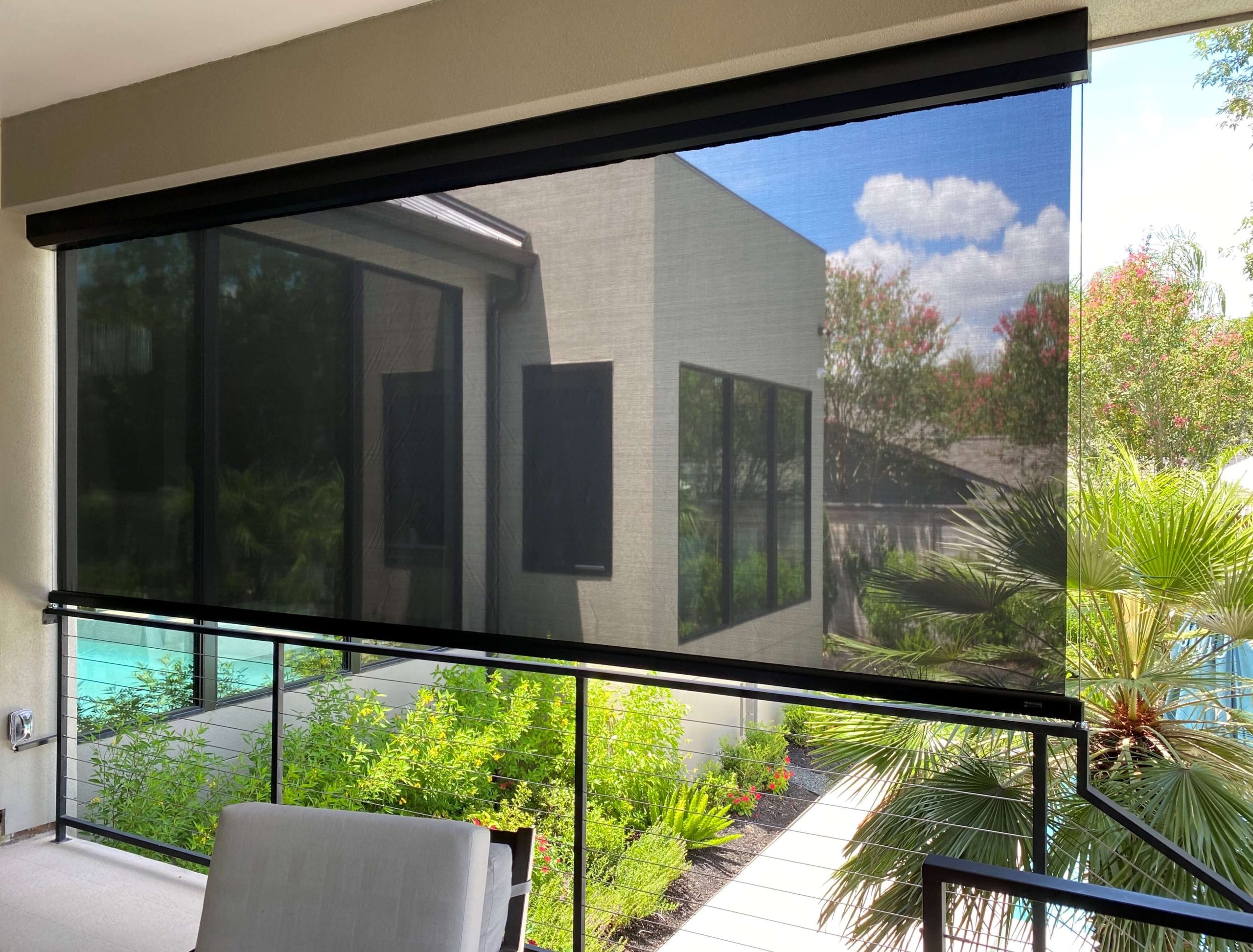
[sps_html tag=”img” src=”https://cdn.northcarolinafinearchitecture.com/2026/05/retractable-patio-screens-houston-motorized-porch-screens-the-shade-inside-outdoor-screen-design-scaled.jpg” alt=”Retractable Patio Screens Houston - Motorized Porch Screens | The Shade … inside Outdoor Screen Design” style=”width: 100%; height: auto;”]
[sps_html tag=”img” src=”https://cdn.northcarolinafinearchitecture.com/2026/05/how-to-build-outdoor-privacy-screen-panels-at-kelly-duppstadt-blog-with-how-to-choose-the-right-outdoor-screen-material-for-your-climate-in-2026.jpg” alt=”How To Build Outdoor Privacy Screen Panels At Kelly Duppstadt Blog with How to Choose the Right Outdoor Screen Material for Your Climate in 2026″ style=”width: 100%; height: auto;”]
[sps_html tag=”img” src=”https://cdn.northcarolinafinearchitecture.com/2026/05/exploring-new-possibilities-with-outdoor-patio-screen-panels-patio-in-outdoor-screen-design.jpg” alt=”Exploring New Possibilities With Outdoor Patio Screen Panels - Patio … in Outdoor Screen Design” style=”width: 100%; height: auto;”]