Got a gloomy spot that refuses to glow? You are not alone. For years, we’ve treated shade like a problem to be solved, something to fix with extra lights or by chopping down trees. But here’s the thing: those dark corners are actually gold mines. In 2026, the tide has turned. We aren’t fighting the shadow anymore; we are leaning into it.
Think about it. While your sunny borders are begging for water every single day, that cool, damp corner under the oak tree is just chilling. It’s quiet. It’s mysterious. And with the right touch, it can become the most elegant part of your yard. People are done with high-maintenance lawns. They want secret hideaways. They want vibrant plant tapestries that look like they belong in a fairy tale, not a catalog.
So, how do you make your neighbors wonder what sort of sorcery you used? It’s not magic. It’s just knowing which plants love the dark and how to layer them so they pop. Let’s dive into how you can transform that "meh" space into a lush, low-key magical nook without breaking a sweat.
Understanding Your Shade Canvas
Before you buy a single fern, you have to know what you are dealing with. Not all shade is created equal. There’s dry shade, which is tough because tree roots suck up all the moisture. Then there’s wet shade, which can feel swampy if you don’t plan right. And let’s not forget dappled shade, where sunlight filters through leaves like a spotlight. Identifying this is step one. If you ignore it, your plants will struggle, and you’ll feel defeated.
Take a walk around your yard at different times of the day. Watch where the light falls. Is it pitch black by noon? Or does it get a gentle morning kiss of sun? This matters. Most people guess, and guessing leads to dead hostas. In 2026, we are using simple soil moisture meters—cheap little gadgets that tell you exactly how wet or dry the earth is. It takes the guesswork out. You stop wondering why things are dying and start knowing why they are thriving.
Also, look at the vibe of the space. Is it next to a patio? Maybe you want something you can see from your coffee chair. Is it a side yard nobody sees? That’s your chance to go wild with textures. Don’t try to force a sunny personality onto a shady spot. Embrace the coolness. Accept the dampness. Once you stop fighting the environment, the design process becomes way less stressful and alot more fun.
The Plant Palette: Stars of the Shadow
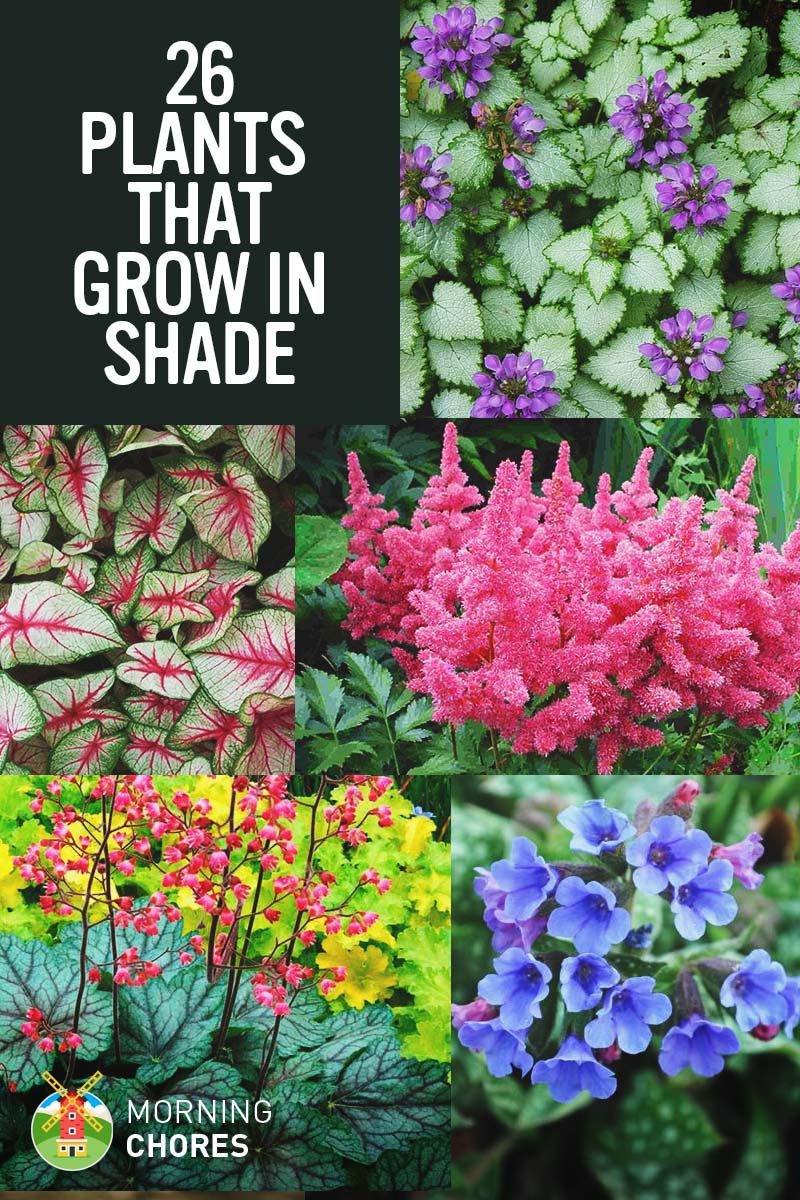
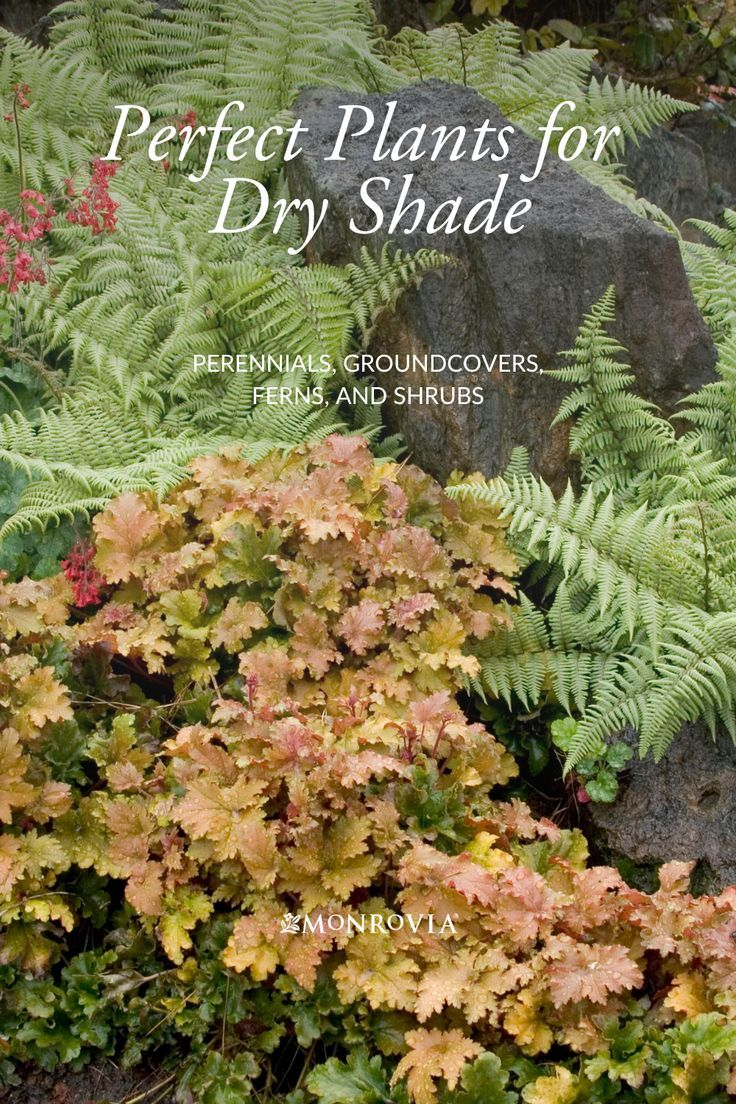
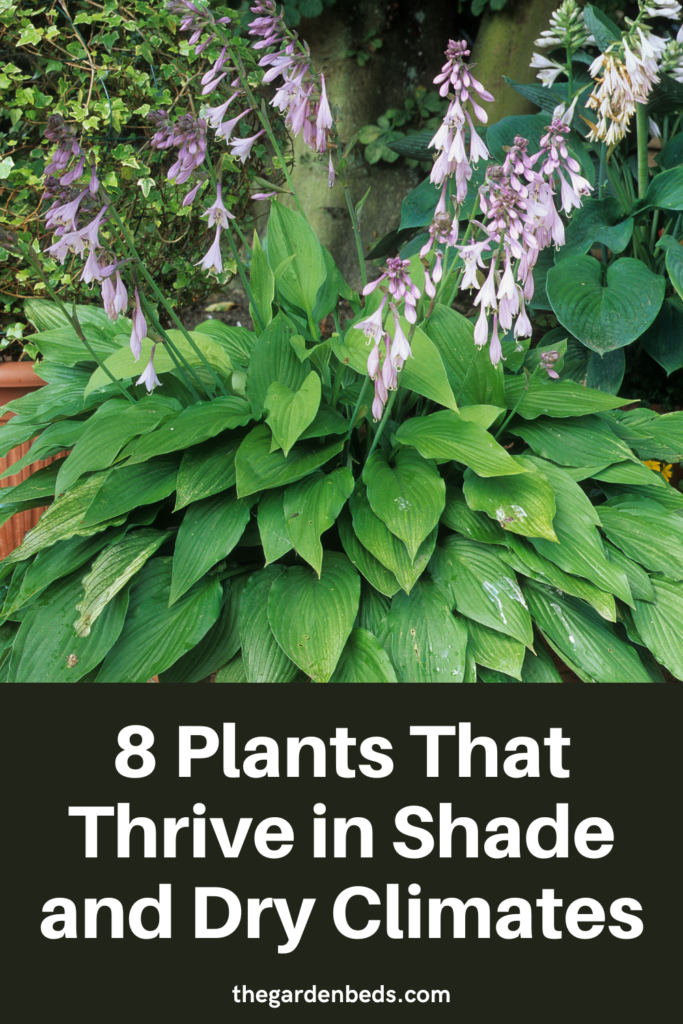
When it comes to picking plants, think of foliage as your main event. Flowers are great, sure, but in deep shade, leaves are the showstoppers. Hostas are the classic choice for a reason. They come in every size, from tiny teacups to massive behemoths, and their leaves range from blue-green to chartreuse. But don’t stop there. Ferns are having a huge moment right now. They add this feathery, soft texture that makes a garden feel ancient and established, even if you just planted them last week.
Astilbes are another heavy hitter. They bring plumes of color—pinks, reds, whites—that rise above the greenery. They love moisture, so if you have a damp corner, these are your best friends. Then there are the newer favorites gaining traction in 2026, like Heuchera (coral bells). Their leaves come in wild colors like purple, silver, and lime. Placing a bright lime Heuchera next to a dark purple Heuchera creates a contrast that wakes up the eye without needing a single bloom.
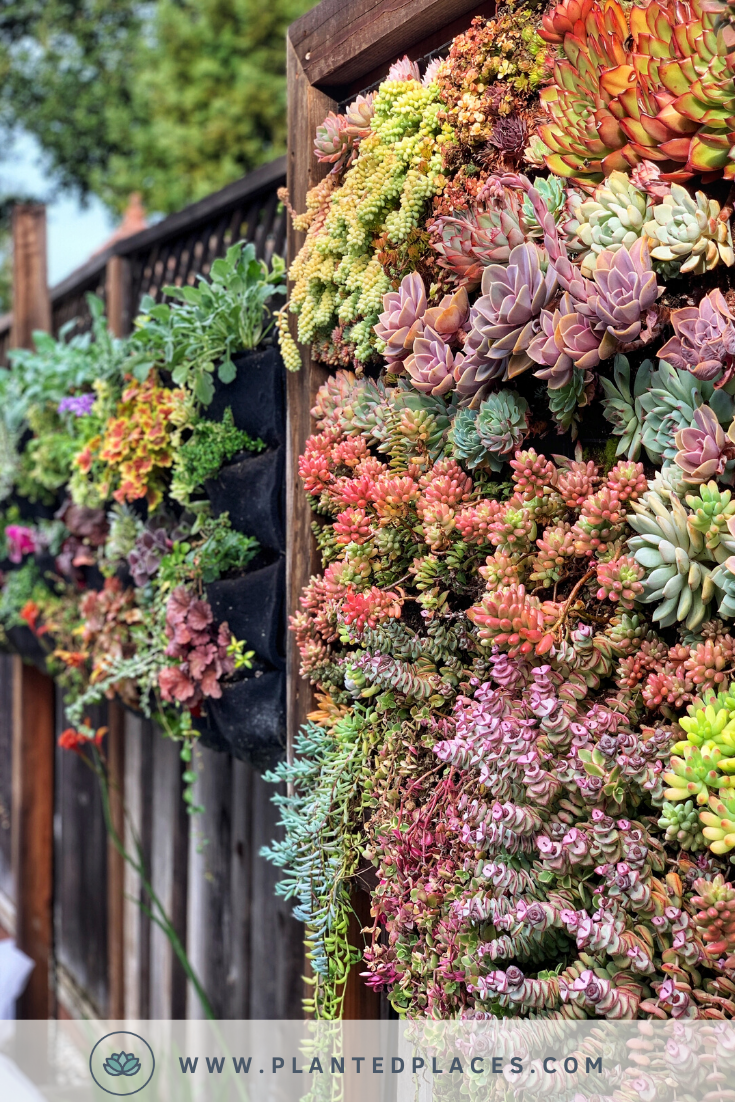
Don’t forget the ground level. Bare dirt looks sad, especially in shade. Moss is making a comeback, but it’s tricky. If you don’t have the right conditions, it turns brown and crispy. Instead, try creeping Jenny or sweet woodruff. They spread fast, cover the soil, and keep the weeds down. It’s about layering. Tall stuff in the back, medium in the middle, and creepers in the front. This creates depth. It makes a small corner feel like a dense, lush jungle rather than a sparse collection of potted plants.
Design Layouts That Create Depth
A common mistake is planting in straight lines. Nature doesn’t do straight lines, and neither should you. To make a dark corner feel lush, you need to create curves and clusters. Think in drifts. Instead of one hosta here and one fern there, plant three or five of the same type together. This repetition creates rhythm. It guides the eye through the space. It feels intentional, not accidental.
Consider the vertical space too. Shade gardens can feel flat if everything is low to the ground. Add height with architectural plants. Tree ferns are stunning if you live in a mild climate. If not, try tall grasses like Hakonechloa (Japanese forest grass), which sways in the breeze and catches what little light there is. In 2026, we are also seeing a rise in using hardscaping to break up the green. A simple stone path winding through the plants invites you in. It gives you a reason to walk into the shade, not just look at it from afar.
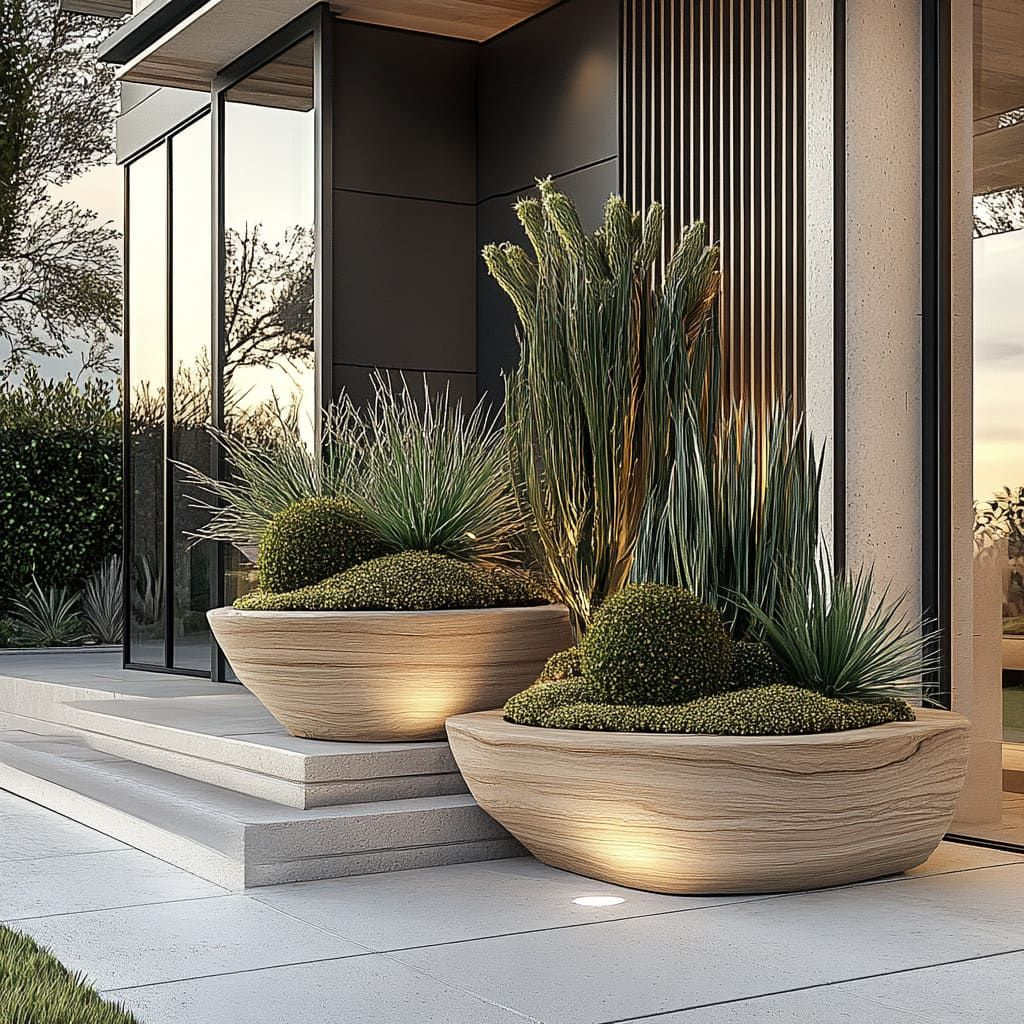
Another trick is to use containers. If the soil is terrible or too dry, don’t fight it. Use oversized concrete planters. They look modern and sleek, contrasting nicely with the organic shapes of the plants. You can move pots around until you get the arrangement just right. It’s low commitment. Plus, raising some plants up brings them closer to eye level, making the garden feel more intimate. It’s about creating layers of interest at different heights, so there’s always something new to see.
Lighting and Hardscape Accents
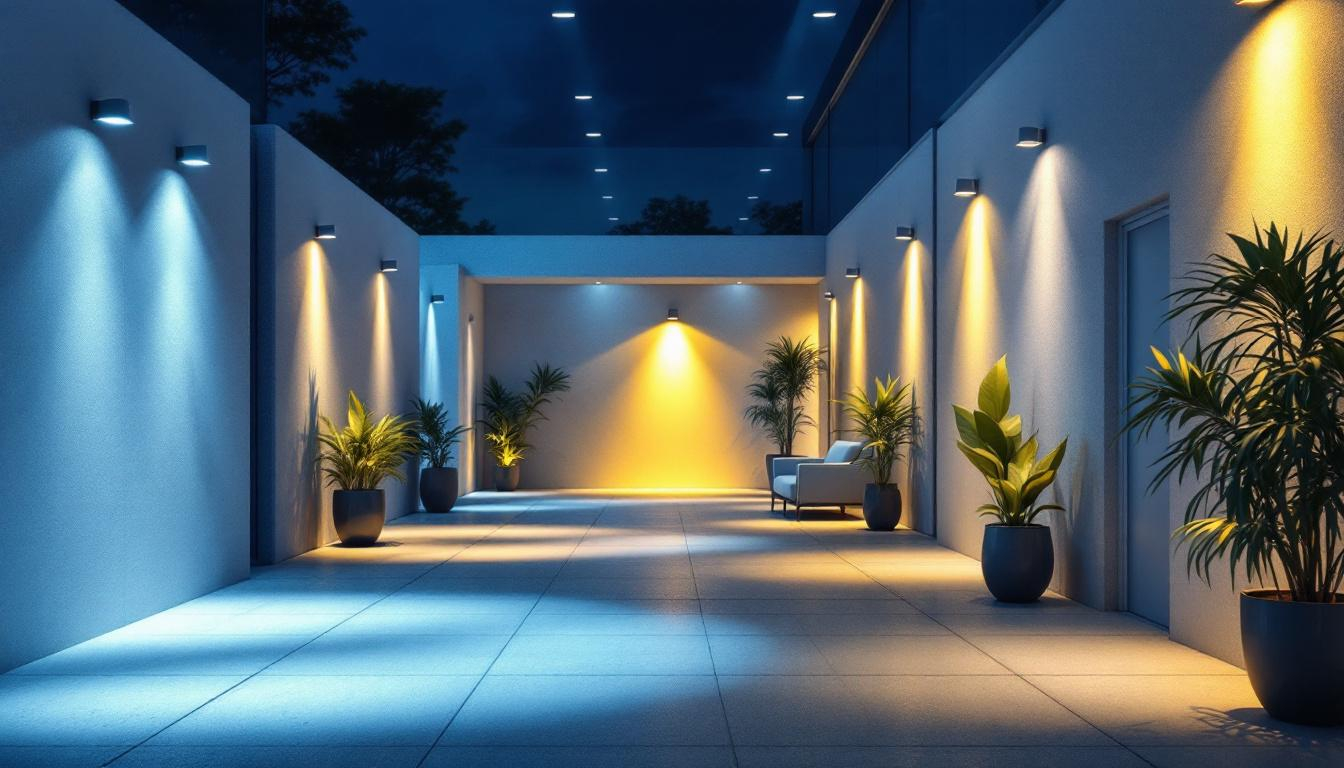
Just because it’s a shade garden doesn’t mean it should be dark at night. In fact, lighting is where the magic really happens. But avoid flooding the area with bright white light. That kills the mood. Instead, go for warm, subtle uplighting. Place a small spotlight at the base of a Japanese maple or a large fern. The light filters through the leaves, creating shadows and patterns on the ground. It’s dramatic. It’s cozy. It extends the life of your garden into the evening hours.
Hardscape elements add structure. Without them, a shade garden can look messy. Think about adding a bench made of weathered wood or stone. It gives you a place to sit and enjoy the peace. In 2026, sustainable materials are big. Recycled composite decking or reclaimed brick paths fit perfectly with the natural vibe. They don’t scream "new." They blend in. They age well.
Water features are another excellent addition. The sound of trickling water masks neighborhood noise and adds a sensory layer to the visual beauty. A small fountain tucked into a corner draws you in. It attracts birds and beneficial insects. It makes the space feel alive. You don’t need a huge pond. Even a simple bubbling urn works. The key is to keep it simple. Let the plants be the stars, and let the hardscape support them quietly in the background.
Low-Maintenance Magic for Busy Lives
Let’s be real. Most of us don’t have hours to spend weeding and watering. The beauty of a shade garden is that it’s naturally lower maintenance. Shade means less evaporation, so you water less. That’s a win. But to keep it truly easy, you need to choose the right plants. Stick to natives where possible. They are adapted to your local climate and pests. They just work.
Mulch is your best friend. A thick layer of shredded bark or leaf mold keeps the soil moist and suppresses weeds. It also breaks down over time, feeding the soil. It’s a cycle. In 2026, we are moving away from chemical fertilizers and towards building healthy soil ecosystems. Compost tea and organic matter are the go-to solutions. Healthy soil means healthy plants, and healthy plants resist disease better. It’s less work for you in the long run.
Pruning is minimal. Most shade plants don’t need much trimming. Just remove dead leaves in the spring to make way for new growth. Divide hostas and ferns every few years if they get too crowded. That’s it. You’re not battling aphids on roses or deadheading petunias every day. You’re observing. You’re enjoying. The goal is to create a space that cares for itself mostly, allowing you to just exist in it. That’s the ultimate luxury.
One fear people have is that shade gardens look boring in winter. It’s true, many perennials die back. But that’s where structure comes in. Evergreen ferns, like Christmas fern, stay green all year. Boxwoods or dwarf conifers can provide permanent shape. In late fall, the seed heads of astilbes and hydrangeas look beautiful covered in frost. They add texture when everything else is bare.
Don’t underestimate the power of bark. Trees with interesting bark, like birch or dogwood, become focal points in winter. Their branches create silhouettes against the sky. Adding berries is another trick. Holly or winterberry bushes provide pops of red that stand out against the gray and brown of winter. Birds love them, too. It brings life to the garden when you need it most.
Planning for all four seasons ensures your investment pays off year-round. You aren’t just gardening for June. You’re gardening for January, too. When you step out into the cold air and see that splash of green or red, it lifts your spirits. It reminds you that life persists, even in the dark and cold. That connection to nature is what gardening is really about. It’s not just about pretty flowers; it’s about resilience and beauty in all forms.
Turning a dark corner into a lush retreat isn’t about fixing a flaw. It’s about revealing potential. It’s about seeing the quiet beauty in the shadows and giving it a stage. With the right plants, smart design, and a bit of patience, you can create a space that feels like a breath of fresh air. So, grab your trowel. Look at that gloomy spot with new eyes. It’s waiting for you to bring it to life.
[sps_html tag=”img” src=”https://cdn.northcarolinafinearchitecture.com/2026/06/dry-shade-plants-15-of-the-best-perennials-and-shrubs-for-dry-shade-with-outdoor-shade-garden-design.jpg” alt=”Dry Shade Plants (15 Of The Best Perennials And Shrubs For Dry Shade … with Outdoor Shade Garden Design” style=”width: 100%; height: auto;”]
[sps_html tag=”img” src=”https://cdn.northcarolinafinearchitecture.com/2026/06/best-plants-for-shady-areas-australia-at-scott-paramore-blog-intended-for-choosing-the-right-plants-for-dry-and-moist-shade-areas.jpg” alt=”Best Plants For Shady Areas Australia At Scott Paramore Blog intended for Choosing the Right Plants for Dry and Moist Shade Areas” style=”width: 100%; height: auto;”]
[sps_html tag=”img” src=”https://cdn.northcarolinafinearchitecture.com/2026/06/8-plants-that-thrive-in-shade-and-dry-climates-garden-beds-with-choosing-the-right-plants-for-dry-and-moist-shade-areas.png” alt=”8 Plants That Thrive In Shade And Dry Climates - Garden Beds with Choosing the Right Plants for Dry and Moist Shade Areas” style=”width: 100%; height: auto;”]
[sps_html tag=”img” src=”https://cdn.northcarolinafinearchitecture.com/2026/06/dry-shade-plants-15-of-the-best-perennials-and-shrubs-for-dry-shade-throughout-choosing-the-right-plants-for-dry-and-moist-shade-areas.jpg” alt=”Dry Shade Plants 15 Of The Best Perennials And Shrubs For Dry Shade … throughout Choosing the Right Plants for Dry and Moist Shade Areas” style=”width: 100%; height: auto;”]
[sps_html tag=”img” src=”https://cdn.northcarolinafinearchitecture.com/2026/06/perfect-plants-for-dry-shade-artofit-regarding-choosing-the-right-plants-for-dry-and-moist-shade-areas.jpg” alt=”Perfect Plants For Dry Shade – Artofit regarding Choosing the Right Plants for Dry and Moist Shade Areas” style=”width: 100%; height: auto;”]