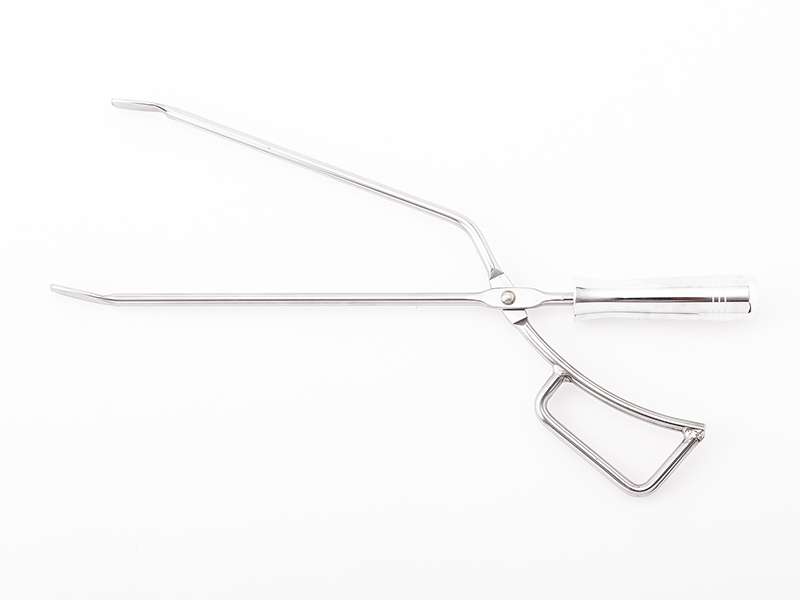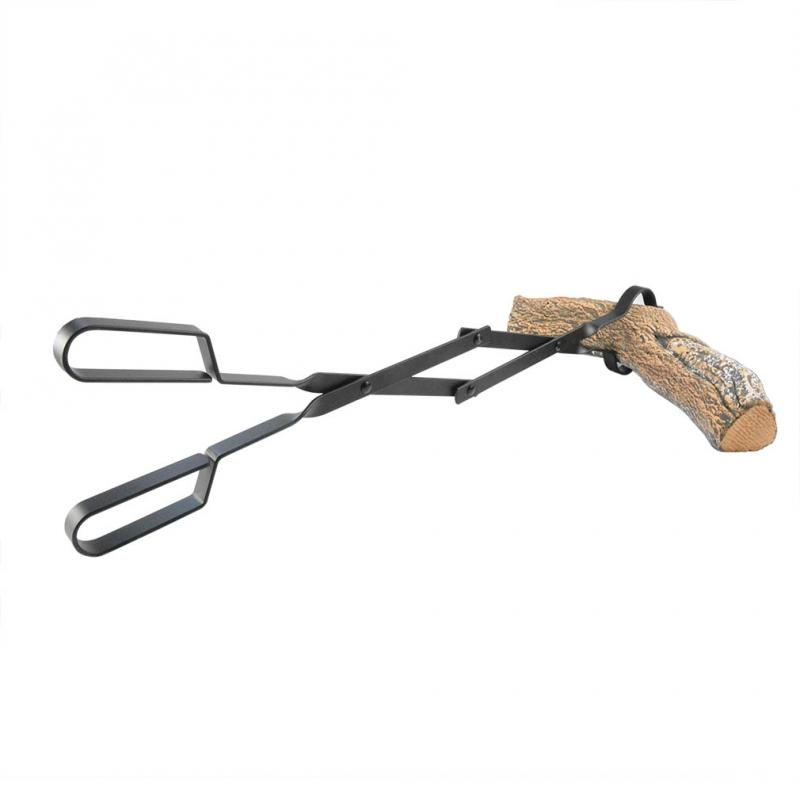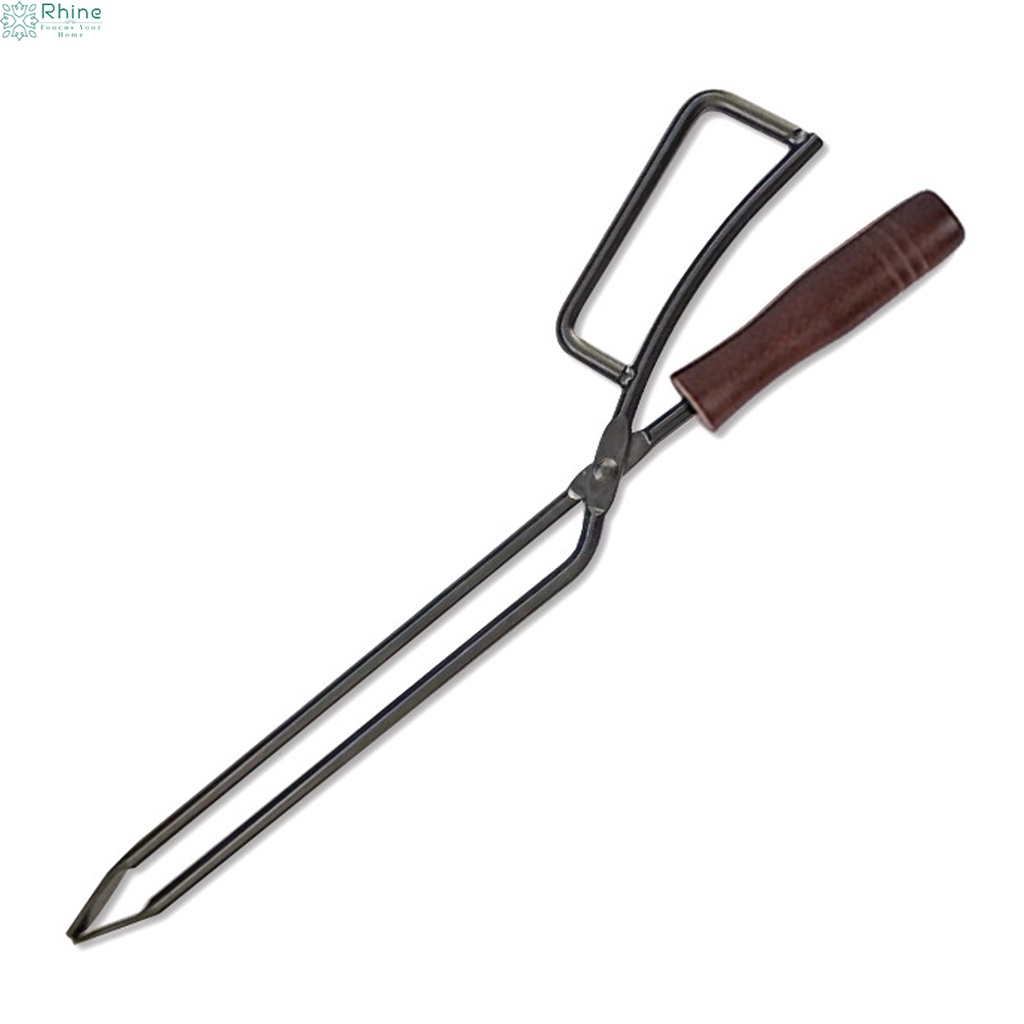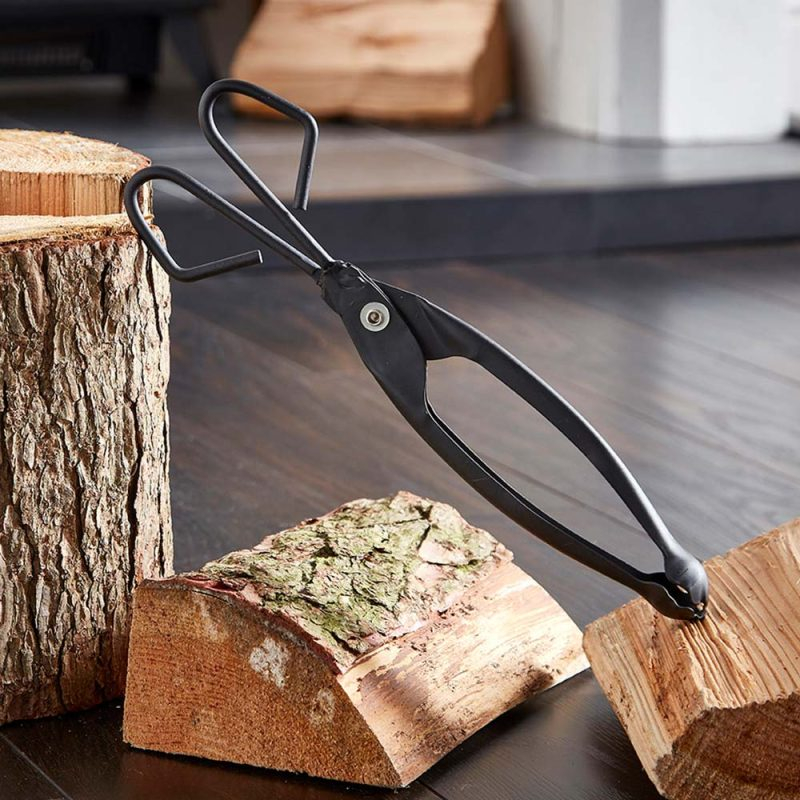
We’ve all been there. You’re standing by the fire pit, the night is crisp, and you need to shift a burning log. You reach for those extra-long tongs you bought because the box said “maximum reach.” But instead of grabbing the wood cleanly, the smooth metal jaws slide right off the bark. The log tumbles back into the embers, sending a shower of sparks toward your shins. You jump back, heart racing. It’s a moment that ruins the vibe instantly.
Most people think the solution is just getting longer tools. If 26 inches isn’t enough, surely 40 inches will fix it, right? Not necessarily. In fact, focusing solely on length is one of the biggest mistakes backyard fire enthusiasts make in 2026. The real hero isn’t how far you can reach; it’s how well you can hold on once you get there. The design of the claw—the actual business end of the tool—is what separates a frustrating evening from a seamless, safe experience.
Let’s be honest. A long handle with a bad grip is just a longer way to drop a hot piece of oak on your foot. The mechanics of the claw determine whether you have control or chaos. When we look at the latest gear on the market, from heavy-duty manganese steel grabbers to sleek scissor-style tongs, the common thread among the best performers isn’t their length. It’s their bite.
The Illusion of Reach
It’s easy to see why length sells. Marketing materials love to highlight “40-inch reach” or “extra-long protection.” And sure, distance from heat is good. Nobody wants singed eyebrows. But there’s a trade-off that rarely gets discussed until you’re actually using the tool. Leverage. The longer the handle, the harder it is to apply precise pressure at the tip. Think of it like trying to pick up a grape with chopsticks that are three feet long. It’s awkward. It’s wobbly.
When you extend your reach too far without a corresponding upgrade in grip technology, you lose finesse. You might be safe from the radiant heat, but you’re also less likely to successfully move that stubborn log that’s blocking the airflow. Recent reviews from sites like Advantage Outdoor Products point out that heavy-duty log claws often outperform traditional long tongs simply because they prioritize holding power over excessive extension. A 26-inch tool with a superior claw design often feels more manageable and effective than a clumsy 40-inch stick with smooth jaws.
This doesn’t mean long tools are useless. For large, open bonfire pits, you definitely want some distance. But the key is balance. As noted in guides from Backyard Alpha, a 26-inch length often provides the sweet spot between reach and control. It’s close enough to feel what you’re doing but far enough to keep your hands cool. If you go longer, the claw design has to work twice as hard to compensate for the reduced tactile feedback. If the claw is weak, the extra length becomes a liability, not an asset.
Teeth vs. Smooth: The Battle for Friction
Let’s talk about surfaces. Wood, especially when it’s been sitting in a fire, is not smooth. It’s charred, cracked, and often covered in ash. Smooth metal jaws have almost nothing to grab onto. They rely entirely on squeezing pressure, which means you have to clamp down hard. And when you clamp down hard on a brittle, burning log, what happens? It snaps. Or worse, it slips.
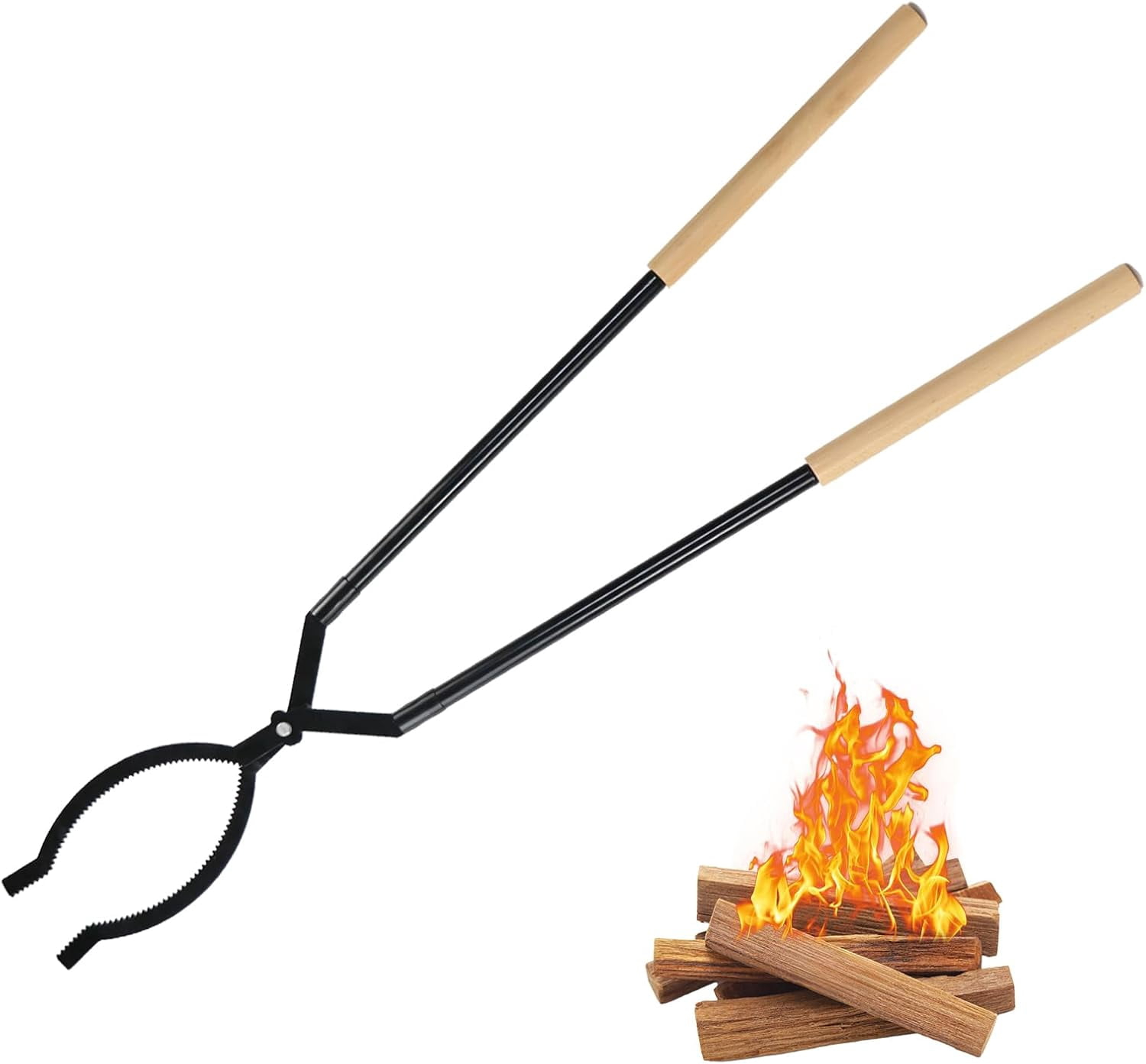
This is where serrated claws change the game. A serrated edge acts like tiny teeth, digging into the irregular surface of the wood. It creates mechanical interlocking. You don’t need to squeeze as hard because the teeth do the work of holding. Sources like The Yogic Garden highlight that serrated claw designs are specifically tailored to hold various log sizes, drastically reducing the chance of slipping during repositioning. It’s the difference between trying to hold a bar of soap with wet hands versus holding a textured rock.
In 2026, we’re seeing more manufacturers moving away from the classic, smooth scissor-tong look for serious fire pit tools. Instead, they’re incorporating aggressive serrations or even curved, claw-like hooks that wrap around the log. This design philosophy acknowledges that firewood is unpredictable. A straight-edged design might work for thin, uniform sticks, but for the chunky hardwood logs most people burn in their backyard pits, you need texture. You need friction. Without it, you’re fighting physics every time you try to adjust the fire.
Scissor Action vs. Spring-Loaded Grabbers
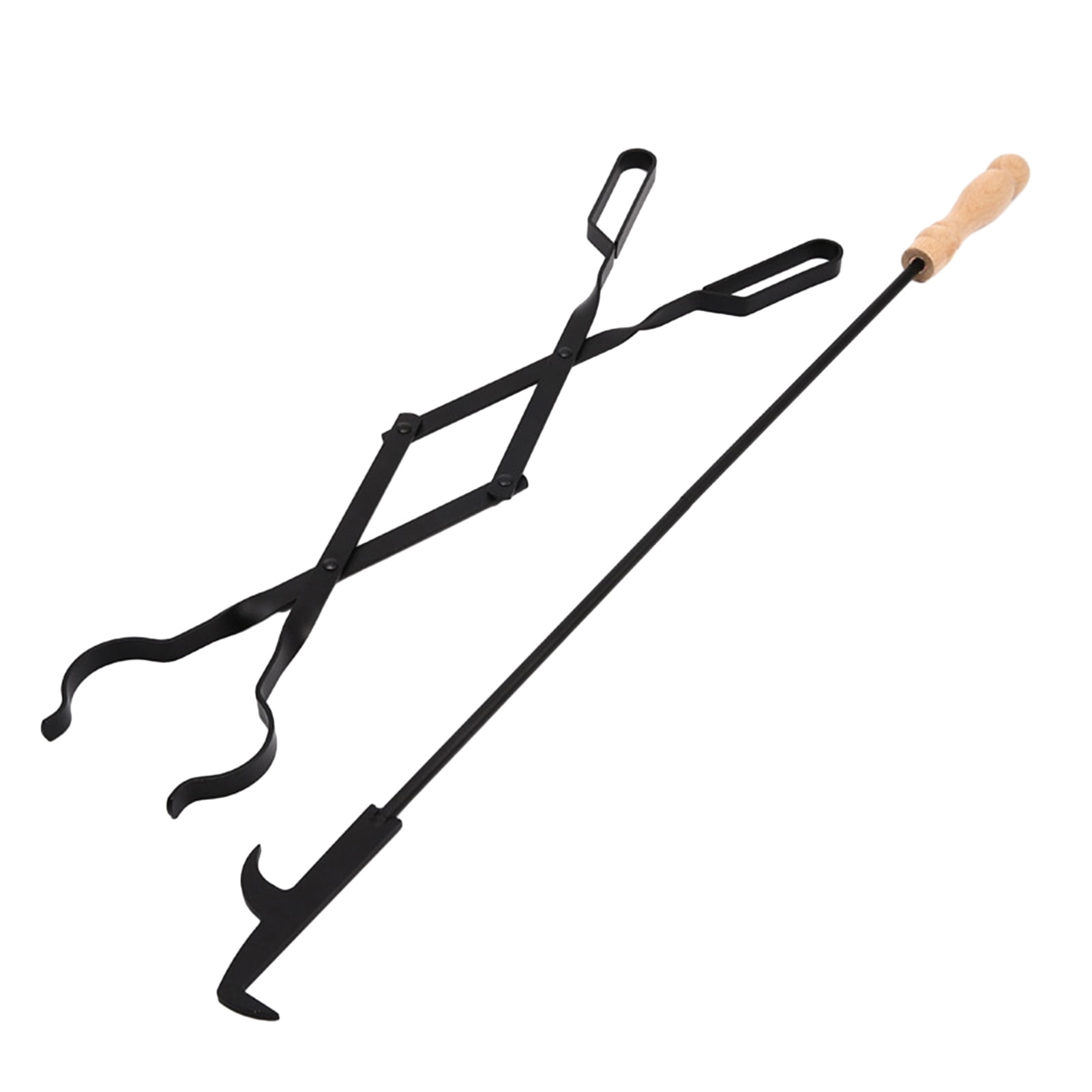
There are two main mechanical styles you’ll encounter: the traditional scissor-style tong and the spring-loaded log grabber (often called a claw). Both have their place, but they function very differently. Scissor tongs require you to actively squeeze the handles to keep the jaws closed. This gives you a lot of control over the pressure, but it also means your hand is constantly engaged. If your grip slips, the log drops.
On the other hand, spring-loaded grabbers use tension to keep the claws closed around the object. You squeeze to open them, place them over the log, and release. The spring snaps the claws shut. This can be easier for quick moves, but it offers less fine-tuned control. If the spring is too weak, it won’t hold heavy logs. If it’s too strong, it’s hard to open. Garden Tips and Tools notes that scissor-style tongs typically offer better grip on logs of varying shapes because you can adjust the angle and pressure dynamically.
However, the modern hybrid is gaining popularity. These tools combine the leverage of a scissor mechanism with the aggressive bite of a claw design. They often feature a locking mechanism or a wider jaw opening that accommodates irregular shapes. The choice really depends on your style. Do you prefer the precision of squeezing? Or the speed of a snap-shut grabber? Regardless of the mechanism, if the contact points aren’t designed to bite into the wood, the mechanism itself doesn’t matter much. A poorly designed scissor tong is still just a slippery pair of metal sticks.
Material Matters: Heat Transfer and Durability
You can have the perfect claw shape, but if the material is wrong, you’re still in trouble. Steel is the standard, but not all steel is created equal. Cheap, thin steel heats up fast. If the claws conduct heat too quickly along the arms of the tool, your handles get hot. Suddenly, that 40-inch reach doesn’t matter because the heat is traveling up the metal to your hands. This is why high-quality tools often use thicker gauge steel or specific alloys like manganese steel, which offers better heat resistance and durability.
Problem Plant’s recent tests highlighted the CKLT 40in Firewood Tongs, praising their sturdy manganese steel build. This material choice isn’t just about strength; it’s about thermal management. Thicker, denser metal absorbs and dissipates heat differently than thin sheet metal. It stays cooler for longer, allowing you to work closer to the fire without discomfort. Additionally, the finish matters. A rust-resistant coating isn’t just for aesthetics; rust creates a rough, flaky surface that can weaken the structural integrity of the claw tips over time.
Don’t forget the handles. While the claw does the gripping, the handles keep you safe. Ergonomic rubber or silicone coatings are becoming standard on top-tier tools. They provide insulation against heat and improve your own grip on the tool. If your hands are sweaty or wet, a smooth metal handle is dangerous. A textured, heat-resistant handle ensures that when you pull back on a heavy log, the tool doesn’t slip out of your grasp. It’s a system: the claw grabs the wood, and the handle grabs you. Both need to be designed with friction and safety in mind.
The Reality of Log Shapes and Sizes
Firewood is never uniform. One minute you’re moving a neat, split piece of birch. The next, you’re dealing with a knotty, round chunk of oak that’s half-burned and covered in ash. A claw design that works great for one might fail miserably for the other. This variability is why versatility in claw design is crucial. Flat, wide jaws might be great for stacking kindling, but they’re terrible for grabbing a round log from the side.
Curved claws or “pincer” styles are often more effective for general fire pit maintenance because they can encompass round objects. They cradle the log rather than just pinching it. This reduces the point pressure on any single spot, which helps prevent breaking brittle, charred wood. When you’re trying to rearrange the core of the fire to get it breathing again, you need a tool that can adapt. You don’t have time to fiddle with angles. You need to scoop, grab, and move.
Consider the weight of the wood too. Wet or dense hardwoods are heavy. A delicate claw design might bend under the strain. Heavy-duty claws are built with reinforced joints and thicker metal at the stress points. They’re designed to take a beating. If you’re burning large logs regularly, skimping on the robustness of the claw is a recipe for broken tools. Look for tools that mention “heavy-duty” or show thick cross-sections in their product images. It’s not just about looking tough; it’s about structural integrity under load.
We often think of safety in terms of avoiding burns. And yes, a good claw design helps with that by preventing logs from falling on you. But there’s another safety aspect: stability. When you drop a log because your tongs slipped, you create a hazard. Sparks fly. Embers scatter. People jump back. Kids or pets might get startled. A secure grip keeps the fire contained. It allows you to make small, precise adjustments without causing a scene.
Furthermore, a well-designed claw reduces the physical effort required. When you’re struggling to hold a log, you’re tense. You’re leaning in awkwardly. This increases the risk of losing your balance or touching something hot unintentionally. When the tool works with you, you stay relaxed. You stand back. You maintain good posture. It sounds minor, but in the context of a relaxing evening, these small ergonomic wins add up. Farmers Choice Hydro emphasizes that the right tongs help move hot logs without risking burns or splinters, largely due to that sturdy grip.
There’s also the longevity of your fire pit itself. Dropping heavy logs haphazardly can crack stone or damage metal liners. Controlled placement, enabled by a reliable claw, protects your investment. It’s about respect for the space. When you have the right tool, you treat the fire with more care. You’re not fighting it. You’re managing it. And that makes the whole experience safer and more enjoyable for everyone around the pit.
So, next time you’re shopping for fire pit tools, look past the length measurement. Pick up the tongs. Look at the jaws. Are they serrated? Are they curved? Do they feel substantial? Test the action. Does it snap shut with authority? These details matter more than an extra foot of handle. Because in the end, it’s not about how far you can reach. It’s about what you can hold onto when it counts.
[sps_html tag=”img” src=”https://cdn.northcarolinafinearchitecture.com/2026/06/fireplace-tongs-limited-edition-teogonia-regarding-outdoor-fire-tong-design.jpg” alt=”Fireplace Tongs/Limited Edition | Teogonia regarding Outdoor Fire Tong Design” style=”width: 100%; height: auto;”]
[sps_html tag=”img” src=”https://cdn.northcarolinafinearchitecture.com/2026/06/stanbroil-outdoor-campfire-fireplace-tongs-26-long-log-grabber-with-outdoor-fire-tong-design.jpg” alt=”Stanbroil Outdoor Campfire Fireplace Tongs, 26" Long, Log Grabber … with Outdoor Fire Tong Design” style=”width: 100%; height: auto;”]
[sps_html tag=”img” src=”https://cdn.northcarolinafinearchitecture.com/2026/06/18-scissor-tongs-oakleaf-stoves-in-outdoor-fire-tong-design.jpg” alt=”18" Scissor Tongs - Oakleaf Stoves in Outdoor Fire Tong Design” style=”width: 100%; height: auto;”]
[sps_html tag=”img” src=”https://cdn.northcarolinafinearchitecture.com/2026/06/heavy-duty-firewood-tongs-42-large-fireplace-tongs-log-grabber-with-in-balancing-form-and-function-in-scissor-style-outdoor-fireplace-tongs.jpeg” alt=”Heavy Duty Firewood Tongs – 42" Large Fireplace Tongs Log Grabber With … in Balancing Form and Function in Scissor Style Outdoor Fireplace Tongs” style=”width: 100%; height: auto;”]
[sps_html tag=”img” src=”https://cdn.northcarolinafinearchitecture.com/2026/06/extra-long-fireplace-tongs-at-erin-birks-blog-for-outdoor-fire-tong-design.jpeg” alt=”Extra Long Fireplace Tongs At Erin Birks Blog for Outdoor Fire Tong Design” style=”width: 100%; height: auto;”]