Ever looked at your tiny balcony or that narrow strip of dirt beside your house and thought, "Is this it?" You’re not alone. In 2026, more of us are living in compact spaces than ever before. Apartments are shrinking, city lots are getting narrower, and yet, the desire to grow something—anything green and alive—has never been stronger. It’s a bit of a paradox, isn’t it? We crave nature, but we don’t have the room for it.
But here’s the secret nobody tells you: you don’t need acres. You just need to change your perspective. Literally. By looking up instead of out, you can triple, maybe even quadruple, your growing space. Vertical rack solutions aren’t just for commercial farms anymore. They’ve become sleek, accessible, and downright beautiful additions to home gardens. Whether you’re trying to grow basil for your pasta or just want some ivy to soften a harsh brick wall, going vertical is the answer.
Why Go Vertical? The Logic Behind the Lift
Let’s be real for a second. Traditional gardening eats up square footage. If you have a 4×4 foot patch, you can fit maybe four tomato plants if you’re generous with spacing. That’s it. But if you take that same footprint and build upwards? You could fit twenty. It’s simple geometry, but it feels like magic when you see it in action. Vertical racks utilize the "dead space" above your head and along your walls. This is area that usually just sits there, collecting dust or rain, doing absolutely nothing.
Beyond just saving space, there’s a health angle too. Plants grown off the ground suffer from fewer soil-borne diseases. No more worrying about slugs creeping up from the damp earth or roots rotting in poorly draining clay. When you lift your garden into the air, you improve airflow around the leaves. This means less mildew and healthier plants overall. Plus, let’s not forget the ergonomic benefit. Bending over to weed a ground-level bed is tough on the back. Harvesting strawberries from a waist-high rack? That’s just convenient.
In recent years, we’ve seen a huge shift in how people view these structures. They aren’t just functional; they’re design statements. A well-placed vertical rack can act as a privacy screen, blocking the view of your neighbor’s garage door. It can soften the hard edges of a concrete patio, making the space feel cooler and more inviting. It’s about creating an atmosphere, not just growing food. And honestly, who doesn’t want their small space to feel like a secret garden?
Types of Vertical Racks: Finding Your Fit
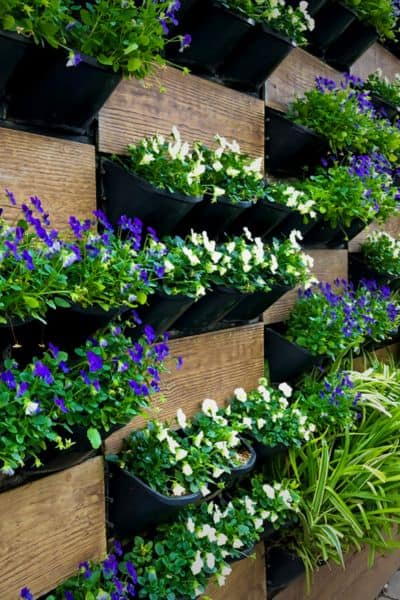
Not all vertical solutions are created equal. Picking the wrong one can lead to frustration, dead plants, or a collapsed structure. The first category is the wall-mounted system. These are fantastic for balconies with solid railings or sturdy exterior walls. Think of pocket planters made from felt or rigid plastic grids that hold individual pots. They’re lightweight and don’t take up any floor space at all. However, you need to be careful about weight limits. Wet soil is heavy, so always check what your wall or railing can handle.
Then there are freestanding tower racks. These are the workhorses of the vertical world. They stand on their own, usually with multiple tiers or pockets spiraling up a central pole. Great for patios where you can’t drill into walls. Many modern versions in 2026 come with built-in irrigation systems, which is a lifesaver if you travel often or just forget to water. Some are modular, meaning you can stack them higher as your confidence grows. They’re versatile, movable, and generally easier to set up than permanent wall fixtures.
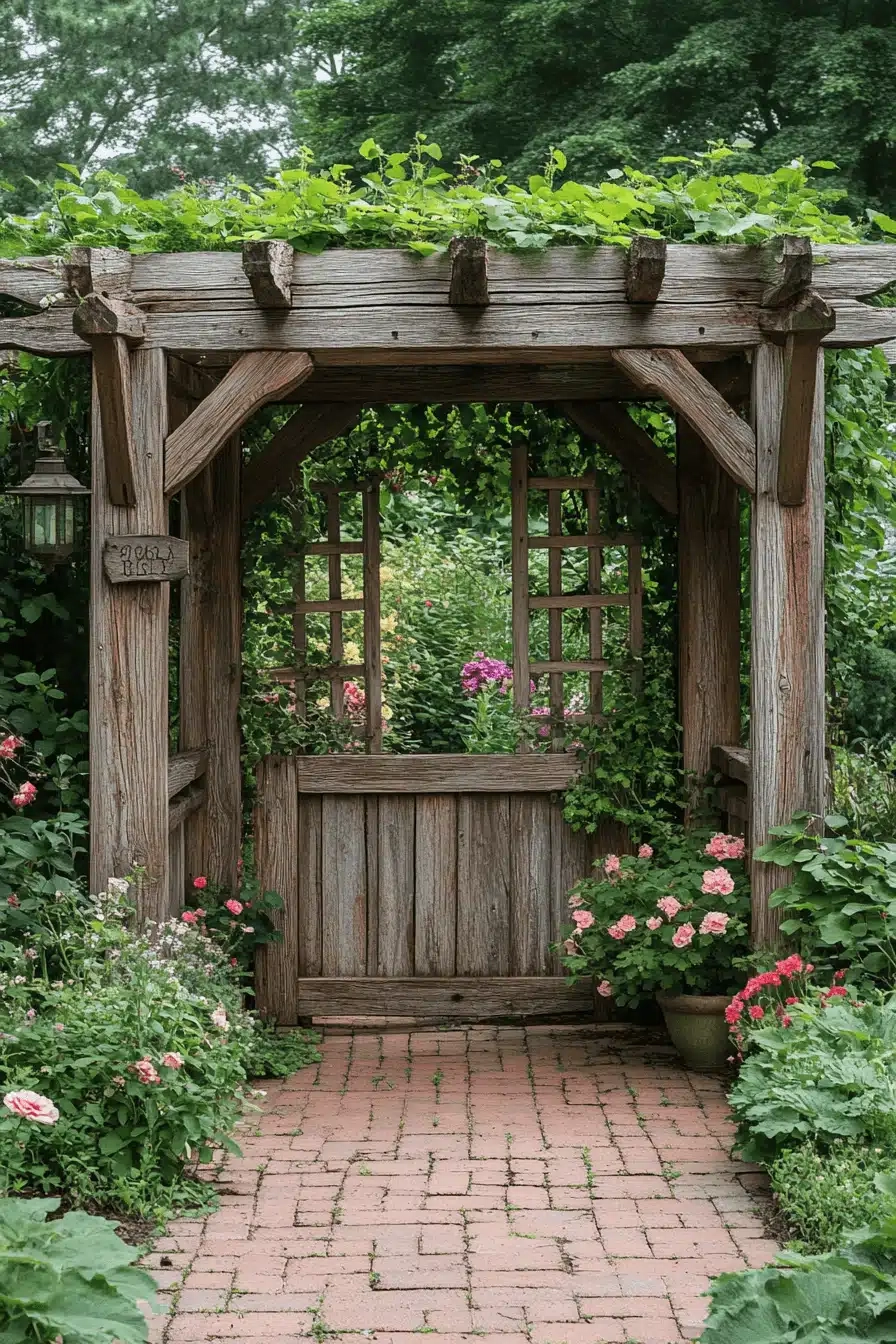
Don’t overlook trellis-based racks either. These are ideal for vining plants like cucumbers, peas, or climbing roses. Instead of holding the soil itself, the rack supports the plant as it grows upward. You can pair a trellis with large pots at the base. It’s a hybrid approach that gives you the stability of a ground pot with the space-saving benefits of vertical growth. Wooden pallets repurposed into leaning racks are also having a moment. They’re rustic, cheap, and add a lot of character, though they do require a bit more maintenance to prevent rot.
Material Matters: Wood, Metal, and Beyond
What your rack is made of changes everything. Wood is the classic choice. It looks warm, natural, and blends seamlessly with most garden aesthetics. Cedar and redwood are top picks because they resist rot naturally. But wood needs care. You’ll need to seal it every year or two, especially if you live in a rainy climate. If you’re handy, building your own wooden A-frame rack is a great weekend project. Just remember, untreated pine will decay quickly when in constant contact with moist soil.
Metal is the durable contender. Powder-coated steel or aluminum racks are incredibly strong and slim. They take up minimal visual space, which is great for tiny balconies where you don’t want to feel boxed in. The downside? Metal can heat up in direct sun. If you live in a hot region, your plant roots might cook inside a metal container. Look for racks with double-walled insulation or light-colored finishes that reflect heat. Rust is another concern, so ensure any metal you buy is rated for outdoor use.
Plastic and recycled composites are gaining traction for good reason. They’re lightweight, cheap, and won’t rot or rust. High-quality UV-stabilized plastics won’t crack in the winter sun either. There’s a stigma that plastic looks "cheap," but design has come a long way. Many modern vertical systems mimic the texture of stone or terracotta. They’re also easier to clean. If you’re growing edibles, just make sure the plastic is food-safe and BPA-free. It’s a practical choice for renters who might move and need something easy to transport.
What to Grow: Choosing the Right Plants
Just because you can grow it vertically doesn’t mean you should. Leafy greens are the superstars of vertical gardening. Lettuce, spinach, kale, and arugula have shallow root systems and don’t get too heavy. They thrive in the pocket-style planters common in vertical racks. Herbs are another no-brainer. Basil, thyme, oregano, and parsley love the good drainage and airflow these systems provide. Imagine stepping out onto your balcony and snipping fresh cilantro for your dinner. It’s a small luxury that makes a big difference.
Strawberries are perhaps the most popular fruit for vertical towers. They trail beautifully, cascading down the sides of the rack, which keeps the fruit off the soil and away from pests. Plus, they produce runners that can fill in gaps. Cherry tomatoes and peppers can work, but be cautious. They get heavy and top-heavy. If you go for tomatoes, choose determinate (bush) varieties rather than indeterminate (vining) ones, unless you have a very sturdy support structure. You don’t want your rack tipping over in a summer storm.
Avoid deep-rooted vegetables like carrots or large squash. They simply don’t have the room to develop properly in most vertical setups. Also, be mindful of water needs. Plants at the top of a vertical rack tend to dry out faster than those at the bottom because water drains downward. Group plants with similar water requirements together. Don’t put a thirsty fern next to a drought-tolerant succulent. It sounds obvious, but it’s the most common mistake beginners make. Start simple. Master the herbs and greens before trying to grow a vertical orchard.
Installation and Maintenance Tips
Setting up your vertical rack correctly is half the battle. Location is key. Most edible plants need at least six hours of direct sunlight. Observe your space throughout the day. Does that south-facing wall get shaded by the roof overhang in the afternoon? If so, move your rack. Wind is another factor. High-rise balconies can be wind tunnels. Secure your freestanding racks to the wall or floor if possible. A gust of wind can knock over a top-heavy tower, turning your garden into a mess of broken pots and spilled soil.
Watering is the daily chore you can’t ignore. Vertical gardens dry out fast. In the heat of summer, you might need to water twice a day. Consider installing a drip irrigation system. It’s easier than it sounds. Many kits snap right onto standard faucets and can be programmed to run for a few minutes each morning. It saves time and ensures consistent moisture. If you’re watering by hand, start from the top and work your way down. This lets the excess water feed the lower plants. Check the drainage holes regularly to make sure they aren’t clogged with dirt.
Feeding your plants is crucial too. Because the soil volume is smaller, nutrients get used up quickly. Use a balanced, water-soluble fertilizer every couple of weeks. Organic options like fish emulsion work well and smell less offensive than some chemical alternatives. Keep an eye out for pests. Aphids love tender new growth on vertical herbs. A strong spray of water often knocks them off. If you spot disease, remove the affected leaves immediately. Airflow helps, but dense planting can still trap humidity. Don’t be afraid to thin out your plants. Giving them room to breathe leads to better harvests.
Overcrowding is the number one enemy of the vertical gardener. It’s tempting to stuff every pocket with a plant. You want it to look lush and full right away. But plants need space to grow. If you pack them in too tight, they’ll compete for light and nutrients, resulting in weak, spindly growth. Follow the spacing recommendations on your seed packets, even if it looks sparse at first. Trust me, those lettuce heads will expand. Patience pays off. A slightly empty rack in week two looks amazing by week six.
Ignoring weight distribution is another big slip-up. When you fill a vertical rack with wet soil, it becomes significantly heavier. A dry potting mix might weigh ten pounds, but wet, it could be thirty. Make sure your mounting hardware is rated for the load. Use lag screws into studs for wall mounts, not just drywall anchors. For freestanding units, ensure the base is wide and stable. If you’re using a ladder-style rack, lean it at the correct angle. Too steep, and it falls forward; too shallow, and it slides back.
Finally, don’t neglect the soil quality. Garden soil from the ground is too dense for containers. It compacts, suffocating roots. Always use a high-quality potting mix designed for containers. It’s lighter, fluffier, and drains better. You can mix in some perlite or vermiculite to improve aeration further. Cheap soil leads to poor results, no matter how fancy your rack is. Invest in good dirt. It’s the foundation of your entire setup. And remember, it’s okay to fail. Some plants won’t make it. Learn from it, adjust, and try again. Gardening is a practice, not a perfection.
So, where does this leave you? With a lot of potential and a little bit of homework. Vertical rack solutions offer a way to reclaim your connection to nature, even in the smallest urban corners. They turn limitations into opportunities. You don’t need a yard to grow food or beauty. You just need a wall, a railing, or a corner. The technology and designs available in 2026 make it easier than ever to start.
Think about your space. Measure it. Watch the sun. Then, pick a system that fits your lifestyle. Whether you choose a sleek metal tower or a rustic wooden pallet, the result will be the same: more green, more life, and more joy. Don’t wait for the "perfect" conditions. They don’t exist. Start small. Grow some basil. Watch it climb. You might just find that your tiny space was never too small—it was just waiting to grow up.
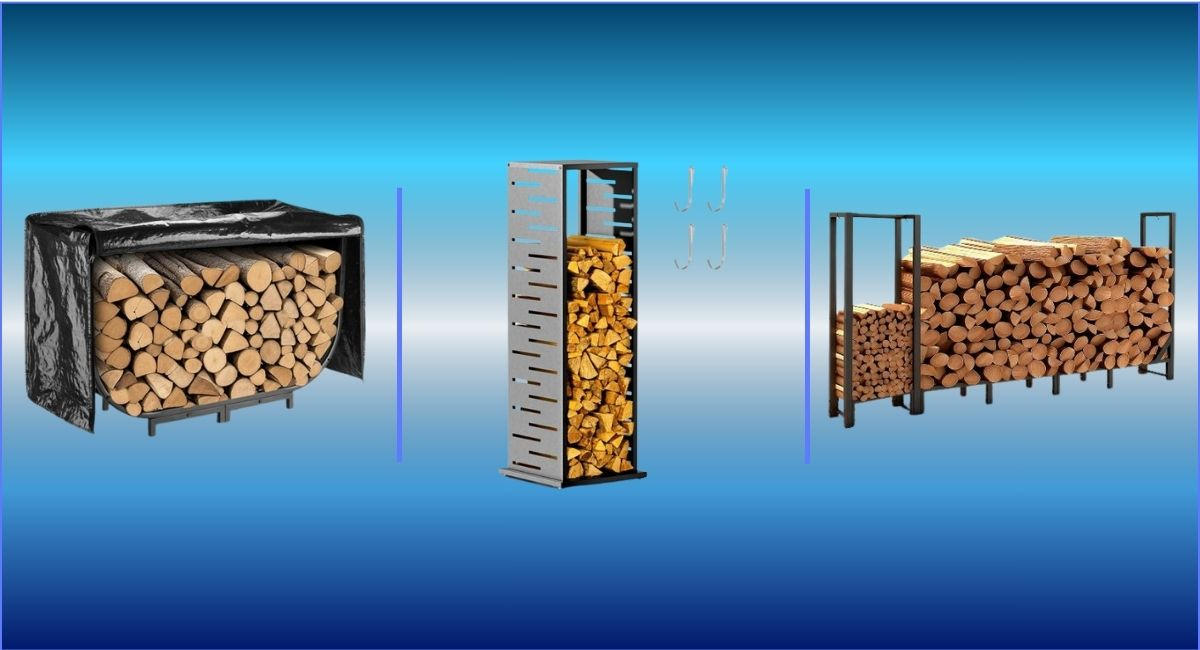
[sps_html tag=”img” src=”https://cdn.northcarolinafinearchitecture.com/2026/06/the-6-best-outdoor-firewood-racks-for-2026-within-outdoor-rack-design.jpg” alt=”The 6 Best Outdoor Firewood Racks For 2026 within Outdoor Rack Design” style=”width: 100%; height: auto;”]
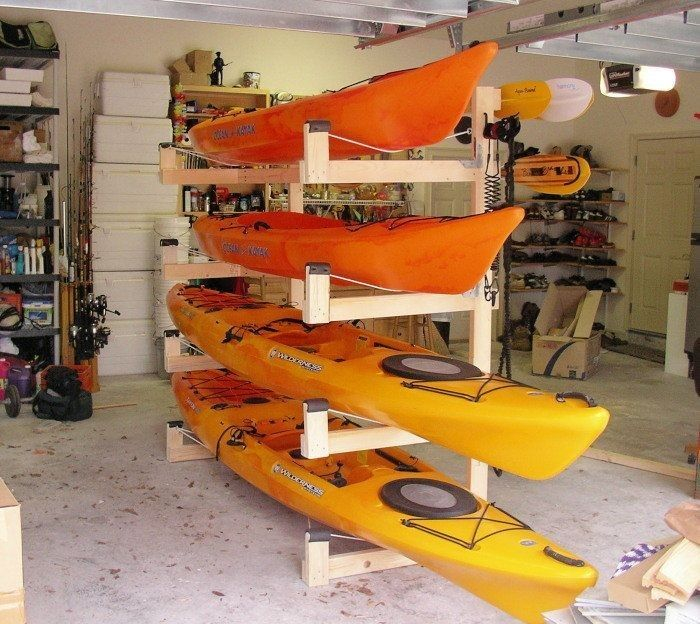
[sps_html tag=”img” src=”https://cdn.northcarolinafinearchitecture.com/2026/06/how-to-build-a-kayak-storage-rack-artofit-with-how-to-build-weatherproof-outdoor-racks-that-last-beyond-2026.jpg” alt=”How To Build A Kayak Storage Rack – Artofit with How to Build Weatherproof Outdoor Racks That Last Beyond 2026″ style=”width: 100%; height: auto;”]
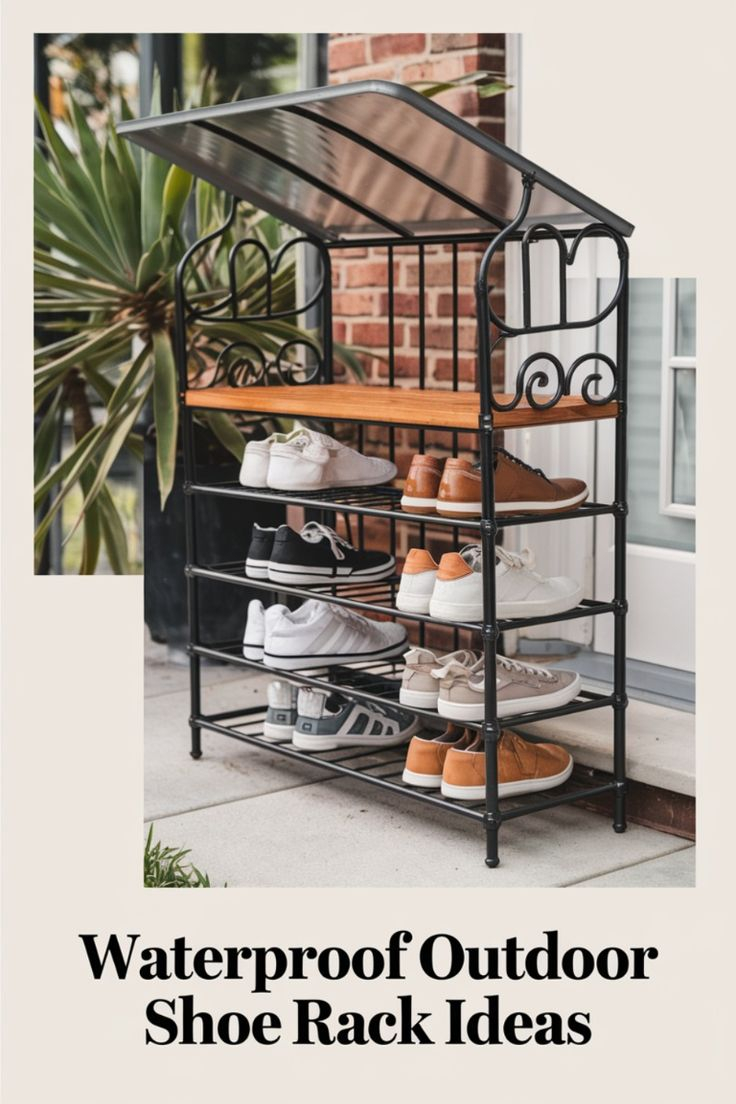
[sps_html tag=”img” src=”https://cdn.northcarolinafinearchitecture.com/2026/06/waterproof-outdoor-shoe-rack-ideas-for-all-weather-conditions-shoe-pertaining-to-outdoor-rack-design.jpg” alt=”Waterproof Outdoor Shoe Rack Ideas For All Weather Conditions | Shoe … pertaining to Outdoor Rack Design” style=”width: 100%; height: auto;”]
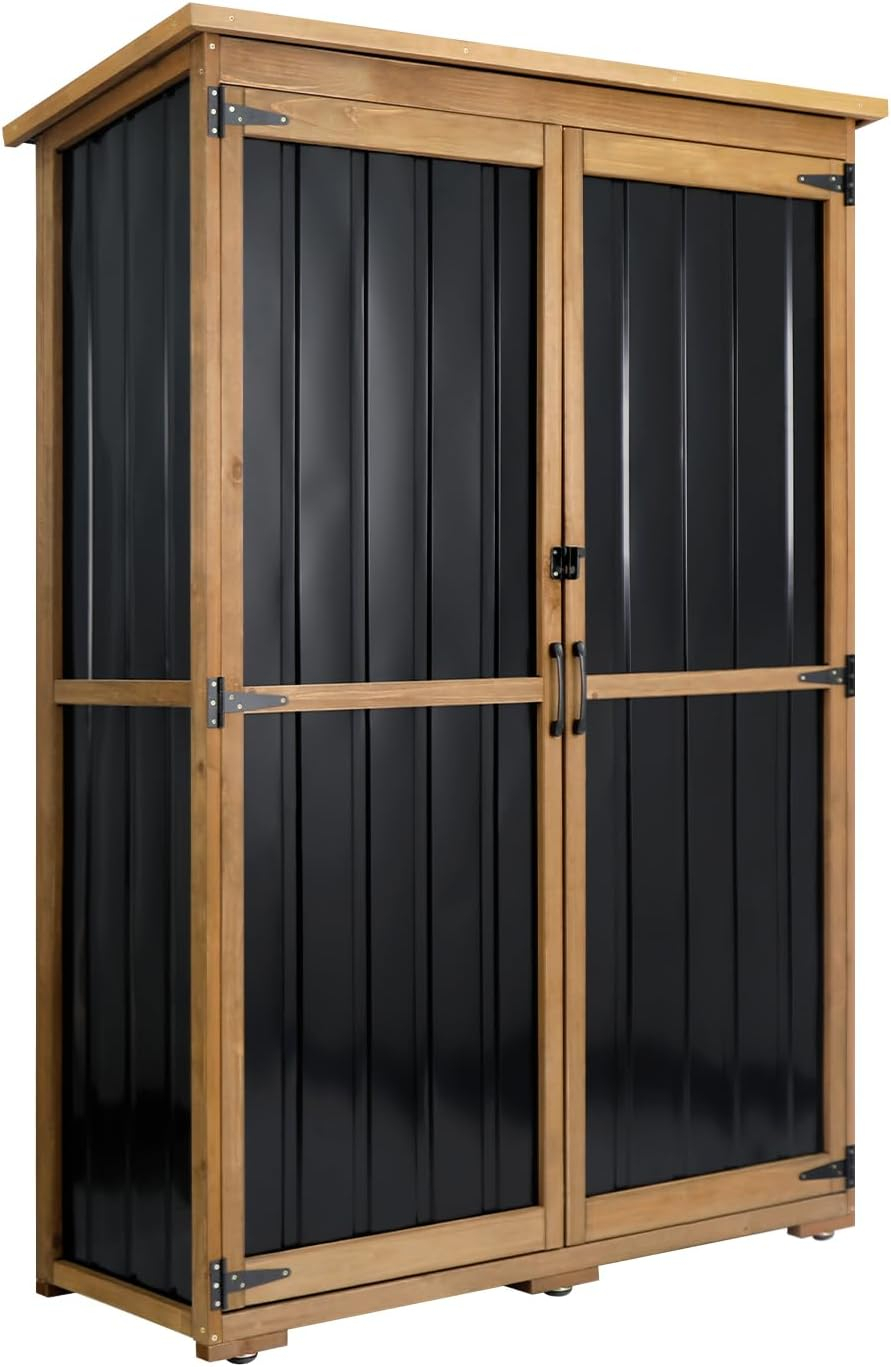
[sps_html tag=”img” src=”https://cdn.northcarolinafinearchitecture.com/2026/06/amazon-com-outdoor-storage-cabinet-waterproof-with-shelves-outdoor-in-how-to-build-weatherproof-outdoor-racks-that-last-beyond-2026.jpg” alt=”Amazon.com: Outdoor Storage Cabinet Waterproof With Shelves, Outdoor … in How to Build Weatherproof Outdoor Racks That Last Beyond 2026″ style=”width: 100%; height: auto;”]
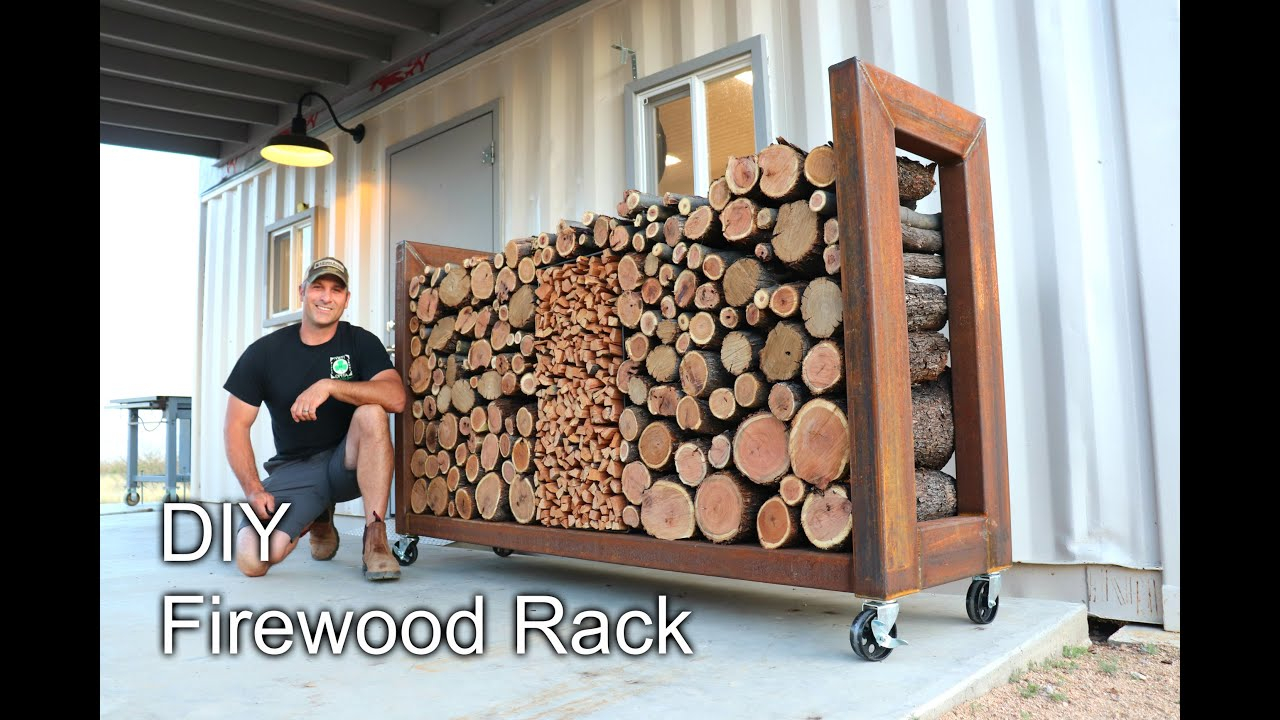
[sps_html tag=”img” src=”https://cdn.northcarolinafinearchitecture.com/2026/06/how-to-build-a-diy-firewood-rack-overbuilt-to-last-youtube-with-outdoor-rack-design.jpg” alt=”How To Build A Diy Firewood Rack - Overbuilt To Last! - Youtube with Outdoor Rack Design” style=”width: 100%; height: auto;”]