Ever stared at your tiny balcony or postage-stamp backyard and felt a pang of disappointment? You’re not alone. In 2026, urban living means square footage is premium, but that doesn’t mean your outdoor life has to shrink. It’s funny how we often think "small" equals "limited," when really, it just means we have to be smarter about how we use every inch. A compact patio isn’t a problem to solve; it’s a design challenge waiting for a creative answer. And the best part? You don’t need a contractor or a massive budget to pull it off.
The secret isn’t adding more space. It’s tricking the eye. By manipulating sightlines, choosing the right scale for your furniture, and layering textures, you can create an illusion of depth that makes a 100-square-foot deck feel like a 300-square-foot lounge. Recent trends show a huge shift toward "intentional zoning," where even the tiniest nook gets divided into functional areas. This approach doesn’t clutter the space; instead, it gives it purpose. When a space has a clear job to do, it feels bigger because your brain isn’t trying to figure out what it is. It just flows.
Let’s dive into the specific layouts and tricks that are changing the game this year. Whether you’re renting an apartment with a sliver of concrete or owning a townhouse with a modest yard, these principles apply. We’re talking about real, actionable changes. No fluff. Just smart design that works with what you’ve got, not against it. Ready to stretch those walls? Let’s get started.
The Power of Diagonal Lines and Angled Furniture
Most people default to pushing their furniture against the walls. It feels safe. It feels neat. But here’s the thing: it creates a big empty box in the middle that highlights exactly how small the room is. By angling your seating arrangement, you break up that rigid geometry. Try placing your sofa or chairs at a 45-degree angle to the corner. This simple move draws the eye diagonally across the space, which is the longest visual line in any rectangle. Suddenly, the space feels deeper.
In 2026, designers are heavily favoring this "dynamic flow" approach. Instead of a static setup, you create a path for the eye to travel. If you have a narrow balcony, avoid lining everything up along the long wall. Instead, float a small bistro set in the center or offset it slightly. This creates walkways on both sides, making the area feel wider than it actually is. It’s a subtle psychological trick. When you can see floor space on multiple sides of a piece of furniture, your brain registers more openness.
Don’t be afraid to mix shapes too. A round table in a square space softens the corners and improves traffic flow. Sharp corners can feel restrictive in tight quarters, while curves invite movement. Plus, round tables often seat more people comfortably because there are no awkward legs to bump into. It’s about creating a layout that breathes. When the air—and your guests—can move freely, the space never feels cramped, no matter the actual dimensions.
Vertical Layers: Drawing the Eye Upward
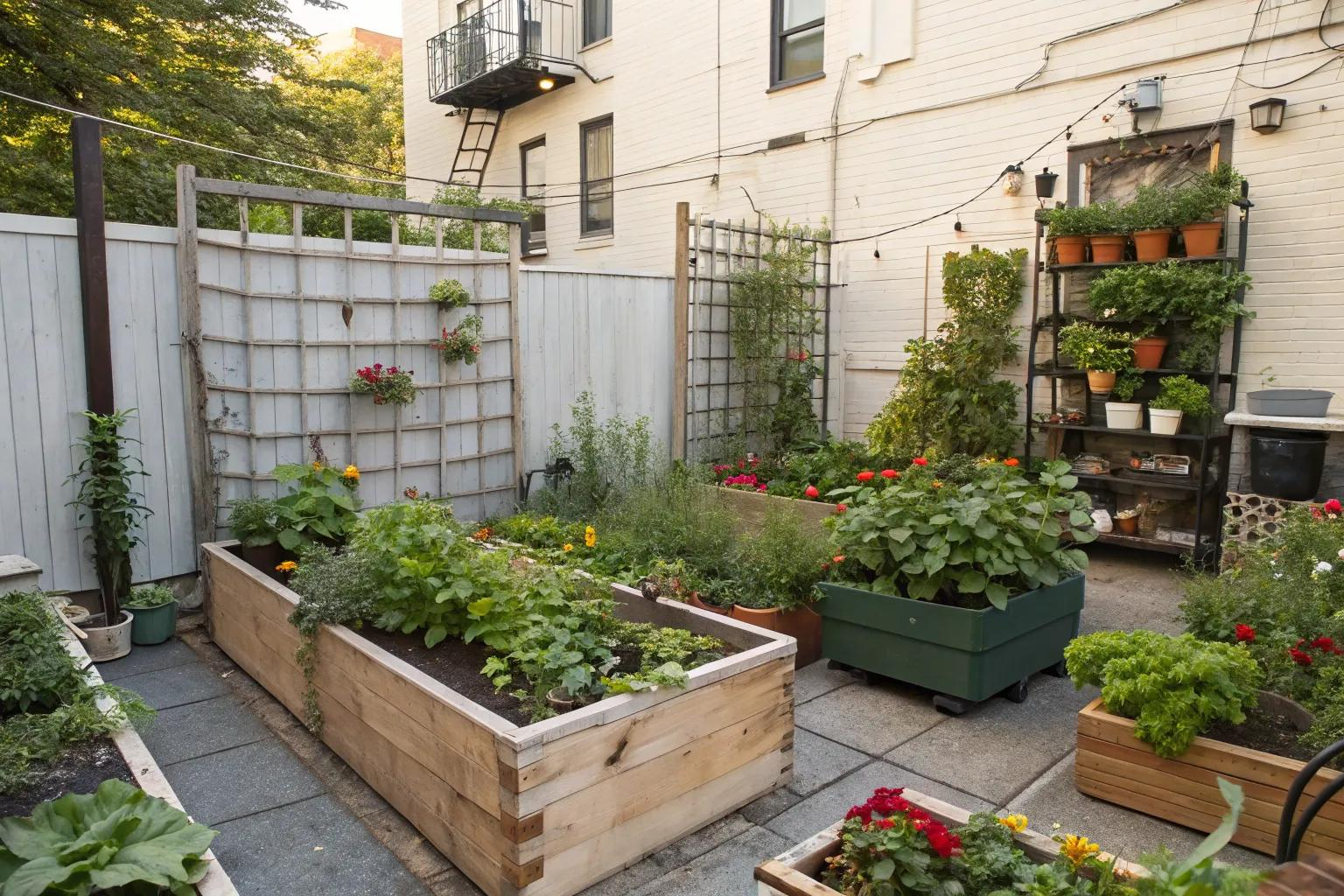
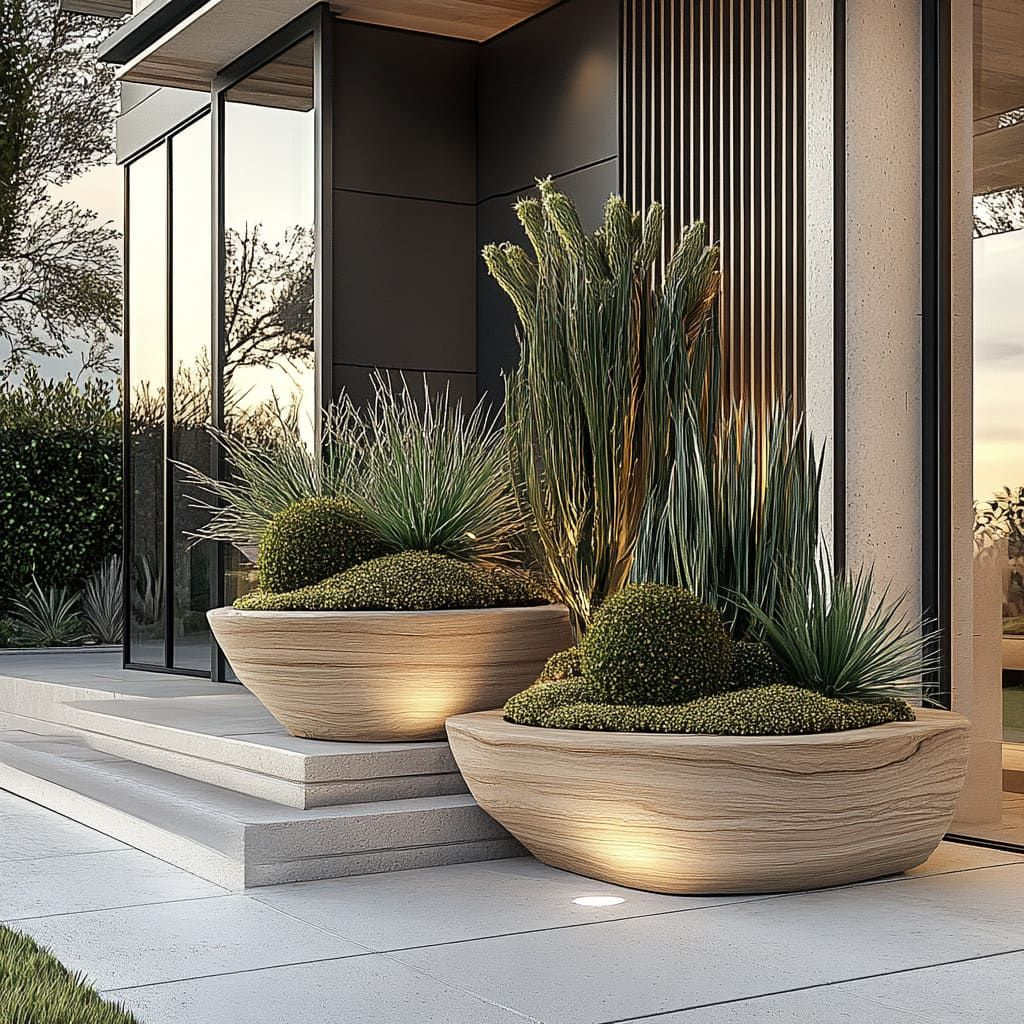
When you can’t go out, go up. This is the golden rule of small-space design, yet so many of us ignore it. Your patio has three dimensions, but we often only design for two: length and width. The third dimension—height—is your secret weapon. By adding vertical elements, you draw the eye upward, which creates a sense of volume and grandeur. Think tall, slender planters, hanging baskets, or even a trellis with climbing vines. These elements add layers without eating up precious floor space.
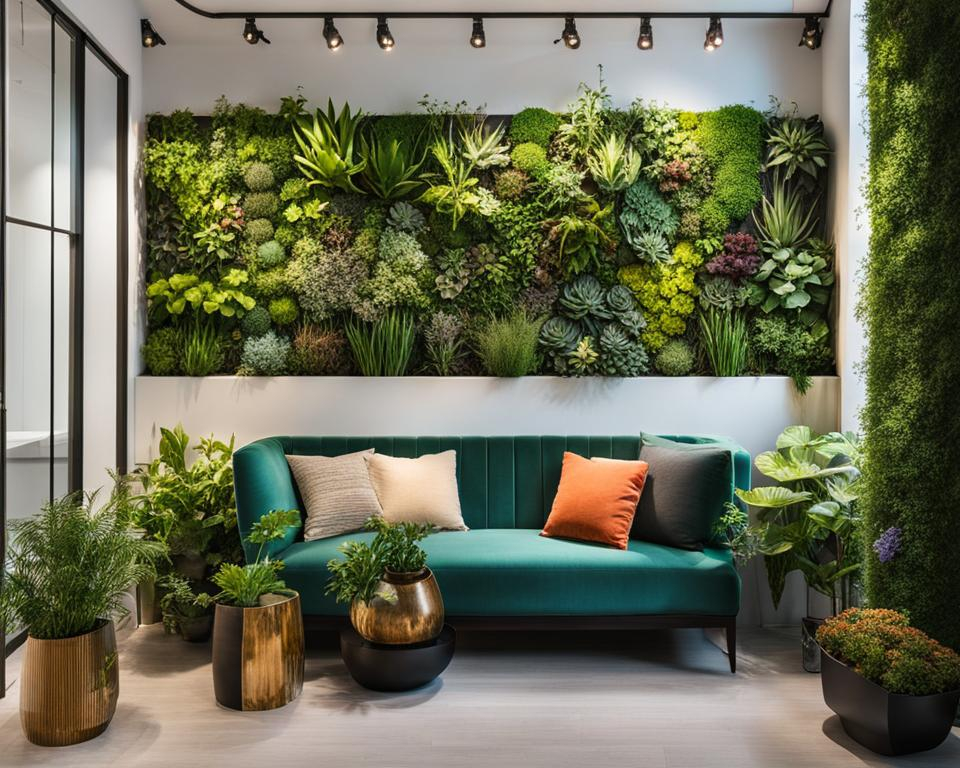
Recent data from home design surveys shows that vertical gardening has surged in popularity, with over 60% of small-space owners incorporating some form of upward greenery. Why? Because it works. A wall-mounted herb garden or a tiered plant stand adds lushness and privacy without blocking light. In 2026, we’re seeing a rise in "living walls" using modular pocket planters. These are lightweight, easy to install, and can transform a blank brick wall into a vibrant focal point. It distracts from the boundaries of the space.
Lighting plays a huge role here too. String lights draped overhead or uplights placed at the base of tall plants create depth at night. They extend the usable hours of your patio and make the ceiling feel higher. If you have a covered patio, consider painting the ceiling a lighter color or adding reflective materials to bounce light around. The goal is to eliminate dark, shadowy corners that make a space feel closed in. By illuminating the vertical planes, you push the visual boundaries back.
Zone It Out: Creating Purpose in Petite Spaces
It might sound counterintuitive, but dividing a small patio into distinct zones actually makes it feel larger. How? By giving each area a specific function, you create a journey. Instead of one undefined blob of concrete, you have a dining nook, a lounging corner, and maybe a small gardening station. This structure provides a sense of order and intentionality. When a space feels planned, it feels expansive. Chaos feels cramped; order feels open.
Use different rugs, flooring textures, or even changes in elevation to define these zones. For example, a weather-resistant rug under your dining set separates it from the lounge area. You don’t need physical barriers like walls. Visual cues are enough. In fact, heavy barriers would shrink the space. Keep the sightlines open between zones so you can see from one end to the other. This connectivity is key. You want to feel the flow from the grill to the table to the chair.
Think about how you use the space. Do you entertain often? Then prioritize flexible seating that can move. Do you love morning coffee? Create a dedicated spot for that ritual. By tailoring the layout to your lifestyle, you eliminate clutter. Clutter is the enemy of small spaces. When every item has a home and a purpose, the visual noise decreases. And less visual noise means more perceived space. It’s about editing down to the essentials and arranging them with purpose.
The Magic of Mirrors and Reflective Surfaces
Mirrors aren’t just for indoors. In 2026, outdoor-rated mirrors are becoming a staple in small patio design. Placing a large mirror on a fence or wall instantly doubles the visual space. It reflects light and greenery, creating an illusion of a garden extending beyond the physical boundary. It’s a classic trick, but it’s effective. Just make sure to secure it properly and choose shatter-resistant options designed for exterior use. Safety first, aesthetics second.
But mirrors aren’t the only reflective surface. Glass-top tables, metallic planters, and glossy tiles can all bounce light around. A glass table, for instance, feels lighter and less obstructive than a solid wood one. You can see through it, which maintains the visual continuity of the floor. This transparency is crucial in tight spots. Heavy, opaque furniture blocks views and chops up the space. Light, see-through pieces keep the eye moving.
Water features also add reflection. A small fountain or a shallow bowl of water can mirror the sky and surrounding plants. The movement of the water adds a dynamic element that distracts from the size of the space. It engages the senses, pulling focus away from the square footage and toward the experience. Plus, the sound of trickling water masks city noise, creating a serene bubble that feels worlds away from your cramped surroundings. It’s about sensory expansion, not just visual.
Scale and Proportion: Choosing the Right Furniture
One of the biggest mistakes people make is buying furniture that’s too big. A massive sectional might look great in a showroom, but it will swallow your patio whole. In small spaces, scale is everything. Opt for pieces that are low-profile and slim. Armless chairs, benches without backs, and nesting tables are your friends. They take up less visual weight and can be tucked away when not in use. Flexibility is key.
Multi-functional furniture is a game-changer. Look for ottomans with storage, tables that expand, or benches that double as planters. In 2026, we’re seeing a rise in modular outdoor furniture that can be reconfigured based on the occasion. Need more seating for guests? Rearrange the modules. Want more floor space for yoga? Stack them. This adaptability ensures your patio never feels stuck in one configuration. It grows and shrinks with your needs.
Also, consider the leggy vs. bulky debate. Furniture with exposed legs allows light and air to pass underneath, making the space feel airier. Solid bases block that flow and feel heavier. Choose sofas and chairs with raised legs. It’s a small detail, but it makes a huge difference in perception. And don’t forget about foldable options. Chairs that hang on the wall or tables that drop flat can be stored away, freeing up the entire floor when you need it. It’s about having options.
Color has power. Light, neutral tones tend to recede, making walls and fences feel further away. Dark colors advance, making them feel closer. So, for a small patio, stick to a light palette for the large surfaces. Whites, creams, soft grays, and pale greens create a backdrop that feels open and airy. But don’t stop there. Add pops of color through cushions, pillows, and accessories. This adds personality without overwhelming the space.
Texture is equally important. A monochrome space can feel flat and small. By mixing textures—smooth metal, rough wood, soft fabrics, leafy plants—you add depth and interest. This layering creates a rich visual experience that distracts from the size. In 2026, natural materials are trending. Think rattan, teak, and stone. These materials bring warmth and organic vibes that soften the hard edges of urban patios.
Consistency helps too. Using the same flooring material throughout, or continuing indoor flooring outdoors if possible, blurs the boundary between inside and outside. This extension of space makes both areas feel larger. Large-format tiles or continuous decking planks laid diagonally can also elongate the space. Avoid busy patterns on the floor, which can chop up the view. Keep the ground plane simple and let the vertical elements provide the drama. It’s a balancing act, but when done right, it’s magic.
So, there you have it. Making a small patio feel huge isn’t about magic; it’s about method. It’s about understanding how the eye travels and how the brain perceives space. By angling your furniture, going vertical, zoning your areas, using reflections, choosing the right scale, and playing with color, you can transform even the tiniest nook into a sprawling retreat. It takes a bit of thought, sure. But the payoff is worth it.
Remember, your outdoor space should be a reflection of you. Don’t be afraid to experiment. Move things around. Try a mirror. Hang some plants. See what works. There’s no one-size-fits-all solution, but these principles are a solid starting point. In 2026, we’re moving away from perfection and toward personality. Your patio doesn’t need to look like a magazine spread. It needs to feel good. It needs to work for you.
Start small. Pick one tip from this list and try it this weekend. Maybe just angle that chair. Or add a hanging basket. See how it changes the vibe. You’ll be surprised at how much impact a small tweak can have. Before you know it, you’ll be hosting dinner parties on your "tiny" balcony, wondering how it ever felt small in the first place. Enjoy the process. And enjoy your new, expansive oasis.
[sps_html tag=”img” src=”https://cdn.northcarolinafinearchitecture.com/2026/06/7-cozy-outdoor-living-room-ideas-within-outdoor-patio-design.jpg” alt=”7 Cozy Outdoor Living Room Ideas within Outdoor Patio Design” style=”width: 100%; height: auto;”]
[sps_html tag=”img” src=”https://cdn.northcarolinafinearchitecture.com/2026/06/25-outdoor-living-room-ideas-that-work-even-if-youre-working-with-a-pertaining-to-outdoor-patio-design.jpg” alt=”25 Outdoor Living Room Ideas That Work Even If You’re Working With A … pertaining to Outdoor Patio Design” style=”width: 100%; height: auto;”]
[sps_html tag=”img” src=”https://cdn.northcarolinafinearchitecture.com/2026/06/20-outdoor-living-room-ideas-garden-lighting-with-creating-a-cozy-outdoor-living-room-with-fire-pits-and-pergolas.jpg” alt=”20 Outdoor Living Room Ideas | Garden Lighting with Creating a Cozy Outdoor Living Room With Fire Pits and Pergolas” style=”width: 100%; height: auto;”]
[sps_html tag=”img” src=”https://cdn.northcarolinafinearchitecture.com/2026/06/29-outdoor-living-room-ideas-to-elevate-your-backyard-learn-california-within-creating-a-cozy-outdoor-living-room-with-fire-pits-and-pergolas.jpeg” alt=”29 Outdoor Living Room Ideas To Elevate Your Backyard - Learn California within Creating a Cozy Outdoor Living Room With Fire Pits and Pergolas” style=”width: 100%; height: auto;”]
[sps_html tag=”img” src=”https://cdn.northcarolinafinearchitecture.com/2026/06/outdoor-living-spaces-20-ways-to-create-a-cool-and-cozy-outdoor-pertaining-to-creating-a-cozy-outdoor-living-room-with-fire-pits-and-pergolas.jpg” alt=”Outdoor Living Spaces – 20 Ways To Create A Cool And Cozy Outdoor … pertaining to Creating a Cozy Outdoor Living Room With Fire Pits and Pergolas” style=”width: 100%; height: auto;”]