There’s something almost magical about that moment when the sliding glass door disappears, and the boundary between your living room and the backyard simply vanishes. You know the feeling. The air conditioning hums softly inside, but a warm breeze carries the scent of jasmine from the patio. Guests drift effortlessly from the sofa to the fire pit, holding drinks that never seem to get warm. It’s not just about having a nice deck or a cozy lounge. It’s about crafting an experience where the indoors and outdoors don’t just coexist—they dance together.
In 2026, the way we entertain has shifted. We’re no longer satisfied with stiff, separated zones. We want flow. We want our homes to breathe. Whether you’re hosting a casual barbecue or a sophisticated evening soiree, the key lies in how well you’ve blended these two worlds. It’s less about grand renovations and more about thoughtful connections. Let’s dive into how you can make your space feel like one continuous, inviting room, ready for whatever summer throws your way.
The Foundation of Flow: Structural Continuity
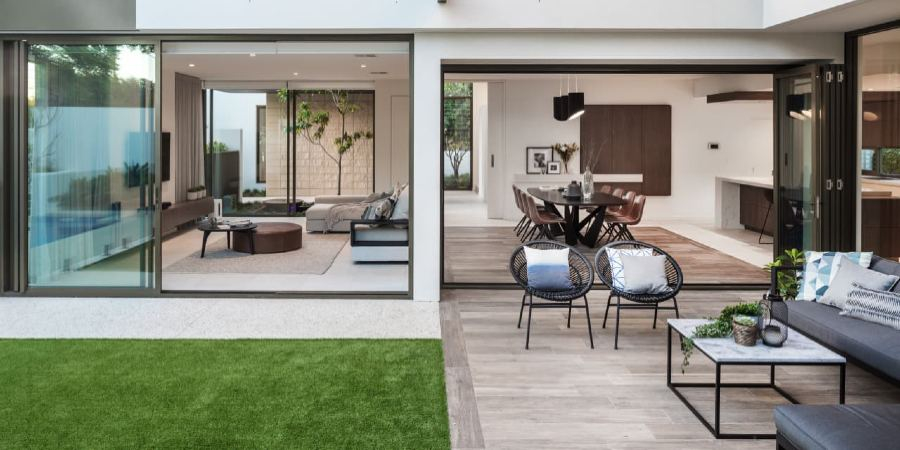
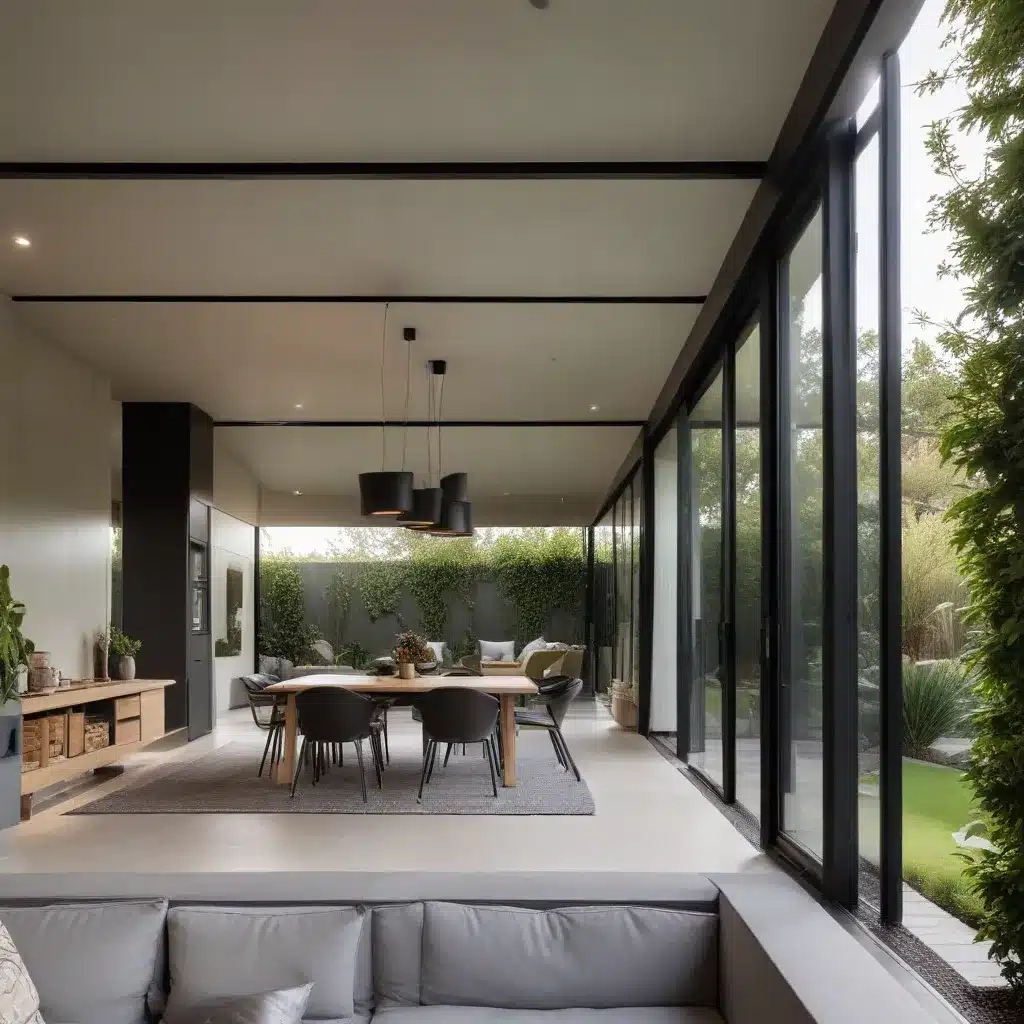
The first step in blurring the lines isn’t about furniture or decor; it’s about the bones of your space. Think of your flooring as the handshake between inside and out. If your indoor tiles stop abruptly at the threshold and switch to rough concrete outside, the brain registers a barrier. But if you extend the same large-format porcelain tiles from your kitchen onto the patio, the eye travels uninterrupted. It tricks the mind into seeing one expansive area rather than two small ones. This visual trickery is powerful. It makes even modest spaces feel luxurious and open.
Lighting plays a similar role in this structural harmony. In the past, outdoor lighting was often an afterthought—bright, harsh floodlights that killed the mood. Today, the trend is layered illumination. Imagine recessed lights in your ceiling that match the warmth of string lights draped across your pergola. When both sources share the same color temperature, the transition feels natural. It’s subtle, sure, but it works. You’re essentially painting with light, ensuring there are no dark corners where the connection breaks down. This approach creates a safe, inviting path for guests to wander without hesitation.
Don’t forget the actual doors and windows themselves. Folding glass walls have become increasingly popular because they literally remove the wall. But if a full renovation isn’t in the cards, consider maximizing what you have. Keep curtains pulled back during parties. Use mirrors inside near the exit points to reflect the greenery outside, bringing the garden visually into the room. These small architectural nudges signal to your guests that the outside is welcome here. It’s an invitation to explore, not just a view to admire from afar.
Material Harmony: Bringing Nature Inside
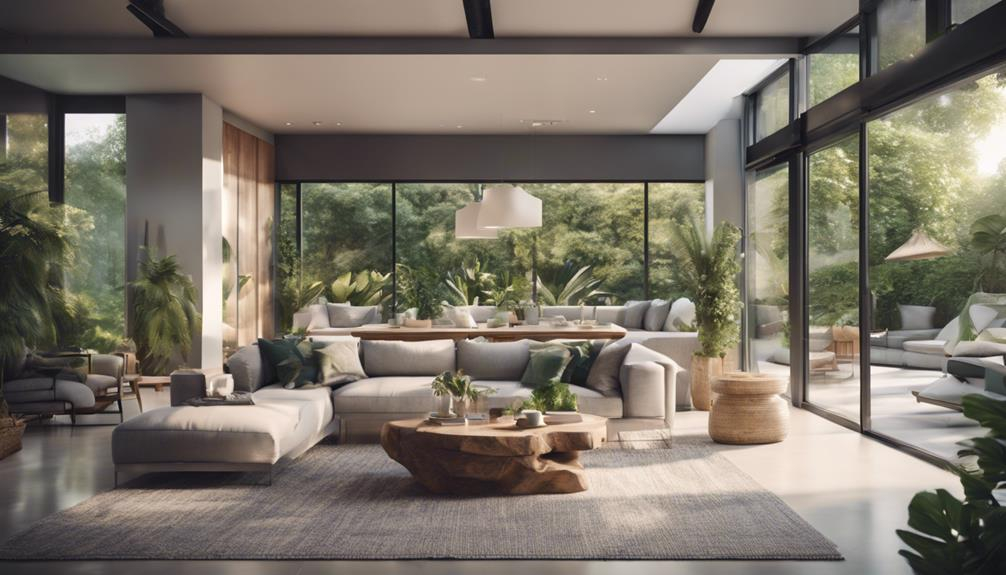
Materials tell a story, and for seamless entertaining, that story needs to be consistent. Natural elements are your best friends here. Wood, stone, rattan, and linen bridge the gap between the manufactured comfort of indoors and the raw beauty of nature. If your indoor dining table is made of reclaimed oak, consider an outdoor coffee table with similar wood tones. It doesn’t have to be the exact same piece, but the familial resemblance creates a sense of cohesion. It’s like wearing matching accessories; it pulls the whole look together without being too matchy-matchy.
Textiles are another crucial layer. For years, outdoor fabrics were stiff and plasticky. Not anymore. In 2026, performance fabrics are soft, breathable, and indistinguishable from their indoor counterparts. Throw pillows with intricate patterns or plush textures can move freely between the sofa and the sectional on the deck. This mobility is key. It allows you to adapt your space instantly. If the party migrates outside, grab the cushions. If it rains, bring them in. This flexibility makes your home feel alive and responsive to the needs of your guests.
Layering textures adds depth and interest. A smooth stone floor might feel cold, so add a woven jute rug that extends from the living room onto the covered porch. The texture underfoot changes slightly, signaling a shift in zone, but the material palette remains earthy and connected. Plants also act as living materials. Large potted fiddle leaf figs inside can be mirrored by tall ornamental grasses outside. This repetition of form and texture creates a rhythm that guides the eye and the body through the space. It’s a gentle nudge, saying, "Keep going, there’s more to see."
Furniture That Roams: Flexible Arrangements
Static furniture is the enemy of good flow. When you’re entertaining, people cluster, disperse, and regroup. Your furniture should support this organic movement. Lightweight pieces are essential. Think aluminum frames, wicker chairs, or stackable stools that can be easily moved. Avoid heavy, immovable sofas that anchor you to one spot. Instead, opt for modular seating that can be reconfigured. A sectional that splits into individual chairs allows you to create intimate conversation nooks on the patio or a large communal circle around the fire pit.
The concept of "outdoor rooms" is vital here. Just as you have a living room and a dining room inside, define these zones outside. Use a rug to anchor a seating area. Place a low console table behind a sofa to mimic the feel of an indoor entryway. These cues help guests understand how to use the space. They don’t have to guess where to sit or stand. The layout provides subconscious guidance. And because the style matches the interior, moving between these "rooms" feels intuitive. It’s all part of the same home, just with a different roof—or no roof at all.
Don’t underestimate the power of side tables. In indoor-outdoor living, surface space is gold. Guests need places to set down drinks, plates, and phones. Ensure there are enough small tables scattered throughout both zones. Ideally, choose nesting tables that can be tucked away when not in use but pulled out when the crowd arrives. This practicality ensures comfort without clutter. When everyone has a place for their belongings, they relax more. And relaxed guests are happy guests. It’s the little things that make the biggest difference in how a party feels.
Sensory Bridges: Scent, Sound, and Temperature
Design isn’t just visual; it’s multisensory. To truly blend indoor and outdoor spaces, you need to engage all the senses. Scent is a powerful connector. If you’re cooking indoors, let those aromas drift outside. An open kitchen window or a pass-through serving hatch can carry the smell of grilling herbs or baking bread into the garden. Conversely, bring outdoor scents inside with fresh cut flowers or essential oil diffusers that mimic pine, citrus, or rain. This olfactory continuity makes the transition feel seamless and immersive. It wraps your guests in a consistent atmosphere.
Soundscapes matter too. Silence can be awkward, but disjointed noise is worse. A unified audio system that streams the same playlist to indoor speakers and weatherproof outdoor units creates a sonic bubble. The music follows your guests as they move. It eliminates the jarring shift from quiet indoors to noisy outdoors. Keep the volume moderate, allowing for conversation. The goal is ambiance, not a concert. In 2026, smart home integration makes this easier than ever, with apps that adjust volume based on ambient noise levels. It’s tech working quietly in the background to enhance human connection.
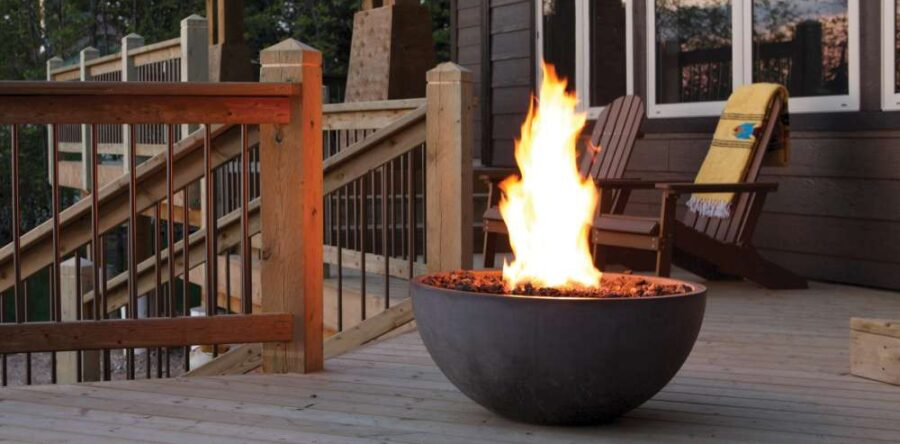
Temperature control is the final sensory piece. Summer evenings can cool down quickly. Having outdoor heaters or a fire pit extends the usability of your outdoor space. But it’s also about airflow. Ceiling fans on the patio mimic the breeze of indoor AC, keeping guests comfortable. Provide throw blankets in a stylish basket nearby. This gesture shows foresight and care. It tells guests, "Stay as long as you like; I’ve thought of your comfort." When physical discomfort is removed, the social experience flourishes. People linger longer, laugh louder, and connect deeper.
The Green Thread: Integrating Plant Life
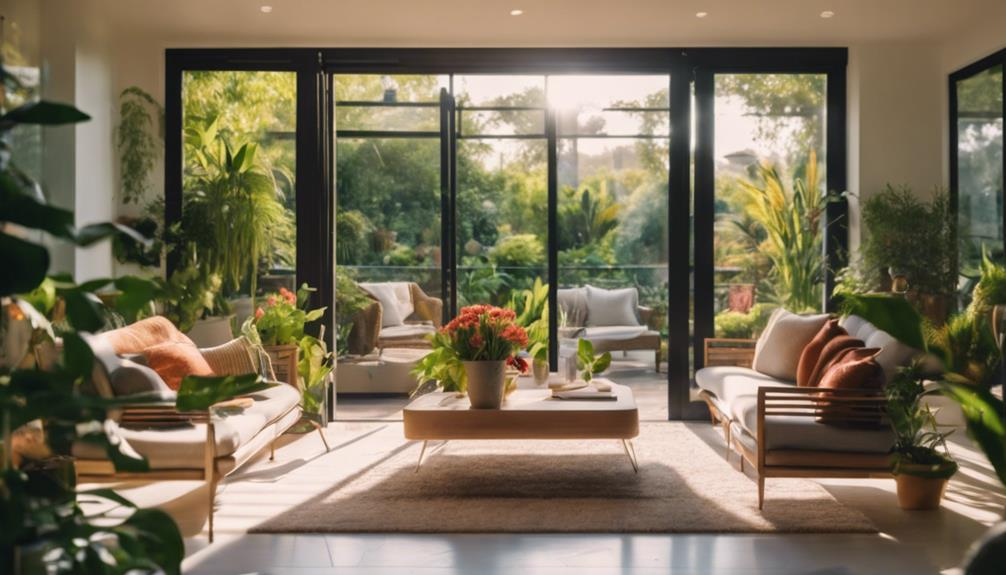
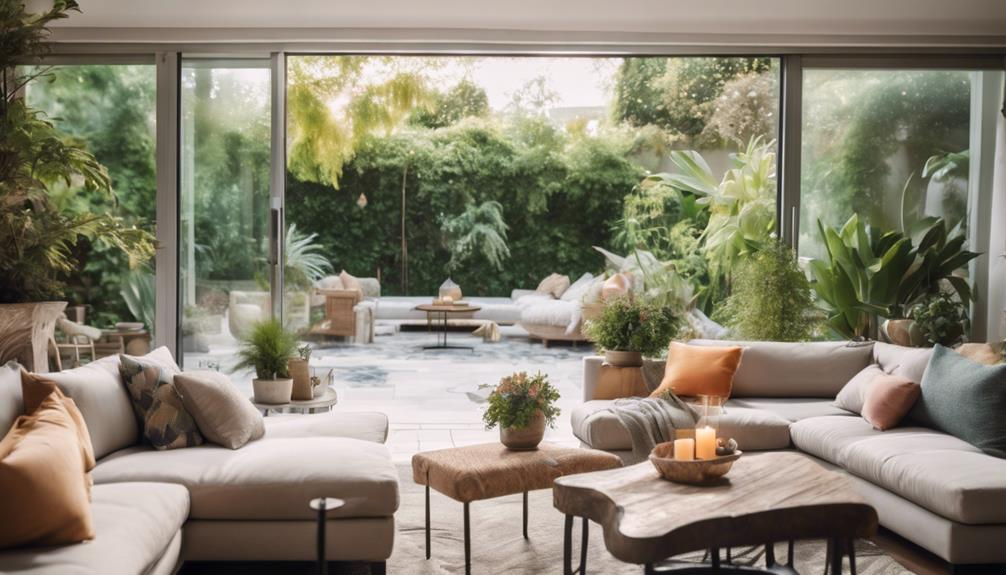
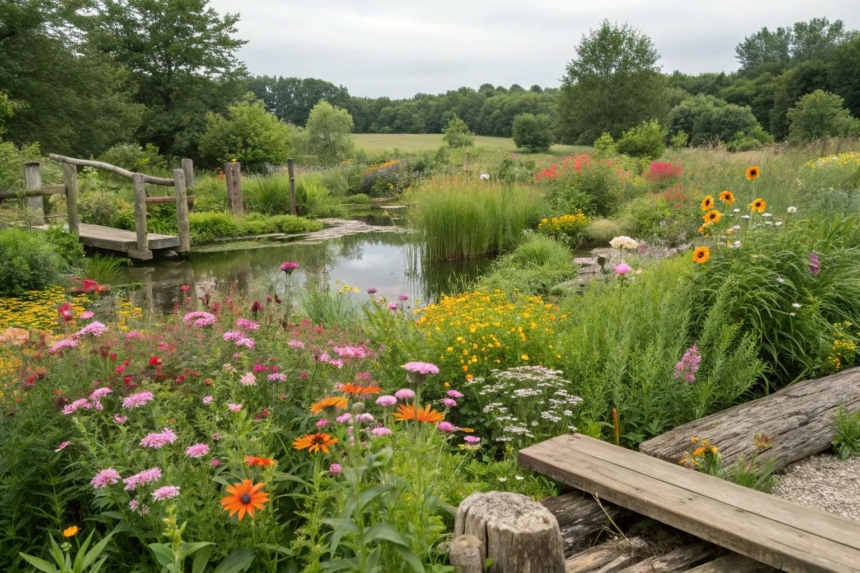
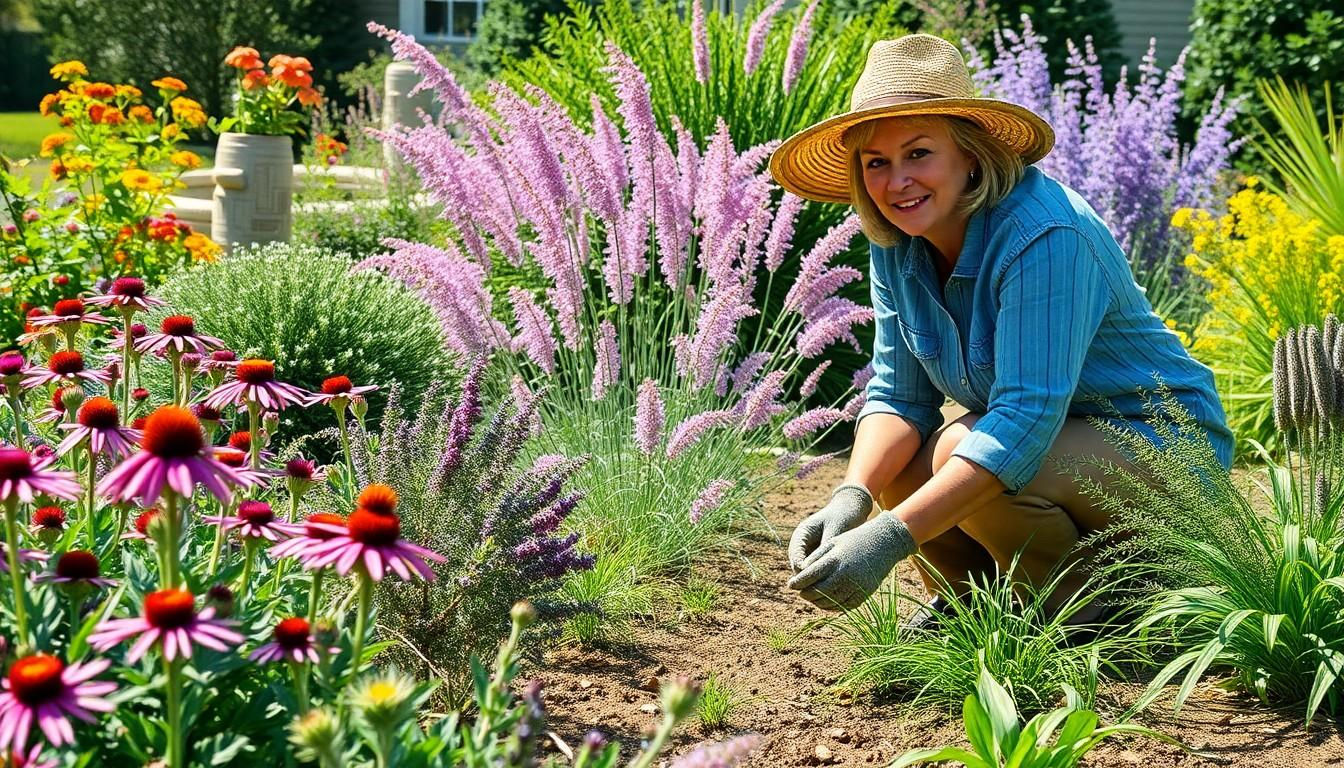
Plants are the ultimate blurrers of boundaries. They don’t respect walls. By strategically placing greenery, you can soften hard edges and create a lush backdrop that feels like an extension of the indoors. Start with large statement plants near the threshold. A tall monstera or a bird of paradise inside the glass door can be paired with similar tropical foliage just outside. This visual echo draws the eye outward. It makes the garden feel like a curated room rather than a wild unkempt space. It’s controlled nature, designed for human enjoyment.
Vertical gardens are another fantastic tool. If floor space is limited, go up. Living walls or hanging planters can frame a doorway or window, creating a green curtain that filters light and adds privacy. This technique works especially well for urban spaces where neighbors are close. It creates a sense of enclosure and intimacy without building solid walls. The rustle of leaves in the wind adds a dynamic element that static decor can’t match. It’s alive. It changes with the seasons, keeping your space feeling fresh and relevant year-round.
Edible plants add a functional twist to this aesthetic. Herb gardens in pots near the outdoor dining area aren’t just pretty; they’re practical. Guests can snip fresh basil for their caprese salad or mint for their cocktails. This interaction with the environment deepens the connection to the space. It turns gardening into part of the entertainment. It’s engaging and memorable. Plus, the vibrant greens of edible plants add pops of color that contrast beautifully with neutral furniture palettes. It’s design you can taste.
Lighting the Way: Ambiance After Dark
As the sun sets, lighting takes center stage. It’s the makeup of your home, highlighting features and setting the mood. For seamless entertaining, avoid single-source lighting. Instead, layer it. Start with ambient light—soft, general illumination that ensures safety and visibility. Then add task lighting for specific areas like the grill or bar. Finally, incorporate accent lighting to highlight architectural features or beautiful plants. This hierarchy creates depth and interest. It prevents the space from feeling flat or sterile.
String lights are a classic for a reason. They add a whimsical, festive touch that instantly signals "party mode." Drape them overhead to create a ceiling of stars. Or wrap them around tree trunks for a fairy-tale effect. LED technology has advanced significantly, offering warmer, more natural tones that mimic candlelight. Avoid cool white LEDs, which can feel clinical and uninviting. Warm light flatters skin tones and makes food look more appetizing. It’s a small detail with a huge impact on the overall vibe.
Candles and lanterns provide portable pools of light. Place them on tables, steps, and railings. Their flickering flame adds movement and warmth. Battery-operated flameless candles are a safe, wind-resistant alternative that still offers the aesthetic appeal. Group them in clusters for greater impact. The interplay of light and shadow creates mystery and intrigue. It encourages guests to lean in, to whisper, to connect. Good lighting doesn’t just let you see; it makes you feel. And in the end, that’s what great entertaining is all about.
Blending indoor and outdoor design isn’t just about aesthetics; it’s about enhancing life. It’s about creating a stage for memories. When the barriers fall away, so do social inhibitions. People move more freely, talk more openly, and relax more deeply. Your home becomes a sanctuary that adapts to your needs, whether you’re seeking solitude or celebrating with a crowd. It’s a reflection of a lifestyle that values connection—to nature, to each other, and to the present moment.
As you plan your next gathering, look at your space with fresh eyes. Where are the friction points? Where does the flow stumble? Small tweaks can make a big difference. Move a chair. Add a plant. Change a bulb. These incremental improvements compound over time. You don’t need a massive budget or a complete overhaul. You just need intention. Pay attention to how people use your space. Listen to their feedback. Adjust accordingly. Your home is a living entity, always evolving.
Summer is short. Don’t let it slip by behind closed doors. Open up. Invite the outside in. Let the breeze carry your laughter. Let the stars witness your conversations. By blending these elements thoughtfully, you create more than just a pretty space. You create a backdrop for joy. And isn’t that what home is really for? So go ahead. Slide that door open. The party is waiting, and it’s bigger than you think.
[sps_html tag=”img” src=”https://cdn.northcarolinafinearchitecture.com/2026/06/how-to-create-a-seamless-flow-between-indoor-and-outdoor-spaces-in-seamless1-how-to-create-indoor-outdoor-flow-that-makes-a-seamless-flow-between-indoor-and-outdoor-your-home-feel-twice-dining-sp.jpg” alt=”How To Create A Seamless Flow Between Indoor And Outdoor Spaces … in Seamless1. How to Create Indoor Outdoor Flow That Makes a Seamless Flow Between Indoor and Outdoor Your Home Feel Twice Dining Spaces” style=”width: 100%; height: auto;”]
[sps_html tag=”img” src=”https://cdn.northcarolinafinearchitecture.com/2026/06/how-to-create-a-seamless-flow-between-indoor-and-outdoor-spaces-in-seamless1-how-to-create-indoor-outdoor-flow-that-makes-a-seamless-flow-between-indoor-and-outdoor-your-home-feel-twice-dining-sp-1.jpg” alt=”How To Create A Seamless Flow Between Indoor And Outdoor Spaces … in Seamless1. How to Create Indoor Outdoor Flow That Makes a Seamless Flow Between Indoor and Outdoor Your Home Feel Twice Dining Spaces” style=”width: 100%; height: auto;”]
[sps_html tag=”img” src=”https://cdn.northcarolinafinearchitecture.com/2026/06/how-to-create-a-seamless-flow-between-indoor-and-outdoor-spaces-regarding-seamless1-how-to-create-indoor-outdoor-flow-that-makes-a-seamless-flow-between-indoor-and-outdoor-your-home-feel-twice-di.jpg” alt=”How To Create A Seamless Flow Between Indoor And Outdoor Spaces … regarding Seamless1. How to Create Indoor Outdoor Flow That Makes a Seamless Flow Between Indoor and Outdoor Your Home Feel Twice Dining Spaces” style=”width: 100%; height: auto;”]
[sps_html tag=”img” src=”https://cdn.northcarolinafinearchitecture.com/2026/06/how-to-create-indoor-outdoor-flow-all-for-blog-for-outdoor-dining-design.jpg” alt=”How To Create Indoor-Outdoor Flow – All For Blog for Outdoor Dining Design” style=”width: 100%; height: auto;”]
[sps_html tag=”img” src=”https://cdn.northcarolinafinearchitecture.com/2026/06/zonal-living-creates-seamless-flow-between-indoor-and-outdoor-spaces-in-seamless1-how-to-create-indoor-outdoor-flow-that-makes-a-seamless-flow-between-indoor-and-outdoor-your-home-feel-twice-dini.webp” alt=”Zonal Living Creates Seamless Flow Between Indoor And Outdoor Spaces … in Seamless1. How to Create Indoor Outdoor Flow That Makes a Seamless Flow Between Indoor and Outdoor Your Home Feel Twice Dining Spaces” style=”width: 100%; height: auto;”]