You know that feeling when you step onto your patio and it just feels… heavy? Like the space is cluttered, even if there’s not much there? For years, we’ve been told that bigger is better. Tall urns, deep troughs, massive pots that dominate the view. But something shifted recently. Maybe it was the need for more open sky in our cramped city balconies. Or maybe we just got tired of lugging fifty pounds of soil every spring. Whatever the reason, 2026 has become the year of the shallow bowl.
It’s quiet, really. You don’t hear a loud announcement about it. You just start noticing it. The sleek, wide-rimmed dishes sitting on deck rails. The low, stone-like basins filled with spilling ivy on corner tables. They aren’t trying to shout. They’re inviting you to look closer. This isn’t just a fad about buying new pots. It’s a fundamental change in how we relate to our small outdoor sanctuaries. We are moving away from vertical dominance toward horizontal harmony. And honestly? It feels like a breath of fresh air.
The Visual Shift: From Obstruction to Anchor
Let’s talk about sightlines. When you plop a tall, narrow planter in the middle of a small patio, what happens? It blocks things. It cuts the room in half. In 2026, designers and everyday gardeners are realizing that visual weight matters more than physical height. A shallow bowl, by definition, keeps the eye level low. It anchors the space without walling it off. Think of it like furniture. You wouldn’t put a seven-foot cabinet in the center of a tiny living room, right? You’d choose a low coffee table. The same logic applies here.
These low-profile containers act as ground-level visual anchors. According to recent trends from sources like Garden Hedgerow, these bowls allow for bold, edge-to-edge plantings that draw the eye across the surface rather than up into the void. This creates a sense of expansiveness. When you can see the horizon, or even just the far wall of your balcony, the space feels twice as big. The shallow profile respects the architecture of your home. It complements the railing, the floorboards, and the sky. It doesn’t fight them.
And there’s a psychological component too. High walls make us feel enclosed. Low lines make us feel open. In a post-pandemic world where our homes became our offices, schools, and gyms, the desire for openness hasn’t faded. We crave that connection to the outside. A low bowl planter facilitates this by keeping the barrier between "inside" and "outside" minimal. It’s subtle, but once you see it, you can’t unsee it. The patio stops feeling like a storage closet for plants and starts feeling like an extension of the living room.
Root Health and the Science of Shallow Soil
Now, you might be thinking, "But don’t plants need deep soil to survive?" It’s a fair question. We’ve been conditioned to believe that more dirt equals happier plants. But here’s the thing: most of the plants we actually want on our patios don’t need three feet of root space. Succulents, herbs, trailing vines, and many annuals have shallow root systems. In fact, giving them too much soil can sometimes be detrimental. It holds too much water, leading to root rot. It’s a common mistake, especially for beginners.
The shallow profile of these 2026-era bowls forces us to be smarter about plant selection. It encourages us to choose species that thrive in tighter spaces. As noted by Top Garden Living, these robust low bowl planters are specifically evaluated for their ability to support shallow-rooted varieties while ensuring proper drainage. This is key. Because the soil volume is lower, it dries out faster. For some plants, this is a disaster. For others, like lavender or thyme, it’s paradise. They hate wet feet. The shallow bowl mimics their natural rocky habitats.
This shift also changes the maintenance game. With less soil, you have more control over the nutrient balance. You aren’t guessing what’s happening two feet down in a dark, damp void. You can see the moisture level. You can feel the temperature of the soil with your hand. It makes gardening more intuitive. You’re not fighting against a black box of earth. You’re working with a visible, manageable ecosystem. It turns gardening from a chore into a tactile experience. You notice when the soil is dry because the surface changes color. It’s immediate feedback.
Material Innovation: Lightweight Yet Durable
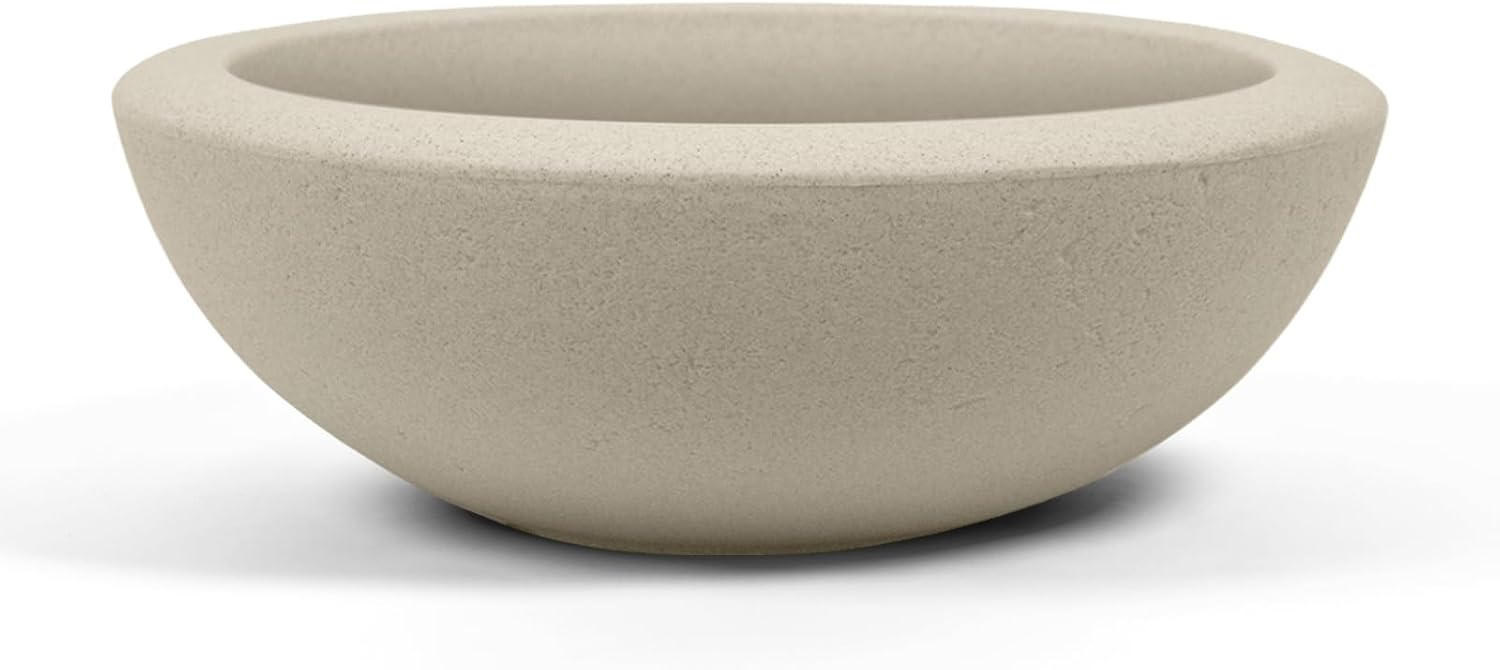
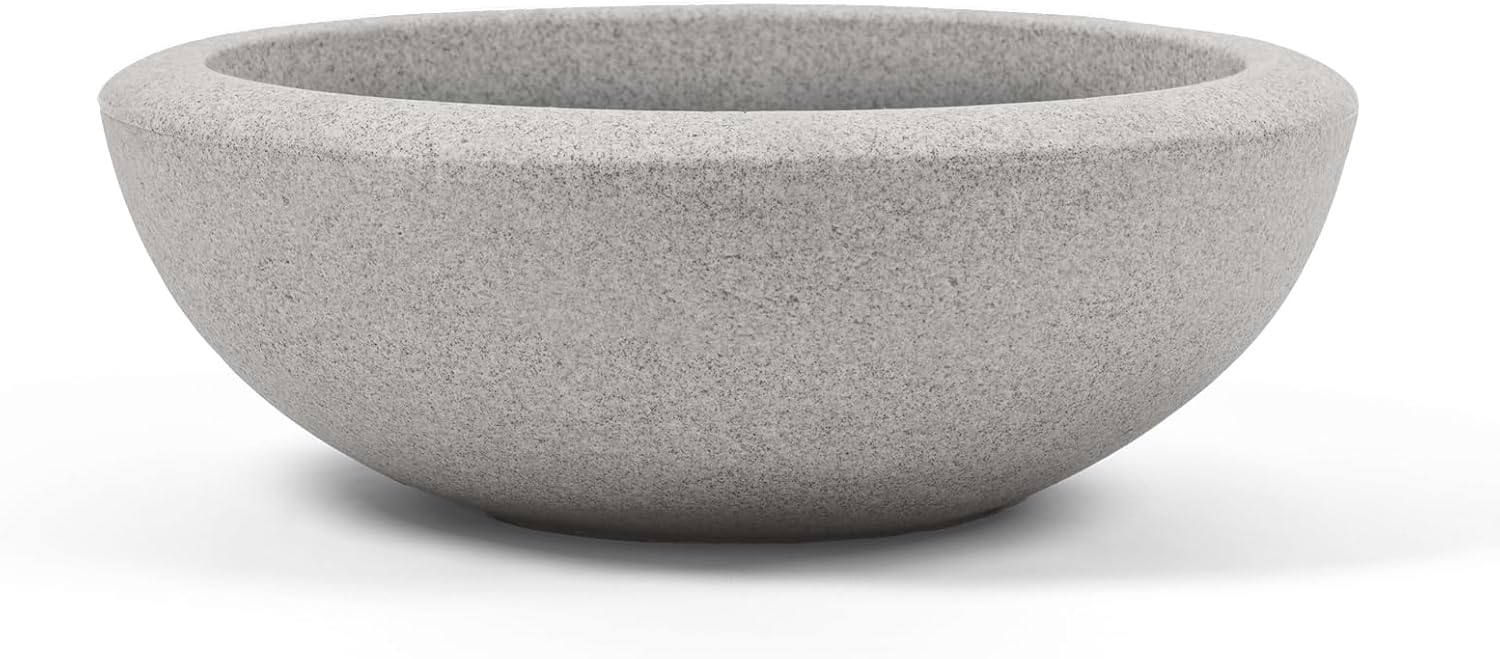
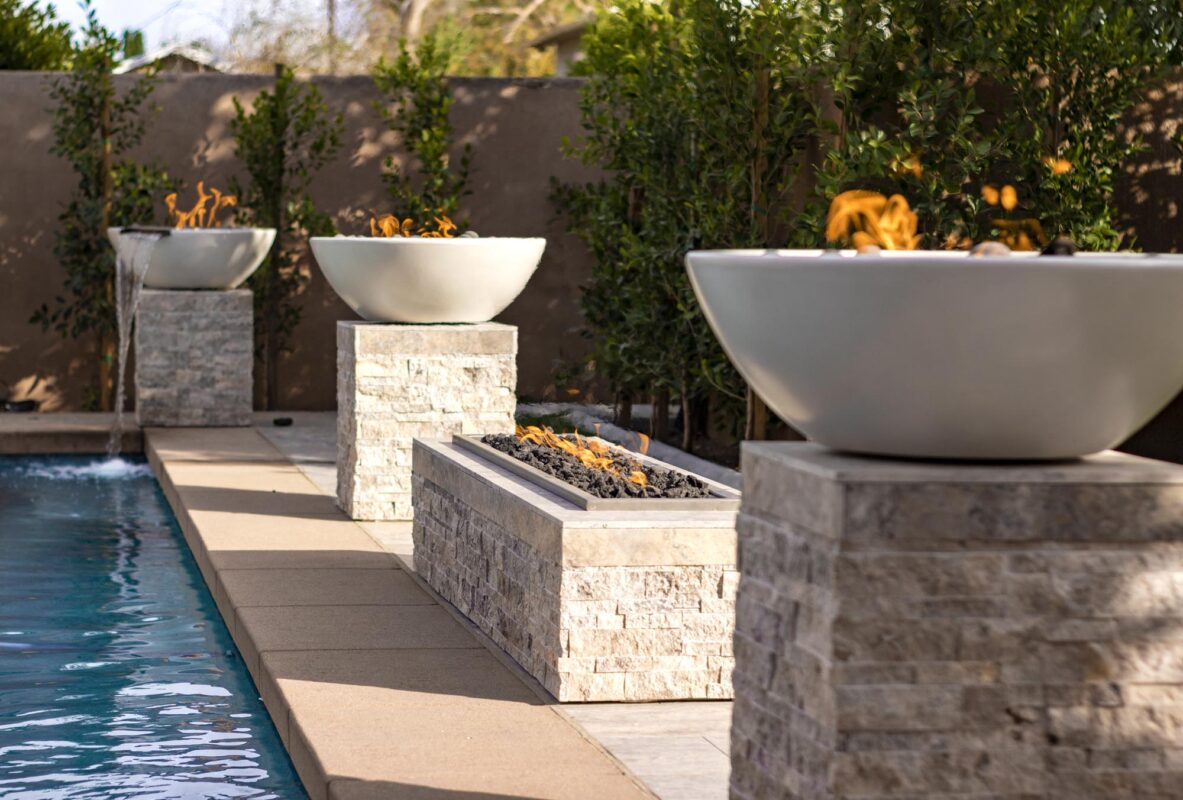
If you’ve ever tried to move a concrete planter, you know the pain. They crack. They stain. And they weigh a ton. One of the biggest drivers behind the shallow bowl trend is material science. In 2026, we aren’t just using clay and cement. We’re seeing a surge in high-quality resin, stone-like composites, and durable plastics that look authentic but behave differently. Balcony Garden Light highlights that extra-large shallow bowls are now designed with lightweight construction in mind, making them versatile for decks and lawns alike.
Why does weight matter so much? Because shallow bowls often have a large surface area. If they were made of traditional concrete, they’d be impossibly heavy. But with modern composites, you can have a four-foot wide bowl that one person can lift. This opens up possibilities. You can move your garden with the seasons. Chase the sun in the winter. Find the shade in the summer. Your patio becomes dynamic, not static. You’re no longer stuck with a layout you chose three years ago.
Durability is also a huge factor. These new materials are engineered to resist UV rays and freezing temperatures. They don’t fade after one summer. They don’t crack when the ice expands. This longevity is crucial for sustainability. We aren’t throwing these away every few years. They are investments. And because they are lightweight, shipping costs are lower, which means a smaller carbon footprint. It’s a win-win. You get a beautiful, stylish piece that lasts, and the planet gets a break from heavy freight transport. It’s thoughtful design in action.
The Art of the Spill: Planting Strategies
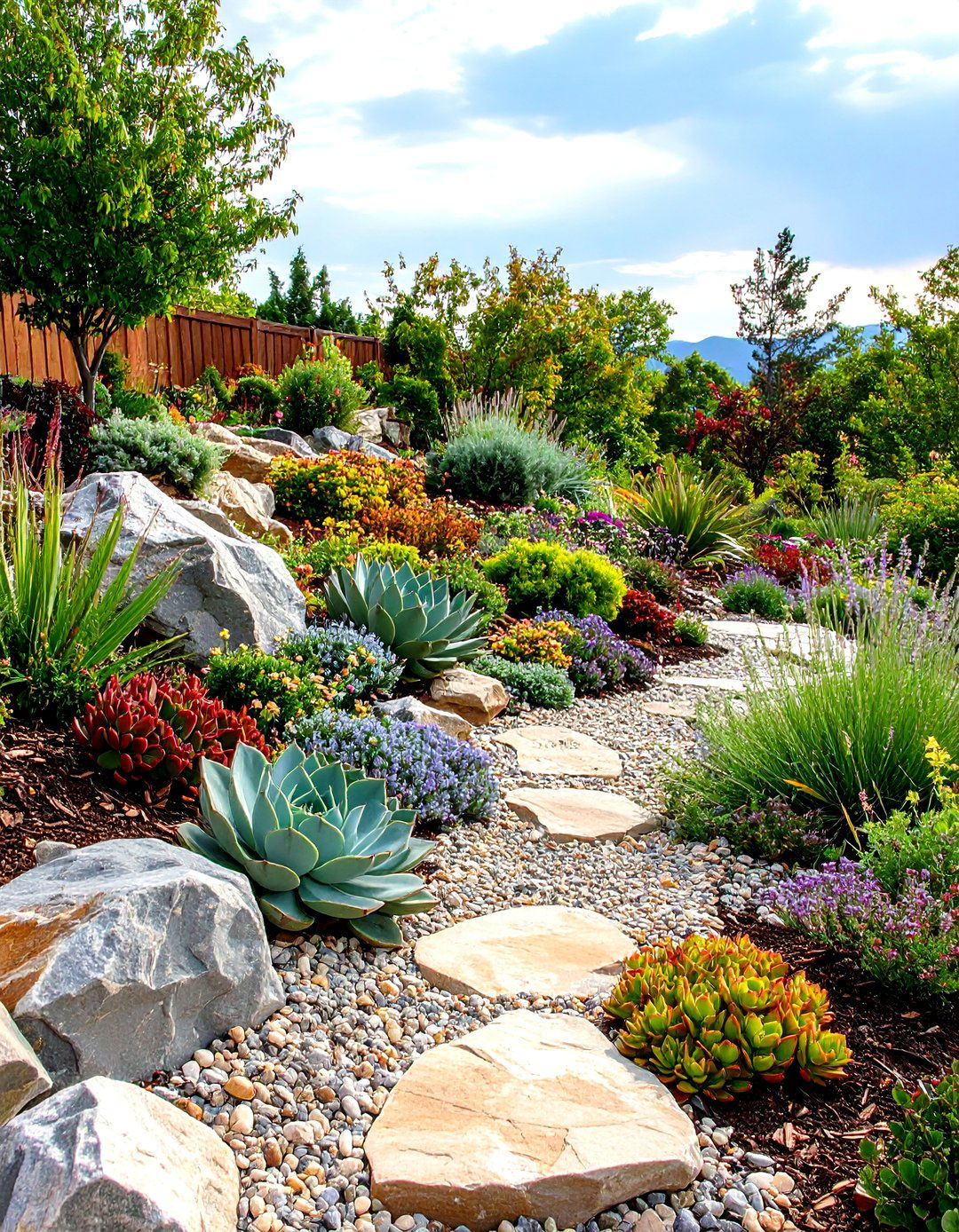
So, what do you put in these things? This is where the fun begins. The shallow profile demands a different aesthetic. You can’t just stick a single tomato plant in the middle and call it a day. That looks lonely. Instead, 2026 is all about the "spill." We’re seeing a move toward trailing plants that cascade over the edges, softening the hard lines of the container. Think creeping jenny, sweet potato vine, or trailing rosemary. They turn the planter into a living sculpture.
Patio Tip suggests using these expansive bowls for lush greenery and vibrant succulents. The wide planting area allows for "big-blooming arrangements" that fill the space horizontally. This creates a carpet effect. Imagine a bowl filled with a mix of echeveria and sedum. It looks like a jewel box. Or perhaps a mix of culinary herbs—basil, oregano, and thyme—spilling over the side of a kitchen door planter. It’s functional and beautiful. You snip what you need for dinner, and the plant keeps growing outward.
Another strategy is the "monoculture mass." Instead of mixing five different plants, you use one type of plant densely packed together. A bowl full of only white alyssum. Or only blue fescue grass. This creates a striking visual impact. It’s bold. It’s modern. It fits perfectly with the clean lines of contemporary outdoor furniture. The shallow depth ensures that the roots don’t compete too fiercely, as long as you keep them watered. It’s a high-density, high-reward approach. And it looks incredibly chic.
Water Wisdom and Maintenance Ease
Let’s be real. Gardening can be a hassle. Watering is the biggest pain point. Deep pots are tricky. The top inch might be dry, but the bottom is swampy. Or vice versa. Shallow bowls simplify this. Because the soil layer is thin, moisture distribution is more uniform. You water it, and the whole root zone gets hydrated. There are no dry pockets hiding at the bottom. This makes it easier to establish a routine. You can check your plants in seconds.
However, there is a catch. Shallow soil dries out faster in the heat. This requires a shift in habit. In the peak of July, you might need to water daily. But this isn’t necessarily a bad thing. It forces you to engage with your garden every day. You’re not ignoring it for weeks. You’re checking in. And because the bowls are often made of materials that retain some moisture or have integrated reservoirs (a growing trend in 2026), the stress is mitigated. The Yogic Garden notes that these options prioritize drainage and weather resistance, ensuring that while they dry out appropriately, they don’t bake the roots.
Maintenance is also easier because there’s less soil to refresh. Every spring, you don’t need to buy ten bags of potting mix. You might only need one or two. You can tilt the bowl, scrape out the old top layer, and add fresh compost. It’s quick. It’s clean. It doesn’t require a back-breaking effort. This accessibility is huge for older gardeners or those with limited mobility. Gardening becomes inclusive again. It’s not about strength; it’s about care. And that’s a beautiful thing.
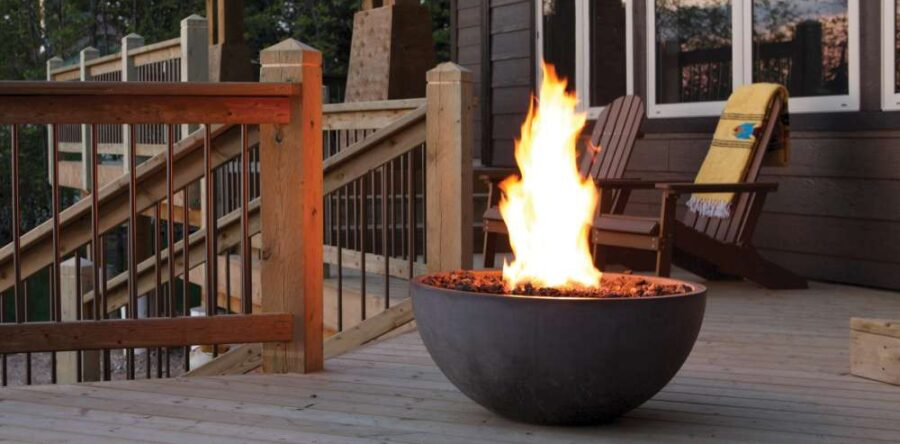
Finally, let’s talk about style. The shallow bowl is a chameleon. It fits anywhere. Put it on a minimalist concrete patio, and it looks like art. Place it on a rustic wooden deck, and it looks like a found object. Hang it on a wall (yes, some are designed for this), and it becomes a living picture frame. Planters Unlimited emphasizes that the charm of these planters lies in their versatility. There are as many ways to style them as there are plants to put in them.
In 2026, we’re seeing these bowls used as table centers. Instead of a vase of cut flowers that die in three days, you have a living centerpiece. A low bowl with moss and small ferns. It brings life to the dining experience. Guests love it. It’s a conversation starter. Or use them to define zones in an open-plan backyard. Two large shallow bowls flanking a pathway create a gentle guide. They say, "Walk here," without building a fence. It’s subtle direction.
And don’t forget the color trends. While terracotta is classic, 2026 is embracing blush blooms, rich jewel tones, and matte blacks. Contained Creations points out that container gardens are elevating spaces with dual-purpose plantings and specific color palettes. A matte black bowl with bright green succulents pops. A blush pink bowl with white flowers feels soft and romantic. You can match your planters to your outdoor cushions. You can coordinate them with your house trim. The low profile makes them easy to integrate into any design scheme. They don’t clash. They complement.
So, where does this leave us? The shallow bowl isn’t just a container. It’s a tool for better living. It helps us see our spaces differently. It teaches us about plant needs. It reduces our physical strain. And it looks damn good doing it. As we move further into 2026, the trend isn’t slowing down. If anything, it’s deepening. We’re learning that sometimes, less depth means more connection.
Try it out. Swap out one of those tall, dusty urns for a wide, low bowl. Fill it with something that spills. Watch how the light hits it. Notice how the space opens up. You might find that your patio feels like a new room. A room with a view. A room that breathes. And isn’t that what we’re all looking for? A little bit of nature, handled with ease, right at our fingertips. It’s simple. It’s smart. And it’s finally here.
[sps_html tag=”img” src=”https://cdn.northcarolinafinearchitecture.com/2026/05/gallery-sedona-collection-the-outdoor-plus-pertaining-to-choosing-the-right-material-for-outdoor-bowls-from-gfrc-to-weatherproof-polyresin.jpg” alt=”Gallery - Sedona Collection | The Outdoor Plus pertaining to Choosing the right material for outdoor bowls from GFRC to weatherproof polyresin” style=”width: 100%; height: auto;”]
[sps_html tag=”img” src=”https://cdn.northcarolinafinearchitecture.com/2026/05/amazon-com-arbora-26-santorini-bowl-polyresin-indoor-and-outdoor-for-outdoor-bowl-design.jpg” alt=”Amazon.com: Arbora 26" Santorini Bowl Polyresin Indoor And Outdoor … for Outdoor Bowl Design” style=”width: 100%; height: auto;”]
[sps_html tag=”img” src=”https://cdn.northcarolinafinearchitecture.com/2026/05/amazon-com-arbora-21-santorini-bowl-polyresin-indoor-and-outdoor-in-outdoor-bowl-design.jpg” alt=”Amazon.com: Arbora 21" Santorini Bowl Polyresin Indoor And Outdoor … in Outdoor Bowl Design” style=”width: 100%; height: auto;”]