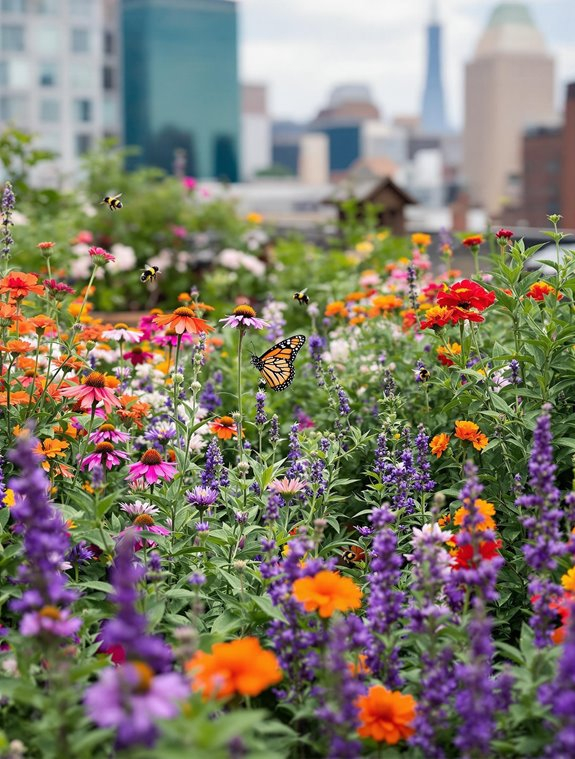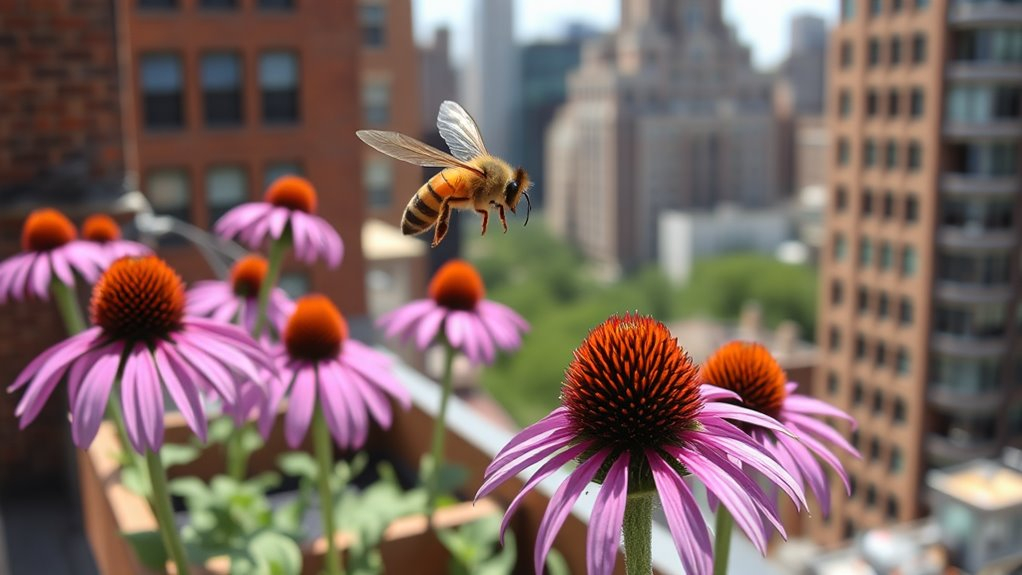
Look up next time you’re walking through downtown. Really look. Past the glass facades and the steel beams. What do you see? For decades, the answer was just more sky, or maybe the gray underbelly of another building. But lately, if you squint, you might catch a flash of purple or gold dancing in the wind thirty stories up. It’s not a billboard. It’s not a flag. It’s a meadow.
We are witnessing a quiet revolution on our rooftops. The sterile, gravel-covered expanses that used to dominate our city tops are turning into vibrant, living ecosystems. This isn’t just about aesthetics, though let’s be honest, they are stunning. It’s about survival. It’s about taking the concrete jungles we’ve built and stitching them back into the natural world, one seed at a time. In 2026, the skyline isn’t just a silhouette of human ambition; it’s becoming a canvas for nature’s resilience.
Why wildflowers? Why not just neat rows of sedum or tidy shrubs? Because wildflowers are messy. They are loud. They are alive in a way that manicured lawns never are. They bring the bees, the butterflies, and the birds back into the heart of the city. They turn dead space into a sanctuary. And as we face hotter summers and heavier rains, these rooftop gardens are proving to be some of our best tools for climate adaptation. It’s a shift from fighting nature to working with it. And it’s beautiful.
The Concrete Jungle Gets a Makeover
For most of the 20th century, a roof was just a lid. Its job was to keep the rain out and the heat in (or out, depending on the season). It was an afterthought, a utilitarian slab of tar and gravel that nobody looked at and nobody cared about. But cities are changing. We are running out of ground space. We are choking on heat. And we are realizing that those empty rooftops represent a massive, untapped resource.
Urban rewilding is the buzzword of the moment, but it’s more than a trend. It’s a necessity. By transforming these flat, barren surfaces into green roofs, we are effectively adding acres of parkland to cities that don’t have room for more parks on the ground. Imagine if every large building in your city had a garden on top. That’s thousands of acres of new green space. Space that breathes. Space that cools. Space that lives.
This transformation is reshaping our skylines in real-time. Architects and developers in 2026 are no longer asking "if" they should include a green roof, but "how" they can make it thrive. We are seeing skyscrapers in major metropolitan areas sporting lush layers of native plants that sway in the high-altitude winds. It’s a visual reminder that even in the densest urban centers, nature finds a way. And we are finally letting it in.
The impact is visible from space, literally. Satellite imagery now shows greener patches in city centers where there used to be only gray. It’s a small change, but it adds up. It changes the feel of a city. It softens the hard edges. It makes the urban environment feel less like a machine and more like a home.
Cooling the Heat Island Effect
You’ve probably felt it. That blast of hot air when you step out of a subway station or walk past a large asphalt parking lot in July. Cities are significantly hotter than the surrounding countryside. This is the Urban Heat Island effect. All that concrete and asphalt absorbs sunlight during the day and radiates it back out at night, keeping temperatures artificially high. It’s uncomfortable, it’s dangerous for vulnerable populations, and it drives up energy bills as everyone cranks up their air conditioning.
Wildflower roof gardens are a powerful antidote to this problem. Plants don’t just sit there; they work. Through a process called evapotranspiration, they release water vapor into the air, which cools the surrounding environment. A green roof can be up to 30-40 degrees Fahrenheit cooler than a conventional black roof on a sunny day. That’s a huge difference. And that cooling effect doesn’t just stay on the roof; it helps lower the ambient temperature of the entire neighborhood.
Think about the energy savings. When a building’s roof is cooler, the floors below stay cooler too. This means less strain on HVAC systems. In 2026, with energy costs fluctuating and climate goals getting stricter, this is a no-brainer for building owners. It’s not just about being "green" for the sake of it; it’s about economics. It’s about efficiency. A wildflower roof pays for itself over time by reducing energy consumption and extending the life of the roofing membrane underneath.
But it’s also about comfort. Imagine living in an apartment building where the roof above you is a blooming meadow instead of a baking sheet of tar. Your top-floor unit becomes livable in the summer. You can open your windows. You can sleep without the hum of an AC unit rattling all night. It’s a simple change with a profound impact on quality of life.
A Haven for Pollinators and Biodiversity
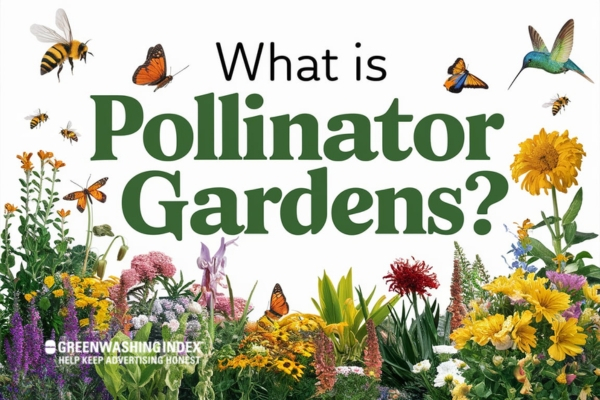
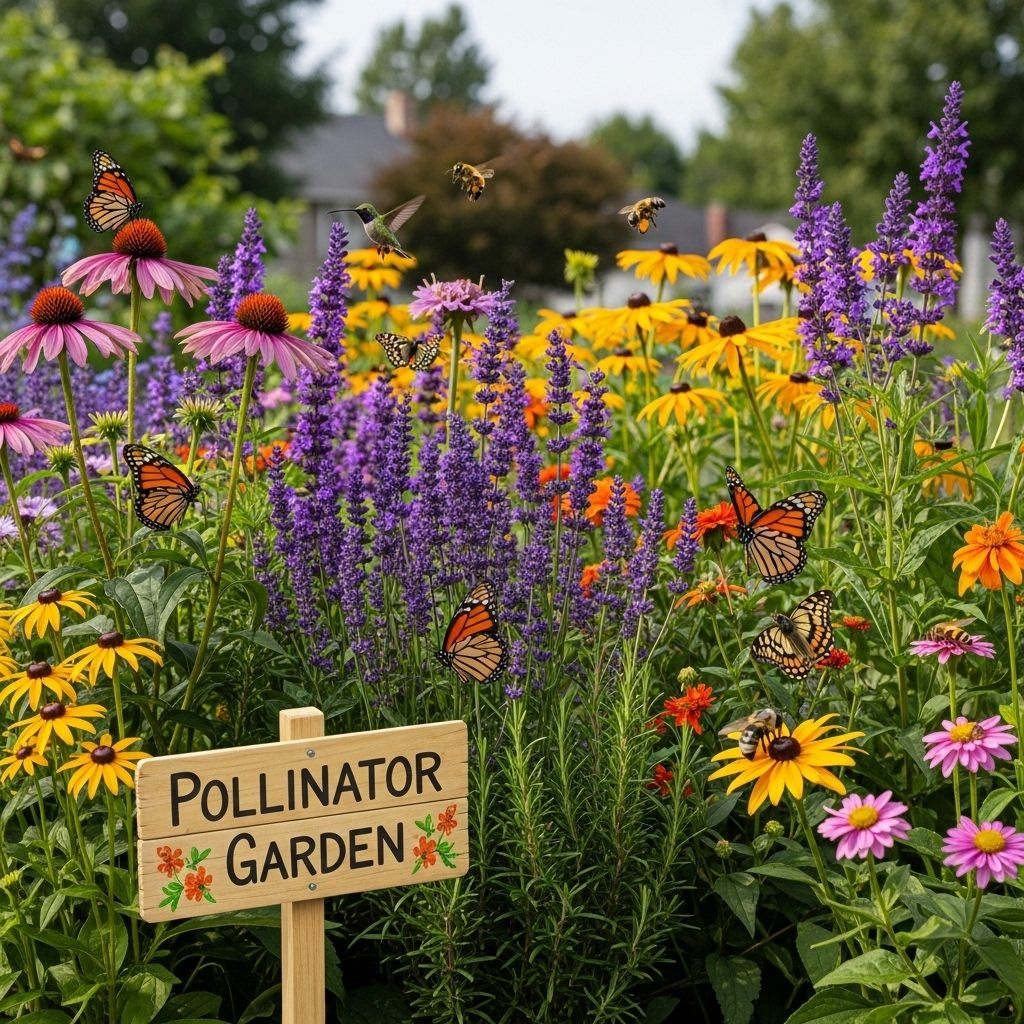
One of the most magical things about wildflower roofs is who they invite over. Bees. Butterflies. Beetles. Birds. In a city, finding food and shelter can be tough for these creatures. Pavement doesn’t bloom. Glass doesn’t provide nectar. But a rooftop garden filled with native wildflowers? That’s a buffet. It’s a rest stop. It’s a home.
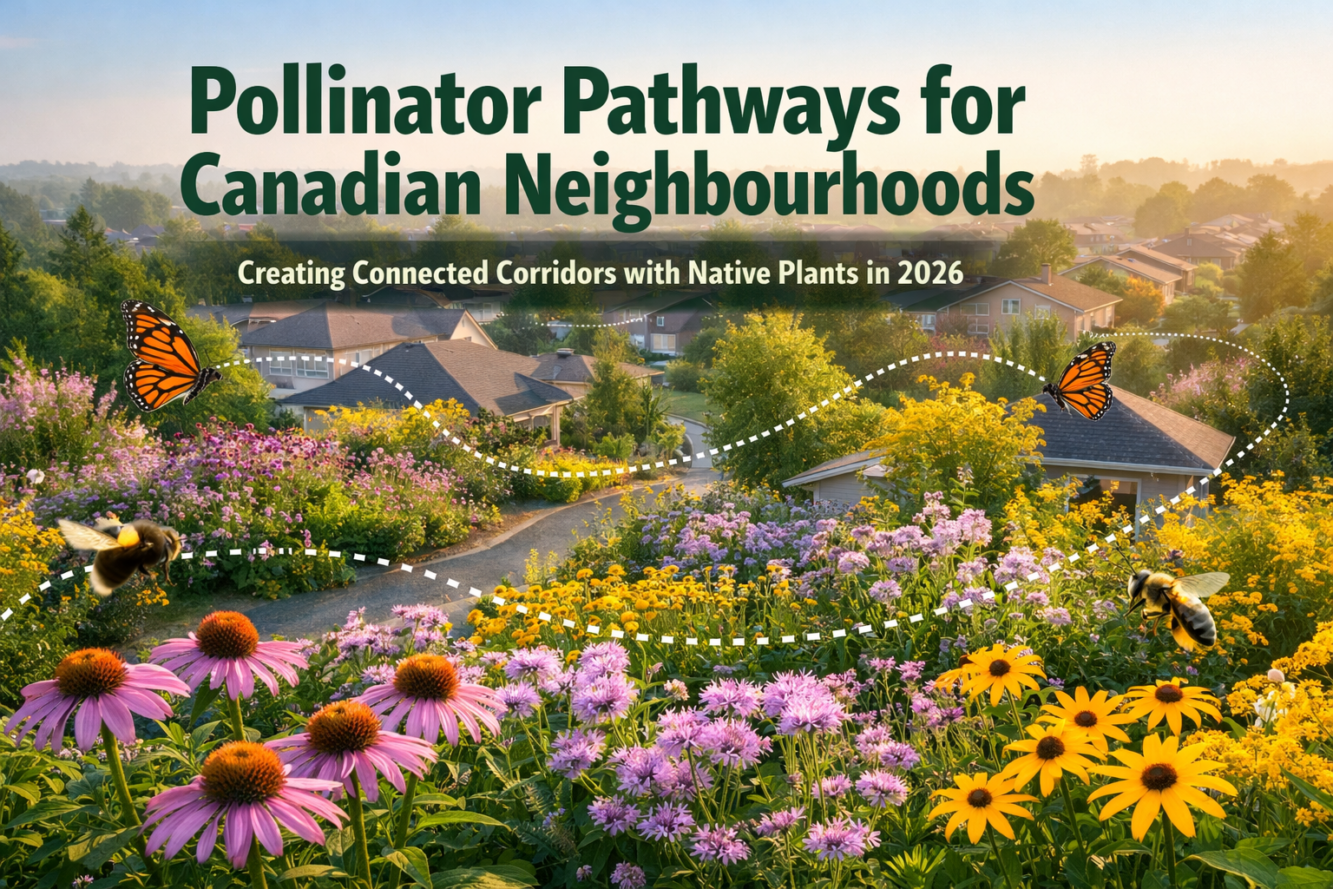
Biodiversity in cities has been declining for years. We’ve paved over habitats and fragmented ecosystems. Rooftop gardens help reconnect these fragments. They act as "stepping stones" for pollinators, allowing them to move across the city from one patch of green to another. This is crucial for the health of urban ecosystems. Without pollinators, many of the plants we rely on—both in gardens and for food production—would struggle to survive.
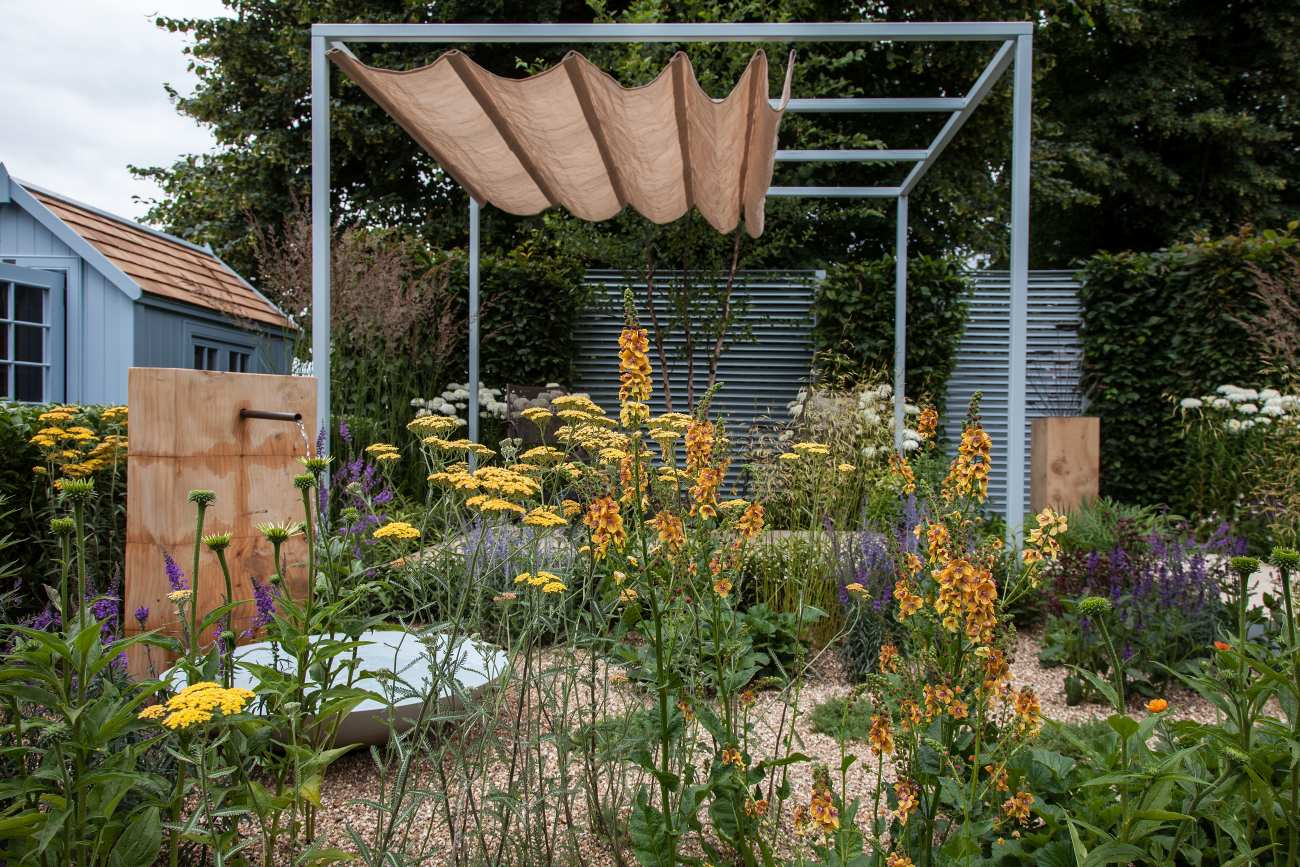
Native plants are key here. Exotic flowers might look pretty, but native wildflowers are adapted to the local climate and soil conditions. They are tougher. They require less water and fertilizer. And most importantly, they are the specific plants that local insects and birds have evolved to depend on. By choosing native species like coneflowers, black-eyed susans, or local grasses, we are supporting the web of life that belongs in our region.
It’s not just about bees, either. These gardens attract spiders, which eat pests. They attract birds, which spread seeds and control insect populations. They create a mini-ecosystem in the sky. In 2026, we are seeing data that shows increased bird diversity in neighborhoods with high concentrations of green roofs. It’s proof that these small interventions add up to a bigger ecological shift. We are bringing the wild back to the city, one rooftop at a time.
Managing Stormwater and Climate Resilience
Rain in the city is a problem. When it falls on impermeable surfaces like roads and roofs, it picks up pollutants—oil, grease, heavy metals—and rushes into the sewer system. This can overwhelm sewage treatment plants, leading to combined sewer overflows where untreated wastewater ends up in rivers and streams. It’s a messy, expensive, and environmentally damaging cycle.
Wildflower roof gardens act like sponges. The soil and plant roots absorb rainwater, holding it temporarily and releasing it slowly. This reduces the volume of runoff and delays the peak flow during heavy storms. A well-designed green roof can retain 50-70% of annual rainfall. That’s a significant amount of water that doesn’t hit the sewers. It’s natural infrastructure at work.
As climate change leads to more intense and frequent storm events, this capacity is becoming critical. Cities are looking for ways to become more resilient, to bounce back from extreme weather. Green roofs are a key part of that strategy. They reduce flood risk. They filter pollutants out of the water before it enters the system. They take the pressure off aging infrastructure.
And it’s not just about heavy rain. It’s about drought too. The soil on a green roof holds moisture, which helps regulate humidity levels in the immediate area. It creates a microclimate that is more stable and less prone to extreme fluctuations. This resilience is vital for cities facing an uncertain climate future. By mimicking natural processes, we are building cities that can withstand the shocks of a changing world. It’s smart planning. It’s forward-thinking.
Design and Installation: Making It Work
So, how do you actually put a meadow on a roof? It’s not as simple as dumping some dirt up there. Roof gardens require careful engineering and design. First, you have to consider the weight. Soil and water are heavy. A building’s structure must be able to support the load. This often involves working with structural engineers to reinforce the roof or choose lightweight growing mediums.
Then there’s the layering. A green roof isn’t just soil. It’s a system. It starts with a waterproof membrane to protect the building. Then a root barrier to prevent plants from digging into the structure. Then a drainage layer to let excess water escape. Then a filter fabric to keep the soil in place. And finally, the growing medium and the plants. Each layer has a specific job. Get one wrong, and the whole system can fail.
Choosing the right plants is crucial. Wildflowers are great because they are generally low-maintenance and drought-tolerant once established. But you have to pick species that can handle the harsh conditions of a rooftop: high winds, intense sun, and limited soil depth. Sedums are popular for extensive green roofs because they are incredibly hardy. But mixing in native wildflowers adds biodiversity and seasonal interest.
Maintenance is another factor. While wildflower roofs are lower maintenance than traditional lawns, they aren’t "no maintenance." They need watering during the first year to help plants establish. They need weeding to keep invasive species out. They need occasional inspections to ensure drains are clear. But compared to the benefits, the effort is minimal. And in 2026, there are more professionals specializing in green roof installation and care than ever before. It’s becoming a standard part of the construction industry.
Beyond the environmental and economic benefits, there’s a human side to rooftop gardens. They provide spaces for people to connect with nature. In dense urban areas, access to green space is often limited. Rooftop gardens can be shared amenities for residents, employees, or the public. They offer a place to relax, to garden, to socialize. They are sanctuaries above the noise and chaos of the street.
Studies have shown that access to green space improves mental health. It reduces stress. It boosts mood. It encourages physical activity. A rooftop garden is a unique kind of green space. It offers views. It offers privacy. It offers a sense of escape. For people living in small apartments, having access to a communal garden on the roof can be a game-changer. It provides a sense of community and belonging.
These spaces also foster education. Schools with green roofs can use them as outdoor classrooms. Children can learn about biology, ecology, and sustainability firsthand. They can see where their food comes from if edible plants are included. They can observe insects and birds. It brings learning to life. It inspires the next generation of environmental stewards.
In 2026, we are seeing more community-led projects where neighbors come together to build and maintain rooftop gardens. It’s a way to strengthen community ties. To work towards a common goal. To create something beautiful together. It’s about more than just plants. It’s about people. It’s about creating cities that are not just sustainable, but also livable and joyful.
The wildflower roof is a symbol of hope. It shows that we can change our relationship with the urban environment. We don’t have to choose between city life and nature. We can have both. We can weave them together. And in doing so, we create healthier, happier, and more resilient communities.
So, the next time you look up, look for the flowers. Look for the green. Notice the change. It’s happening all around us. The skylines of our cities are transforming. They are becoming wilder. They are becoming better. And it’s a sight worth seeing. It’s a future worth growing.
[sps_html tag=”img” src=”https://cdn.northcarolinafinearchitecture.com/2026/06/create-a-pollinator-gardens-transform-your-yard-into-haven-with-regard-to-creating-pollinator-havens-above-the-city-noise-and-smog.jpg” alt=”Create A Pollinator Gardens - Transform Your Yard Into Haven with regard to Creating Pollinator Havens Above the City Noise and Smog” style=”width: 100%; height: auto;”]
[sps_html tag=”img” src=”https://cdn.northcarolinafinearchitecture.com/2026/06/create-your-own-pollinator-garden-a-step-by-step-guide-graphic-folks-for-creating-pollinator-havens-above-the-city-noise-and-smog.jpg” alt=”Create Your Own Pollinator Garden: A Step-By-Step Guide - Graphic Folks for Creating Pollinator Havens Above the City Noise and Smog” style=”width: 100%; height: auto;”]
[sps_html tag=”img” src=”https://cdn.northcarolinafinearchitecture.com/2026/06/turf-to-pollinator-gardens-metro-blooms-regarding-creating-pollinator-havens-above-the-city-noise-and-smog.jpg” alt=”Turf To Pollinator Gardens | Metro Blooms regarding Creating Pollinator Havens Above the City Noise and Smog” style=”width: 100%; height: auto;”]
[sps_html tag=”img” src=”https://cdn.northcarolinafinearchitecture.com/2026/06/pollinator-friendly-plants-for-city-gardens-urban-greenthumbs-throughout-creating-pollinator-havens-above-the-city-noise-and-smog.jpg” alt=”Pollinator-Friendly Plants For City Gardens – Urban Greenthumbs throughout Creating Pollinator Havens Above the City Noise and Smog” style=”width: 100%; height: auto;”]
[sps_html tag=”img” src=”https://cdn.northcarolinafinearchitecture.com/2026/06/pollinator-pathways-for-canadian-neighbourhoods-creating-connected-with-regard-to-creating-pollinator-havens-above-the-city-noise-and-smog.png” alt=”Pollinator Pathways For Canadian Neighbourhoods: Creating Connected … with regard to Creating Pollinator Havens Above the City Noise and Smog” style=”width: 100%; height: auto;”]