So, you’re standing on your back porch, looking up at that expanse of shingles or metal, and thinking… wouldn’t it be cool if that was alive? Maybe a little patch of sedum, or even a small garden up there. It’s a nice thought. In 2026, with heatwaves getting more intense and city streets feeling like ovens, the idea of a "living roof" isn’t just some eco-friendly fantasy anymore. It’s a real option. But then the practical side of your brain kicks in. How much is this going to cost? Is it worth it? Or is it just a money pit with plants?
These are the questions keeping homeowners awake at night. And honestly, they should be. Putting a garden on your house isn’t like buying a new couch. It’s a construction project. It involves engineering, waterproofing, soil science, and horticulture. The sticker shock can be real if you aren’t prepared. But here’s the thing: the conversation has shifted. We aren’t just talking about saving polar bears anymore (though that’s nice). We are talking about saving your wallet in the long run, lowering your electric bill, and making your home last longer. Let’s dig into the dirt—literally—and figure out what a green roof actually means for you in 2026.
Breaking Down the Price Tag
Let’s rip the band-aid off first. Green roofs are expensive upfront. There is no way around it. If you are used to paying $5,000 for a standard asphalt shingle replacement, the numbers for a green roof might make your eyes water. In 2026, the average cost for professional installation hovers between $10 and $35 per square foot. For a typical residential project, that translates to a total bill anywhere from $15,000 to $70,000.
Why such a huge range? Well, it depends on what you are building. A simple "extensive" green roof—think shallow soil, drought-tolerant succulents like sedum, and minimal maintenance—is on the lower end. For a standard 1,000 to 1,500 square foot roof, most homeowners are paying between $12,000 and $40,000, with the sweet spot often landing around $18,000 to $28,000. This includes materials, labor, and the necessary permits. But if you want an "intensive" roof—deep soil, shrubs, maybe even a walking path or a veggie patch—the costs skyrocket. You are looking at structural reinforcements, heavier irrigation systems, and complex drainage. Those projects can easily climb into the mid-six figures.
Don’t forget the hidden fees either. Before a single plant is touched, you need a structural assessment to make sure your house can hold the weight. That’ll run you $500 to $2,000. Permits vary by city but usually cost between $200 and $1,000. And if you live in a dry area, you’ll need an irrigation system, which adds another $1,000 to $5,000 to the tab. It’s a lot. But comparing it to a traditional roof is like comparing a Toyota to a Tesla. They both get you there, but the features and long-term value are totally diferent.
The Two Types of Living Roofs
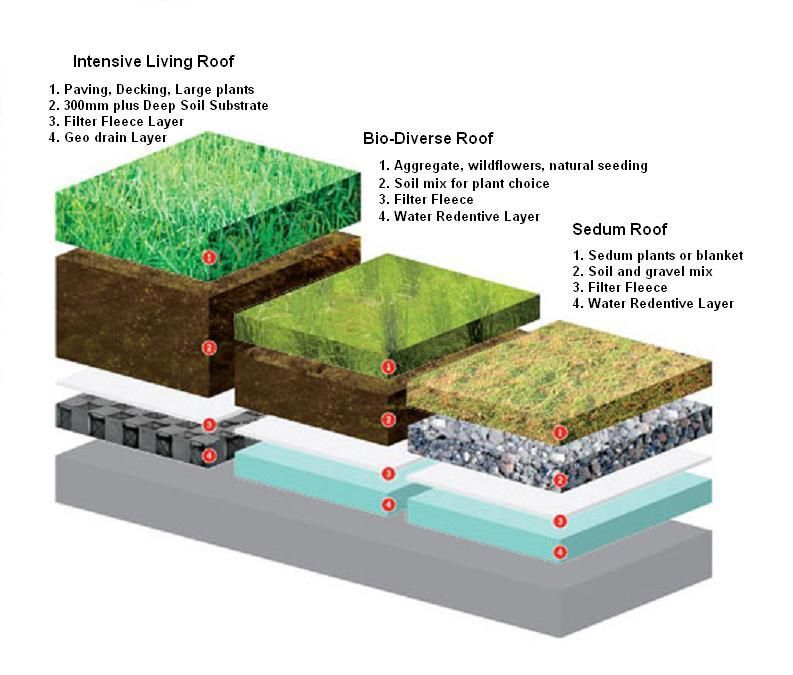
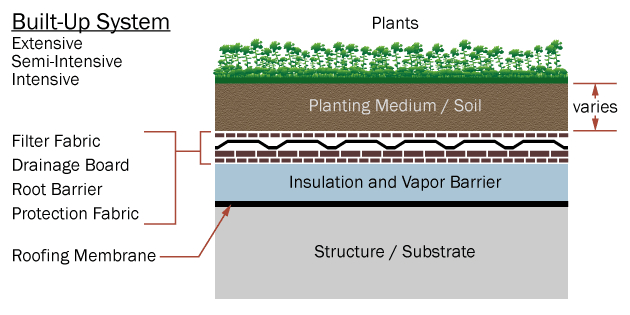
Not all green roofs are created equal. Understanding the difference between "extensive" and "intensive" systems is crucial because it dictates not just the cost, but what your life will look like after installation. Most people in 2026 are opting for extensive systems. These are lightweight, with a soil depth of only 2 to 6 inches. They are designed to be self-sustaining. You plant hardy species like sedum, mosses, and grasses that can survive harsh sun and wind with very little help. Once established, you basically just check them twice a year. It’s a "set it and forget it" situation, mostly.
Intensive roofs, on the other hand, are essentially parks in the sky. We are talking about soil depths of 6 inches to several feet. These can support trees, large shrubs, and lawn areas. They look amazing. You can have a rooftop oasis where you drink coffee in the morning. But they are heavy. Really heavy. Your house likely needs significant structural upgrades to handle the load, especially when the soil is wet. They also require regular gardening. Mowing, watering, pruning—it becomes a chore. Unless you have a dedicated gardener or a lot of free time, an intensive roof can become a burden rather than a benefit.
There is also a third, less common option called a "brown roof." This is designed specifically for biodiversity. It uses local substrate and encourages native weeds and insects to colonize the space. It’s not meant to look manicured. It’s meant to look wild. While cheaper to install because it uses less engineered soil, it’s harder to sell to neighbors who might think you just forgot to finish the job. For most homeowners in 2026, the extensive system remains the gold standard for balancing cost, aesthetics, and effort.
The Hidden Savings You Don’t See
Here is where the math starts to get interesting. Yes, you paid $25,000 for the roof. But a traditional asphalt roof lasts maybe 15 to 20 years before it needs replacing. UV rays, thermal expansion, and hail beat it up. A green roof, however, protects the waterproofing membrane underneath. The plants and soil shield the roof from direct sunlight and extreme temperature fluctuations. Studies show that a well-maintained green roof can last 40 to 50 years. That’s double or triple the lifespan of a conventional roof. So, while you paid more upfront, you might not have to pay for a new roof again for decades.
Then there is the energy bill. In the summer of 2026, cooling costs are a major pain point for households. A standard dark roof absorbs heat, turning your attic into an oven. Your AC has to work overtime. A green roof acts as a massive insulator. The soil holds moisture, and the plants release water vapor through evapotranspiration, which cools the air around them. This can reduce your cooling costs by 15% to 30% in the hot months. In the winter, the extra layer of soil provides additional insulation, keeping heat inside. It’s not a magic bullet that eliminates your bill, but over 10 or 20 years, those savings add up to thousands of dollars.
Stormwater management is another financial angle, especially if you live in a city with combined sewer systems. Many municipalities are starting to charge fees based on how much runoff your property generates. A green roof can absorb 50% to 90% of rainfall, depending on the season and soil saturation. This reduces the strain on city infrastructure and can qualify you for tax credits or rebates. In some places, these incentives can knock 10% to 20% off your initial installation cost. It’s worth checking with your local water authority. Free money is still money, right?
Beyond the Bank Account
Money matters, but let’s talk about the stuff you can’t put on a spreadsheet. Have you ever noticed how much quieter it is in a forest? Or how calm you feel near a garden? Green roofs bring that same sense of peace to urban environments. They act as sound insulators. The soil blocks low-frequency noises like traffic rumble, while the plants block higher frequencies. If you live near a busy street or an airport, a green roof can significantly dampen the noise pollution entering your home. It creates a sanctuary.
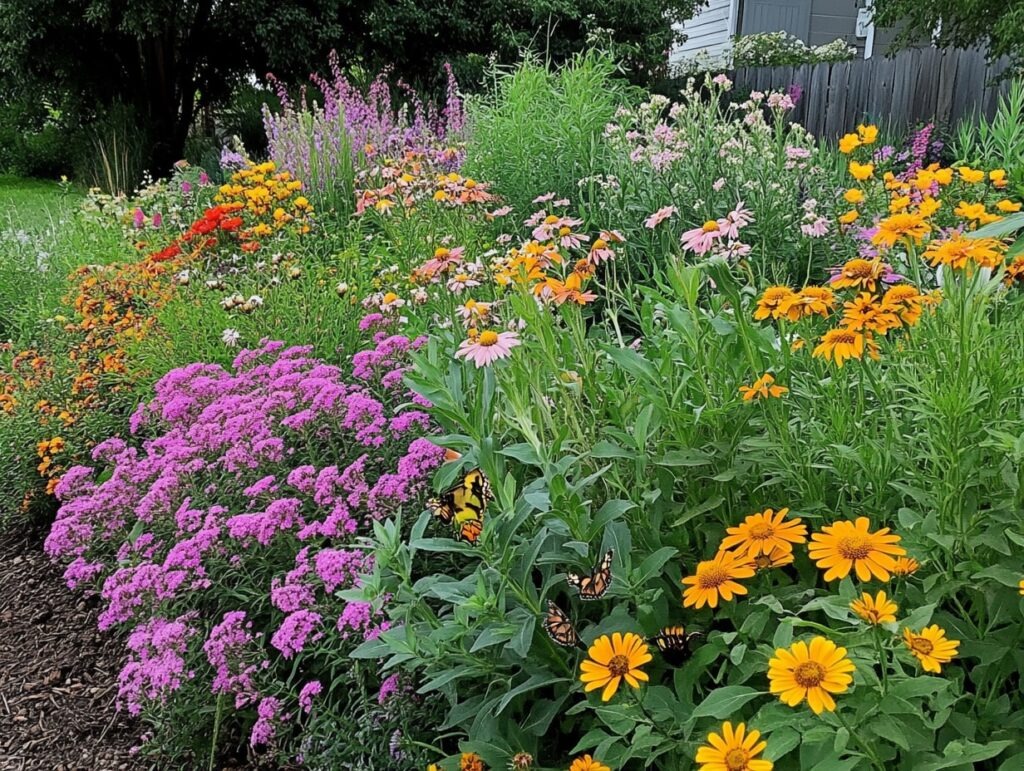
Then there is the urban heat island effect. Cities are hotter than rural areas because concrete and asphalt absorb and re-radiate heat. By covering a roof with vegetation, you are actively cooling your neighborhood. It’s a small contribution, sure, but if enough people do it, the impact is measurable. You are helping to lower the ambient temperature for everyone around you. Plus, you are creating a habitat. Bees, butterflies, and birds need places to stop and rest in concrete jungles. Your roof becomes a stepping stone for biodiversity. It’s nice to know that your home is supporting life, not just housing it.
Aesthetically, a green roof is a showstopper. It changes the view from your upstairs windows. Instead of staring at tar and gravel, you see changing seasons. The sedum might turn red in the fall or bloom yellow in the spring. It connects you to nature in a way that few other home improvements can. For many homeowners, this mental health benefit is priceless. Coming home to a view of greenery, even if it’s on top of your garage, reduces stress. It’s a visual reminder to slow down. In a fast-paced world, that’s a luxury worth considering.
The Maintenance Reality Check
Let’s be real for a second. "Low maintenance" does not mean "no maintenance." This is where many people get tripped up. They install the roof, assume nature will take care of everything, and then panic when things look brown in August. An extensive green roof needs attention. In the first year, you need to water it regularly to help the plants establish roots. After that, you might only need to water during extreme droughts. But you still need to visit the roof. Twice a year is the general rule. Spring and fall.
What do you do up there? First, check the drains. Leaves and debris can clog them, leading to water pooling. Standing water is the enemy of any roof. Clear out the gutters and drains. Second, pull weeds. Even in a sedum roof, unwanted invaders like birch seedlings or aggressive grasses can take hold. If you ignore them, they can punch through the root barrier and damage the waterproofing. Third, check the plants. Are they thriving? Are there bare spots? You might need to replant small areas every few years. It’s not hard work, but it requires commitment.
If you hire a professional maintenance crew, expect to pay $0.50 to $1.00 per square foot annually. For a 1,000 sq ft roof, that’s $500 to $1,000 a year. Some people do it themselves to save cash. It’s a good weekend project. Bring a bag, some gloves, and a hose. Enjoy the view while you work. But don’t skip it. Neglect is the number one cause of green roof failure. A dead green roof is just a heavy, messy, expensive traditional roof. Treat it like a garden, not like a statue.
So, should you do it? The answer depends on your goals. If you are looking for the cheapest roof possible to flip a house next year, probably not. The ROI takes time to materialize. But if you plan to stay in your home for 10, 20, or 30 years, the math works in your favor. When you factor in the extended lifespan of the roof membrane, the energy savings, and the potential increase in property value, a green roof often pays for itself. Homes with green features are becoming more desirable in 2026. Buyers are savvy. They know the value of lower utility bills and sustainable living.
Consider your location too. If you live in a hot, dry climate, the energy savings will be substantial. If you live in a rainy city with sewer fees, the stormwater benefits are huge. If you live in a noisy area, the soundproofing is a bonus. But if your roof is heavily shaded or structurally weak, it might not be a good candidate. Always get a professional assessment first. Don’t guess. The cost of fixing a leak caused by a poorly installed green roof is astronomical. Hire experienced contractors. Look for certifications. Ask for references. This isn’t a DIY project for beginners.
Ultimately, a green roof is a lifestyle choice. It’s a statement that you value longevity, nature, and efficiency. It’s not just about saving money; it’s about investing in a better quality of life. The initial cost is high, yes. But the returns are diverse. They come in the form of cooler rooms, quieter nights, cleaner air, and a beautiful view. For many, that combination is unbeatable. It turns a utilitarian part of your home into a living, breathing asset. And in 2026, that feels pretty smart.
Installing a green roof is a big decision. It requires careful planning, a solid budget, and a willingness to maintain it. But the rewards are tangible. From the financial savings on energy and replacement costs to the environmental impact and personal enjoyment, the benefits are clear. As technology improves and more contractors gain experience, the process is becoming smoother and more accessible. If you have been on the fence, now is a good time to look closer. Get a quote. Talk to a specialist. See if your roof can handle the weight. You might find that the best view in the house is the one you haven’t built yet.
[sps_html tag=”img” src=”https://cdn.northcarolinafinearchitecture.com/2026/05/the-basics-of-roofing-this-old-house-within-outdoor-green-roof-design.png” alt=”The Basics Of Roofing - This Old House within Outdoor Green Roof Design” style=”width: 100%; height: auto;”]
[sps_html tag=”img” src=”https://cdn.northcarolinafinearchitecture.com/2026/05/the-anatomy-of-a-roof-explained-c-d-roofing-construction-ltd-for-the-hidden-layers-beneath-your-living-roof-explained-simply.jpg” alt=”The Anatomy Of A Roof Explained - C.d. Roofing & Construction Ltd. for The Hidden Layers Beneath Your Living Roof Explained Simply” style=”width: 100%; height: auto;”]
[sps_html tag=”img” src=”https://cdn.northcarolinafinearchitecture.com/2026/05/shingle-roof-layers-at-justin-northcote-blog-intended-for-outdoor-green-roof-design.jpg” alt=”Shingle Roof Layers At Justin Northcote Blog intended for Outdoor Green Roof Design” style=”width: 100%; height: auto;”]
[sps_html tag=”img” src=”https://cdn.northcarolinafinearchitecture.com/2026/05/the-12-mains-parts-of-a-roof-diagram-with-regard-to-outdoor-green-roof-design.png” alt=”The 12 Mains Parts Of A Roof (Diagram) with regard to Outdoor Green Roof Design” style=”width: 100%; height: auto;”]
[sps_html tag=”img” src=”https://cdn.northcarolinafinearchitecture.com/2026/05/what-is-a-living-roof-engineering-com-inside-the-hidden-layers-beneath-your-living-roof-explained-simply.jpg” alt=”What Is A Living Roof? - Engineering.com inside The Hidden Layers Beneath Your Living Roof Explained Simply” style=”width: 100%; height: auto;”]