Remember that feeling? You step out onto your deck with a cup of coffee, ready to soak in the morning sun, but instead of relaxing, you’re scanning for splinters, loose boards, or that weird gray patch that wasn’t there last week. It’s exhausting. For decades, we’ve been told that a wood deck is the heart of the home. And sure, it looks great when it’s new. But by year three? It’s a part-time job.
Fast forward to 2026, and the narrative has shifted. Hard. Homeowners aren’t just looking for something that looks good; they want their time back. They want a space that works as hard as they do, without demanding constant attention. That’s where composite decking steps in. It’s not just a trend anymore; it’s the standard. After years of watching materials evolve, talk to any contractor or landscape designer, and they’ll tell you the same thing: if you hate sanding and staining, composite is the only way to go.
But why exactly is it still king in 2026? With new tech like PVC caps and advanced polymer blends, today’s composites are tougher, cooler underfoot, and more realistic than ever. Let’s dive into why this material isn’t just holding its ground—it’s dominating the backyard scene.
The End of the Weekend Chore Cycle
Let’s be real for a second. How many weekends have you lost to deck maintenance? If you have a traditional wood deck, you know the drill. Every spring, you’re on your hands and knees with a wire brush, scraping away mildew. Then comes the power washing, which, if you’re not careful, can gouge the soft wood fibers. Then the drying wait. Then the staining. It’s a cycle that never ends.
Composite decking breaks that chain. In 2026, the leading brands have perfected the art of the "clean and go" surface. Most modern composite boards feature a protective polymer cap that resists stains, mold, and mildew at a molecular level. Spilled wine? Hose it off. Dog tracks? A quick sweep does the trick. There’s no sealing. No sanding. No toxic chemicals leaching into your garden beds.
This shift isn’t just about laziness; it’s about lifestyle. People are busier than ever. The idea of spending your limited free time maintaining a structure rather than enjoying it feels outdated. Composite materials offer freedom. You get to actually use your outdoor living space. Whether it’s a spontaneous BBQ on a Tuesday night or a quiet evening reading, the deck is always ready. No prep work required. It’s a small change, but it fundamentally alters how you interact with your home.
Real Wood Looks Without the Wood Problems
One of the biggest hesitations people had ten years ago was the look. Early composite decks looked… well, plastic. Shiny, fake, and obviously artificial. But walk around a neighborhood in 2026, and you’d be hard-pressed to tell the difference between high-end composite and premium hardwoods like Ipe or Tigerwood.
Manufacturers have invested heavily in embossing technologies. We’re talking about deep, textured grain patterns that mimic the natural irregularities of wood. They’ve mastered the color variation, too. Instead of a flat, uniform hue, modern boards have multi-tonal blending that replicates the way sunlight hits natural timber. Some even include "knots" and subtle imperfections that add character. It’s uncanny.
And here’s the kicker: it stays that way. Natural wood grays out within months unless you treat it. Composite retains its rich color for years. Sure, it might fade slightly in the first few weeks as it settles, but then it stabilizes. You don’t wake up one summer to find your beautiful brown deck has turned a sickly silver-gray. For homeowners who love the aesthetic of wood but hate the fragility, this is the holy grail. You get the warmth and texture of nature, with the resilience of engineering.
Durability That Stands Up to 2026 Weather Extremes
If you’ve noticed the weather getting a bit more unpredictable lately, you’re not imagining it. From intense heatwaves to sudden, heavy storms, our decks are taking a beating. Traditional wood expands and contracts with moisture changes, leading to warping, cupping, and splitting. It’s a structural weakness that’s built into the material.
Composite decking, particularly the capped varieties popular in 2026, is engineered to resist these forces. By combining wood fibers with recycled plastics and protective shells, these boards are incredibly stable. They don’t absorb water like a sponge. This means no rot, no termite damage, and significantly less expansion.
Consumer reports and expert tests from early 2026 highlight that top-tier composite brands now offer warranties ranging from 25 to 30 years. That’s not just marketing fluff; it’s a testament to the material’s longevity. While a wood deck might need major repairs or replacement after 10-15 years, a composite deck is just getting started. It’s an investment in peace of mind. You install it once, and you forget about it. In a world where supply chains can be shaky and labor costs are high, knowing your deck won’t need replacing in a decade is a huge financial plus.
The Hidden Cost Savings Over Time
Let’s talk money. It’s the elephant in the room. When you first look at the price tag, composite decking is more expensive than pressure-treated pine. Sometimes significantly so. It’s easy to sticker-shock yourself and run back to the lumber yard. But that’s a short-sighted view.
When you factor in the lifetime cost, the equation flips. Think about the cost of stain, sealant, cleaners, and tools every single year. Now add the value of your time. If you hire someone to maintain a wood deck, that’s hundreds of dollars annually. Over 10 years, those costs add up to thousands. With composite, your annual maintenance cost is basically zero. Maybe a bottle of cleaner once a year.
Plus, there’s the resale value. In the 2026 housing market, buyers are savvy. They see a composite deck and immediately recognize it as a premium, low-hassle feature. It’s a selling point. A worn-out wood deck is a liability that buyers will deduct from their offer. A pristine composite deck is an asset. Many real estate agents now highlight "newer composite decking" in listings because it signals to buyers that the home has been well-maintained and updated. So, while you pay more upfront, you’re likely recouping that cost when it’s time to sell.
Eco-Friendly Choices for the Conscious Homeowner
Sustainability isn’t just a buzzword anymore; it’s a requirement for many homeowners. And surprisingly, composite decking is often the greener choice. Most major brands in 2026 use a significant percentage of recycled materials. We’re talking about reclaimed wood fibers from sawmills and recycled plastic bags and bottles.
By choosing composite, you’re diverting waste from landfills. You’re also reducing the demand for harvesting virgin timber, which helps preserve forests. It’s a win-win. And because the decks last so long, you’re not contributing to the cycle of disposal and replacement that plagues shorter-lived materials.
However, it’s worth noting that not all composites are created equal. Some cheaper options might use more virgin plastic or lack recyclability at the end of their life. But the top-tier manufacturers are leading the charge in circular economy practices. Some even have take-back programs where old boards are ground down and reused in new products. If eco-friendliness is a priority for you, look for brands that transparently list their recycled content percentages. It’s a small detail that makes a big impact.
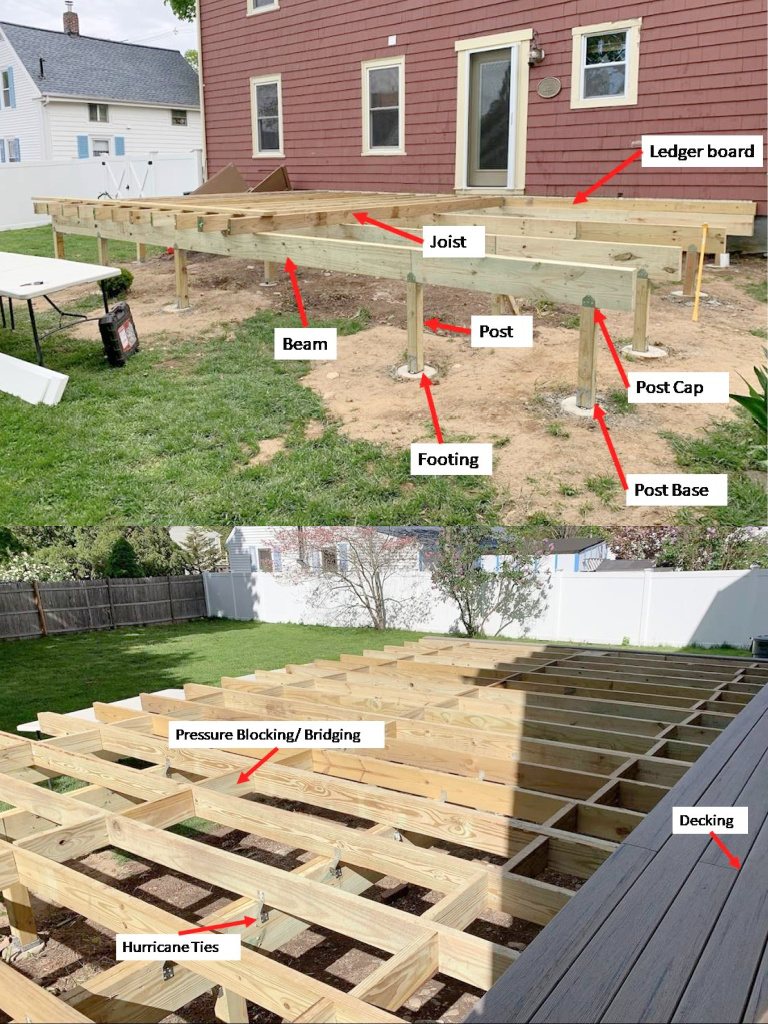
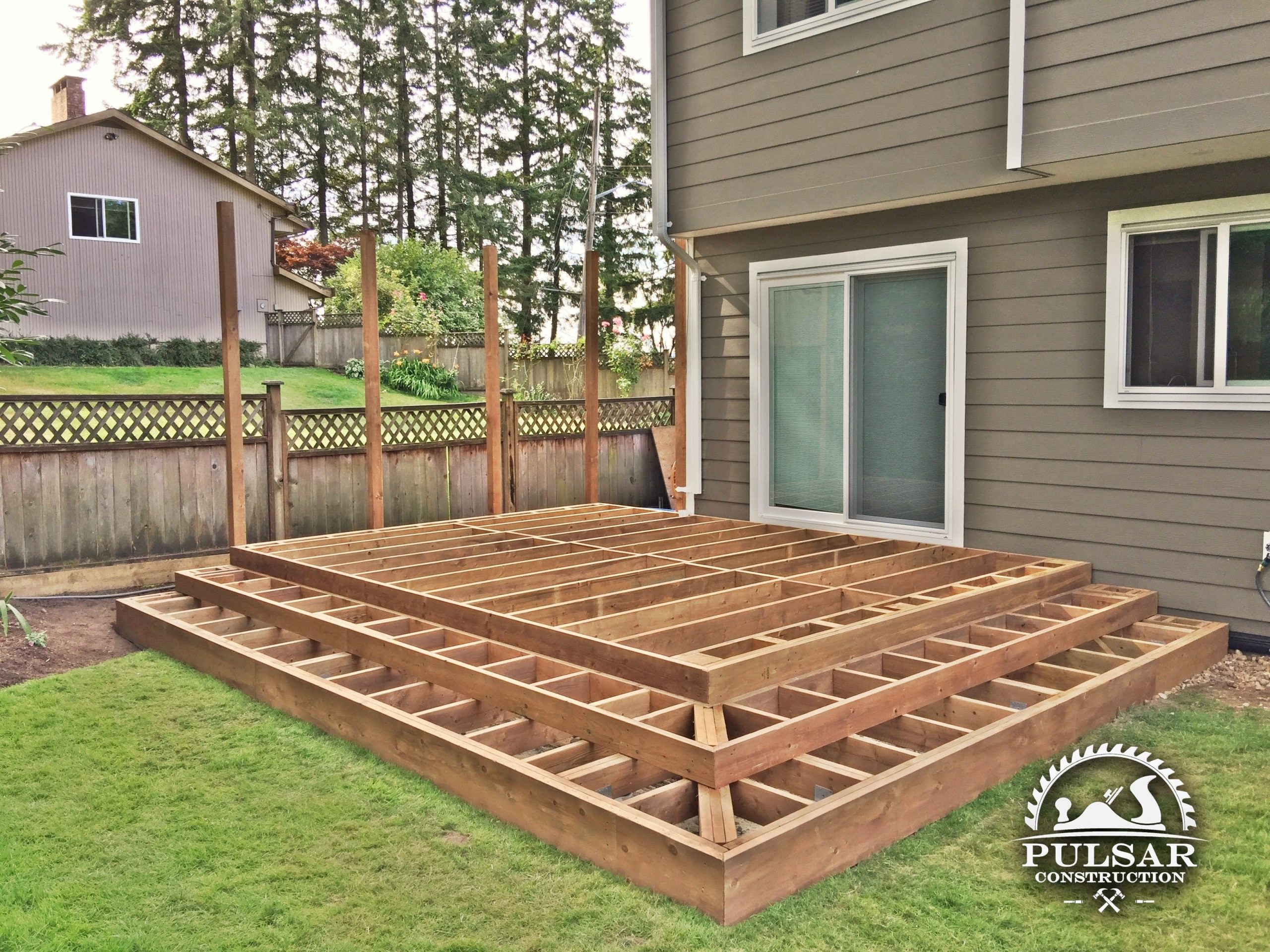
While composite decking is low maintenance, it’s not necessarily low effort to install. In fact, it requires more precision than wood. Because the material is denser and doesn’t flex the same way, proper framing and spacing are critical. If you’re DIY-ing this project, you need to pay close attention to the manufacturer’s guidelines.
One key thing to watch in 2026 is the hidden fastener systems. These clips create a clean, screw-free surface, which looks amazing. But they require straight joists and consistent gaps. If your frame is off by even a little, the boards won’t align properly. Also, composite expands and contracts with temperature, so leaving the right gap at the ends and sides is non-negotiable. Ignore this, and you’ll get buckling in the summer heat.
Another tip: color matters for heat absorption. Darker decks look sleek, but in hotter climates, they can get warm under bare feet. Many 2026 models now come with "cool-touch" technology or lighter color options designed to reflect heat. If you live in a sunny area, test the board temperature before you commit. And always, always buy 10% more material than you think you need. Matching dye lots later can be a nightmare, and you don’t want to run short mid-project.
So, is composite decking perfect? No material is. It can scratch, and it’s not cheap upfront. But when you weigh the pros and cons, the balance tips heavily in its favor for most people. It offers a blend of beauty, durability, and ease that wood simply can’t match in the modern era.
In the end, your deck should be a place of escape, not a source of stress. It’s where you celebrate birthdays, unwind after tough weeks, and connect with friends. Choosing composite means choosing to spend less time working on your home and more time living in it. As we move further into 2026, the technology continues to improve, making the choice even easier.
Don’t let the initial price tag scare you away from the long-term value. Think about the years of hassle-free enjoyment. Think about the curb appeal. Think about the environment. Composite decking isn’t just a building material; it’s a lifestyle upgrade. And honestly? Once you step onto a well-installed composite deck, you’ll wonder why you ever bothered with a sander.
[sps_html tag=”img” src=”https://cdn.northcarolinafinearchitecture.com/2026/06/custom-deck-design-done-right-what-you-actually-need-to-know-before-in-how-to-design-a-deck-that-actually-fits-your-lifestyle-in-2026.jpg” alt=”Custom Deck Design Done Right: What You Actually Need To Know Before … in How to Design a Deck That Actually Fits Your Lifestyle in 2026″ style=”width: 100%; height: auto;”]
[sps_html tag=”img” src=”https://cdn.northcarolinafinearchitecture.com/2026/06/best-deck-design-concepts-to-enhance-your-outdoor-area-for-outdoor-deck-design.jpg” alt=”Best Deck Design Concepts To Enhance Your Outdoor Area for Outdoor Deck Design” style=”width: 100%; height: auto;”]
[sps_html tag=”img” src=”https://cdn.northcarolinafinearchitecture.com/2026/06/how-to-design-a-deck-frame-at-wilfred-mccarty-blog-with-how-to-design-a-deck-that-actually-fits-your-lifestyle-in-2026-scaled.jpg” alt=”How To Design A Deck Frame At Wilfred Mccarty Blog with How to Design a Deck That Actually Fits Your Lifestyle in 2026″ style=”width: 100%; height: auto;”]
[sps_html tag=”img” src=”https://cdn.northcarolinafinearchitecture.com/2026/06/51-deck-ideas-to-transform-your-outdoor-space-premium-decking-supply-in-outdoor-deck-design.jpg” alt=”51 Deck Ideas To Transform Your Outdoor Space | Premium Decking Supply in Outdoor Deck Design” style=”width: 100%; height: auto;”]
[sps_html tag=”img” src=”https://cdn.northcarolinafinearchitecture.com/2026/06/26-beautiful-deck-design-ideas-for-your-backyard-photos-for-2026-regarding-outdoor-deck-design.jpg” alt=”26+ Beautiful Deck Design Ideas For Your Backyard (Photos) For 2026 regarding Outdoor Deck Design” style=”width: 100%; height: auto;”]