You know that feeling. You’re sitting on the beach, watching the sunset, and suddenly a gust of wind kicks up. Before you can react, your cozy spot is covered in grit. Or maybe you’re at a picnic, and someone spills their drink. The panic sets in. Is the blanket ruined? Will it stay damp for days? We’ve all been there. It’s frustrating. But here’s the thing: the blanket you’re sitting on isn’t just fabric. It’s a piece of engineering.
It looks simple. Soft on top, maybe a bit slick on the bottom. But underneath that surface, there’s a lot going on. Scientists and textile designers have spent decades figuring out how to make materials that hate water and sand but still feel nice to touch. It’s not magic. It’s physics. And chemistry. And a whole lot of trial and error. In 2026, we have better options than ever before. But to pick the right one, you need to know what’s actually happening at the microscopic level.
Let’s pull back the curtain. We’re going to look at why some fabrics bead up water like a duck’s back, while others soak it up like a sponge. We’ll talk about why sand sticks to some things and slides off others. It’s pretty fascinating stuff. And honestly, once you know how it works, you’ll never look at your outdoor gear the same way again.
The Battle Against Water: Hydrophobic vs. Waterproof
First, let’s clear up a common confusion. There’s a big difference between water-resistant and waterproof. People use these terms interchangeably, but they mean very different things. Water-resistant fabrics, like treated cotton or wool, can handle a light drizzle. They rely on something called hydrophobicity. This is just a fancy word for "water-fearing." The fibers are coated with chemicals that make water molecules slide off instead of soaking in. Think of it like oil and water. They don’t mix.
But hydrophobic coatings wear off. Wash the blanket too many times, and that protection fades. That’s where true waterproofing comes in. This isn’t just a coating. It’s a barrier. In modern outdoor blankets, this is usually achieved through a membrane or a laminate. Imagine a sheet of plastic, but much thinner and more sophisticated. This layer has tiny pores. These pores are small enough to stop liquid water from getting through—raindrops are huge compared to these holes—but large enough to let water vapor escape.
This is crucial. If you sit on a completely sealed plastic sheet, you’ll get sweaty. The moisture from your body has nowhere to go. So, the best fabrics do two things at once. They block rain from coming in, and they let sweat vapor out. This balance is tricky. If the pores are too big, water leaks in. If they’re too small, you feel clammy. Manufacturers in 2026 are using advanced polyurethane (TPU) layers that strike this balance perfectly. It’s not just about staying dry from the outside; it’s about staying comfortable from the inside.
The Architecture of Layers: Why One Isn’t Enough
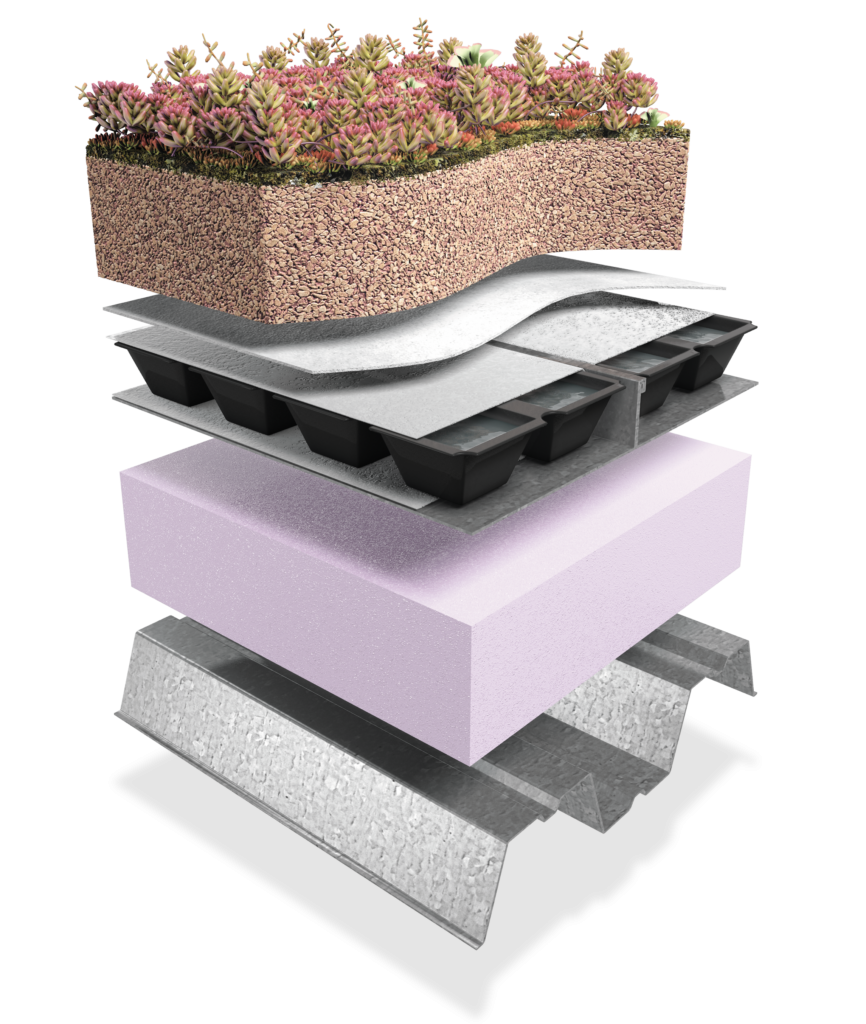
You might think a single layer of tough fabric would do the job. But single layers have weaknesses. They can tear. They can puncture. And they often lack the comfort we want in a blanket. That’s why most high-quality outdoor blankets use a multi-layer approach. The most common setup is the three-layer system, often called 3L. It sounds complex, but it’s actually quite elegant.
The first layer is the face fabric. This is what you see and touch. It’s usually made of high-density polyester or nylon. This layer needs to be tough. It takes the abuse of rocks, branches, and rough ground. It also holds the Durable Water Repellent (DWR) coating we mentioned earlier. This coating helps water bead up and roll off before it even hits the waterproof membrane. Without this face fabric, the delicate membrane underneath would get damaged instantly.
Then comes the middle layer. This is the heart of the operation. It’s the waterproof breathable membrane. It’s bonded tightly to the face fabric. Finally, there’s the backer or lining. This protects the membrane from the inside. It adds durability and often provides a softer feel against your skin or clothes. By bonding these three layers together, manufacturers create a fabric that is stronger than the sum of its parts. The outer shell protects the membrane, and the membrane keeps the water out. It’s a team effort. And in 2026, the bonding techniques are so good that you barely notice the layers exist. They move as one unit.
Defying the Grit: The Physics of Sand Resistance
Water is one thing. Sand is another beast entirely. Sand is abrasive. It’s heavy. And worst of all, it’s sticky. Have you ever wondered why sand clings to your skin when you’re slightly damp? It’s due to static electricity and moisture. Sand particles are irregular. They have jagged edges that catch on fabric loops. Traditional terry cloth or fleece is a nightmare for sand. The loops act like tiny hooks, trapping every grain.
To fight this, engineers look at surface energy and texture. Sand-resistant fabrics are designed to be smooth. Very smooth. By reducing the friction between the fabric and the sand, the grains simply can’t get a grip. Think of it like a slide. If the surface is slick, nothing stays put. Many modern outdoor blankets use a tight ripstop weave on the bottom side. Ripstop is a technique where thicker threads are woven in at regular intervals to create a grid. This prevents tears from spreading, but it also creates a flatter surface than a loose knit.
Another trick is the use of anti-static treatments. Static cling is a major reason sand sticks to synthetic fabrics. By neutralizing the static charge, the fabric becomes less attractive to dust and sand particles. Some newer materials in 2026 even incorporate microscopic textures inspired by nature. Lotus leaves, for example, are superhydrophobic and self-cleaning. Scientists are mimicking these structures to create surfaces where dirt and sand literally fall off with a gentle shake. It’s biomimicry in action. You shake the blanket, and the sand slides right off. No picking required.
The Role of Seams and Construction Details
You can have the best fabric in the world, but if it’s sewn together poorly, it’s useless. This is the weak point of many waterproof products. When you punch a needle through waterproof fabric, you create a hole. Water will find that hole. It always does. So, how do manufacturers fix this? They seal the seams.
There are a few ways to do this. The old-school method is tape. After the blanket is sewn, a special waterproof tape is ironed over the stitching on the inside. This covers the needle holes. It works well, but tape can peel off over time, especially if the blanket is folded and unfolded repeatedly. A more modern approach, popular in 2026, is ultrasonic welding. Instead of using thread, machines use high-frequency sound waves to melt the fabric layers together.
This creates a bond that is just as strong as the fabric itself. And best of all, there are no holes. No needle punctures. No paths for water to sneak through. Ultrasonic welding also makes the blanket lighter because you don’t need heavy thread. It creates a cleaner look too. But it’s not just about the seams. The edges matter. Bound edges prevent fraying, which keeps the layers from separating. Zippers, if present, need to be coated or covered with flaps. Every detail counts. A single unsealed stitch can compromise the entire system. It’s a reminder that quality is in the details.
Material Choices: Polyester, Nylon, and Beyond
So, what are these blankets actually made of? For the most part, it’s polyester and nylon. These synthetic fibers are the workhorses of the outdoor industry. They’re strong. They’re lightweight. And they don’t absorb water like cotton does. Cotton is terrible for outdoor blankets. It gets heavy when wet, takes forever to dry, and loses its insulating properties. Synthetics, on the other hand, can get wet and still keep you warm.
Polyester is the most common choice for the outer shell. It’s resistant to UV rays, which is important since outdoor blankets spend a lot of time in the sun. It doesn’t stretch much, which helps maintain the integrity of the waterproof coating. Nylon is often used when extra strength is needed. It’s tougher than polyester but can be a bit more expensive. Both materials can be engineered to have different textures. You can have a polyester shell that feels like soft brushed cotton, or one that feels like smooth silk.
But what about the inside? The part you sit on? This is where comfort comes in. Many blankets use a fleece lining made from recycled polyester. It’s soft, warm, and wicks moisture away from your body. Some high-end models in 2026 are using plant-based synthetics. These are bio-polymers that perform like traditional plastics but are derived from renewable resources like corn or sugarcane. They offer the same waterproof capabilities but with a lower environmental footprint. It’s a win-win. You get the performance you need without relying solely on petroleum-based products. The technology is advancing fast, giving us more eco-friendly options that don’t sacrifice performance.
Here’s the hard truth: waterproof and sand-resistant features don’t last forever. They degrade. Dirt, oils from your skin, and detergent residue can clog the pores of the membrane. This stops the fabric from breathing. The DWR coating wears off, causing the fabric to "wet out." This means water stops beading up and starts soaking into the face fabric. It doesn’t mean the blanket is leaking, but it feels wet and heavy.
So, how do you keep it working? First, wash it properly. Use a gentle, technical detergent. Avoid fabric softeners at all costs. Softeners coat the fibers and ruin the breathability. They’re the enemy of waterproof gear. Wash your blanket on a gentle cycle with warm water. Rinse it thoroughly. Sometimes, just washing it is enough to restore the DWR. The heat from the dryer can help reactivate the coating. Tumble dry on low heat.
If water stops beading after washing, you might need to reapply a DWR spray. These are widely available in 2026. Just spray it on the clean, dry fabric and heat-set it. It’s easy. Also, store your blanket loosely. Don’t keep it compressed in its stuff sack for months on end. This can damage the membrane and create permanent creases. Let it breathe. With proper care, a good outdoor blanket can last for years. It’s an investment. Treat it well, and it’ll keep you dry and sand-free for countless adventures. It’s worth the effort.
At the end of the day, the science behind these fabrics is about solving simple human problems. We want to be comfortable. We want to enjoy nature without worrying about the mess. The technology has come a long way. From basic plastic sheets to sophisticated, breathable, sand-shedding marvels. Understanding how they work helps you choose the right gear. It helps you take care of it. And it lets you focus on what really matters. The view. The company. The moment. So next time you spread out your blanket, take a second to appreciate the invisible shield beneath you. It’s doing more work than you think.
[sps_html tag=”img” src=”https://cdn.northcarolinafinearchitecture.com/2026/06/amazon-com-snughug-puffy-blanket-for-cold-weather-down-camping-regarding-common-mistakes-people-make-when-selecting-camping-blankets-for-cold-weather.jpg” alt=”Amazon.com: Snughug Puffy Blanket For Cold Weather - Down Camping … regarding Common Mistakes People Make When Selecting Camping Blankets for Cold Weather” style=”width: 100%; height: auto;”]
[sps_html tag=”img” src=”https://cdn.northcarolinafinearchitecture.com/2026/06/8-best-emergency-blankets-shelters-for-cold-weather-hikes-2025-with-outdoor-blanket-design.jpg” alt=”8 Best Emergency Blankets & Shelters For Cold-Weather Hikes (2025 … with Outdoor Blanket Design” style=”width: 100%; height: auto;”]
[sps_html tag=”img” src=”https://cdn.northcarolinafinearchitecture.com/2026/06/camping-sleeping-blankets-at-ann-childress-blog-inside-common-mistakes-people-make-when-selecting-camping-blankets-for-cold-weather.jpeg” alt=”Camping Sleeping Blankets At Ann Childress Blog inside Common Mistakes People Make When Selecting Camping Blankets for Cold Weather” style=”width: 100%; height: auto;”]
[sps_html tag=”img” src=”https://cdn.northcarolinafinearchitecture.com/2026/06/10-best-camping-blankets-of-2025-tested-for-cold-weather-cleverhiker-inside-common-mistakes-people-make-when-selecting-camping-blankets-for-cold-weather.jpg” alt=”10 Best Camping Blankets Of 2025, Tested For Cold Weather | Cleverhiker inside Common Mistakes People Make When Selecting Camping Blankets for Cold Weather” style=”width: 100%; height: auto;”]
[sps_html tag=”img” src=”https://cdn.northcarolinafinearchitecture.com/2026/06/amazon-com-unikome-waterproof-puffy-camping-blanket-lightweight-throughout-outdoor-blanket-design.jpg” alt=”Amazon.com: Unikome Waterproof Puffy Camping Blanket - Lightweight … throughout Outdoor Blanket Design” style=”width: 100%; height: auto;”]