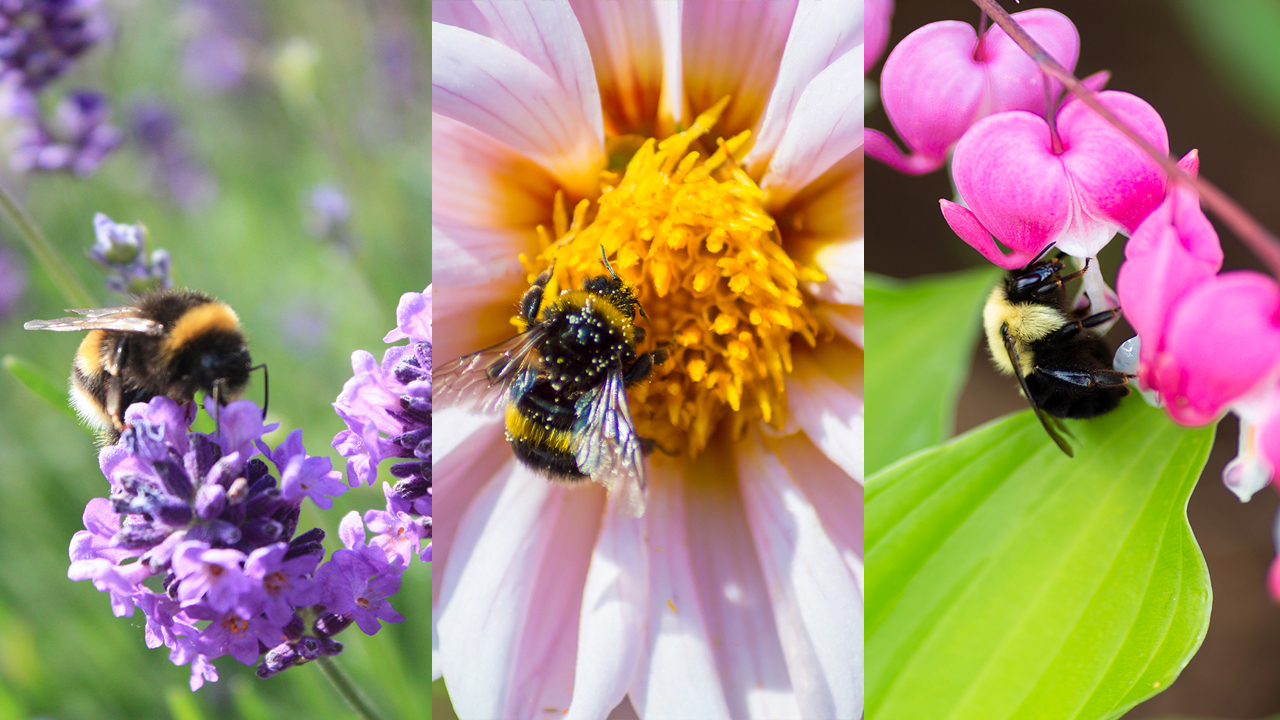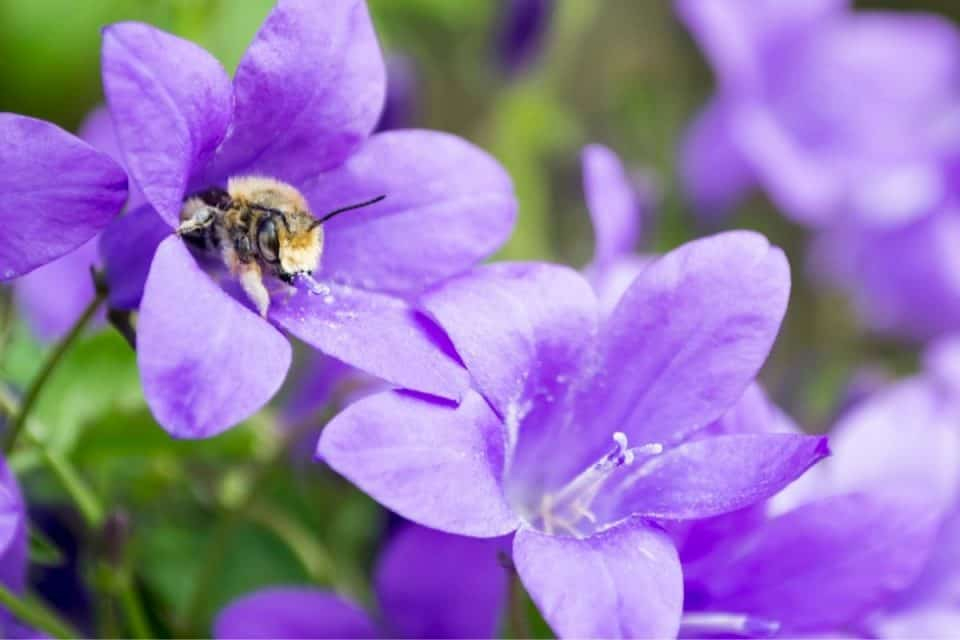
Have you ever stopped to watch a bumblebee wrestle with a flower? It’s kind of clumsy, honestly. But there’s something deeply satisfying about it. In a world that feels increasingly digital and disconnected, watching life buzz around your own backyard is a grounding experience. You don’t need a degree in botany to make it happen. You just need a little bit of dirt, some patience, and the right seeds.
Maybe you’ve been thinking about it for a while. Or maybe you saw a neighbor’s yard full of purple coneflowers and felt a twinge of envy. Whatever the reason, starting a native plant garden is one of the most impactful things you can do for your local ecosystem. And the best part? It’s not as hard as the glossy magazines make it look. In fact, doing less is often more. Let’s dig in.
Why Native Plants Are Non-Negotiable
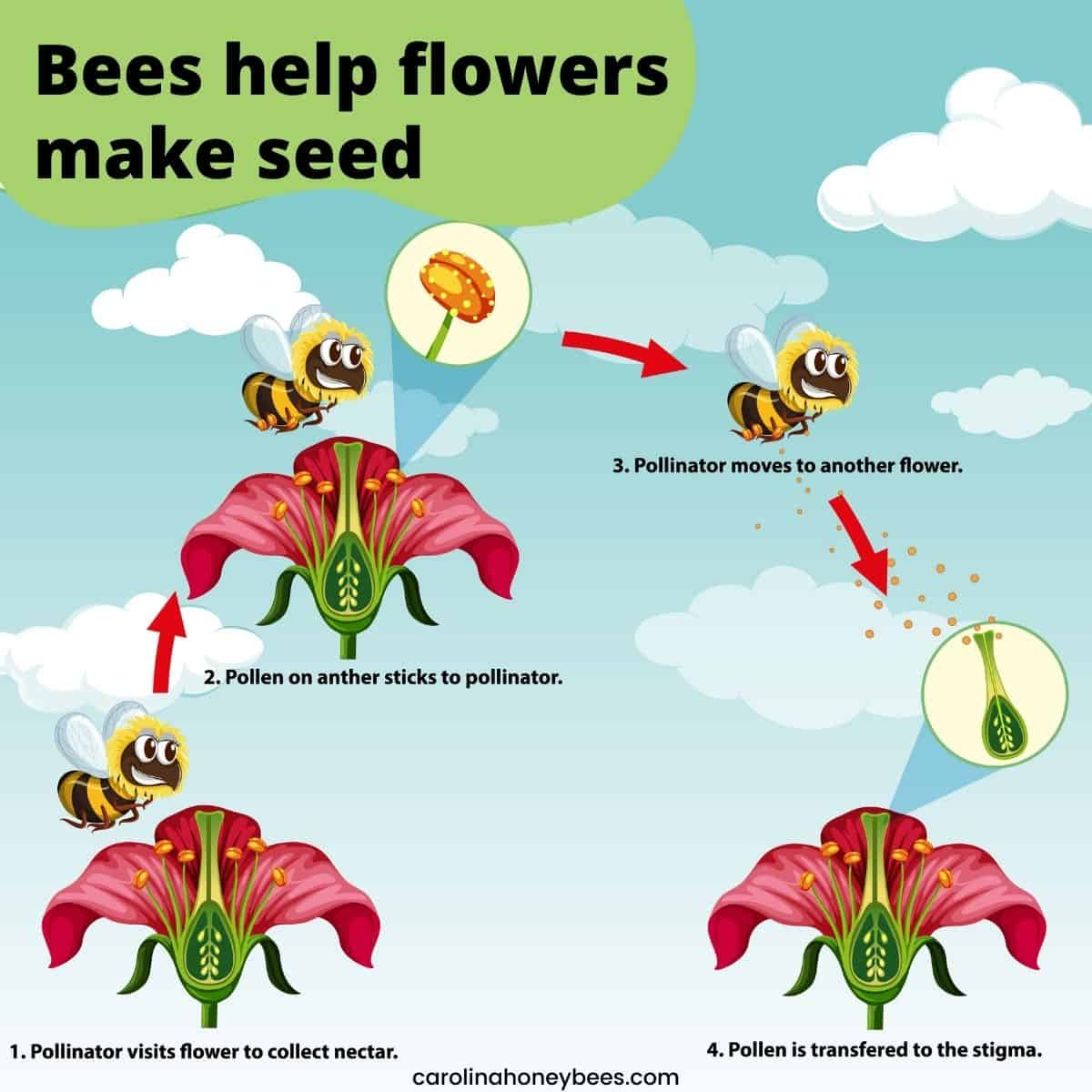
Let’s get one thing straight: not all flowers are created equal. You might have a beautiful bed of tulips or petunias, but to a local bee, they’re basically plastic decorations. They might look nice, but they don’t offer the right nutrition. Native plants, on the other hand, have evolved alongside local pollinators for thousands of years. It’s a co-evolutionary dance. The plants provide specific nectar and pollen, and the insects provide pollination. It’s a perfect match.
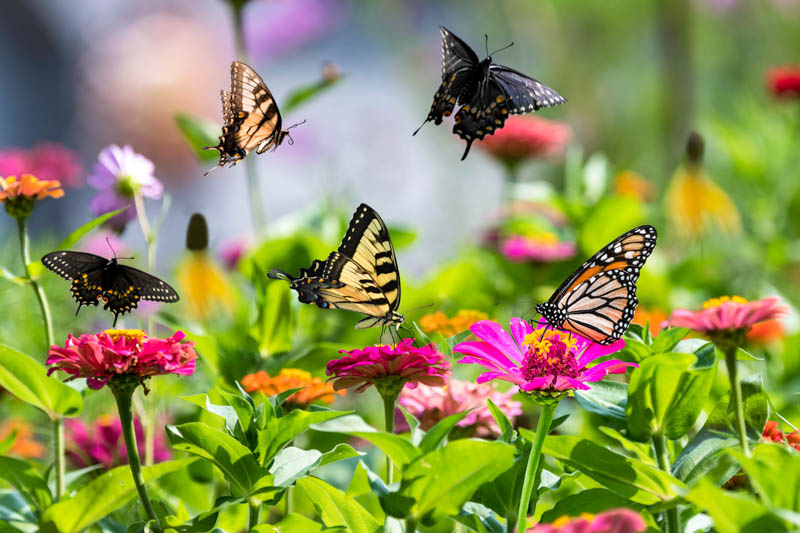
Research from Penn State Extension highlights just how big of a difference this makes. Native plants are four times more attractive to pollinators than non-native species. That’s not a small margin. It’s a huge gap. When you plant native species, you aren’t just adding color; you’re providing fuel. For monarch butterflies, milkweed isn’t just a pretty pink flower; it’s the only place they can lay their eggs. Without it, the next generation doesn’t exist.
Think of it like this. If you invited a guest over for dinner, you’d probably ask what they like to eat. You wouldn’t serve them rocks. Native plants are the proper meal for local wildlife. Exotic plants might be flashy, but they’re often empty calories. By choosing natives, you’re ensuring that the bees, butterflies, moths, and even hummingbirds in your area have what they need to survive and thrive. It’s a simple shift with massive ripple effects.
Assessing Your Space and Sunlight
Before you buy a single seed, you need to look at your yard. Really look at it. Where does the sun hit? Where does the shade linger? Most people skip this step and then wonder why their sun-loving black-eyed susans are struggling in a dark corner. Don’t make that mistake. Take a note pad and walk around your potential garden spot. Check it in the morning, at noon, and in the late afternoon.
Most pollinator favorites love the sun. We’re talking six to eight hours of direct sunlight. If you have a open, sunny patch, you’re in luck. You can grow a wide variety of high-impact plants like coneflowers, blazing stars, and goldenrod. But if your space is shadier, don’t despair. There are plenty of native plants that prefer the cool side of things. Wild ginger, columbine, and certain ferns can handle lower light levels. The key is matching the plant to the site, not forcing the site to fit the plant.
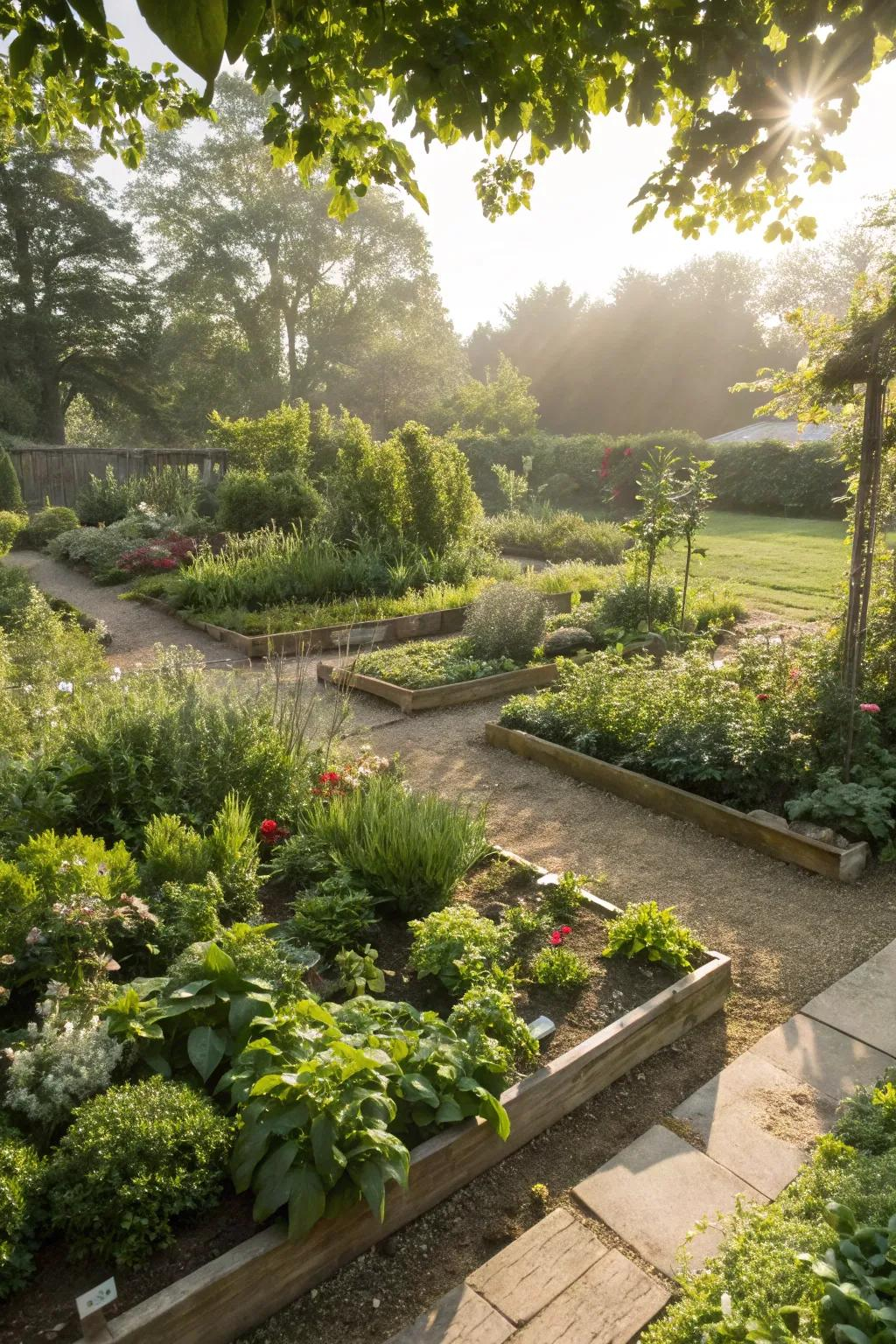
Also, consider the size of your space. You don’t need an acre. A small 4×4 foot bed can make a difference. Even a few pots on a balcony can help if you choose the right compact natives. The U.S. Fish & Wildlife Service emphasizes that careful planning is essential. This doesn’t mean you need a complex blueprint. It just means you need to be realistic. Start small. It’s better to have a tiny, successful garden than a huge, weedy mess that overwhelms you. Keep it manageable.
Preparing the Ground (Without Breaking Your Back)
Here’s the good news: you don’t need to till the earth like a farmer from the 1800s. In fact, tilling can often do more harm than good by disturbing soil structure and waking up dormant weed seeds. The modern approach is much lazier, which is great for us. The goal is to suppress existing weeds and grass so your new plants can establish themselves. One popular method is solarization. This involves covering the area with clear plastic for several weeks during the hot summer months. The heat cooks the weeds and their seeds. It’s effective and chemical-free.
If you’re starting in the fall or spring, sheet mulching is another fantastic option. You layer cardboard over the grass, wet it down, and then cover it with compost and mulch. Over time, the cardboard breaks down, smothering the grass underneath. It builds soil health while clearing the way for your new plants. It takes a bit of time, but it saves you from endless digging. The North American Native Plant Society (NANPS) suggests this method for beginners because it’s forgiving and improves soil quality simultaneously.
Once the area is cleared, resist the urge to add heavy fertilizers. Native plants are tough. They’ve adapted to local soil conditions, which are often not super rich. Adding too much fertilizer can actually encourage leafy growth at the expense of flowers, or worse, invite invasive weeds that love nutrient-rich soil. A thin layer of compost is usually enough. Keep it simple. The less you fuss with the soil, the more resilient your garden will be in the long run.
Choosing the Right Plants for Your Region
This is the fun part. Shopping for plants. But it’s also where people get overwhelmed. There are thousands of native species. How do you choose? The first rule is to think local. “Native” means different things in Florida versus Maine. A plant native to the Southeast might freeze instantly in the Northeast. Use resources like local university extension offices or native plant societies to find a list of plants specific to your county or region. These lists are gold mines.
Next, think about bloom time. You want to provide food for pollinators from early spring until late fall. If all your plants bloom in June, what happens in August? You need succession planting. Start with early bloomers like wild columbine or bluebells. Add mid-season stars like purple coneflower and bee balm. Finish with late-season powerhouses like goldenrod and asters. This ensures that there’s always something in flower, keeping the bees fed throughout their active season. Gardening Beyond notes that stacking blooms is crucial for sustained support.
Don’t forget about host plants. Nectar is important, but many butterflies need specific leaves for their caterpillars. Milkweed for monarchs is the classic example. But parsley, dill, and fennel are hosts for black swallowtails. Oak trees support hundreds of species of moth caterpillars. Including a mix of nectar sources and host plants creates a complete habitat. It turns your garden from a cafeteria into a home. Aim for diversity. A monoculture is fragile. A mixed garden is resilient.
Planting and Initial Care
Timing matters. Generally, early spring or fall is the best time to plant. These seasons offer cooler temperatures and more consistent rainfall, which helps roots establish without the stress of summer heat. If you’re planting in the spring, wait until the danger of frost has passed. If you’re planting in the fall, aim for at least six weeks before the first hard freeze. This gives the plants time to settle in. Great Garden Plans highlights that these windows provide favorable conditions for root development, which is the foundation of a healthy plant.
When you put the plants in the ground, dig a hole that’s twice as wide as the root ball but no deeper. You want the top of the root ball to be level with the soil surface. Gently loosen the roots if they’re circling around the pot. Place the plant, fill in the soil, and water thoroughly. Don’t pack the soil down too hard; roots need oxygen. Space your plants according to their mature size. It might look sparse at first, but they will fill in. Patience is key here.
Watering is critical in the first year. Even drought-tolerant natives need regular water while they get established. Check the soil moisture regularly. If the top inch is dry, give them a drink. Deep, infrequent watering is better than shallow, daily sprinkles. It encourages roots to grow deeper, making the plants more resilient in the future. After the first year, most natives will require little to no supplemental water, depending on your local climate. It’s a front-loaded effort that pays off later.
Maintenance in a native garden is different from a traditional lawn. You’re not aiming for perfection. You’re aiming for health. This means embracing a bit of messiness. Leave the leaves in the fall. Many moth pupae and bee larvae overwinter in leaf litter. If you rake everything up, you’re throwing away next year’s pollinators. Leave standing dead stems too. Hollow stems provide nesting sites for solitary bees. It might look untidy to some, but it’s bustling with life.
Weeding is still necessary, especially in the first couple of years. Keep an eye out for invasive species that might try to take over. Pull them when they’re small. It’s much easier than dealing with them later. Mulching can help suppress weeds and retain moisture. Use shredded bark or leaf mold. Avoid rubber mulch or landscape fabric, which can harm soil health and prevent natural seeding. Native plants often self-seed, which is a good thing. It means free plants for next year.
Finally, avoid pesticides. This is non-negotiable. If you’re trying to attract insects, don’t kill them. Even organic pesticides can harm beneficial bugs. If you see aphids, wait. Ladybugs and lacewings will likely show up to eat them. Nature has its own balance. Trust it. If a plant is struggling, it might just be in the wrong spot. Move it or replace it with something better suited. Observing your garden is the best maintenance tool you have. Watch what works and what doesn’t. Adjust accordingly.
Starting a native pollinator garden is a journey, not a destination. It’s about connecting with the land and the creatures that share it. You’ll make mistakes. Some plants will die. That’s okay. It’s all part of the learning process. By taking these simple steps, you’re contributing to a larger movement. You’re helping to restore biodiversity, one backyard at a time. And in 2026, that’s more important than ever. So grab a shovel. Get your hands dirty. And watch the magic happen.
[sps_html tag=”img” src=”https://cdn.northcarolinafinearchitecture.com/2026/05/13-lovely-perennial-flowers-that-attract-bees-inside-pollinator-garden-design.jpg” alt=”13 Lovely Perennial Flowers That Attract Bees inside Pollinator Garden Design” style=”width: 100%; height: auto;”]
[sps_html tag=”img” src=”https://cdn.northcarolinafinearchitecture.com/2026/05/flowers-that-attract-bees-12-flowers-that-benefit-bees-homes-gardens-intended-for-why-grouping-plants-makes-your-garden-more-attractive-to-bees-and-hoverflies.jpg” alt=”Flowers That Attract Bees: 12 Flowers That Benefit Bees | Homes & Gardens intended for Why Grouping Plants Makes Your Garden More Attractive to Bees and Hoverflies” style=”width: 100%; height: auto;”]
[sps_html tag=”img” src=”https://cdn.northcarolinafinearchitecture.com/2026/05/6-reasons-you-should-create-a-butterfly-garden-within-why-grouping-plants-makes-your-garden-more-attractive-to-bees-and-hoverflies.jpg” alt=”6 Reasons You Should Create A Butterfly Garden within Why Grouping Plants Makes Your Garden More Attractive to Bees and Hoverflies” style=”width: 100%; height: auto;”]
[sps_html tag=”img” src=”https://cdn.northcarolinafinearchitecture.com/2026/05/20-stunning-low-maintenance-southern-landscaping-ideas-with-pollinator-garden-design.jpg” alt=”20+ Stunning Low Maintenance Southern Landscaping Ideas with Pollinator Garden Design” style=”width: 100%; height: auto;”]
[sps_html tag=”img” src=”https://cdn.northcarolinafinearchitecture.com/2026/05/how-do-bees-help-plants-with-pollination-at-douglas-sexton-blog-intended-for-pollinator-garden-design.jpg” alt=”How Do Bees Help Plants With Pollination At Douglas Sexton Blog intended for Pollinator Garden Design” style=”width: 100%; height: auto;”]