Imagine waking up on the absolute coldest morning of the year. Your breath fogs inside the bedroom, and you walk out to find your home feeling like an icebox. You crank up the thermostat, but the heater just runs endlessly. Why does this happen so often even when people spend thousands on a brand new system.
Upgrading to an eco-friendly heating setup is supposed to bring peace of mind. Yet, countless homeowners in chilly regions find out the hard way that standard design math often falls flat. Equipment that looks great on paper turns into a massive headache when January storms roll in.
The Trap of Historical Weather Data
Traditional sizing formulas rely heavily on historical weather records to predict peak heating loads. The problem is that regional climates are shifting fast. What used to be a rare cold snap now happens with unpredictable intensity.
When engineers look backward instead of planning for volatile modern extremes, systems end up undersized right when they are needed most. Relying on average low temperatures leaves zero room for error. A single unexpected polar vortex can easily overwhelm a calculator that played it too safe.
Ignoring Internal Heat Gains and Thermal Mass
Standard formulas often overestimate how much heat a building naturally creates from daily living. Appliances, lighting, and human bodies radiate warmth that offsets heating needs. But this math gets messy in well insulated structures.
At the same time, heavy building materials store thermal energy differently than lightweight frames. If a sizing sheet treats every house the same way, the final number will miss the mark. Understanding how a physical structure actually holds onto warmth matters just as much as outdoor air temps.
The Myth of Constant Heating Capacity
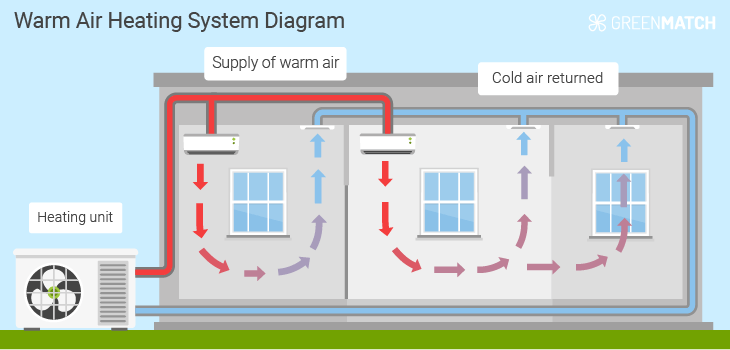
A major oversight happens when installers assume a machine outputs the same amount of heat at five degrees below zero as it does at forty degrees. Heat pumps pull warmth from the outside air. When the atmosphere outside turns frigid, extracting that heat gets drastically harder.
As outdoor air drops, internal compressor speeds max out and total heating output plummets. If a calculation ignores this capacity drop-off, the equipment will run out of breath during deep winter freezes.
Overlooking Ductwork Friction Losses
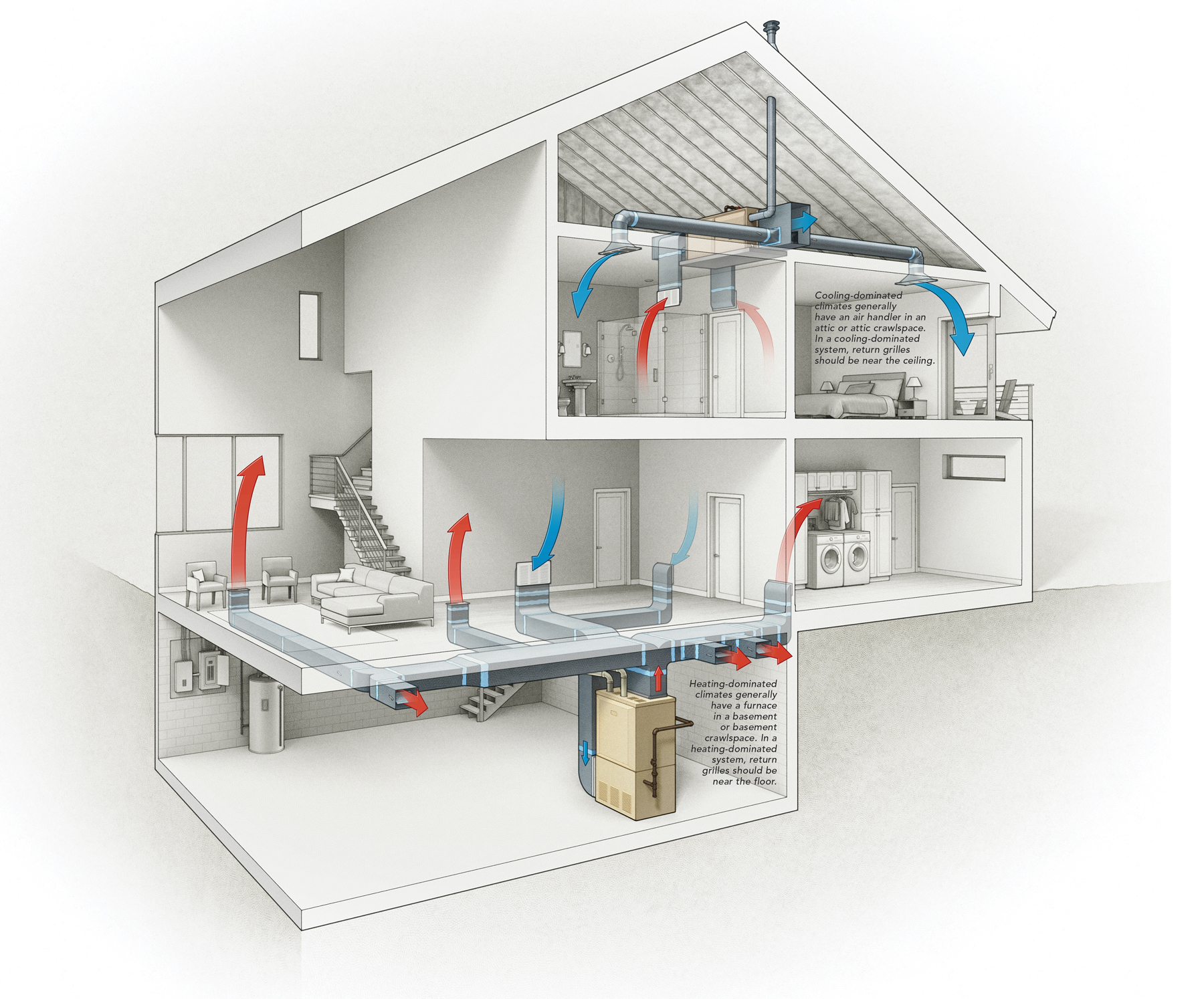
Even a properly chosen unit will fail if the delivery pathways are choked. Older duct networks built for old furnaces are rarely wide enough for the higher airflow volumes that heat pumps require.
Air resistance builds up fast in cramped or leaky channels. This friction forces the system to work twice as hard to push warm air through rooms, driving up power bills and leaving distant bedrooms freezing. Math sheets rarely factor in hidden duct restrictions.
Skipping Manual J and Manual D Protocols
Many contractors rely on quick digital calculators or rules of thumb instead of doing rigorous room-by-room block loads. Skipping deep analysis leads straight to guesswork.
Following proper industry standards like Manual J for load calculation and Manual D for duct design takes extra time. But rushing this step guarantees a poor fit. Precision matters immensely when temperatures dip below freezing.
When humidity is high and outdoor temperatures hover near freezing, frost builds up rapidly on outdoor coils. The unit has to pause heating mode periodically to melt that ice off.
During these defrost cycles, indoor comfort takes a temporary hit. If a sizing calculation does not account for this lost runtime, the home will lose ground thermal-wise during the coldest days of the year.
Getting your home ready for freezing winters requires looking beyond basic formulas and generic math sheets. Talk with trusted local technicians who truly understand how regional weather impacts equipment performance. Insist on thorough room-by-room load evaluations before signing off on any new installation.
Taking these extra steps now will save you from shivering later. A well planned system brings lasting comfort and true peace of mind when the snow starts piling up outside.