Have you ever stepped outside on a clear night, looked up, and realized you couldn’t see a single star? It’s a strange feeling, isn’t it. For generations, the night sky was our clock, our calendar, and our compass. Now, for many of us, it’s just an orange glow. We traded the cosmos for convenience. But here’s the thing: we didn’t have to trade safety for darkness. We can have both.
For a long time, the logic was simple. More light equals more safety. If a street is bright, criminals can’t hide, and drivers can see better. So, we blasted our streets with high-intensity lamps. We lit up parks like football stadiums at midnight. We thought we were solving problems. But as we moved into the mid-2020s, the bill came due. Not just in energy costs, though those are huge. The cost was to our health, our wildlife, and our connection to the natural world.
Today, in 2026, the conversation has shifted. It’s no longer about how much light we can pump out. It’s about how well we use it. Cities from Florida to Finland are rewriting the rules. They’re proving that you don’t need to blind people to keep them safe. In fact, too much light can sometimes make things worse by creating harsh shadows and glare. The new goal is responsible lighting. It’s a balancing act. And thanks to new LED technology, it’s one we’re finally getting right.
The Hidden Cost of Too Much Light
We often think of light pollution as just an annoyance for astronomers. If you can’t see the Milky Way, so what? But the impact goes way deeper than ruined stargazing sessions. Artificial Light at Night (ALAN) is a major disruptor of ecosystems. It confuses migratory birds, disorients sea turtle hatchlings, and messes with the breeding cycles of insects. When the bugs go, the birds that eat them struggle. The whole food web wobbles.
It affects us too. Humans have internal clocks, called circadian rhythms, that are tuned to the natural cycle of day and night. Bright blue-rich light at night suppresses melatonin, the hormone that helps us sleep. Poor sleep links to all sorts of health issues, from heart disease to depression. By flooding our neighborhoods with harsh, cool-white LEDs, we weren’t just lighting the streets; we were keeping our bodies in a state of perpetual jet lag.
Then there’s the waste. For years, municipalities burned through budgets paying to light empty streets at 3 AM. Old high-pressure sodium bulbs were inefficient and hard to control. They stayed on full blast whether anyone was there or not. This wasn’t just bad for the environment; it was bad fiscal policy. The push for sustainability in 2026 isn’t just about carbon emissions from cars. It’s about every watt we use unnecessarily. Recognizing this, groups like the Department of Energy have highlighted the urgent need to balance visibility with these negative environmental impacts. We had to find a better way.
Why LEDs Changed the Game (For Better and Worse)
When LED streetlights first started rolling out in the early 2010s, there was a lot of excitement. They were efficient. They lasted longer. They saved money. On paper, they were perfect. But the early adoption was messy. Many cities swapped out old orange sodium lights for bright, cool-white LEDs without thinking about the color temperature. The result? Streets that looked like hospital operating rooms. The light was harsh, glaring, and full of blue spectrum energy that scatters easily in the atmosphere, worsening skyglow.
People hated it. Complaints poured in. Residents felt exposed, not safe. The very technology meant to help was creating a sense of unease. It was a classic case of tech moving faster than wisdom. We had the tools, but we didn’t have the strategy. The "brighter is better" mindset led to over-lighting. We installed fixtures that were too powerful for residential areas. We ignored the fact that human eyes adapt to lower light levels better than we thought.
However, LEDs also hold the key to the solution. Unlike old bulbs, LEDs are directional. You can point them exactly where you want the light to go. They don’t spray light sideways into windows or up into the sky if designed correctly. Plus, they are digital. This means they can be dimmed, colored, and controlled remotely. The problem wasn’t the LED itself; it was how we used it. By 2025 and 2026, the industry learned this lesson. The focus shifted from raw brightness to quality of light. We stopped asking "how bright?" and started asking "where and when?"
The Three Pillars of Responsible Lighting
So, what does good lighting look like? Experts and organizations like DarkSky International and DesignLights Consortium have boiled it down to a few core principles. Think of them as the three pillars of responsible outdoor lighting. If you miss one, the whole structure fails.
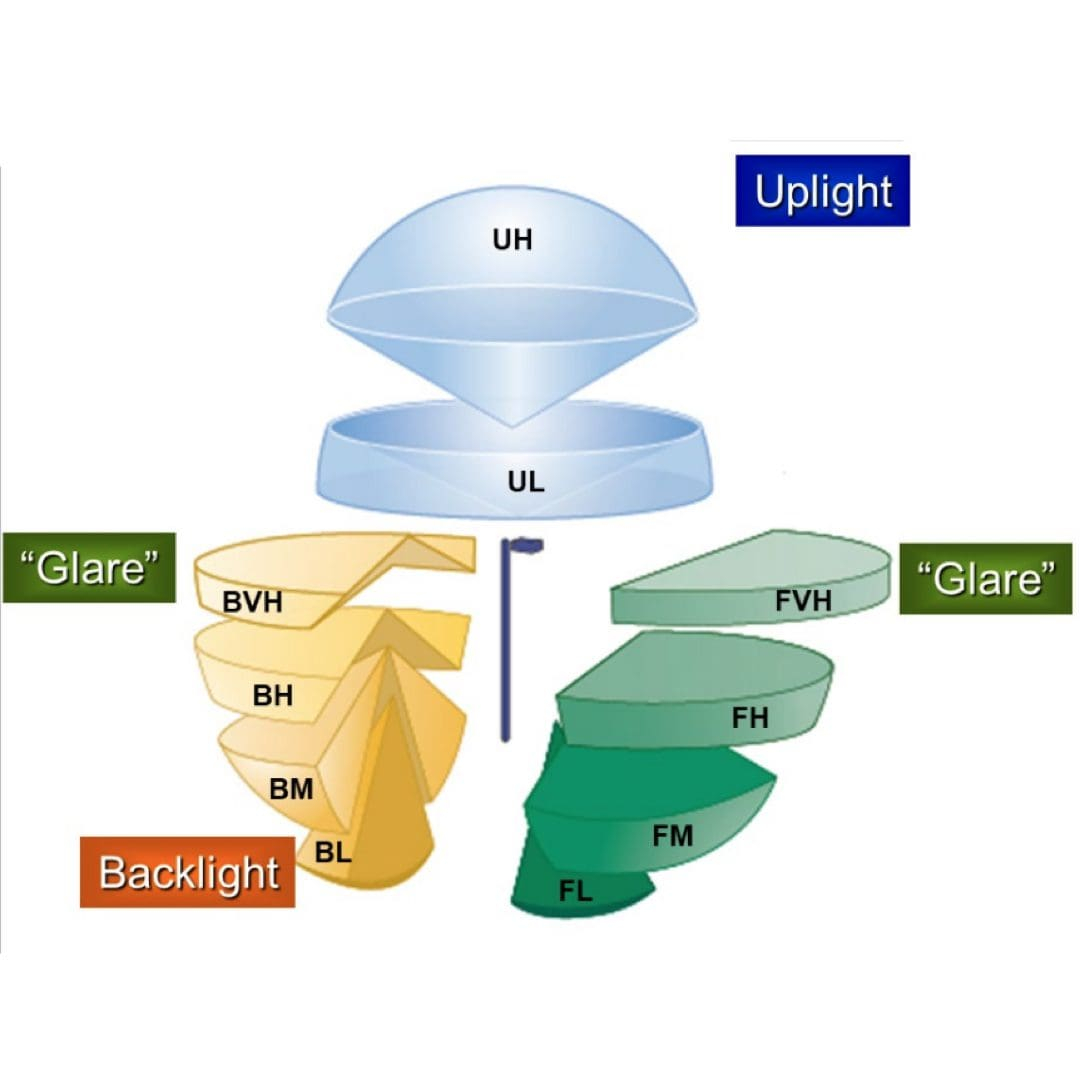
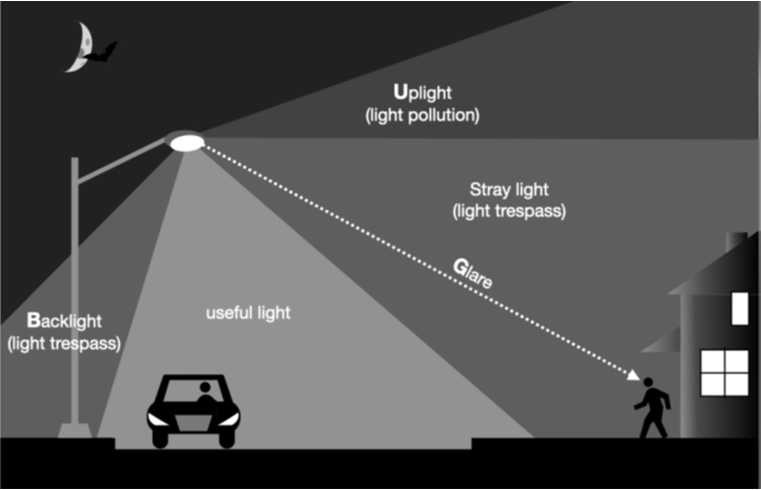
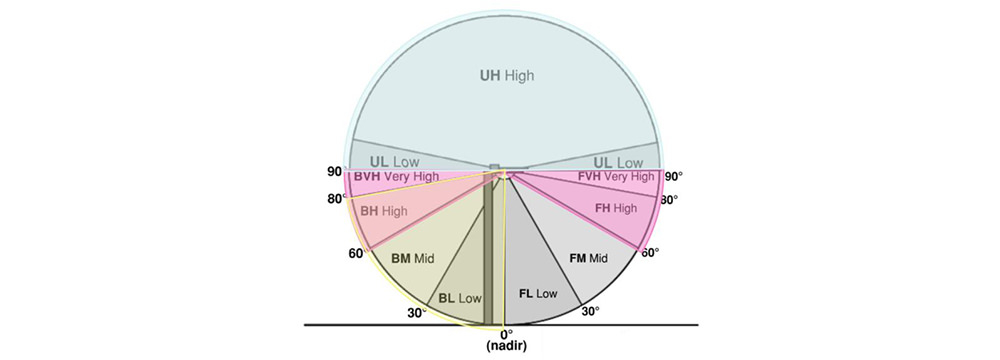
First, Shielding. This is non-negotiable. Every outdoor light fixture should be fully shielded, meaning no light escapes above the horizontal plane. This is often called "full cutoff." Imagine holding a cup of water. If you tilt it, water spills out. A shielded fixture keeps the "water" (light) contained within the cup, directing it only downward onto the street or path. This reduces glare and skyglow immediately. Towns like Harmony, Florida, have used this approach for years, advertising their dark skies as a community asset. It works.
Second, Color Temperature. Not all white light is created equal. Light is measured in Kelvin (K). Daylight is around 5000K-6500K, which is very blue. Warm white is around 2700K-3000K, which is more yellow/orange. For outdoor lighting, warmer is better. Amber or warm-white LEDs (under 3000K) are less disruptive to wildlife and human sleep cycles. They also penetrate fog and rain better than blue-rich light. In 2026, most best-practice guidelines recommend 2700K or even 2200K for residential areas. It feels softer, safer, and more inviting.
Third, Intensity and Timing. We don’t need stadium lights on a suburban sidewalk. Lower lumen outputs are often sufficient for safety. More importantly, lights shouldn’t always be on at full power. Adaptive controls allow lights to dim during low-traffic hours, say from midnight to 5 AM, and brighten when motion is detected. This saves energy and restores darkness when it’s not needed for active safety. It’s about giving the night back to the night, except when humans are actively using the space.
Smart Tech: Lighting That Thinks
This is where things get really interesting. In 2026, "smart cities" aren’t just a buzzword; they’re a reality in lighting infrastructure. Connected LED systems allow for granular control that was impossible with old bulbs. Imagine a streetlight that knows when a car is approaching. It stays dim at 20% brightness to save energy and reduce ambient glow. As a pedestrian or cyclist approaches, sensors detect movement and ramp the light up to 80% or 100%. Once they pass, it dims again.
This dynamic lighting does two things. It creates a spotlight effect that actually draws attention to the person moving, making them more visible to drivers. And it keeps the overall background light low, preserving night vision and reducing light pollution. Studies have shown that this adaptive approach can add an additional 40% in energy savings on top of the already efficient LED base. That’s a huge win for municipal budgets.
But it’s not just about motion sensors. Central management systems allow city engineers to monitor every light in real-time. If a bulb burns out, they know instantly. No more waiting for resident complaints. They can also adjust schedules seasonally. Longer nights in winter? The system adapts. Special events? Lights can be programmed to stay brighter later. This flexibility allows communities to tailor lighting to their specific needs. It turns lighting from a static utility into a responsive service. It’s technology serving humanity, rather than humanity serving technology.
Community Voices: Real World Success Stories
Theory is great, but what does this look like on the ground? Let’s look at some real examples. Take the case of mid-sized cities in Europe and North America that have retrofitted their lighting in the last five years. Many have reported a drop in energy costs by 50-70%. But the social benefits are harder to measure and yet more profound.
In some neighborhoods, residents reported feeling safer after switching to warmer, shielded LEDs, even though the total amount of light decreased. Why? Because the glare was gone. With old, unshielded bright lights, your eyes struggle to adjust to the dark patches between pools of light. Criminals or hazards can hide in those shadows. With uniform, lower-glare lighting, visibility is more consistent. People can see further into the distances because their eyes aren’t constantly squinting against bright spots.
Community involvement is key. Successful projects in 2025 and 2026 didn’t just happen top-down. City planners held town halls. They showed simulations of what the new light would look like. They listened to concerns about security. In some places, pilot programs allowed residents to test different color temperatures on their block. This buy-in is crucial. When people understand that "darker" doesn’t mean "unsafe," they become advocates. They start noticing the stars again. They notice the birds returning. The lighting becomes a point of pride, not just a utility bill.
There are also economic angles. Dark sky tourism is a growing niche. Places that protect their night skies attract visitors. Hotels and restaurants benefit from evening foot traffic when public spaces are well-lit but not overwhelming. Good lighting design reinforces the identity of public spaces, making them inviting for evening recreation. It’s a virtuous cycle. Better design leads to more use, which leads to safer, more vibrant communities.
If you’re a city council member, a planner, or just an engaged citizen, how do you push for this change? It starts with policy. Many local governments still have outdated lighting codes that mandate minimum brightness levels based on standards from decades ago. These need updating. Look to guidelines from the Illuminating Engineering Society (IES) and DarkSky International. They offer modern frameworks that prioritize quality over quantity.
Next, audit existing infrastructure. Where are the lights? Are they shining into bedrooms? Are they lighting up empty parking lots at 4 AM? Identify the worst offenders. Prioritize retrofitting high-traffic areas with shielded, warm-color LEDs first. Then, look at adding controls. Even simple timers can make a difference. Dimming lights by 50% after midnight is an easy win.
Don’t forget the human element. Education is vital. Explain the "why" to the public. Use visuals. Show the difference between glare and illumination. Highlight the health and environmental benefits. When people realize that responsible lighting protects their sleep and their local ecosystem, support grows. It’s not about taking light away; it’s about putting it to work properly.
Finally, think long-term. LED fixtures last a long time. Making the right choice now pays off for 15-20 years. Don’t cheap out on optics or controls. Invest in quality. The upfront cost might be slightly higher, but the operational savings and community benefits far outweigh it. In 2026, we have the tools. We have the knowledge. What we need is the will to use them wisely.
Finding the balance between safety and darkness isn’t a compromise. It’s an upgrade. It’s a recognition that we are part of a larger natural world, even in our concrete cities. By embracing responsible LED strategies, we’re not just saving energy. We’re reclaiming the night. We’re creating spaces that are healthier for us and kinder to the planet. And maybe, just maybe, we’ll get our stars back.
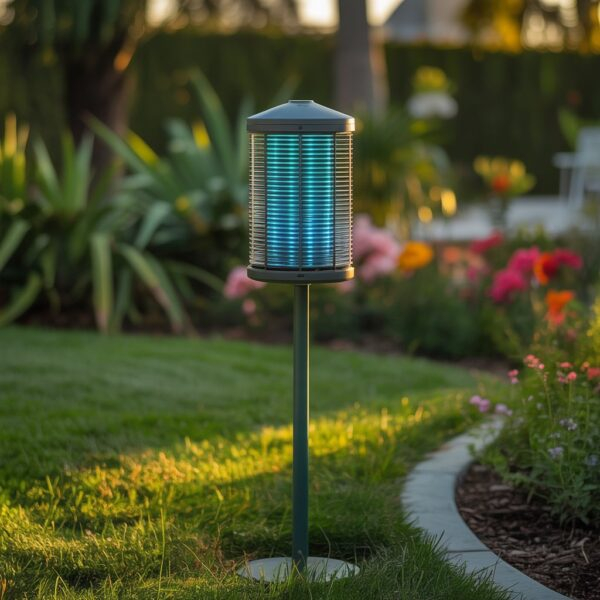
[sps_html tag=”img” src=”https://cdn.northcarolinafinearchitecture.com/2026/06/the-ultimate-guide-to-placing-bug-zappers-for-maximum-effectiveness-pertaining-to-dark-sky-lighting-design.jpeg” alt=”The Ultimate Guide To Placing Bug Zappers For Maximum Effectiveness … pertaining to Dark Sky Lighting Design” style=”width: 100%; height: auto;”]
[sps_html tag=”img” src=”https://cdn.northcarolinafinearchitecture.com/2026/06/what-bug-rating-means-agc-lighting-intended-for-a-practical-guide-to-choosing-bug-rated-fixtures-for-your-home-landscape.jpg” alt=”What Bug Rating Means - Agc Lighting intended for A Practical Guide to Choosing Bug Rated Fixtures for Your Home Landscape” style=”width: 100%; height: auto;”]
[sps_html tag=”img” src=”https://cdn.northcarolinafinearchitecture.com/2026/06/bug-rating-understanding-bug-ratings-with-dark-sky-lighting-design.jpg” alt=”Bug Rating - Understanding Bug Ratings with Dark Sky Lighting Design” style=”width: 100%; height: auto;”]