The hum of the fluorescent overhead bulb cuts through the morning quiet, accompanied by the relentless ping of an email notification. By 9:15 AM, your nervous system is already braced for impact. You are tethered to a glass screen, breathing stale indoor air, wondering why a deep, persistent fatigue sits behind your eyes even after eight hours of sleep. This scene is the baseline of modern survival. We have engineered environments that protect us from the elements, but in doing so, we have inadvertently starved our biology of the very sensory inputs it evolved to crave.
For millions of years, human perceptual systems were calibrated not to pixels and polyphonic alert tones, but to the rustle of dry oak leaves, the shifting weight of coarse bark under a palm, and the shifting amber angles of morning sunlight. When we sever these connections, our cognitive bandwidth frays. We mistake this chronic depletion for simple burnout, popping vitamins or scrolling through wellness apps while remaining trapped inside the same hermetically sealed concrete boxes that made us sick in the first place.
The antidote is not an expensive wellness retreat or a two-week digital detox in the remote wilderness. It is found in the micro-moments of sensory recalibration: the sound of a breeze cutting through a nearby patch of urban greenery, the warmth of unfiltered photon radiation hitting your forearm, and the tactile reality of physical textures that ground an overstimulated mind. By learning to tune into these elemental cues, we can actively rewrite our daily stress responses and restore cognitive equilibrium.
The Evolutionary Biology of Sensory Deprivation and Environmental Restoration
Human physiology is an ancient architecture operating in a high-tech epoch. For the vast majority of human history, survival depended on our ability to read subtle environmental signals—the snap of a twig, the direction of the wind, the quality of light filtering through a canopy. Psychologists and neuroscientists refer to this as Attention Restoration Theory (ART) and Stress Recovery Theory (SRT). When we immerse ourselves in natural environments, our brains shift from directed, effortful attention—the kind required to write spreadsheets, navigate traffic, and filter out office chatter—to "soft fascination." This is an effortless state of attention driven by natural patterns, such as the fractal geometry of leaves or the rippling surface of water.
In this soft-fascination state, the prefrontal cortex gets a much-needed break from executive fatigue. Simultaneously, the autonomic nervous system shifts gears. The sympathetic nervous system—our fight-or-flight engine—downturns, while the parasympathetic nervous system engages, lowering heart rate variability and suppressing cortisol production. Urban environments, by contrast, demand hard, hyper-vigilant attention. Sirens, flashing lights, and jagged artificial geometries trigger low-grade, continuous alarms in the amygdala.
What makes natural sensory inputs so potent is their inherent unpredictability combined with structural harmony. Unlike the erratic, jarring sounds of city traffic, natural sounds like flowing water or bird song are dominated by pink noise frequencies—sounds with an energy distribution inversely proportional to frequency. These frequencies match the natural rhythms of human neural oscillation, effectively lulling an over-activated nervous system into a state of deep, restorative calm. We are not just enjoying nature; our neurological hardware is recognizing its original home.
The Neurochemistry of Sunlight and the Architecture of Circadian Health
Step outside at noon and lift your face to the sky, and a cascade of biochemical events is instantly triggered within your brain and endocrine system. Sunlight is not merely a mechanism for illumination; it is the primary biological timekeeper for mammalian life. When photons hit the specialized photosensitive retinal ganglion cells (pRGCs) in our eyes, they send immediate signals to the suprachiasmatic nucleus (SCN) in the hypothalamus, the master clock governing our circadian rhythms. This signal halts the daytime production of melatonin and triggers the synthesis of serotonin, the neurotransmitter responsible for mood elevation, emotional stability, and cognitive focus.
Beyond serotonin regulation, moderate exposure to natural sunlight stimulates the synthesis of Vitamin D3, a secosteroid hormone that influences hundreds of genes associated with immune function, neuroprotection, and emotional well-being. Seasonal Affective Disorder (SAD) and winter blues are extreme manifestations of photon deprivation, but even subtle, day-to-day sunlight deficits leave millions of people dealing with lethargy, brain fog, and low-grade anxiety.
Crucially, the quality of light matters immensely. Indoor lighting, even bright LED office illumination, rarely exceeds 500 lux and lacks the full-spectrum infrared and ultraviolet wavelengths found outdoors. A cloudy day outdoors can easily deliver 10,000 to 20,000 lux, while direct sunlight ranges from 32,000 to over 100,000 lux. This sheer intensity difference is what resets our biological clocks, ensuring robust nighttime melatonin production, deeper slow-wave sleep, and a more resilient, balanced mood the following day.
A Practical Blueprint for Integrating Nature, Sound, and Texture into Daily Routines
Reclaiming the restorative power of the natural world does not require quitting your job to live in a cabin. It requires deliberate, ritualistic micro-dosages of sensory engagement woven seamlessly into the fabric of a standard workday. By approaching nature as an accessible toolkit rather than a distant destination, you can shift your neurological baseline even in the densest urban centers.
- Step 1 (The Morning Photon Acquisition): Within 30 to 60 minutes of waking, step outside without sunglasses for 10 to 15 minutes. Let natural sunlight hit your eyes and bare skin to anchor your circadian rhythm, elevate daytime serotonin, and prime your body for deep sleep later that night.
- Step 2 (Acoustic Anchoring Sessions): Dedicate 10 minutes mid-day to close your eyes and listen specifically to natural soundscapes. If you live in a city, find a pocket park, open a window overlooking trees, or use high-fidelity field recordings of rain, wind, or bird chorus to engage soft fascination and drop your heart rate.
- Step 3 (Tactile Grounding Micro-Breaks): Keep raw, organic textures on your desk—a smooth river stone, a piece of unfinished cedar bark, or a handful of rough sea salt. When you feel mental friction or rising frustration during a task, hold and actively explore these textures for 60 seconds to pull your awareness out of abstract rumination and back into physical reality.
- Step 4 (Sunlit Walking Transitions): Whenever possible, replace indoor sedentary breaks with a 15-minute outdoor walk. Choose routes that feature living elements like street trees, grass, or exposed soil rather than glass-and-steel canyons to maximize visual access to fractal patterns.
- Step 5 (Evening Wind-Down Darkness): Mirror the natural decline of sunlight by dimming indoor lights and eliminating blue-light screens at least an hour before bed. This respects the ancient hormonal dance between light exposure and melatonin release, ensuring restorative sleep.
Navigating the Traps of Modern Nature Deficit and Sensory Over-Optimization
It is easy to turn even wellness practices into rigid, stressful checkboxes. In our quest to optimize mental health, we often fall into common behavioral traps that defeat the very purpose of connecting with nature. Recognizing these pitfalls allows us to approach sensory engagement with genuine ease and authenticity.
- Pitfall 1 (The Productivity Trap): Treating nature walks as another workout or metric to track on a smartwatch. Workaround: Abandon the fitness tracker for these sessions; focus entirely on sensory receptivity, not step counts, caloric burn, or pace.
- Pitfall 2 (Earbud Dependency): Listening to podcasts or fast-paced audiobooks while walking through green spaces. Workaround: Remove the earbuds entirely, or replace spoken-word audio with ambient nature tracks that allow environmental sounds to reach your ears.
- Pitfall 3 (Artificial Substitution): Believing that looking at high-definition nature documentaries or desktop wallpaper provides the same neurological benefit as real sunlight and textures. Workaround: Remember that pRGCs require actual photons and your skin requires real tactile variance; use digital tools only as a last resort.
- Pitfall 4 (The All-or-Nothing Fallacy): Assuming that a brief 5-minute break on a concrete balcony is pointless because you cannot visit a pristine national park. Workaround: Acknowledge that micro-doses accumulate; even a sliver of sky and a potted fern can trigger a measurable parasympathetic shift.
- Pitfall 5 (Ignoring Seasonal Realities): Forcing summer-style outdoor routines during harsh winter or inclement weather, leading to frustration and abandonment of the practice. Workaround: Adapt your sensory inputs—use light therapy boxes, bring textured indoor plants into your workspace, and embrace indoor acoustic soundscapes when the weather forces you inside.
The Broader Ecological Self: Redefining Health in an Urban Age
When we look at health purely through the lens of individual biochemistry, we miss a profound psychological reality: human beings do not exist in isolation from their habitats. Environmental psychologists use the term "ecological self" to describe the expansion of identity to include the natural systems that sustain us. When we actively listen to bird song, feel the grain of wood, and track the movement of sunlight across a room, we are repairing a fractured relationship with the biosphere.
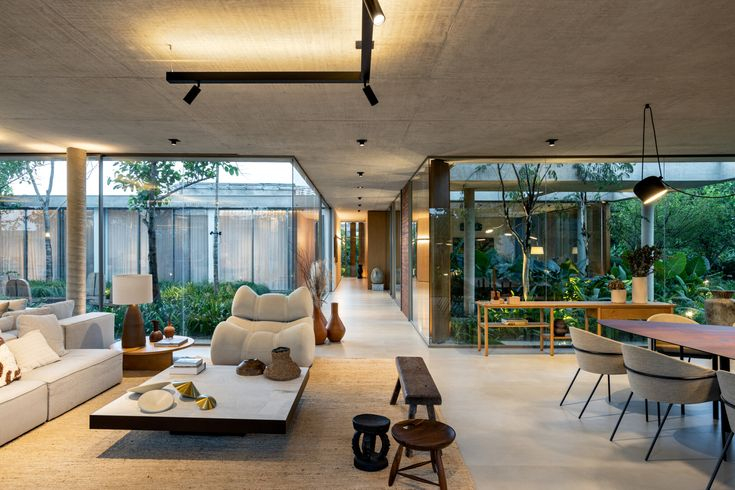
This reconnection has measurable economic and social implications. In urban planning, the integration of biophilic design—incorporating natural light, indoor foliage, water features, and organic textures into office buildings and hospitals—has been shown to drastically reduce employee absenteeism, accelerate patient recovery times, and lower systemic healthcare costs. When workplaces prioritize natural sensory inputs, cognitive performance improves, error rates drop, and interpersonal friction decreases.
Ultimately, sensory deprivation in sterile indoor environments is a quiet crisis of modern civilization. By deliberately re-weaving natural textures, sounds, and sunlight into our daily lives, we reclaim an evolutionary birthright. We stop fighting our own biology and begin cooperating with the ancient rhythms that shaped our minds, finding clarity, resilience, and calm amid the noise of the contemporary world.
Designing a Sustainable Sensory Practice for Lifelong Emotional Resilience
Integrating these insights requires shifting from a passive consumer mindset to an active curator of your sensory diet. Just as you monitor the nutritional quality of the food you ingest, you must begin evaluating the quality of the light, sound, and tactile experiences that feed your nervous system each day. Start small, but be relentlessly consistent.
Build your environmental sanctuary wherever you happen to be. If your office is a windowless basement, invest in a full-spectrum daylight lamp, place a rough-textured lava rock on your keyboard tray, and play ambient forest sounds through an open-air speaker. If you work from home, position your desk to capture morning light, and make it a non-negotiable rule to step outside barefoot on grass or pavement for ten minutes before opening your laptop.
As these small rituals compound over weeks and months, you will notice a subtle yet profound shift in your emotional baseline. The sharp edges of daily stress will soften. Your capacity for deep, sustained focus will expand. You will realize that peace of mind was never something you had to buy, manufacture, or chase; it was simply waiting outside the door, encoded in the rustle of leaves and the warmth of the morning sun.
We live in a culture obsessed with artificial acceleration, yet our deepest healing remains stubbornly slow, tactile, and quiet. Listening to the subtle textures of the earth and welcoming the unvarnished rays of the morning sun are radical acts of reclamation. They pull us out of the disembodied frenzy of the digital realm and anchor us securely back into our physical bodies.
As you close this page, do not wait for the perfect weekend or the ideal vacation to begin. Step away from the screen, walk to the nearest window, open it wide, and listen. Let the air touch your skin, let the light reach your eyes, and allow the quiet wisdom of the natural world to reset your mind for the day ahead.