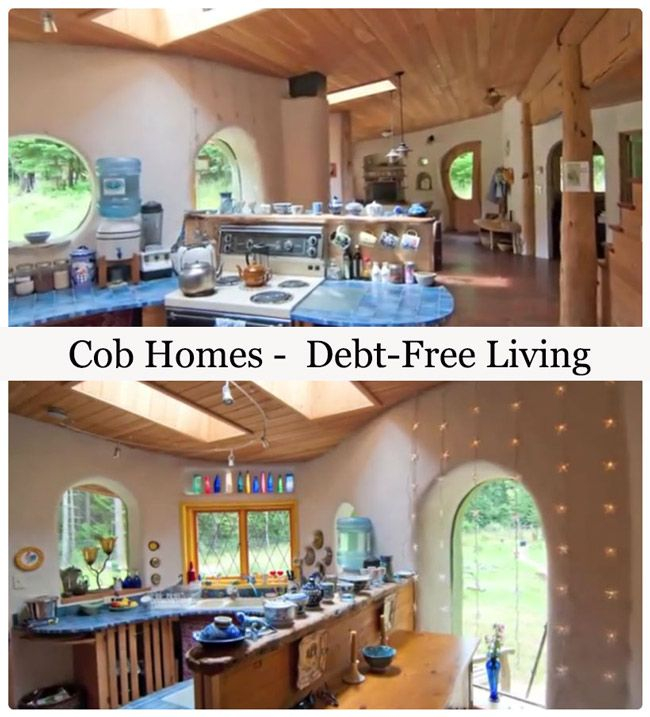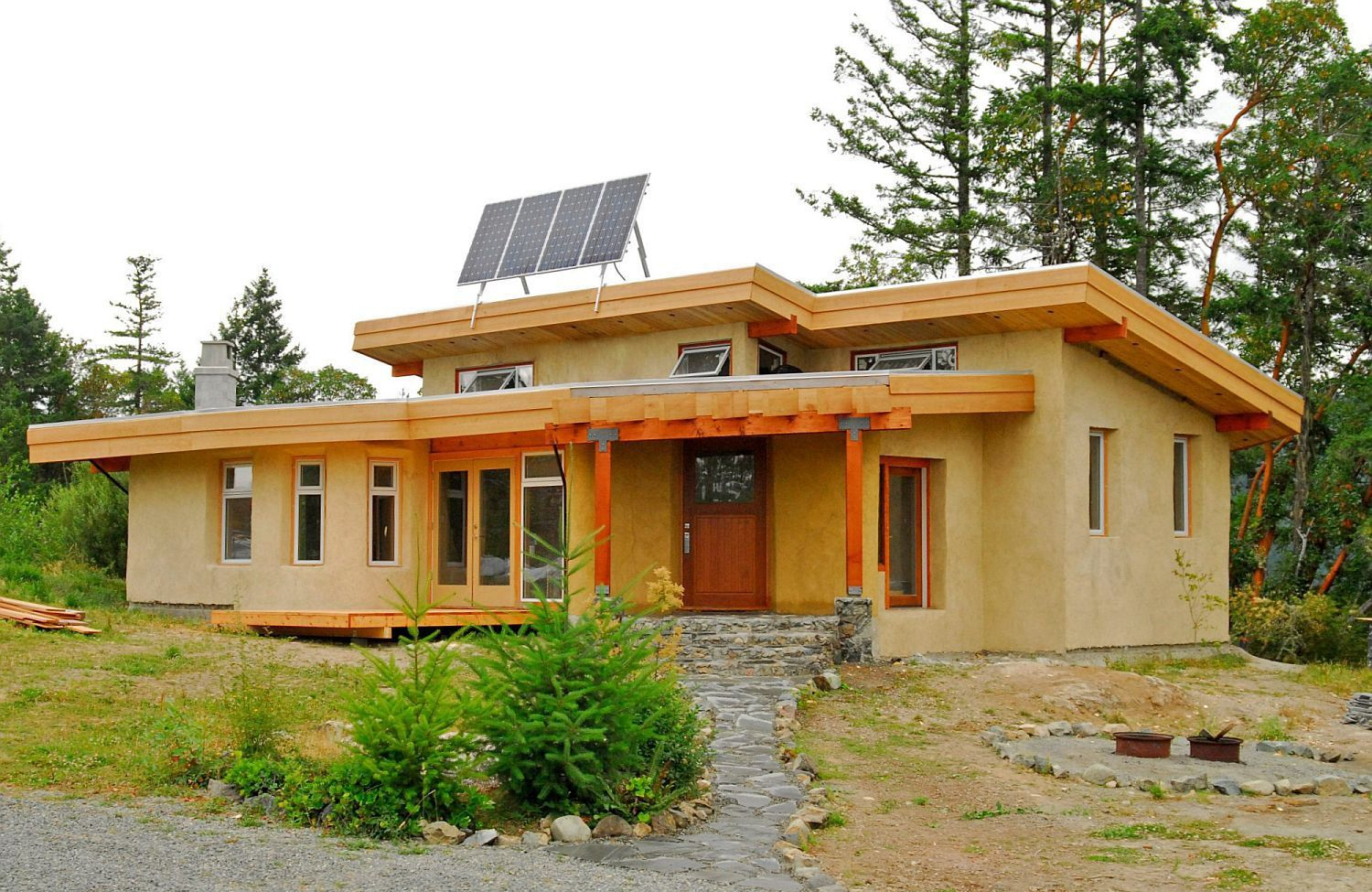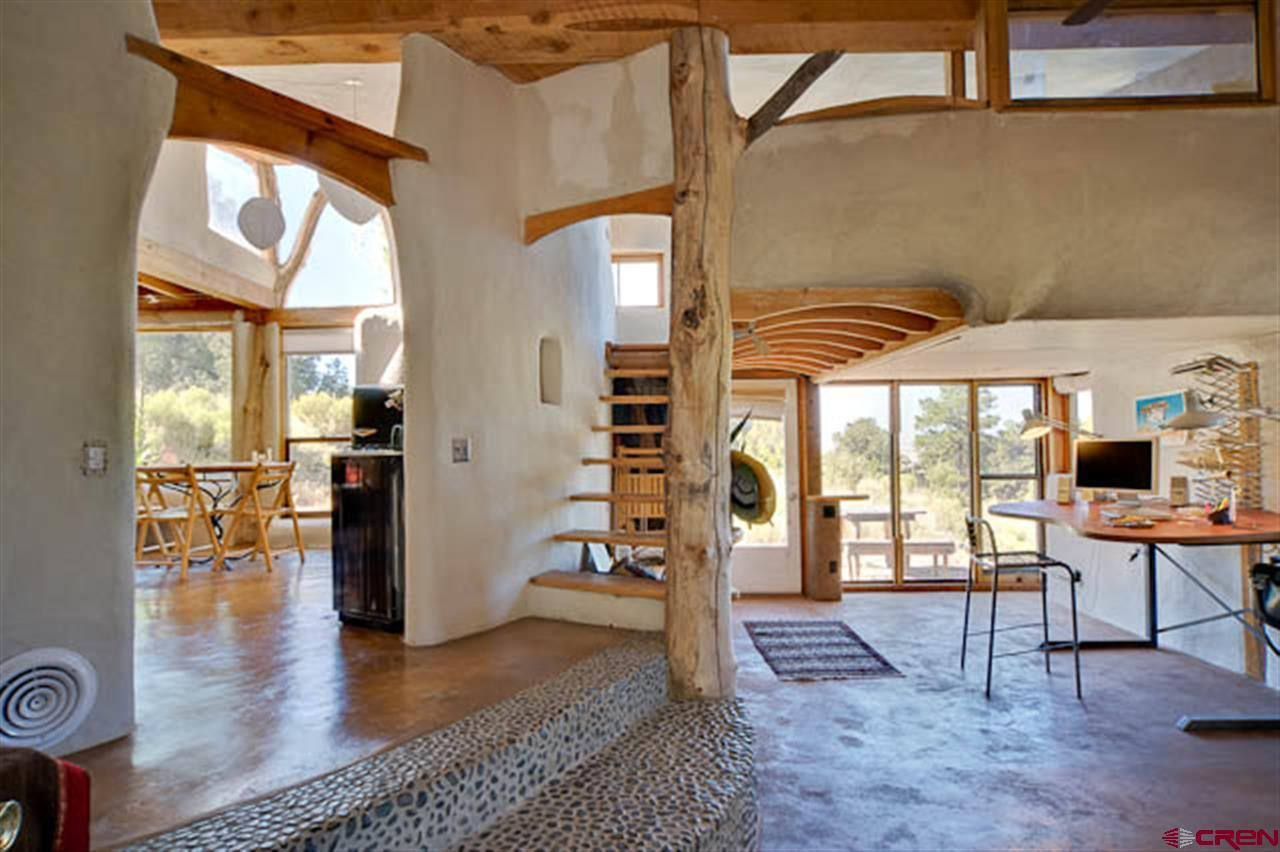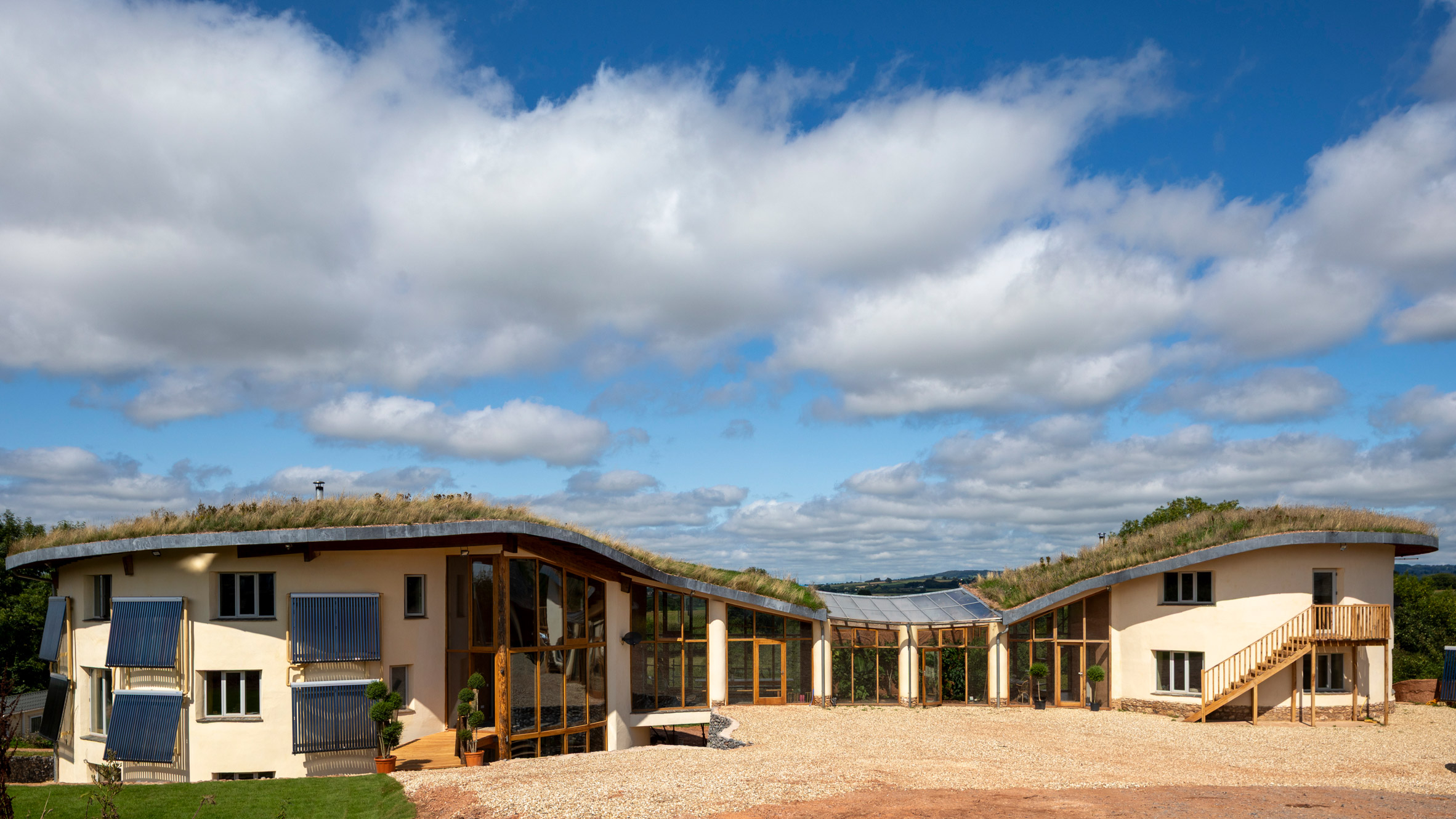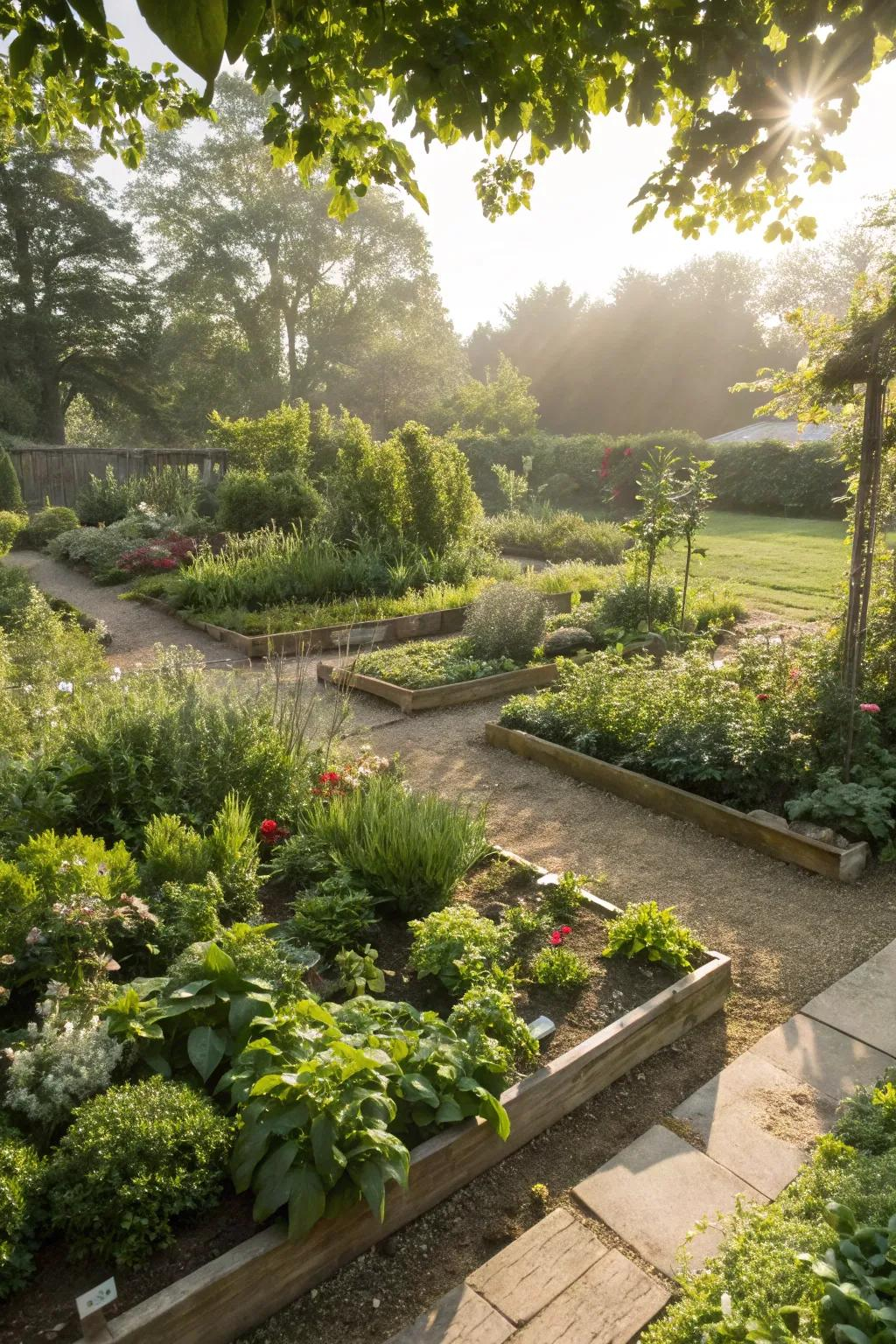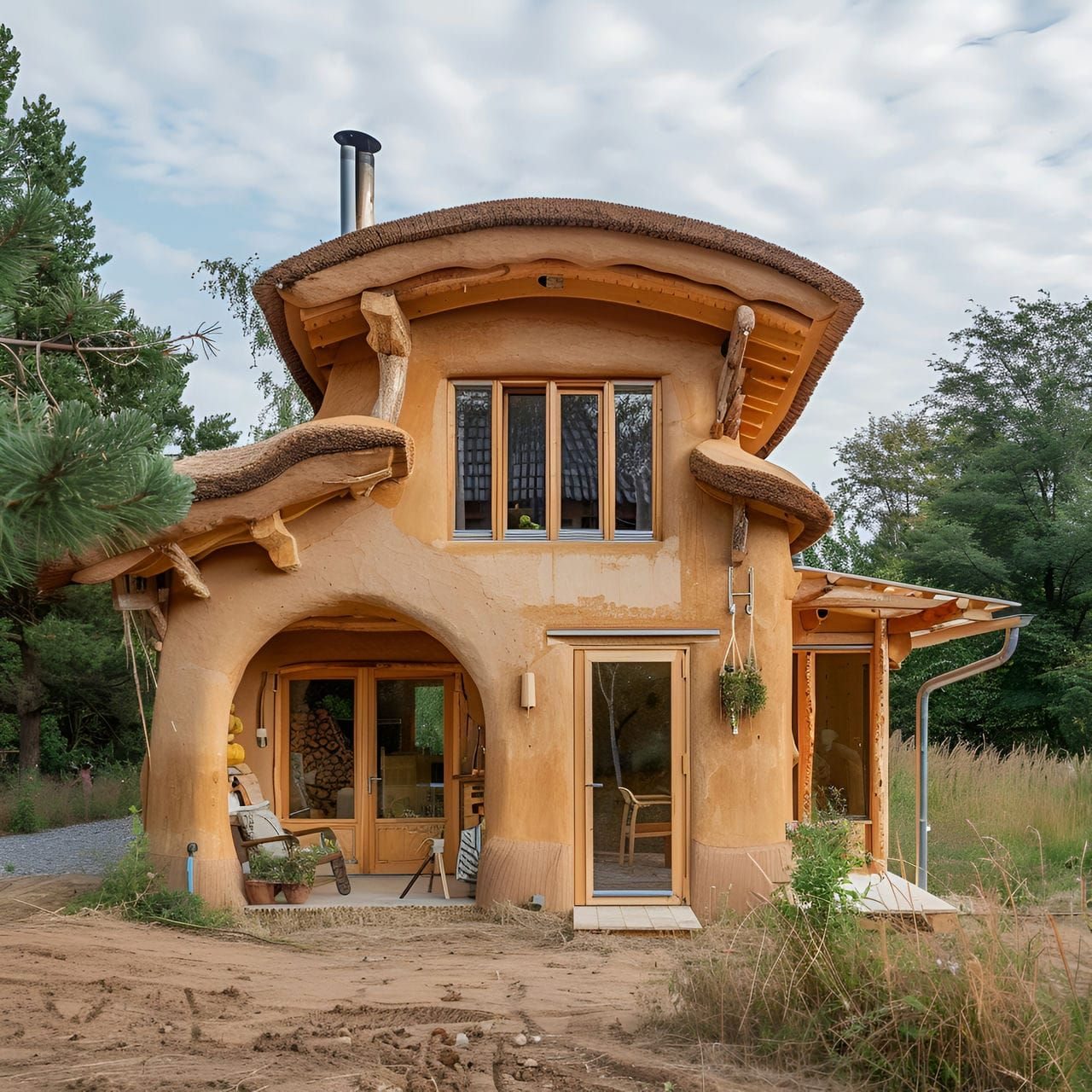
You’ve seen the photos. They’re everywhere on social media, those dreamy shots of rounded, earthen walls glowing in the sunset, smoke curling gently from a chimney, surrounded by lush permaculture gardens. It looks peaceful. It looks simple. It looks like the ultimate escape from the rat race. But is it? If you are thinking about trading your drywall box for a mound of clay and straw, you need to know what happens after the camera stops clicking.
Living in a cob cottage off the grid isn’t just a housing choice; it’s a complete lifestyle overhaul. It’s messy, it’s hard, and it’s incredibly rewarding. But it’s not for everyone. In 2026, as more people look for ways to disconnect from rising utility costs and unstable supply chains, the allure of natural building is stronger than ever. Yet, the gap between the Instagram aesthetic and the daily reality is wide. Let’s bridge that gap.
The Myth of the Cheap Build vs. The Reality of Labor
Let’s talk money first, because that’s usually what hooks people. You might have heard stories of couples building their entire home for under $1,000 CAD, using only dirt from their land and secondhand windows. And yes, that is possible. Bryce and Misty, a family who has lived off-grid for over a decade, did exactly that. They harvested wood within 20 kilometers and used local clay. Their material costs were virtually zero. Another couple in Bisbee, Arizona, built a 600-square-foot cob home for around $30,000. Compared to the median home price in North America, which hovers near half a million dollars, that sounds like stealing.
But here’s the catch: cheap materials mean expensive labor. Specifically, your labor. Cob is not prefabricated. You don’t order it from a catalog. You make it. By hand. Mixing clay, sand, and straw with your feet or a tiller, then sculpting it into walls, layer by layer. It takes time. Lots of it. A small cottage can take a single person a year or more of full-time work to raise. If you have a job, it’ll take longer. The "cost" is paid in sweat equity, blisters, and backaches. You aren’t saving money so much as you are investing your life force into your shelter.
And don’t forget the hidden costs. While the walls might be free, the roof isn’t. You need timber, roofing material, insulation, windows, doors, and plumbing. In 2026, the price of lumber and hardware hasn’t exactly dropped. So, while your structure is dirt-cheap, your finish-out costs can still sting. It’s not a get-rich-quick scheme; it’s a get-debt-free-slowly strategy. You pay with time instead of interest.
Thermal Mass and the Comfort of Earthen Walls
One of the most surprising things about living in a cob house is how it feels. Modern houses are light and airy, but they also lose heat fast. Cob is dense. It has high thermal mass. This means it absorbs heat during the day and releases it slowly at night. In the summer, the thick walls keep the interior cool, acting like a natural air conditioner. In the winter, if you have a wood stove inside, that heat radiates through the walls for hours after the fire dies down.
It’s a different kind of comfort. It’s steady. You don’t get those sudden temperature swings you feel in a stick-built house when the furnace kicks on or off. The air feels heavier, quieter. There’s a solidity to it that calms the nervous system. Many residents report sleeping better in cob homes. The humidity levels are naturally regulated too, because earth breathes. It doesn’t trap mold or stale air like some modern synthetic materials do.
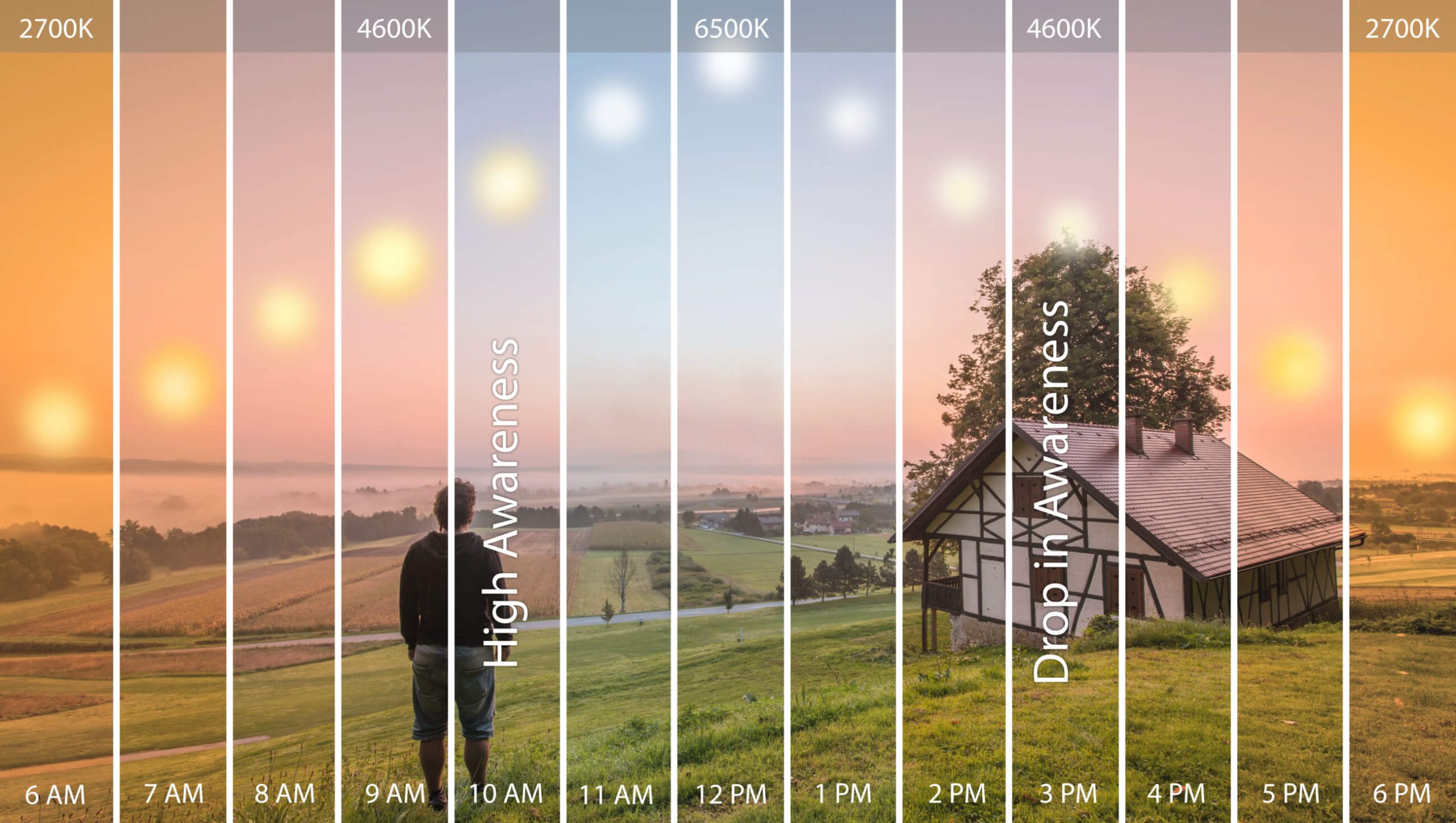
However, this comes with a learning curve. You can’t just crank up a thermostat. You have to manage your heat source. If you live in a very cold climate, you need to design your home with passive solar gain in mind—large south-facing windows to let the sun hit that thermal mass. If you don’t, you’ll be burning a lot of wood. And since you’re off-grid, you’re likely hauling that wood yourself. The comfort is there, but it demands your attention. You become attuned to the weather, the sun’s path, and the rhythm of the seasons in a way city dwellers never are.
The Off-Grid Infrastructure: Water, Power, and Waste
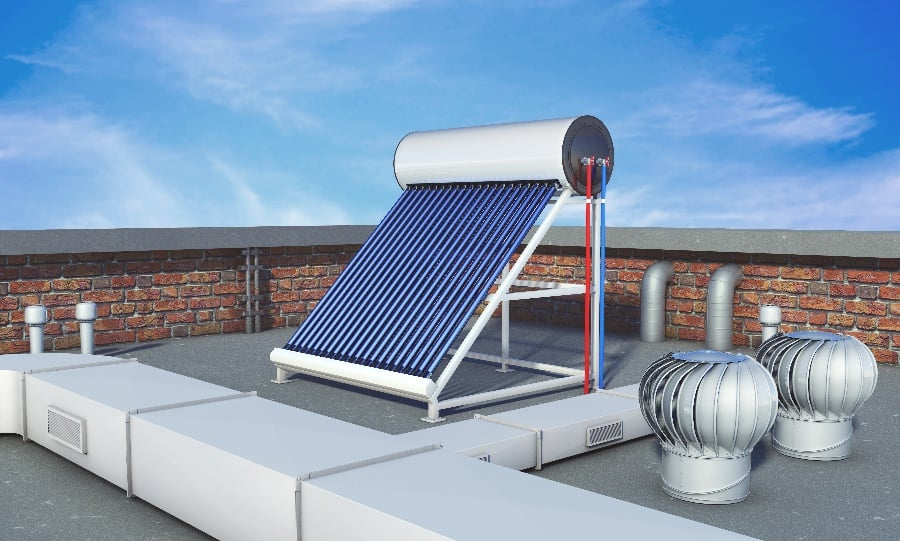
Living off-grid means you are your own utility company. This is where the romance often meets the rubber. In a cob cottage, you aren’t just maintaining a house; you’re maintaining a system. Water is usually the biggest hurdle. You might rely on rainwater harvesting, a well, or a nearby stream. In 2026, water filtration technology has improved, but you still need pumps, filters, and storage tanks. If a pump breaks, you don’t call the city. You fix it. Or you carry buckets.
Electricity is another beast. Most off-grid cob homes run on solar panels and battery banks. Lithium-ion tech has gotten better and cheaper, but it’s still an investment. You learn to live with limits. You don’t leave lights on. You run the washing machine only when the sun is shining. You become conscious of every watt. It’s not necessarily a hardship; many find it liberating to consume less. But it requires discipline. You can’t just plug in a space heater and forget about it.
Then there’s waste. Composting toilets are standard in these setups. They turn human waste into usable compost (after proper aging), closing the loop. It sounds gross to newcomers, but it’s actually odorless and hygienic if managed right. Greywater from sinks and showers goes into garden beds or reed beds. Nothing is wasted. This circular system is the heart of the off-grid ethic. It connects you directly to the consequences of your consumption. When you see your wastewater feeding your tomato plants, you think twice about what soap you use.
The Physical Toll and the Joy of Building
Let’s be real: building with cob is hard on the body. It’s repetitive motion. It’s heavy lifting. It’s working in the mud, rain, or heat. Back pain is a common complaint among builders. Knees take a beating. If you’re older or have physical limitations, this path is tougher. That’s why community matters. Many successful cob builds happen in groups, where friends and neighbors come together for "cob parties." You feed them, they mix mud. It turns labor into celebration.
But there’s a profound joy in creating your shelter with your own hands. Every bump in the wall, every curve in the window seat, is a decision you made. You aren’t living in a box designed by a committee; you’re living in a sculpture you created. This sense of agency is powerful. It combats the helplessness many feel in modern life. When a storm hits, you don’t worry about whether the contractor cut corners. You know every inch of that wall because you packed it yourself.
Maintenance is ongoing. Cob needs to breathe, so it must be protected from driving rain. Good roof overhangs are critical. Plaster needs occasional patching. Earthen floors might need resealing. It’s not a "build it and forget it" situation. It’s a relationship. You care for the house, and it cares for you. In 2026, as planned obsolescence dominates consumer goods, this durability is refreshing. A well-maintained cob house can last centuries. You’re building for generations, not just for resale value.
Community, Isolation, and the Social Shift
Off-grid living can be isolating. If your cob cottage is deep in the woods, you might not see another human for days. For some, this solitude is the goal. For others, it becomes lonely quickly. That’s why many off-gridders cluster together. Permaculture communities are thriving in 2026, offering a blend of privacy and support. You share tools, skills, and sometimes meals. You have someone to watch your kids if you get sick. You have someone to help lift a beam.
Bryce and Misty, mentioned earlier, homeschool their daughters in this environment. The community becomes the classroom. Kids learn biology by gardening, physics by building, and economics by trading eggs for honey. It’s a rich education, but it’s different. You miss out on the structured socialization of school, but you gain resilience and practical skills. The trade-off is constant. You gain freedom from bills, but you lose convenience. You gain connection to nature, but you lose proximity to cinemas and malls.
Socially, you might feel like an outsider when you visit "normal" society. Your concerns are different. You worry about frost dates and battery voltage, not stock markets and celebrity gossip. This can create a divide with old friends. But you also find a new tribe. People who understand why you spend three days mixing mud. People who celebrate a successful harvest like it’s a promotion. The social shift is significant. You stop competing for status symbols and start cooperating for survival and joy.
Legal Hurdles and Zoning Battles
Here’s the part nobody puts in the brochure: legality. In many places, cob homes are illegal. Or at least, they exist in a gray area. Building codes are written for stick-frame and concrete structures. Inspectors don’t always know how to evaluate a dirt wall. Getting permits can be a nightmare. Some jurisdictions require engineering stamps that are hard to get for non-standard builds. Others simply deny permits outright, forcing builders to go underground—literally or figuratively.
In 2026, attitudes are shifting slowly. Some progressive counties have adopted alternative building codes that recognize natural materials. But in many areas, you still risk fines or even demolition orders if you build without approval. It’s a risk you have to weigh. Some people build on rural land with lax enforcement. Others fight the legal battle, setting precedents for future builders. It’s stressful. It adds a layer of anxiety to the peaceful dream.
You need to do your homework before you buy land. Check the zoning laws. Talk to the building department. Be honest, but also be prepared for resistance. Sometimes, labeling your project as an "agricultural structure" or a "studio" helps. Other times, you just have to build quietly and hope for the best. It’s an unfair burden, but it’s part of the territory. Advocacy groups are working to change these laws, recognizing that sustainable housing is necessary for our climate future. But until then, expect red tape.
So, what is it really like? It’s muddy boots by the door. It’s the smell of wet earth after rain. It’s the pride of lighting your home with sun you captured yesterday. It’s the frustration of a broken pump and the joy of fixing it. It’s freedom, but it’s responsibility. It’s not a vacation; it’s a life.
If you’re looking for easy, keep looking. But if you’re looking for meaning, for connection, for a home that hugs you back, cob might be your answer. It teaches you patience. It teaches you resourcefulness. It strips away the non-essentials and leaves you with what matters: shelter, food, community, and purpose.
In the end, living off-grid in a cob cottage isn’t about rejecting modernity. It’s about choosing a different pace. It’s about remembering that we come from the earth, and we can return to it without losing our comfort. It’s messy, yes. It’s hard, absolutely. But for those who choose it, it’s home. And in a world that feels increasingly unstable, there’s nothing quite as grounding as standing on the floor you packed with your own feet, inside walls you shaped with your own hands, knowing you belong there.
[sps_html tag=”img” src=”https://cdn.northcarolinafinearchitecture.com/2026/05/cob-house-exterior-designs-15-modern-cob-house-around-the-world-youll-for-cob-home-design.jpg” alt=”Cob House Exterior Designs 15 Modern Cob House Around The World You'll for Cob Home Design” style=”width: 100%; height: auto;”]
[sps_html tag=”img” src=”https://cdn.northcarolinafinearchitecture.com/2026/05/modern-cob-house-for-sale-timeless-design-meets-contemporary-living-regarding-cob-home-design.jpg” alt=”Modern Cob House For Sale – Timeless Design Meets Contemporary Living regarding Cob Home Design” style=”width: 100%; height: auto;”]
[sps_html tag=”img” src=”https://cdn.northcarolinafinearchitecture.com/2026/05/beautiful-cob-homes-for-debt-free-living-organictalks-com-cob-house-in-building-a-mortgage-free-life-with-modern-cob-design.jpg” alt=”Beautiful Cob-Homes For Debt-Free Living - Organictalks.com | Cob House … in Building a Mortgage-Free Life with Modern Cob Design” style=”width: 100%; height: auto;”]
[sps_html tag=”img” src=”https://cdn.northcarolinafinearchitecture.com/2026/05/inspiration-cob-house-designs-house-plan-with-building-a-mortgage-free-life-with-modern-cob-design.jpg” alt=”Inspiration Cob House Designs, House Plan with Building a Mortgage-Free Life with Modern Cob Design” style=”width: 100%; height: auto;”]
[sps_html tag=”img” src=”https://cdn.northcarolinafinearchitecture.com/2026/05/cob-house-zillow-at-brodie-chris-blog-with-regard-to-cob-home-design.jpg” alt=”Cob House Zillow At Brodie Chris Blog with regard to Cob Home Design” style=”width: 100%; height: auto;”]