The morning alarm blares, and within minutes, the domestic engine roars to life. Downstairs, the metallic clatter of silverware hitting ceramic plates competes with the high-pitched whine of an espresso machine. Upstairs, heavy footsteps pace across the subfloor as teenagers prepare for school, their voices echoing down the open-concept hallway. In the corner of the dining room, a remote worker tries to mute the ambient chaos before a high-stakes client call. This is the soundtrack of the contemporary family home: a cacophony of overlapping lives, competing schedules, and unmitigated acoustics that slowly chips away at individual patience and collective peace of mind.
For decades, homeowners treated architectural noise as an inevitable tax on domestic togetherness. If you chose to live with a bustling family, you simply accepted the ambient roar of a running dishwasher, the percussive thud of slammed doors, and the acoustic bleed of a television echoing from the basement rec room. Yet, as our homes have evolved into multi-functional compounds serving as offices, schools, gymnasiums, and sanctuaries all at once, the cost of this unfiltered noise has become glaringly apparent. Chronic exposure to household decibel creep does more than annoy; it elevates cortisol levels, fragments concentration, and erodes the emotional bandwidth required to navigate daily family dynamics.
Enter the quiet revolution of intentional soundproofing. No longer confined to commercial recording studios or high-end home theaters, acoustic management has migrated into the residential mainstream. By systematically addressing how sound travels through walls, floors, and air gaps, families are discovering that a quieter house is not merely about dampening decibels—it is about restoring psychological safety. When a home is intentionally soundproofed, the boundary lines of daily life are redrawn, allowing shared spaces to thrive with energy while private sanctuaries remain untouched by the storm.
The Physics of Domestic Noise and Why Standard Construction Fails Us
To understand how soundproofing changes a household, we first have to confront the engineering reality of modern residential construction. Most contemporary homes—particularly those built during housing booms or suburban developments—are constructed with speed and economy in mind. Standard interior walls typically consist of hollow-core doors, wooden studs spaced sixteen inches apart, and half-inch drywall panels on either side. This configuration creates a literal drum skin. When sound waves hit a standard interior wall, the drywall vibrates, transferring acoustic energy directly through the wooden studs into the adjacent room.
Airborne sound and structure-borne vibration are the two primary culprits that fracture household harmony. Airborne sounds, such as raised voices, telephone calls, and television audio, travel through the air and seek out every microscopic gap, crack, and unsealed perimeter in a room. Structure-borne sounds, on the other hand, travel directly through the physical framework of the house. The heavy thud of footsteps on a second-story landing, the vibrations of a washing machine spin cycle, or the slamming of a cabinet door act as physical percussions, sending low-frequency waves rippling through framing timbers. Standard construction materials offer virtually zero resistance to these frequencies.
When we look at the financial and structural anatomy of noise, the numbers are telling. Installing basic mass-loaded vinyl or decoupling a wall assembly might require an upfront investment, but the return manifests immediately in reclaimed cognitive focus and lower domestic friction. Architectural studies show that chronic, low-level household noise forces the human brain into a continuous state of micro-vigilance. We might think we "tune out" the hum of the refrigerator or the rumble of the family room TV, but our nervous system continues to process those inputs as background stress. Breaking this cycle requires interrupting the path of the sound wave before it can cross the threshold of our personal space.
Reclaiming Cognitive Real Estate and Mental Health Indoors
The human brain is remarkably resilient, but it has a hard limit when forced to process competing auditory stimuli in an enclosed space. In a busy household, a parent trying to review financial spreadsheets while children play video games two rooms away is subjected to cognitive fragmentation. Every time an unexpected sound penetrates the workspace—a sudden shout, a heavy footstep, or a looping video game soundtrack—the brain undergoes an attention switch. Research indicates that it can take up to twenty minutes to regain deep focus after a single interruption. Multiply that by a dozen interruptions an hour, and productivity drops to near zero.
Beyond professional focus, intentional soundproofing directly impacts emotional regulation and mental restoration. A home should function as a decompression chamber, a place where the nervous system can drop its guard after navigating the relentless noise of the outside world. When the interior of the house mirrors that external chaos, true rest becomes mathematically impossible. Children struggling with overstimulation need quiet zones to decompress after school, just as adults require acoustic boundaries to process the mental load of the workday.
Creating acoustic zones within a home changes family dynamics by eliminating forced proximity to noise. When a teenager can practice the electric guitar in a basement with decoupled walls, or a parent can take a confidential call in a home office without hearing the chaos of the kitchen, resentment dissolves. People are naturally more patient, empathetic, and communicative when they are not physically assaulted by background noise. Soundproofing, therefore, acts as an invisible mediator, smoothing out the rough edges of family life by giving every individual room to breathe acoustically.
A Step-by-Step Practical Methodology for Residential Acoustic Upgrades
Transforming a noisy household into an acoustic sanctuary does not require tearing down every wall in the house. By targeting high-impact areas using proven methodologies, homeowners can achieve dramatic reductions in sound transmission. Here is a field-tested, step-by-step framework for executing residential soundproofing upgrades that deliver maximum return on investment.
- Step 1 (Audit and Map Your Home’s Acoustic Leaks): Walk through your house during peak activity hours and identify primary noise transmission corridors. Pay close attention to hollow interior doors, gaps beneath thresholds, thin drywall partitions separating high-traffic areas, and uninsulated ceiling cavities beneath upstairs bedrooms.
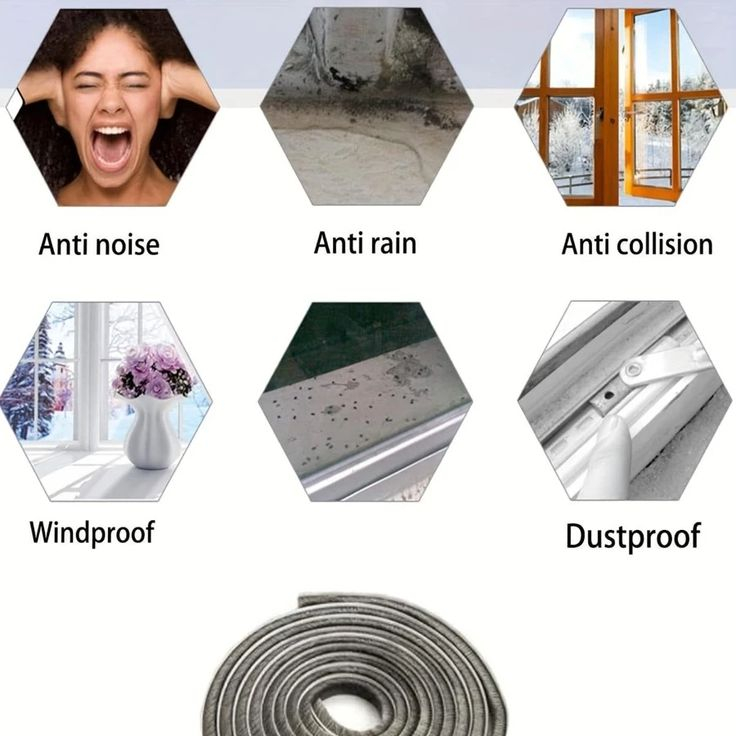
- Step 2 (Upgrade Interior Doors from Hollow to Solid Core): Replace standard hollow-core interior doors with solid-core wood or composite doors. Pair these new doors with heavy-duty perimeter weatherstripping and an automatic door bottom sweep to eliminate the massive gaps where sound bleeds freely between rooms.
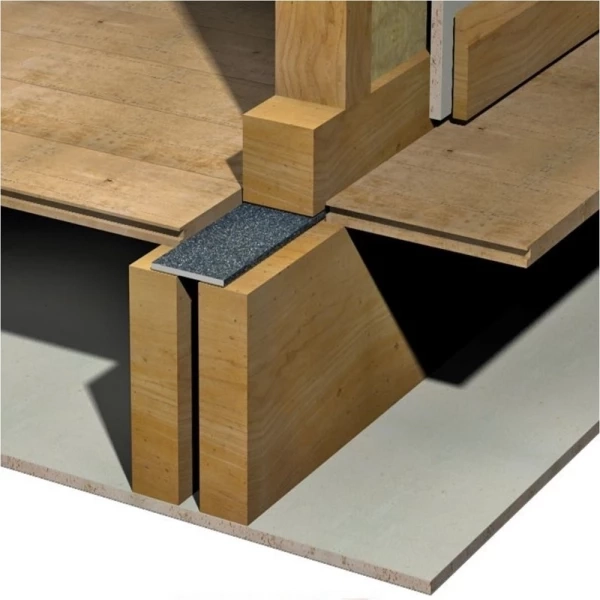
- Step 3 (Decouple and Mass-Load Critical Walls): For home offices, nurseries, or bedrooms bordering loud spaces, install mass-loaded vinyl (MLV) beneath a second layer of drywall. Alternatively, use resilient channels or clip systems to decouple the drywall from the wood studs, preventing sound vibrations from transferring physically through the framing.
- Step 4 (Mitigate Airborne Leaks Around Outlets and Trim): Seal all penetrations in walls—such as electrical outlet boxes, light switches, and baseboard trim gaps—using acoustical sealant. Sound travels wherever air travels; plugging these microscopic pathways yields immediate acoustic dividends.
- Step 5 (Absorb and Diffuse Interior Reflections): Introduce soft furnishings, acoustic wall panels, thick wool area rugs over underlayments, and heavy velvet curtains to rooms with hard, reflective surfaces like tile floors and bare drywall, drastically cutting down reverberation time and echo.
Common Pitfalls and Field-Tested Workarounds for DIY Soundproofing
Attempting to soundproof a residential space without a clear technical strategy often leads to frustration, wasted money, and negligible results. Understanding the common missteps made by homeowners can save you from repeating costly errors. Here is how to navigate the trickiest traps of domestic acoustic improvement.
- Pitfall 1 (Confusing Sound Absorption with Soundproofing): Relying solely on acoustic foam panels to stop sound from traveling through a wall. Acoustic foam only absorbs high-frequency reflections within a room; it does nothing to stop bass or voices from passing through a partition. Workaround: Combine mass-loaded barriers and dense insulation to block sound transmission, reserving surface treatments strictly for managing echo inside the space.
- Pitfall 2 (Ignoring Flanking Paths): Spending thousands of dollars upgrading a wall while leaving hollow doors open, unsealed, or outfitted with large undercut gaps. Sound behaves like water; it will always flow through the path of least resistance. Workaround: Always treat the entire perimeter envelope of a room—doors, windows, floors, and electrical penetrations—rather than focusing exclusively on the central wall surface.
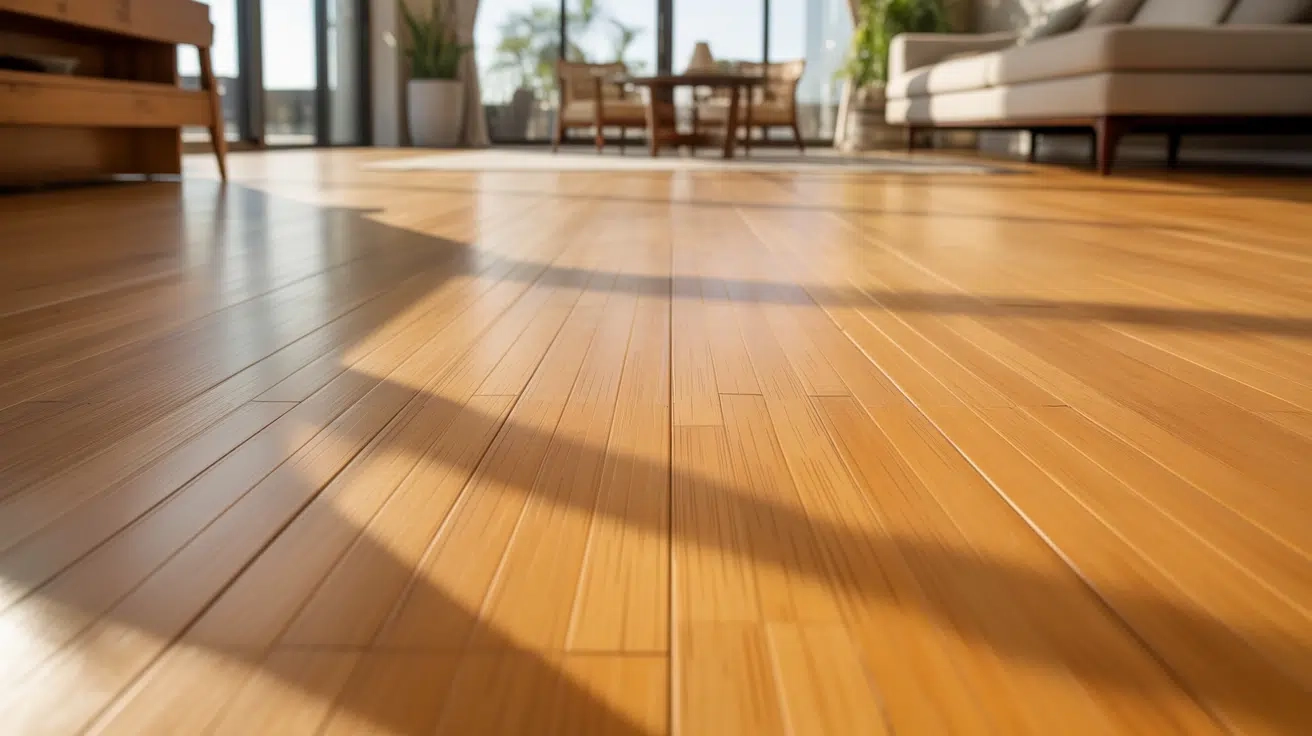
- Pitfall 3 (Overlooking Structure-Borne Floor Vibrations): Installing heavy wall insulation to block noise from upstairs without addressing footsteps or subfloor movement. Workaround: Install high-density acoustic underlayments beneath hardwood or laminate flooring, or use resilient isolation mounts for ceiling joists if working from underneath.
- Pitfall 4 (Using Improper Fasteners and Rigid Contact): Screwing soundproofing panels or drywall directly into studs without decoupling, thereby creating acoustic bridges that transmit sound waves directly through the fasteners. Workaround: Utilize resilient isolation clips or green glue damping compound between double-layer drywall sheets to absorb vibrational energy before it crosses the barrier.
- Pitfall 5 (Neglecting HVAC Ductwork Acoustic Leakage): Sound traveling seamlessly between rooms through shared heating and cooling metal duct systems, rendering wall upgrades partially ineffective. Workaround: Install acoustic duct baffles, line interior duct runs with sound-absorbing fiberglass blankets, or design indirect return air paths to block vocal transmission through vents.
The Broader Economic and Architectural Evolution of Quiet Living
The rising demand for intentional soundproofing reflects a fundamental shift in residential architecture and real estate values. Historically, open-concept floor plans dominated interior design trends, prioritizing sprawling, interconnected spaces where families could see and interact with one another continuously. While visually expansive, these layouts proved acoustically disastrous as remote work, hybrid schooling, and multi-generational living arrangements expanded. Architects and interior designers are now pivoting toward what industry professionals call "broken-plan" living—spaces that retain visual light and flow while utilizing sliding pocket doors, acoustic glass partitions, and zoned insulation to restore sound privacy when needed.
This evolution has direct financial implications for homeowners. In a real estate market where home offices and quiet multi-use spaces command a massive premium, properties equipped with intentional acoustic engineering stand out significantly. Buyers are increasingly auditing homes not just for square footage and aesthetic finishes, but for liveability and privacy. A house that allows one family member to practice an instrument, another to host a conference call, and a third to rest peacefully—all simultaneously without auditory interference—possesses a distinct market advantage.
Furthermore, sustainable building materials are transforming how we approach noise reduction. Modern acoustic underlayments, recycled cotton insulation batts, and non-toxic mass-loaded barriers allow households to upgrade their acoustic footprint without introducing harmful volatile organic compounds (VOCs) into their living environment. Soundproofing is no longer viewed as an industrial, clinical afterthought; it is recognized as a core component of sustainable interior design that prioritizes human health, long-term comfort, and environmental responsibility.
Actionable Frameworks for Maintaining Long-Term Household Acoustic Harmony
Achieving a quiet, functional household requires more than a one-time construction upgrade; it demands an ongoing operational framework that respects the acoustic boundaries you have established. To keep your living space serene over the long haul, integrate these practical habits and maintenance routines into your family’s daily rhythm.
- Establish Acoustic Etiquette and Quiet Hours: Collaborate with all household members to establish clear expectations around high-noise activities—such as vacuuming, music practice, or television gaming—during sensitive working or resting windows.
- Regularly Inspect Door Seals and Weatherstripping: Check exterior and interior door gaskets annually. Over time, rubber seals compress and degrade, allowing sound and air leaks to reopen acoustic corridors.
- Maintain Mechanical Appliances Proactively: Schedule regular servicing for refrigerators, dishwashers, HVAC blowers, and washing machines. Unbalanced drums and vibrating compressor motors are frequent culprits behind low-frequency structural hums that travel throughout a home.
- Audit Soft Furnishings Seasonally: Swap lightweight summer curtains for heavy, thermal, multi-layered drapes during colder months to add an extra layer of sound dampening across large glass window surfaces.
- Designate Flexible Zones for High-Energy Play: Rather than letting children’s activity spill into every room of the house, dedicate a specific, acoustically treated room for play, containing the energy source and protecting the rest of the dwelling from decibel fatigue.
The modern home is a complex ecosystem where work, rest, play, and family life intersect under a single roof. In this high-intensity environment, silence has transformed from a passive luxury into an active necessity for human wellbeing. When we take intentional steps to soundproof our living spaces, we are not simply blocking out noise; we are consciously designing an environment that supports our mental health, protects our cognitive focus, and honors our need for sanctuary.
The journey toward a quieter household begins with a single realization: you do not have to live at the mercy of domestic chaos. By understanding the physics of sound, applying targeted material solutions, and establishing respectful routines, you can reclaim the peace of your living space. As residential architecture continues to evolve toward human-centric design, investing in acoustic management is one of the most powerful commitments you can make to your daily quality of life. Take the first step today, audit your home’s acoustic landscape, and build the quiet sanctuary your family deserves.