Step into a corporate office at 8:00 PM, and you will likely find yourself submerged in a harsh, unrelenting glare. The overhead fluorescent tubes or high-output LED panels beam down a sterile 4000K white light at maximum amplitude. They were installed decades ago with a singular, archaic philosophy: illuminate the room so humans can see their keyboards. But this singular metric of "brightness" ignores the biological reality of the nervous system. By evening, that flat, over-lit environment signals to the brain that the midday sun is still directly overhead, suppressing melatonin production, elevating cortisol, and fostering a quiet, pervasive sense of agitation.
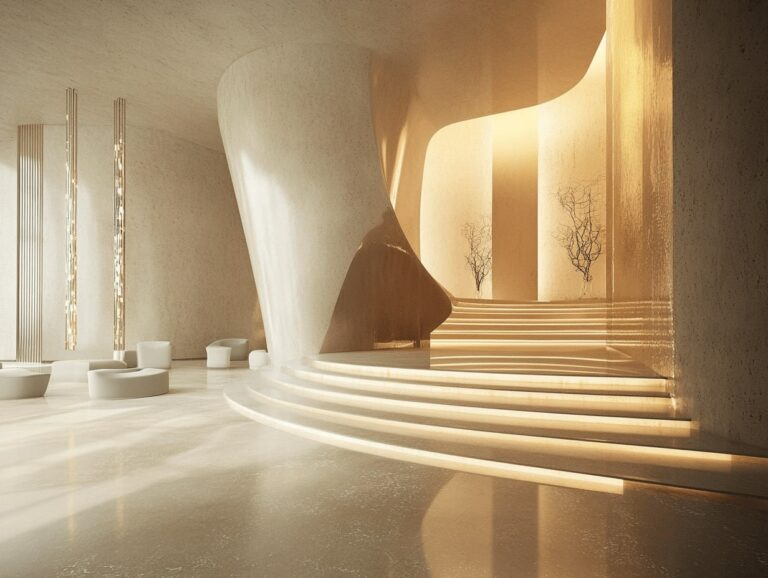
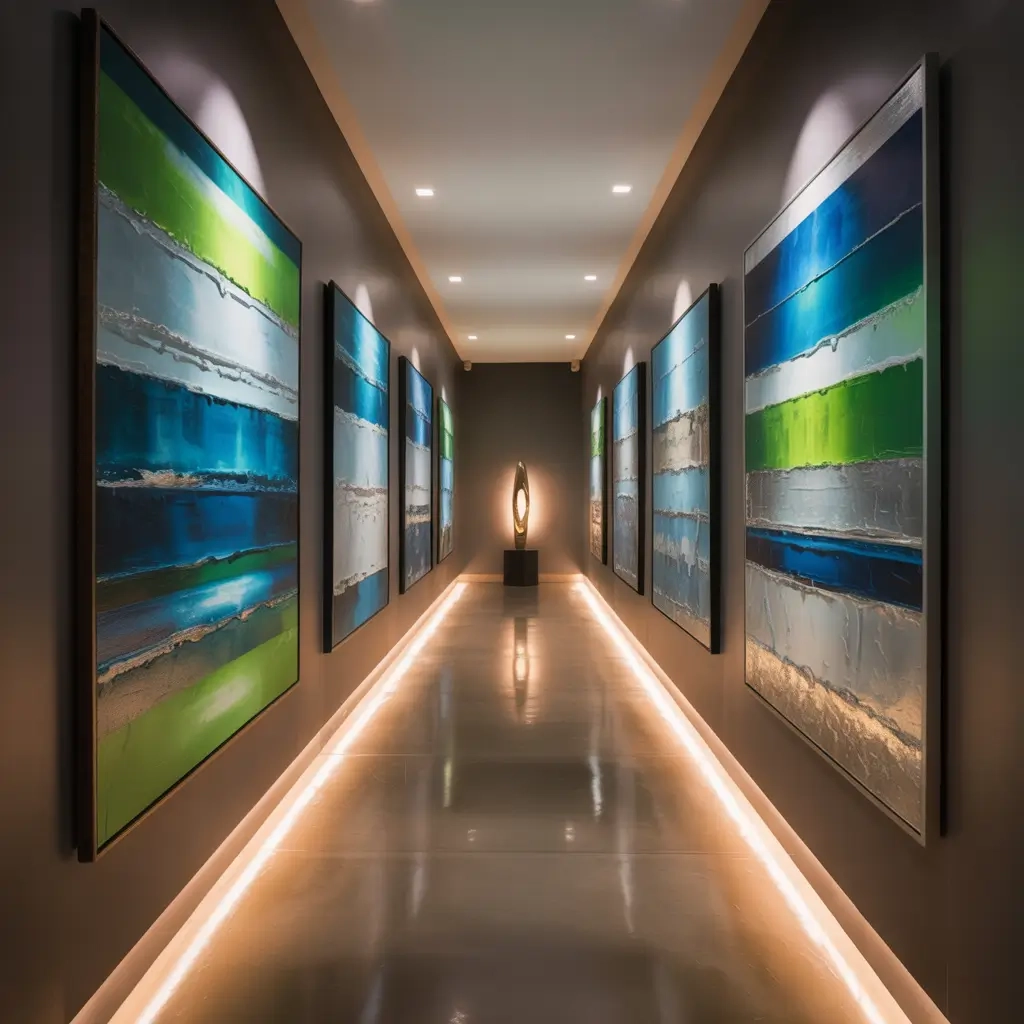
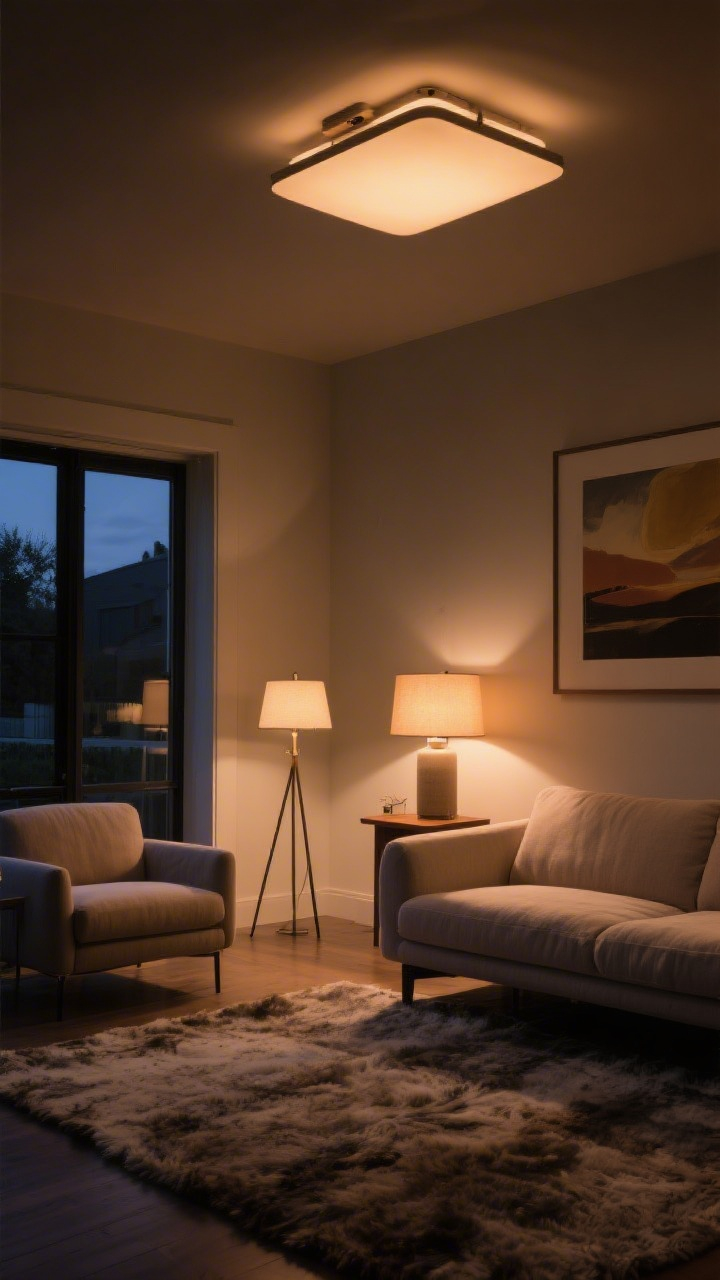
Conversely, enter a thoughtfully designed residential or hospitality space leveraging modern affective lighting systems. As the afternoon fades, the illumination shifts seamlessly. The overhead glare dissolves into low-level architectural grazing, layered floor lamps casting pools of warm 2200K amber, and gentle vertical wall washes that mimic the receding horizon of a sunset. The room does not just look darker; it feels entirely different. It feels protective, grounding, and psychologically safe. This is the core paradigm shift of contemporary lighting design: moving away from brute-force foot-candles and toward emotional architecture.
The evolution from utilitarian illumination to emotional resonance represents one of the most significant shifts in interior architecture and environmental psychology. For generations, electrical lighting was evaluated primarily through engineering efficiency—lumens per watt, uniform distribution, and glare ratings. While energy codes and foot-candle minimums remain standard benchmarks, they fail to account for how light fundamentally shapes human emotional regulation, cognitive function, and felt experience. Modern lighting controls—driven by advanced solid-state LEDs, tunable white spectra, and wireless mesh networks—are no longer merely dimmers. They are emotional instruments capable of tuning the atmosphere of a room to match the psychological needs of the people inhabiting it.
This shift is rooted in an expanding body of neurophysiological research. Scientists studying affective lighting in built environments have increasingly demonstrated that indoor lighting conditions directly modulate human affective states, stress recovery rates, and social behaviors. When we design spaces that react dynamically to human presence and emotional cadence, we stop treating buildings as static containers and start treating them as living, responsive environments. Interior designers, architects, and lighting specifiers are realizing that the most successful spaces are those that honor our evolutionary ties to the natural world—where light is never static, but an ever-shifting narrative of time, mood, and atmosphere.
The Neurobiology of Atmosphere: Moving Beyond Foot-Candles
Traditional lighting metrics were built for an industrial era obsessed with productivity and visual acuity. The standard workspace equation demanded a specific lux level at the task plane, often resulting in flat, shadowless environments that rendered offices uniform and institutional. However, human visual and neurological systems evolved under the canopy of the natural world—a dynamic, highly variable landscape characterized by dappled shade, shifting cloud cover, and the profound color transitions of dawn and dusk. When we lock human beings inside rooms with static, high-intensity overhead fixtures, we subject them to a form of sensory deprivation that directly impacts emotional stability.
To understand why emotional resonance matters, one must examine how the brain processes light through non-image-forming pathways. Beyond the rods and cones responsible for vision, our retinas contain intrinsically photosensitive retinal ganglion cells (ipRGCs). These specialized cells contain melanopsin, a pigment that responds most strongly to short-wavelength blue light, signaling our master biological clock in the suprachiasmatic nucleus. But the influence of light does not stop at circadian entrainment. Neuroimaging studies reveal that limbic structures, particularly the amygdala and the hippocampus, exhibit distinct activation patterns depending on the color temperature and spatial distribution of ambient light. Warm, low-level illumination suppresses hyper-arousal in the amygdala, signaling safety and encouraging parasympathetic nervous system dominance.
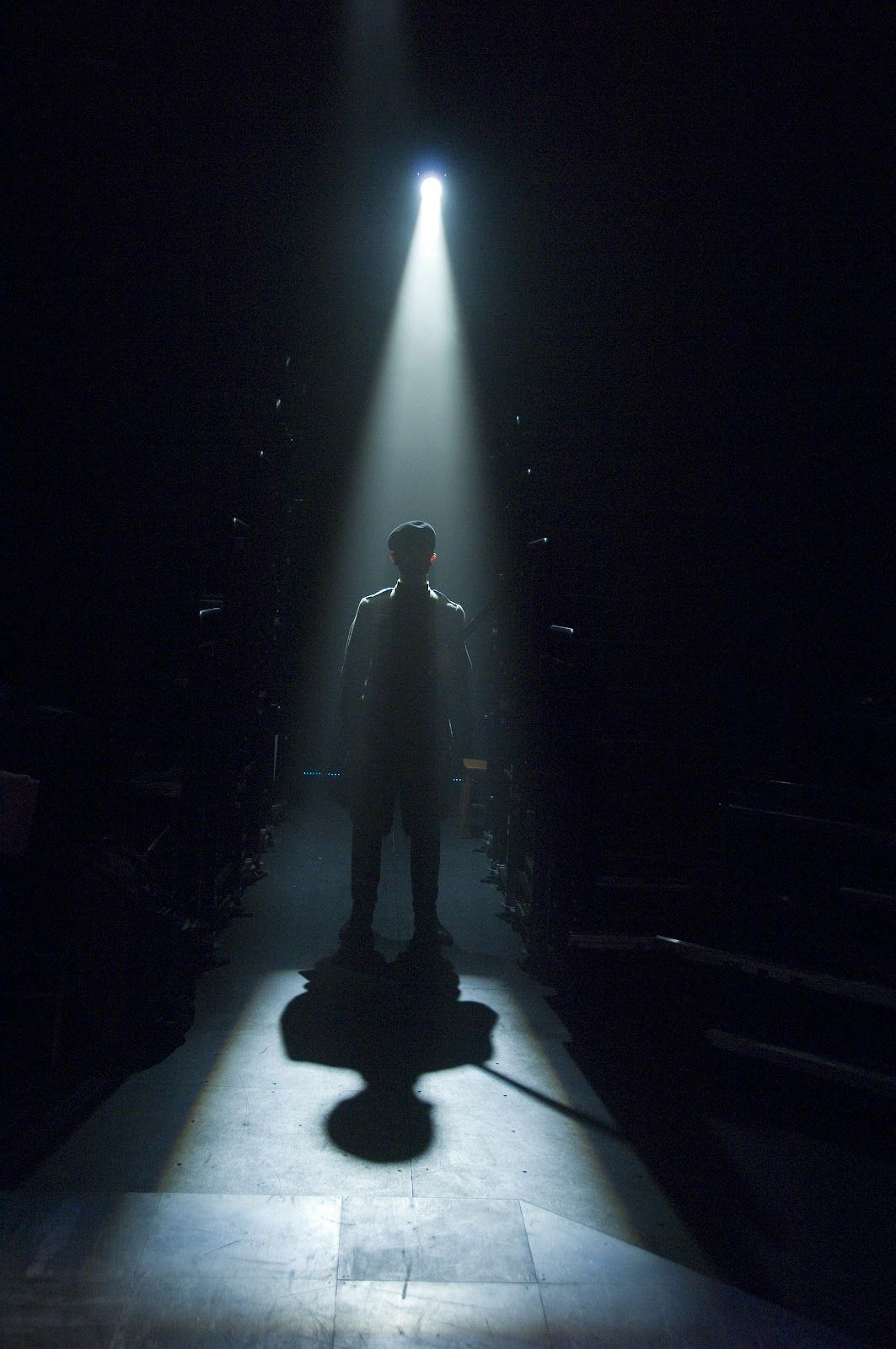
This biological reality explains why a room lit entirely by stark ceiling downlights feels hostile, regardless of how clean or expensive the furniture is. Downward-directed vectors of light create harsh facial shadows and register visually as a threat or an exposure risk in primitive human psychology. In contrast, layered lighting strategies that prioritize vertical illumination—light washing the walls rather than just bouncing off the floor—expand the perceived volume of a space and invite an open, relaxed emotional posture. Modern lighting controls give designers the granular capability to sculpt these vectors, transforming a box of drywall into a psychological sanctuary.
Furthermore, the psychological construct of environmental control plays a vital role in reducing everyday anxiety. Research into user-adjustable smart lighting systems consistently shows that when occupants are granted intuitive, tactile control over their immediate luminous environment, their subjective sense of well-being and comfort increases markedly. Being able to shift a room’s tone from a crisp, stimulating 3500K focus setting during a morning strategy session down to a restorative, candle-lit 2400K warmth for an evening conversation provides an empowering sense of agency. This control is not just about convenience; it is a direct antidote to the feeling of powerlessness often induced by rigid, automated building management systems.
The Technological Leap: Tunable White, Dim-to-Warm, and DMX Kinetics
Achieving emotional resonance through lighting would be impossible without the rapid maturation of solid-state semiconductor technology. For over a century, incandescent bulbs naturally shifted warmer as they dimmed, mimicking the physics of firelight and sunset. The advent of compact fluorescent lamps and early-generation LEDs broke this natural relationship, offering energy efficiency at the steep cost of ghostly, greenish hues and erratic dimming curves that produced visual flicker and psychological unease. Today’s architectural lighting ecosystem has overcome these hurdles, introducing sophisticated digital control protocols that allow for unprecedented precision in color rendering and spectral output.
At the heart of this technological shift are advanced tunable white LEDs and dim-to-warm fixtures. Tunable white systems separate the control of correlated color temperature (CCT) from dimming intensity. This separation allows a space to maintain a high level of brightness while shifting to a warm, cozy color temperature, or conversely, to dim down to a whisper of light while retaining a crisp, clear spectrum if analytical focus is required. Meanwhile, dim-to-warm fixtures replicate the incandescent curve digitally, dropping smoothly from 3000K down to a deep, amber 1800K as the voltage drops. This subtle spectral transition triggers deep-seated psychological associations with evening, relaxation, and rest.
Beyond individual fixtures, the integration of digital multiplexing (DMX), DALI-2 protocols, and wireless mesh networks like Casambi or Zigbee has democratized complex lighting choreography. Modern lighting control systems do not rely on simple wall toggles; they use scene-based programming that coordinates dozens of distinct lighting zones across a floor plan. A single button press labeled "Restoration" can trigger a pre-set macro where perimeter wall washers dim to 10%, linear shelf accents glow at 2200K, and architectural downlights fade entirely out of sight. This level of granularity turns the lighting designer into a scenic director, crafting spaces that breathe and evolve in tandem with the human activities taking place within them.
It is also worth noting the critical role of color rendering index (CRI) and TM-30 fidelity metrics in emotional lighting design. High-CRI sources (typically 90+ Ra, with high R9 values for rich reds) ensure that skin tones, textiles, and organic materials look natural and vibrant. When light distorts color—making skin look sallow or wooden tones look muddy—the human brain registers a subtle, often subconscious dissonance that contributes to visual fatigue and emotional discomfort. Emotional resonance relies on fidelity; when the light flatters the materials it touches, the space feels authentic, rich, and deeply welcoming.
Implementing Human-Centric Lighting: A Practical Step-by-Step Methodology
Translating the philosophy of emotional lighting into physical reality requires a methodical approach to spatial programming, hardware selection, and control commissioning. Too often, projects fail because smart systems are installed with an overabundance of technical complexity and a complete lack of intuitive human mapping. To design spaces that genuinely nurture well-being, professionals must follow a structured implementation framework.
- Step 1 (Auditing Human Activity and Emotional Intent): Begin by mapping out how the space will be used across a 24-hour cycle, identifying the primary emotional states required in each zone. Instead of asking "How many lumens do we need here?", ask "Should this corner invite introspective calm, social collaboration, or high-focus concentration?" Define specific psychological anchors for morning, afternoon, and evening routines.
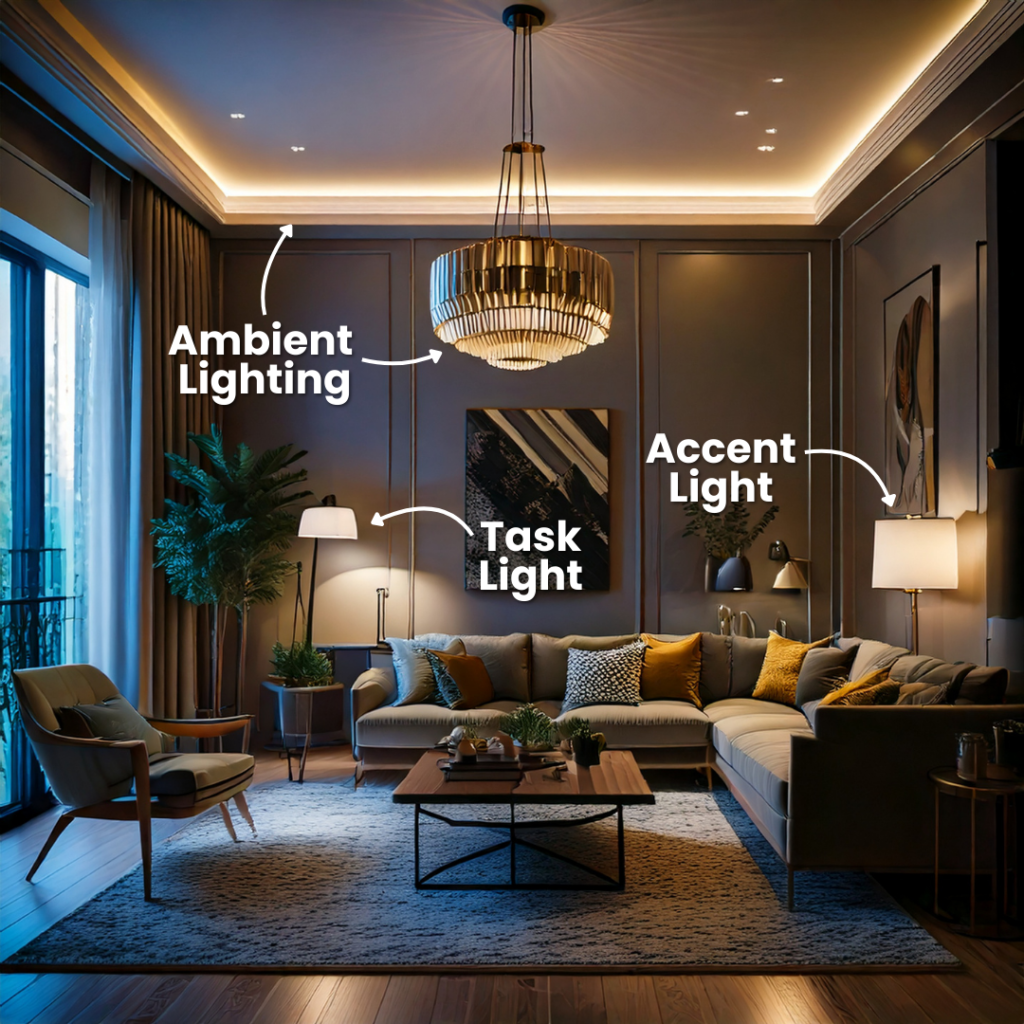
- Step 2 (Layering the Luminous Hierarchy): Abandon the flat, uniform ceiling grid and design using the three-layer rule: ambient, task, and accent lighting. Emphasize vertical illumination by washing walls with soft, indirect light to expand the room’s perceived boundaries. Ensure that direct glare is minimized by specifying deep-recessed fixtures with low cutoff angles or shielded lenses.
- Step 3 (Selecting Tunable and High-Fidelity Hardware): Source LED fixtures with robust color tuning capabilities (typically ranging from 2700K to 5000K for workspaces, or 1800K to 4000K for living spaces) and a minimum CRI of 90. Ensure that drivers support flicker-free, deep dimming down to 0.1% to prevent the visual stutter that causes subconscious stress during low-light conditions.
- Step 4 (Programming Intuitive Scene-Based Controls): Program wall keypads and mobile applications with clear, human-centric scene names rather than technical jargon. Instead of labeling settings by circuit numbers or percentages, use evocative, functional descriptors like "Morning Energy," "Deep Work," "Evening Wind-Down," and "Late Night Guidance." Keep physical wall controls simple and accessible to preserve user agency.
- Step 5 (Automating Circadian Transitions with Override Capability): Integrate astronomical timeclocks and real-time solar tracking to gently adjust color temperature and intensity throughout the day without jarring transitions. Crucially, always provide easy manual overrides so occupants can temporarily lock in a preferred mood when their immediate tasks or emotional states diverge from the automated schedule.
Avoiding Common Traps: Pitfalls and Field-Tested Workarounds
Even with the best intentions, implementing advanced lighting controls can easily go off the rails. Technology for its own sake often creates more frustration than comfort, turning what should be a soothing sanctuary into a frustrating technological obstacle course. Recognizing these common missteps prevents costly design failures and ensures the finished environment truly serves human needs.
- Pitfall 1 (Over-Automating Without User Override): Fully automated circadian systems that aggressively shift color temperatures without warning can feel dictatorial and jarring when an occupant is trying to finish a detailed task late at night. Workaround: Always pair automated schedules with tactile, easy-to-reach manual wall keypads that allow users to pause or override the automation instantly.
- Pitfall 2 (Excessive Technical Complexity on Wall Controls): Installing wall plates with ten unlabeled buttons or relying entirely on smartphone apps for basic adjustments creates cognitive fatigue and friction. Workaround: Limit standard wall stations to three or four clearly understood scenes, reserving granular parameter adjustments for commissioning software or secondary interfaces.
- Pitfall 3 (Ignoring Glare and Surface Reflectance): Specifying high-output tunable fixtures without considering how polished concrete, glass, or glossy finishes will bounce the light results in blinding specular glare. Workaround: Balance direct downlighting with matte interior finishes, asymmetric wall-washers, and indirect cove lighting to diffuse luminance evenly across the visual field.
- Pitfall 4 (Using Low-Quality Drivers with Visible Flicker): Selecting cheap LED drivers to cut hardware costs often introduces high-frequency pulse-width modulation (PWM) flicker that causes chronic headaches and eye strain. Workaround: Specify flicker-free drivers certified to IEEE 1789 standards, ensuring smooth, linear dimming curves down to ultra-low percentages.
- Pitfall 5 (Treating Color Tuning as a Gimmick): Programmers sometimes lean into extreme color shifts—such as flashing vivid blues or aggressive purples—under the misguided notion that dynamic color equals emotional design. Workaround: Anchor color tuning within natural, biophilic parameters, restricting dynamic shifts to subtle, organic variations along the Planckian locus from warm amber to crisp daylight white.
The Broader Horizon: Economic Value, Sustainability, and Architecture
The transition toward emotional lighting is not merely an aesthetic luxury or a niche wellness trend; it is rapidly becoming a fundamental pillar of modern sustainable architecture and corporate strategy. In commercial real estate, employee retention and productivity are deeply tied to indoor environmental quality. Studies conducted across corporate workspaces indicate that access to dynamic, human-centric lighting significantly reduces midday fatigue, lowers absenteeism, and boosts overall cognitive performance. When a building actively supports the emotional and biological well-being of its workforce, the return on investment manifests quickly through enhanced engagement and lower turnover.
Simultaneously, the integration of advanced lighting controls plays a vital role in meeting aggressive net-zero energy goals. While older lighting paradigms achieved energy savings purely by turning lights off or dropping them to uncomfortably low static levels, modern intelligent systems combine daylight harvesting, occupancy sensing, and precise scheduling. By dimming artificial lights in response to incoming natural sunlight or scaling back output in unoccupied zones, smart controls reduce total energy consumption without sacrificing the perceived quality or emotional warmth of the space. Sustainability is no longer about living in the dark; it is about using light with surgical, intelligent precision.
On a residential level, this design philosophy reflects a profound cultural shift in how we view our homes. The home is no longer just a place to sleep and store belongings; it has transformed into a multi-functional sanctuary for remote work, creative pursuits, stress recovery, and family connection. Lighting controls act as the invisible conductor of this domestic orchestra. A single residence can transition from a crisp, high-focus digital studio at 10:00 AM into a soft, intimate dining room by 7:00 PM, all driven by the subtle modulation of light fixtures that respect the emotional cadence of human life.
As architectural standards such as WELL Building Certification and LEED continue to prioritize mental health, occupant comfort, and biophilic design principles, emotional lighting is cementing its place as a non-negotiable standard of professional practice. The architects, designers, and engineers who master this craft are those who recognize that buildings are felt before they are analyzed. By treating light as a medium of emotional expression rather than a mere utility, we create spaces that do not just shelter us, but actively care for us.
Recommendations for Practitioners: Building an Emotional Lighting Toolkit
For lighting designers, interior architects, and forward-thinking builders looking to operationalize emotional resonance in their next projects, success requires a disciplined integration of hardware selection, spatial storytelling, and commissioning expertise. The following framework serves as a practical guide for elevating everyday lighting designs into transformative human experiences.
- Recommendation 1 (Prioritize Vertical Illumination over Horizontal Task Mismatch): Always ensure that vertical surfaces—walls, artwork, drapery, and architectural details—receive adequate luminance. Vertical light defines the perceived scale and openness of a room, directly influencing feelings of spatial containment and psychological safety.
- Recommendation 2 (Establish a Strict Dimming Floor): Never specify fixtures that drop off abruptly or flicker at low percentages. Insist on high-end drivers capable of smooth, continuous dimming down to 0.1% to ensure that evening settings maintain an intimate, candle-like tranquility without digital artifacts.
- Recommendation 3 (Incorporate Biophilic Color Transitions): Program automated control systems to mirror the natural color temperature curve of the local latitude, gently shifting from warm amber tones in early morning and late evening to crisp, energizing daylight spectra during peak cognitive hours.
- Recommendation 4 (Design for Spatial Layering): Avoid relying on a single layer of ceiling downlights. Combine recessed architectural accents, indirect cove lighting, and low-level decorative fixtures to create a rich, customizable luminous hierarchy that occupants can adjust to suit their immediate emotional needs.
- Recommendation 5 (Empower the User with Intuitive Control): Provide physical, beautifully crafted wall interfaces with clearly labeled, activity-based scenes. Ensure that automation serves as a supportive baseline rather than an inflexible rule, giving human occupants ultimate agency over their atmospheric environment.
The journey of lighting design from the flickering gaslamps of the nineteenth century to the sophisticated, neurobiologically attuned digital ecosystems of today tells a story of deepening empathy. For too long, our built environments were engineered for machines and metrics, treating human beings as standardized units that required a fixed amount of illumination to operate efficiently. We built bright, uniform boxes and wondered why our minds felt restless, our bodies grew fatigued, and our spaces felt hollow.
Today, we stand at the threshold of a new era where technology serves human emotion rather than dictating it. By recognizing that light is a profound psychological medium—capable of easing anxiety, restoring focus, and signaling safety—we unlock the true potential of interior architecture. Modern lighting controls are the tools of this transformation, bridging the gap between cutting-edge semiconductor engineering and timeless human biology.
As we look toward the future of design, the mandate is clear. We must continue to push beyond the simplistic pursuit of brightness, embracing an ethos where every lumen has a purpose, every shadow has a function, and every transition honors the rhythm of human life. In doing so, we create spaces that do not merely illuminate the world around us, but light the path toward our own collective well-being.