Ever walked into a room that just felt right, but you couldn’t quite finger the reason why. Chances are, it wasn’t the furniture or the paint color. It was the lighting. Most of our homes suffer from "ambient overwhelm"—that sad state where a single, blinding ceiling fixture blasts everything with the intensity of a high-security prison. It flatens our spaces and saps our energy.
But light doesn’t have to be a blunt instrument. In fact, it is a highly malleable medium. By understanding the physics of how light waves interact with surfaces and our own biology, we can use modern flexible track systems to literally sculpt an environment. Let’s dive into how these bendable wonder-tools allow us to layer light like a pro, creating spaces that feel alive, cozy, and functional all at once.
The Secret Ingredient: What is Layering, Anyway?
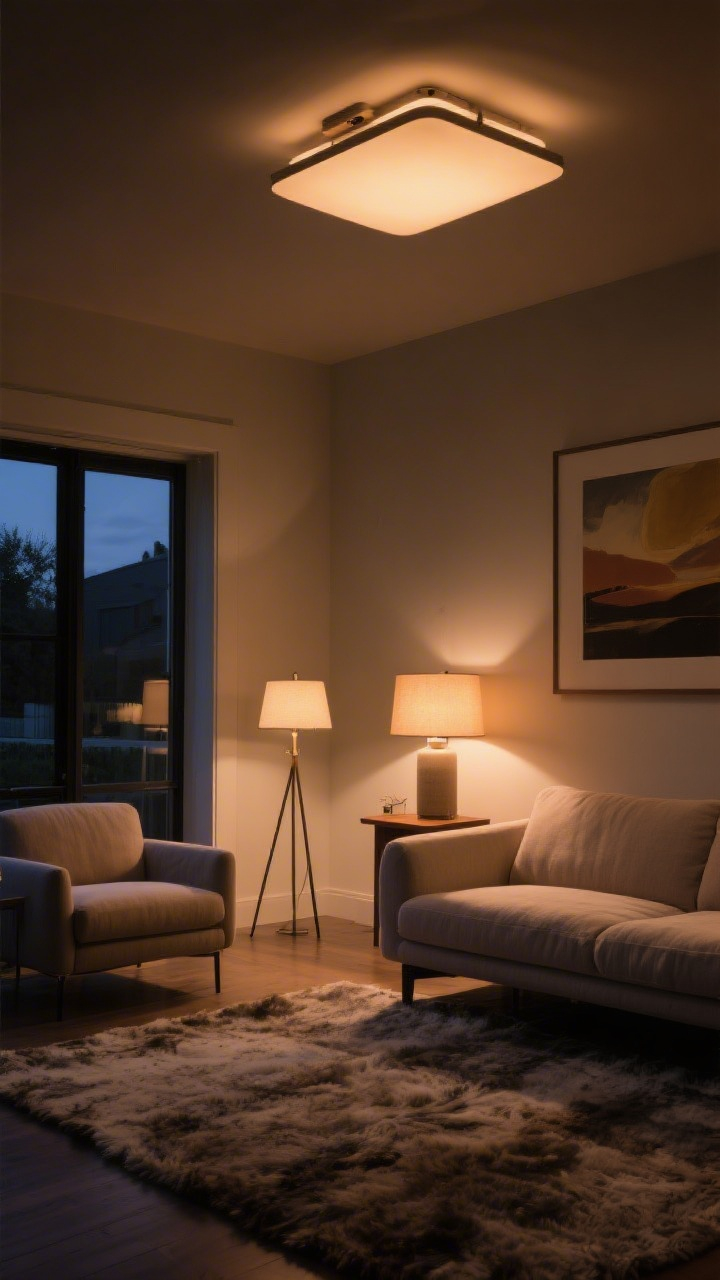
Think of lighting a room the same way a chef builds a complex sauce or a musician constructs a symphony. You don’t just blast one loud note. In lighting design, we rely on three distinct layers: ambient (general illumination), task (focused beams for working), and accent (drama and flair).
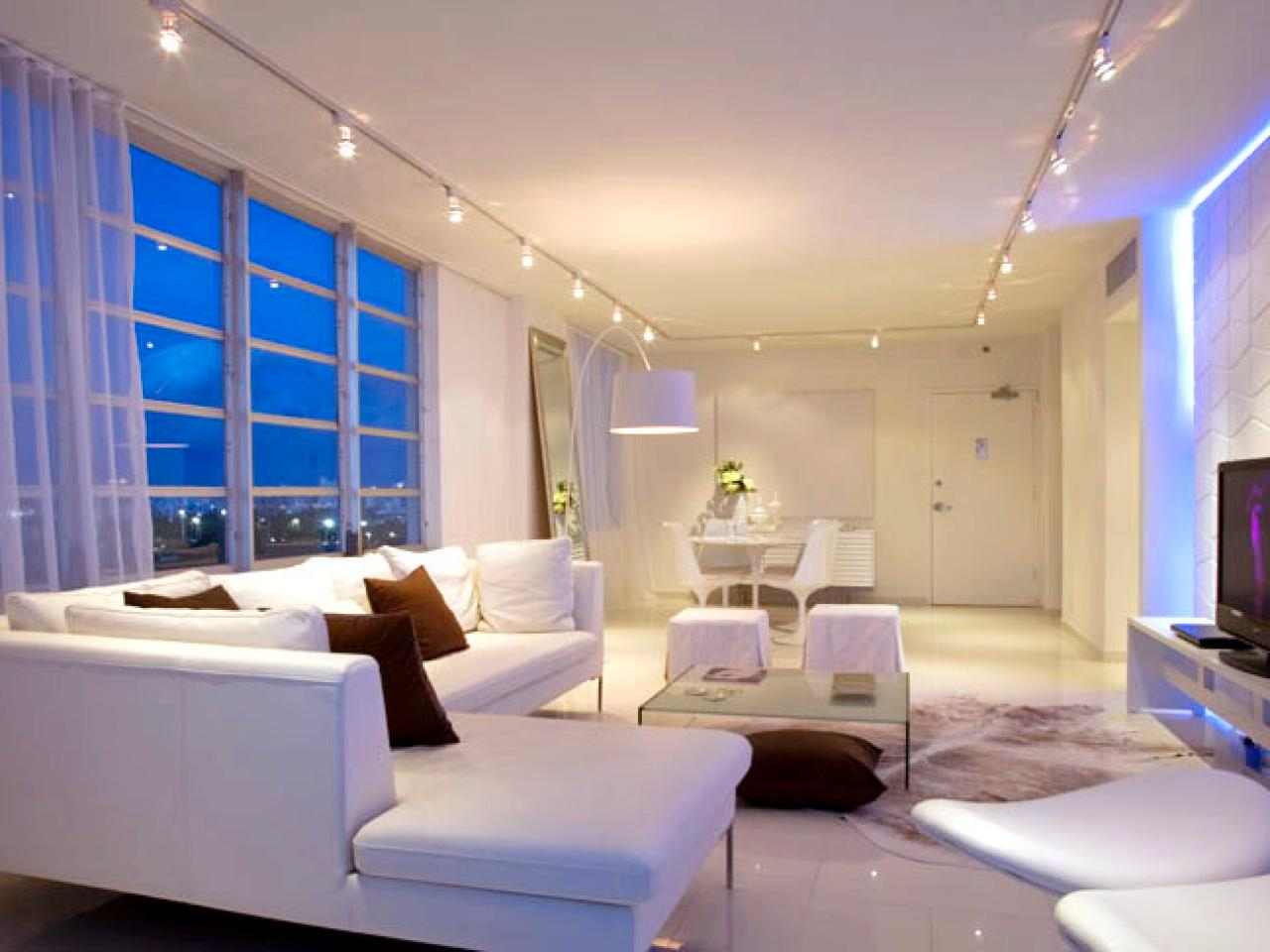
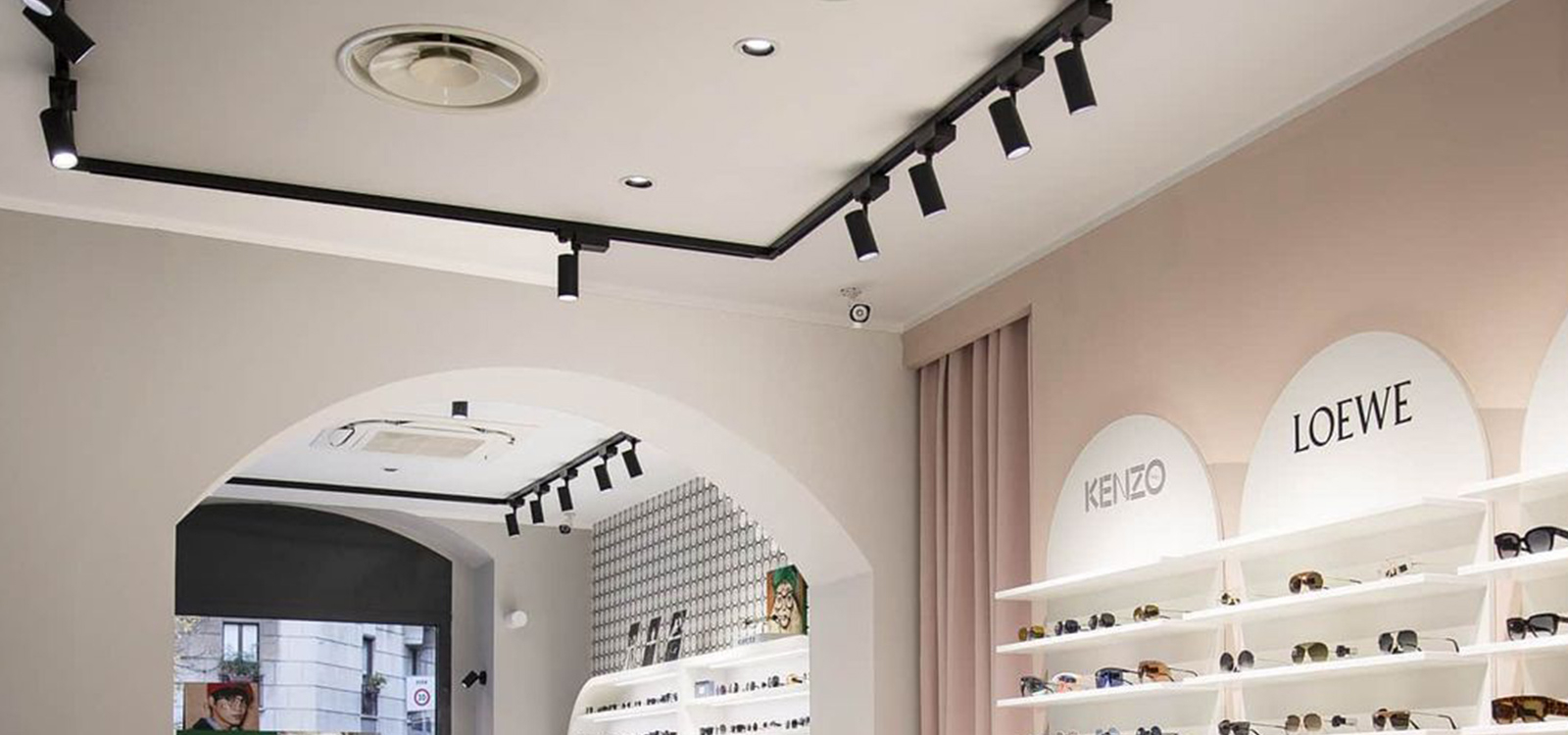
When these three layers overlap correctly, something magical happens. Your eyes relax because the contrast ratios are balanced. Flexible track systems are uniquely suited for this because they break free from the rigid grids of traditional recessed cans or old-school straight tracks. They allow you to snake a single power source across a ceiling, dropping a pool of task light here, and washing a wall with accent warmth there.
The Physics of Softness: Diffuse vs. Directional Waves
Why do some lights make us feel agitated while others calm us down? It all comes down to how light waves bounce around. Direct, unshielded light sources create harsh, dark shadows. This high-contrast environment forces your pupils to constantly dilate and constrict, leading to eye strain and headaches.
[Image of specular vs diffuse reflection of light]
Flexible tracks let you play with the behavior of photons by choosing different fixtures for the same rail. By aiming a directional spotlight at a textured brick wall, you create a soft, scattered reflection known as diffuse lighting. The wall becomes the light source, spreading a gentle, glare-free glow throughout the space. It’s an easy trick that instantly softens the hard angles of a room.
Bending the Beam: The Freedom of Flexible Geometry
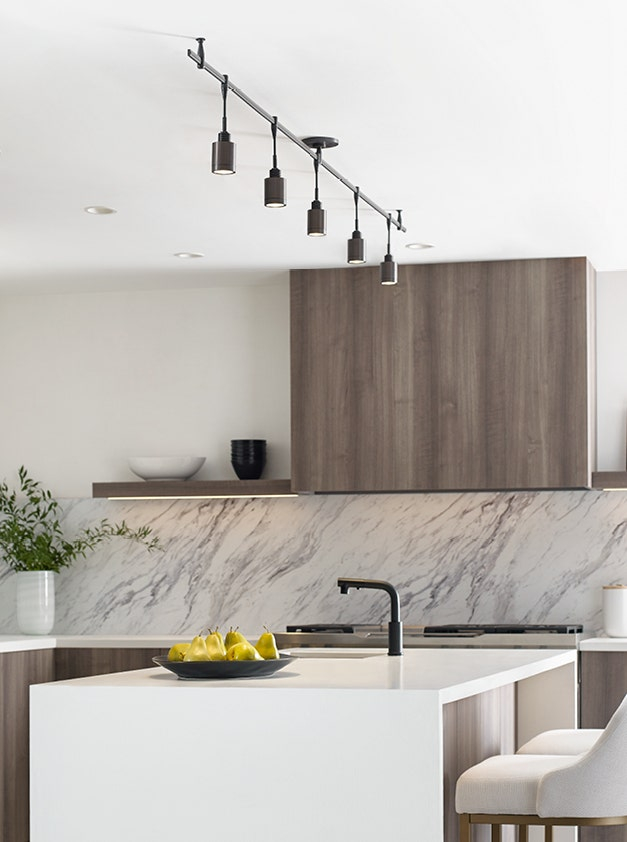
Traditional lighting forces you to adapt your life to the fixtures. If your dining table isn’t directly under the junction box, you’re eating in the dark. Flexible tracks flip that dynamic on its head. Made from bendable materials like aluminum or composite polymers, these tracks can be curved by hand to mimic the natural flow of your room.
Imagine a serpentine track winding its way through an open-concept living area. It can curve around an architectural pillar, follow the contour of a kitchen island, and then veer off to illuminate a bookshelf. You are no longer constrained by straight lines, which means you can place the actual light sources exactly where the lux—the measurement of light intensity—is needed most.
Color Temperatures and Your Internal Clock
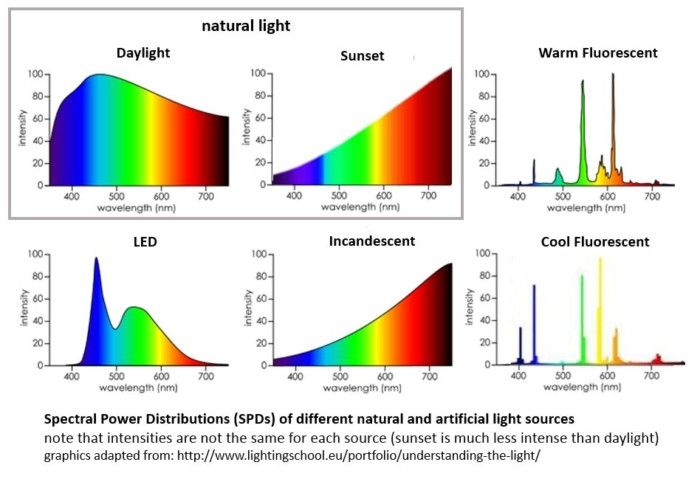
We can’t talk about the science of light without talking about circadian rhythms. Our bodies are hardwired to respond to the changing color of the sun. Cool, blue-tinted light (around 5000 Kelvin) tells our brains to wake up and focus. Warm, amber light (around 2700 Kelvin) signals that it’s time to wind down.
[Cool Blue (5000K)] ---> Signals Wakefulness / Focus
[Warm Amber (2700K)] ---> Signals Relaxation / Melatonin
With modern flexible track systems in 2026, you aren’t locked into one vibe. Many systems now support tunable white LED heads. This means your track can pump out crisp, bright light during your afternoon remote-work hours, and then smoothly shift to a rich, candle-like glow when you’re pouring a glass of juice or winding down for bed.
Beam Angles and Visual Hierarchy
Every light fixture has a beam angle, which dictates how wide the cone of light spreads as it leaves the source. A wide floodlight might have a 60-degree spread, while a tight pinpoint spot might only have 15 degrees.
- Wide Floods (60°+): Excellent for filling in the blanks and creating your baseline ambient layer.
- Narrow Spots (15°-24°): Perfect for cutting through the ambient noise to highlight a piece of art or a beautiful vase.
By mixing different beam angles on a single flexible track, you build a visual hierarchy. The human eye is naturally drawn to the brightest, highest-contrast point in a room. By narrowing the beam on a specific architectural feature, you guide a person’s gaze through the space, making a small room feel significantly larger and more dynamic.
Ready to experiment with this physics experiment at home? Don’t worry, it’s less complicated than it sounds. Start by identifying your tasks. Where do you read? Where do you chop veggies? Position your flexible track so you can attach a pendant or directional head directly above those zones to avoid casting shadows with your own body.
Next, look for opportunities to bounce light. If you have a sloped ceiling, curve the track and point a few heads upward. This turns your entire ceiling into a massive reflector, making the room feel incredibly airy. Lastly, always install a dimmer switch. Being able to control the intensity of your layered light is the ultimate secret weapon for creating an instant mood shift.
At the end of the day, lighting isn’t just about utility; it’s about emotion. By embracing flexible track systems, you stop treating light as an afterthought and start using it as a dynamic design tool. You don’t need a degree in optical engineering to get it right—just a willingness to bend the rules, and the tracks, to fit your life.