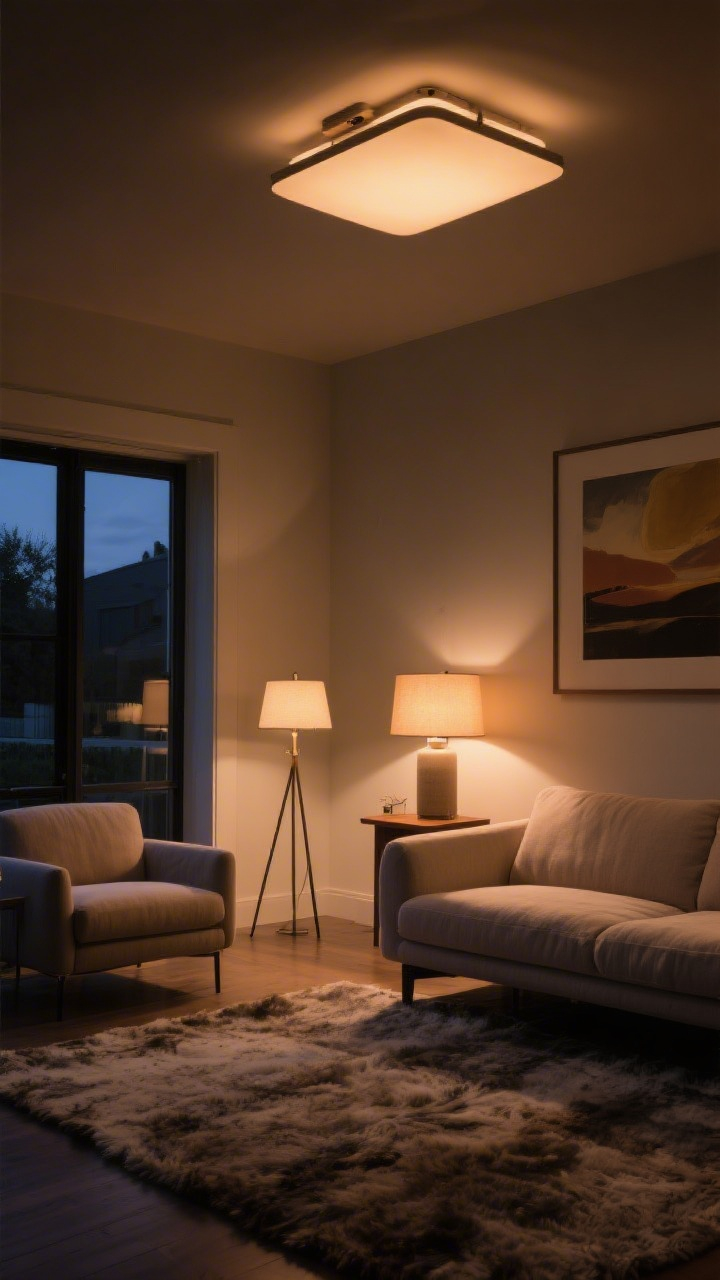
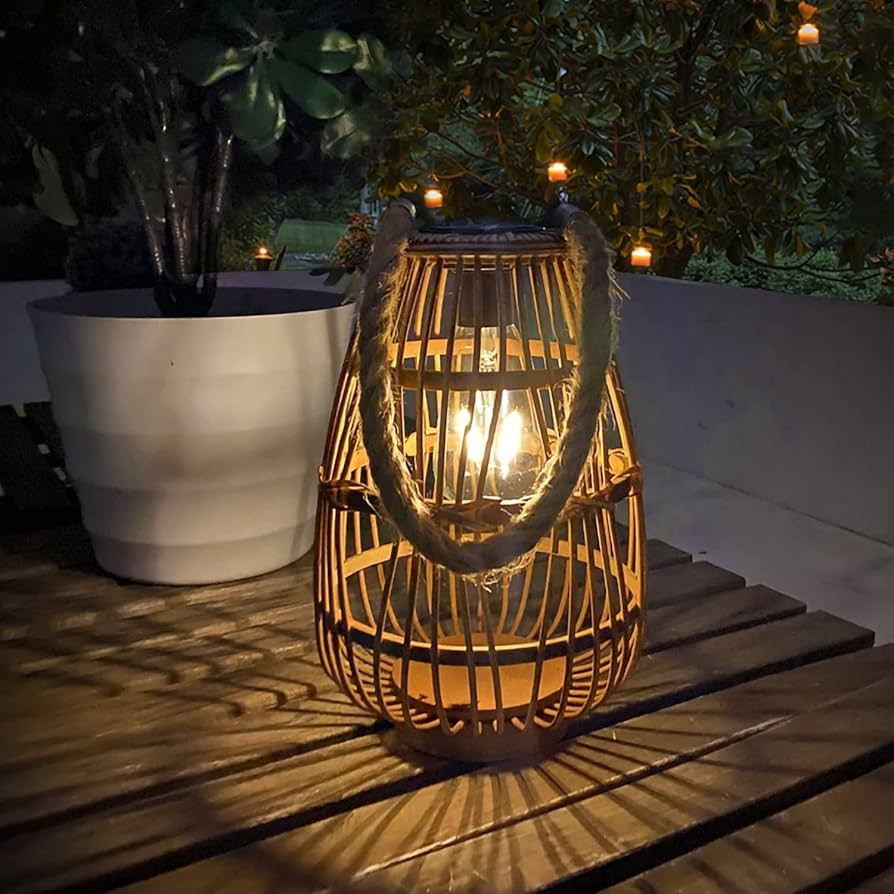
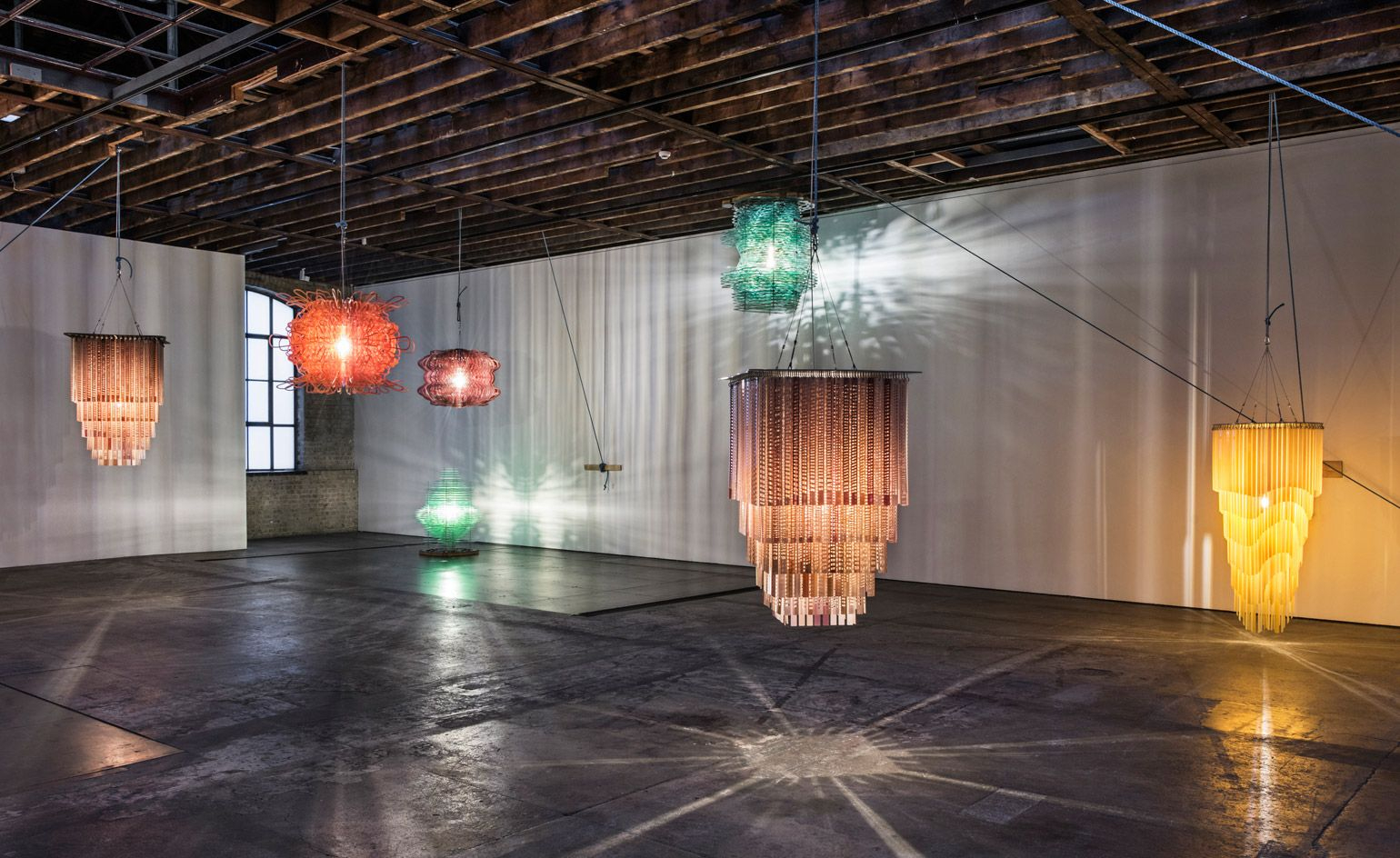
Step into a newly renovated loft in Brooklyn, a boutique coffee shop in Seattle, or a minimalist Scandinavian living room, and look upward. Chances are high that your eyes will catch a cluster of glowing amber bulbs, their intricate wire filaments winding in loops, cages, or vertical spirals. There is a palpable warmth radiating from these fixtures, a hypnotic honey-colored hue that instantly softens concrete walls and smooths out the cold edges of stainless steel. We do not just use these lights to illuminate a room; we use them to curate an atmosphere, summon a specific era, and introduce an unmistakable element of industrial artistry into our living spaces.
This widespread obsession with visible filaments and hand-blown glass is more than a fleeting design fad. It represents a direct, unbroken line stretching back over a century to the Menlo Park laboratory of Thomas Alva Edison. While Edison spent thousands of sleepless nights trying to solve the practical dilemma of prolonged incandescent illumination, he inadvertently engineered something else entirely: a visual icon. The very structural necessity that drove his early work—the glowing carbon filament suspended within a vacuum-sealed glass envelope—has been resurrected, re-engineered, and elevated into the crown jewel of contemporary interior design.
Understanding why these historical fixtures dominate modern catalogs requires looking past the glossy marketing brochures of contemporary decor brands. It demands an appreciation of how industrial utility transforms into high art over time. When Edison and his team tested bamboo, cotton, and eventually carbonized paper threads inside glass bulbs in the late 1870s and 1880s, they were strictly chasing utility, seeking a reliable substitute for gas lamps that could burn for hundreds of hours without turning to ash. Yet, human psychology has a funny habit of taking the functional tools of past industrial revolutions and romanticizing them. Today, we pay premium prices to bring those exact working-class mechanics back into our homes, trading clinical brightness for an emotional connection to history.
The Industrial Archaeology of the Carbon Filament Revolution
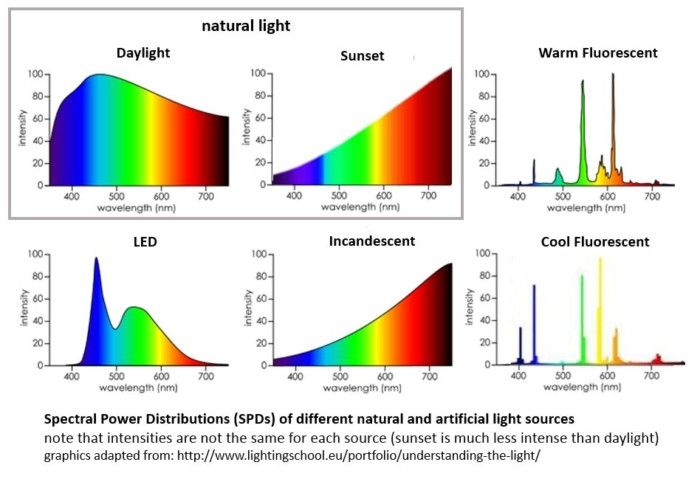
To grasp why exposed-filament lighting commands such loyalty in interior architecture, one must deconstruct the physics and history of the original Edison designs. In an era before mass power grids, every watt of electricity was fiercely contested. Edison understood that an electric lamp was only as good as its resistance material. His breakthrough came when he carbonized a specialized bamboo sliver, mounting it between platinum clamping wires inside an evacuated glass globe. When energized, this delicate thread glowed with a distinctive, fiery orange color temperature, typically hovering around 2200K to 2400K.
That specific color temperature is the secret weapon of modern decorative lighting. Human retinas evolved under the warm, fading light of campfires and sunsets, making high-Kelvin, blue-tinted fluorescent or stark white LED light feel sterile and psychologically jarring after dark. Edison’s historic color output mimics natural dusk, signaling the brain to wind down. When modern manufacturers recreate these bulbs, they are purposefully bottlenecking the color temperature to replicate the physical limitations of early carbon. The result is a cozy, amber-tinted wash that renders skin tones favorably and casts soft, dramatic shadows across interior spaces.
Furthermore, the geometry of the filament matters deeply. Early inventors experimented with hairpin loops, spirals, and double-loops to maximize the light-emitting surface area within a compact glass envelope. Today, lighting designers use these historical configurations as a blank canvas. When you purchase an ST19, ST21, or G25 globe bulb featuring a cage or spiral LED filament, you are buying a direct mechanical descendant of those late 19th-century experiments. The bulb ceases to be a mere accessory; it becomes a sculptural focal point that demands to be left unhidden by heavy shades or frosted diffusers.
This architectural shift—moving from concealed light sources to celebrated ones—fundamentally altered how homes are built and decorated. For decades, interior design prioritized invisible illumination, tucking bulbs behind valances, recessed ceiling cans, or opaque glass globes to reduce glare. Edison-inspired fixtures completely flipped this philosophy on its head. By turning the light source itself into the ornament, designers could pare back the surrounding hardware, favoring minimalist brass sockets, black iron cages, and braided cloth cords that let the bulb command center stage.
Modern Engineering Meets Historical Nostalgia
A common misconception among homeowners is that installing vintage-style lighting means accepting 19th-century utility bills and extreme heat output. True authentic incandescent Edison bulbs do exist, and purists occasionally use them for short-duration ambient settings, but they are notoriously inefficient. Traditional carbon or tungsten filament bulbs convert only a tiny fraction of electrical energy into visible light, losing the vast majority as ambient heat while burning out after just 1,000 to 3,000 hours of operation. If a homeowner were to populate an entire multi-fixture chandelier with old-school incandescent Edison bulbs, their electric meter would spin rapidly, and their rooms would quickly turn uncomfortably warm.
Enter the LED revolution, which saved the decorative vintage aesthetic from obsolescence. Modern manufacturers solved this thermodynamic puzzle by wrapping microscopic, highly efficient LED chips inside a flexible, linear substrate coated in a yellow phosphor material. These synthetic filaments mimic the exact thickness, curvature, and warm glow of traditional carbon wires while drawing up to 85 percent less electricity and running cool to the touch. This technological bridge allows designers to cluster dozens of oversized globe or tubular bulbs across commercial restaurant ceilings or residential dining rooms without triggering thermal overload or bankrupting the client on utility costs.
Beyond energy savings, the durability of LED-based Edison replicas transformed how these lights are deployed in high-traffic environments. Traditional tungsten filaments are fragile; a minor bump to a pendant lamp could shatter the internal support wires, instantly killing the bulb. Modern LED filaments are mounted on solid-state substrates that withstand normal vibrations, making them viable for outdoor string lighting, bustling restaurant bar areas, and dynamic children’s play spaces. The glass enclosures are also thicker, often utilizing heavy-duty borosilicate or tinted amber glass that protects the internal diodes while deepening the vintage color saturation.
This intersection of old-world charm and cutting-edge semiconductor physics has expanded the market exponentially. Consumers no longer have to choose between saving the planet’s resources and achieving an authentic industrial aesthetic. They can screw a high-efficiency amber-glass ST58 bulb into a reclaimed wooden beam fixture and rest easy knowing it will last for 15,000 hours, maintain a steady 2200K output, and dim smoothly without flickering or buzzing when paired with modern electronic trailing-edge dimmers.
Designing Spaces Around Exposed-Filament and Vintage Lighting
Integrating Edison-inspired fixtures into a cohesive interior design plan requires a delicate touch. Because these bulbs are inherently bright and demand visual attention, treating them like standard utility lighting will quickly result in a cluttered, visually chaotic space. Successful implementation relies on understanding scale, contrast, and fixture placement, transforming individual lamps into intentional anchors for the room’s overarching design narrative.
- Step 1 (Select the Right Bulb Shape for the Fixture Scale): Match your bulb geometry to the scale of the room and the enclosing hardware. Use long, slender ST19 or tubular T14 bulbs for narrow sconces and pendant cages, while reserving oversized G40 or G80 round globes for open-frame chandeliers and multi-light dining room clusters where the bulb is fully exposed.
- Step 2 (Establish Layered Ambient and Task Zones): Never rely solely on Edison bulbs for intense task work like kitchen prep or office reading. Pair your decorative ambient fixtures with hidden under-cabinet LEDs or directional task lamps to ensure functional workspace illumination without straining your eyes.
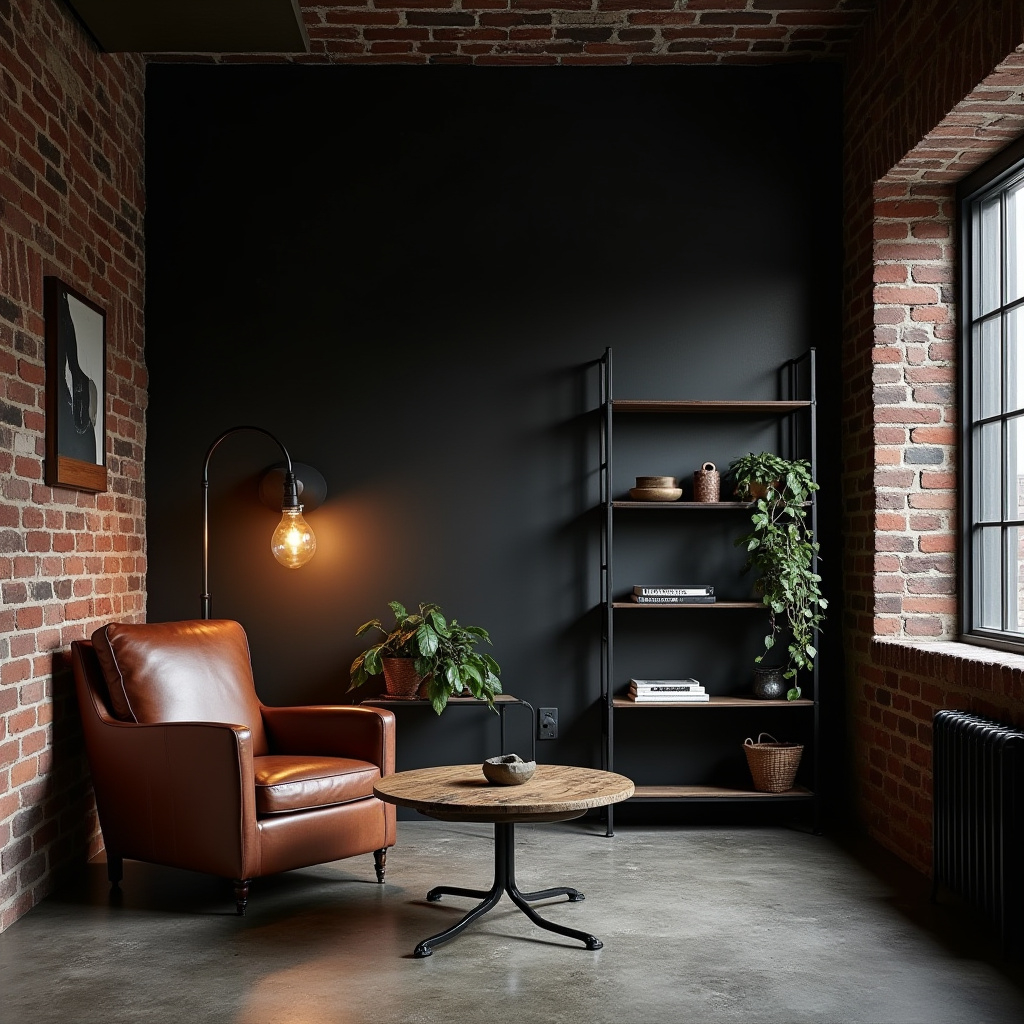
- Step 3 (Choose Complementary Industrial and Organic Materials): Anchor your vintage lighting by pairing them with raw, tactile materials. Suspend bulbs using twisted fabric cords against exposed brick walls, distressed timber beams, poured concrete countertops, or matte-black iron pipes to cement an authentic industrial or modern farmhouse aesthetic.
- Step 4 (Incorporate Quality Electronic Dimmers): Install LED-compatible ELV (Electronic Low Voltage) dimmers on every circuit featuring vintage bulbs. Dropping the output to 20 or 30 percent intensifies the fiery amber glow of the filaments, instantly shifting a room from daytime casual to moody, intimate evening ambiance.
- Step 5 (Mind the Color Temperature Consistency): Ensure all decorative bulbs in the same line of sight share identical Kelvin ratings—ideally between 2100K and 2400K. Mixing a warm 2200K amber bulb with a stark 3000K neutral white bulb nearby creates an unsightly visual clash that ruins the vintage illusion.
These steps remove the guesswork from layout planning, ensuring that the historical aesthetic enhances rather than overwhelms your daily living experience. By respecting the intrinsic visual weight of the bulbs, you allow them to function as sculptural centerpieces that anchor the room’s design language.
Navigating Common Pitfalls in Vintage Lighting Design
Even with the best intentions, homeowners and DIY renovators frequently stumble when attempting to recreate authentic historical lighting schemes. The most common error involves failing to account for glare. Because traditional incandescent and early LED filaments concentrate intense luminescence along a very narrow line, looking directly at an unshaded Edison bulb can cause uncomfortable eye strain and harsh afterimages. This issue is magnified when bulbs are hung at eye level in stairwells, hallway sconces, or low-hanging kitchen islands.
Another frequent misstep is ignoring the impact of glass tint on color rendering. While clear glass bulbs offer a crisp view of the intricate filament loops inside, they can feel overly glaring if the lumen output is set too high. Conversely, heavy amber-tinted glass dramatically softens the light and creates a gorgeous sunset hue, but it can severely distort color perception in rooms where you need to check clothing colors or apply makeup accurately. Recognizing where to deploy clear versus amber glass prevents costly design regrets down the road.
- Pitfall 1 (Direct Glare and Eye Strain): Placing unshaded vintage bulbs directly at eye level along hallways or vanity mirrors. Practitioner Workaround: Use frosted-tip Edison bulbs, lower-lumen variants under 400 lumens, or ensure fixtures are mounted at least 7 feet off the floor or shielded by open metal cages and glass shades.
- Pitfall 2 (Incompatible Dimmer Switches): Pairing modern LED Edison bulbs with old magnetic wall dimmers, resulting in audible buzzing, flickering, or abrupt drop-offs at low levels. Practitioner Workaround: Upgrade to modern trailing-edge LED dimmers specifically rated for low-wattage vintage retrofit loads.
- Pitfall 3 (Poor Color Rendering Index / CRI): Using cheap amber bulbs that flatten room colors, making wooden furniture and skin tones look sickly or monochromatic. Practitioner Workaround: Invest in high-CRI (90+) LED Edison bulbs that maintain rich color saturation while preserving the warm vintage color temperature.
- Pitfall 4 (Clashing Design Eras): Dropping a stark, urban industrial steel-cage Edison pendant into a delicate, highly ornate Victorian or traditional French Country parlor. Practitioner Workaround: Soften industrial fixtures by choosing brass or bronze hardware finishes and pairing them with softer, curved organic bulb shapes.
- Pitfall 5 (Over-Illuminating Small Spaces): Installing multi-bulb chandeliers with excessive total lumen output in intimate rooms like reading nooks or powder rooms. Practitioner Workaround: Calculate total lumens needed (generally 20 lumens per square foot for ambient lighting) and scale down the bulb count or wattage accordingly.
Navigating these technical hurdles ensures that your vintage-inspired lighting upgrade looks effortlessly professional. Taking the time to select compatible dimmers and proper glass tints protects your investment and guarantees a comfortable, visually stunning environment.
The Broader Cultural and Economic Resurgence of Retro Illumination
The enduring popularity of Edison-inspired lighting reveals a fascinating psychological counter-trend in modern architecture. As our lives become increasingly digitized, automated, and frictionless—governed by smooth glass touchscreens, invisible cloud networks, and cold algorithmic efficiency—our physical living spaces crave tangible history. We yearn for objects that bear the visible marks of human ingenuity and mechanical labor. An exposed filament bulb with its hand-wound wire and warm glass imperfections acts as an antidote to digital sterility, offering a comforting anchor to the physical roots of the industrial age.
This cultural craving has fueled a booming global market for artisan lighting design, breathing new life into regional glassblowers, boutique metalworkers, and independent hardware studios. Rather than relying solely on mass-produced, sterile plastic fixtures from anonymous overseas factories, consumers increasingly seek out hand-forged iron brackets, reclaimed factory pendants, and custom-blown glass enclosures designed to showcase the humble beauty of the electric filament. This economic shift values craftsmanship, durability, and narrative depth over disposable convenience.
Furthermore, the evolution of outdoor and architectural lighting has embraced this vintage vernacular. Porch lights, garden string lights, and patio pergolas now routinely feature shatterproof, weather-resistant LED Edison bulbs that withstand rain and wind while casting a warm, welcoming glow over evening gatherings. Commercial architects utilize oversized tubular Edison designs to brand restaurants, boutique hotels, and co-working spaces with an unmistakable sense of heritage and artisanal authenticity. What started as Thomas Edison’s frantic laboratory experiment in Menlo Park has matured into a timeless design language that bridges centuries of human progress.
As manufacturing techniques continue to evolve, we are seeing exciting hybrid iterations emerge. Smart Edison bulbs now integrate wireless protocols like Wi-Fi and Bluetooth, allowing users to dim their vintage amber filaments or shift color temperatures using voice commands or smartphone apps while retaining the classic physical silhouette of an 1880s carbon lamp. This marriage of antique visual heritage and futuristic home automation proves that great design never truly dies; it simply adapts, finding new ways to make our living spaces feel warm, human, and deeply alive.
Recommendations for Crafting Timeless Vintage Lighting Schemes
Translating historical inspiration into a functional, modern home design plan requires a disciplined approach to hardware selection, placement, and maintenance. Whether you are overhauling a master bathroom or installing a single statement pendant over a reading chair, adhering to a few core principles will ensure your lighting scheme remains stylish and functional for years to come.
- Invest in Quality Hardware Over Fast-Fashion Fixtures: Prioritize solid brass, cast bronze, or heavy-gauge steel sockets and canopies over lightweight plated metals that scratch and tarnish unevenly over time.
- Plan Your Lighting Layers Early: Never treat lighting as an afterthought. Map out ambient, task, and decorative accent layers during the framing or early renovation phase to ensure proper junction box placement.
- Embrace Curated Imperfection: Mix different vintage bulb shapes within multi-light fixtures—such as combining ST19 tubes with G25 globes—to create an organic, collected-over-time aesthetic rather than a sterile, factory-matched look.
- Prioritize Energy-Efficient Retrofits: Always choose high-CRI, LED-based Edison replacements to enjoy the authentic amber aesthetic without excessive heat buildup, high power bills, or frequent bulb replacements.
These practical guidelines help bridge the gap between historical romanticism and modern living requirements. By respecting the craftsmanship of the past while leveraging the efficiency of the present, you create an interior environment that feels both grounded in history and effortlessly up-to-date.
Thomas Edison once noted that genius is one percent inspiration and ninety-nine percent perspiration. When he stared at his fragile carbon filaments glowing faintly in glass vacuum chambers in the late 19th century, he was sweating over the mechanics of survival, commerce, and progress. He could not have predicted that society would one day look back at his functional struggles not as primitive limitations to be discarded, but as the pinnacle of decorative artistry.
By bringing these visible filaments into our living rooms, kitchens, and workspaces, we pay homage to an era when technology was tangible, audible, and visibly alive. We remind ourselves that beauty often hides in plain sight, embedded within the structural necessities of how things work. As lighting technology continues to march toward invisible micro-LEDs and fully integrated smart-home architectures, the stubborn charm of the Edison bulb endures as a steadfast reminder of where our modern illuminated world began. Embrace that heritage, design with intention, and let the warm amber glow of history illuminate your home.