Midnight brings a distinct quiet, yet for millions of people, it also brings the harsh glare of an overhead bedroom fixture. Flipping that wall switch triggers a cascade of blue-spectrum photons that shock the pineal gland into halting melatonin production, signaling the brain that it is still midday. The bedroom, meant to be a restorative cave away from the frantic pace of modern life, suddenly feels like an interrogation room.
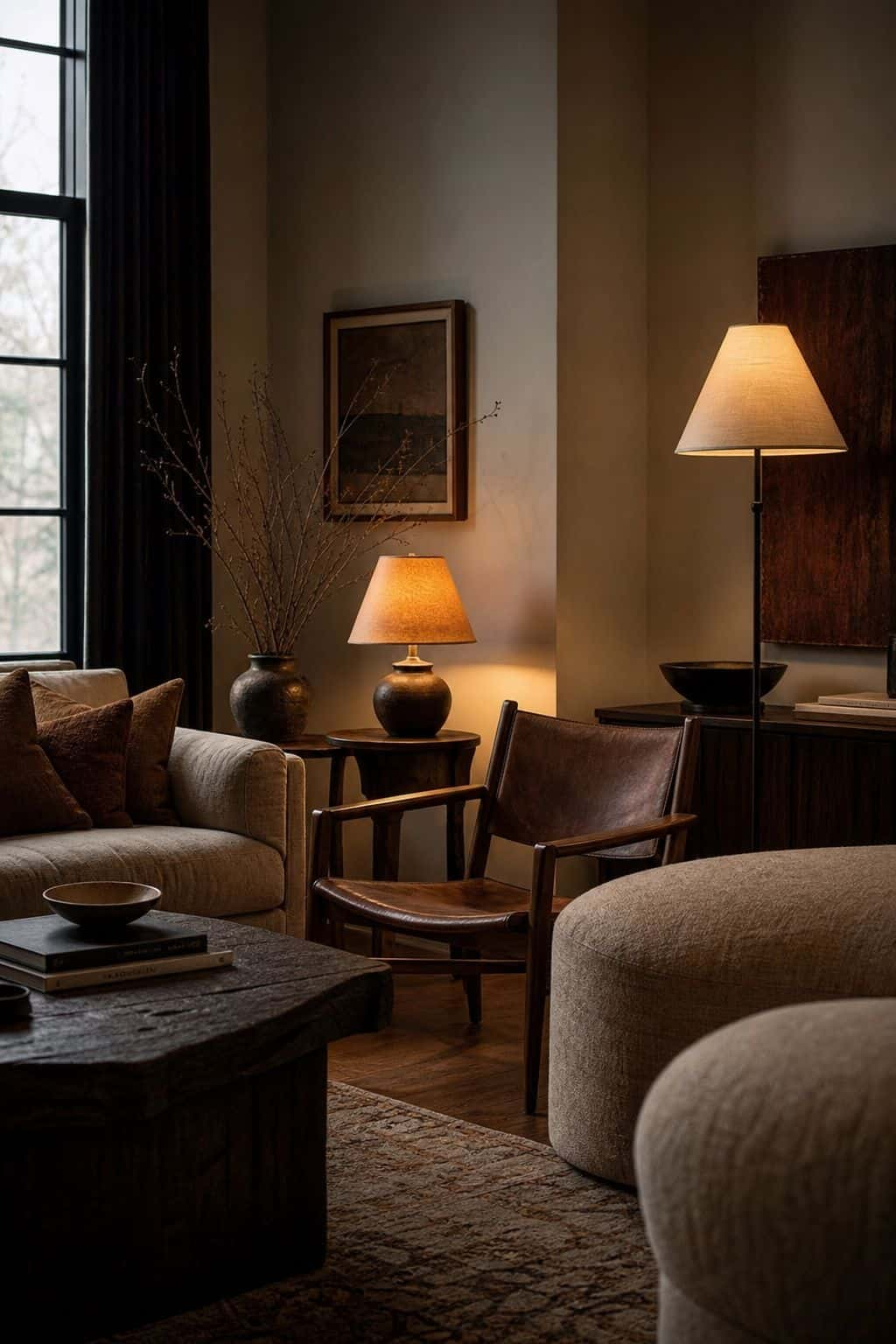
Contrast that harsh experience with stepping into a room illuminated by low-slung amber pools of light, where shadows pool softly in the corners and the eyes instantly relax. The difference is not merely decorative; it is biological. Interior spaces shape the nervous system. When the sun dips below the horizon, human biology demands an environment that mirrors that transition. For too long, residential architecture has treated bedroom illumination as an afterthought—slapping a generic flush-mount dome light in the center of the ceiling and calling it a day.
Fixing this spatial mismatch requires a fundamental rethink of how light interacts with the private quarters of the home. Moving past standard illumination means abandoning the single-source ceiling light in favor of a textured, multi-layered approach. By treating light as a tangible building material—one with weight, temperature, and direction—it becomes entirely possible to turn an ordinary sleeping space into a deeply therapeutic, restorative personal sanctuary that welcomes rest with open arms.
The Science of Circadian Health and Color Temperature
Light is the primary synchronizer of the human circadian rhythm. Photoreceptors in the retina called intrinsically photosensitive retinal ganglion cells (ipRGCs) are especially sensitive to short-wavelength blue light, roughly around 460 to 480 nanometers. When these cells detect blue-rich wavelengths—such as those emitted by standard 4000K to 5000K cool-white LEDs or smartphone screens—they signal the suprachiasmatic nucleus in the brain to suppress melatonin. This chemical shift tricks the body into daytime alertness precisely when it needs to wind down.
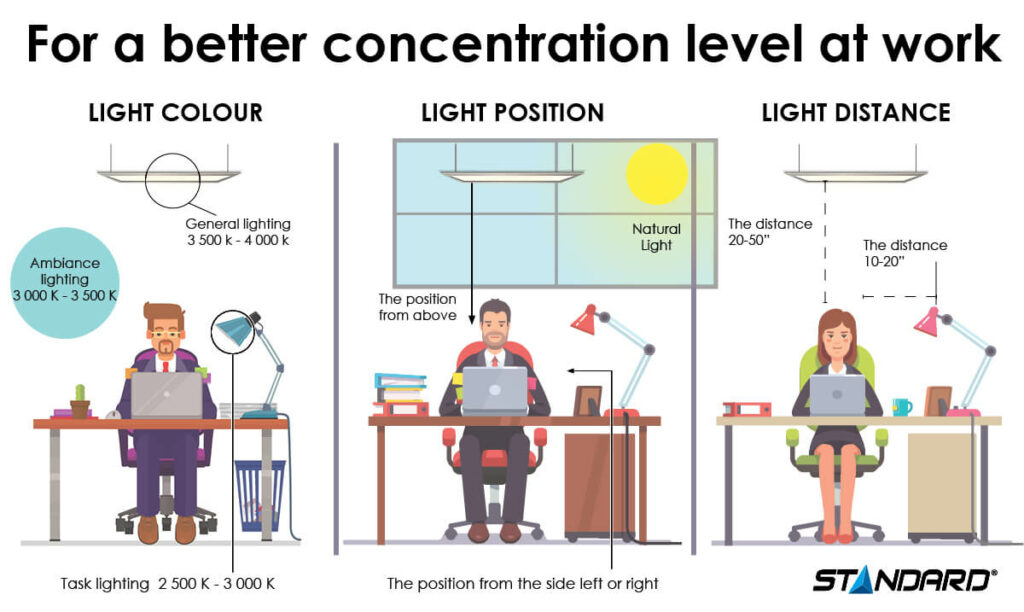
Understanding color temperature measured in Kelvin (K) is the first step toward crafting a bedroom that actually promotes sleep. Warm lighting, which sits at the lower end of the Kelvin scale between 2000K and 2700K, emits a golden-red spectrum that mimics candlelight and sunset. This warm glow tells the biological clock that the workday is over, lowering cortisol levels and preparing the body for deep, restorative sleep. Cool lighting, by contrast, belongs in corporate offices, workshops, and high-precision task areas, not where human beings go to decompress.
Beyond color temperature, the actual quality of the light—its Color Rendering Index (CRI)—dictates how comfortable a room feels. A low CRI light source distorts colors, making wood tones look muddy and skin tones look pasthenic, creating subtle subconscious visual fatigue. High CRI bulbs (90+ or ideally 95+) render colors accurately and naturally, allowing the eye to relax without straining to process distorted hues. Selecting the right bulbs means looking beyond mere wattage to examine both spectral distribution and dimming performance.
Layering Illumination for Depth, Dimension, and Mood
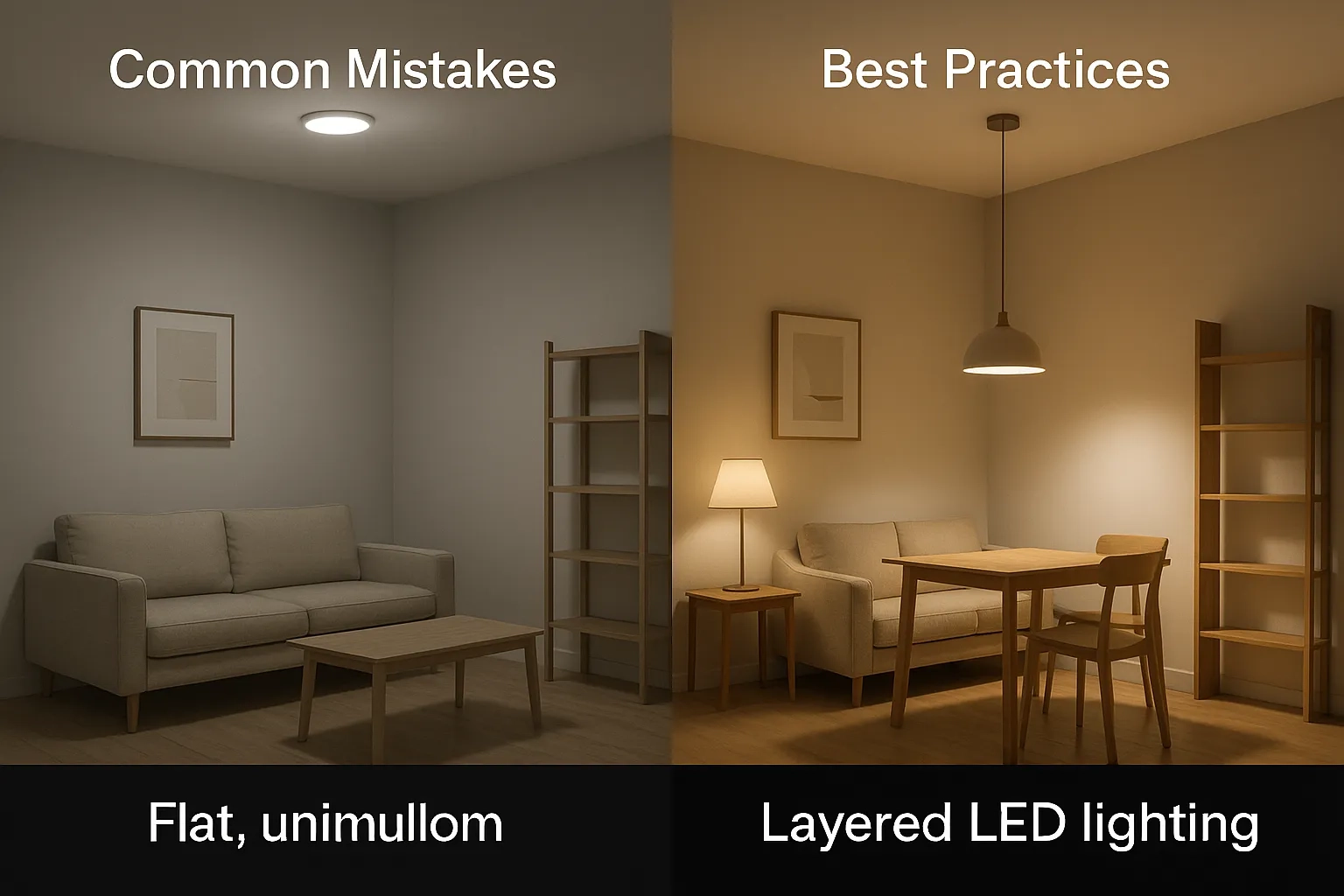
Relying on a single light source flattens a room, casting harsh shadows and creating visual tension. Professional lighting designers rely on the concept of layering, which divides illumination into three distinct categories: ambient, task, and accent lighting. In a bedroom, these three layers must work in concert to create a cozy, cocoon-like atmosphere that responds to changing evening routines.
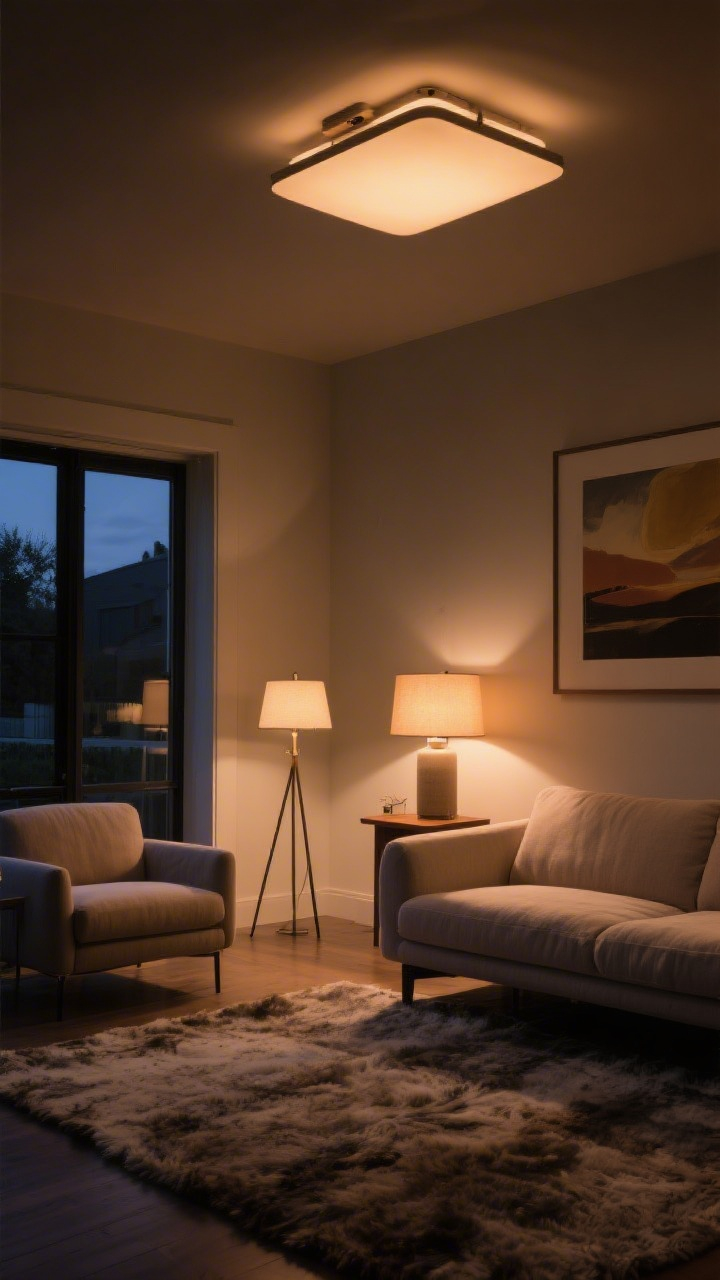
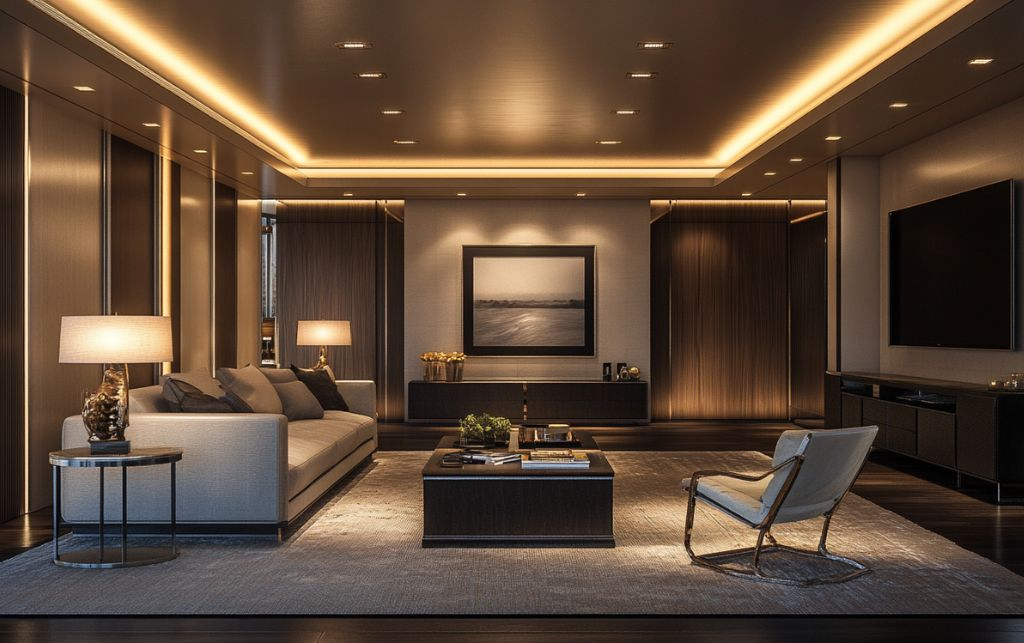
Ambient lighting provides the overall baseline glow for the room. In a restful bedroom, this layer should never come from a blazing center fixture. Instead, ambient light is best achieved through indirect sources—such as LED strip lighting concealed behind a headboard casting a soft halo against the wall, or torchiere lamps bouncing warm light off a matte white ceiling. This indirect wash eliminates glare and fills the room with a gentle, enveloping luminance reminiscent of dusk.
Task and accent layers bring functional beauty and visual intimacy. Bedside table lamps with ceramic or fabric shades direct light downward and outward, providing localized pools of illumination perfect for reading a physical book without disturbing a partner. Wall sconces with swing arms save precious nightstand real estate while offering directional flexibility. Meanwhile, accent lighting highlights architectural textures, framing artwork with miniature picture lights or grazing a textured lime-wash wall with subtle linear LEDs to introduce warmth and depth.
A Step-by-Step Methodology for Designing Your Bedroom Lightscape
Transforming a glaring, uninspired sleeping space into a calming sanctuary requires a systematic approach. Rushing out to buy random decorative lamps often results in a mismatched, poorly lit room. Following a structured plan ensures every lumen serves a specific emotional and functional purpose.
- Step 1 (Audit Existing Light Sources): Map out every window, overhead fixture, and outlet in the bedroom. Observe how natural sunlight moves through the space across different hours of the day to identify dark corners and glare hotspots.
- Step 2 (Establish the Baseline Color Temperature): Replace all existing bulbs in the bedroom with warm, high-CRI LEDs rated between 2200K and 2700K. Ensure every bulb in the room shares a consistent color temperature to prevent jarring visual contrast.
- Step 3 (Eliminate the Overhead Glare): Disconnect or permanently cap off harsh center ceiling fixtures, or retrofit them with ultra-low-profile dimmable downlights outfitted with deep regressed baffles to eliminate direct bulb glare.
- Step 4 (Install Dimmers on Every Circuit): Upgrade standard wall switches to trailing-edge ELV (Electronic Low Voltage) dimmers compatible with LEDs, or integrate smart-dimming protocols that allow smooth transitions from 100% down to 1% brightness.
- Step 5 (Layer Task and Accent Fixtures): Position bedside lamps at a height where the bottom of the shade sits roughly at eye level when sitting up in bed. Add subtle accent lighting, such as under-bed motion-activated nightlights or dim wall sconces, to complete the sanctuary.
Navigating Common Pitfalls and Strategic Workarounds
Even with the best intentions, homeowners frequently stumble into classic interior lighting traps that undermine the relaxing atmosphere they are trying to create. Recognizing these missteps before installation saves both money and sleep quality.
- Pitfall 1 (The Single Overhead Trap): Relying entirely on a central flush-mount light fixture creates clinical, flat lighting. Workaround: Keep the central switch off permanently and distribute light sources at varying heights across the room, focusing on eye-level and low-level illumination.
- Pitfall 2 (Incompatible LED Dimmers): Pairing older phase-cut dimmer switches with modern LED bulbs causes annoying flickering, buzzing noises, and sudden drop-offs at low brightness levels. Workaround: Always verify dimmer-bulb compatibility charts provided by manufacturers and invest in high-quality ELV trailing-edge dimmers.
- Pitfall 3 (Exposed Glaring Bulbs): Using clear glass shades or bulbs that protrude past the rim of lampshades exposes the naked filament directly to the eyes, causing sharp visual strain. Workaround: Choose opaque fabric, ceramic, or frosted glass shades that completely obscure the light source and diffuse the beam evenly.
- Pitfall 4 (Ignoring Natural Light Control): Investing in expensive warm lighting while letting harsh streetlights or early morning sun blast through unshaded windows ruins the ambiance. Workaround: Layer blackout roller shades behind soft, floor-to-ceiling linen drapery to manage exterior light pollution effectively.
- Pitfall 5 (Over-Illuminating the Space): Installing too many high-lumen fixtures turns the bedroom into a brightly lit corridor rather than a cave of rest. Workaround: Limit total bedside output to roughly 400 to 600 lumens per lamp, relying on dimmers to dial back intensity further during evening hours.
The Psychological Intersection of Materiality and Illumination
Light does not exist in a vacuum; it interacts intimately with the physical textures and color palettes of the room. A warm 2400K beam hitting a high-gloss synthetic surface creates harsh, unpleasant hot spots. That same beam striking a matte, highly textured surface—such as lime-washed plaster, unsealed white oak, boucle upholstery, or raw linen—scatters the photons, creating a soft, velvety diffusion that calms the human nervous system.
Interior designers working on high-end residential projects pay meticulous attention to reflectance values. Dark charcoal walls absorb light aggressively, requiring slightly higher lumen output or more reflective metallic accents (like aged brass or brushed bronze lamp bases) to bounce warmth back into the room. Conversely, crisp white walls reflect light efficiently, meaning lower-wattage bulbs are required to avoid washing out the space and creating unintended glare.
This interplay between light and materiality extends to furniture placement and shadow play. Thoughtfully positioned lamps cast long, gentle shadows that give a room architectural weight and intimacy. By allowing corners to remain slightly dark rather than illuminating every square inch uniformly, the room feels larger, more mysterious, and infinitely more secure. This subtle chiaroscuro effect signals to our evolutionary instincts that the perimeter is safe, allowing the body to finally let its guard down.
Cultivating Long-Term Rest Through Sustainable Lighting Habits
Achieving the perfect bedroom atmosphere goes beyond hardware installation; it involves cultivating mindful daily rituals around illumination. As smart home technology matures, automating these transitions becomes an effortless way to support long-term sleep hygiene without manual intervention.
Programming circadian lighting automation allows smart bulbs to shift automatically throughout the day—blending bright, crisp morning tones to encourage waking up with deep, amber-hued tones that fade out as bedtime approaches. This gradual shift removes the friction of remembering to adjust switches manually, syncing the home environment directly with the natural solar cycle.
Sustainability also plays a crucial role in modern lighting choices. Selecting high-efficiency LED fixtures that consume minimal energy while lasting for tens of thousands of hours reduces environmental impact and utility costs. Pairing these fixtures with rechargeable, battery-operated portable accent lamps offers unmatched versatility, allowing users to move warm pools of light around the room without messy cords or permanent wiring modifications.
The bedroom remains the final frontier of personal sanctuary in an increasingly connected world. Reclaiming this private space from the intrusion of harsh architecture and blue-light pollution is an act of radical self-care. By stepping away from the clinical glow of central ceiling lights and embracing a carefully layered tapestry of warm, dimmable, low-level illumination, the bedroom transforms from a mere storage space for a mattress into a true restorative retreat.
Designing this environment requires patience, experimentation, and a willingness to respect human biology over industrial convenience. Every lamp chosen, every bulb temperature matched, and every dimmer installed acts as a vote for better rest and deeper peace. As evening falls and the harsh light of day fades into a soft, amber embrace, the bedroom fulfills its ultimate purpose: offering a quiet harbor where the mind and body can finally slow down and breathe.