You know that feeling when you pull into your driveway late at night? The street is quiet, shadows stretch long across the lawn, and for a split second, your heart skips a beat. It’s primal. We all want to feel safe in our own homes. But then there’s the other side of the coin. That blinding floodlight from next door that shines right into your bedroom window at 2 AM. It doesn’t make you feel safer; it makes you feel annoyed. Maybe even angry.
This tension is real. And it’s getting more complicated as our homes get smarter. In 2026, smart lighting isn’t just a luxury anymore. It’s standard. We have bulbs that talk to our phones, sensors that detect motion from a block away, and cameras with lights built right in. The tech is amazing. But are we using it well? Or are we accidentally starting neighborhood feuds over lumens and angles?
The truth is, you don’t have to choose between being safe and being a good neighbor. You can have both. It just takes a little thoughtfulness and the right setup. Let’s dive into how we can light up our lives without burning bridges.
Understanding the Light Pollution Problem
Light pollution isn’t just about astronomers complaining they can’t see the stars. Although, that’s a valid point. It’s about how artificial light affects our daily lives and health. When a neighbor installs a super-bright security light that spills over your property line, it’s not just an annoyance. It disrupts sleep cycles. It kills the natural darkness our bodies need to produce melatonin.
Recent studies in early 2026 have shown that excessive nighttime light exposure is linked to higher stress levels in residential areas. It’s not just about glare. It’s about the constant state of alertness that bright, unexpected lights trigger. Your brain sees sudden brightness and thinks "danger." Even if it’s just Mrs. Higgins’ cat walking by. This creates a low-level hum of anxiety that nobody wants.
So, why does this happen so often? Usually, it’s not malice. It’s ignorance. People buy the brightest bulb they can find because they think brighter equals safer. They mount it high and aim it straight out. They don’t realize that light spill is a major issue. By understanding that more light isn’t always better light, we take the first step toward a solution. It’s about quality, not just quantity.
The Psychology of Safety vs. Surveillance
There is a fine line between feeling protected and feeling watched. Smart lighting often blurs this line. When a light turns on automatically because a sensor detected movement, it feels responsive. It feels like the house is looking out for you. But when that same light stays on for ten minutes, or flashes repeatedly, it starts to feel aggressive. It feels like surveillance.
Neighbors interpret these signals differently. A soft, warm glow that guides you to the front door says "welcome." A stark, cold white beam that tracks your every move says "stay away." In 2025, community surveys indicated that disputes over "aggressive lighting" rose by 15% in suburban areas. Much of this was tied to poorly configured smart systems.
We need to shift our mindset. Safety lighting should be inviting, not intimidating. It should illuminate paths and entry points without creating a spotlight effect on people just walking down the sidewalk. Think of it as hospitality rather than defense. When we design our lighting with empathy, we reduce fear on both sides of the fence. We stop seeing neighbors as potential threats and start seeing them as part of our community ecosystem.
Choosing the Right Hardware for Harmony
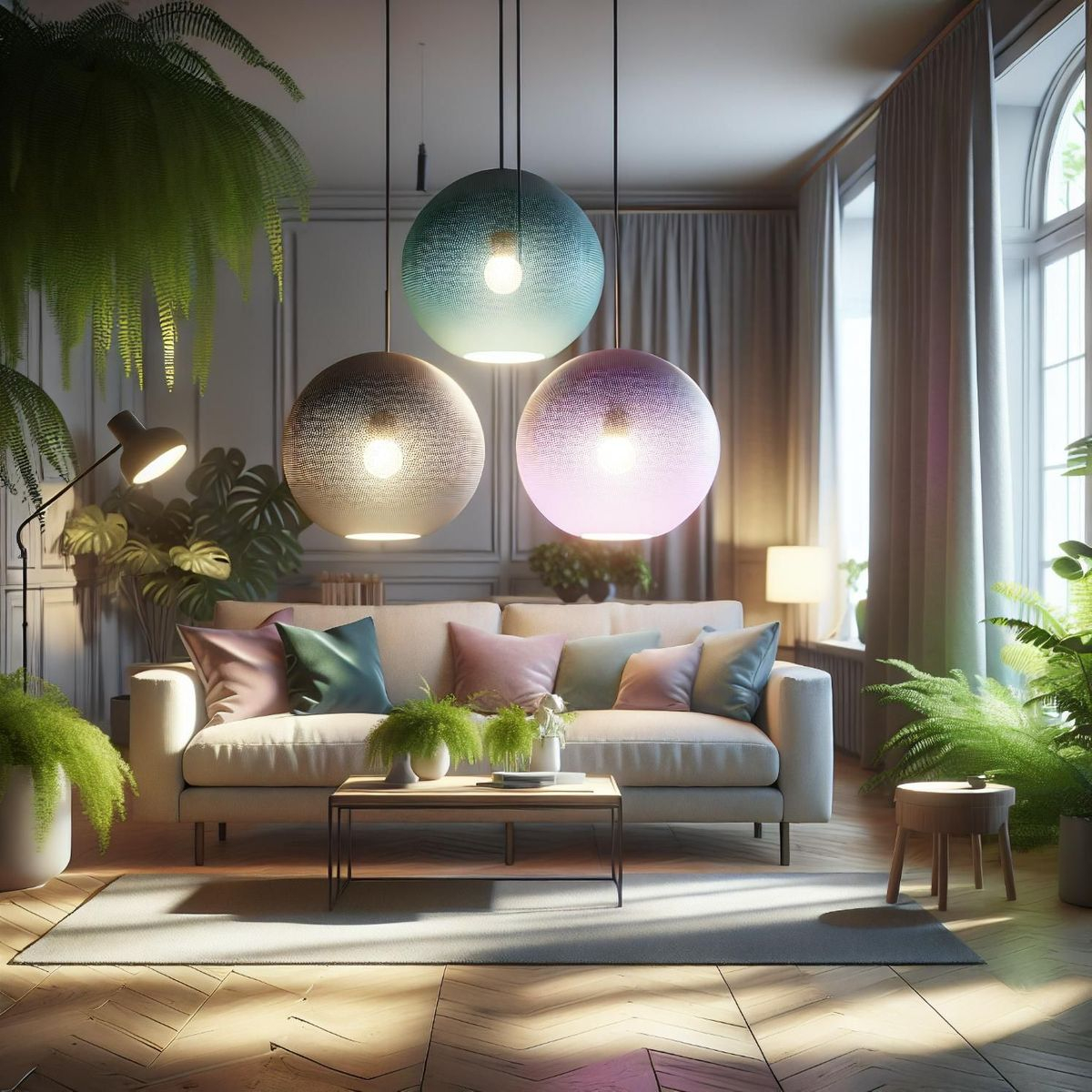
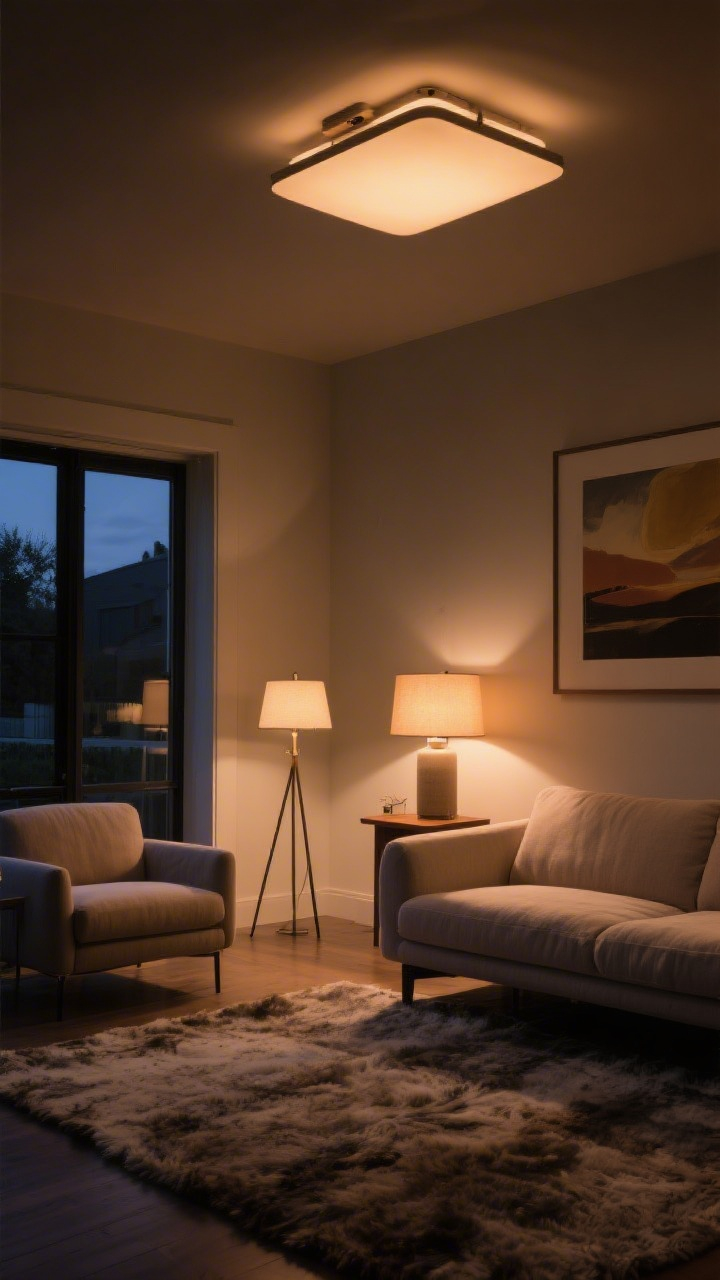
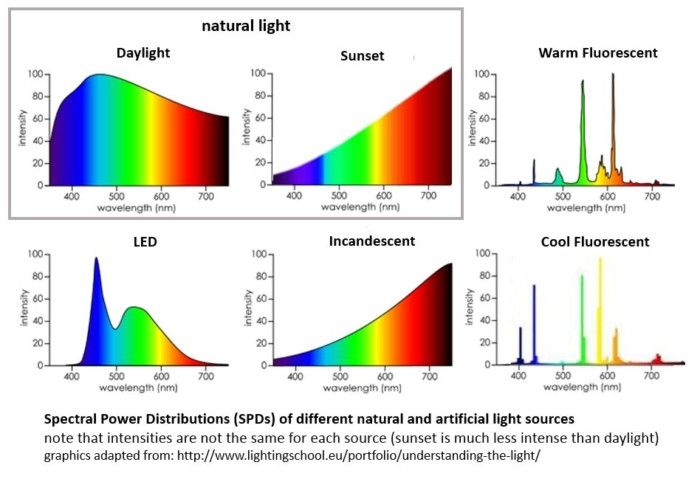
Not all smart bulbs are created equal. This is where the rubber meets the road. If you want to avoid conflict, you need to pick gear that offers control. Look for fixtures with adjustable color temperature. Warm white (around 2700K) is much less intrusive than cool white or daylight (5000K+). It’s easier on the eyes and feels more natural.
Directionality is key too. Avoid bare bulbs that scatter light everywhere. Use shielded fixtures or wall packs that direct light downward. This is called "full cutoff" lighting. It ensures the light goes where you need it—on your steps, your porch, your driveway—and not into your neighbor’s kitchen window. Many new smart outdoor fixtures in 2026 come with built-in shields and precise beam angle controls.
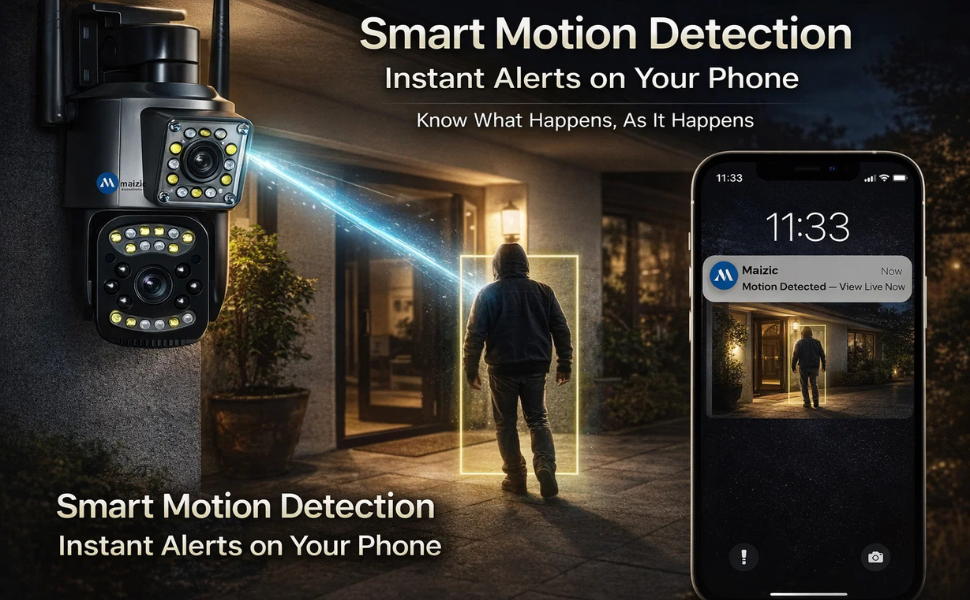
Also, consider the sensor type. Passive infrared (PIR) sensors are common, but they can be triggered by heat changes, like a car engine or a sunny patch of grass. Newer radar-based sensors are more accurate. They can distinguish between a person walking up your path and a leaf blowing across the yard. This reduces false alarms and those annoying, random light activations that drive neighbors crazy. Invest in quality. It pays off in peace.
Smart Settings That Respect Boundaries
Having smart tech means you can tweak behavior. This is your secret weapon. Don’t just install and forget. Spend time in the app configuring your scenes. Start with sensitivity. Lower the motion detection range so it only covers your immediate property. Most apps let you draw a zone on a map. Use this feature. Exclude the sidewalk and your neighbor’s yard from the detection zone.
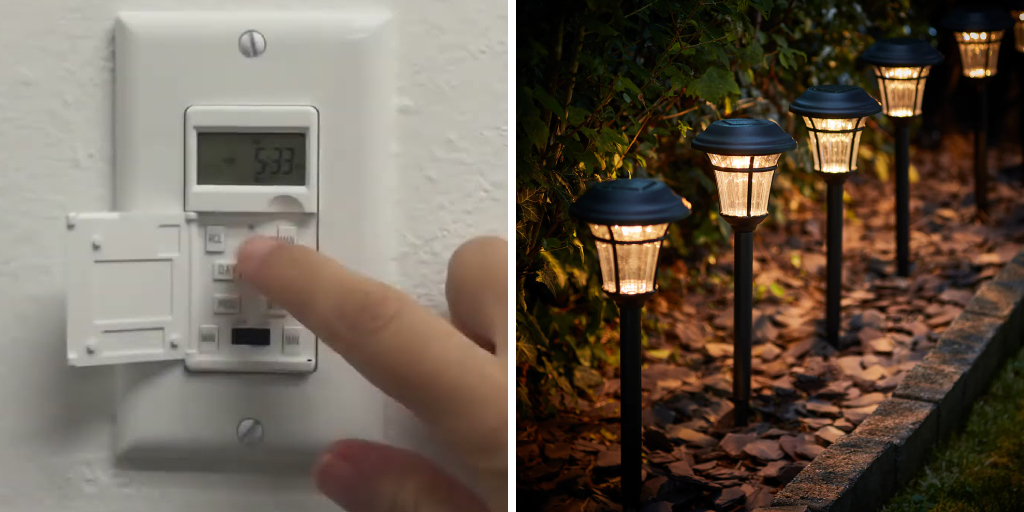
Next, look at duration. How long should the light stay on? Thirty seconds is usually enough for someone to unlock their door. Ten minutes is excessive. Set a short timer. If someone is still there, maybe they need a different kind of attention, but for normal activity, brief is better. Some systems even offer "fade out" features, where the light dims gradually instead of snapping off. This is less jarring and feels more organic.
Scheduling is another powerful tool. You don’t need full brightness all night. Set your lights to dim to 20% after 10 PM. This provides enough ambient light for safety but reduces glare significantly. If motion is detected, they can brighten up temporarily, then return to the low level. This "always-on, low-level" approach is often more effective than sudden bursts of brightness because it eliminates the surprise factor. Surprise is what causes stress.
Communication and Community Norms
Technology alone won’t fix everything. Human connection matters. If you’re planning to install new outdoor lighting, especially if it’s bright or visible from the street, talk to your neighbors. A quick conversation can prevent months of resentment. Say something like, "Hey, I’m putting in some new lights for safety. Let me know if the angle bothers you."
This simple act builds trust. It shows you care. In many cases, neighbors will appreciate the heads-up. They might even share tips. Maybe they know a spot that gets weird reflections. Maybe they have a recommendation for a local electrician. By involving them, you turn a potential conflict into a collaborative effort.
If you notice a neighbor’s light is bothering you, approach it with curiosity, not accusation. Instead of "Your light is blinding me," try "I’ve been having trouble sleeping lately, and I noticed some light coming from that direction. Could we adjust the angle together?" Most people are willing to help if asked nicely. Remember, they probably didn’t realize it was an issue. Community norms are built on these small, respectful interactions.
As we move further into 2026 and beyond, smart lighting will get even smarter. Integration with other systems is becoming seamless. Imagine your lights coordinating with your security cameras to only activate when a verified person is detected. Or linking with your smart blinds to ensure indoor lights don’t clash with outdoor ones. These integrations can create a holistic environment that is both secure and comfortable.
Keep an eye on emerging standards. Matter, the universal smart home protocol, is making it easier for devices from different brands to work together. This means you aren’t locked into one ecosystem. You can choose the best bulb for one area and the best sensor for another. This flexibility allows for more customized solutions that fit your specific neighborhood context.
Also, consider sustainability. Solar-powered smart lights have improved dramatically. They’re brighter, last longer, and don’t require wiring. This makes them easier to reposition if you find the initial placement isn’t working. Being able to move a light six inches to the left can make a huge difference in reducing spill. Flexibility is your friend. Stay open to tweaking and adjusting as seasons change and neighborhoods evolve.
Finding the balance between safety and neighborly relations isn’t rocket science. It’s about awareness. It’s about recognizing that our actions ripple outward. A well-placed light protects your family and respects your neighbor’s rest. It sends a message that you value both security and community.
Start small. Audit your current setup. Is anything too bright? Too wide? Too long-lasting? Make one change this week. Talk to one neighbor. Adjust one setting. These small steps add up. Over time, you’ll create a home environment that feels safe, warm, and welcoming. Not just for you, but for everyone around you.
In the end, good lighting is like good manners. It’s noticeable when it’s missing, but when it’s done right, it just feels… right. It lets us live our lives without friction. So go ahead. Upgrade those bulbs. Tweak those apps. But don’t forget to look over the fence and smile. Because the best security system is still a friendly neighborhood.
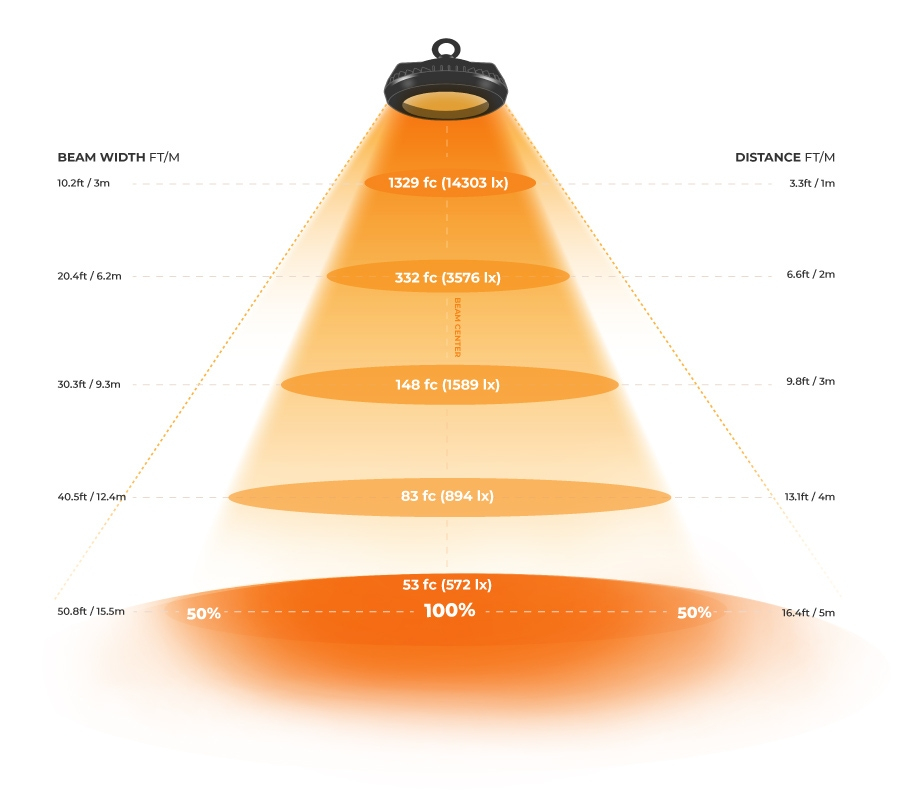
[sps_html tag=”img” src=”https://cdn.northcarolinafinearchitecture.com/2026/06/cctv-lux-light-ratings-explained-securitycamcenter-com-pertaining-to-security-lighting-design.png” alt=”Cctv Lux Light Ratings Explained — Securitycamcenter.com pertaining to Security Lighting Design” style=”width: 100%; height: auto;”]
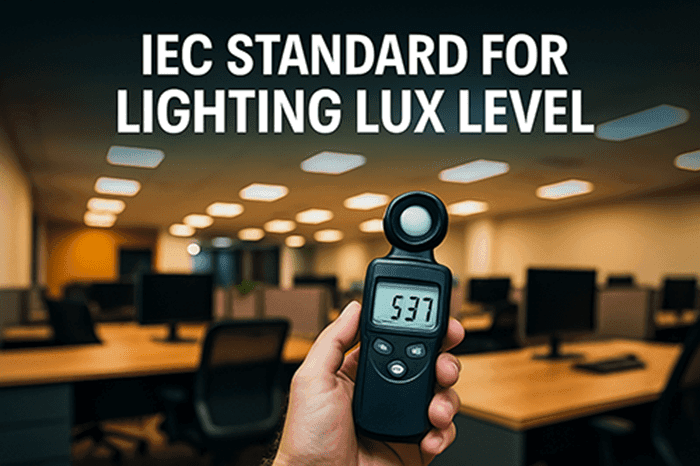
[sps_html tag=”img” src=”https://cdn.northcarolinafinearchitecture.com/2026/06/iec-standard-for-lighting-lux-level-download-excel-sheet-for-within-security-lighting-design.png” alt=”Iec Standard For Lighting Lux Level: Download Excel Sheet For … within Security Lighting Design” style=”width: 100%; height: auto;”]
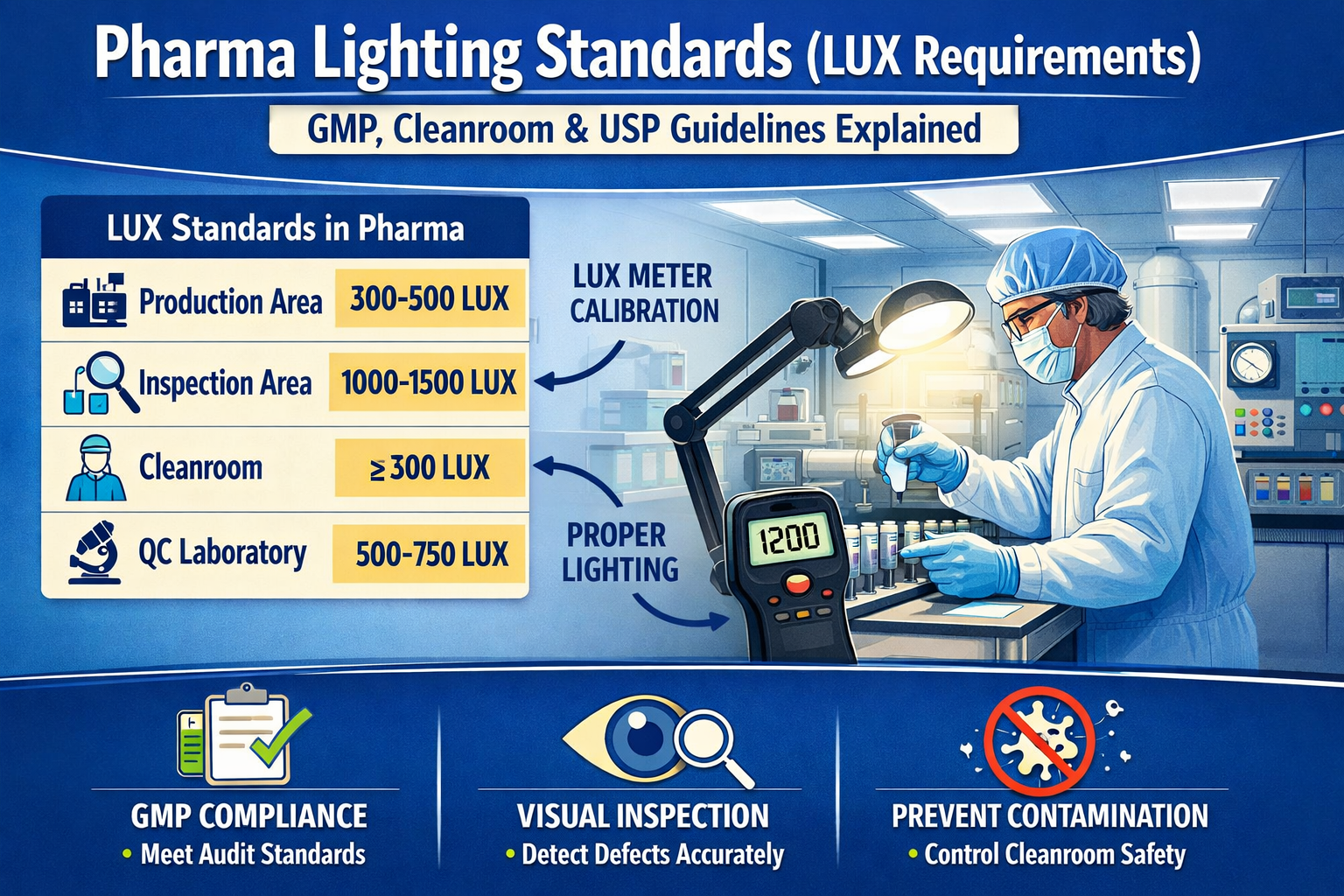
[sps_html tag=”img” src=”https://cdn.northcarolinafinearchitecture.com/2026/06/pharma-lighting-standards-lux-requirements-gmp-cleanroom-usp-throughout-how-risk-based-lighting-strategies-outperform-fixed-lux-standards.png” alt=”Pharma Lighting Standards (Lux Requirements): Gmp, Cleanroom & Usp … throughout How Risk Based Lighting Strategies Outperform Fixed Lux Standards” style=”width: 100%; height: auto;”]
[sps_html tag=”img” src=”https://cdn.northcarolinafinearchitecture.com/2026/06/lighting-strategies-hazardous-environment-risk-assessment-guide-in-how-risk-based-lighting-strategies-outperform-fixed-lux-standards.png” alt=”Lighting Strategies: Hazardous Environment Risk Assessment Guide … in How Risk Based Lighting Strategies Outperform Fixed Lux Standards” style=”width: 100%; height: auto;”]
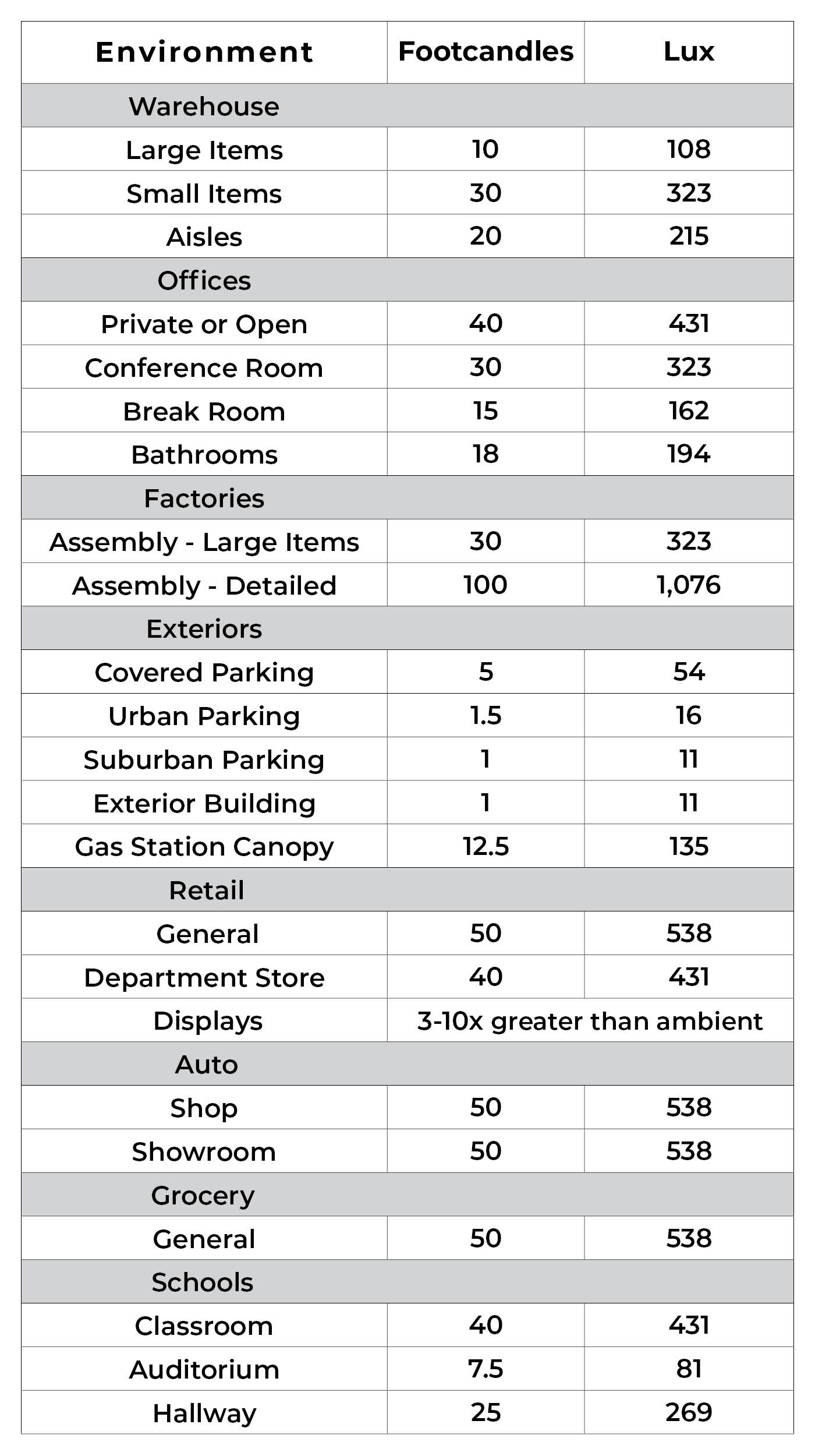
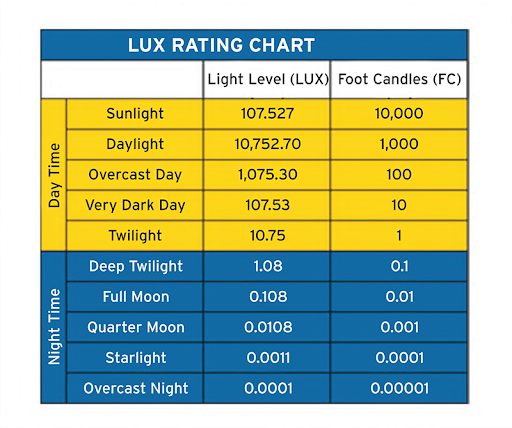
[sps_html tag=”img” src=”https://cdn.northcarolinafinearchitecture.com/2026/06/lux-levels-chart-at-geri-hodge-blog-pertaining-to-how-risk-based-lighting-strategies-outperform-fixed-lux-standards.jpg” alt=”Lux Levels Chart At Geri Hodge Blog pertaining to How Risk Based Lighting Strategies Outperform Fixed Lux Standards” style=”width: 100%; height: auto;”]