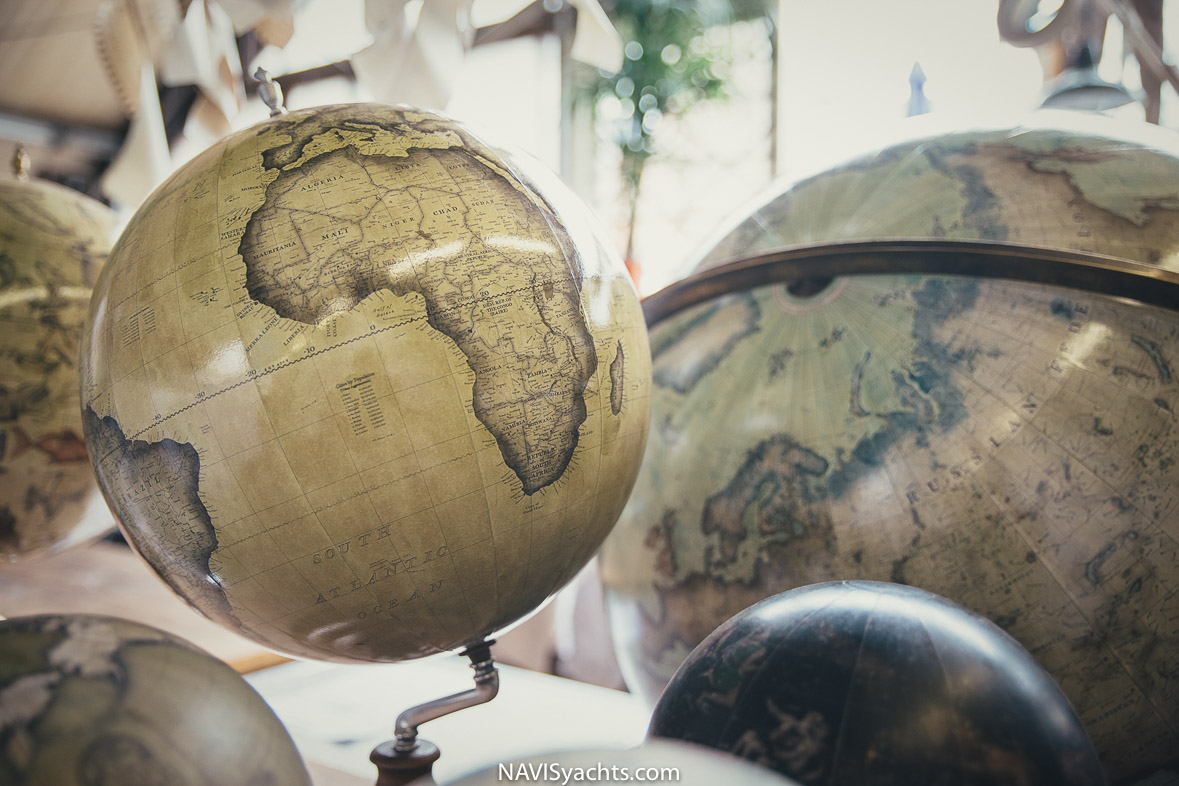
Have you ever spun a globe and noticed countries that no longer exist, or borders carved up by empires long since faded into history. Old spheres of the earth are more than just dusty classroom relics from 2026 or decades prior. They act as time capsules capturing how humans understood their place in the universe during specific moments in time.
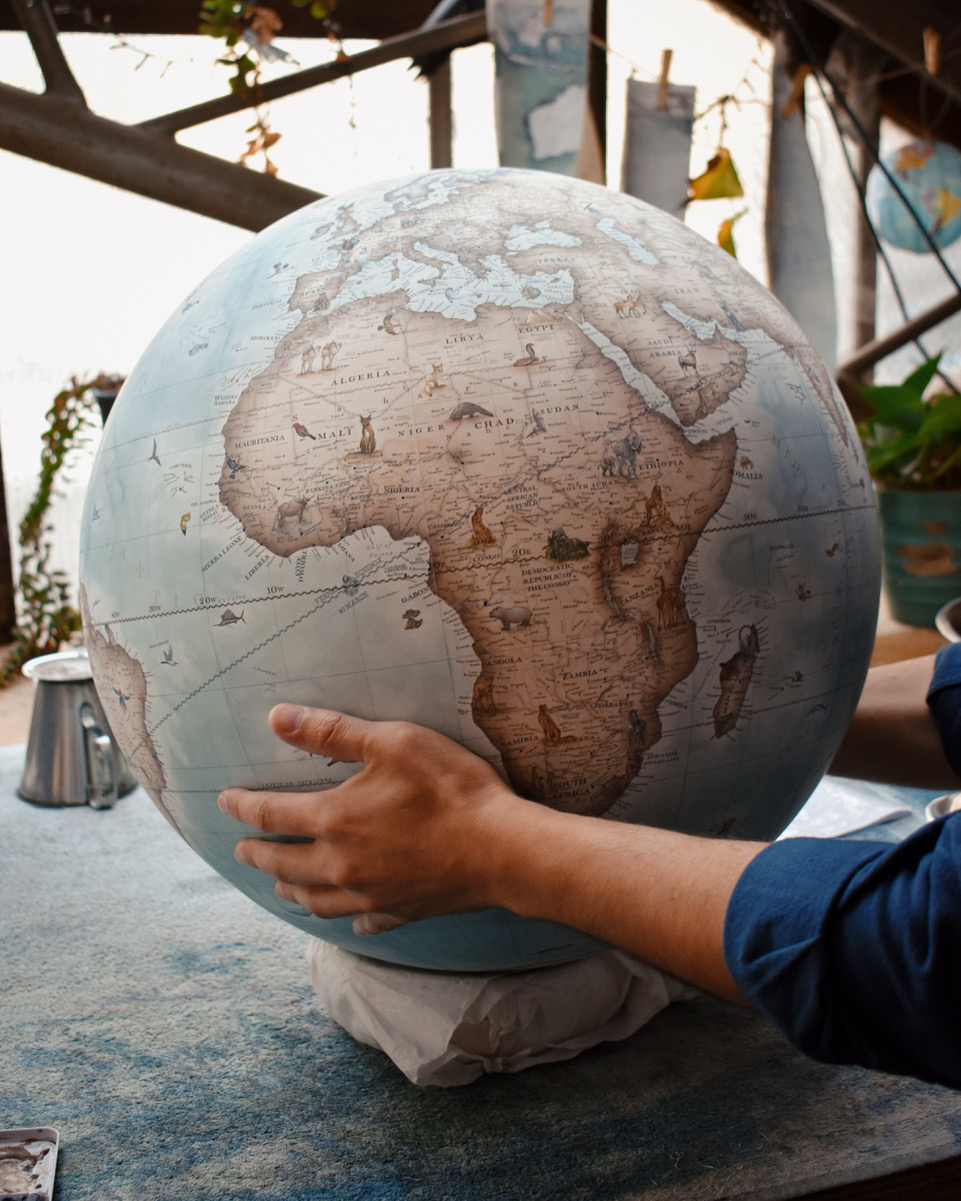
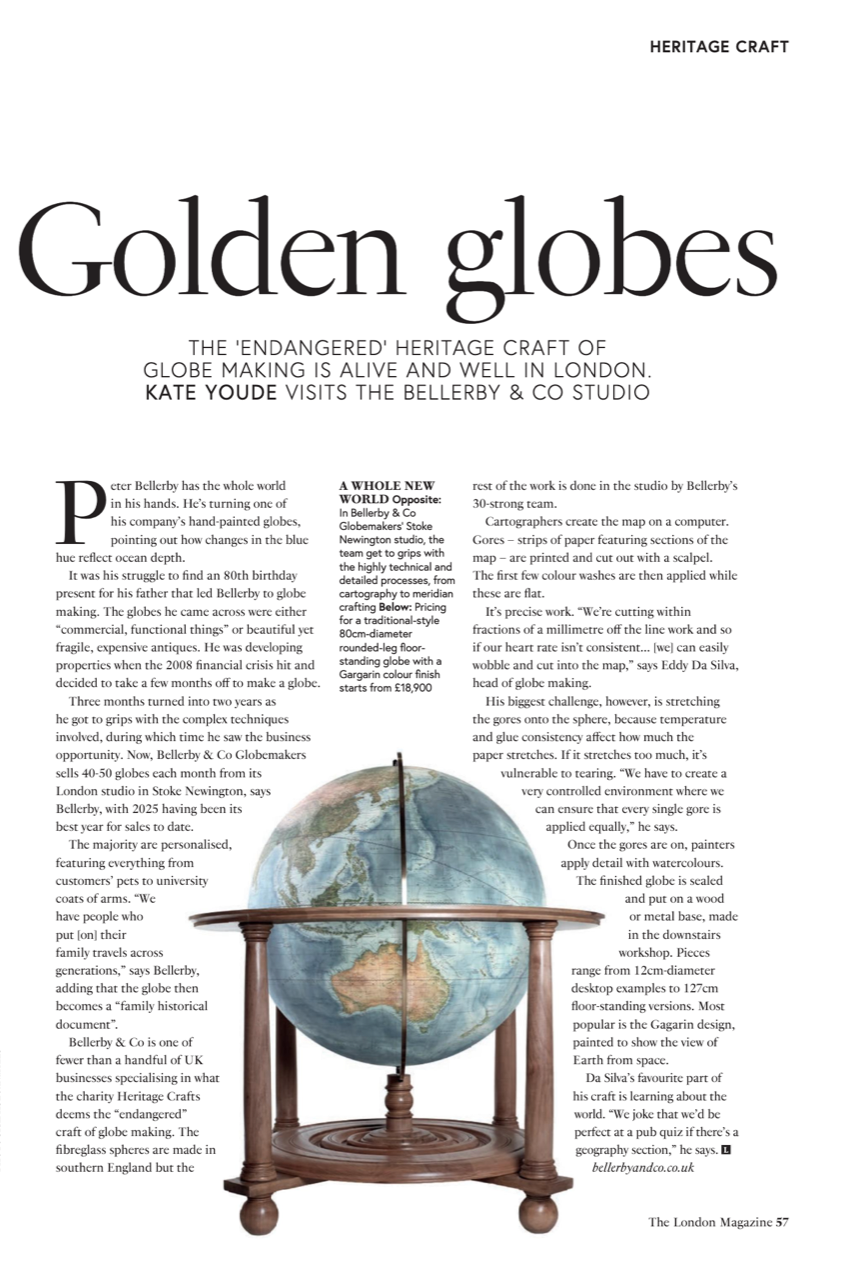
When you look closely at a vintage globe, you are staring at a snapshot of a bygone era. Cartographers painstakingly drew oceans and continents by hand, often reflecting the political tensions and discoveries of their day. Over generations, paper map segments—known as gores—crack, peel, and fade. Preserving these fragile artifacts takes a rare mix of patience, history, and craftsmanship.
The Delicate Anatomy of a Vintage Globe
Globes are surprisingly complex objects built from materials that age at different rates. Paper maps shrink over time while plaster cores or wooden bases might expand and contract with the humidity in your room. This mismatch creates massive stress on the delicate paper surface, leading to tears and missing sections of geography.
Restorers must first understand what they are dealing with before touching a single tool. A globe from the late nineteenth century requires entirely different care than a mid-century plastic model. Assessing the structural integrity of the internal core is always step one because a weak base will eventually destroy any new paper repairs applied on top.
Cleaning Away Decades of Dust and Grime
Years of accumulated soot, nicotine, and plain old dust can completely obscure the vibrant colors of an antique map. Cleaning these surfaces is a nerve-racking process because traditional water or liquid cleaners will instantly dissolve vintage ink and ruin the paper.
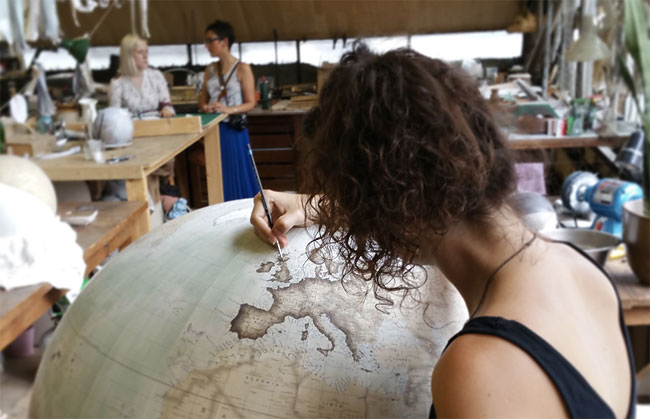
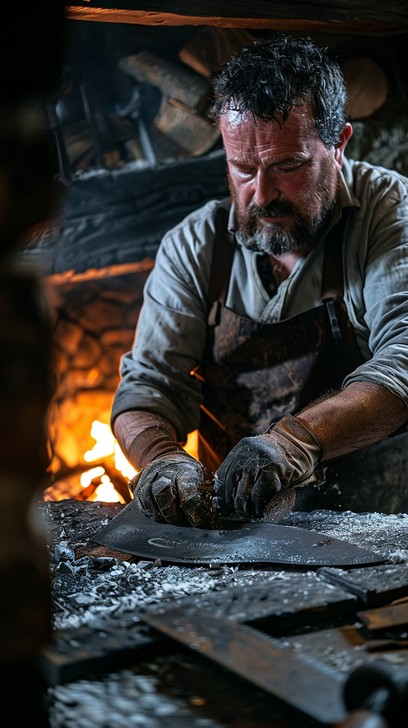
Specialists rely on dry cleaning techniques using soft natural sponges or specialized kneadable erasers to gently lift dirt away. Every single stroke must be precise to avoid scrubbing off tiny place names or border lines. It is slow, tedious work that requires absolute focus and a steady hand.
Patching Tears and Fixing Missing Gores
When portions of the printed paper map go missing, restorers cannot simply print a replacement on modern printer paper. They have to source period-accurate paper or carefully paint matching sections by hand using watercolors. Matching the exact shade of aged, yellowed paper is an intense test of artistic skill.
Repairs involve humidifying the original paper just enough to relax the fibers so they can be laid flat again. Tiny amounts of archival paste are worked beneath the tears to secure the map back onto the sphere. Flattening bubbles without smudging the original ink is where many restoration projects succeed or fail.
Rescuing the Wooden and Metal Stands
The sphere itself is only half the battle since most antique globes sit inside elaborate wooden meridians and floor stands. Brass components often develop thick layers of green oxidation, while cast iron parts can rust and weaken over decades of neglect.
Woodworkers carefully steam and glue cracked ring mountings without stripping away the authentic patina that proves the object’s age. Retaining the original finish is crucial because aggressive polishing destroys the historical value. A balance must be struck between making the stand functional and keeping its authentic character.
Sourcing Historical Maps for Missing Pieces
Sometimes entire gores are completely destroyed and gone forever, leaving massive blank spots on the globe. Restorers often hunt through archives, libraries, and collector networks to find duplicate globes from the exact same manufacturer and production year.
Digital scanning and high-resolution photography allow experts to recreate missing map segments on compatible vintage-style paper stock. This digital assistance bridges the gap between old-world craftsmanship and modern technology. It ensures that historical accuracy remains intact down to the smallest geographical label.
Once a globe has been meticulously restored, protecting it from environmental damage becomes the new priority. Sunlight is the ultimate enemy because ultraviolet rays will quickly bleach out delicate inks and turn pristine paper brittle.
Keeping globes in rooms with stable humidity levels prevents the wood core from warping and splitting the paper map all over again. Gentle dusting with a dry microfiber cloth is all that is needed for routine maintenance. Treating these objects with respect guarantees they will survive for many more generations to enjoy.
Restoring antique globes is truly a labor of love that bridges the gap between past and present. By keeping these fragile spheres intact, we protect physical windows into how our ancestors viewed the world around them.
Whether you own a family heirloom or simply appreciate historical artifacts, these restored treasures remind us how much our planet has changed. Taking care of them ensures the stories written across their paper surfaces will never truly fade away.