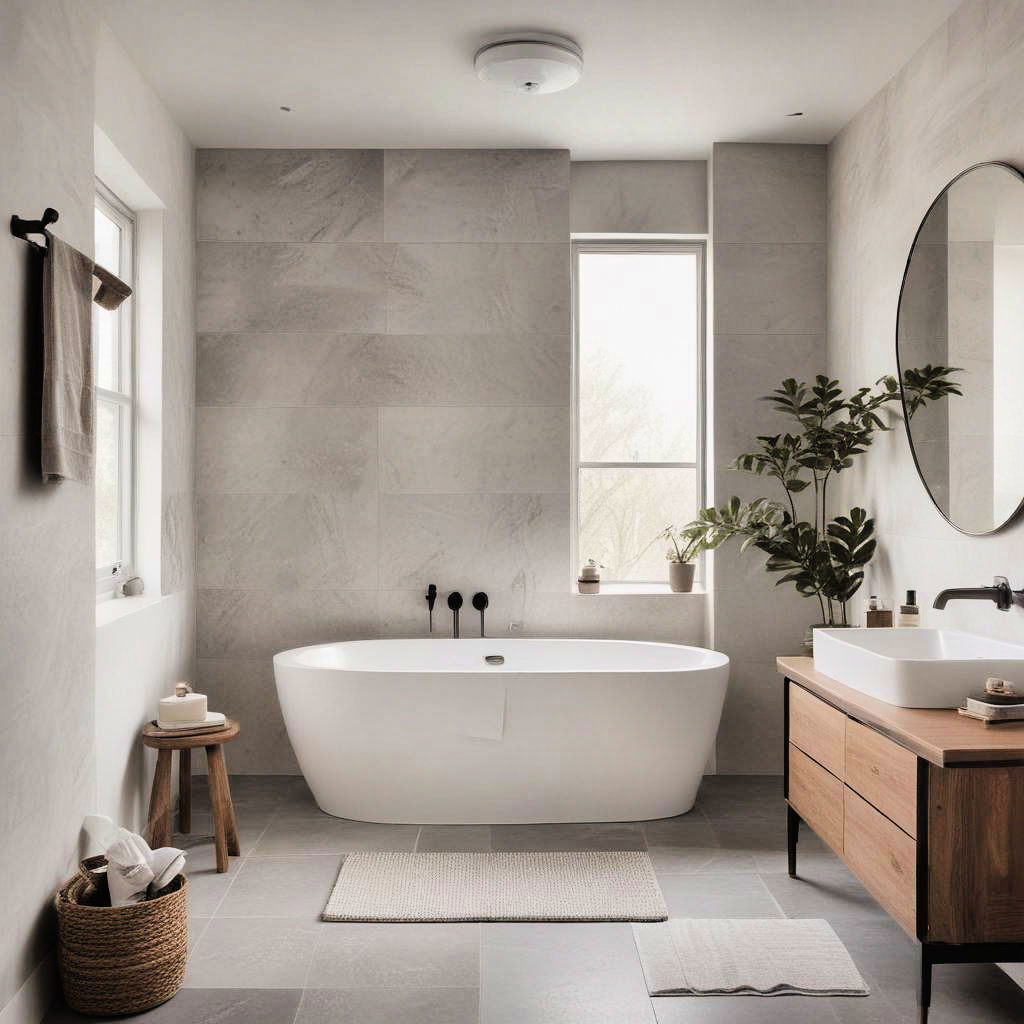
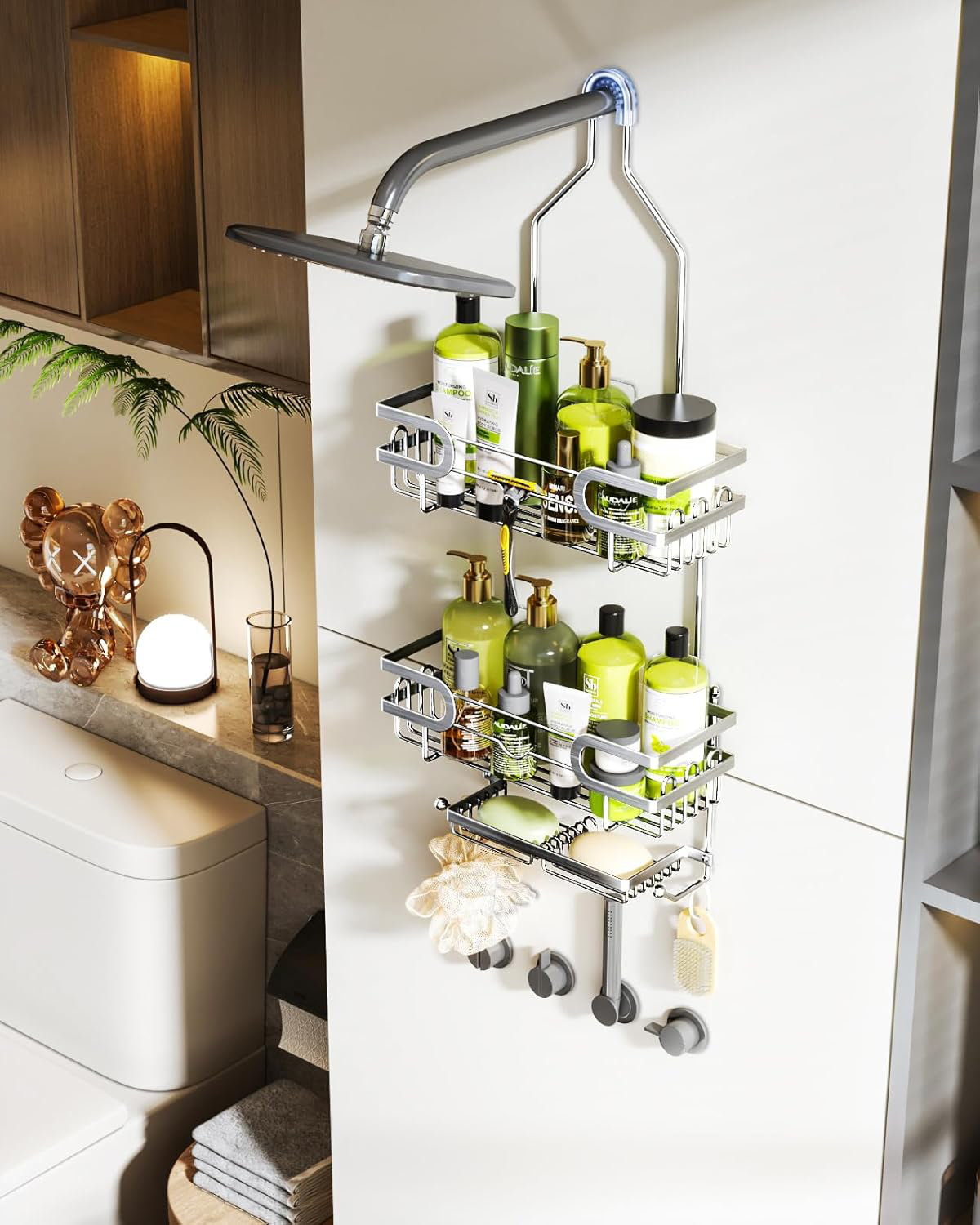
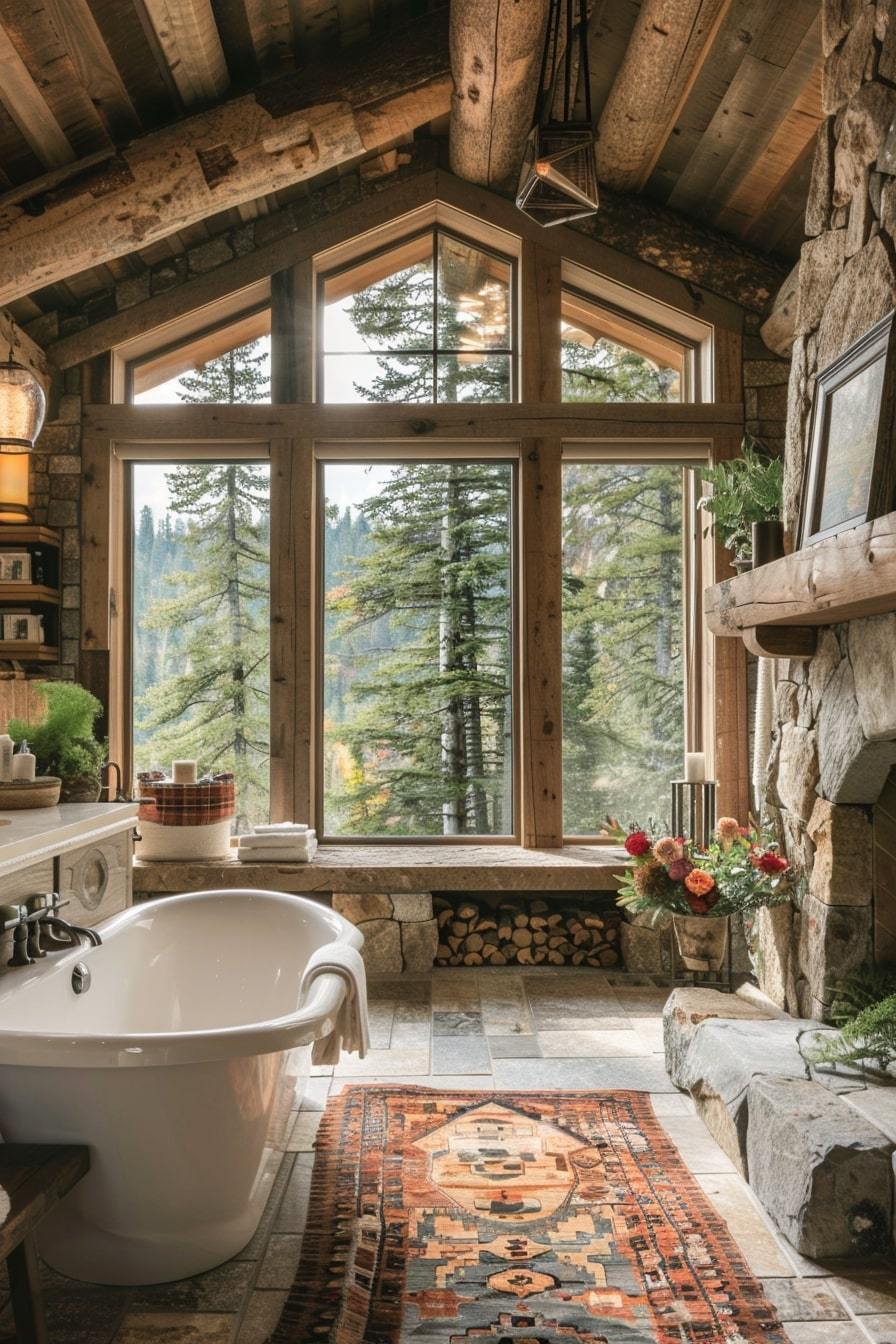
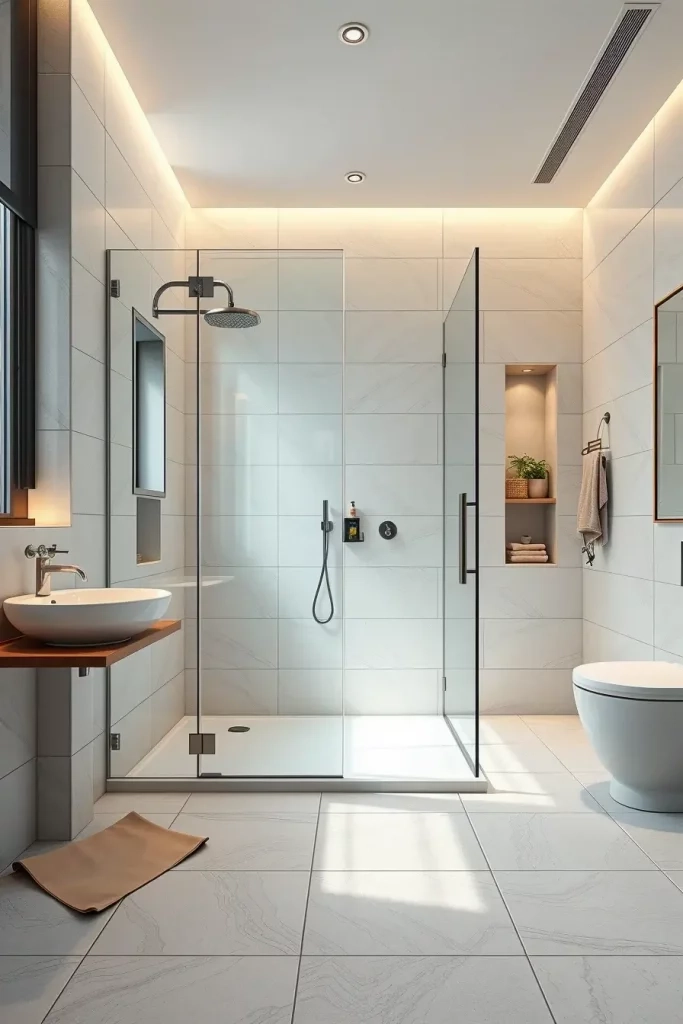
Ever looked at your bathroom shelf and wondered where it came from. For a long time, our washrooms were filled with cold plastic, industrial metals, and cheap particle boards that warped at the first sign of steam. But things have taken a beautiful turn this year. In 2026, the trend has completely shifted away from those mass-produced, artificial finishes toward something much more grounded. We are seeing a massive movement toward warm, organic, and earth-friendly designs.
Today, the bathroom isn’t just a utilitarian room where you quickly brush your teeth. It has become a personal sanctuary & a spa-like retreat right inside the home. Because of this, the small details—like the shelves holding your favorite oils and skin creams—matter more than ever. People want spaces that feel good to touch and are gentle on our enviornment. Let’s dive into how sustainable materials are completely transforming modern shelf design today.
The Rise of Warm Organic Textures
The clinical look of bright white laminate and shiny chrome is officially over. This year, design is all about touch and feel. Homeowners are falling in love with textured surfaces that bring the outdoor world inside. Why should your storage spaces be flat and boring when they can have character.
Using organic elements creates a sense of calm that helps you unwind after a stressful day. Materials are being chosen not just for how they look in a photograph, but for how they feel when you run your fingers across them. It is a more human way of looking at architecture.
Reclaimed Woods and Deep Grains
Wood has made a massive comeback in humid zones, thanks to better, eco-safe sealing methods. But we aren’t talking about newly cut trees. Instead, rich, dark, reclaimed timbers like walnut, teak, and old oak are leading the way. These woods bring incredible history and unique grain patterns into your space.
Choosing salvaged timber means no new trees were chopped down for your renovation. Plus, the natural variation in a piece of old wood means your shelf is a one-of-a-kind masterpiece. It perfectly balances out the sleek, modern plumbing fixtures nearby.
Tadelakt and Natural Lime Plasters
If you haven’t heard of Tadelakt yet, it is time to get acquainted. This is an ancient Moroccan lime plaster that artisans hand-polish with stones and olive oil soap. The result is a seamless, silky surface that is completely waterproof and naturally resists mold without any toxic chemicals.
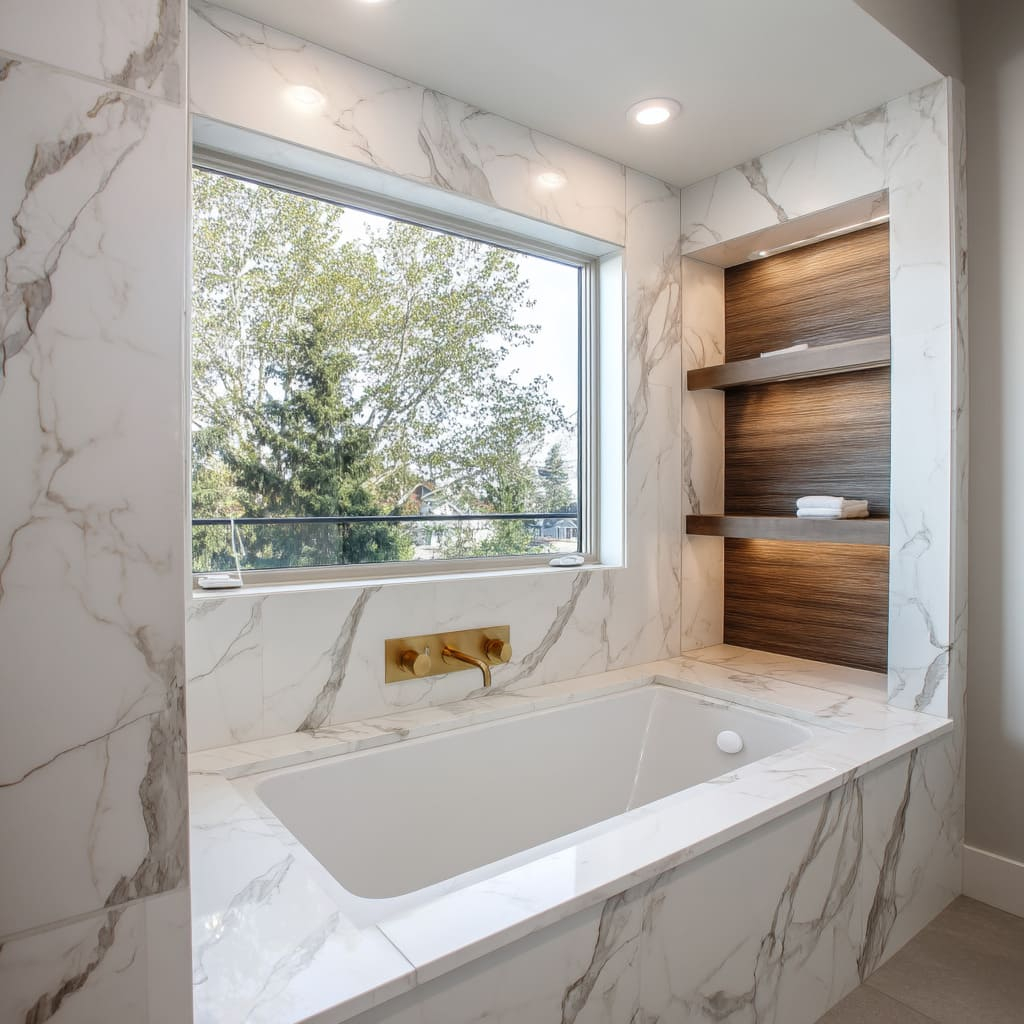
Designers in 2026 are using Tadelakt to craft built-in wall niches and floating ledges. Because it is joint-free, you don’t have to worry about cleaning nasty grime out of grout lines. It gives a soft, stone-like appearance that ages gracefully over the decades.
Recycled Glass and Upcycled Bio-Resins
For those who prefer a slightly more modern or colorful aesthetic, recycled glass shelves are making a huge splash. Made from repurposed bottles and industrial glass waste, these shelves catch the natural light beautifully. They often have a lovely, subtle green or watery blue tint that feels right at home near water.
Alongside glass, we are seeing shelves made from upcycled bio-resins mixed with agricultural waste. These innovative materials turn leftover husks or shells into solid, durable surfaces. They are incredibly tough, completely circular, and show that trash can truly become luxury.
Sculpted Stone and Travertine Niches
Real, raw stone is another major player this year. Instead of heavy, wasteful slabs, designers are using smaller, locally sourced offcuts of travertine, limestone, and marble to create sculptural ledges. These earthy materials have a beautiful weight and presence.
Because these stones are porous, they are carefully treated with natural, low-VOC sealers. A simple piece of rugged limestone serving as a shelf adds an instant high-end, historical feel to even the smallest powder room. It proves that sustainibility doesn’t mean sacrificing luxury.
Ready to update your own bathroom storage. Start by assessing your actual daily needs so you don’t over-design or clutter the space. Look for regional artisans who work with certified FSC-certified woods or local stone yards that have small scraps they would otherwise discard.
When installing your new pieces, make sure you use non-toxic, eco-friendly adhesives and finishes to keep your indoor air quality clean. Don’t be afraid to mix a rustic timber ledge with a smooth plaster wall. Combining different tactile elements is the secret to making a modern space feel cozy and personalized.
Bringing eco-conscious design into your home doesn’t require a total, expensive overhaul. Sometimes, it starts with something as small and simple as changing where you rest your morning skincare bottles. By picking materials that respect the earth, you are creating a space that feels deeply restorative.
As we move through 2026, it is clear that green design is no longer just a temporary fad. It is a definative lifestyle choice. Choosing objects made with intention and care makes our homes feel more genuine, peaceful, and beautifully connected to the natural world around us. Occasionaly, the best way forward is simply looking back at how nature intended things to be.
How do you plan to bring a touch of nature into your bathroom storage setup this season?