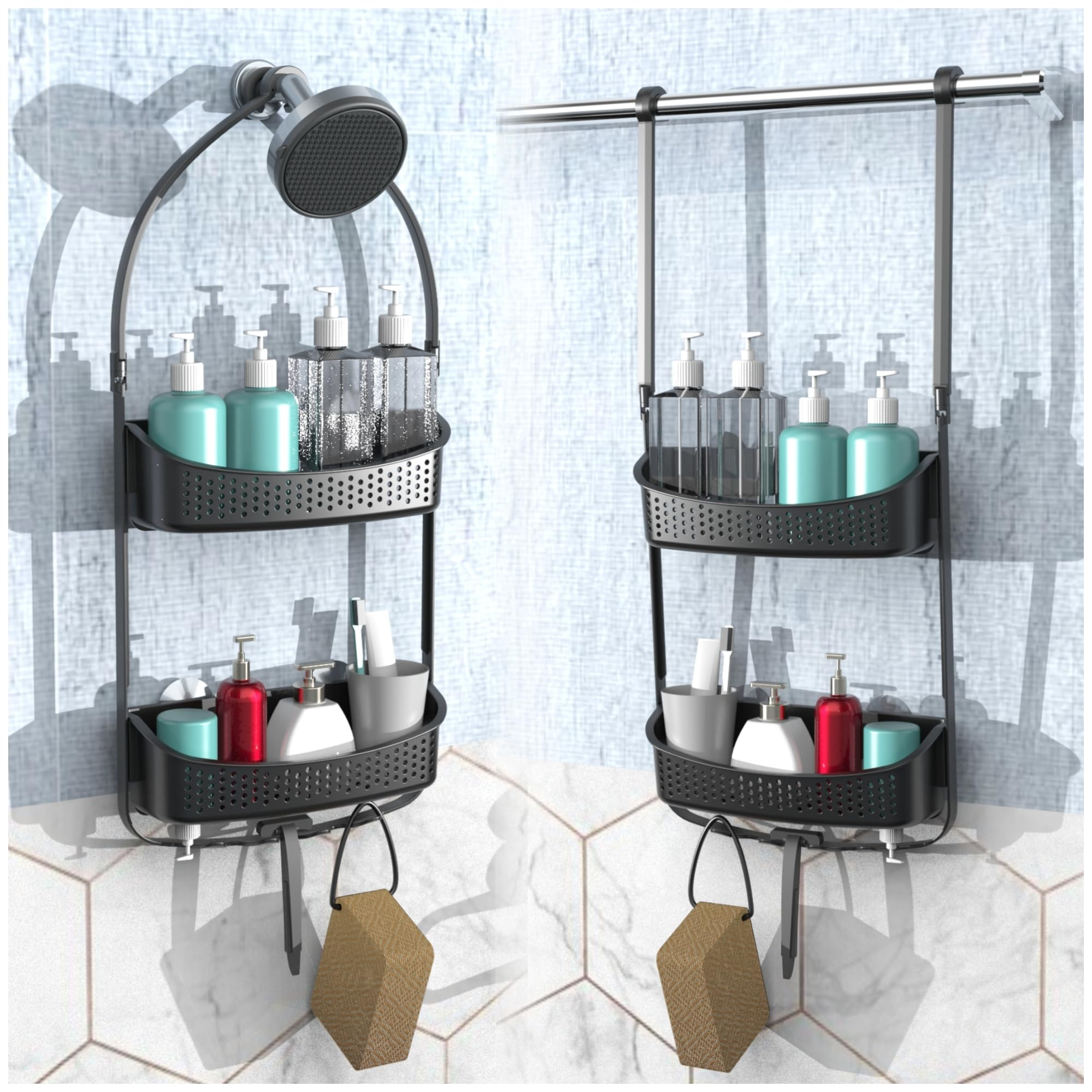
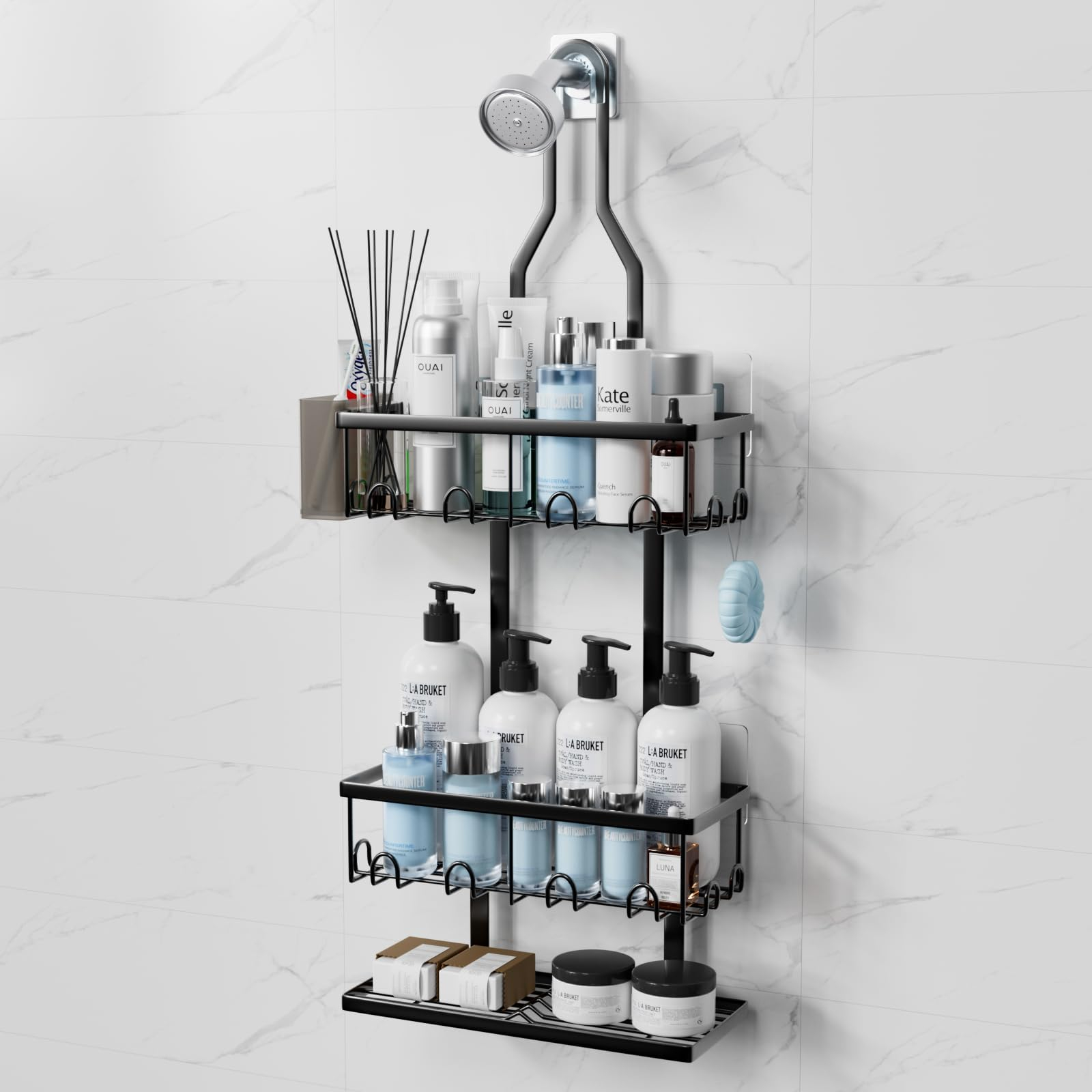
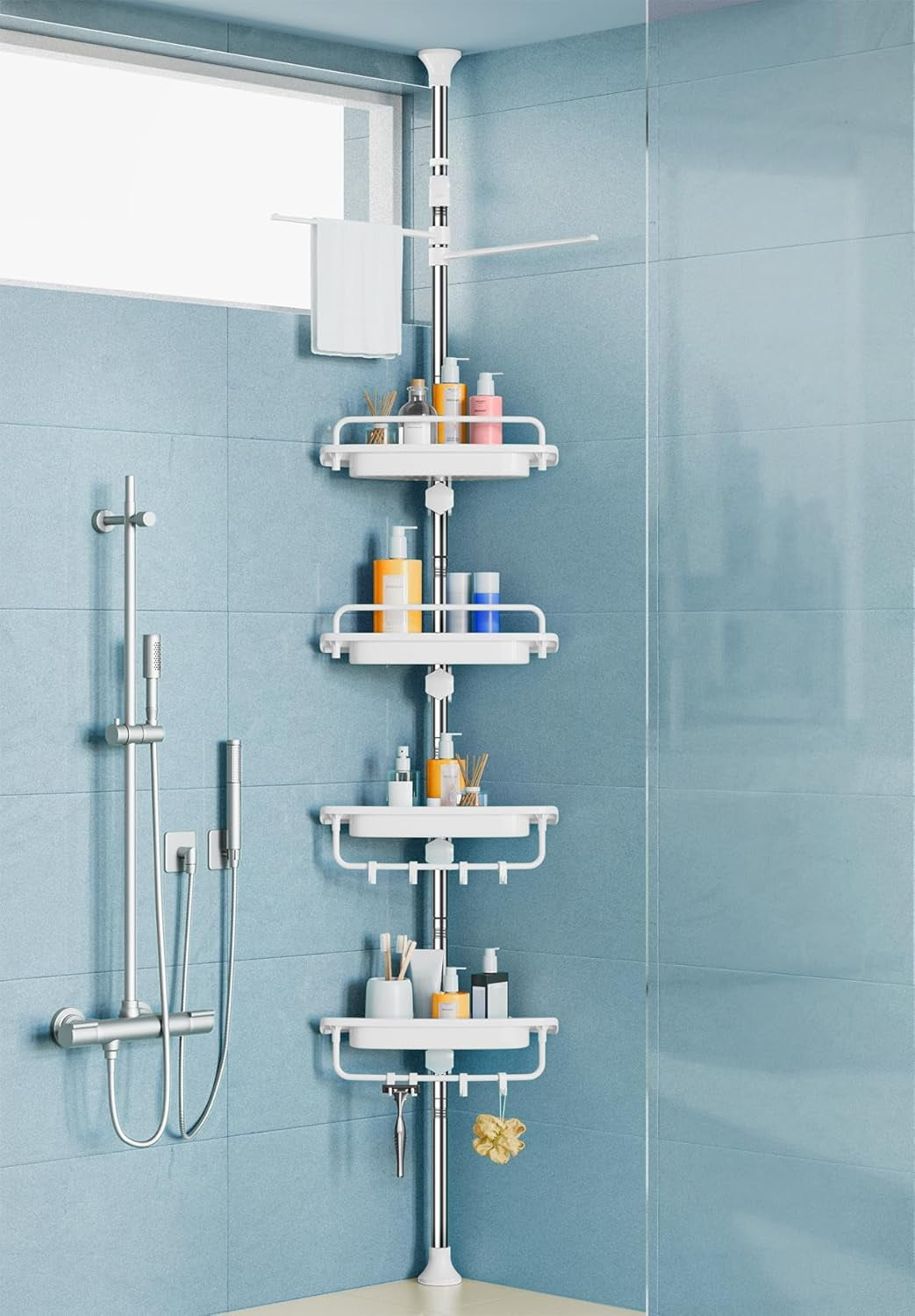
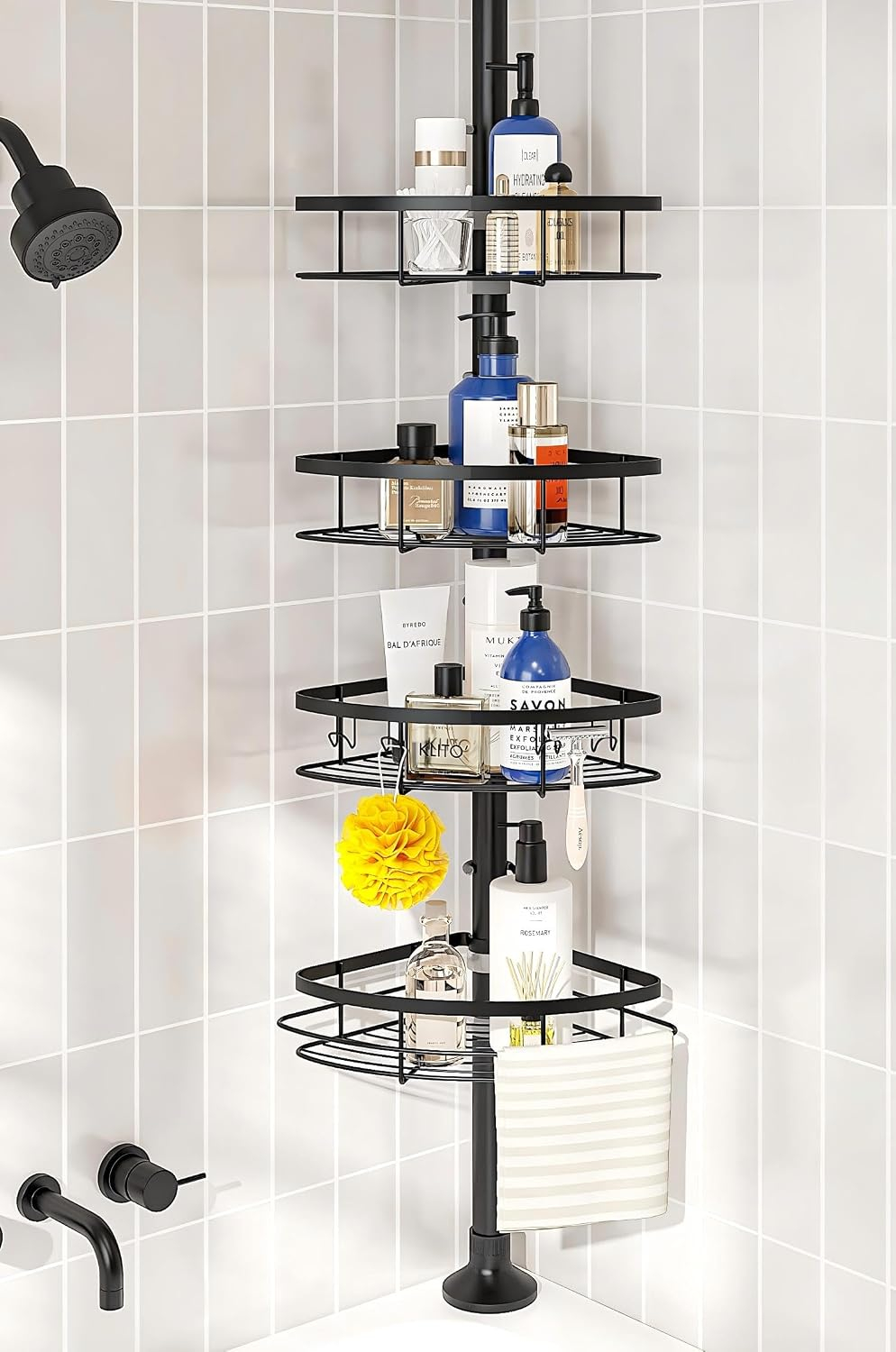
Step into any average apartment building across the country, pull back the plastic liner of a standard shower stall, and you will likely find a familiar offender. It hangs precariously from the showerhead, made of neon-tinted or cloudy white molded plastic. Over time, soap scum gathers in its corners, a pink film of bacteria breeds along its perforated base, and the plastic hangers warp under the weight of oversized shampoo bottles. It is cheap, ubiquitous, and entirely disposable. Within two years, it ends up cracked in a municipal dumpster, contributing to a relentless cycle of material waste.
Yet, the bathroom has quietly undergone a cultural shift. Homeowners and interior designers now view the bath not merely as a utilitarian wet room, but as a domestic sanctuary—a private spa meant to soothe the nervous system. In this reimagined space, a molded polyethylene tote looks distinctly out of place. The pursuit of mindful interior styling has forced a hard look at the everyday items we touch first thing in the morning and last at night. Upgrading shower organization is no longer just about tidying up clutter; it is about tactile pleasure, material honesty, and eliminating petrochemical clutter from our daily routines.
Transitioning away from plastic requires an understanding of how wet environments stress materials. Water is relentless. Heat and humidity expand joints, mineral deposits calcify on surfaces, and stagnant pools breed mold. Choosing an alternative to plastic means finding substances that endure these harsh conditions gracefully while elevating the room’s visual weight. This architectural evolution in bathware invites us to examine what our accessories are made of, how they age, and how they shape our daily rituals.
The Material Revolution in Bathroom Organization
The modern bathware market has responded to environmental fatigue by reviving time-tested structural elements and applying modern engineering to organic substances. For decades, manufacturers relied on cheap polymers because they were cheap to stamp, lightweight to ship, and impervious to outright water rot. However, cheap plastics degrade under UV light and constant thermal shock, turning brittle and shedding microplastics down the drain. Moving away from these synthetics has ushered in an era where material integrity dictates design.
Engineered natural fibers, marine-grade metals, and dense hardwoods have stepped into the spotlight. Take bamboo, for instance. Often utilized in extendable shower caddies, bamboo grows at an astonishing rate, making it a renewable powerhouse. When properly sealed, its natural silica content makes it naturally resistant to moisture penetration. Similarly, architectural metals like solid brass, copper, and electroplated stainless steel offer a sharp, architectural contrast to bathroom tile. These metals do not just hold weight; they catch the light, developing rich patinas over time that tell a visual story rather than looking worn out.
This shift mirrors a broader philosophical rejection of disposable culture. When you pick up a shower shelf crafted from grade-304 stainless steel or sustainably harvested teak, you feel a reassuring heft. The object grounds the space. It stops being a temporary utility item and becomes a permanent architectural fixture. By investing in resilient, non-plastic components, the bathroom transforms into a cohesive environment where every accessory honors the underlying architecture of the home.
Structural Integrity and Moisture Physics in Wet Environments
Designing for the shower interior requires an intimate knowledge of material science and fluid dynamics. A shower enclosure is a high-humidity microclimate where temperatures fluctuate wildly and chemical residues from soaps, shampoos, and body washes coat surfaces daily. Plastic survived this environment simply by ignoring it—it does not react with surfactants or water, but it also lacks structural dignity. Organic and metallic alternatives demand a sophisticated approach to how they handle moisture.
Wood used in shower organization, such as teak, relies on natural heavy oils and tight grain structures that act as internal waterproof barriers. Teak contains silica and rubber compounds that repel water naturally, preventing the wood from rotting or swelling even when submerged in standing puddles. Conversely, lesser woods like pine or oak will quickly succumb to fungal decay unless heavily treated with toxic synthetic resins. Metal caddies face a different enemy: galvanic corrosion and rust. When dissimilar metals touch in the presence of mineral-rich hard water, electrochemical reactions eat away at the joints.
Mitigating these physical realities requires smart design interventions. High-end contemporary caddies feature strategic drainage slots, sloped resting surfaces, and rubberized stand-off feet that prevent moisture from trapping between the caddy and the tile wall. Understanding the porosity of your chosen material ensures that your investment resists the microscopic onslaught of mold spores and mineral crusting. It shifts the maintenance paradigm from aggressive chemical scrubbing to simple, mindful upkeep.
Step-by-Step Implementation for Upgrading Your Shower Storage
Replacing a hanging plastic basket with a sustainable, aesthetic alternative requires careful measurement and installation planning. A poorly anchored metal or wood shelf can pull away from grout lines or damage waterproof membranes. Executing this upgrade correctly protects both your bathroom architecture and your organizational investment.
- Step 1 (Audit and Measure): Assess your current toiletry load by separating essential products from impulse purchases. Measure the exact clearance between your showerhead, faucet handles, and any knee-walls to determine whether you need a hanging caddy, a floor-to-ceiling tension pole, or a wall-mounted corner shelf.
- Step 2 (Select Your Material Profile): Choose a material that aligns with your bathroom’s ambient humidity and existing hardware finishes. Opt for grade-304 or marine-grade 316 stainless steel if you prefer a sleek, modern, rust-resistant metallic look. Choose kiln-dried teak or carbonized bamboo if you want to introduce warmth and organic texture.
- Step 3 (Evaluate Mounting Mechanisms): Avoid suction cups if you plan to store heavy glass bottles of shampoo, as temperature swings inevitably cause them to fail. Instead, look for tension mounts with silicone end-caps, over-the-door hooks with protective padding, or professional tile-anchored screw mounts sealed with exterior-grade silicone caulk.
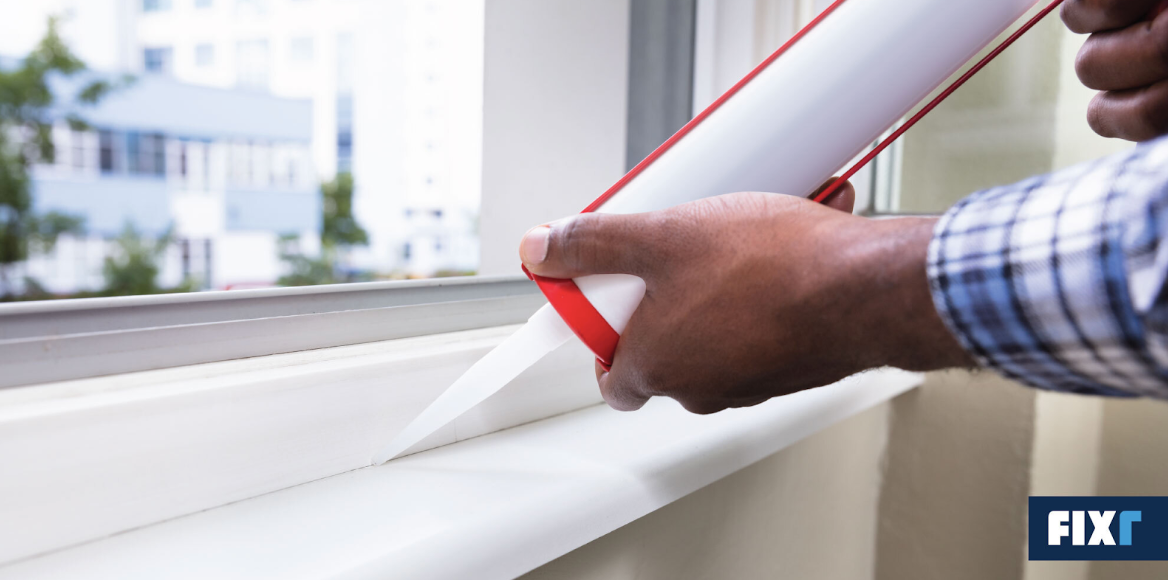
- Step 4 (Install and Seal): If drilling into tile, use a specialized carbide-tipped glass and tile drill bit at low speeds to prevent cracking. Fill pre-drilled holes with waterproof silicone sealant before inserting anchors to prevent moisture migration behind your tile backer board, which can cause hidden rot.
- Step 5 (Establish a Maintenance Routine): Wipe down your new caddy weekly with a microfibe cloth and a pH-neutral cleaner. For teak or bamboo pieces, apply a light coat of food-grade mineral oil or specialized teak oil every few months to maintain water repellency and rich coloration.
Common Pitfalls and Field-Tested Workarounds
Upgrading to sustainable shower caddies comes with a learning curve. Natural and high-end metallic materials behave differently than flexible plastic, and failing to respect their properties can lead to premature wear or aesthetic frustration. Anticipating these challenges ensures your new organization system lasts for years.
- Pitfall 1 (Ignoring Hard Water Mineral Buildup): Mineral scale from hard water can etch metal finishes and clog the pores of natural wood. Workaround: Spray down metallic caddies with a 50/50 water and white vinegar solution monthly, wiping it clean before it dries to dissolve calcium deposits without stripping protective coatings.
- Pitfall 2 (Allowing Constant Direct Submersion): Even waterproof woods like teak will degrade if they sit in a puddle of standing water at the bottom of a poorly drained tray. Workaround: Select caddy designs featuring raised slats or wide drainage channels, and ensure your shower slope directs water away from freestanding floor caddies.
- Pitfall 3 (Overloading Tension Poles): Spring-loaded tension poles can slip or bow if overloaded with heavy, family-sized pump bottles. Workaround: Distribute weight evenly across the shelves, placing the heaviest items on the bottom tiers and reserving upper shelves for lighter bars of soap and facial cleansers.
- Pitfall 4 (Using Harsh Chemical Bleaches): Cleaning natural wood or coated metals with chlorine bleach destroys wood fibers and pits metal finishes. Workaround: Stick to mild dish soap or specialized organic cleaners, and always rinse thoroughly with warm water after scrubbing.
- Pitfall 5 (Neglecting Wall Protection): Metal hanging hooks can chatter against tile walls during use, scratching porcelain or chipping grout lines. Workaround: Apply clear silicone bumper pads or rubberized sleeves onto any contact points where the caddy touches tile or glass surfaces.
The Broader Environmental and Psychological Impact
The objects we surround ourselves with in private spaces exert a subtle yet powerful influence on our mental state. Entering a shower cluttered with mismatched, brightly colored plastic bottles creates visual noise that registers as low-grade stress. Replacing this clutter with streamlined, organic materials shifts the psychological tenor of the room. A balanced arrangement of amber glass bottles resting on a sloped bamboo or brushed brass shelf invites calm, slowing down the pace of a hurried morning routine.
On a macro level, moving away from single-use plastics in the bathroom addresses a massive blind spot in household sustainability. While consumers eagerly swap out grocery bags and kitchen wrap, the bathroom remains a primary repository for hidden plastics. Shifting toward durable metals and responsibly managed timber supports circular manufacturing models. Metals can be infinitely recycled without losing structural integrity, while certified sustainable wood products support ethical forestry practices that protect biodiversity.
This design evolution represents a return to intentional consumption. When we choose a shower caddy built to last decades rather than months, we cast a vote against planned obsolescence. We accept the minor responsibility of oiling wood or wiping down metal in exchange for an object that gains character over time. This relationship bridges the gap between environmental responsibility and interior elegance, proving that sustainable design requires no compromise on luxury.
Actionable Recommendations for a Curated Shower Space
Bringing this aesthetic and sustainable shift into your own home requires balancing visual harmony with practical utility. To help you curate an enduring shower environment, consider these core recommendations for product selection and spatial arrangement.
- Prioritize Modular and Expandable Designs: Look for modular systems that can adapt as your product needs change. Extendable bamboo caddies or adjustable metal wire baskets accommodate varying bottle heights and tub widths without requiring total replacement when you switch product brands.
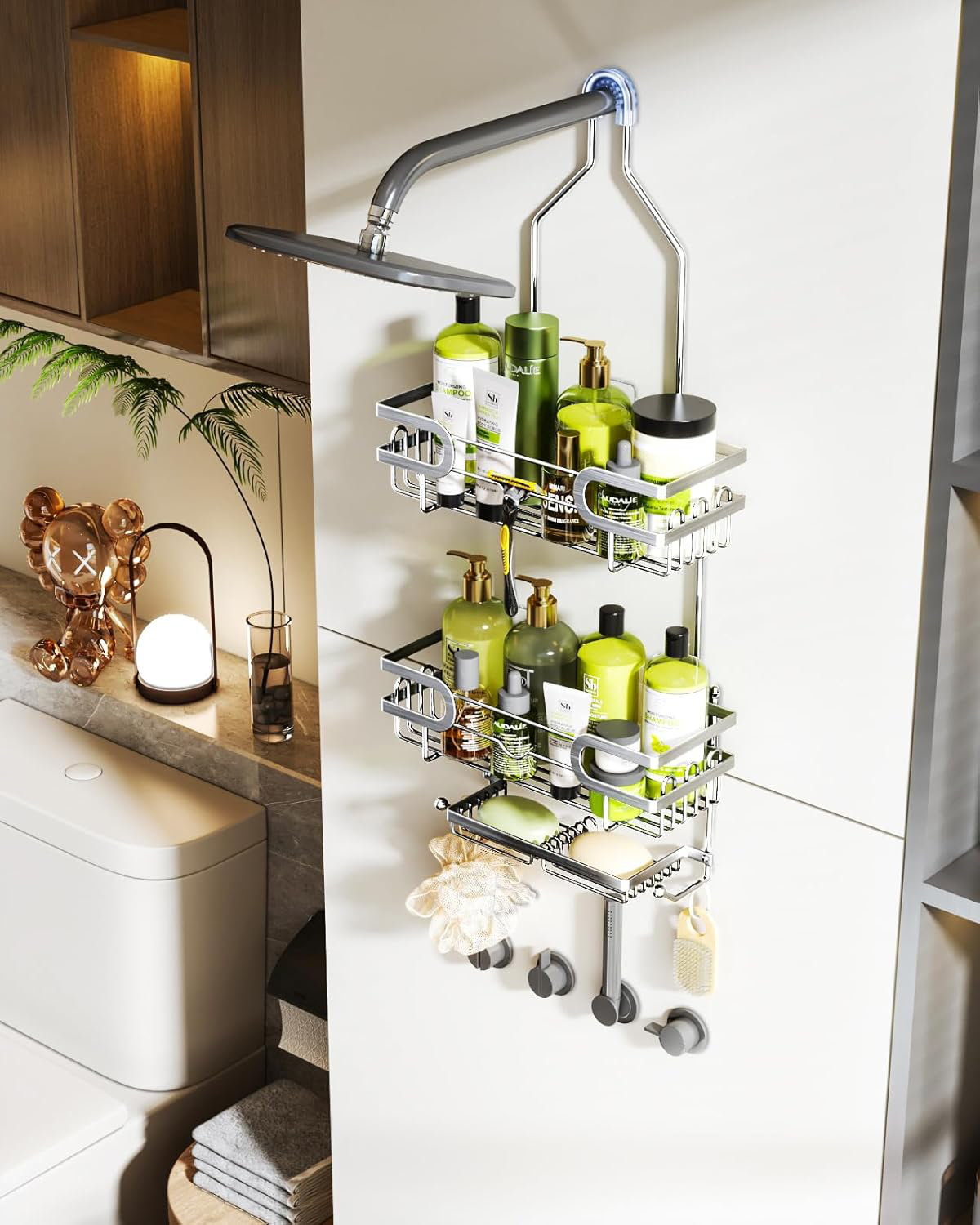
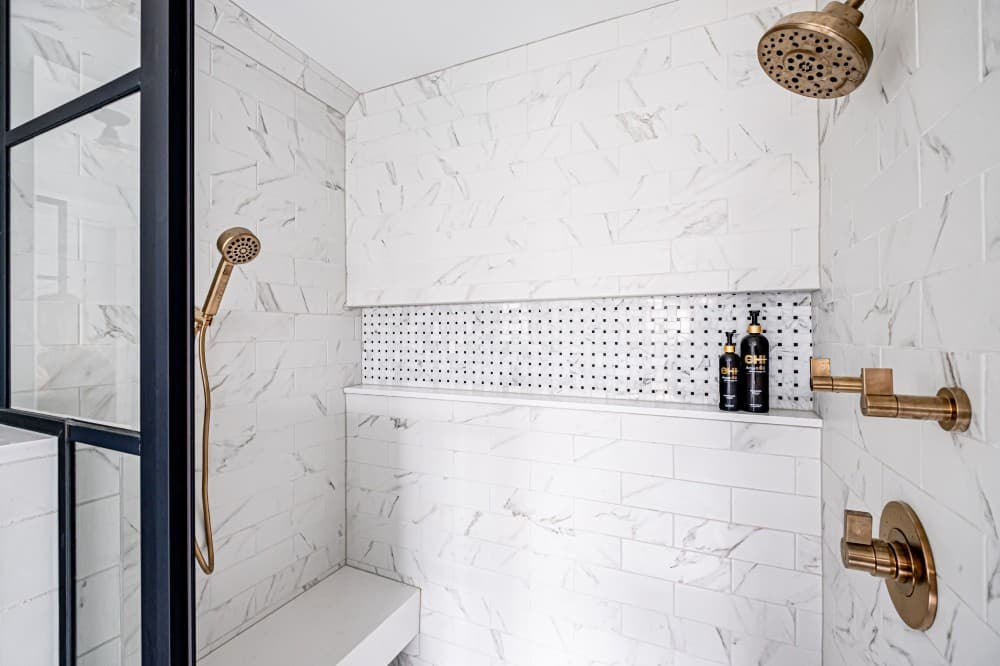
- Match Your Bath Hardware Finish: Tie the caddy into the broader room design by matching its finish to your existing faucets, showerheads, and drawer pulls. Brushed brass, matte black stainless steel, and polished chrome create a deliberate, high-end interior look that looks professionally designed.
- Consolidate with Refillable Dispensers: Pair your new caddy with matching glass or stainless steel pump bottles for your shampoos and body washes. This eliminates the visual clutter of clashing corporate label designs and allows you to buy bath products in bulk, further reducing household plastic waste.
- Invest in Wall-Mounted Minimalism: If floor space is at a premium or your shower stall is compact, choose wall-mounted corner units. They lift storage off the floor and away from the primary splash zone, keeping your surfaces cleaner and easier to squeegee.
- Support Certified Sustainable Standards: When purchasing wood accessories, verify that the manufacturer uses Forest Stewardship Council (FSC) certified teak or rapidly renewable bamboo to ensure your organizational upgrade does not contribute to deforestation.
The humble shower caddy is rarely considered a centerpiece of interior design, yet it occupies a crucial intersection between daily habit and environmental impact. By stepping away from the disposable plastic totes that have dominated bathrooms for decades, we reclaim our private spaces as sanctuaries of mindfulness and material honesty. We stop accepting degradation as a given and begin demanding items that age gracefully, perform reliably, and respect the planet.
As material science and conscious manufacturing continue to evolve, the options for sustainable bath organization will only expand. From recycled ocean-bound metals to advanced bio-composites, the future of bathroom design promises even greater harmony between durability and ecological stewardship. Making the switch today is more than a simple decor upgrade; it is a quiet, daily rebellion against throwaway culture—one shelf, one bottle, and one mindful ritual at a time.