Think about the last time you sat on your toilet. You probably didn’t think twice about what was happening right beneath you. It looks completely solid, right. But underneath that heavy porcelain base lies a tiny, inexpensive ring made of sticky wax. This small item is actually the only thing keeping gallons of gross, contaminated waste water from soaking directly into your master bathroom floor every single time you flush.
When you really stop and look at how a bathroom is built, it’s kind of crazy. We spend thousands of dollars on beautiful tiles and sleek vanities, yet the entire safety of our home’s structure relies on a three-dollar piece of molded wax. If that sticky barrier fails, you are looking at a massive headache. Let’s dive deep into why this little hidden helper is the most important part of your plumbing system.
The Secret Protection Layer Under Your Throne
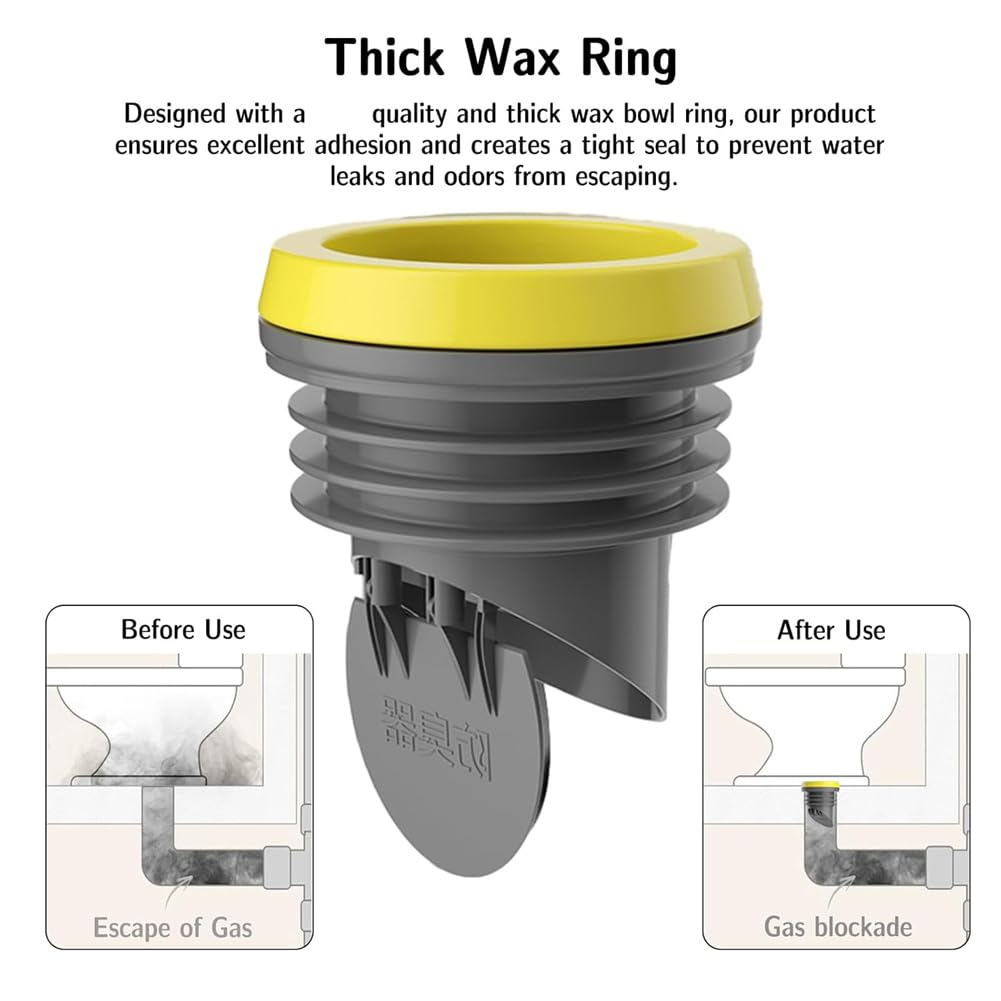
At its core, a wax toilet ring has one specific job. It forms a completely airtight and watertight seal between the bottom of your toilet bowl and the sewer flange, which connects to your home’s waste pipes. When a plumber sets your toilet down onto the floor, the heavy weight of the porcelain crushes the soft wax. This creates a custom mold that fills every tiny gap, ensuring no liquid can escape.
Without this sticky barrier, every single flush would send dirty water splashing onto your subfloor. It also plays a massive role in keeping your home smelling clean. The wax blocks dangerous sewer gases and nasty bacteria from seeping upward into your living space. It is a simple design that hasn’t changed much in decades, mostly because it works incredibly well when it is installed right.
Subtle Clues That Your Seal Is Failing
The scariest part about a leaking wax ring is that it usually starts out completely invisible. The water doesn’t always just rush out onto your nice tiles. Instead, it slowly drips down into the wooden floorboards underneath where you can’t see it. However, your house will usually give you a few subtle hints that something is wrong if you know what to look out for.
- A Weird Smell: If you notice a faint sewer odor that comes and goes, your wax ring might be dried out or cracked.
- The Toilet Rocks: Does your toilet wobble slightly when you sit down. A loose toilet shifts around, which easily breaks the soft wax seal underneath.
- Soft Spots on the Floor: If the flooring around the base feels spongy or looks discolored, water is already soaking the wood.
Why Flange Problems Mess Up the System
Sometimes, the wax ring itself isn’t the real bad guy. The problem often stems from the closet flange, which is the plastic or metal ring that anchors the toilet to the drain pipe. If your bathroom floor was recently remodeled and new, thicker tiles were put down, the flange might now sit too low. If the flange is below the level of the finished floor, a standard wax ring won’t be thick enough to squish down and make a good connection.
Another major issue is a broken or cracked flange. If the slots where the closet bolts slide into are snapped, the toilet can’t be tightened down properly. It will rock back and forth, tearing the wax apart within weeks. When replacing a toilet, checking the height and condition of that flange is absolutely crucial for long-term success.
Choosing the Right Replacement Part
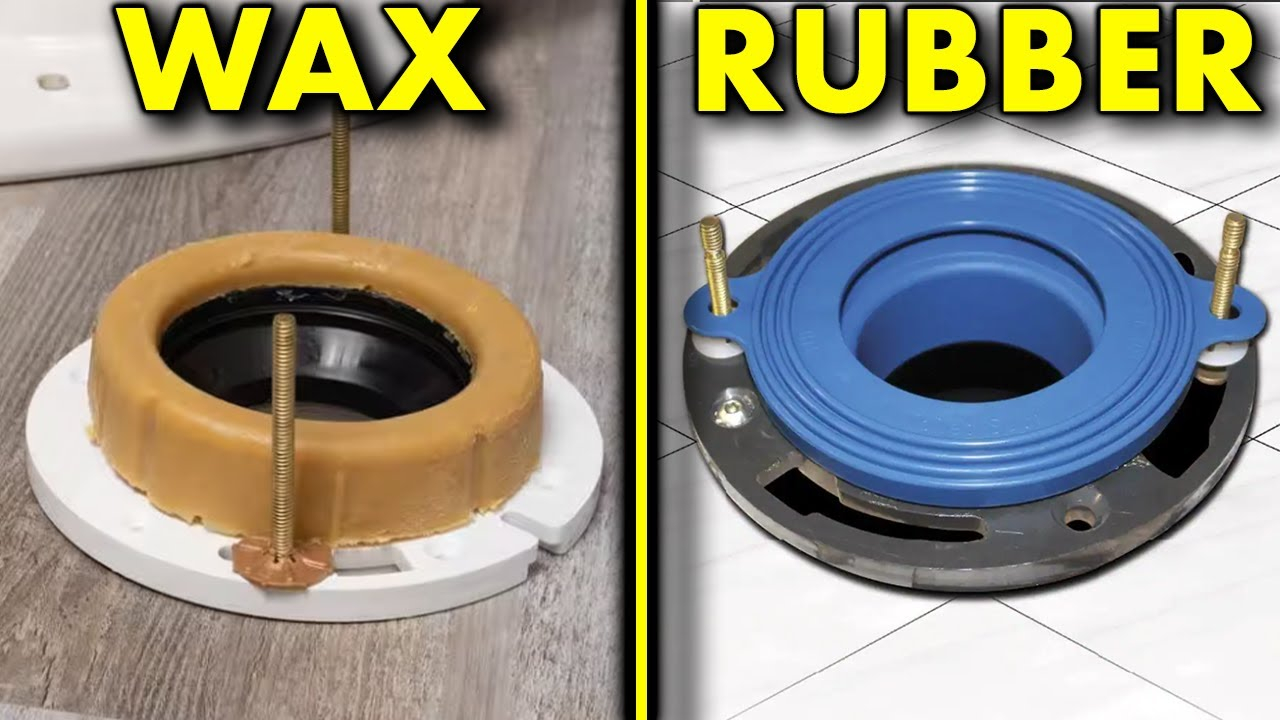
If you walk down the plumbing aisle at a hardware store, you might get a little overwhelmed by all the choices. You will see standard rings, extra-thick ones, and even new rubber or silicone alternatives. Extra-thick rings are fantastic if your floor flange is sitting a bit too low beneath the tile line. They give you that extra bulk needed to fill the gap.
Lately, many folks are trying out the newer rubber "waxless" seals. They are pretty neat because you can readjust the toilet if you don’t drop it perfectly straight the first time. With traditional wax, you only get one shot; if you misalign the toilet and lift it back up, the wax is ruined and you have to start over with a fresh ring. However, classic wax still remains the favorite for old-school plumbers because it lasts for decades.
Step-by-Step Tips for a Perfect Install
Replacing a failed seal is a messy project, but it is totally doable for a handy homeowner. First, you have to shut off the water valve and flush the toilet until the tank and bowl are completely empty. Use an old sponge to suck out the remaining puddles. Unbolt the supply line and the floor nuts, then carefully lift the heavy porcelain straight up and set it aside on an old towel.
The most important step is cleaning away the old gunk. Use a putty knife to scrape every single bit of old, sticky wax off the floor flange and the bottom of the toilet. If you leave old pieces behind, the new ring won’t bond right. Pop the new ring into place—either on the flange or directly onto the bottom of the toilet horn—and lower the toilet straight down. Use your body weight to press it firmly into the floor, then tighten the bolts snugly, but don’t overtighten or you might crack the porcelain.
It is easy to push off plumbing repairs when you are busy, but ignoring a bad wax ring can destroy your wallet. A tiny drip over two or three years can completely rot out the wooden joists holding up your bathroom. In severe cases, toilets have actually fallen right through the ceiling into the room below because the wood became so weak and decayed.
On top of structural issues, hidden moisture creates the perfect breeding ground for toxic black mold. Remediating mold and replacing an entire subfloor can easily cost thousands of dollars. Spending an afternoon and a few bucks on a new wax ring is a tiny price to pay to avoid a massive home renovation disaster.
Taking care of your home often means paying attention to the tiny details that are hidden out of sight. The humble toilet wax ring is a perfect example of a small component doing heavy lifting. By staying aware of subtle odors, checking for any wobbles, and acting quickly when you suspect a leak, you can save your bathroom from catastrophic damage.
Next time you hear your toilet flush, remember the sticky little hero working hard under the floorboards. Keeping that seal healthy ensures your home stays dry, safe, and smelling fresh for years to come. Do you think your current toilet seal might be past its prime?