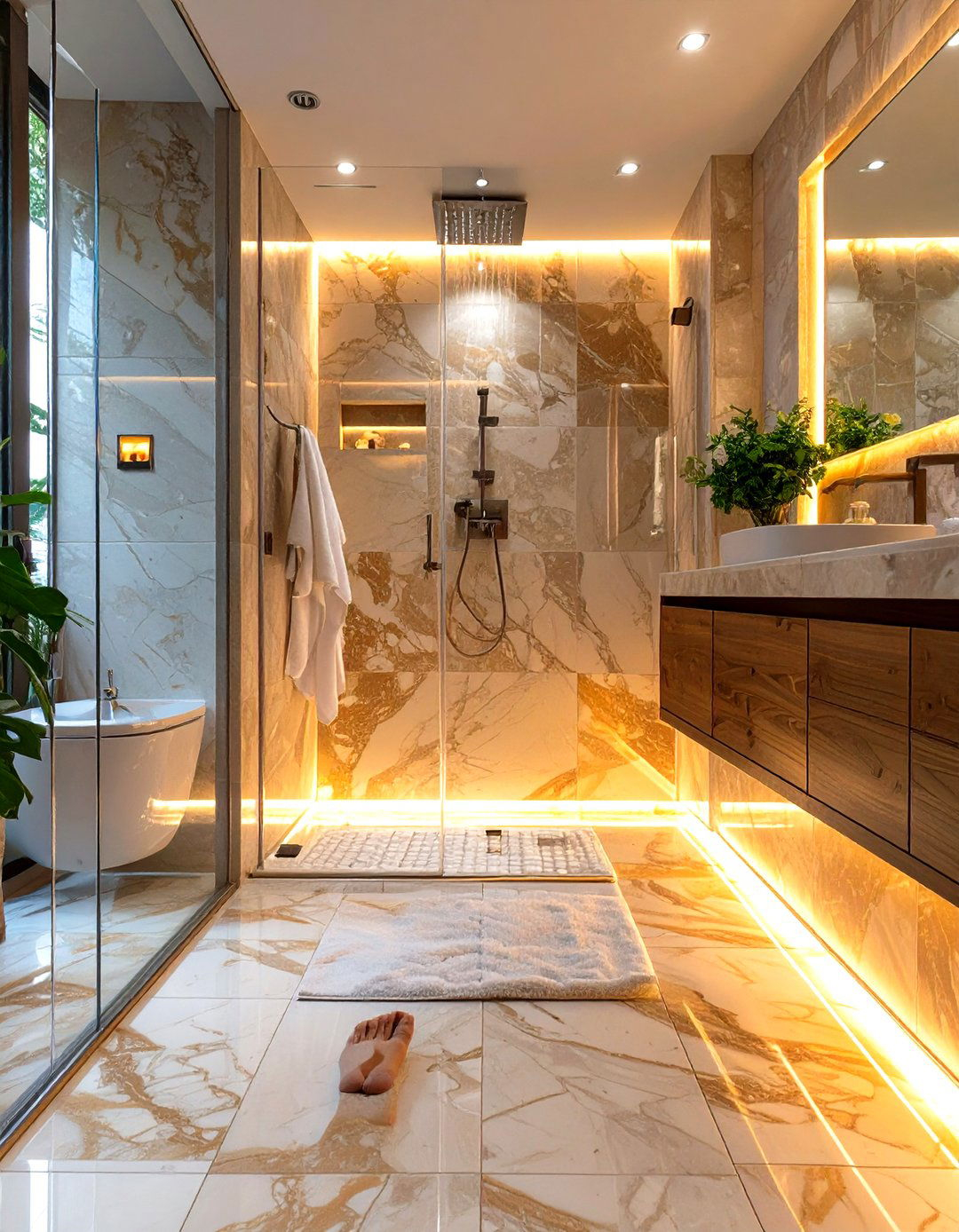
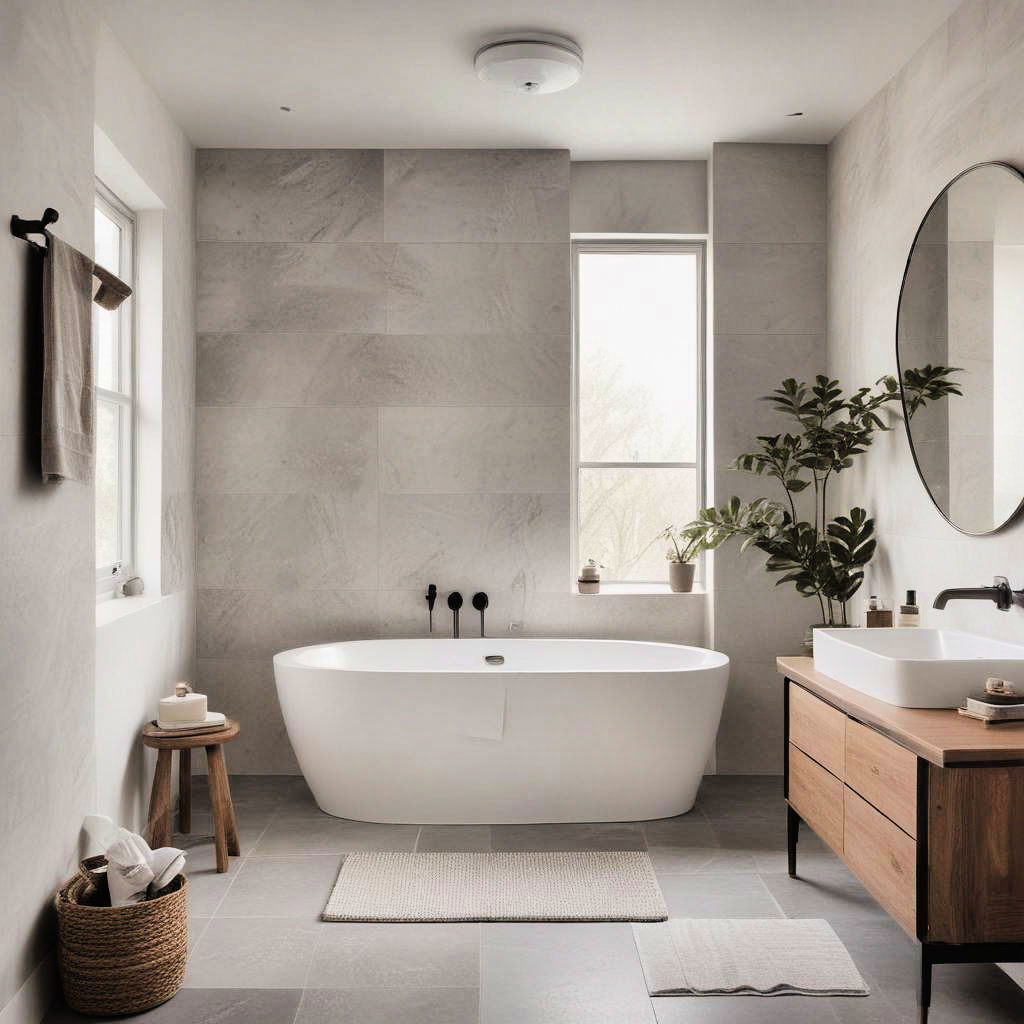
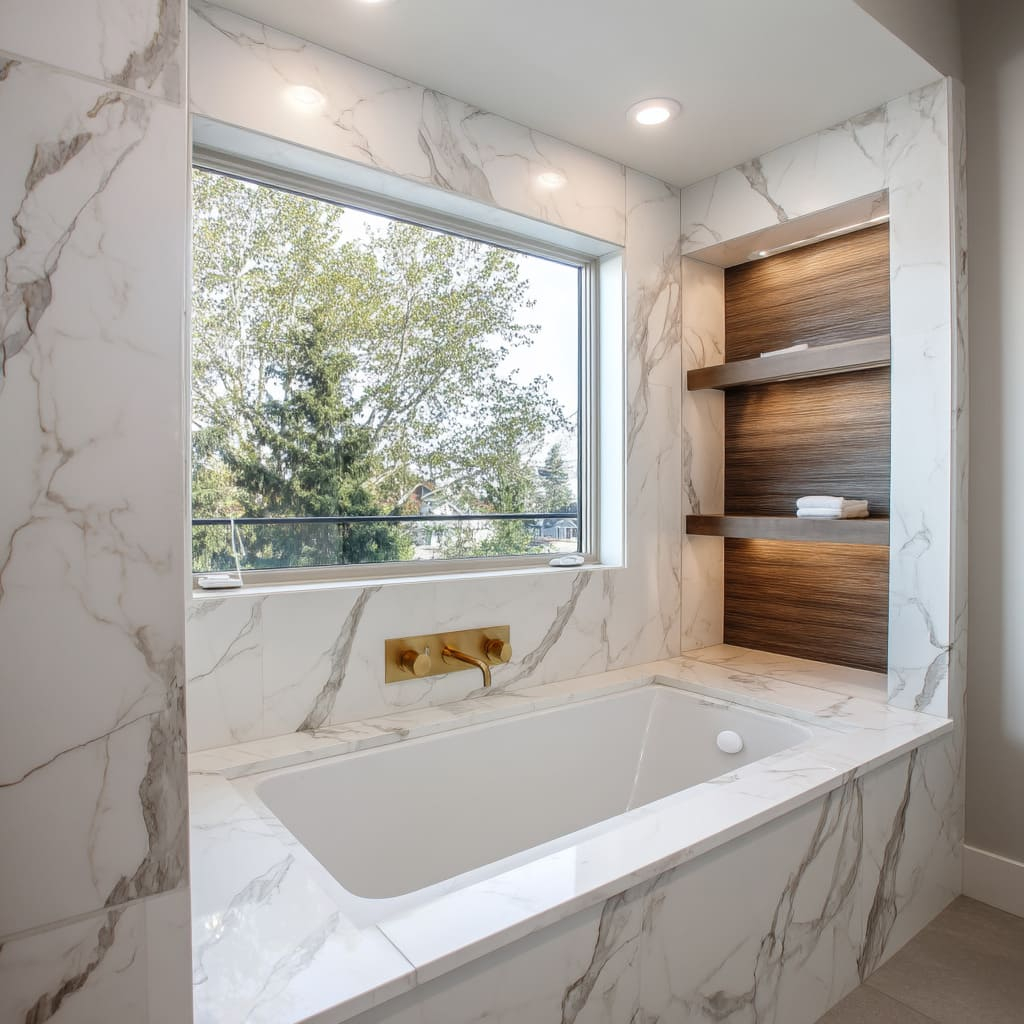
Stepping onto a freshly grouted wet room floor on a freezing Tuesday morning should feel like a spa retreat, not a high-stakes balance beam routine. Yet, homeowners across the country routinely discover that the sleek, mirror-polished marble slab they fell in love with in a brightly lit showroom turns into an ice-skating rink the moment hot shower water hits its surface. The design world loves to sell us the illusion of seamless luxury, where walls melt into floors and grout lines vanish into architectural minimalism. But beauty in a room engineered to hold standing water is an entirely different beast.
Behind every jaw-dropping architectural digest spread of an open-concept wet room lies an invisible network of physics, waterproofing membranes, structural slopes, and chemical bonds. When you strip away the designer staging, the performance of the space rests squarely on the shoulders—and technical specifications—of the tiles you choose. A wet room is not simply a bathroom with the tub ripped out; it is a specialized aquatic environment subject to constant thermal shock, relentless moisture migration, and heavy foot traffic.
Failing to respect the engineering realities of tile selection in these spaces leads to catastrophic structural failures. We are talking about efflorescence creeping up custom plaster walls, subfloor rot eating away at joists, and hairline fractures opening up under foot pressure because a standard ceramic wall tile was forced to pull double-duty on a high-load shower floor. Understanding why thoughtful tile selection dictates whether your investment lasts for decades or results in a gut-renovation tear-out within three years requires a deep dive into the intersection of material science and interior architecture.
The Science of Water Absorption and Structural Integrity
The single biggest mistake renovators make is assuming that because a tile is installed vertically or horizontally indoors, it possesses some innate immunity to moisture. Water is a remarkably patient solvent. Over time, it exploits the microscopic pores inherent in clay-based ceramics and natural stones, driving freeze-thaw expansion, mold propagation, and adhesive degradation. This is precisely why porcelain has emerged as the undisputed hero of modern wet room engineering.
Porcelain is manufactured using denser clays, refined feldspar, and quartz, subjected to ultra-high hydraulic presses and fired in kilns at temperatures exceeding 1,200 degrees Celsius. The resulting vitrification process reduces the tile’s water absorption rate to less than 0.5 percent, effectively classifying it as impervious to moisture. In a wet room where ambient humidity hovers near saturation points daily, this low porosity is your first line of defense. Contrast this with standard porous ceramics or unsealed natural stones like travertine or soft limestones, which act like dense sponges, absorbing ambient moisture and trapping it against the waterproof backer boards.
Beyond porosity, you must account for breaking strength and flexural load. A wet room floor is subjected to concentrated point loads—think of the sharp heel of a bathroom stool or the dynamic weight of someone stepping down abruptly. Porcelain and high-density stone composites boast exceptional modulus of rupture ratings, ensuring they resist cracking when the underlying timber or concrete subfloor experiences minor structural deflection. Choosing the right material grade prevents the devastating domino effect where a cracked tile breaches the waterproof membrane below, allowing gallons of greywater to quietly rot your home’s framing over months of daily use.
Navigating Dynamic Friction Coefficients and Barefoot Safety
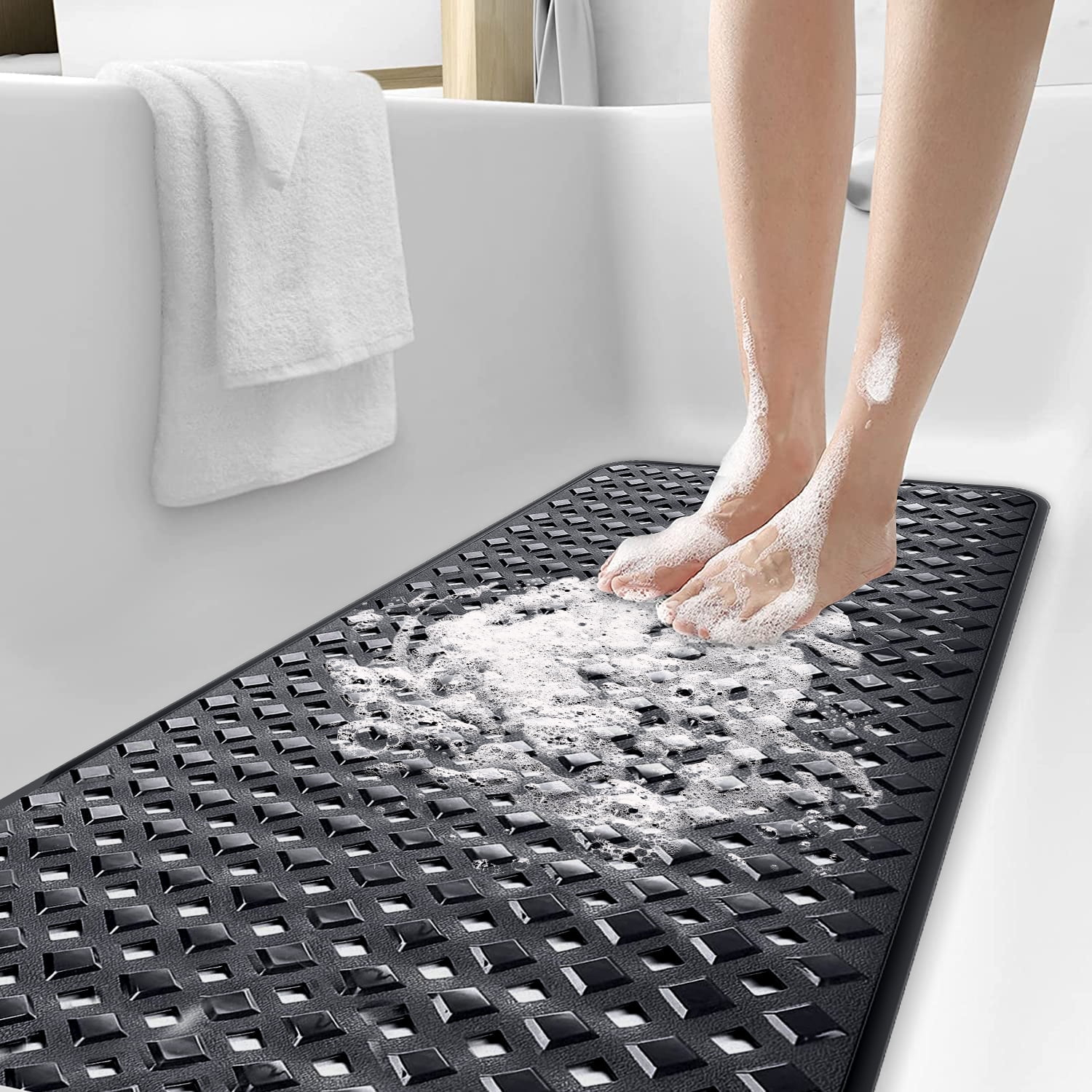
Safety in a wet room is governed by physics, specifically the Dynamic Coefficient of Friction (DCOF). For decades, homeowners relied on visual cues—assuming rough meant safe and smooth meant slippery. Modern tile manufacturing has shattered this crude binary, allowing for advanced nano-glazes and tactile matte finishes that provide exceptional barefoot traction without feeling like coarse sandpaper against your soles.
When evaluating wet room floor tiles, look strictly for a DCOF rating of 0.42 or higher for level commercial and residential interior floors subject to walking when wet, though specialized wet room zones and sloping shower pans frequently demand significantly higher slip-resistance classifications, such as R10 or R11 ratings under European standards. A common pitfall is choosing a high-gloss polished porcelain for the entire bathroom floor to maintain a continuous aesthetic. While these tiles look stunning dry, introducing soap, shampoo residue, and warm water transforms them into hazardous sliding boards.
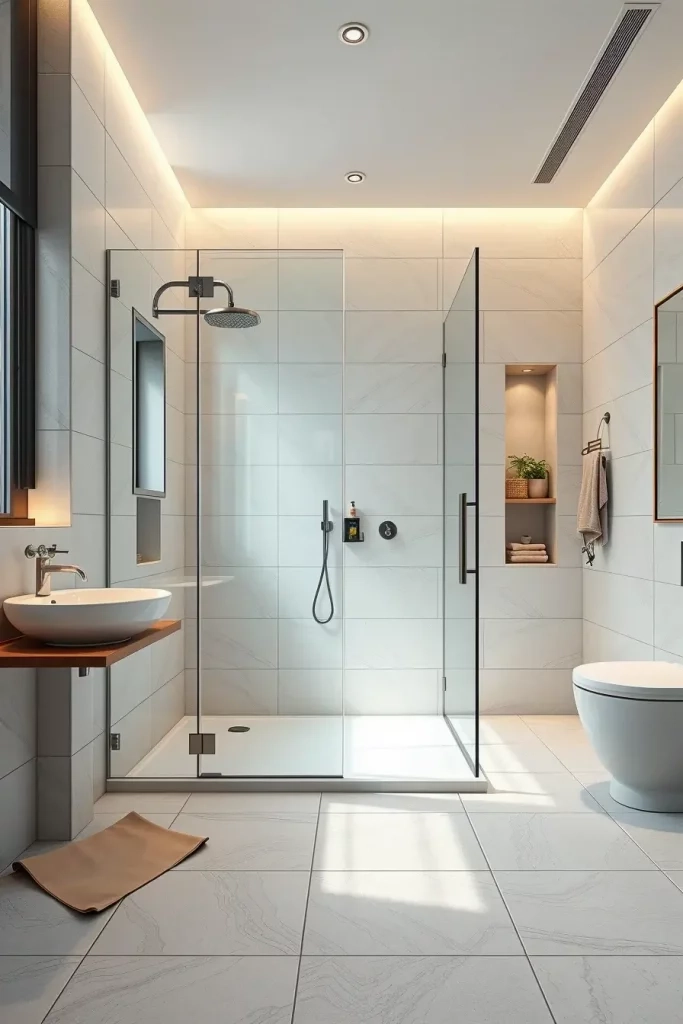
The secret weapon for modern wet room designers is the strategic modulation of tile formats. By transitioning to smaller format tiles—such as 2×2 mosaic sheets—within the immediate shower drainage zone, you exponentially increase the density of grout lines. These recessed joints act as micro-channels for water runoff while providing extra grip points for bare feet. Meanwhile, you can carry large-format porcelain slabs (such as 24×48 inches) across the dry vanity and dressing zones to maintain that coveted minimalist aesthetic. This hybrid approach marries visual expanse with uncompromising biomechanical safety.
A Step-by-Step Methodology for Sourcing and Specifying Wet Room Tiles
Transforming a raw blueprint into a bulletproof, watertight wet room requires a disciplined, chronological sourcing methodology. Skipping steps in the specification phase almost always guarantees costly modifications on the job site.
- Step 1 (Audit Substrate and Drainage Requirements): Determine whether your subfloor is framed timber or poured concrete. Timber joists require rigid cement backer boards and uncoupling membranes to mitigate deflection, while concrete subfloors demand careful slope calculations toward linear or point drains to ensure zero pooling.
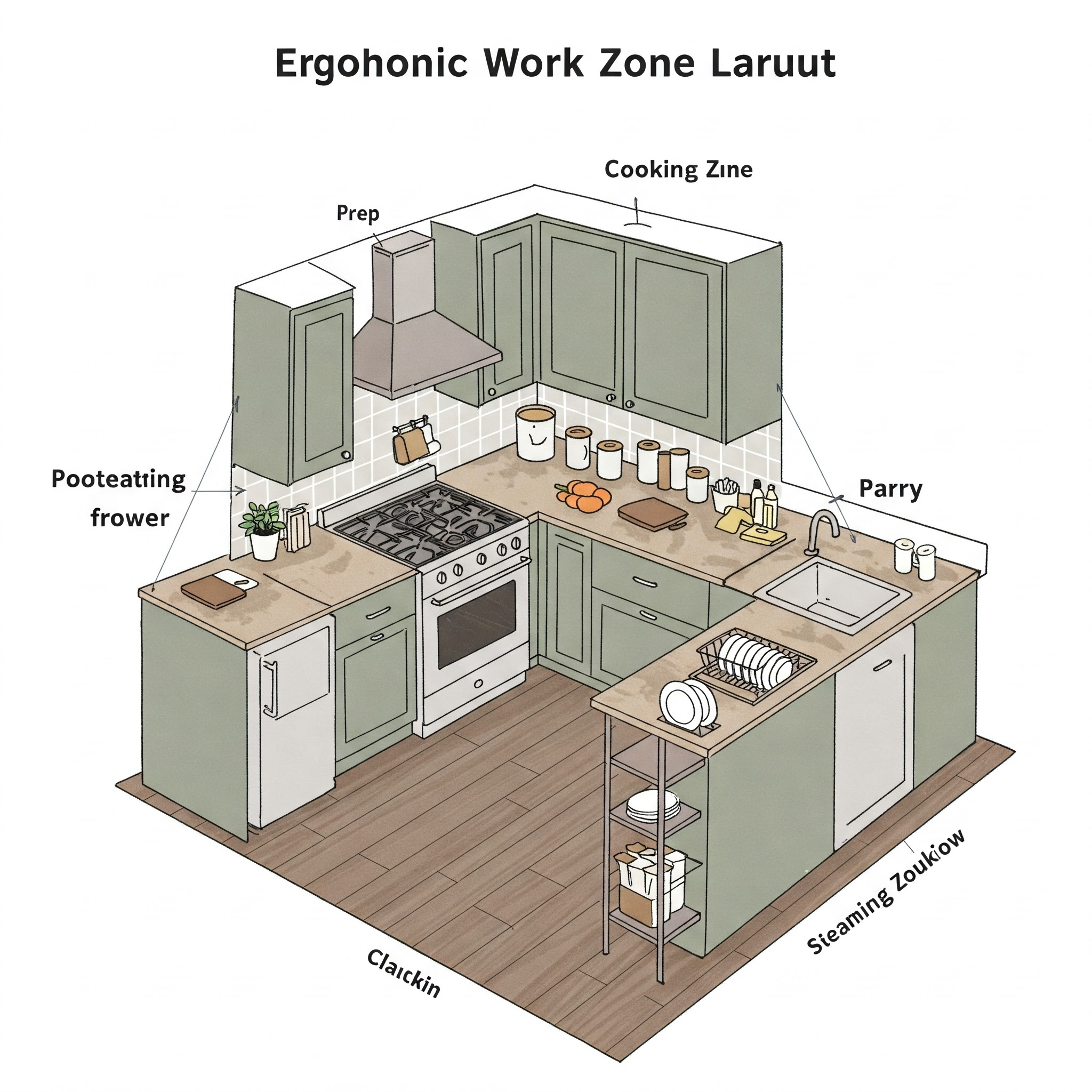
- Step 2 (Establish the Aesthetic vs. Functional Zone Map): Divide your wet room into three distinct zones: the wet zone (inside the direct spray radius), the splash zone (adjacent walls and vanity floors), and the dry zone (entry and dressing areas). Match tile materials, finishes, and slip ratings to the specific exposure level of each zone.
- Step 3 (Select Material Composition and Sizing): Prioritize impervious porcelain or dense, properly sealed natural stone. Choose large-format tiles for walls and dry floors to minimize grout maintenance, but mandate high-texture, smaller-format mosaics or friction-glazed tiles for any sloped shower pan areas.
- Step 4 (Specify Chemical-Resistant Setting Materials): Do not let standard thin-set mortar and traditional cement grout ruin high-end tiles. Specify modified polymer thin-sets and high-performance epoxy or urethane grouts that resist staining, chemical breakdown from harsh cleaners, and mold colonization.
- Step 5 (Perform Dry-Lay and Mock-Up Testing): Before permanent installation, lay out your tile selections in natural and artificial light. Verify that the transition profiles between different tile thicknesses are flush to eliminate tripping hazards, and test a loose sample with water and soap to confirm your tactile safety expectations.
Avoiding Costly Failures: Field-Tested Workarounds for Common Pitfalls
Even with top-tier materials, wet room installations frequently derail due to execution errors and overlooked environmental factors. Anticipating these roadblocks saves thousands of dollars in remediation costs.
- Pitfall 1 (Ignoring Grout Permeability and Mold Growth): Traditional cementitious grout is porous and absorbs standing water, leading to dark staining and black mold within months. Workaround: Upgrade to a 100% solids epoxy grout or a chemical-resistant polyurethane grout in all high-moisture zones to create a completely non-porous, stain-proof seal.
- Pitfall 2 (Mismatching Tile Thicknesses Across Zones): Mixing 10mm thick porcelain slabs with 6mm natural stone or glass mosaics creates jagged lips and hazardous tripping hazards. Workaround: Use adjustable leveling systems during dry-fitting and specify transition schluter profiles or feather the thin-set mortar bed to create perfectly flush grade transitions.
- Pitfall 3 (Failing to Account for Thermal Expansion): Wet rooms experience wild temperature swings from scalding shower water and cool ambient air, causing tiles and substrates to expand and contract at different rates. Workaround: Insist on continuous movement joints around the room perimeter and breaks every few meters in large tile fields, filled with flexible silicone caulk rather than rigid grout.
- Pitfall 4 (Using Non-Waterproof Backing Systems Behind Tiles): Many DIYers and novice installers mistakenly rely on the tile and grout themselves to keep water out of the walls. Workaround: Treat tiles merely as the decorative finish; always install a liquid-applied or sheet-membrane waterproofing system over cement backer boards prior to setting a single tile.
- Pitfall 5 (Neglecting the Slope Gradient for Large Format Tiles): Attempting to wrap a 24×24 inch rigid tile across a compound sloped shower pan results in tenting, broken bonds, and un-drainable puddles. Workaround: Restrict large tiles strictly to flat floors and walls, reserving small mosaics (2×2 inches or smaller) for any surface where the floor must pitch toward a linear drain.
The Broader Impact of Material Longevity and Sustainable Design
When we evaluate the long-term economics of home renovation, tile selection in wet environments transcends mere interior styling—it becomes an exercise in lifecycle asset management. Bathrooms and wet rooms represent the highest percentage of structural insurance claims related to water damage in residential real estate. By selecting high-durability porcelain and impervious installation systems, homeowners drastically extend the structural lifespan of their properties, avoiding the environmental and financial waste associated with premature gut renovations.
Furthermore, the tile industry has made massive strides in sustainable manufacturing. Modern porcelain tile plants frequently utilize recycled pre-consumer water, capture kiln heat for facility energy, and produce ultra-thin large-format panels that require significantly less raw clay and transportation fuel per square foot. Choosing long-lasting, timeless mineral surfaces over trendy synthetic shower surrounds aligns residential design with genuine environmental stewardship. A well-tiled wet room should outlast kitchen cabinetry and hardwood flooring cycles, standing as a permanent, high-performance monument to sound architectural judgment.
Crafting a Cohesive Vision: Balancing Aesthetics and Engineering
The ultimate triumph of a modern wet room is making complex engineering look effortless. When you walk into the space, you should not be consciously thinking about DCOF ratings, waterproofing membranes, or moisture vapor transmission rates. You should be experiencing sensory calm—the visual rhythm of uninterrupted stone-look porcelain, the tactile comfort of warm water on slip-resistant flooring, and the clean lines of minimalist architectural design.
Achieving this harmony requires resisting the temptation to let aesthetics completely override physics. Every design choice must be filtered through a practical lens: Will this glaze hold up to daily scrubbing? Will this grout line channel water efficiently to the linear drain? Does this tile expand harmoniously with the heated subfloor system underneath? By honoring both the technical demands of aquatic architecture and the emotional desire for sanctuary, you create a space that performs brilliantly under pressure while looking breathtakingly timeless.
The modern wet room is no longer an exotic luxury reserved for five-star boutique hotels; it is a mainstream architectural aspiration for contemporary living. Yet, this democratization of high-end design brings a warning: style without substance is a liability in spaces dominated by water. By respecting the underlying material science, prioritizing barefoot safety through intelligent friction ratings, and refusing to compromise on professional waterproofing and grouting systems, you safeguard your home against structural failure.
As you embark on your tile selection journey, remember that the most successful renovations are those where technical rigor and visual poetry intersect seamlessly. Take your time in the showroom, demand performance data from manufacturers, and treat your wet room tiles not just as a coat of paint, but as the primary functional armor of your home’s most demanding room.