Water is a remarkably quiet home invader. It does not smash windows or kick down doors; it simply pools, creeps, and migrates downward through subfloors, ceiling drywall, and structural insulation until a collapsed ceiling or a massive mold colony announces its presence. Most homeowners invest heavily in leak-detection smart home devices, premium roofing materials, and reinforced supply lines, yet they remain entirely oblivious to a small, slotted metal plate sitting unassumingly a few inches below the rim of their bathtub.
Imagine walking into your bathroom on a Tuesday evening, greeted by the soothing sounds of a hot bath running. The phone rings downstairs. You step away for what feels like two minutes—just long enough to catch an urgent conversation about a client presentation or chase a toddler who has decided the hallway is a racetrack. When you return, the bathroom floor is a glistening, shallow lake, and water is already weeping through the baseboards. Panic sets in. Yet, in a properly designed home, that disaster should have been averted entirely by a silent sentinel: the bathtub overflow drain.
We tend to take our plumbing infrastructure for granted until gravity reminds us of its relentless nature. The overflow drain is routinely dismissed as a purely cosmetic piece of bathroom hardware, a decorative circle or rectangle that matches the faucet finish. In reality, it is a sophisticated, dual-purpose engineering marvel. It acts as an emergency relief valve for catastrophic overfills and plays an invisible, critical role in fluid physics that dictates how fast your tub actually empties. Understanding this plumbing fixture changes how you look at bathroom maintenance, home insurance claims, and structural preservation.
The Architectural Anatomy and Fluid Dynamics of a Tub Overflow
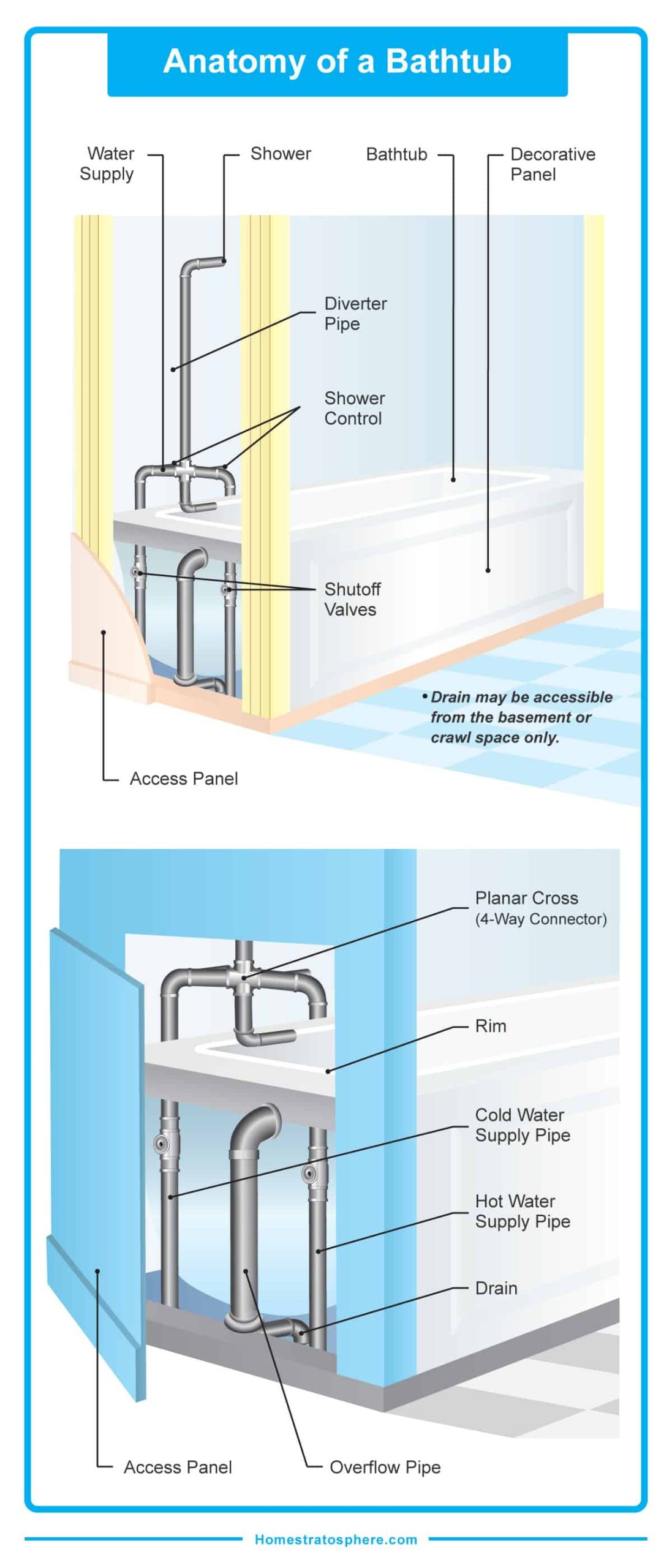
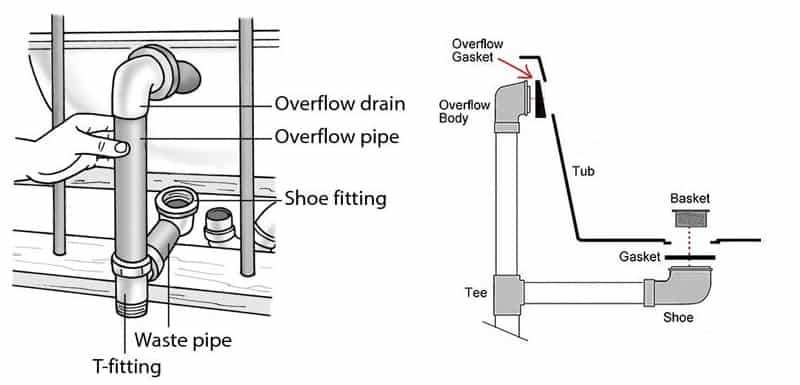
At its core, the bathtub overflow assembly is a mechanical failsafe designed to intercept water before it breaches the lip of the tub and floods the finished floor. But to truly appreciate its value, you have to look behind the porcelain wall. The system consists of an intake aperture (the faceplate you see), a drainage tube or PVC pipe that runs down the exterior wall of the tub, and a sanitary tee connection that ties directly into the primary waste and vent line running beneath the floor.
When water rises to the level of the overflow intake, it spills backward into the plate or slot rather than spilling forward onto your expensive tile or hardwood flooring. Gravity pulls this diverted water down the vertical waste pipe, bypassing the closed tub stopper completely and directing it safely into the home’s main drainage system. Without this redirected pathway, a running faucet left unattended for even five minutes can displace upwards of twenty to thirty gallons of water, creating an instant indoor flood that compromises subfloors and saturates drywall on lower levels.
Beyond preventing floods, the overflow drain serves a secondary, less obvious function: it acts as an air intake vent. Think about what happens when you turn a 2-liter soda bottle upside down; the liquid glugs and chugs because air struggles to push past the exiting water to fill the vacuum above. The same physical principle applies to a bathtub draining a massive volume of water simultaneously. The overflow pipe provides a continuous column of air that enters the system from above, breaking the vacuum and allowing the water column to drop rapidly down the drain. If you plug or seal an overflow drain improperly—a common mistake made by homeowners trying to soak in slightly deeper water using cheap silicone aftermarket "overflow covers"—you often notice that the tub suddenly drains sluggishly. You have accidentally starved the drain of its atmospheric air intake, creating a localized fluid lock.
Silent Failures: When the Guardian Breaks Down Inside the Wall
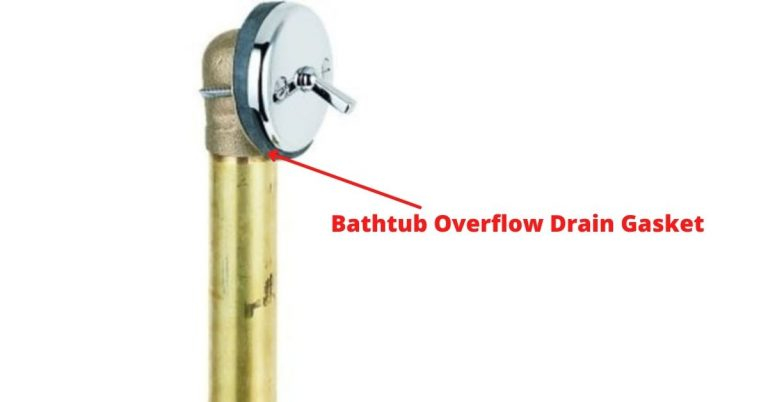
The greatest danger of a bathtub overflow drain is not that it fails completely—it is that it fails invisibly. Behind every overflow faceplate lies a rubber gasket, often shaped like a wedge or a flat ring, whose sole job is to create a watertight seal between the back of the porcelain tub wall and the plastic or brass overflow elbow. Over years of thermal expansion and contraction—caused by scalding hot baths followed by freezing cold rinses—this rubber gasket degrades, hardens, and cracks.
When you take a normal bath, the water level never reaches the overflow plate, so the deteriorated gasket remains untested. However, the moment you fill the tub to its maximum capacity, let children splash vigorously, or step into a full tub and displace a high volume of water, liquid surges into the overflow cavity. If that rubber gasket is compromised, water bypasses the pipe entirely and pours directly out the back of the tub, running down the exterior wall of the plumbing stack and pooling invisibly on the subfloor beneath.
Homeowners are frequently baffled when contractors tell them that their downstairs ceiling is leaking because of a bathtub issue, even though there is no standing water on the bathroom floor. The culprit is almost always a dried-out, compressed, or improperly aligned overflow gasket. Because this leak occurs entirely inside the wall cavity, it goes unnoticed for months, fostering wood rot, encouraging structural mold growth, and attracting pests like carpenter ants and termites that thrive in damp, hidden timber environments. Regular inspection of this internal seal is just as critical as checking the caulking around your shower pan.
A Field Technician’s Guide to Inspecting and Replacing Your Overflow Gasket
Fixing a failing overflow assembly does not always require calling an expensive plumber or tearing open drywall. In most standard installations, the entire mechanism can be serviced directly from inside the bathtub enclosure using basic hand tools. Whether you are dealing with a sluggish drain, a musty odor emanating from the wall, or a suspected behind-the-wall leak, executing a proper diagnostic and replacement protocol is straightforward if approached methodically.
- Step 1 (Visual and Physical Inspection): Locate the overflow plate on the interior wall of your bathtub. Remove the retaining screws holding the faceplate in place and gently pull it away from the tub wall to expose the internal linkage and gasket.
- Step 2 (Evaluate the Gasket Condition): Inspect the rubber washer seated behind the tub wall. If it is brittle, flattened out, cracked, or disintegrating into a sticky black residue, it has lost its sealing capability and must be replaced immediately.
- Step 3 (Test the Linkage and Stopper Mechanism): If your tub utilizes a traditional trip-lever system (where a flip lever on the faceplate raises and lowers a brass plunger inside the pipe), pull the assembly out and clean away accumulated hair, soap scum, and mineral scale that impede smooth operation.
- Step 4 (Install the New Seal Correctly): Purchase a replacement gasket matching your specific pipe configuration (usually a wedge gasket for sloped tub walls or a flat washer for vertical walls). Position the wide edge of the gasket downward to ensure proper water deflection, pressing it snugly against the exterior porcelain surface before resecuring the plate.
- Step 5 (Perform a Stress Test): Reassemble the faceplate, seal the perimeter with a thin bead of antimicrobial silicone if required by manufacturer specifications, and fill the tub past the overflow level to verify that all diverted water flows cleanly down the pipe without weeping onto the subfloor.
Navigating Modern Upgrades and Common Installation Mistakes
As bathroom design has evolved, so has the hardware associated with waste and overflow systems. Homeowners renovating older properties frequently encounter outdated brass linkages that snap easily or corrode shut, prompting upgrades to modern cable-driven or PVC direct-drain systems. However, rushing into a DIY upgrade without understanding the mechanical nuances often leads to expensive mistakes that negate the primary safety purpose of the drain.
- Pitfall 1 (Over-Tightening the Faceplate Screws): Cranking down the screws on the overflow faceplate in an attempt to force a watertight seal often warps the metal plate, cracks vintage porcelain tubs, or distorts the rubber gasket behind the wall, creating an instant leak path.
- Pitfall 2 (Using Universal Silicone Aftermarket Covers Incorrectly): Slapping a cheap plastic or silicone deep-water overflow cover over the intake without realizing it blocks the vital air intake vent can cause severe drainage friction and, worse, eliminate your flood safety net when you forget the water is running.
- Pitfall 3 (Neglecting Trap Primer and Vent Connections): During major bathroom remodels, failing to slope the overflow and waste pipes correctly or misaligning the sanitary tee can result in slow drainage, gurgling noises, and sewer gas escaping directly into the bathroom through the overflow aperture.
- Pitfall 4 (Ignoring Hair and Debris Accumulation): Assuming the overflow pipe is self-cleaning is a major error; soap scum, hair strands, and mineral deposits collect inside the horizontal and vertical overflow tubes just as easily as the primary drain, requiring periodic snaking or flushing.
- Pitfall 5 (Mismatched Gasket Profiles): Installing a flat rubber washer onto a modern sloped-back acrylic or cast-iron tub creates an uneven compression zone, allowing water to escape around the top edge of the gasket every time the water level approaches the overflow line.
Economic Value, Structural Preservation, and Insurance Realities
The financial argument for maintaining your bathtub overflow drain is stark and uncompromising. According to major home insurance data, water damage claims originating from overflowing bathtubs and plumbing failures rank among the most expensive domestic mishaps, frequently running into tens of thousands of dollars for structural remediation, mold abatement, flooring replacement, and ceiling reconstruction. Insurance carriers are increasingly scrutinizing claims; if an adjuster determines that a catastrophic flood was caused by a neglected, severely degraded overflow gasket or an intentionally sealed overflow port, they may deny coverage under the clause of "deferred maintenance."
Protecting your home’s structural integrity relies heavily on keeping water inside designated drainage channels. Modern building materials—while durable—are highly susceptible to prolonged moisture exposure. Engineered wood subfloors swell and lose their load-bearing capacity when saturated; gypsum drywall crumbles into dust; and laminate flooring buckles instantly upon contact with standing water. By ensuring that your bathtub overflow drain is clean, tightly sealed, and structurally sound, you are deploying a low-cost, high-yield insurance policy that protects the most valuable asset you own.
Furthermore, homes equipped with properly functioning, clean plumbing infrastructure retain higher resale value. During a pre-purchase home inspection, inspectors routinely test plumbing fixtures, check for hidden leaks around wet areas, and evaluate the condition of bathroom hardware. A neglected overflow drain that shows signs of rust, active weeping, or improper sealing immediately signals to a prospective buyer that the home has suffered from deferred maintenance, potentially derailing a sale or forcing unwanted price concessions.
Best Practices for Long-Term Plumbing Health and Maintenance
Integrating your bathtub overflow drain into your regular home maintenance checklist ensures that minor wear and tear never escalates into an emergency repair. While the fixture operates quietly in the background, a proactive maintenance routine requires very little time and yields immense peace of mind.
- Establish a Bi-Annual Inspection Schedule: Every six months, unscrew the overflow faceplate to check the integrity of the rubber gasket and clear out any accumulated hair or soap scum from the internal linkage.
- Flush the System Periodically: Pour a mixture of boiling water, baking soda, and white vinegar down both the primary drain and the overflow intake to dissolve organic buildup, grease, and mineral scale without resorting to harsh chemical drain cleaners that degrade rubber seals.
- Educate Household Members: Ensure that children and guests understand the purpose of the overflow plate, reinforcing the rule that water should never intentionally be blocked from entering the safety drain unless using manufacturer-approved, vented soaking devices.
- Upgrade to Modern Materials During Renovations: If your home was built before the year 2000 and still utilizes corroded brass or thin copper overflow piping, consider upgrading to schedule 40 PVC or sturdy ABS assemblies during your next bathroom refresh.
- Consult a Professional for Persistent Issues: If you notice dampness on a downstairs ceiling or persistent musty odors after using the bathtub, do not hesitate to call a licensed plumber to pressure-test the waste and overflow system.
We often measure the health of our homes by what is visible—the fresh coat of paint on the living room wall, the gleaming countertops in the kitchen, or the manicured lawn greeting visitors at the front door. Yet the true test of a well-maintained home lies in its invisible systems. The bathtub overflow drain is a testament to this reality: a humble piece of engineering working quietly behind the scenes to safeguard your property from the devastating, silent creep of water damage.
By shifting our perspective from viewing plumbing fixtures as mere decorations to recognizing them as critical structural safeguards, we transform how we care for our living spaces. A few minutes spent inspecting a rubber gasket, clearing a drainage tube, or verifying an air vent can mean the difference between a relaxing Sunday bath and a catastrophic home insurance claim. Respect the physics of your plumbing, honor the quiet guardians hidden within your walls, and ensure that your home remains as secure beneath the surface as it is beautiful on top.