Ever notice how a gloomy day makes you want to crawl back into bed, while a bright, crisp morning pulls you out of your sheets with a burst of energy. It isn’t just in your head. Humans evolved under the open sky, and our bodies are finely tuned to the changing colors of the sun. But today, we spend almost 90 percent of our lives trapped under static, buzzin fluorescent tubes or dull yellow bulbs. It is a bit like starving our bodies of a vital nutrient.
Thankfully, the way we light our indoor spaces is undergoing a massive revolution. Designers and tech experts are no longer just trying to help us see in the dark; they are trying to bring the health benefits of the outdoors inside. At the absolute center of this shift is something called RGBTW lighting. By mixing color-changing technology with smart programming, these systems can perfectly copy the daily journey of natural sun light, helping us feel a whole lot better.
The Secret Code: What Exactly is RGBTW?
To understand why this is such a game changer, we have to look at the letters themselves. Most people know about RGB—Red, Green, and Blue—which is the tech that lets your LED strip lights turn purple or neon green for a party. But RGBTW adds two crucial components: Tunable White. This means the system has dedicated chips for both warm white light (like a cozy candlelit dinner) and cool white light (like a bright midday sky).
Having all five of these light sources in a single fixture gives designers an incredible amount of control. Older color-changing bulbs often looked fake or left weird tint gaps that made rooms feel like a sci-fi movie set. But by blending the red, green, and blue accents with the rich white tones, RGBTW creates a smooth, continuous spectrum that mimics the real sun. It looks completely natural to the human eye, which is exactly the point.
Tuning Into Your Body’s Internal Clock
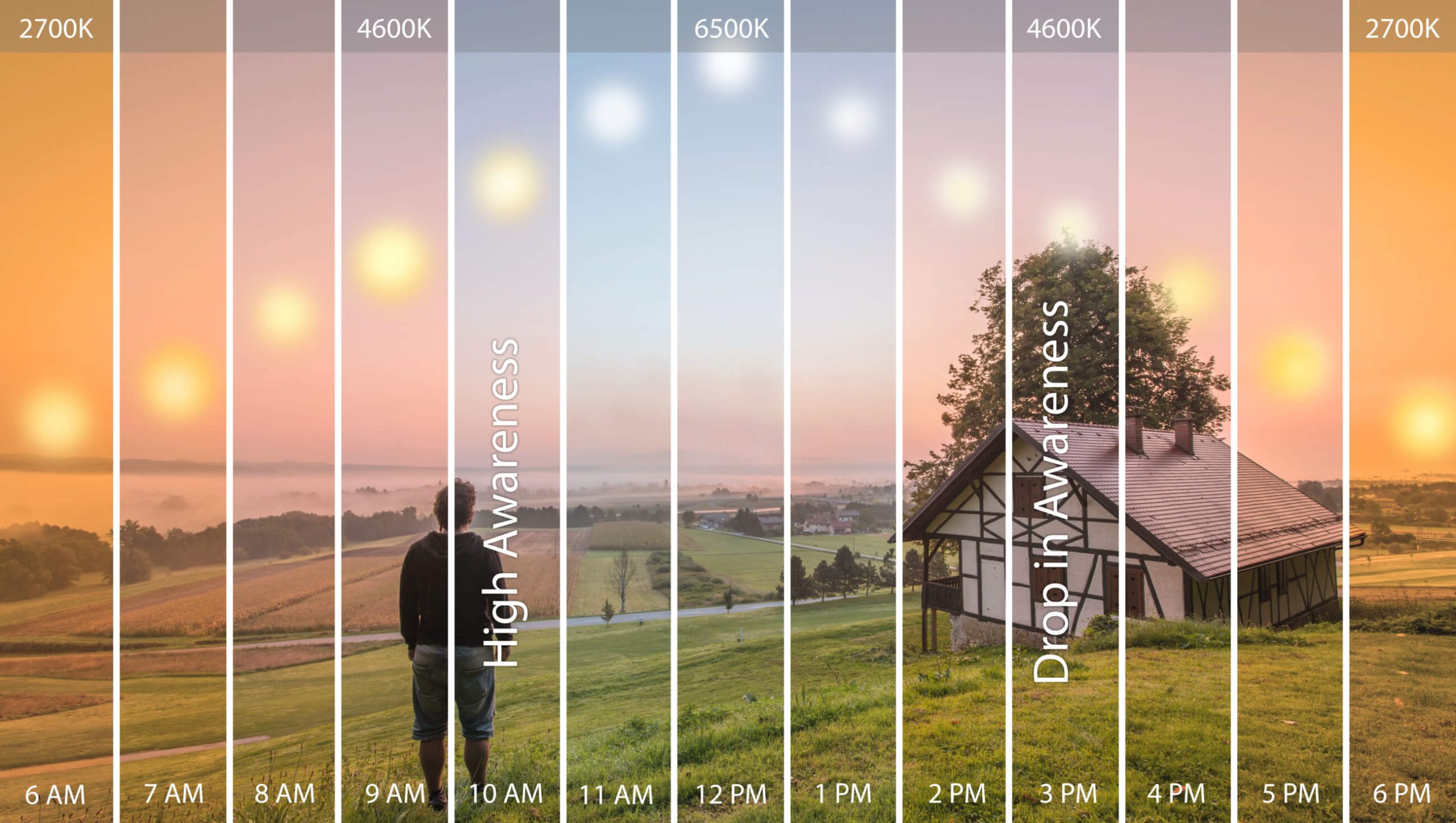
So, why go through all this trouble just to change the tint of a room. The answer lies in our circadian rhythm, which is our internal 24-hour biological clock. For centuries, scientific studies have shown that this clock controls everything from our digestion to our immune health. And the primary trigger that sets this clock is light. When bright blue-toned light hits our eyes in the early morning, it tells our brain to stop producing melatonin (the sleep hormone) and start pumping out cortisol to wake us up.
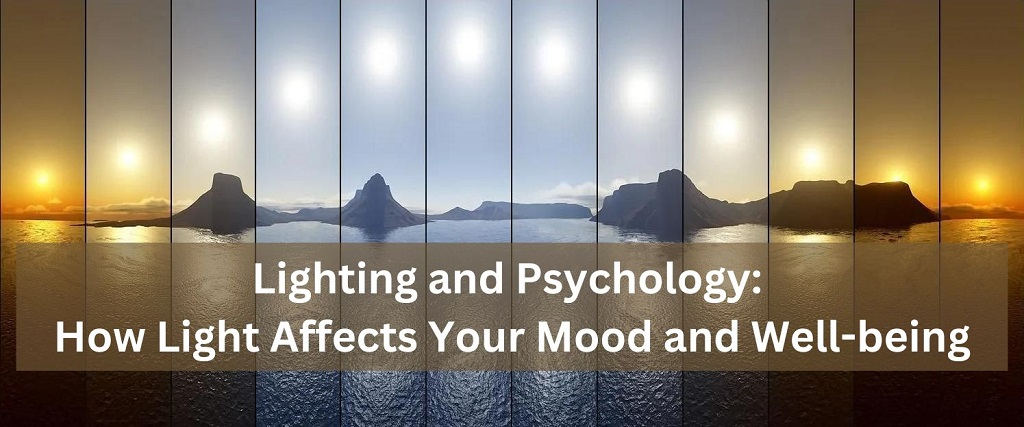
When we sit under the same harsh, bright office lights all day and night, our internal clocks get completely scrambled. We end up groggy during the afternoon and wide awake at midnight. RGBTW systems fix this by shifting through the day. They start with a gentle, warm glow at dawn, transition into a crisp, energizing blue-white during peak work hours, and slowly melt into a soft, amber hue as the evening winds down. It actively trains your body to stay in sync with nature, even if you are stuck in a cubicle.
Boosting Brainpower and Mood at Work
Commercial office spaces are seeing huge benefits from adopting this human-centric approach. Think about the classic afternoon slump around 2:00 PM, where everyone is desperately reaching for a third cup of coffee. Often, that fatigue is worsened by static lighting that doesn’t support our natural energy levels. By shifting the lights to a slightly brighter, cooler spectrum during these sluggish hours, employers are finding they can naturally boost focus and cognitive function.
But it isn’t just about squeezing more productivity out of workers. It is about creating a space where people actually enjoy spending time. Employees working in offices with dynamic daylight mimicking systems report lower stress levels and fewer headaches. When your environment isn’t actively fighting against your biology, you feel happier, less drained, and much more creative throughout the workday.
Healing Spaces: Transforming Healthcare and Senior Living
The impact of this technology gets even more profound when you step into hospitals and elder care facilities. Imagine being a patient stuck in a hospital room for days, unable to look out a window. It is incredibly easy to lose track of time, which slows down the body’s natural healing processes. Arup lighting designers have actually implemented circadian systems in hospitals to help patients recover faster by keeping their sleep cycles steady.
This strategy, known as active entrainment, is also becoming a lifesaver in senior living communities. Many elderly residents have limited mobility and can’t get outside to soak up real daylight. The lack of natural light can worsen confusion and sleep troubles, especially for those dealing with memory issues. By programming the indoor lights to mirror the outdoor sky, these spaces provide comfort, reduce nighttime wandering, and give residents a much stronger sense of routine.
Making Your Home a True Sanctuary
Bringing this technology into residential spaces changes the game for how we unwind. In our living rooms and bedrooms, RGBTW allows us to create distinct zones of comfort. You can set a bright, clear light in the kitchen while preparing breakfast to help everyone wake up, while keeping the dining room soft and inviting. It makes our homes feel deeply connected to the natural flow of the seasons.
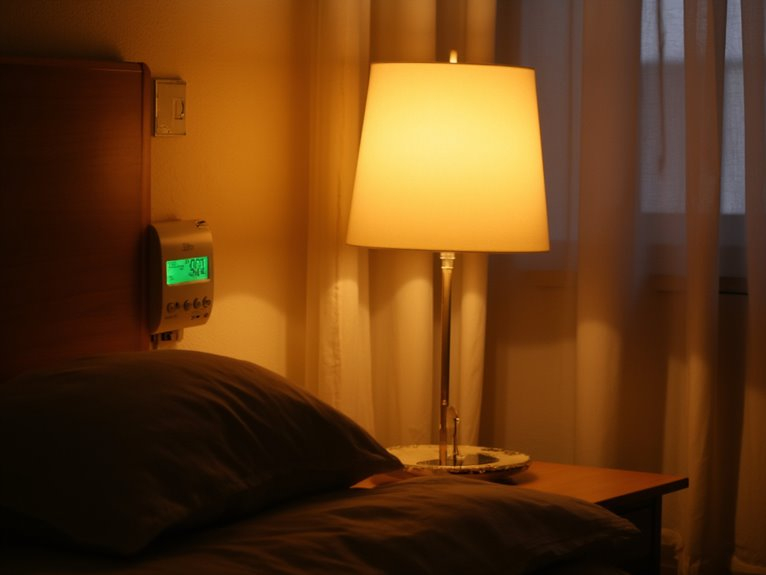
The real magic happens right before bedtime. Traditional LED lights often emit a lot of hidden blue light, which tricks your brain into thinking it is still daytime. With an RGBTW setup, you can completely dial back the blue spectrum as night approaches. Bathed in a rich, warm, candle-like glow, your brain gets the signal that it is safe to wind down. The result. You fall asleep much faster and enjoy a deeper, more restful night of sleep.
The Smart Backbone: Sensors and Daylight Harvesting
You might be wondering if you have to constantly fiddle with a remote control to change the lights all day. Thankfully, the answer is no. Modern RGBTW setups are usually integrated into smart building platforms, utilizing IoT-ready controls, motion sensors, and daylight harvesting tech. This means the system can automatically adjust itself based on the time of day and the amount of real sun pouring through the windows.
If a cloud rolls over and darkens the room, the sensors pick up the change and gently brighten the indoor fixtures to compensate. If the afternoon sun is blazing through a skylight, the system dims the artificial lights to save energy while keeping the overall brightness perfectly balanced. It is a seamless dance between the outdoors and the indoors, requiring zero effort from the people living or working inside.
At the end of the day, light is much more than a tool to help us avoid tripping over furniture. It acts like a daily nutrient that shapes how we think, feel, and rest. As we look ahead through 2026 and beyond, building spaces that prioritize human health isn’t just a luxury trend—it is becoming the new standard for modern architecture.
By investing in advanced RGBTW systems, we are finally bridging the gap between our modern indoor lifestyles and our ancient biological needs. We can’t always spend our afternoons walking through a sunny park or sitting by a campfire. But with the right technology, we can bring the healing power of the sun right into the heart of our spaces.