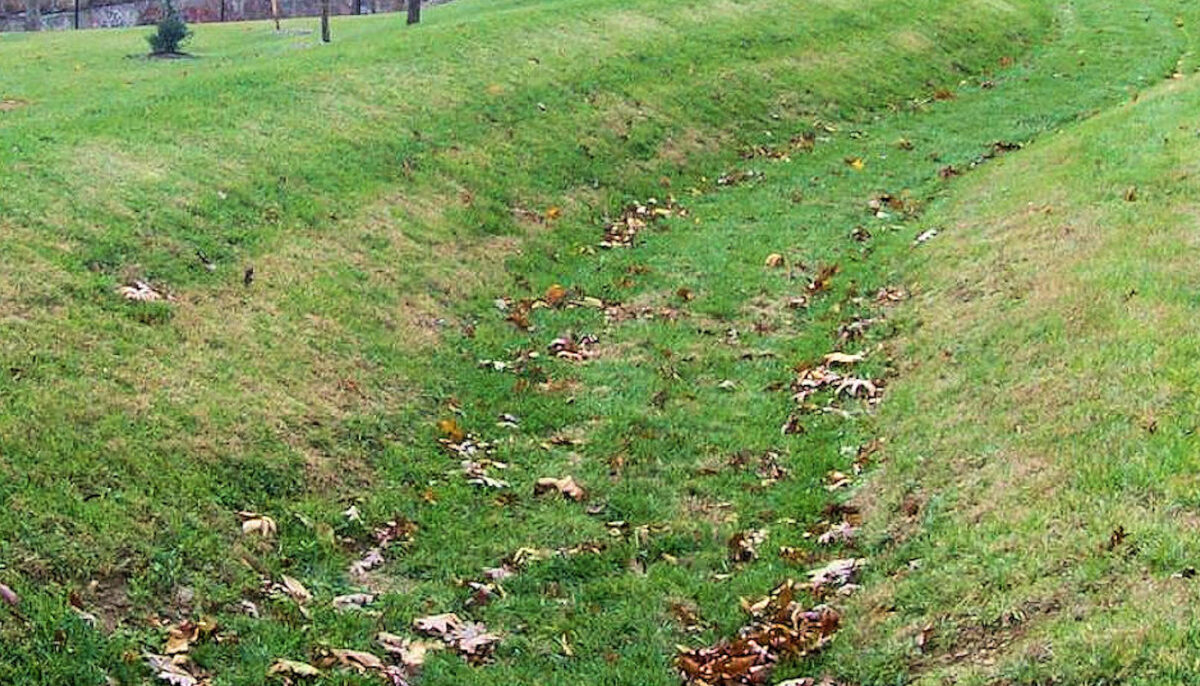
You’ve probably walked past one without even noticing. Maybe it was a gentle depression along a sidewalk, filled with tall grasses and wildflowers, or perhaps a lush, green strip separating a parking lot from the street. It looks like just another bit of landscaping, doesn’t it? But look closer. That’s not just decoration. It’s a machine. A slow, quiet, living machine designed to catch the rain before it overwhelms our cities.
In 2026, as urban areas grapple with stricter stormwater regulations and increasingly unpredictable weather patterns, these features have moved from niche experiments to essential infrastructure. But here’s the thing: most people think a bioswale is just a ditch with plants. They’re wrong. A poorly designed bioswale is just a muddy hole that clogs up after the first heavy rain. A successful one? That’s a masterpiece of hidden engineering. It’s about soil physics, hydraulic gradients, and root zone chemistry working in perfect harmony. Let’s pull back the curtain on what actually makes these systems work.
The Soil Matrix: More Than Just Dirt
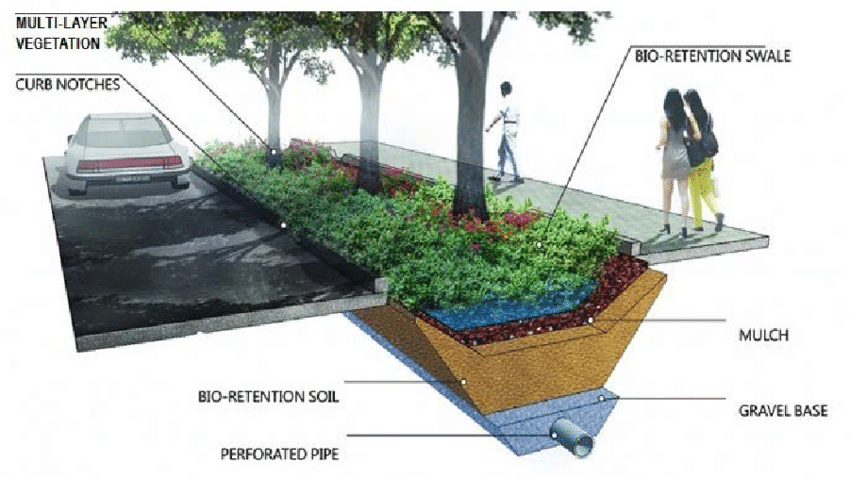
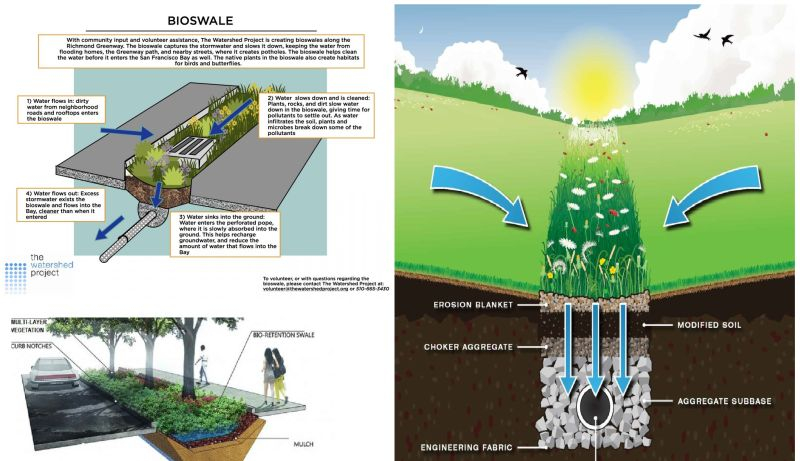
If you dig beneath the surface of a thriving bioswale, you won’t find the same clay-heavy soil that likely surrounds it. You’ll find an engineered media mix, and this is where the magic starts. Think of it as the lungs of the system. In standard drainage ditches, water just flows over compacted earth. In a bioswale, the water has to pass through something. This specialized soil blend is carefully calibrated to balance two competing needs: it must hold water long enough for pollutants to be filtered out, but it must also drain fast enough to prevent standing water from becoming a mosquito breeding ground.
The secret ingredient here is hydraulic conductivity. It sounds technical, but it’s really just a measure of how easily water moves through the soil. If the conductivity is too low, the swale floods and fails during a storm. Too high, and the water rushes through without giving the microbes and plant roots time to break down contaminants like oil, heavy metals, and nutrients. Engineers in 2026 are using precise ratios of sand, compost, and sometimes even crushed gravel or biochar to hit that sweet spot. It’s not guesswork anymore. It’s a recipe. And getting the recipe wrong means the whole system collapses under pressure.
But it’s not just about letting water through. The soil media acts as a chemical sponge. As runoff percolates down, particles get trapped in the tiny spaces between soil grains. This physical filtration is the first line of defense. Then, the biological processes kick in. Microbes living on the soil particles feast on organic pollutants. It’s a microscopic cleanup crew working around the clock. Without this engineered layer, you’re just moving dirty water from one place to another. With it, you’re actually cleaning the water before it reaches the groundwater or local streams.
Vegetation Selection: The Living Filter
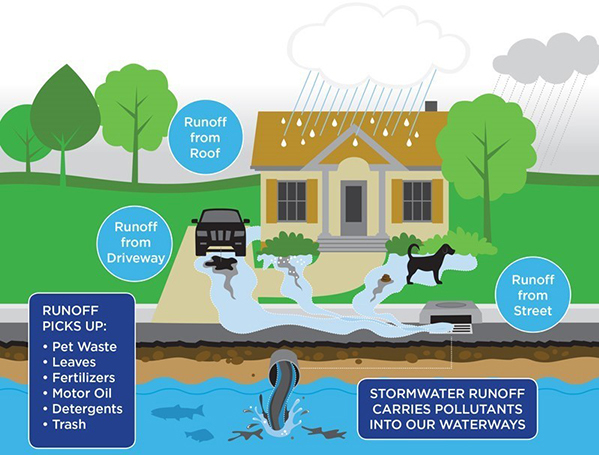
Plants in a bioswale aren’t there just to look pretty. Although, let’s be honest, a well-planted swale does look nicer than a concrete culvert. Each species is chosen for a specific job. Some have deep, fibrous root systems that create channels in the soil, keeping it porous and preventing compaction. Others are selected for their ability to uptake specific nutrients like nitrogen and phosphorus, which are common pollutants in urban runoff from fertilizers and pet waste.
In 2026, we’ve moved beyond just throwing in some native grasses and hoping for the best. Designers are creating layered planting schemes. You might see tough, drought-tolerant sedges at the bottom of the swale where water pools occasionally, and more moisture-loving ferns or rushes in the center channel. The key is resilience. These plants have to survive extremes. They need to withstand weeks of dry heat and then sudden immersion in several inches of runoff. If the plants die, the roots decay, the soil compacts, and the system fails. It’s a delicate balance.
Another hidden benefit of vegetation is flow reduction. When rain hits bare soil, it splashes and erodes. When it hits a dense mat of vegetation, the energy is dissipated. The stems and leaves slow the water down, allowing sediment to settle out before it can clog the soil pores. This is why maintenance matters so much. If you let invasive weeds take over, or if the plants become sparse, the hydraulic efficiency drops. The plants are the engine’s intake valves. Keep them healthy, and the system breathes easy. Neglect them, and it chokes.
Hydraulic Geometry: Shaping the Flow
Have you ever noticed how some bioswales are wide and shallow, while others are narrow and deep? That’s not an aesthetic choice. It’s pure hydraulics. The shape of the swale determines how fast the water moves and how long it stays in contact with the filtering media. This is known as the residence time. If water zips through too quickly, it doesn’t get cleaned. If it moves too slowly, it might overflow during a heavy storm.
Engineers use sophisticated modeling tools, often integrated with Building Information Modeling (BIM) software, to simulate how water will behave in different rainfall scenarios. They’re looking at the slope of the land, the volume of runoff from the surrounding impervious surfaces like roofs and parking lots, and the capacity of the soil. In Stuttgart, for example, recent case studies have shown how BIM can predict performance issues before a single shovel hits the ground. This allows designers to tweak the width, depth, and longitudinal slope to optimize performance.
One common mistake is making the swale too steep. Gravity pulls the water down faster than the soil can absorb it. This leads to erosion and short-circuiting, where water finds the path of least resistance and bypasses the filtration zone entirely. A gentle slope, usually between 1% and 4%, is ideal. It encourages sheet flow, where water spreads out evenly across the width of the swale rather than carving a single channel down the middle. This maximizes the surface area available for infiltration. It’s about guiding the water, not forcing it.
The Underdrain Dilemma: To Pipe or Not to Pipe?
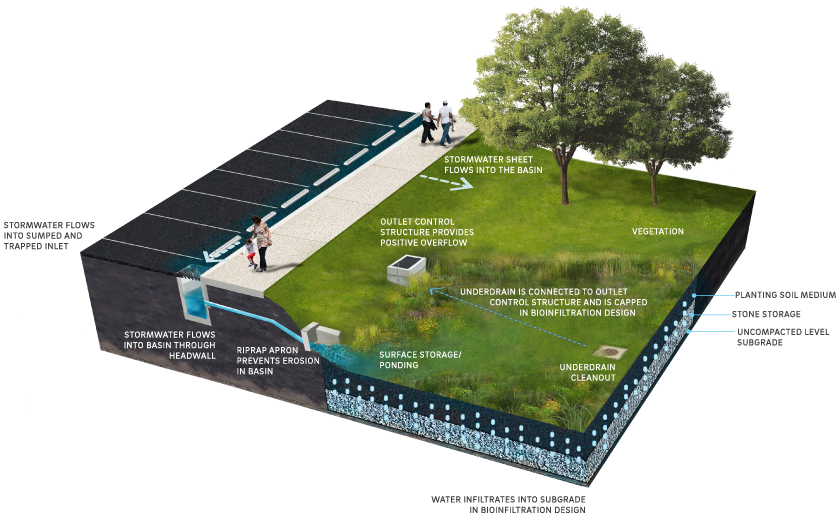
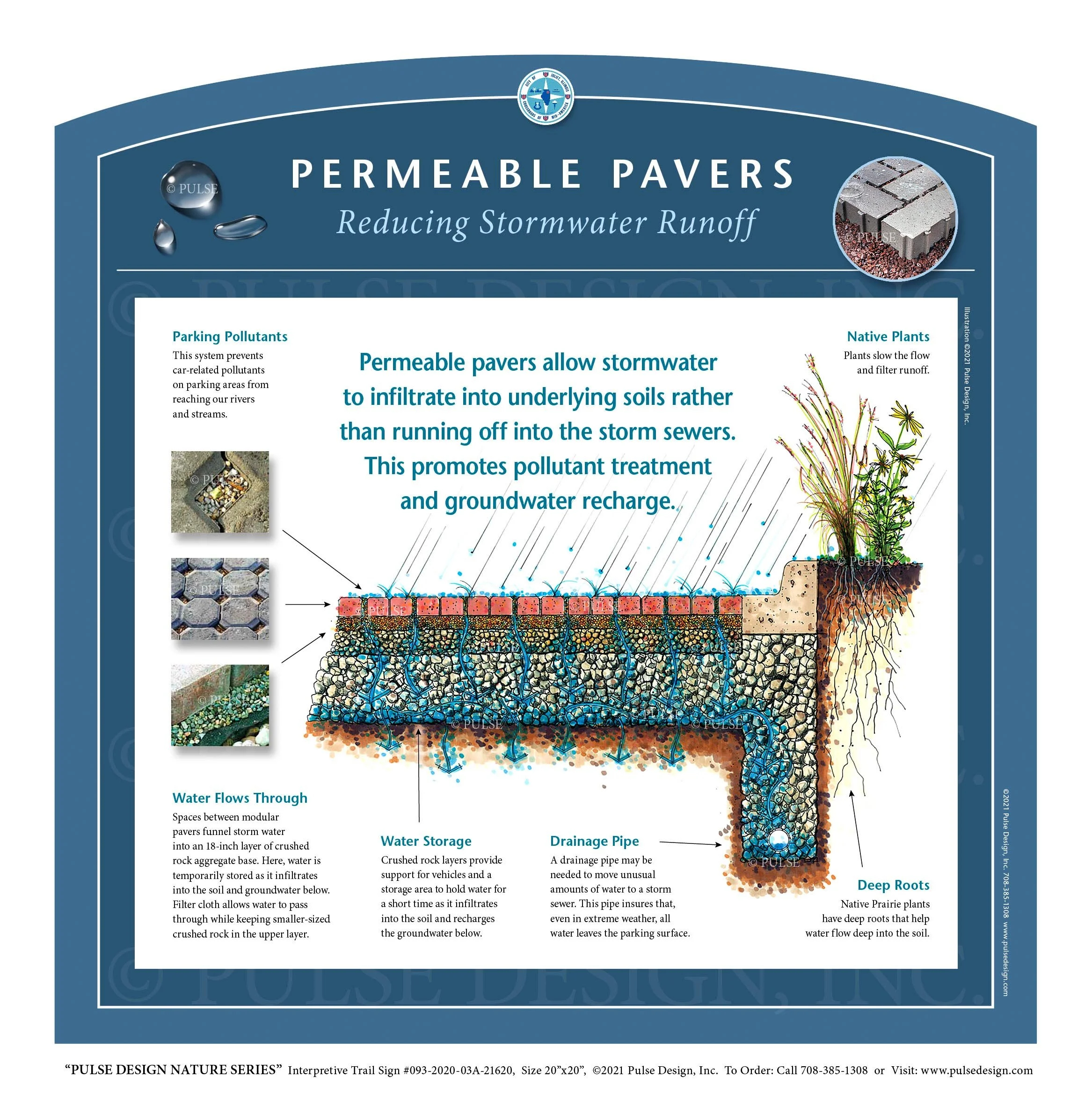
Here’s a controversial topic in bioswale design: the underdrain. In many urban settings, the native soil underneath is clay-heavy and practically impermeable. If you build a bioswale on top of clay, the water has nowhere to go. It sits there, stagnates, and eventually kills the plants. So, engineers install a perforated pipe surrounded by gravel at the bottom of the swale. This acts as a safety valve, draining excess water away when the soil is saturated.
But there’s a catch. If the underdrain is too efficient, it defeats the purpose of the bioswale. The goal is infiltration—getting water into the ground to recharge aquifers. If all the water goes into the pipe and out into the storm sewer, you haven’t reduced the volume of runoff; you’ve just delayed it slightly. Plus, you lose the groundwater recharge benefit. So, the design of the underdrain system is critical. It needs to be set at the right elevation.
Modern designs often use a raised outlet or a "slow release" mechanism. This forces the water to stay in the soil media longer before it reaches the pipe. It creates a temporary storage zone in the gravel layer below the soil. This gravel reservoir holds water during peak storms and releases it slowly over hours or days. It’s a buffer. In 2026, we’re seeing more hybrid systems that combine infiltration with controlled release, ensuring that the swale works effectively even in challenging soil conditions. It’s not an either/or choice anymore; it’s about finding the right balance for the specific site.
Integration with Urban Fabric: Beyond the Ditch
Bioswales don’t exist in a vacuum. They’re part of a larger urban ecosystem. In 2026, we’re seeing them integrated into walkways, parking lots, and even building foundations. This is where the real innovation is happening. Instead of treating stormwater as a waste product to be hidden away, designers are making it visible. A bioswale along a pedestrian path isn’t just managing runoff; it’s shaping the experience of the space. It directs foot traffic, creates visual interest, and connects people with nature.
This integration requires careful coordination. You can’t just slap a swale next to a sidewalk without considering accessibility, safety, and maintenance access. The edges need to be defined clearly so people don’t trip. The plants need to be chosen so they don’t obstruct sightlines for drivers or pedestrians. And the system needs to be accessible for maintenance crews to remove debris and prune vegetation. It’s a multidisciplinary challenge. Landscape architects, civil engineers, and urban planners have to work together from day one.
Recent regulations have pushed this integration further. Many cities now require new developments to manage a certain percentage of their runoff on-site. Bioswales are often the most cost-effective and aesthetically pleasing way to meet these requirements. They transform what used to be dead space—like the strip between the curb and the sidewalk—into functional green infrastructure. It’s a win-win. The city gets better water quality, and the residents get a greener, more pleasant environment. It’s about rethinking how we build our cities, one swale at a time.
Let’s be real. The best-engineered bioswale in the world will fail if nobody takes care of it. Maintenance is the hidden secret that nobody talks about until it’s too late. Unlike a pipe underground, a bioswale is alive. It changes. Plants grow, die, and get replaced. Soil settles. Debris accumulates. If you ignore it, it becomes a weed-infested ditch that smells bad and doesn’t work.
Successful maintenance isn’t just about mowing. It’s about observation. Is the water pooling in the right places? Are there signs of erosion? Are the plants healthy? Regular inspections, especially after major storm events, are crucial. In the first year or two, young plants need extra care to establish their root systems. After that, the focus shifts to preventing clogging. Leaves, trash, and sediment can block the inlet points and reduce the system’s capacity.
Community involvement can play a huge role here. When people understand what the bioswale is doing, they’re more likely to respect it. They won’t dump yard waste into it. They might even help with light weeding or monitoring. Education is part of the design. Signage explaining the function of the swale can turn a passive piece of infrastructure into a community asset. In 2026, we’re seeing more municipalities adopt "adopt-a-swale" programs, where local groups take ownership of maintenance. It builds pride and ensures the system lasts. Because let’s face it, nature doesn’t stop working just because we forget to check on it.
So, what’s the takeaway? Bioswales are deceptively simple. They look like natural features, but they’re highly engineered systems. From the precise mix of soil media to the careful selection of plants and the strategic placement of underdrains, every detail matters. They represent a shift in how we think about water. Instead of fighting it, we’re learning to work with it. We’re using gravity, biology, and physics to create solutions that are both functional and beautiful.
As we move further into 2026 and beyond, these systems will only become more important. Climate change is bringing more intense storms and longer droughts. Our cities need to be resilient. Bioswales offer a way to manage water locally, reducing the burden on aging sewer systems and improving the health of our rivers and lakes. But they’re not a silver bullet. They require thoughtful design, proper construction, and ongoing care.
Next time you see one of these green strips, take a second to appreciate the complexity beneath the surface. It’s not just a ditch. It’s a testament to what happens when engineering meets ecology. It’s a small step toward a more sustainable future, one raindrop at a time. And honestly? That’s pretty cool.
[sps_html tag=”img” src=”https://cdn.northcarolinafinearchitecture.com/2026/06/pdns-stormwater-management-runoff-bioswale-rain-garden-outdoor-in-bioswale-design.jpg” alt=”Pdns Stormwater Management Runoff Bioswale Rain Garden Outdoor … in Bioswale Design” style=”width: 100%; height: auto;”]
[sps_html tag=”img” src=”https://cdn.northcarolinafinearchitecture.com/2026/06/bioswale-stormwater-management-naturescape-rainscaping-pertaining-to-bioswale-design.jpg” alt=”Bioswale Stormwater Management | Naturescape Rainscaping pertaining to Bioswale Design” style=”width: 100%; height: auto;”]
[sps_html tag=”img” src=”https://cdn.northcarolinafinearchitecture.com/2026/06/stormwater-management-design-examples-design-talk-for-bioswale-design.png” alt=”Stormwater Management Design Examples - Design Talk for Bioswale Design” style=”width: 100%; height: auto;”]
[sps_html tag=”img” src=”https://cdn.northcarolinafinearchitecture.com/2026/06/stormwater-city-of-pompano-beach-intended-for-bioswale-design.jpg” alt=”Stormwater | City Of Pompano Beach intended for Bioswale Design” style=”width: 100%; height: auto;”]
[sps_html tag=”img” src=”https://cdn.northcarolinafinearchitecture.com/2026/06/bio-swale-detail-sustainable-landscaping-rain-garden-stormwater-pertaining-to-bioswale-design.png” alt=”Bio Swale Detail | Sustainable Landscaping, Rain Garden, Stormwater pertaining to Bioswale Design” style=”width: 100%; height: auto;”]