We’ve all been there. You stand in your backyard, squinting against the glare, dreaming of a lush oasis. But the reality? It’s usually a patch of crispy brown grass and a pile of guilt because you forgot to water the petunias again. The dream of having a green thumb often turns into a nightmare schedule of endless hose-dragging and worrying about wilting leaves. It feels like if you look away for five minutes, everything dies.
But what if I told you that the secret to a stunning garden isn’t more work? What if it’s actually less? There is a whole world of plants out there that don’t just tolerate neglect—they thrive on it. These are the rebels of the plant world, the tough cookies that originated in harsh prairies and rocky mountainsides where only the strongest survived. They have deep roots, thick skins, and an attitude that says, "I got this." In 2026, with water becoming more precious and our free time even scarcer, this approach isn’t just lazy; it’s smart. Let’s stop fighting the sun and start working with it.
Embracing the Philosophy of Benign Neglect
The first step to becoming a successful lazy gardener is a mental shift. You have to let go of the idea that a good garden requires constant coddling. Traditional gardening advice often treats plants like delicate babies that need feeding, watering, and pruning every week. That’s exhausting. And frankly, it’s unnecessary for many species. The philosophy of benign neglect means choosing plants that are adapted to survive on their own once they are established. It’s about setting up a system that works with nature, not against it.
Think about where these tough plants come from. Many of the best full-sun perennials evolved in challenging environments. They grew in dry meadows, on windy cliffs, or in sandy soils where nutrients were scarce. Because of this, they developed incredible survival mechanisms. Deep root systems allow them to find water far below the surface. Waxy or hairy leaves help them retain moisture during heatwaves. When you plant these survivors in your yard, you aren’t forcing them to adapt to your schedule; you are letting them do what they were born to do. This changes the game entirely. Instead of being a servant to your garden, you become its curator.
This approach also saves you money and resources. In recent years, water restrictions have become common in many areas due to climate shifts. A garden that relies on daily watering is not sustainable. By choosing drought-tolerant species, you reduce your water bill and your environmental footprint. Plus, you get your weekends back. Imagine spending Saturday morning drinking coffee on your patio instead of dragging a sprinkler around. That is the true luxury of the lazy gardener’s lifestyle. It’s not about having a dead yard; it’s about having a resilient one.
The Backbone: Hardscaping for Structure and Ease
Before you even buy a single plant, look at the bones of your landscape. Hardscape elements form the backbone of successful full sun landscaping. Why? Because rocks, paths, and walls don’t die when you forget to water them. They provide structure and visual interest year-round, even in the dead of winter when everything else is dormant. In a low-maintenance garden, hardscaping does the heavy lifting, allowing you to use fewer plants while still creating a designed, intentional look.
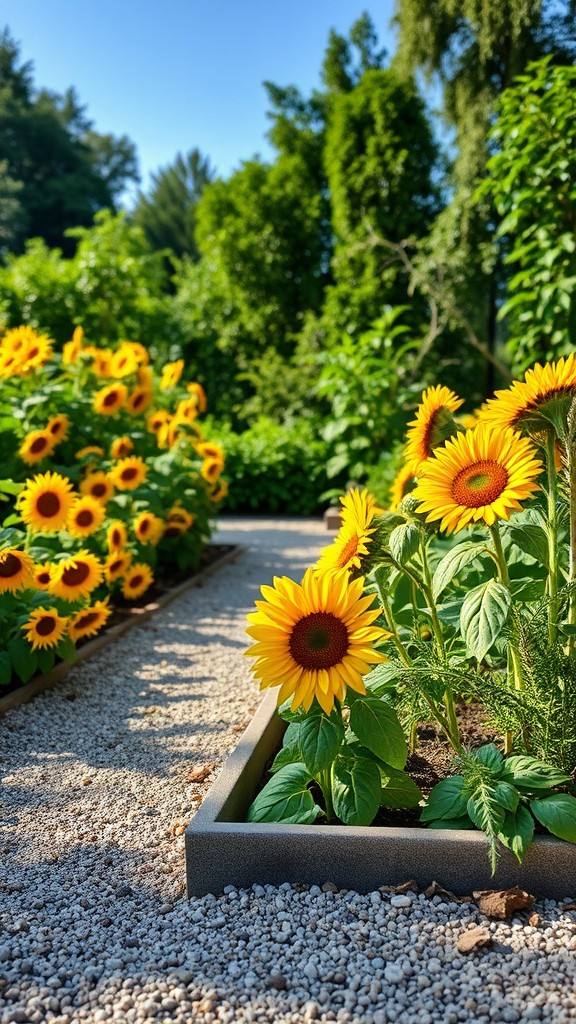
Consider using gravel, stone pavers, or decomposed granite for pathways and seating areas. These materials drain well, which is crucial for the drought-loving plants we’ll talk about later. They also reflect heat, which can help warm-loving plants thrive. A well-placed boulder or a dry-stack stone wall adds texture and height without requiring any maintenance. In 2026, designers are increasingly mixing natural stone with modern concrete elements to create clean lines that contrast beautifully with the wilder, softer shapes of ornamental grasses and perennials. This mix of hard and soft creates a dynamic tension that looks sophisticated yet effortless.
Don’t overlook the practical benefits either. Hardscaping reduces the amount of soil you need to maintain. Less soil means fewer weeds. And let’s be honest, weeding is the part of gardening everyone hates. By limiting your planting beds to specific zones framed by stone or mulch, you contain the chaos. You know exactly where the plants should be, and anything outside those lines is easy to spot and remove. It creates a sense of order that makes the garden feel managed, even if you haven’t touched it in weeks. It’s a cheat code for looking like you care more than you actually do.
The Unkillables: Top Perennials for Full Sun
Now for the fun part: the plants. If you want a garden that thrives on neglect, you need perennials that are practically indestructible. These are the workhorses that come back year after year, getting bigger and better with minimal input. One of the absolute stars is the Coneflower (Echinacea). These native prairie plants love hot, sunny spots and poor soil. They bloom for months, attracting pollinators like bees and butterflies, which adds life and movement to your space. Once established, they rarely need water. Just deadhead them if you want more flowers, or leave the seed heads for the birds in winter. Either way, they win.
Another classic choice is the Peony. While they need a bit of care during planting, once they are in the ground, they are virtually immortal. There are peonies that have been growing in the same spot for decades, producing massive, fragrant blooms every spring. They thrive in full sun and well-drained soil. In places like Ohio and other midwestern states, they are a staple because they handle the weather extremes with grace. You plant them, water them well the first year, and then basically ignore them. They reward you with stunning flowers that make your neighbors jealous.
Let’s not forget Sedum, specifically the ‘Autumn Joy’ variety. This succulent-like perennial is a powerhouse. It stores water in its thick leaves, making it incredibly drought-resistant. It starts with blue-green foliage in spring, turns pink in summer, and ends with rusty-red flower heads in fall that look great even when dried. It’s a three-season performer that asks for nothing. Pair it with Ornamental Grasses like Little Bluestem or Switchgrass. These grasses sway in the wind, adding sound and motion to the garden. They turn golden in the fall and provide winter interest. Together, these plants create a tapestry of texture and color that looks deliberate and wild all at once.
Color Without the Commitment: Smart Annuals and Bulbs
Perennials are the foundation, but sometimes you want a pop of bright, immediate color. This is where smart annuals and bulbs come in. The key here is to choose varieties that are self-sufficient. Marigolds are a perfect example. They love the heat, repel pests with their scent, and keep blooming until frost. You can scatter seeds in bare spots in spring, and they will fill in the gaps with cheerful orange and yellow faces. They don’t need deadheading or fancy fertilizer. Just let them do their thing.
For early spring color, plant bulbs like Daffodils or Alliums. Daffodils are notorious for coming back year after year, even if you forget they are there. They naturalize easily, meaning they multiply over time. Plant them in clusters among your perennials. When they finish blooming, their foliage dies back just as the perennials are starting to fill out, so you never see the messy yellow leaves. Alliums, with their giant purple pom-pom flowers, add architectural interest and height. They are deer-resistant and drought-tolerant once established. These small investments of time in the fall pay off with zero effort in the spring.
If you want continuous color with zero replanting, consider self-seeding annuals like Cosmos or Zinnias. Drop a few seeds in the spring, and they will grow rapidly in the heat. Better yet, if you let some of the flowers go to seed, they will drop seeds and pop up in new places next year. It’s a garden that plants itself. This creates a slightly disorganized, cottage-garden feel that is very trendy right now. It looks abundant and lively, but the workload is nearly non-existent. You are essentially harnessing the power of nature’s reproduction cycle to do your gardening for you.
The Groundwork: Soil and Mulch Secrets
You can pick the toughest plants in the world, but if they are sitting in soggy, compacted clay, they will struggle. The secret to a low-maintenance garden lies in the soil preparation. Most drought-tolerant plants hate "wet feet." They need drainage. If your soil is heavy clay, you need to amend it with grit, sand, or organic matter before planting. Or, even easier, build raised beds or mounds. Elevating the planting area ensures that water drains away quickly, preventing root rot. This one step at the beginning saves you from countless problems later.
Mulch is your best friend in the lazy gardener’s toolkit. A thick layer of organic mulch, like shredded bark or wood chips, does three critical things. First, it retains moisture in the soil, reducing the need for watering. Second, it suppresses weeds by blocking sunlight from reaching weed seeds. Third, as it breaks down, it feeds the soil slowly. Apply a two-to-three-inch layer around your plants, keeping it a few inches away from the stems to prevent rot. In 2026, many gardeners are also using inorganic mulches like gravel or stone in sunny areas. These don’t break down, so you only lay them once. They also reflect heat, which helps heat-loving plants like Lavender and Rosemary thrive.
Watering correctly at the start is crucial. The term "established" is key. For the first season, you do need to water your new plants regularly to help their roots grow deep. But once those roots hit the deeper, cooler soil layers, you can back off significantly. Use a soaker hose or drip irrigation system if you must automate it, but set it on a timer that runs infrequently. Deep, occasional watering is far better than frequent, shallow sprinkling. It encourages roots to go down, not up. After the first year, you might find you only need to water during extreme droughts. That’s the goal.
A common mistake is designing a garden that only looks good in June. To truly enjoy your landscape, you need year-round interest. This is especially important for a low-maintenance garden because you want it to look good even when you aren’t actively tending to it. Focus on plants with strong structural forms. Ornamental grasses, as mentioned earlier, are fantastic for this. They catch the light in the morning and evening, glowing gold in the winter sun. Seed heads of Coneflowers and Black-eyed Susans also stand tall through snow, providing food for birds and visual texture for you.
Evergreen shrubs can anchor the design. Boxwoods, Junipers, or Dwarf Pines provide green color when everything else is brown. Place them strategically to frame views or hide unsightly areas. In full sun, look for heat-tolerant evergreens like certain types of Holly or Yew. They don’t grow fast, which is another plus for the lazy gardener. Less growth means less pruning. You can shape them once a year, or just let them grow into their natural forms. Natural forms often look more relaxed and fit better with the wilder aesthetic of a neglect-friendly garden.
Don’t forget the power of foliage. Flowers are fleeting, but leaves are forever. Plants with interesting leaf colors or textures provide constant visual appeal. Hostas are great for shade, but for full sun, look at Russian Sage with its silvery leaves, or Barberry with its deep red foliage. Succulents like Sempervivum (Hens and Chicks) form rosettes that look like living jewels. They spread slowly and cover bare patches of soil. By mixing different leaf shapes, sizes, and colors, you create a rich tapestry that remains interesting long after the blooms have faded. It’s about creating a scene, not just a flower bed.
So, there you have it. Creating a stunning full sun landscape doesn’t require a degree in horticulture or a lifetime of free time. It requires a shift in perspective. Stop trying to force delicate plants to survive in harsh conditions. Instead, invite the tough ones in. Build a solid foundation with hardscaping. Prepare your soil for drainage. Mulch heavily. And then, step back. Let the sun do its work. Let the rain do its work. Let the plants be themselves.
In 2026, this approach is more relevant than ever. We are all busier, and our resources are more limited. A garden that thrives on neglect is not just a convenience; it’s a sustainable choice. It connects us to the natural rhythms of the environment rather than fighting against them. You’ll find that your garden becomes a place of relaxation, not a source of stress. You’ll spend less time worrying and more time enjoying.
Start small. Pick one corner of your yard. Replace a thirsty lawn patch with some Coneflowers and ornamental grasses. Add some gravel. See how it goes. You might be surprised by how much beauty comes from doing less. After all, the best gardens are not the ones that are perfectly manicured, but the ones that feel alive, resilient, and free. Go ahead, be lazy. Your plants will thank you.
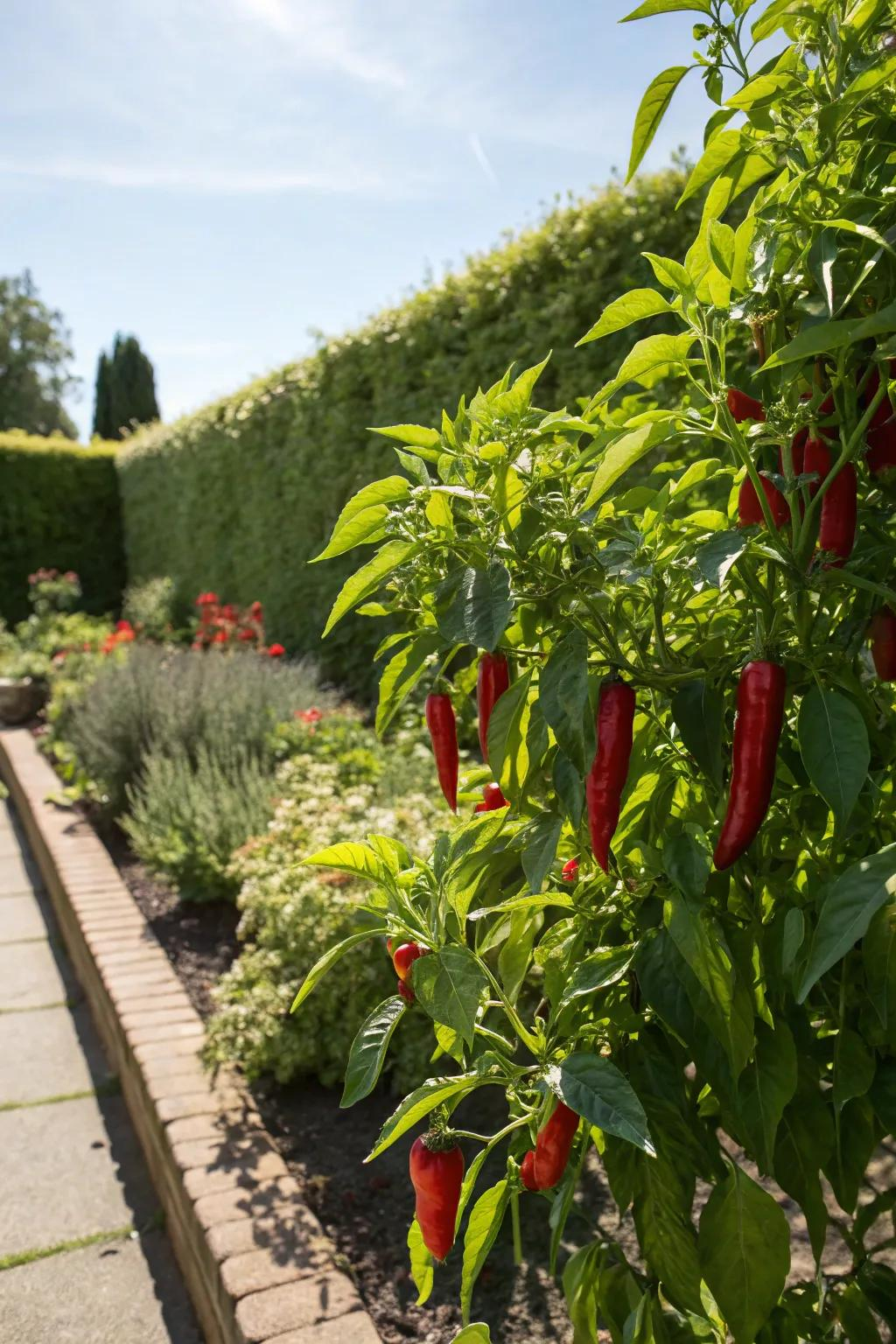
[sps_html tag=”img” src=”https://cdn.northcarolinafinearchitecture.com/2026/06/19-inspiring-pepper-garden-layout-ideas-in-outdoor-sun-garden-design.jpg” alt=”19+ Inspiring Pepper Garden Layout Ideas in Outdoor Sun Garden Design” style=”width: 100%; height: auto;”]
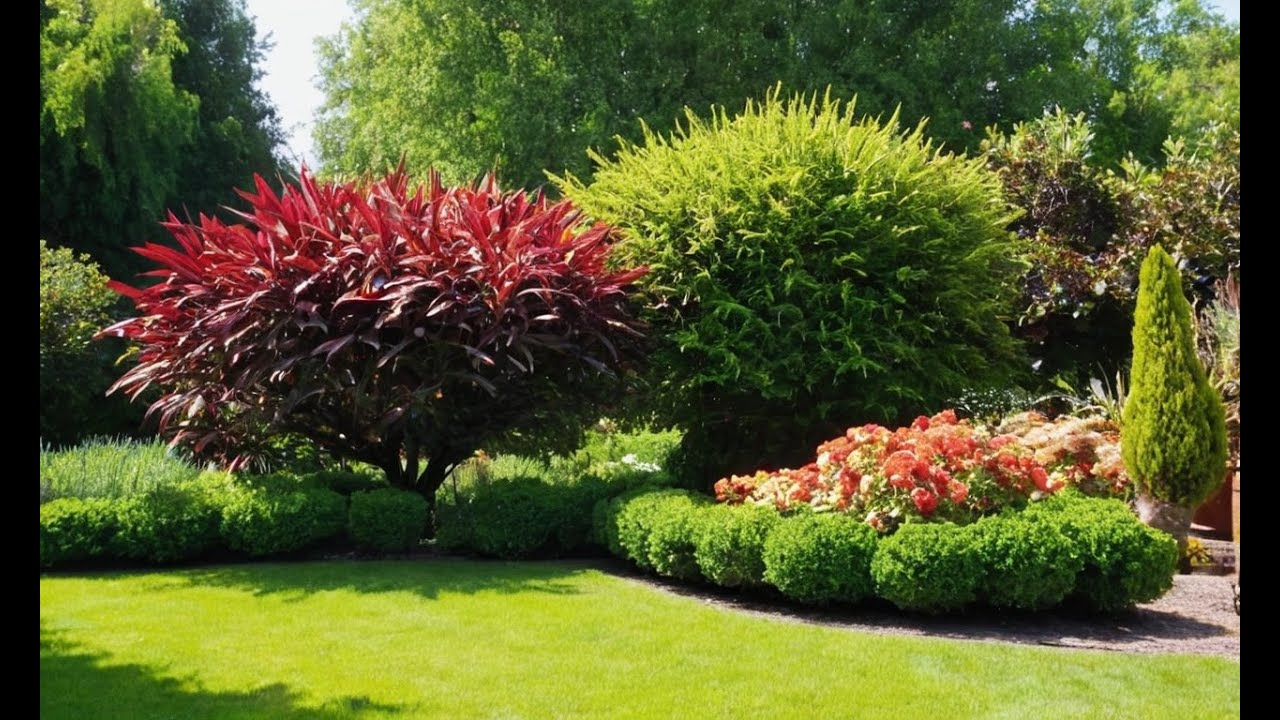
[sps_html tag=”img” src=”https://cdn.northcarolinafinearchitecture.com/2026/06/21-green-drenched-garden-ideas-for-2026-the-maximalist-plant-look-pertaining-to-how-to-design-a-sun-drenched-garden-that-thrives-in-the-2026-heat.png” alt=”21 "Green-Drenched" Garden Ideas For 2026 (The Maximalist Plant Look) pertaining to How to Design a Sun-Drenched Garden That Thrives in the 2026 Heat” style=”width: 100%; height: auto;”]
[sps_html tag=”img” src=”https://cdn.northcarolinafinearchitecture.com/2026/06/21-green-drenched-garden-ideas-for-2026-the-maximalist-plant-look-pertaining-to-how-to-design-a-sun-drenched-garden-that-thrives-in-the-2026-heat-1.png” alt=”21 "Green-Drenched" Garden Ideas For 2026 (The Maximalist Plant Look) pertaining to How to Design a Sun-Drenched Garden That Thrives in the 2026 Heat” style=”width: 100%; height: auto;”]
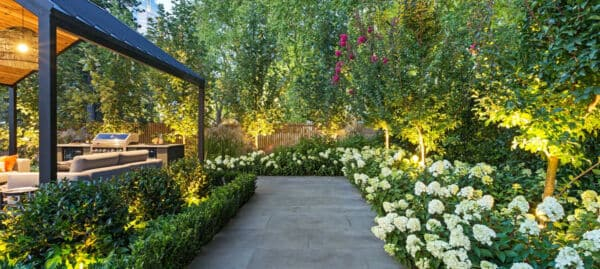
[sps_html tag=”img” src=”https://cdn.northcarolinafinearchitecture.com/2026/06/how-to-design-a-low-maintenance-garden-that-thrives-in-brisbanes-climate-in-outdoor-sun-garden-design.jpg” alt=”How To Design A Low-Maintenance Garden That Thrives In Brisbane’s Climate in Outdoor Sun Garden Design” style=”width: 100%; height: auto;”]
[sps_html tag=”img” src=”https://cdn.northcarolinafinearchitecture.com/2026/06/sun-drenched-scents-herbs-that-thrive-in-the-heat-part-2-the-garden-loaf-with-how-to-design-a-sun-drenched-garden-that-thrives-in-the-2026-heat.jpg” alt=”Sun-Drenched Scents: Herbs That Thrive In The Heat Part 2 | The Garden Loaf with How to Design a Sun-Drenched Garden That Thrives in the 2026 Heat” style=”width: 100%; height: auto;”]