There is something undeniably magical about walking into a space dominated by ferns. The air feels cooler. The noise of the world seems to dampen, absorbed by those soft, feathery fronds. It’s like stepping into a prehistoric dream or a secret woodland glade that time forgot. You don’t need a massive estate to achieve this effect. In fact, some of the most breathtaking fern gardens are tucked into tiny urban corners or shaded side yards where other plants simply give up and die.
Ferns are the unsung heroes of the gardening world. They don’t shout for attention with bright blooms or demanding care schedules. Instead, they offer a quiet, persistent beauty that changes with the light and the seasons. Whether you are dealing with a tricky dry shade under an old oak tree or a damp, dark corner behind the garage, there is a fern variety that will not just survive but thrive. This guide isn’t just about planting greenery; it’s about curating an experience. We are going to look at nineteen distinct ways to bring these ancient plants into your modern outdoor life, turning bare patches into lush, living tapestries.
Embracing the Woodland Aesthetic with Natural Rock Pairings
One of the most timeless combinations in nature is the pairing of stone and fern. It mimics the forest floor perfectly. When you combine large, weathered boulders with cascading ferns, you create a scene that looks like it has been there for centuries. This approach works because the hard, cold texture of the rock contrasts beautifully with the soft, delicate foliage of the plants. It creates visual interest without needing any flowers at all. Start by placing a few medium-sized stones in a shady area. Don’t line them up perfectly; nature is messy and irregular. Tuck Lady Ferns or Christmas Ferns into the crevices between the rocks. Their roots will find purchase in the small pockets of soil, and over time, they will spill over the edges, softening the hard lines of the stone.
For a more dramatic effect, consider using slate or shale. These flat stones can be stacked to create mini-cliffs or terraced levels. Maidenhair ferns love this kind of setup because they prefer good drainage and high humidity, which the stone surfaces help maintain. As water trickles down the rocks after a rain, it keeps the air around the ferns moist. This is crucial for their health. You can also scatter smaller pebbles around the base of the plants to suppress weeds and retain moisture. This method is incredibly low maintenance. Once established, these ferns require very little intervention. They just keep growing, filling in the gaps, and creating a serene, naturalistic retreat that feels worlds away from the manicured lawn next door.
Another variation is the alpine fern garden. If you have a slope, use it. Terracing the slope with retaining walls made of natural stone allows you to plant different varieties at different heights. Use taller Ostrich Ferns at the back or top, and let smaller, clumping ferns like Japanese Painted Ferns cascade down the front. This layering adds depth and makes even a small hillside feel like a grand landscape. The key here is to choose native species whenever possible. Native ferns are adapted to your local climate and soil conditions, meaning they will be more resilient to pests and weather extremes. Plus, they support local biodiversity, providing shelter for small insects and amphibians.
Vertical Greenery: Walls and Hanging Displays
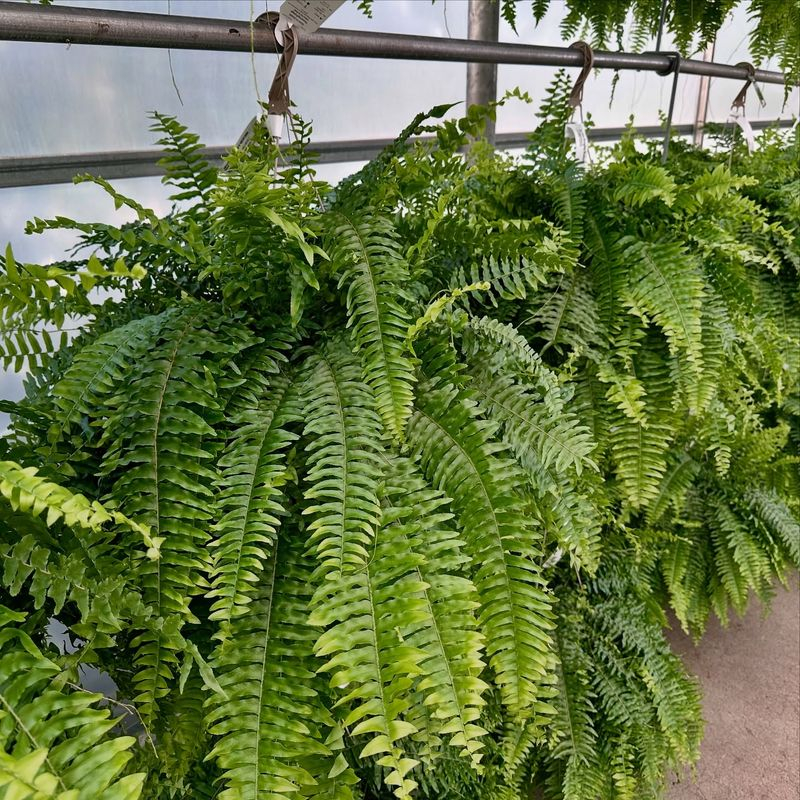
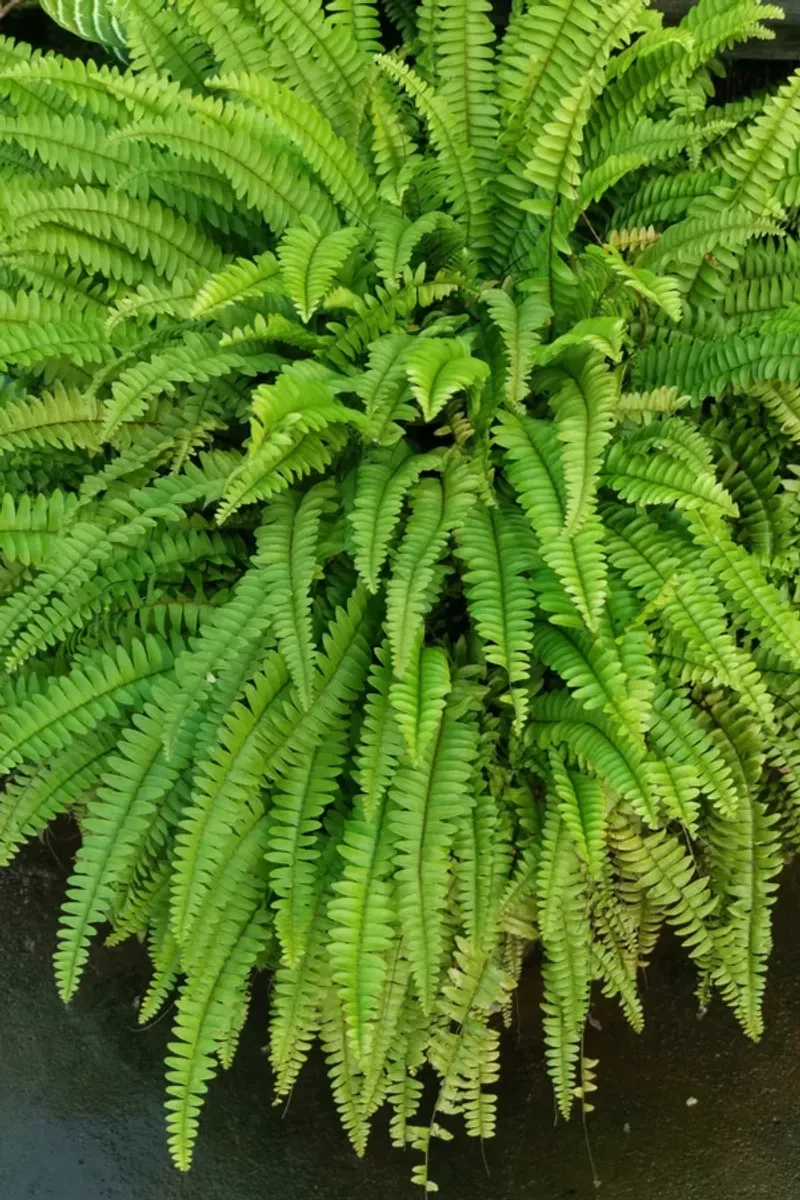
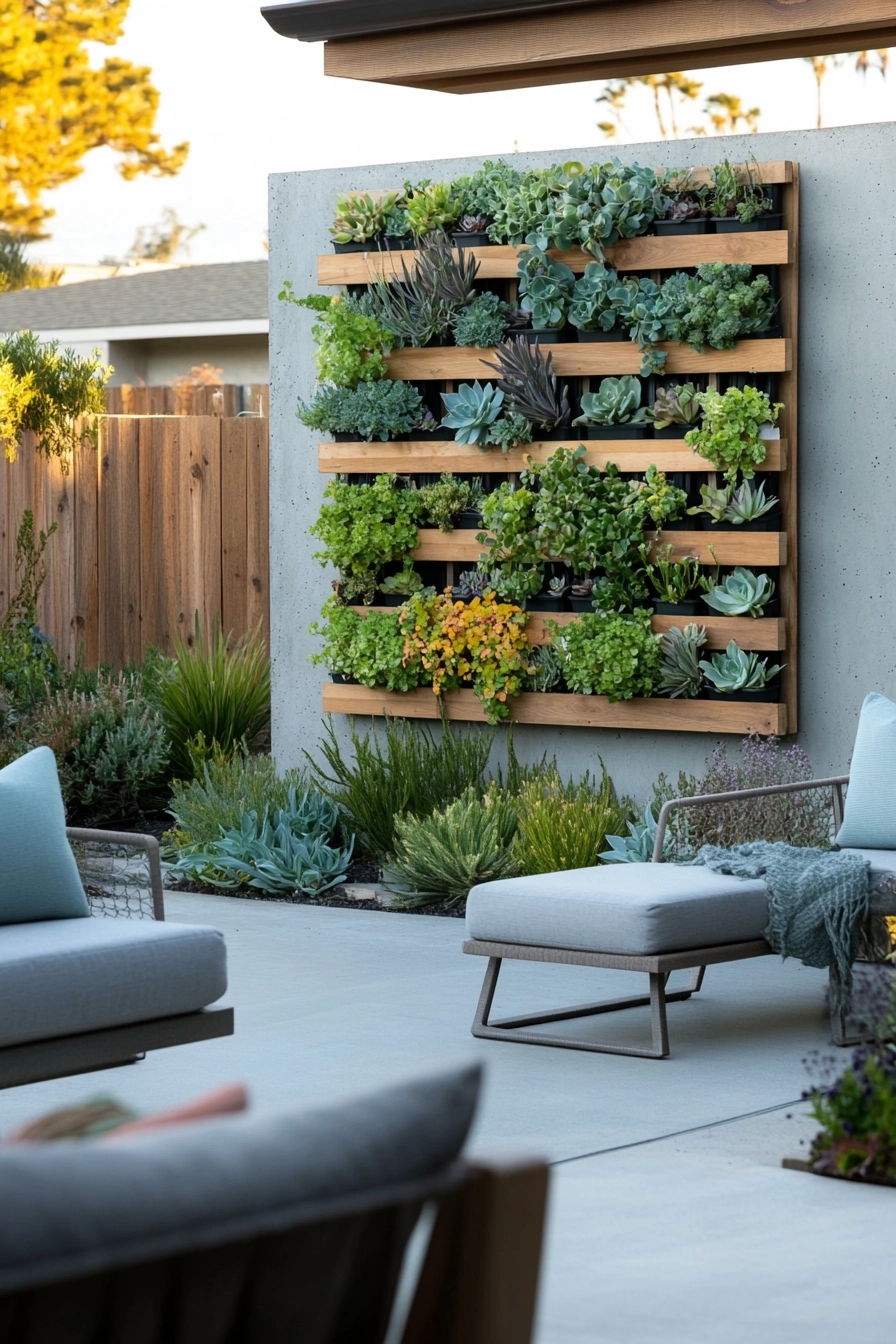
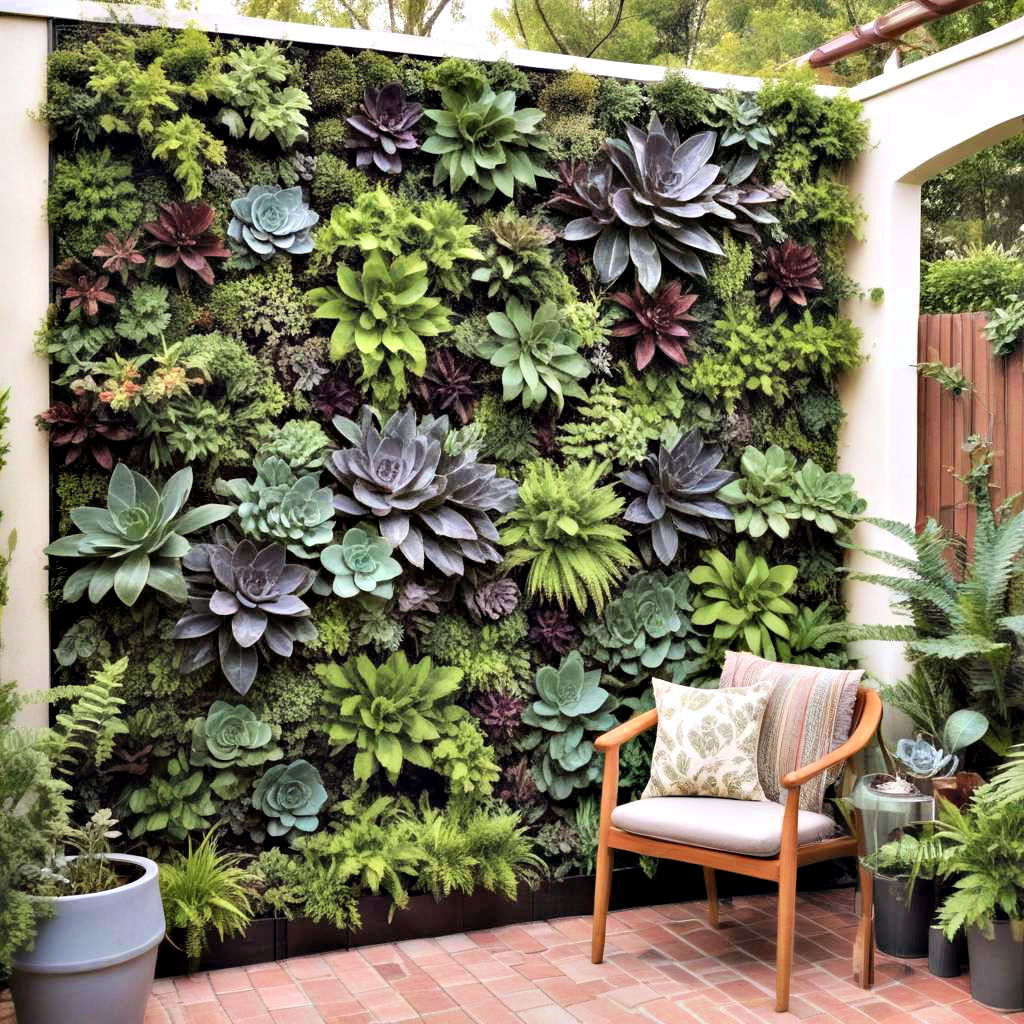
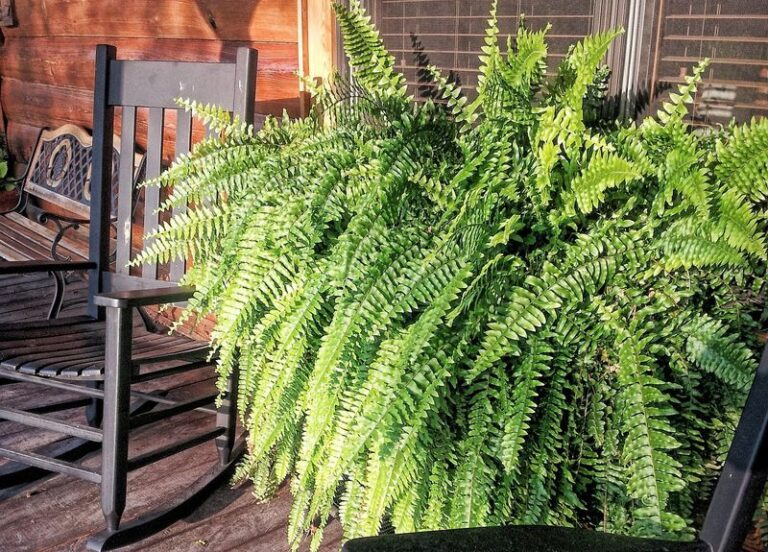
Not everyone has acres of land. Many of us are working with balconies, patios, or narrow side yards. This is where vertical gardening comes into play. Ferns are perfect for going up. Their arching fronds look stunning when viewed from below or at eye level on a wall. A living wall covered in ferns can transform a blank, boring fence into a vibrant green backdrop. You don’t need an expensive irrigation system to make this work. Simple pocket planters made of felt or recycled materials can be hung on a wooden frame. Fill them with a lightweight, moisture-retentive potting mix. Boston Ferns and Button Ferns are excellent choices for vertical spaces because they are compact and tolerate the slightly drier air conditions found on walls better than some other varieties.
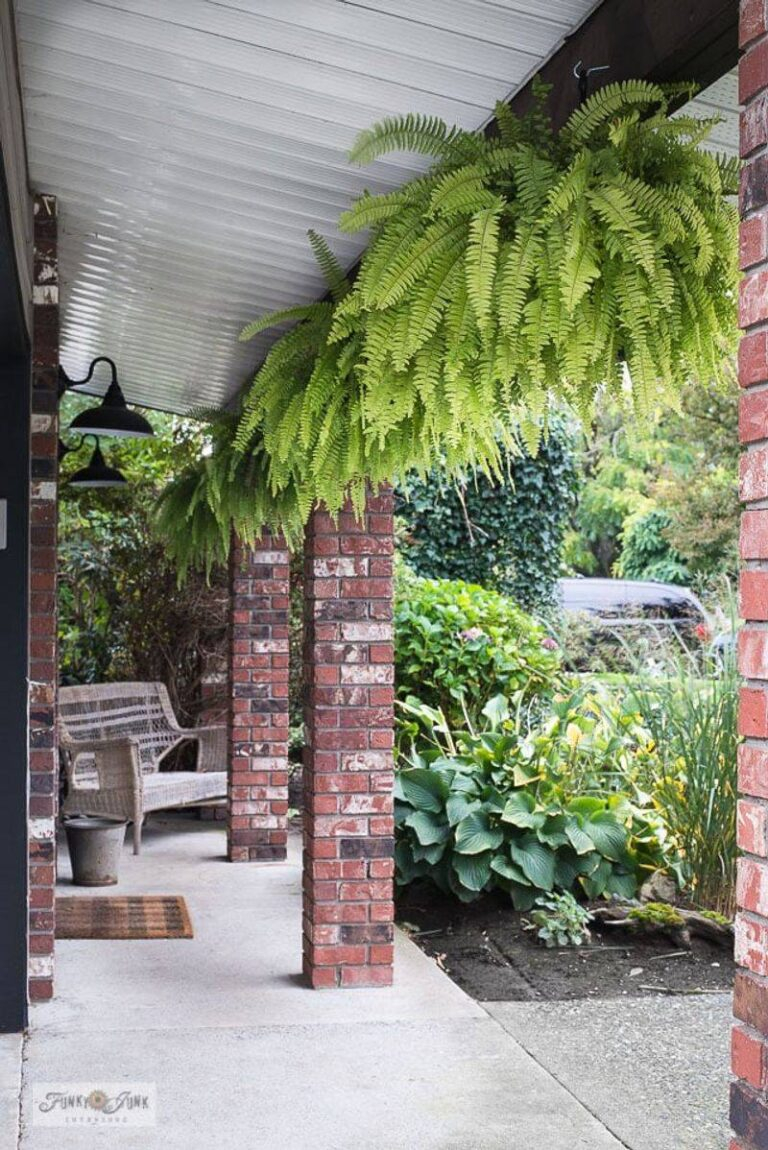
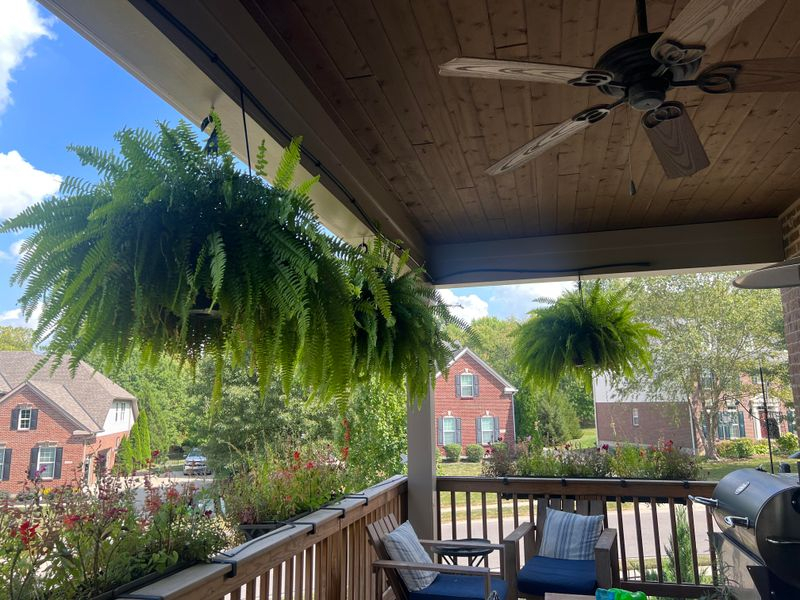
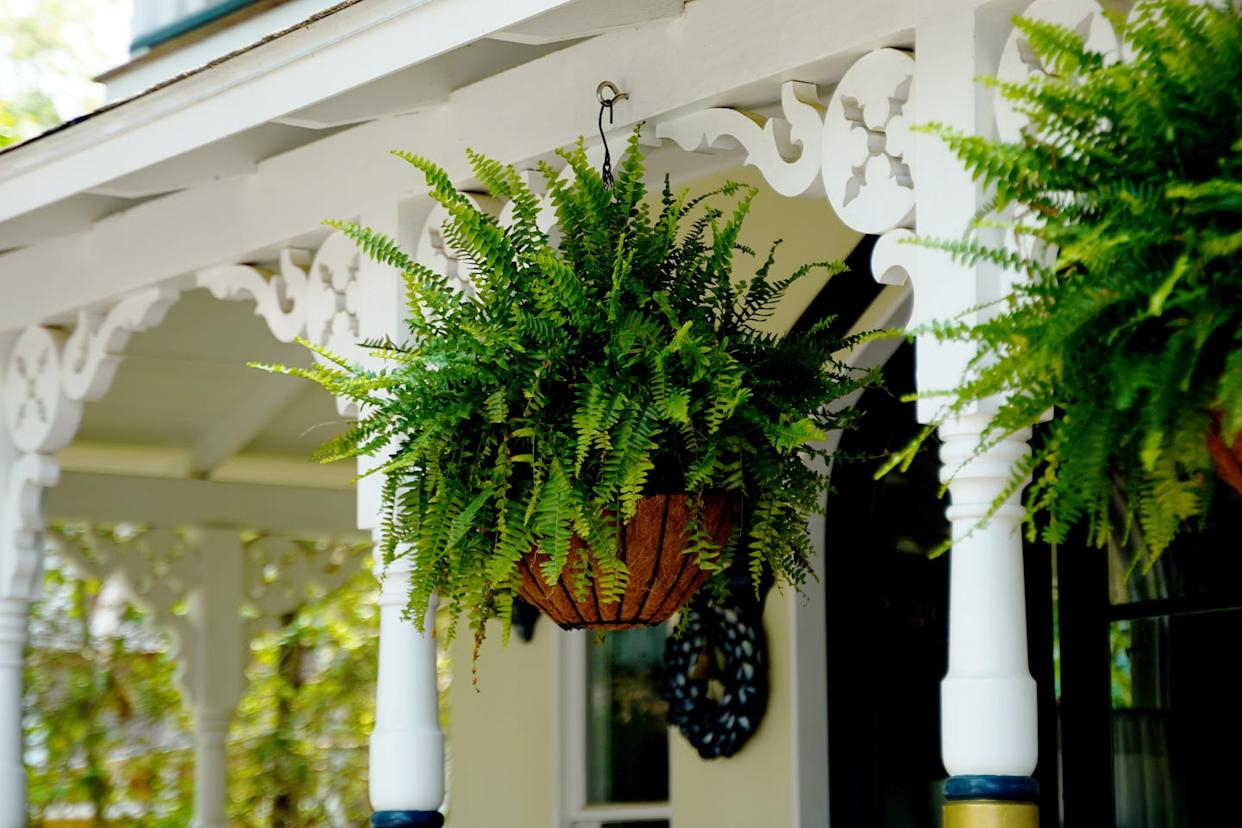
Hanging baskets are another classic option, but let’s update the concept for 2026. Instead of a single lonely basket, try clustering three or four at different heights. Use macramé hangers or simple metal chains to create a cascading effect. Staghorn Ferns are particularly striking here. Mounted on a piece of driftwood or a plank, they look like sculptural art pieces. They are epiphytes, meaning they grow on other plants or objects rather than in soil, so they need frequent misting but very little actual dirt. This makes them ideal for hanging in spots where watering might be tricky. Just remember to bring them indoors if you live in an area with harsh winters, as most staghorns are tropical.
If you have a sturdy trellis or a pergola, consider training climbing ferns. While true climbing ferns are rare, some varieties like the Climbing Maidenhair can be guided up supports. Alternatively, you can hang trailing ferns from the beams of a pergola to create a green ceiling. Walking underneath a canopy of dangling fronds is an immersive experience. It filters the sunlight, creating dappled patterns on the ground below. This technique also helps define outdoor rooms. A curtain of ferns can separate a dining area from a lounging space, adding privacy and a sense of enclosure without blocking the air flow. It’s functional beauty at its finest.
The Zen of Japanese-Inspired Fern Gardens
Japanese garden design is all about balance, simplicity, and the appreciation of natural forms. Ferns fit into this aesthetic seamlessly. They embody the wabi-sabi principle of finding beauty in imperfection and transience. To create a Japanese-inspired fern garden, start with a minimalist mindset. Less is more. Choose a limited palette of fern varieties, focusing on form and texture rather than color. Japanese Painted Ferns are a staple here, with their silvery-grey fronds and deep purple stems. They provide a subtle color contrast that is elegant rather than loud. Pair them with moss-covered stones and a simple water feature, like a bamboo spout or a small stone basin.
Gravel is another key element. Raked gravel patterns represent water or waves in traditional Japanese gardens. Surrounding clumps of ferns with clean, raked gravel creates a striking visual contrast. The organic, chaotic shape of the fern fronds stands out against the orderly, geometric lines of the gravel. This tension is what makes the design interesting. Use evergreen ferns like the Holly Fern to ensure your garden has structure and greenery year-round. In winter, when deciduous ferns die back, the Holly Fern remains, providing a constant anchor in the landscape.
Lighting plays a crucial role in these spaces too. Soft, warm lighting placed low to the ground can highlight the textures of the fern fronds at night. Avoid bright, harsh lights. The goal is to create a mood of tranquility and contemplation. A small stone lantern partially hidden by a large Cinnamon Fern can become a focal point. The interplay of shadow and light on the intricate leaf patterns adds a layer of mystery. This type of garden is not just for looking at; it’s for being in. It invites you to sit, breathe, and observe the slow unfurling of a new fiddlehead. It’s a reminder to slow down in our fast-paced world.
Container Gardening for Small Spaces and Portability
Sometimes the best place for a fern isn’t in the ground at all. Containers offer flexibility and control. You can move them to catch the right amount of light or protect them from extreme weather. In 2026, container gardening has evolved beyond simple plastic pots. Think textured ceramics, reclaimed wood boxes, or even repurposed industrial items like old metal tins or concrete blocks. The container itself becomes part of the decor. For a cohesive look, group several pots of varying heights together. Mix tall, upright ferns like the Royal Fern with shorter, mounding varieties like the Maidenhair. This creates a dynamic silhouette that is visually appealing from all angles.
One of the biggest advantages of container ferns is the ability to control the soil conditions. Ferns generally prefer rich, organic, well-draining soil that stays consistently moist. In the ground, this can be hard to achieve if your native soil is clay or sand. In a pot, you can create the perfect mix. Combine potting soil with compost, perlite, and a bit of peat moss or coconut coir. This ensures the roots get enough air and water without becoming waterlogged. Remember, ferns hate sitting in stagnant water, so always ensure your pots have drainage holes. Saucers underneath can catch excess water, but empty them regularly to prevent root rot.
Container gardens also allow you to experiment with combinations. Ferns pair beautifully with other shade-loving plants. Try mixing them with Hostas for a bold leaf contrast, or with Heuchera (Coral Bells) for a pop of color. The deep greens of the ferns make the purple or lime-green leaves of the Heuchera stand out. You can also add trailing plants like Ivy or Creeping Jenny to spill over the edges, softening the rim of the pot. This layered approach maximizes the visual impact of a small space. And when the season ends, you can easily move tender varieties into a greenhouse or indoors, extending their life and your enjoyment.
Creating Pathways and Defining Spaces with Ferns
Ferns aren’t just for borders; they can be the main event along a walkway. Imagine a path winding through a tunnel of ferns. It creates a sense of journey and discovery. Use taller, arching ferns like the Ostrich Fern or the Cinnamon Fern on either side of a mulch or stone path. As they grow, their fronds will reach out towards each other, forming a natural archway. Walking through this green tunnel feels intimate and secluded. It’s a powerful way to guide movement through your garden. The path becomes a destination in itself, not just a means to get from point A to point B.
For a softer look, allow ferns to spill onto the path slightly. This blurs the boundary between the cultivated walkway and the wilder garden beds. It makes the space feel more organic and less rigid. Use stepping stones interspersed with low-growing ferns like the Resurrection Fern or small clumps of Maidenhair. This encourages visitors to slow down and watch their step, engaging more fully with their surroundings. It’s a subtle psychological trick that enhances the mindfulness of the garden experience. In 2026, there is a growing trend towards "slow gardening," where the process and the presence are valued over quick results. Fern pathways embody this philosophy.
You can also use ferns to define different zones in a larger yard. A row of uniform ferns can act as a living fence, separating a vegetable garden from a flower bed, or a play area from a quiet reading nook. Unlike a wooden fence, a fern border allows air and light to pass through, keeping the space feeling open and connected. It provides visual separation without physical isolation. This is particularly useful in urban settings where space is at a premium. By using plants to structure your garden, you create rooms outdoors. Each room can have its own character and purpose, all tied together by the unifying theme of ferns.
A common misconception is that fern gardens are boring because they lack flowers. Nothing could be further from the truth. Ferns offer an incredible array of textures. Some are lacy and delicate, like the Maidenhair. Others are bold and architectural, like the Hart’s Tongue Fern. Still others are fuzzy and soft, like the Bear’s Paw Fern. By mixing these textures, you create a garden that is rich and complex. Place a coarse-textured Ostrich Fern next to a fine-textured Lady Fern. The contrast makes both plants look more distinctive. It’s like pairing a chunky knit sweater with a silk scarf; the differences enhance each other.
Color is also present, though it is subtler. Many ferns have new growth that emerges in shades of bronze, red, or pink before turning green. The Japanese Painted Fern has silver and purple hues. The Autumn Fern starts with coppery-orange fronds that mature to green. By selecting varieties with different emergence colors, you can have a changing palette throughout the spring and summer. In autumn, many deciduous ferns turn brilliant shades of gold, rust, and brown before dying back. This seasonal change adds a fourth dimension to your garden: time. You get to witness the cycle of life, from the tight coil of the fiddlehead to the full spread of the frond, and finally to the crisp decay of fall.
Don’t forget about winter interest. Evergreen ferns like the Christmas Fern, the Leatherleaf Fern, and the Holly Fern keep their foliage through the cold months. In a snowy landscape, these dark green clumps provide vital contrast and structure. They remind us that life persists even in dormancy. You can leave the dead fronds of deciduous ferns standing through the winter too. They provide insulation for the crown of the plant and add sculptural elements to the frosty garden. In early spring, cut them back to make way for the new growth. This cycle of renewal is one of the most rewarding aspects of growing ferns. It connects you to the rhythms of the earth in a tangible, daily way.
Creating a fern garden is less about following strict rules and more about observing and responding to your specific environment. These nineteen ideas are starting points, invitations to experiment. Whether you are stacking stones, hanging baskets, or raking gravel, the goal is to create a space that feels alive and restorative. Ferns have been around for millions of years, long before humans walked the earth. They carry a sense of ancient wisdom and resilience. By inviting them into our homes and yards, we tap into that deep, primal connection to nature. So, go ahead. Get your hands dirty. Unfurl a new possibility in your outdoor space. You might just find that the quietest corner of your garden becomes the loudest source of joy.
[sps_html tag=”img” src=”https://cdn.northcarolinafinearchitecture.com/2026/06/15-expert-tips-for-keeping-your-porch-ferns-vibrant-and-lush-all-year-in-keeping-porch-ferns-green-and-vibrant-all-season-long.jpg” alt=”15 Expert Tips For Keeping Your Porch Ferns Vibrant And Lush All Year … in Keeping Porch Ferns Green and Vibrant All Season Long” style=”width: 100%; height: auto;”]
[sps_html tag=”img” src=”https://cdn.northcarolinafinearchitecture.com/2026/06/15-expert-tips-for-keeping-your-porch-ferns-vibrant-and-lush-all-year-intended-for-keeping-porch-ferns-green-and-vibrant-all-season-long.jpg” alt=”15 Expert Tips For Keeping Your Porch Ferns Vibrant And Lush All Year … intended for Keeping Porch Ferns Green and Vibrant All Season Long” style=”width: 100%; height: auto;”]
[sps_html tag=”img” src=”https://cdn.northcarolinafinearchitecture.com/2026/06/15-tips-to-keep-porch-ferns-green-and-lush-all-season-and-3-mistakes-for-keeping-porch-ferns-green-and-vibrant-all-season-long.jpg” alt=”15 Tips To Keep Porch Ferns Green And Lush All Season (And 3 Mistakes … for Keeping Porch Ferns Green and Vibrant All Season Long” style=”width: 100%; height: auto;”]
[sps_html tag=”img” src=”https://cdn.northcarolinafinearchitecture.com/2026/06/how-to-keep-your-porch-ferns-green-and-lush-all-season-and-years-to-come-within-outdoor-fern-garden-design.jpg” alt=”How To Keep Your Porch Ferns Green And Lush All Season — And Years To Come within Outdoor Fern Garden Design” style=”width: 100%; height: auto;”]
[sps_html tag=”img” src=”https://cdn.northcarolinafinearchitecture.com/2026/06/17-tips-and-tricks-for-lush-green-porch-ferns-that-last-all-season-inside-outdoor-fern-garden-design.webp” alt=”17 Tips And Tricks For Lush, Green Porch Ferns That Last All Season … inside Outdoor Fern Garden Design” style=”width: 100%; height: auto;”]