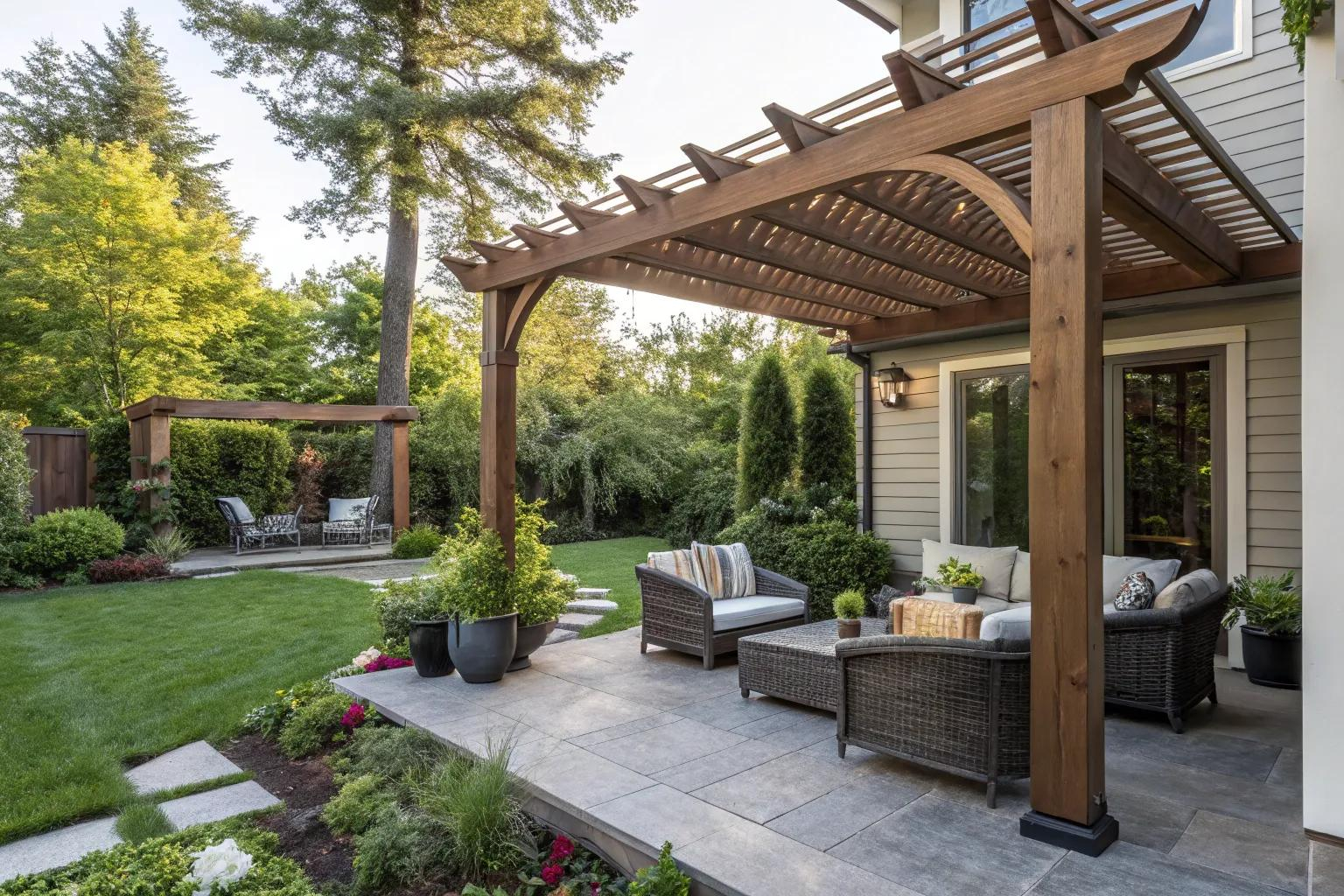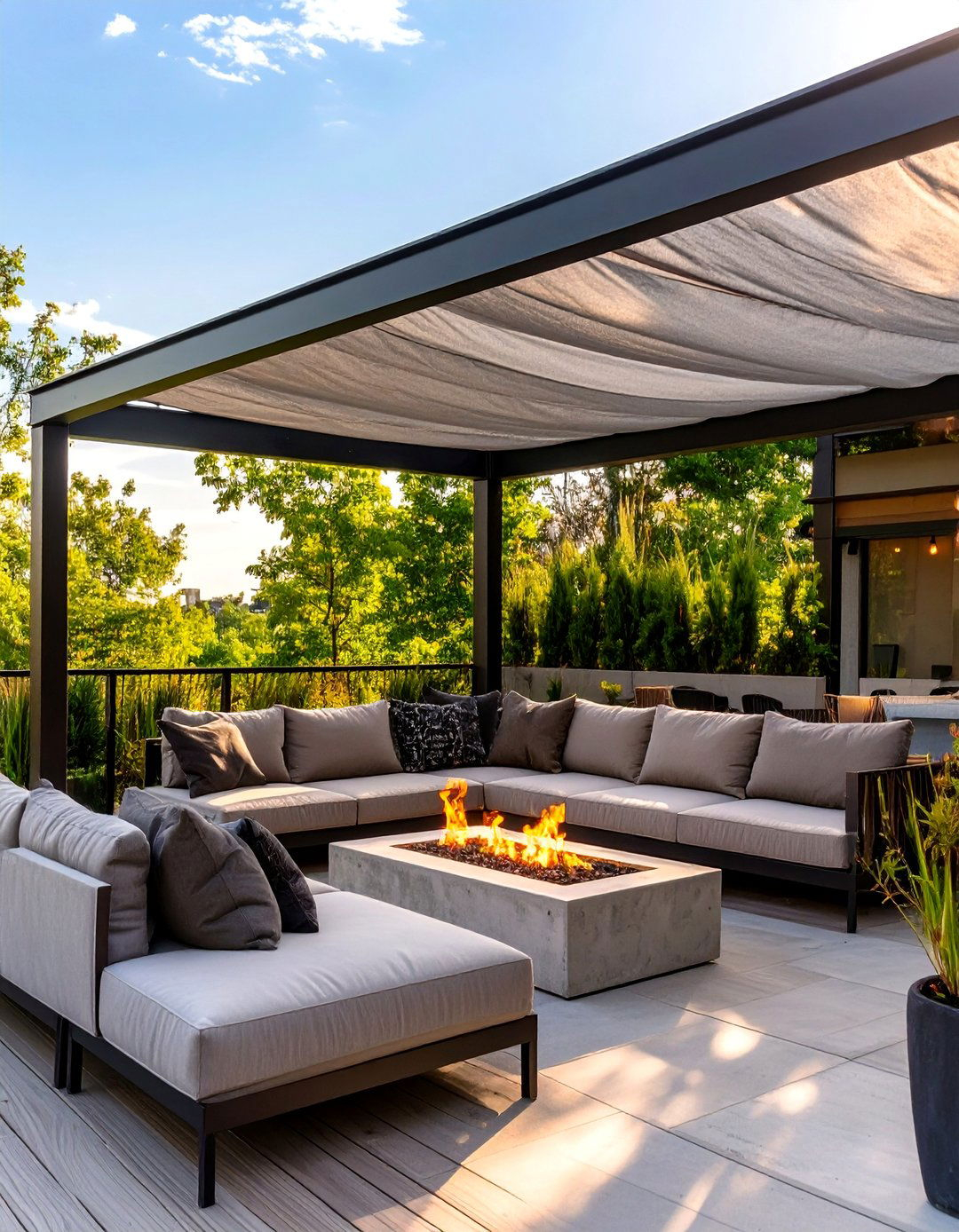
Ever stepped out onto your patio ready to unwind with a good book or a cold drink, only to feel like you’re on display? It’s a common frustration. You want that outdoor sanctuary vibe, but the neighbors’ windows or a busy street keep pulling you back into reality. The good news is, you don’t need a massive renovation budget or a construction crew to fix it. In fact, some of the best solutions are surprisingly cheap and can be done in a single weekend.
Creating a secluded spot is less about building walls and more about crafting layers. Think of it like dressing for the weather—you layer up to stay comfortable. The same logic applies to your outdoor space. By mixing soft textures, greenery, and smart barriers, you can block prying eyes while making the area feel inviting and warm. Let’s dive into how you can transform that exposed slab of concrete or wood into a cozy retreat that feels worlds away from the hustle and bustle.
The Magic of Green Screens and Living Walls
Plants are nature’s original privacy fence, and they’re often the most beautiful option too. Instead of staring at a blank wall or a chain-link fence, imagine a lush curtain of greenery swaying in the breeze. Fast-growing vines like ivy, jasmine, or clematis can climb trellises or wire meshes quickly, creating a dense barrier that smells amazing and looks expensive. If you’re renting or can’t drill into walls, tall potted plants are your best friend. Bamboo is a classic choice because it grows fast and creates a thick screen, but make sure to get clumping varieties so they don’t take over your entire yard.
For those with limited space, vertical gardens are a game-changer. You can hang pocket planters on a fence or build a simple wooden frame with shelves for pots. This doesn’t just add privacy; it brings life and color to the space. In 2026, many gardeners are opting for native plants because they require less water and maintenance. A row of tall ornamental grasses or sunflowers can also do the trick, offering seasonal privacy that changes with the weather. The key is height. Aim for plants that reach at least six feet to effectively block sightlines from standing neighbors.
Don’t forget about the comfort aspect here. Greenery naturally cools the air through transpiration, making your patio feel fresher on hot days. Plus, the sound of leaves rustling adds a soothing white noise that masks street traffic or nearby conversations. It’s a multi-tasking solution that looks great, feels good, and costs very little if you start from seeds or small starter plants. Just remember to choose plants that match your sunlight conditions—no point in planting shade-lovers in a scorching south-facing spot.
DIY Screens That Look Custom-Made
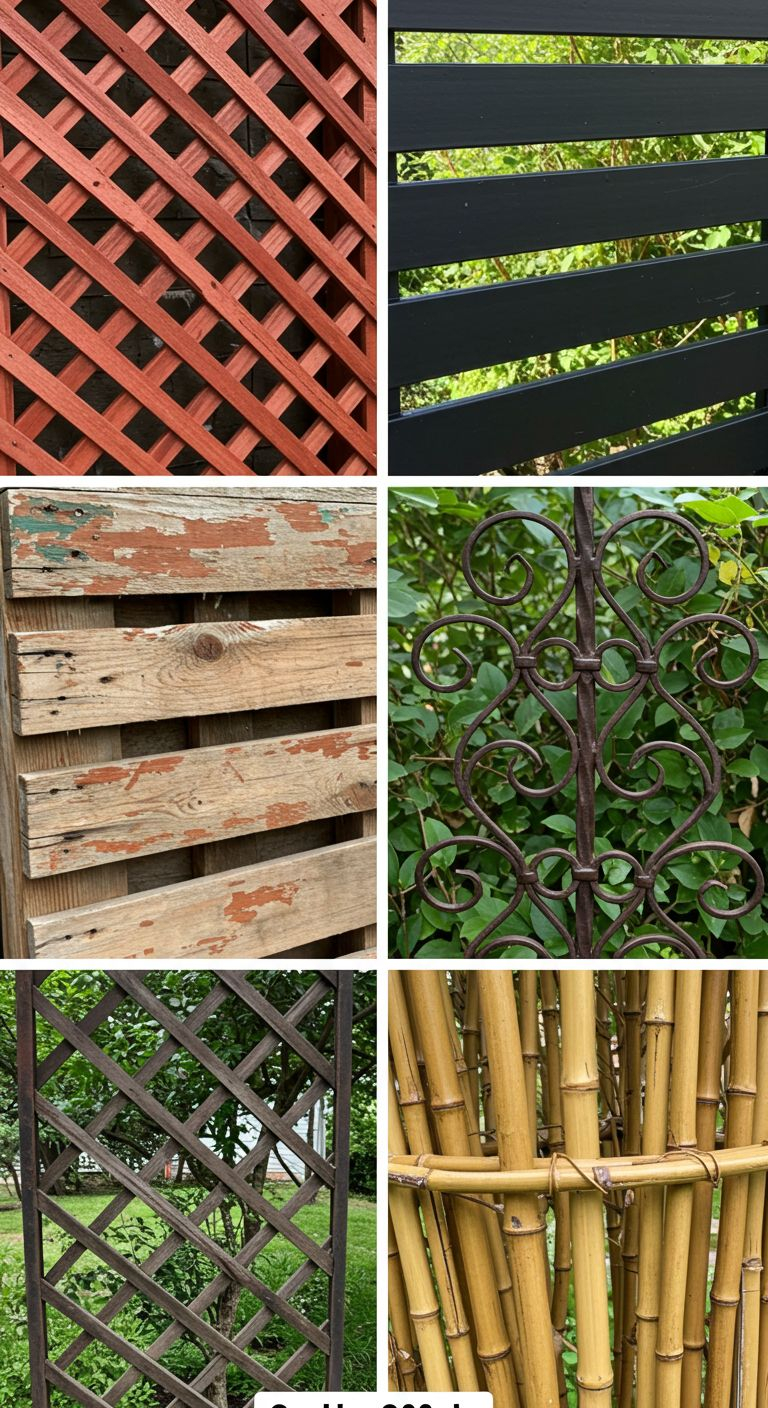
If plants aren’t your thing or you need immediate coverage, DIY privacy screens are incredibly effective and budget-friendly. You don’t need to be a carpentry pro to build something sturdy and stylish. Wooden pallets are a popular starting point because they’re often free or cheap to buy from local stores. Sand them down, stain or paint them in a color that matches your home, and stand them up side-by-side. You can hinge them together for a folding screen that you can move around as needed. It’s rustic, charming, and totally functional.
Another clever idea is repurposing old doors or window frames. Check out salvage yards or online marketplaces for discarded items. An old louvered door can provide ventilation while still blocking direct views, and a vintage window frame with frosted glass adds a touch of elegance without costing a fortune. For a more modern look, consider using lattice panels. They’re lightweight, easy to install, and can be painted any color. When you weave some artificial or real vines through the lattice, it becomes almost opaque while still allowing air to flow through.
The beauty of DIY screens is customization. You can make them exactly the size you need, whether it’s a small corner nook or a full perimeter barrier. Add some outdoor-rated fabric panels to the top half for extra seclusion, or string up some fairy lights for evening ambiance. Many people in 2026 are focusing on sustainable materials, so using reclaimed wood or recycled metal not only saves money but also reduces waste. It’s a win-win for your wallet and the planet. Just ensure whatever material you use is treated for outdoor weather to prevent rot or rust.
Soften the Space With Outdoor Curtains
Sometimes, hard barriers feel too rigid. That’s where outdoor curtains come in. They add a softness and luxury to a patio that few other elements can match. Hanging heavy-duty, weather-resistant drapes from a pergola, gazebo, or even a simple tension rod between two posts can instantly create a private room outdoors. When the wind blows, the fabric moves gently, adding a dynamic visual element that static fences lack. And when you want to open up the space, you just tie them back.
Cost-wise, this is one of the most affordable options. A single panel of outdoor-rated fabric can cost as little as $20 to $30. You don’t need fancy hardware either; grommets and a sturdy rope or cable wire work perfectly. Choose fabrics like Sunbrella or polyester blends that resist fading and mildew. Light colors reflect heat and keep the area cooler, while darker tones offer better privacy and hide dirt better. Mix and match patterns or solids to match your existing furniture.
Beyond privacy, curtains serve other practical purposes. They block harsh sunlight, reducing glare on your TV or phone screen if you’re working outside. They also act as a windbreak, keeping your candles lit and your napkins from flying away. In cooler months, thick curtains can help retain some warmth, extending the usability of your patio into the fall. It’s a simple addition that makes the space feel like an extension of your living room, blurring the line between indoors and out. Plus, they’re easy to wash and replace if they get worn out.
Strategic Furniture Placement and Zones
You might already have the tools for privacy sitting in your garage or storage room. How you arrange your furniture can significantly impact how private your patio feels. Instead of pushing everything against the walls, try floating your seating area in the center and using large pieces as barriers. A tall bookshelf, a storage bench, or even a large planter box can act as a visual block between your seating zone and the rest of the yard. This creates distinct "rooms" within your outdoor space, making it feel more intimate and organized.
Consider the height of your furniture. Low-profile chairs offer little protection, but high-backed sofas or lounge chairs with side tables create a cocoon effect. Adding throw pillows and blankets not only boosts comfort but also adds visual bulk that helps block views. Rug placement is another subtle trick. Defining a specific area with an outdoor rug anchors the space and psychologically separates it from the surrounding open areas. It tells guests, "This is the chill zone," and keeps the focus inward rather than outward.
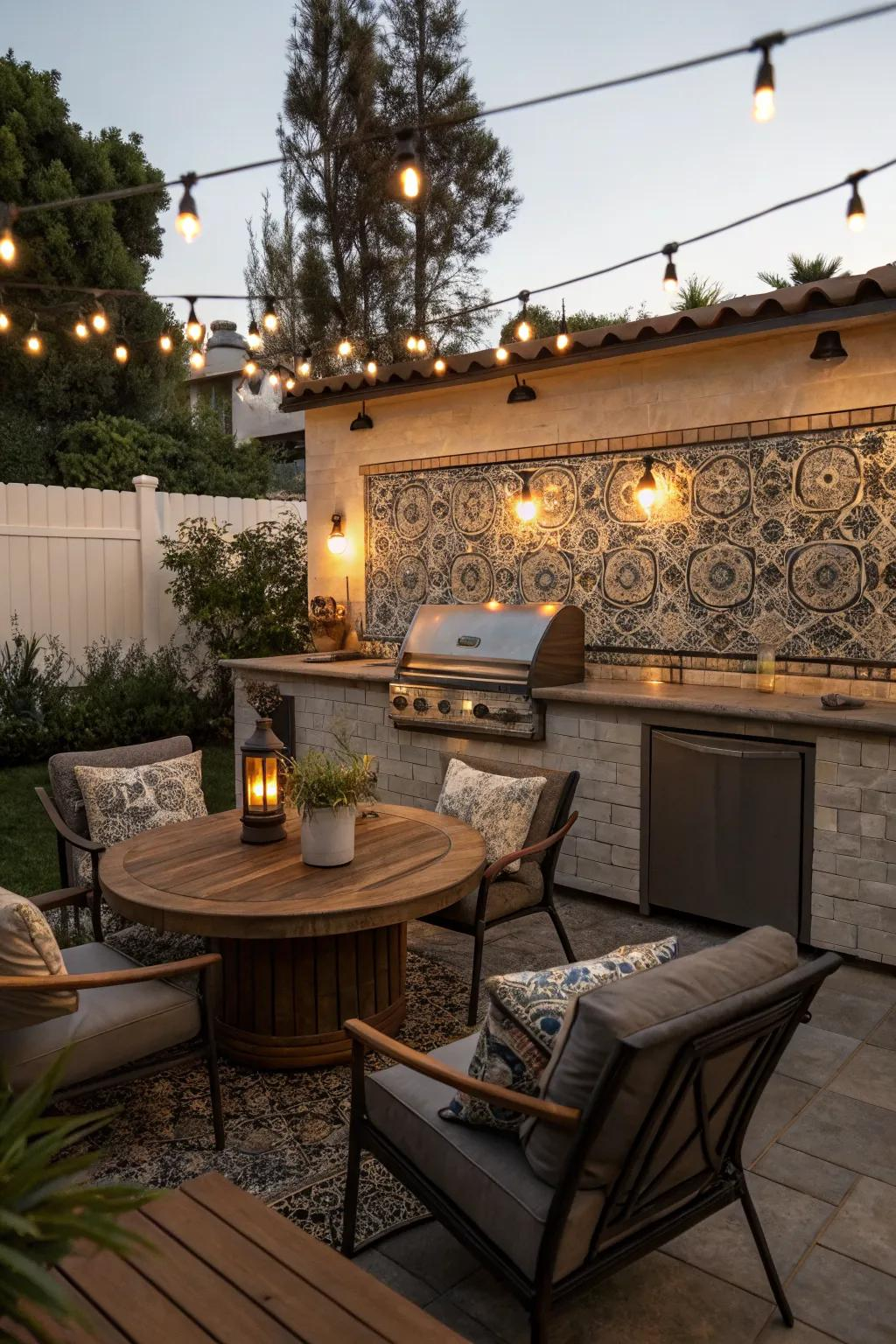
Lighting plays a huge role in comfort and perceived privacy too. String lights, lanterns, or solar-powered path lights draw the eye to specific spots and away from the boundaries. Warm, dim lighting creates a cozy atmosphere that encourages relaxation and conversation. In 2026, energy-efficient LED options are widely available and cheap. By layering light sources at different heights, you create depth and shadow, which naturally obscures details from outside observers. It’s about controlling what people see and where they look.
Upcycled and Repurposed Materials
One person’s trash is another person’s privacy screen. Scouring thrift stores, garage sales, and even your own attic can yield unique materials for creating barriers. Old shutters, for instance, can be hinged together to form a decorative screen that adds character and history to your patio. Metal grates from old radiators or industrial shelving units can be painted and used as modern, airy dividers. The key is to see potential in objects that others might discard.
Bamboo rolls are another inexpensive option that’s easy to install. You can attach them to existing fences or railings to add instant height and density. They’re lightweight, natural-looking, and provide excellent coverage. If you’re handy, you can even weave branches or reeds into a custom screen. This approach is not only budget-friendly but also eco-conscious. It reduces landfill waste and gives your patio a one-of-a-kind look that store-bought items can’t replicate.
Don’t overlook the power of textiles and tarps. Heavy-duty canvas tarps, often used for camping or construction, can be cut to size and grommeted for hanging. Paint them with outdoor fabric paint to add patterns or colors that match your style. Old bedsheets or tablecloths can also be treated with waterproofing spray and used as temporary curtains for parties or special occasions. It’s all about being resourceful. With a bit of creativity, you can build a high-end looking space for a fraction of the cost.
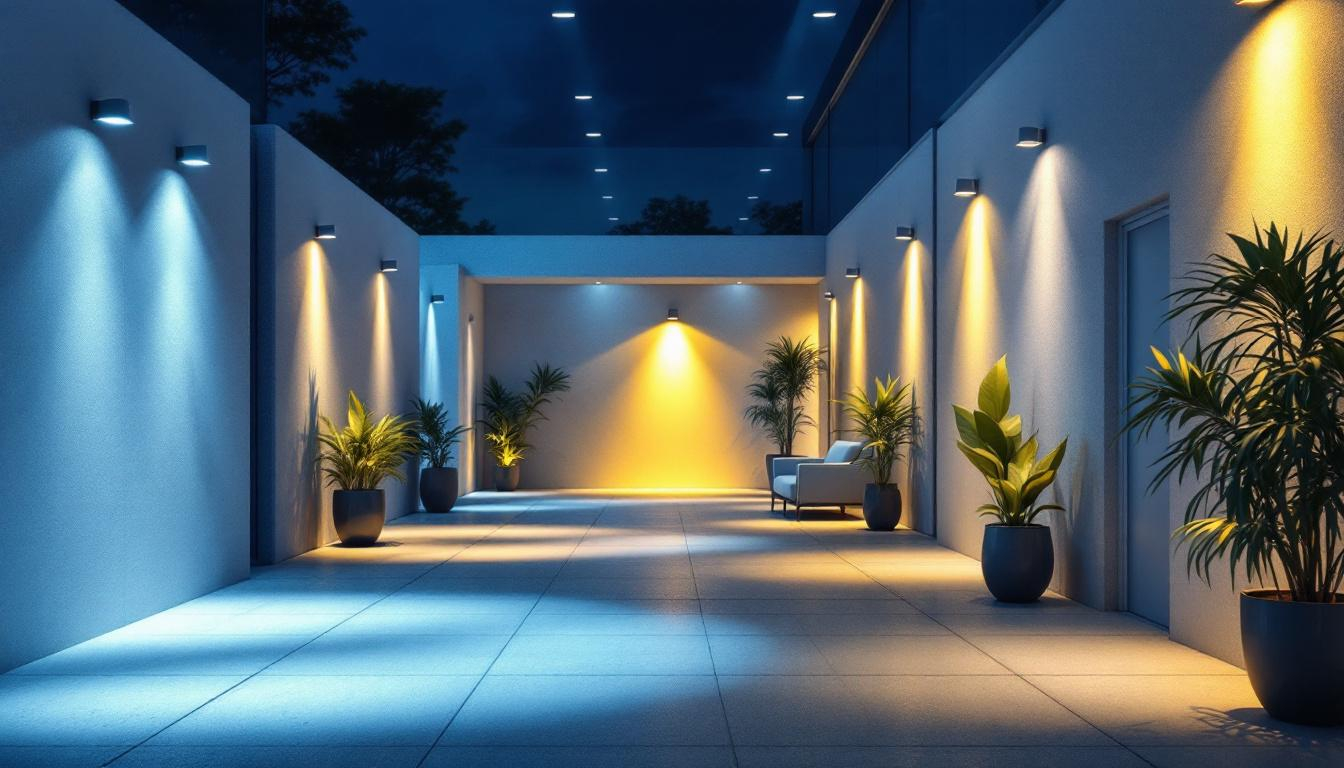
Privacy isn’t just about blocking views during the day; it’s also about creating a safe, comfortable environment at night. Proper lighting eliminates dark corners where bugs hide and makes the space feel secure. Solar-powered stake lights are cheap and easy to place around the perimeter of your patio. They charge during the day and automatically turn on at dusk, providing a soft glow that defines the boundaries of your space without being harsh.
Lanterns with flameless candles add a romantic touch and can be placed on tables or hung from hooks. They provide focused light that doesn’t spill over into neighboring yards, respecting their privacy while enhancing yours. Consider adding motion-sensor lights near entry points for safety, but keep the main seating area softly lit to maintain a relaxed vibe. In 2026, smart lighting systems are becoming more affordable, allowing you to control brightness and color from your phone. This lets you adjust the mood instantly depending on whether you’re hosting a dinner party or enjoying a quiet evening alone.
Comfort extends to temperature control too. If your patio gets chilly in the evenings, a small propane heater or a fire pit can make a huge difference. These elements draw people in and create a focal point that encourages gathering. Combine this with the privacy screens and curtains you’ve installed, and you have a fully enclosed, cozy retreat. Add some outdoor speakers for background music, and you’ve got a complete sensory experience. It’s these little touches that transform a basic patio into a cherished part of your home.
Creating a private and comfortable patio doesn’t require a hefty investment or professional help. By combining natural elements like plants with clever DIY solutions such as screens and curtains, you can build a sanctuary that reflects your personal style. Repurposing materials and strategically placing furniture further enhances the sense of seclusion and comfort. Remember, the goal is to create a space where you can truly relax, free from the distractions of the outside world.
Start small if you need to. Pick one or two ideas from this list and implement them this weekend. Maybe it’s hanging a few outdoor curtains or planting some tall grasses in pots. As you see the transformation, you’ll likely find inspiration for more projects. The beauty of these budget-friendly hacks is their flexibility. You can change them up with the seasons or as your needs evolve. Ultimately, your patio should be a reflection of what brings you peace and joy. So go ahead, claim that outdoor space as your own. You deserve it.
[sps_html tag=”img” src=”https://cdn.northcarolinafinearchitecture.com/2026/06/why-a-retractable-awning-canopy-is-a-modern-hotel-essential-regarding-outdoor-shade-design.jpg” alt=”Why A Retractable Awning Canopy Is A Modern Hotel Essential regarding Outdoor Shade Design” style=”width: 100%; height: auto;”]
[sps_html tag=”img” src=”https://cdn.northcarolinafinearchitecture.com/2026/06/retractable-canopies-langley-shadefx-with-regard-to-why-retractable-canopies-are-changing-how-we-design-outdoor-living-areas.jpg” alt=”Retractable Canopies, Langley - Shadefx with regard to Why Retractable Canopies Are Changing How We Design Outdoor Living Areas” style=”width: 100%; height: auto;”]
[sps_html tag=”img” src=”https://cdn.northcarolinafinearchitecture.com/2026/06/retractable-canopies-monroe-shadefx-pertaining-to-why-retractable-canopies-are-changing-how-we-design-outdoor-living-areas.jpg” alt=”Retractable Canopies, Monroe - Shadefx pertaining to Why Retractable Canopies Are Changing How We Design Outdoor Living Areas” style=”width: 100%; height: auto;”]
[sps_html tag=”img” src=”https://cdn.northcarolinafinearchitecture.com/2026/06/retractable-canopies-langley-shadefx-in-why-retractable-canopies-are-changing-how-we-design-outdoor-living-areas.jpg” alt=”Retractable Canopies, Langley - Shadefx in Why Retractable Canopies Are Changing How We Design Outdoor Living Areas” style=”width: 100%; height: auto;”]
[sps_html tag=”img” src=”https://cdn.northcarolinafinearchitecture.com/2026/06/30-stylish-deck-canopy-ideas-for-sun-protection-we-love-home-blog-for-why-retractable-canopies-are-changing-how-we-design-outdoor-living-areas.jpg” alt=”30 Stylish Deck Canopy Ideas For Sun Protection - We Love Home Blog for Why Retractable Canopies Are Changing How We Design Outdoor Living Areas” style=”width: 100%; height: auto;”]