You’re standing in the kitchen of a model home. The sunlight hits the countertops just right. It feels solid. Quiet. But then you look at the price tag, and that warm feeling gets a little chilly. We’ve all been there. You crunch the numbers, thinking about the down payment, the interest rate, the monthly bill that’s going to hit your bank account for the next thirty years. It’s stressful. But what if I told you that the sticker price isn’t the whole story? In fact, it’s barely half of it.
Most people forget to ask about the running costs. They focus on the mortgage and ignore the electricity, the gas, the repairs that seem to pop up every other winter. That’s a mistake. A big one. Especially now, in 2026, when energy prices are still unpredictable and building standards have shifted dramatically. There’s a new label you need to know about. It used to be called Zero Energy Ready, but the Department of Energy (DOE) updated the name to DOE Efficient New Homes. Don’t let the name change fool you. It’s the same high bar, just clearer language for folks like us who just want a home that doesn’t bleed money.
This isn’t just about saving the planet, though that’s nice. It’s about your wallet. It’s about qualifying for specialized loans from giants like Freddie Mac and Fannie Mae that recognize these homes are less risky. Why? Because they cost less to keep warm in January and cool in July. When your utility bills drop, your debt-to-income ratio looks better to lenders. Suddenly, that dream home is actually affordable. Let’s dig into how this works, because understanding this could save you tens of thousands of dollars over the life of your loan.
The Name Change and What It Actually Means
So, why did the government change the name? Back in the day, "Zero Energy Ready" sounded futuristic. Maybe too futuristic. Some buyers thought it meant they had to install solar panels immediately or live off the grid. That wasn’t the point. The U.S. Department of Energy realized they needed a title that reflected reality. Hence, DOE Efficient New Homes. It’s the successor program, but substantively, it’s the same rigorous standard. It’s the federal government’s highest voluntary certification for residential buildings.
Think of it as a badge of honor for builders who go above and beyond. It’s not just meeting code; it’s crushing it. The program ensures that every component of the house, from the insulation in the walls to the windows you look out of, meets or exceeds the 2021 or 2024 International Energy Conservation Code (IECC). That’s a mouthful, I know. But here’s the simple version: these homes are built tighter. They leak less air. They hold heat better. And they use systems that don’t waste energy.
For you, the buyer, this clarity matters. You don’t need to be an engineer to understand "Efficient." You just need to know that this label guarantees a certain level of performance. It’s a promise. A promise that the home won’t just look good on day one, but will perform well on day one thousand. This consistency is key for lenders, too. They like predictability. And a DOE-certified home is about as predictable as it gets when it comes to energy usage.
Beyond the Sticker Price: The Real Cost of Owning
Let’s talk about the "real" cost. We’re trained to look at the purchase price. $400,000. $500,000. Whatever the number is, we obsess over it. But the mortgage payment is only one part of the equation. You’ve got property taxes, insurance, maintenance, and utilities. For many families, especially in 2026, the utility bill is a huge chunk of that monthly budget. If you’re paying $300 a month for energy in a standard home, that’s $3,600 a year. Over ten years? That’s $36,000. Gone.
DOE Efficient New Homes flip this script. Because they are built with best-in-class technology, they slash those utility bills. We’re talking about savings that can add up to tens of thousands of dollars over the life of the home. Imagine taking that $300 monthly energy bill and cutting it in half. Or even more. That’s money staying in your pocket. Money you can use for groceries, vacations, or paying down the principal on your mortgage faster.
This is where the concept of "cost to own" beats "cost to buy." A cheaper house with poor efficiency is like buying a car with terrible gas mileage. Sure, the sticker price was low, but you’re bleeding cash at every pump. A DOE Efficient home might cost a bit more upfront—though often the gap is closing thanks to factory construction methods—but the monthly operating costs are drastically lower. It’s a smarter financial move. Period.
How Efficiency Qualifies You for Better Mortgages
Here’s the part that really surprises people. Your home’s energy efficiency can directly impact your mortgage terms. It’s not magic; it’s risk management. Lenders like Fannie Mae and Freddie Mac have caught on. They offer specialized mortgage products for energy-efficient homes. Why? Because a homeowner with lower utility bills has more disposable income. That means they’re less likely to miss a mortgage payment. It’s a safer bet for the bank.
When you buy a DOE Efficient New Home, you’re signaling to the lender that your monthly housing costs are stable. You aren’t going to be shocked by a massive heating bill in the middle of winter. This stability can help you qualify for a larger loan amount or secure a slightly better interest rate. In some cases, lenders can even "stretch" your debt-to-income ratio because they factor in the energy savings. Essentially, they count those saved utility dollars as income you can use to pay the mortgage.
This isn’t just a future policy concept. It’s happening right now. In 2026, more and more lenders are integrating these green incentives into their standard offerings. It’s no longer a niche product for eco-warriors. It’s a mainstream financial tool. If you’re working with a builder who is certified under the DOE program, ask them about these specific loan options. They might have partnerships with lenders who specialize in this. It could be the difference between getting approved and being left waiting.
The Tech Behind the Savings: What’s Inside the Walls?
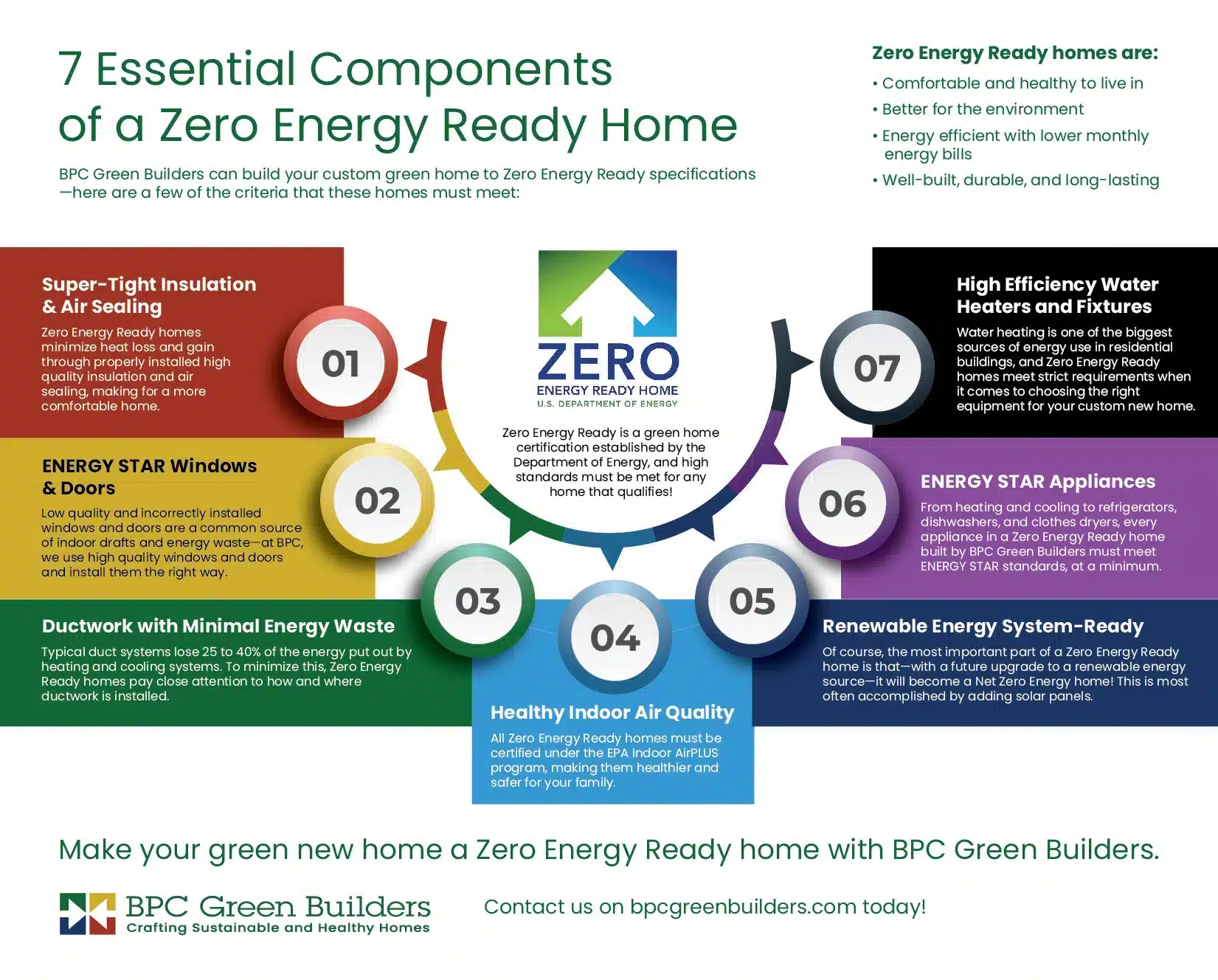
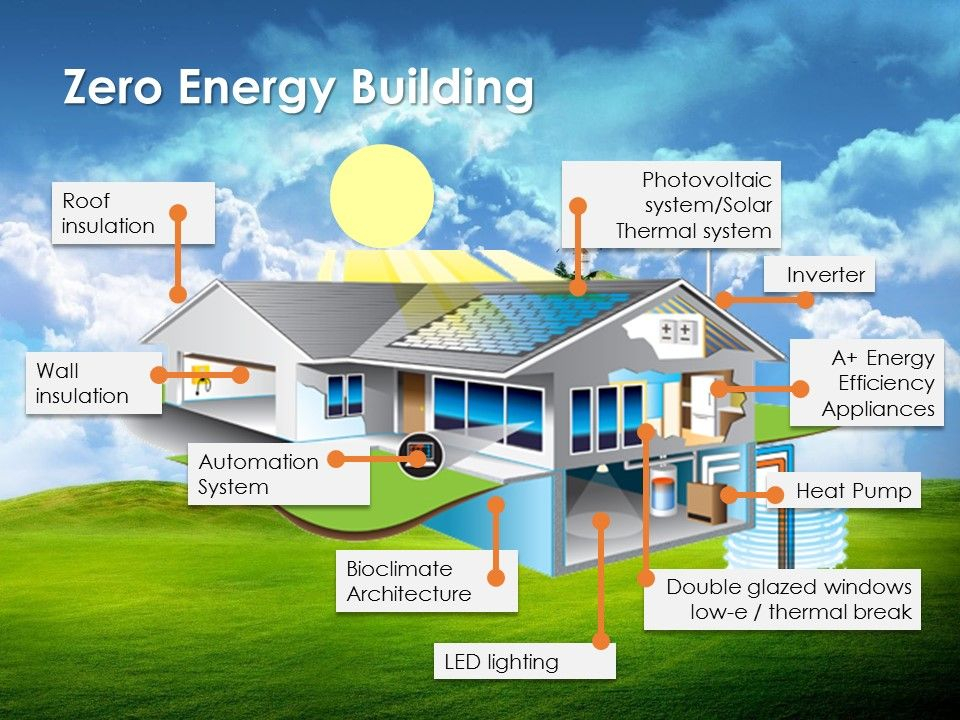
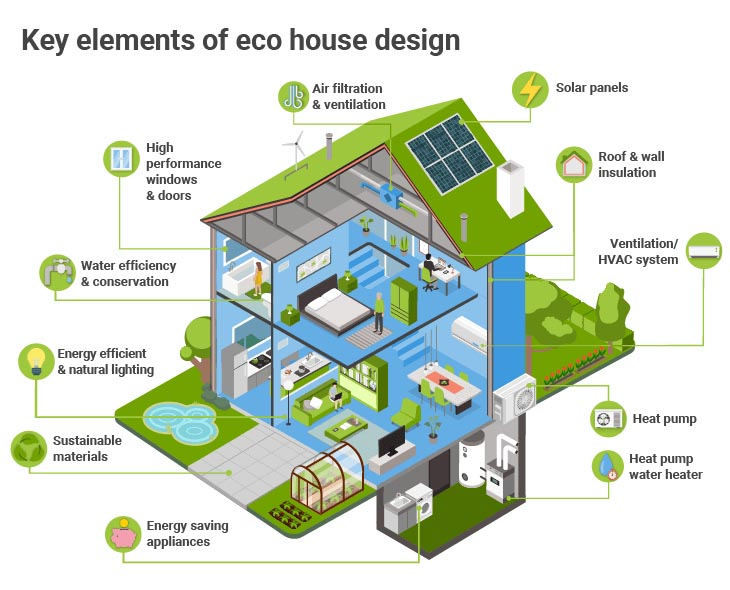
Okay, so how do they actually achieve this efficiency? It’s not just one thing. It’s a system. DOE Efficient New Homes use proven, innovative technologies that exceed current building codes. Let’s break it down. First, the thermal envelope. This is the shell of your house. In these homes, the insulation levels are top-tier. We’re talking about high R-values in the walls, attic, and floors. No gaps. No weak spots. This keeps the conditioned air inside where it belongs.
Then there’s the HVAC system. Standard homes often have oversized units that cycle on and off, wasting energy. DOE homes use properly sized, high-efficiency systems. They often include advanced ventilation, like Energy Recovery Ventilators (ERVs), which bring in fresh air without losing the heat or coolness you’ve already paid for. This isn’t just about saving money; it’s about health. Better air quality means fewer allergens and a more comfortable living environment.
And let’s not forget the windows. They’re not just glass; they’re engineered barriers. Triple-pane or high-performance double-pane windows with low-emissivity coatings stop heat from escaping in winter and entering in summer. Every element is chosen for performance. From the water heater to the lighting fixtures, everything is designed to sip energy rather than gulp it. This attention to detail is what separates a DOE home from a standard build. It’s craftsmanship meets science.
Factory Construction and the Affordability Factor
You might be wondering, "If all this tech is so great, why isn’t every home built this way?" Cost and complexity, usually. But there’s a game-changer in the industry: factory construction. Also known as modular or prefab building. Building parts of a home in a controlled factory environment allows for much tighter precision. Robots and skilled workers can install insulation and seal air leaks with a level of accuracy that’s hard to match on a muddy, windy construction site.
This precision leads to higher performance at a more affordable price. Factory-built DOE Efficient Homes often cost less to produce because there’s less waste and faster assembly times. These savings can be passed on to you, the buyer. So, you get a high-performance home without the luxury price tag. It’s a win-win. The Next Step organization highlights this specifically, noting how factory construction delivers higher-performing homes that are accessible to more families.
In 2026, this method is becoming more common. It’s not just for tiny houses or remote cabins. We’re seeing full-sized family homes built this way. They arrive on your lot largely complete, reducing the time your construction loan is active and lowering interest costs during the build phase. It’s efficient in every sense of the word. If you’re looking for a DOE Certified home, ask if the builder uses modular techniques. You might find a better deal than you expected.
Buying a home is a long-term commitment. You’re not just buying for today; you’re buying for the next decade or two. Energy codes are getting stricter. Utility rates are trending upward. By choosing a DOE Efficient New Home, you’re future-proofing your investment. You’re buying a home that is already ahead of the curve. While your neighbors might be scrambling to upgrade their insulation or replace their old furnace in five years, your home is already performing at that level.
This durability extends to the physical structure, too. Tighter homes with better moisture control last longer. They resist mold and rot. They stand up better to extreme weather events, which are becoming more frequent. This means lower maintenance costs and higher resale value. When it’s time to sell, having that DOE certification is a powerful marketing tool. Buyers in 2026 and beyond will be educated. They’ll know what this label means. They’ll be willing to pay a premium for a home that promises low operating costs.
It’s also about comfort. A home that maintains a consistent temperature is a happier home. No cold drafts near the windows. No hot spots in the upstairs bedrooms. Just steady, reliable comfort. That’s something you can’t put a price on, but you certainly feel it every day. Investing in efficiency is investing in your quality of life. It’s a choice that pays dividends in cash, comfort, and peace of mind.
So, where does this leave you? Standing at a crossroads. You can stick with the traditional path, focusing only on the sticker price and hoping for the best with your utility bills. Or, you can look deeper. You can seek out builders who are partners in the DOE Efficient New Homes program. You can ask about the specialized mortgages available through Fannie Mae and Freddie Mac. You can calculate the real cost of ownership, not just the mortgage.
The shift is happening. The data is clear. High energy performance lowers mortgage costs and overall living expenses. It’s not a niche trend; it’s the new standard for smart homebuying. Don’t let the jargon scare you. Look for the label. Ask the questions. Do the math. Your future self, sitting in a warm, quiet, affordable home in 2036, will thank you. It’s time to stop just buying houses and start investing in homes that work for you.
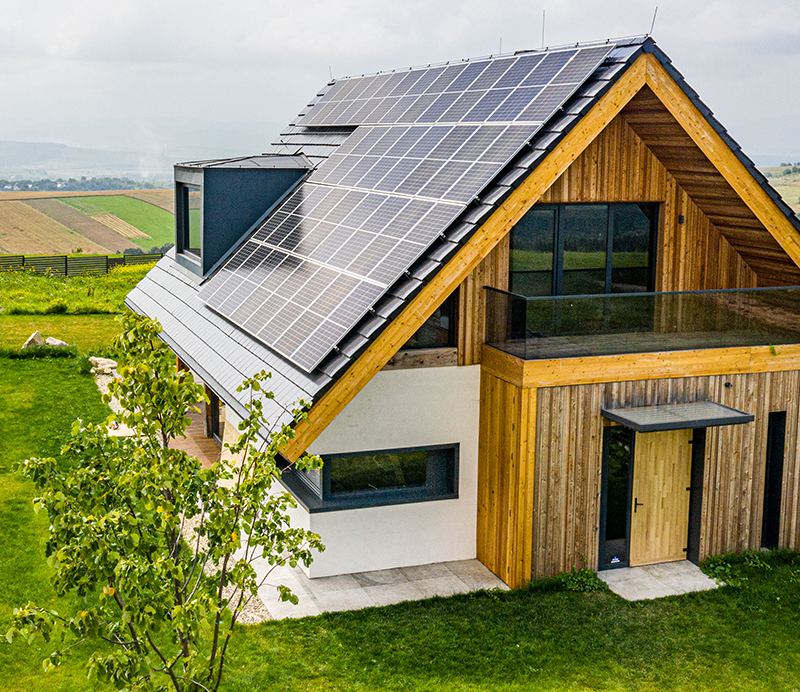
[sps_html tag=”img” src=”https://cdn.northcarolinafinearchitecture.com/2026/06/zero-energy-home-design-model-throughout-why-your-next-home-should-be-a-zero-energy-house-in-2026.jpg” alt=”Zero Energy Home Design Model throughout Why Your Next Home Should Be a Zero Energy House in 2026″ style=”width: 100%; height: auto;”]
[sps_html tag=”img” src=”https://cdn.northcarolinafinearchitecture.com/2026/06/why-should-you-build-a-net-zero-energy-home-rost-architects-within-zero-energy-home.jpg” alt=”Why Should You Build A Net Zero Energy Home — Rost Architects within Zero Energy Home” style=”width: 100%; height: auto;”]
[sps_html tag=”img” src=”https://cdn.northcarolinafinearchitecture.com/2026/06/zero-energy-homes-princeton-magazine-intended-for-zero-energy-home.jpg” alt=”Zero-Energy Homes | Princeton Magazine intended for Zero Energy Home” style=”width: 100%; height: auto;”]
[sps_html tag=”img” src=”https://cdn.northcarolinafinearchitecture.com/2026/06/zero-energy-home-design-model-an-overview-of-the-key-features-of-the-in-why-your-next-home-should-be-a-zero-energy-house-in-2026.jpg” alt=”Zero Energy Home Design Model An Overview Of The Key Features Of The in Why Your Next Home Should Be a Zero Energy House in 2026″ style=”width: 100%; height: auto;”]
[sps_html tag=”img” src=”https://cdn.northcarolinafinearchitecture.com/2026/06/7-components-of-a-zero-energy-ready-home-bpc-green-builders-with-regard-to-zero-energy-home.webp” alt=”7 Components Of A Zero Energy Ready Home | Bpc Green Builders with regard to Zero Energy Home” style=”width: 100%; height: auto;”]