You know that distinct, crisp scent that fills the room when you unbox a brand-new mattress or assemble a sleek new TV stand? Most of us associate it with a fresh start. We walk into the room, take a deep breath, and feel a sense of satisfaction. But what if that familiar "new furniture smell" isn’t actually clean or fresh at all.
In reality, that scent is a chemical cocktail escaping into your living space. It’s a process known as off-gassing, and as we spend more time indoors these days, understanding what we are breathing in has never been more important. Let’s peel back the layers on what is happening behind the scenes with your home decor and how you can shop smarter.
What Exactly Is Furniture Off-Gassing?
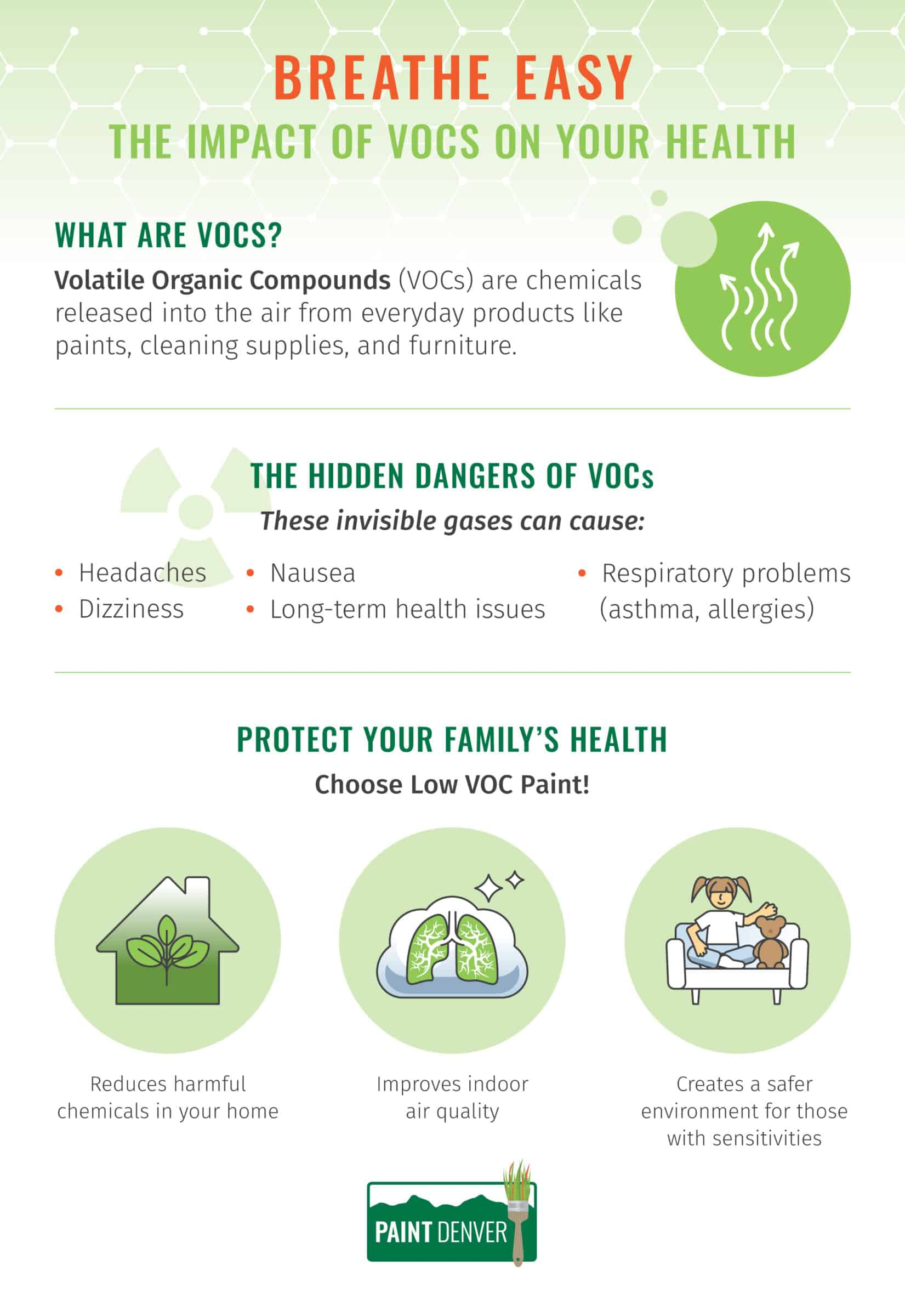
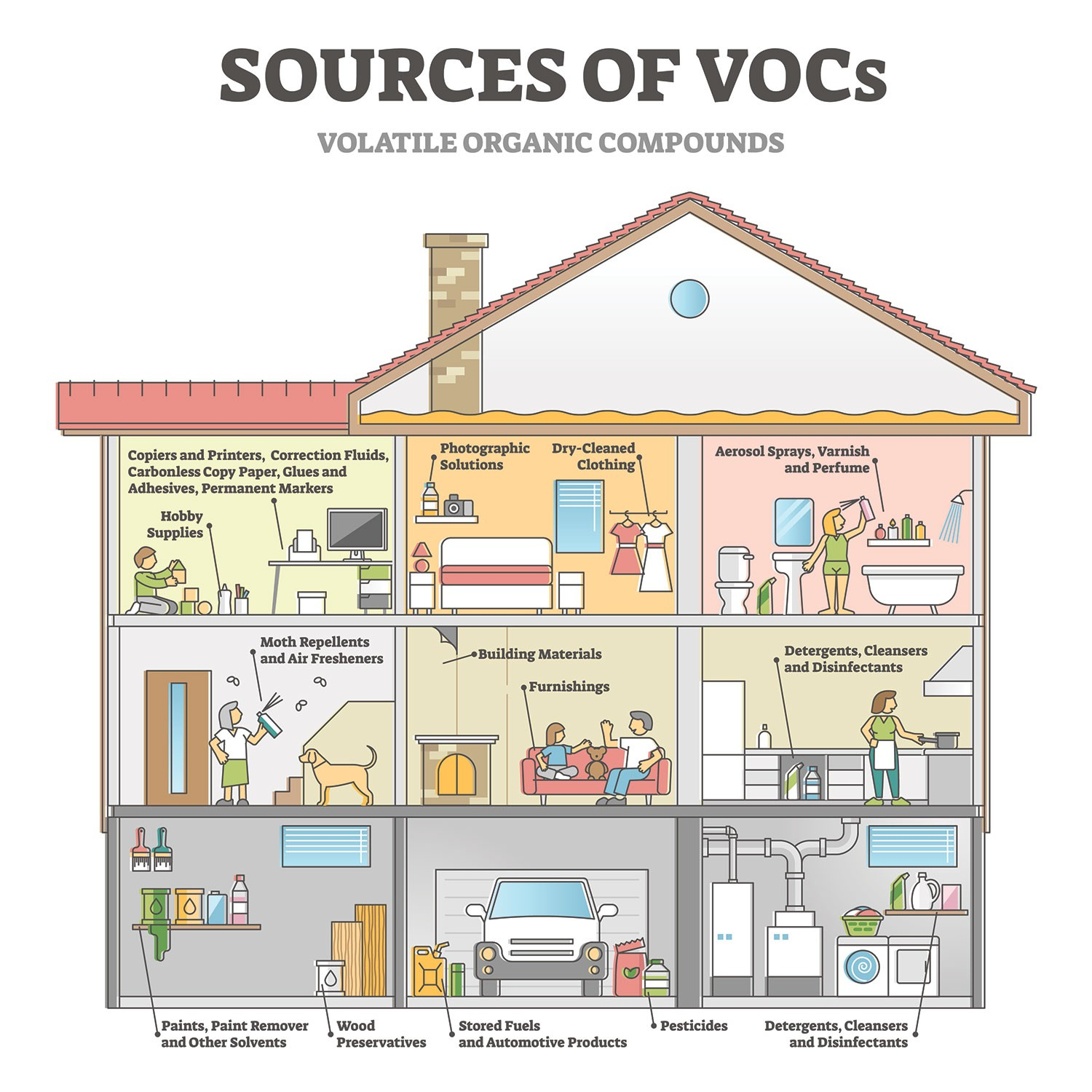
When pieces of furniture are manufactured, they are built using a variety of glues, paints, finishes, and synthetic foams. Off-gassing is simply the release of these manufactured chemicals into the air in the form of gases. These airborne chemicals are called Volatile Organic Compounds, or VOCs for short. They evaporate at room temperature, which is why you can smell them so strongly right after opening the packaging.
Think of it like a freshly painted wall. The strong odor fades over a few days or weeks, but the molecules keep drifting out into your room long after the smell is gone. In fact, some items can continue to emit low levels of these compounds for months or even years.
The Common Culprits in Your Living Room
So, what are these chemicals, anyway. The most common offender you will run into is formaldehyde. It is frequently found in pressed wood products like particleboard, plywood, and medium-density fiberboard (MDF)—which happens to be what a lot of budget-friendly, flat-pack furniture is made of.
Other regulars include polyurethane, which gives flexible foam mattresses and couch cushions their bounce, and various chemical flame retardants. While these materials make our items affordable and comfortable, they also slowly leak toxins into the air we breathe every single day.
How Off-Gassing Affects Your Daily Health
For most healthy people, a little bit of off-gassing might cause minor annoyances. Have you ever gotten a mild headache, itchy eyes, or a scratchy throat after setting up a new desk. That is a classic reaction to high VOC levels.
However, for individuals with asthma, severe allergies, or chemical sensitivities, the impact can be much worse. Long-term exposure to certain VOCs like formaldehyde has even been linked to more serious respiratory issues. Because our homes are insulated so well nowadays to save energy, these chemicals get trapped inside, creating a buildup of indoor air pollution.
Enter the Greenguard Certification
Thankfully, the manufacturing world has created ways to help shoppers find safer options. This is where the Greenguard certification comes into play. Run by an independent group called UL Solutions, this program tests interior products to make sure they do not leak high amounts of chemicals into the environment.
When you spot a Greenguard logo on a crib, office chair, or flooring sample, it means the product has been placed inside a dynamic environmental chamber and tested for over 10,000 different chemicals. It is a reliable way to verify that a brand’s promises of being "eco-friendly" are actually true.
Decoding the Labels: Gold vs. Standard
As you shop around in 2026, you will notice there are actually two distinct tiers of this certification. Understanding the difference between them is key to making the right choice for your household:
- Greenguard Certified: This is the standard tier. It ensures the product meets strict chemical emission limits designed to reduce indoor air pollution. It is a solid baseline for general household items.
- Greenguard Gold: This is the premium level. It features much tighter safety limits and accounts for safety factors for sensitive individuals, like children and the elderly. If you are buying furniture for a nursery, a child’s bedroom, or a space where someone spends a lot of time, look for the Gold seal.
The Gold standard also ensures the product complies with strict requirements for educational facilities, making it the gold standard for schools and healthcare centers too.
You don’t need to throw out every piece of furniture you own to fix your indoor air. If you are buying new pieces, try to open the boxes outside or in a garage and let them air out for a few days before bringing them into your living space. Keeping your windows open and running a high-quality air purifier with an activated carbon filter can also make a massive difference.
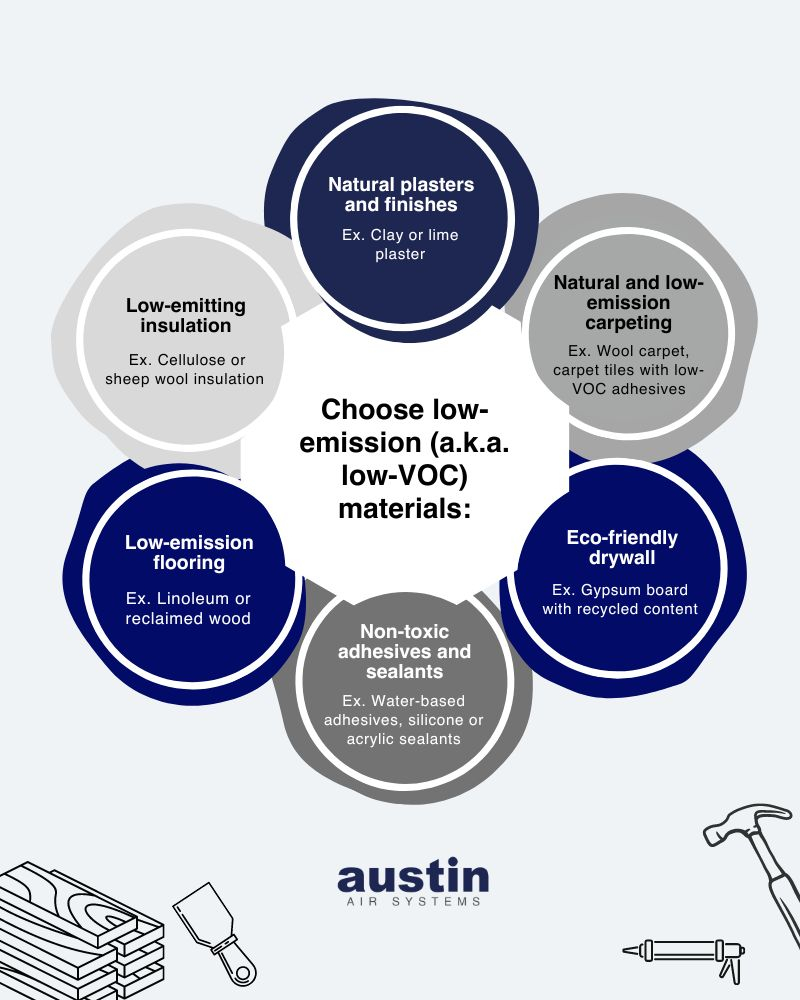
When you are out shopping, prioritize solid wood over pressed wood whenever your budget allows. And, of course, keep an eye out for those Greenguard labels to take the guesswork out of the process.
Creating a healthier home environment doesn’t happen overnight, but making informed choices when replacing or adding furniture is a huge step forward. By understanding what goes into your products and looking for trusted certifications, you can ensure that the air inside your home stays as fresh as it feels.
Pay attention to how your body feels when you introduce new items to your space. A little bit of knowledge and preparation goes a long way toward breathing easier and enjoying your home safely.