There’s something deeply calming about holding a smooth stone in your hand. It’s cool, solid, and has been shaped by time and water into something perfect. Now imagine that feeling, but spread across your entire yard. In 2026, the trend isn’t just about tossing rocks into a corner and calling it a day. It’s about intention. It’s about creating spaces that breathe.
We’ve moved past the era of sterile, plastic-looking outdoor furniture and high-maintenance lawns that guzzle water. People want connection. They want their backyards to feel like an extension of the natural world, not a battle against it. That’s where river stones come in. They are the unsung heroes of modern landscaping. Versatile, durable, and undeniably beautiful, they offer a way to ground your space in reality.
But how do you actually use them without making your yard look like a construction site? It’s trickier than it seems. You can’t just dump a truckload of gravel and hope for the best. There’s an art to it. A rhythm. This guide will walk you through the practical steps of integrating these smooth gems into your landscape, ensuring your outdoor space feels curated, not cluttered. Let’s dig in.
Choosing the Right Stone for Your Space
Not all rocks are created equal. When we talk about river stones, we’re referring to those smooth, rounded pebbles and cobbles that have been tumbled by water currents over centuries. In 2026, sustainability is huge, so sourcing matters. Look for locally quarried stone if possible. It reduces carbon footprint and ensures the color palette matches your regional geology.
Size is the first decision you’ll face. Small pea gravel (about 1/4 to 3/8 inch) is great for filling gaps or creating soft, crunch-free pathways. Medium stones (1 to 3 inches) work well for drainage areas and decorative borders. Large cobbles (4 inches and up) are statement pieces. They anchor a design. Don’t mix too many sizes in one small area, or it looks chaotic. Pick a primary size and stick to it for cohesion.
Color plays a massive role in the mood of your garden. Traditional tan and brown stones blend seamlessly with mulch and green foliage. They disappear in a good way, letting the plants shine. But don’t sleep on darker stones. Black or dark gray river rocks create a striking contrast against bright green hostas or colorful flowers. White stones? They’re trendy but high maintenance. They show dirt and algae quickly. If you go light, be prepared to rinse them occasionally.
Creating Pathways That Invite Exploration
A path is more than a way to get from point A to point B. It’s an invitation. It guides the eye and the foot. River rock paths are incredibly popular in 2026 because they permeable. Rainwater sinks right through, reducing runoff and helping your local ecosystem. Plus, they look organic. Unlike concrete slabs, which can feel rigid, a stone path meanders. It feels discovered, not built.
Start by marking your route with spray paint or a garden hose. Keep curves gentle. Sharp turns feel unnatural. Dig down about 4-6 inches to remove grass and roots. This is crucial. If you skip this step, weeds will push through your beautiful stones within months, and you’ll hate your life. Line the trench with landscape fabric. This allows water to pass but blocks weeds. It’s the secret weapon of professional landscapers.
For stability, add a base layer of crushed gravel before pouring your river stones on top. This prevents the smooth stones from sinking into the mud when it rains. Aim for a depth of 2-3 inches of river rock. Too thin, and you’ll see the fabric. Too thick, and it’s wasteful. Edge the path with metal, stone, or wood to keep the rocks from spilling into your lawn. Without edging, your path will slowly disappear into the grass every time you mow.
Designing Dry Creek Beds for Drainage and Drama
Do you have a spot in your yard that stays soggy after a storm? Or maybe a slope that erodes when it rains? A dry creek bed is the answer. It’s functional art. In 2026, water conservation and management are top priorities for homeowners. A dry creek bed mimics a natural stream, directing water away from your foundation while adding visual interest.
The key to a realistic look is variation. Don’t just line a ditch with uniform stones. Start with larger boulders along the edges to define the banks. Use medium-sized stones in the center to create the "channel." Fill in the gaps with smaller pebbles. This layering creates depth. It tricks the eye into seeing movement, even when the bed is dry. Plant moisture-loving natives along the banks. Ferns, iris, and ornamental grasses thrive here and soften the hardscape.
Make sure the slope is gradual. A steep drop looks artificial and can cause erosion issues of its own. The water should flow slowly, meandering through the stones. If you live in an area with heavy rainfall, consider installing a perforated pipe at the bottom of the trench, buried under the stones. This ensures the water moves efficiently underground, preventing pooling. It’s hidden infrastructure that keeps your yard dry and your design intact.
Accentuating Plant Beds with Stone Mulch
Mulch is usually an afterthought. We buy bags of brown bark and spread it around. But river stones offer a permanent, low-maintenance alternative. They don’t decompose. They don’t attract termites. And they look fantastic. Using stone mulch is particularly effective in xeriscaping or drought-tolerant gardens, which are increasingly common as climates shift.
When using stones as mulch, less is more. Don’t cover every inch of soil. Leave some breathing room around the base of your plants. Use a ring of larger stones around the trunk of trees or shrubs to protect them from lawn mowers and string trimmers. This "tree ring" looks polished and prevents damage to the bark. It’s a small detail that makes a big difference in perceived quality.
Be mindful of heat. Dark stones absorb sun and can raise the soil temperature. In hot climates, this might stress some plants. Lighter colored stones reflect heat and are safer for sensitive roots. Also, remember that stones don’t add nutrients to the soil like organic mulch does. You’ll need to fertilize your plants regularly. But the trade-off is worth it for many: no more annual mulch runs. Just set it and forget it.
Building Low-Maintenance Patios and Seating Areas
Who says patios have to be concrete or pavers? A river stone patio offers a rustic, textured surface that’s perfect for casual gatherings. It’s not ideal for high heels or wobbly table legs, but for a lounge area with bean bags, low tables, and barefoot comfort, it’s unbeatable. In 2026, the vibe is relaxed. We’re moving away from formal dining setups outdoors toward chill zones.
To build a stable stone patio, you need a solid base. Compact a layer of crushed stone, then add a layer of sand. This creates a level surface for your river rocks. Choose larger, flatter stones for the main walking areas to ensure stability. You can fill the gaps with smaller pebbles or even plant creeping thyme or moss between them for a soft, green carpet effect. This hybrid approach blends hardscape and softscape beautifully.
Consider adding fire features. A fire pit surrounded by river stones is a classic combo. The stones reflect the heat and light, creating a cozy ambiance. Just ensure you use fire-rated stones if they’re going to be directly next to the flame. Some porous rocks can explode when heated. Stick to dense river rocks or check with your supplier. Add some outdoor rugs and cushions to soften the texture, and you’ve got a space people will want to linger in.
Let’s be real. "Low maintenance" doesn’t mean "no maintenance." River stones are durable, but they aren’t magic. Leaves will fall on them. Dirt will settle in the cracks. Weeds will try to sneak in. But keeping them looking fresh is easy if you stay on top of it. A leaf blower is your best friend. Use it on a low setting to clear debris from your paths and beds. It takes five minutes and keeps the stones looking crisp.
Occasionally, your stones might get muddy or dusty. A gentle rinse with a garden hose can revive their color. Avoid high-pressure washers, which can blast the stones out of place and damage the landscape fabric underneath. If you notice weeds popping up, pull them by hand immediately. Don’t let them take root. A pre-emergent herbicide can help prevent weed seeds from germinating, but use it sparingly to protect nearby plants.
Over time, stones might shift or sink. Top off your paths and beds with a fresh layer of stones every few years. This keeps the depth consistent and the look fresh. It’s much cheaper and easier than redoing the whole project. Also, check your edging annually. Make sure it’s still secure. Loose edging leads to messy borders. A little bit of proactive care ensures your river stone landscape ages gracefully, becoming more integrated with your garden each year.
Integrating smooth river stones into your landscape is about more than just aesthetics. It’s about creating a space that feels grounded, natural, and peaceful. In 2026, as we seek more connection with the environment, these timeless elements offer a bridge between our homes and the natural world. They require thought, yes. But the payoff is a yard that feels less like a chore and more like a retreat.
Start small. Maybe it’s a simple path leading to your back door. Or a ring of stones around your favorite tree. See how it feels. Watch how the light hits the stones in the morning. Listen to the sound of rain falling on them. These details matter. They transform a house into a home. And a yard into a sanctuary. So go ahead. Pick up a stone. Feel its weight. And start building.
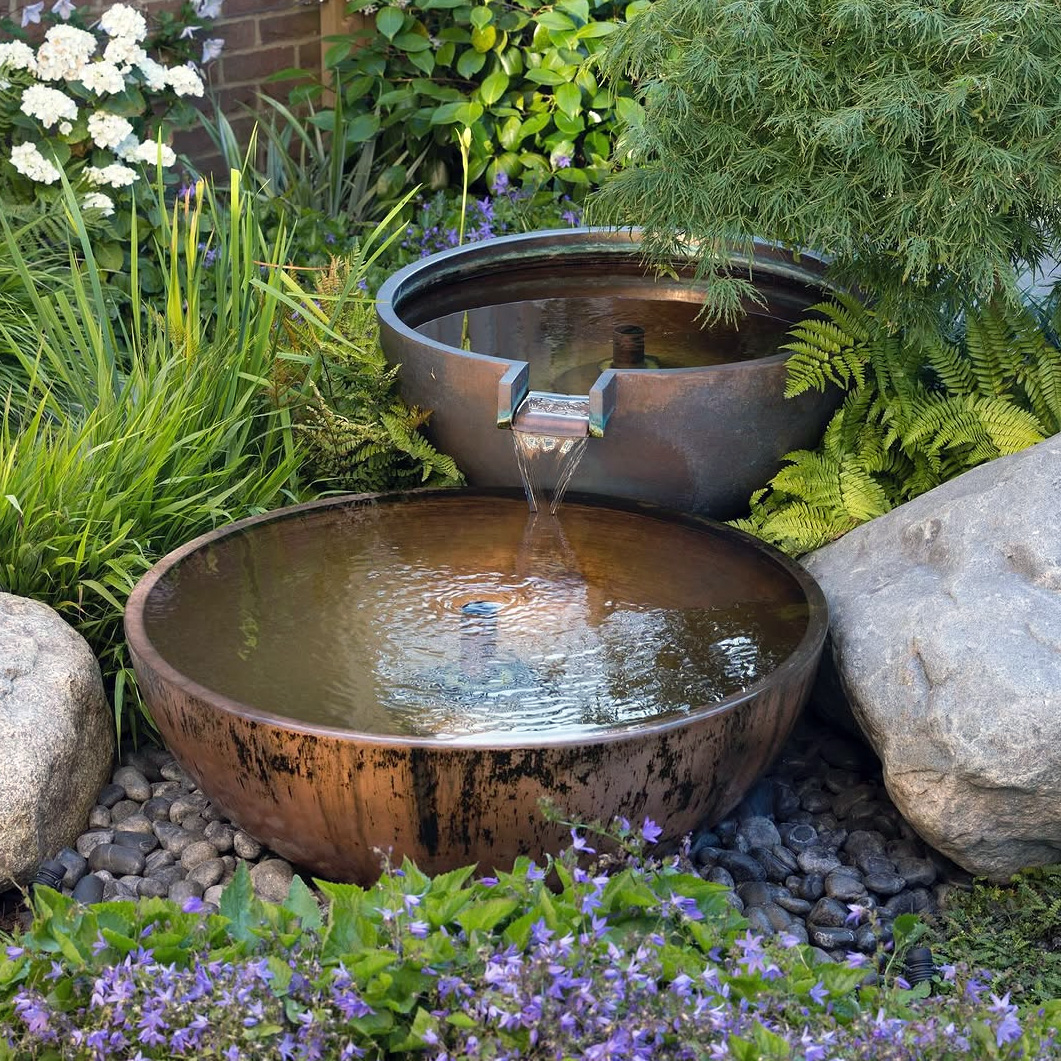
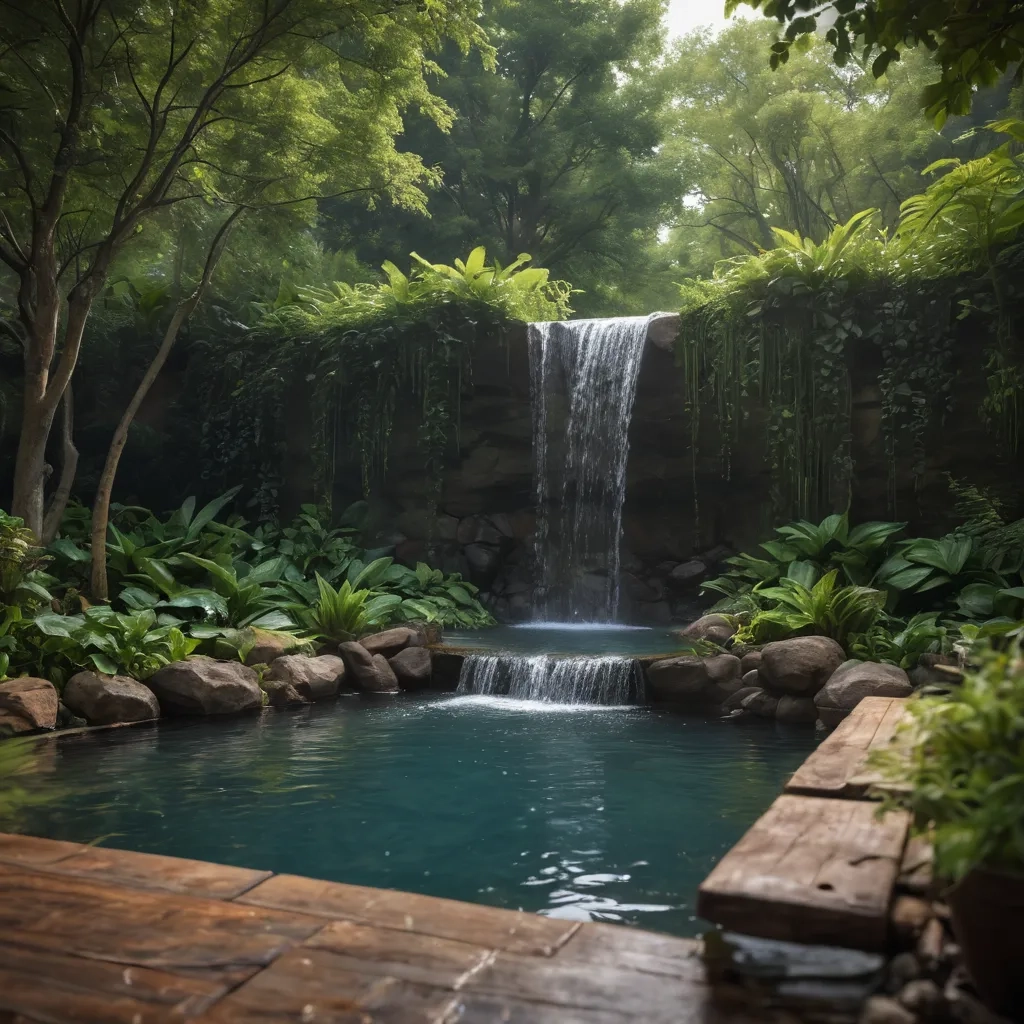
[sps_html tag=”img” src=”https://cdn.northcarolinafinearchitecture.com/2026/06/25-simple-diy-water-feature-ideas-for-absolute-garden-serenity-inside-bringing-serenity-home-with-simple-water-feature-design-tips-for-beginners.jpg” alt=”25 Simple Diy Water Feature Ideas For Absolute Garden Serenity inside Bringing Serenity Home with Simple Water Feature Design Tips for Beginners” style=”width: 100%; height: auto;”]
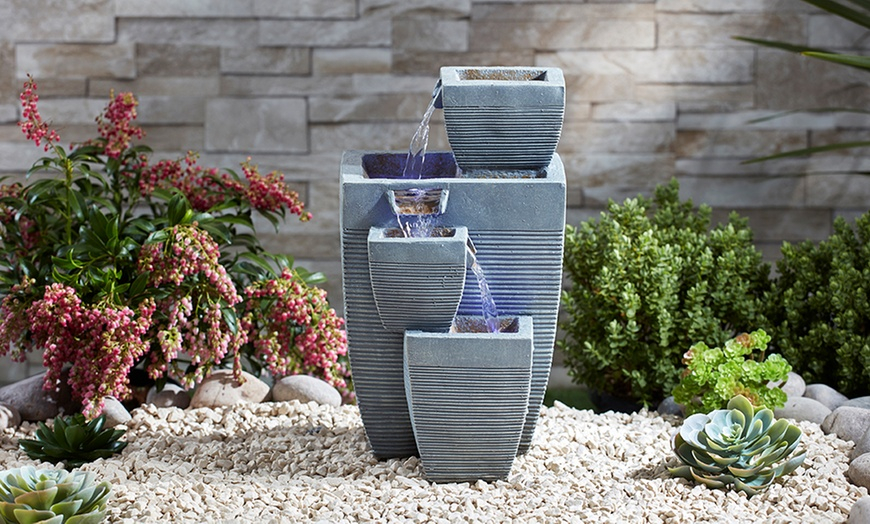
[sps_html tag=”img” src=”https://cdn.northcarolinafinearchitecture.com/2026/06/serenity-cascading-water-feature-in-three-designs-groupon-with-regard-to-bringing-serenity-home-with-simple-water-feature-design-tips-for-beginners.jpg” alt=”Serenity Cascading Water Feature In Three Designs | Groupon with regard to Bringing Serenity Home with Simple Water Feature Design Tips for Beginners” style=”width: 100%; height: auto;”]
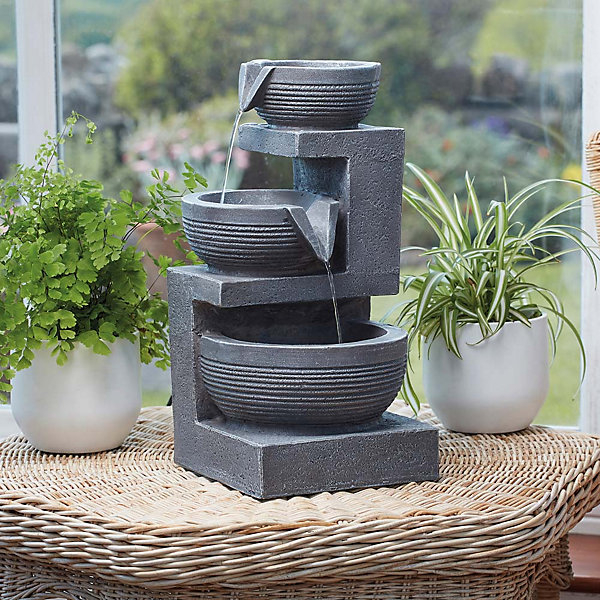
[sps_html tag=”img” src=”https://cdn.northcarolinafinearchitecture.com/2026/06/serenity-tiered-bowl-indoor-and-outdoor-water-feature-led-lighting-intended-for-bringing-serenity-home-with-simple-water-feature-design-tips-for-beginners.jpg” alt=”Serenity Tiered Bowl Indoor And Outdoor Water Feature Led Lighting intended for Bringing Serenity Home with Simple Water Feature Design Tips for Beginners” style=”width: 100%; height: auto;”]
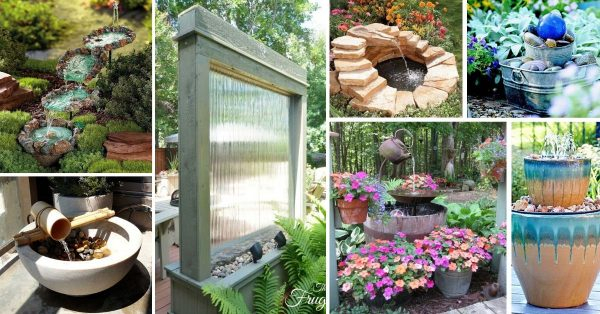
[sps_html tag=”img” src=”https://cdn.northcarolinafinearchitecture.com/2026/06/10-beautiful-home-garden-water-feature-design-ideas-home-gardening-online-intended-for-outdoor-river-design.jpg” alt=”10 Beautiful Home Garden Water Feature Design Ideas - Home Gardening Online intended for Outdoor River Design” style=”width: 100%; height: auto;”]
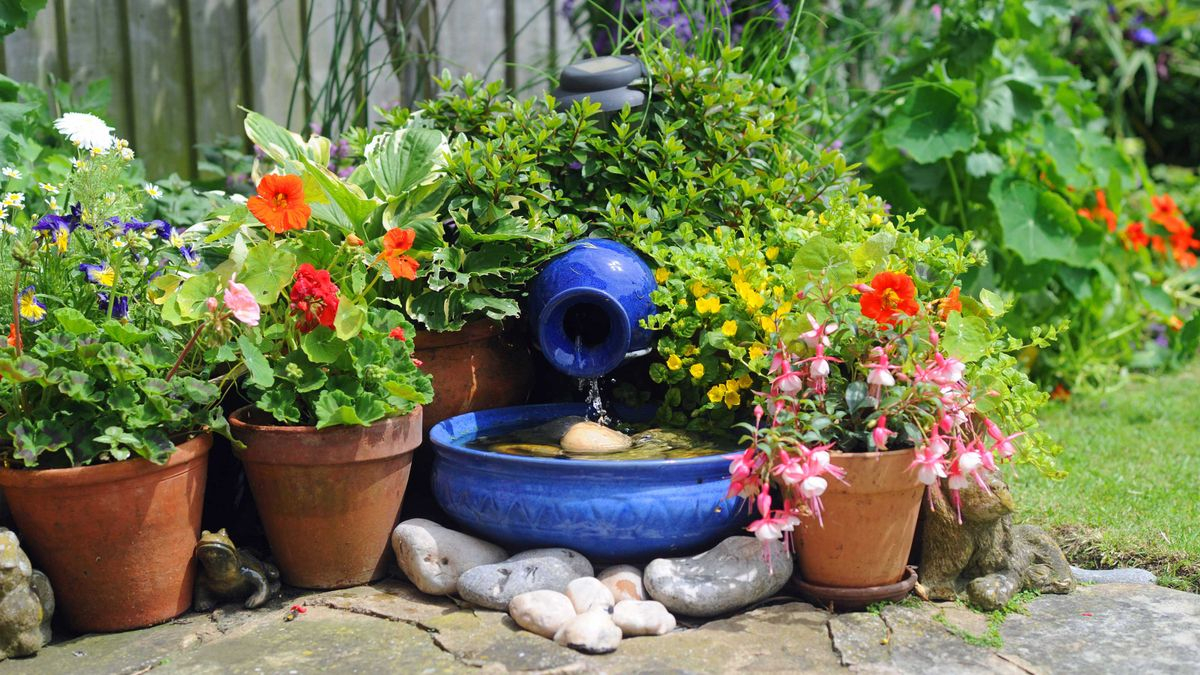
[sps_html tag=”img” src=”https://cdn.northcarolinafinearchitecture.com/2026/06/homemade-water-feature-ideas-you-can-diy-10-easy-projects-to-try-with-bringing-serenity-home-with-simple-water-feature-design-tips-for-beginners.jpg” alt=”Homemade Water Feature Ideas You Can Diy: 10 Easy Projects To Try … with Bringing Serenity Home with Simple Water Feature Design Tips for Beginners” style=”width: 100%; height: auto;”]