Ever that bloom beautifully regardless stood in front of a of your local climate nursery rack, holding or soil type.
Have a packet of seeds you ever stood in front of a, and just felt totally nursery display, overwhelmed by the sheer number lost? You’re not of colorful options, only alone. It happens to wonder if any of them will actually to the best of us. survive in your backyard? It’s a We see those glossy common feeling. We photos of perfect petals and lush greenery all want that magazine, and we think, "I can do that-cover garden, the." But then reality kind that looks effortless and bursts with life from hits. Maybe your soil is more clay spring until the first frost. But than chocolate cake. Maybe the reality is often your sun is harsh a bit messier. Plants enough to fry an egg on the sidewalk. Or maybe you live where die. Seasons change the wind howls like a banshee half the year.
It’s frustrating. Really. You want that splash of color,. And what works for your that little pocket of peace neighbor in the next in your yard. town over might fail miserably in your But gardening isn’t one yard.
Creating-size-fits-all. What a thriving flower bed isn’t works for your neighbor in zone just about picking pretty colors. It’s about 7 might kill understanding the invisible forces your plants in zone 4 at play beneath the soil and above the canopy or 9. That. Whether you’re battling the humid heat of the south’s why this guide exists, the dry chill. We’re going of the high desert, or the to break it down. No jargon. No fancy Latin names unpredictable rains of the Pacific Northwest unless we have to. Just, the principles remain surprisingly similar. You just real talk about how have to tweak the details. This guide walks you through to make flowers grow, no matter where the process, step by step, so you can stop guessing and you call home. Let start growing.
Knowing Your Ground Zero
Before you buy and Microclimate
Before you buy a single seedling, you need a single plant, to know where you stand you’ve got to know what. Literally. The USDA Hardiness Zone you’re working with. And map is the starting I don’t just point for most gardeners in 2026 mean looking at your yard. I mean. It tells you really knowing it. The the average annual extreme first step is figuring minimum winter temperature for your area out your hardiness zone. This isn. This is crucial because it dictates’t some secret club membership; which perennials will come back year after year it’s just a map that. If you live tells you how cold it in Zone 5 gets in your area, planting a tropical. In 202 hibiscus outdoors is a recipe for disappointment6, these maps are more detailed than ever, thanks. But knowing your zone is just to better climate data. You the baseline.
Your microclimate is where can find yours online in things get interesting. Maybe seconds. Why does it matter? your house blocks the harsh Because planting a tropical afternoon sun, creating hibiscus in Minnesota a cool shade pocket. Or perhaps is a recipe for heartbreak. It just won’t survive the winter.
But a south-facing wall zones aren’t everything. You also need to look radiates heat, at your microclimate. Is your spot shady because of a big oak tree? allowing you to grow plants that are technically Does the afternoon sun beat down on it for six hours straight? These little details change everything. A "full sun" plant one zone warmer than your might scorch in a desert microclimate but thrive in a cooler coastal one. Take a official rating. Pay attention to these nuances. Walk week to watch your yard. Note where the your yard at different times shadows fall. Feel the soil. Is of day. Notice it soggy after rain? Does it crack when it’s dry? where the snow melts first This intel is gold in spring. These. It saves you from wasting money on plants that small observations can expand your planting options significantly. Don are doomed from day one.
Don’t just rely on the map’t forget the soil; rely on your test. Yeah, it sounds boring. But it’s like getting a blood test before starting a new diet. You own eyes.
Also need to know if, consider the recent shifts in weather patterns. your dirt is acidic, alkal Many gardeners are noticingine, or lacking nutrients. Most local longer dry spells or more intense rain events. Choosing plants that are resilient extension offices offer cheap kits. If your pH is off to these extremes is smarter, your plants can’t eat than sticking rigidly to traditional lists, no matter how much fertilizer. Look for varieties labeled as drought-tolerant or you throw at them. Fix flood-resistant if your areaing the soil first has seen those issues is the secret most lately. It’s about beginners miss. It’s the working with the climate you have now, not the foundation. Get this right, and the one from thirty years ago.
rest gets way easier.
Soil Preparation Is## Picking Plants Non-Negotiable
That Actually Want to Live ThereHere’s a hard truth: you can’t fix bad
Okay, so you know your zone soil with fertilizer alone. Healthy and your soil. Now comes the fun part: shopping. But hold plants start with healthy on. Resist the urge to grab dirt. Most nursery plants come in potting mix the prettiest thing, which is light you see. Instead and airy. Your native soil is likely, think "right plant, right place." heavier, clay-rich This is the golden, or sandy. If you just dig a hole and rule. Native plants are your plop the plant in, it’s best friends here. They’ve like putting a fish evolved to handle your local in a bowl without weather, pests, changing the water. It might survive for a bit and soil conditions. They’re tough, but it won’t thrive. Start by testing your soil. They don’t need c. You can buy a simpleoddling. In kit or send a sample to a 202 local extension office. Knowing6, native gardening your pH level helps you choose plants that won’t is huge because it helps struggle to absorb nutrients.
Once local bees and butterflies you know what you’re working with too. It’s a win-win.
If, amend it. For clay you want non-n soil, add organic matter likeatives, check their labels compost or aged manure to improve carefully. Look for terms drainage. For sandy soil, like "drought-tolerant" if you’re in a add the same organic matter to help it hold water dry spot, or "cold and nutrients. The-hardy" if you’re goal is a loamy texture up north. Mix—crumbly, dark, and it up. Don’t just plant one type of flower. Combine perennials (which come back every year) with annual rich. Don’t be shys (which bloom hard for one season and then die). Per about the amount. Aennials like con layer of two to three inches ofeflowers or compost worked into the hostas give you structure. top six to eight inches of soil makes a massive difference. It feeds Annuals like zinnias or the microbes, improves petunias give structure, and gives you that instant pop of color. It’s like having a reliable backbone with roots something to grab onto.
Avoid some flashy accessories.
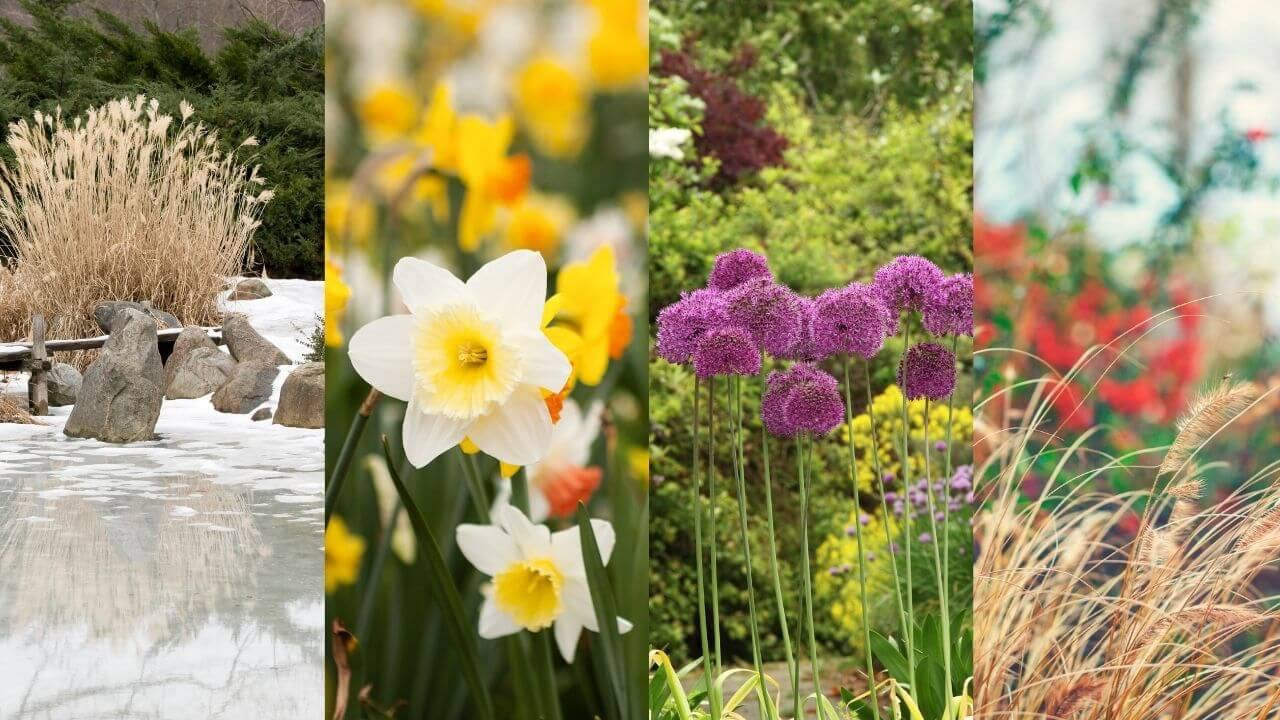
Also the temptation to till, think about bloom times. You don’t want all your flowers to peak deeply every year. Excessive tilling can in June and then leave you with bare sticks by August. Plan for succession destroy soil structure and kill beneficial fungi. Instead, use a. Spring bulbs like tulips and no-dig or low-d daffodilsig approach. Add compost on top and wake up early. Summer stars let earthworms do like sunflowers take the work for you. This method preserves the soil ecosystem over when it’s hot. Fall mums and and reduces weeds. It’s less asters keep things back-breaking too. lively when the air turns crisp. By layering these, you create a tapestry that Remember, soil is alive. changes with the seasons. It keeps your Treat it like a garden interesting and ensures there’s always something blo partner, not just a container for roots.
oming. Check local Strategic Plant Selection and Layout nurseries for advice on
Choosing plants is the fun part, but what’s working now in your area it requires discipline. Resist the urge to buy everything that catches your. Trends change, and eye. Instead, think in local growers know what’s surviving terms of layers and the recent weather shifts.
seasons. Start with the "thrillers," the tall focal points like Designing for Eyes delphiniums or orn and Ease
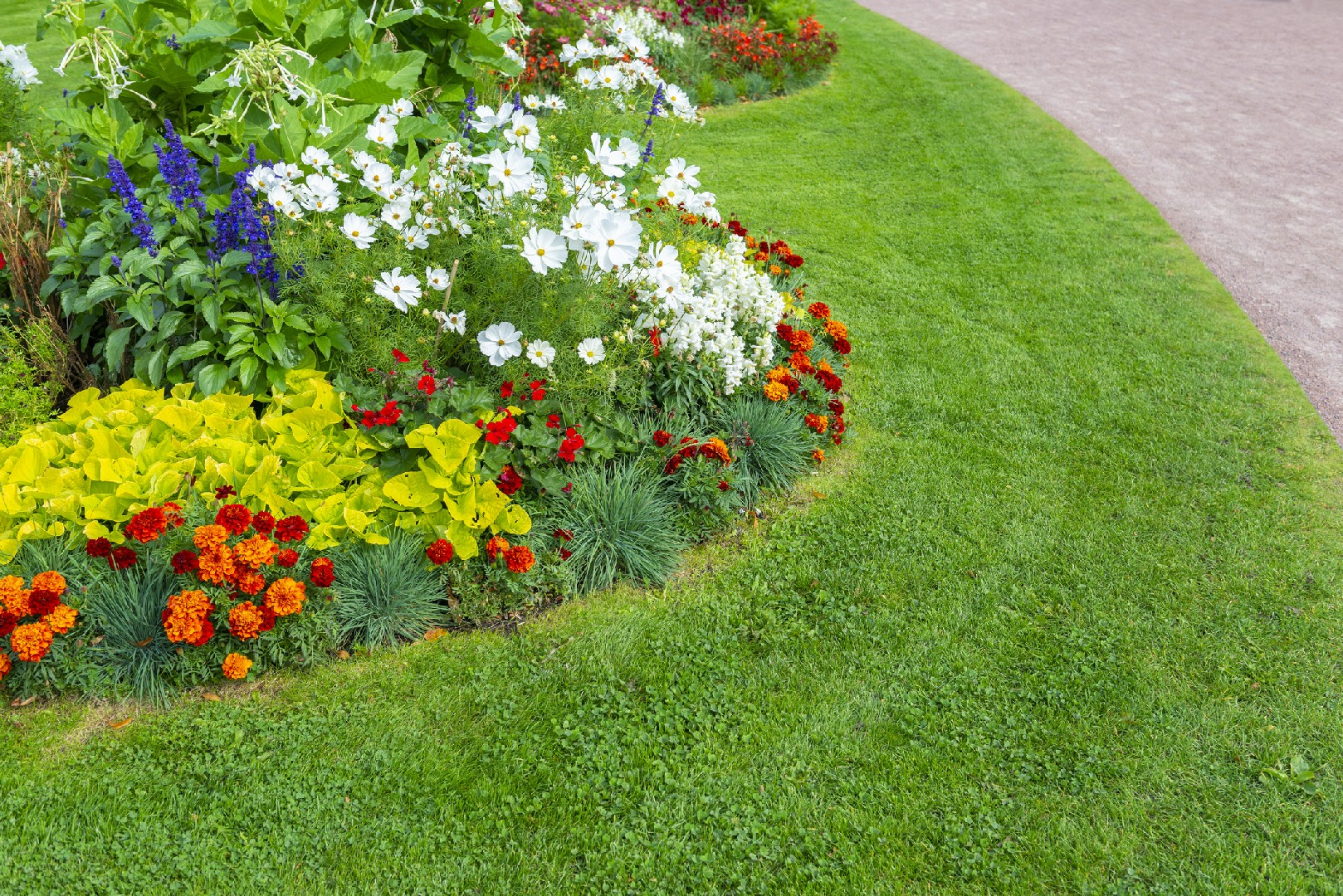
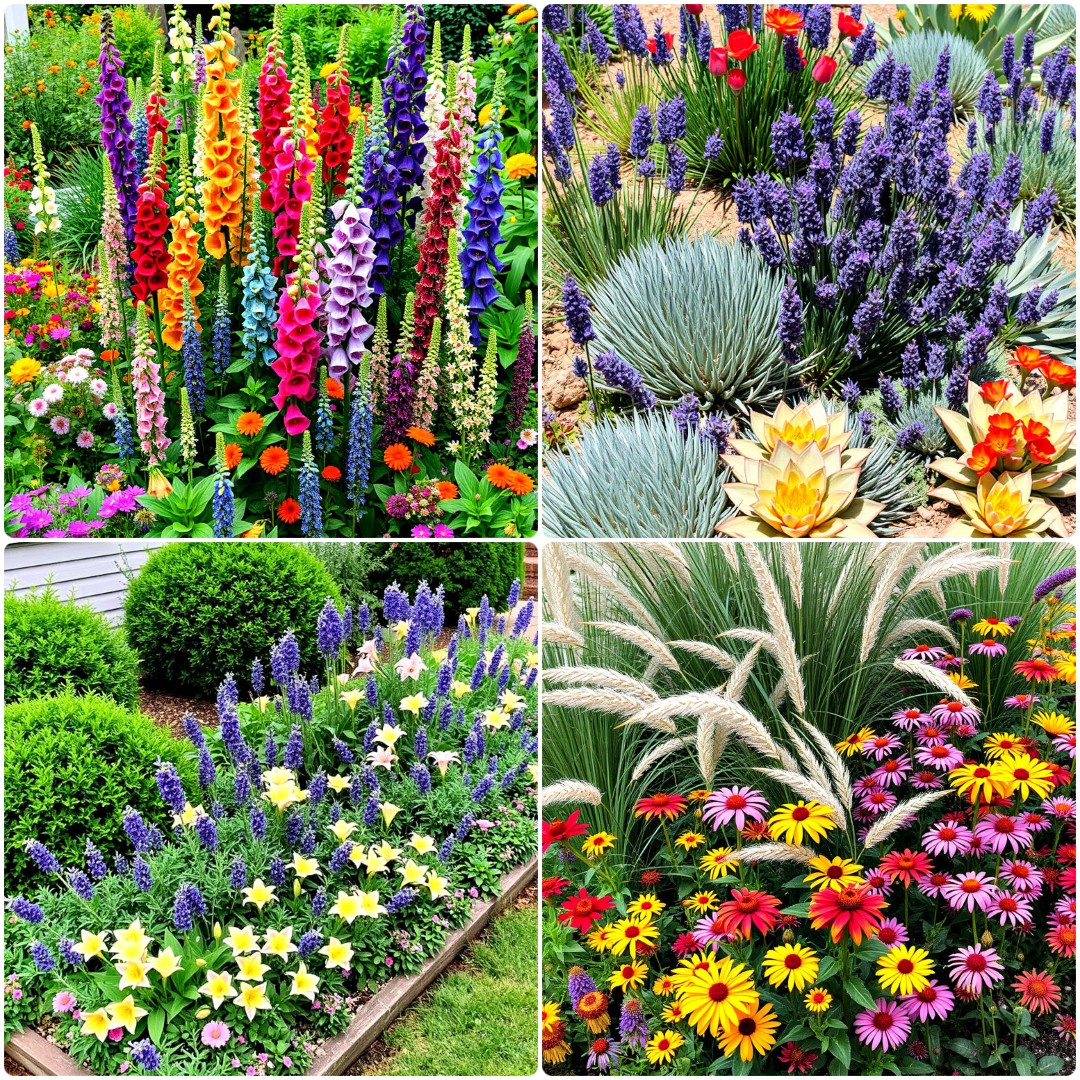
Nowamental grasses. that you’ve got Then add "fillers," the your plant list, let’s talk layout. A flower bed isn’t just a random pile of greens. It’s a design. Think about height. mid-height bushy plants like Tall plants go in the back (if it’s against a fence) or in the middle (if it’s an island bed). Short coneflowers or salvia. Finally, add "spillers,"er ones go in front. This the low-growing ground covers like creeping thyme or alyssum that ensures everyone gets seen. It also cascade over edges. This thriller-filler-spiller technique prevents tall plants from shading out creates depth and visual interest. the little guys. Rule of thumb: thriller, filler, spiller
Consider bloom time. One tall "thriller" plant carefully. You don’t want all your flowers pe to grab attention, someaking in June and then leaving bushy "fillers you with a green void in August. Mix early spring bulbs like tulips and" to add volume, and some daffodils trailing "spillers" to soften the edges. It works for pots, and it works for beds.
Color matters too with summer stalwarts like zinnias and cosmos, and finish with fall. You can go monochromatic for a calm, sophisticated look performers like chrysanth. All whites andemums and ast greens, for instance. Super chic. Or you can go wild with contrasting colors. Purple and yellow are opposites on the color wheel,ers. This ensures so they pop together there’s always something happening. Red and orange create in the bed. Also heat and energy. Just, think about foliage. Some plants, like hostas or he don’t use every color at once unlessucheras, have stunning you want a chaotic vibe. leaves that look great even when they aren Pick a palette.’t blooming. They Stick to it. It provide structure and color makes the bed look intentional, not consistency.
Group plants with similar needs together. This is called hydrozoning. accidental. And remember Don’t put a, foliage counts. Green leaves come in a million shades—silver, deep emerald, lime. water-loving fern next to a drought They provide rest for the eye when the-tolerant lavender flowers are between blooms.
Path. They’ll fight each other, and oneways and edges are often will likely lose. By grouping thirsty overlooked. Can you actually get into the bed to weed it? If it’s too wide, you’ll be stepping on your plants to reach the middle plants and dry-lo. Keep beds narrow enough to reach from the sidesvers separately, you make watering, or install stepping stones. Ed easier and more efficient.ging defines the space It also prevents disease. It keeps grass, as good air circulation between from creeping in and gives a clean look. Brick, stone, or even simple metal strips work. similar-sized plants reduces humidity buildup. Sketch your layout In 2026, sustainable edging using recycled materials is trending on paper first.. It’s eco-friendly and looks great It saves money and muscle strain later.
. Just make sure it’s functional. A beautiful bed that’s a Smart Planting Techniques pain to maintain will
Timing is everything. In quickly become a neglected most climates, spring mess.
and fall are the Prepping the Soil best times to plant. Spring allows roots to establish before the heat of summer, Like a Pro
Here while fall takes advantage of cool’s the truth: most flower beds fail because of temperatures and autumn rains. Avoid planting bad soil prep. People dig a hole, drop in the peak of summer unless the plant in, and hope you’re prepared to water constantly for the best. Don. When you’re ready to’t be that person dig, make the hole twice. Start by clearing as wide as the root ball but no the area. Remove deeper. The top of the root ball should be level weeds, rocks, and debris with the surrounding soil. Planting too deep is a common mistake. If you’re starting that leads to rot a new bed, consider.
Gently loosen laying down cardboard to the roots if they’re cir smother existing grass. Itcling the pot. This encourages’s an easy, chemical-free way to start fresh. Then, loosen the soil. Use them to grow outward into the new soil rather than staying a spade or a tiller. You confined. Place the plant want it airy, not compacted. Roots need oxygen in the hole, just as much as they backfill with the need water.
native soil you removedNext, amend it (mixed with compost if needed), and. This means adding organic matter. firm it gently to remove air pockets. Air Compost is king pockets can dry out roots and. It improves drainage in kill the plant. Water thoroughly immediately after planting. clay soils and holds moisture in sandy ones This settles the soil and helps. It’s basically the roots make contact with the earth.
Mulch is magic dirt. Mix in your best friend after planting. Apply a a few inches of two-to-three-inch layer of organic mul compost across the wholech like shredded bark or straw around the plants. bed, not just in Keep it a few inches away from the planting holes. the stems to prevent rot. Mulch conserv This encourages roots toes moisture, suppresses weeds, and regulates soil temperature. spread out rather than staying confined to a tiny pocket of good stuff. If As it breaks down, it adds more organic matter to the your soil test showed nutrient soil. It’s deficiencies, add specific a low-effort way to give amendments now. Lime your plants a huge boost. Just don’t use for acidic soil, sulfur plastic mulch; for alkaline. it doesn’t breathe and can Bone meal for phosph harm soil health overorus. Follow the time.
Watering and Maintenance Routines
Watering instructions on the package. More isn’t always better.
Mulch is your is where many gardeners go final prep step. After planting, cover the bare soil with 2-3 inches wrong. Overwatering is just of mulch. Wood chips, straw, or shredded leaves as deadly as underwatering. The key work well. Mul is deep, infrequent watering. This encourages roots to growch keeps moisture in, suppresses weeds, deep into the soil in and regulates soil temperature. As it breaks down, it adds more organic matter to your soil. It’s search of moisture, making plants a gift that keeps on more drought-resistant. Shallow, frequent watering keeps giving. Just keep it away from the roots near the surface, where they’re vulnerable to heat and drying out. Aim stems of your plants. Piling mulch against the stem causes rot. Leave a little breathing for about an inch of water per week, either from rain or your room. This simple step can cut your watering and weeding time in half. And who hose. Use a rain doesn’t want less work?
gauge to track it.
Check Planting and Water the soil before you water. Stick your finger two inches into the dirting Wisely
Timing. If it’s dry, water. If it’s is everything. Don damp, wait. Early morning is the best’t plant tender annual time to water becauses before the last frost date it allows leaves to dry off during the day, reducing the risk of. Check your local fungal diseases. Evening watering leaves plants wet overnight calendar. Planting too early is a common mistake that leads to dead seed, which invites trouble. Dlings. When you do plant, dig a hole twice as wide as the root ball but no deeper. Gently teaserip irrigation or soaker hoses are out the roots if they ideal because they deliver’re pot-bound. water directly to the roots with minimal evaporation. Place the plant so They’re also easier to automate if you have a busy the top of the root schedule.
Maintenance isn’t just about ball is level with watering. Deadheading, the soil surface. or removing spent flowers Backfill with your amended soil. Press down gently to remove air, encourages many plants to bloom again pockets. Water it in immediately. This helps settle the soil around the. It keeps the bed looking roots.
Water tidy and directs energy into newing is where many people go wrong. Shallow, frequent watering growth instead of seed production. However, leave some seed encourages shallow roots. Deep heads in the fall, infrequent watering encourages for birds and winter interest. Pr deep roots. Deep roots make plants drought-resistant. So, waterune shrubs and per thoroughly once or twice a weekennials according to their specific needs. Some bloom on old wood, so pruning instead of sprinkling every day. them at the wrong time removes next year’s flowers Use a soaker. Read the tags or look up care instructions for each plant hose or drip irrigation if.
A thrivingler, do it in the morning. Wet leaves overnight flower bed is a dynamic invite fungal issues.
In 2026, smart watering space, not a systems static are more accessible. You picture. As seasons can get timers that adjust based on local weather forecasts. If it shift, so should rained, they your care routine. In spring, skip the cycle. It clean up winter debris and divide saves water and money overcrowded perennials. This rejuvenates them and. But even without tech, you can be gives you free plants to share or move. Add a fresh smart. Stick your layer of compost to finger in the replenish nutrients used soil. If it up during the previous growing season. Watch for emerging pests like’s damp an inch aph down, don’t water. If it’s dry,ids and deal with them early using soak it. Learn to read your plants. Wilting in the heat of insecticidal soap or the day might just be stress beneficial insects like ladybugs.
Summer is about monitoring, not thirst. Check them and hydration. Heat in the evening. stress can wilt even If they’re still tough plants. Provide temporary shade cloth for wilted, they need sensitive varieties during heat a drink. If theywaves. Keep an eye out for powdery mild’ve perked up,ew, which thrives in hot, humid conditions. they’re fine. Improve air circulation by thinning out dense growth if needed. Don Observation is your best tool.
’t be afraid to pull out annuals that are looking tired mid-summer. Replace## Keeping It Thriving Year them with heat-lo-Round
Maintenance doesn’t have to be a chore. Make it avers like marigolds or cel ritual. Spend ten minutes in your garden each morning with yourosia to keep coffee. Pull a few weeds. Deadhead spent blooms. This simple the color going.
Fall act encourages more flowers. is preparation time. Plant If you let plants go to seed, spring-blooming bulbs now they stop producing blooms so they can chill. Snip them off, and they’ll try again. over winter. Cut It’s back perennials that nature’s way of ensuring survival. Also, keep an are prone to disease, eye out for pests. Catch but leave others standing for winter habitat for pollinators.ing aphids early means Protect tender plants with you can spray them burlap or mulch if harsh winters are expected. off with water. Waiting until they’ve taken over means you need stronger Clean your tools and store them properly to measures. Prevention is key.
Feeding your plants is important, but don’t over prevent rust. Reflectdo it. Too much fertilizer leads to lots on what worked and what didn’t of leaves and few flowers.. Gardening is a learning Use a balanced, process. Each year teaches slow-release fertilizer in spring. Organic options like fish emulsion or compost tea you something new about your specific are gentle and effective patch of earth. Em. Avoid high-nitrogen feeds unless you’re growing leafy greens. For flowers, you want phosphorus andbrace the mistakes. potassium. These promote They’re just lessons blooming and root in disguise.
Creating a flower bed that health. Follow the label thrives in any climate is less about having rates. Less is often more.
As a green thumb and more about paying attention. It’s about observing, seasons change, adapt adapting, and respecting. In fall, cut back perennials that have died back. Leave some seed heads for birds, though. It’s nice to see goldfinches eating the natural rhythms of your coneflower seeds environment. Start small, learn in winter. Add from your successes and a fresh layer of mul failures, and enjoych to protect roots from freeze-thaw cycles. In the process. There spring, clean up’s a profound satisfaction the debris and divide in watching something you overcrowded perennials. This keeps them vigorous. Gardening is a cycle. Embrace it. Don’t fight the seasons planted take root and. Work with them. And remember, mistakes happen. Plants die. It bloom. It connects’s okay. Learn you to the earth from it and try again. That in a way that’s how you become a gardener. few other hobbies can. So grab a shovel, get your hands dirty, and
So, there start building your own slice you have it. Creating a thriving flower bed isn’t about having a green of paradise. It thumb. It’s about understanding your environment, choosing wisely, and putting’s worth every minute in a little consistent effort. Start small. Don’t try to transform. your whole yard in one weekend. Pick one spot. Prep it well. Choose plants that love your climate. Watch them grow. You’ll be surprised at how much joy a few blooms can bring. And before you know it, you’ll be planning your next bed. Happy gardening.