There’s something primal about water. It calls to us. Maybe it’s the rhythm of the waves or just the simple act of submerging ourselves in warmth after a long, cold day. We’ve been seeking this comfort for centuries, from the Roman baths to the Japanese onsens. But today? Today we want more. We don’t just want hot water. We want an experience. A retreat. A place where the noise of the world fades away, replaced by the gentle hum of nature and the quiet efficiency of smart design.
You might think you have to choose between the rustic charm of a wood-fired tub and the sleek convenience of a high-tech jacuzzi. That used to be true. Not anymore. In 2026, the line between the organic and the digital has blurred. We are seeing a beautiful marriage of stone, wood, and living plants with sensors, automated controls, and energy-saving tech. It’s not about showing off gadgets. It’s about using them to enhance the feeling of being grounded. To make the experience seamless. So you can focus on breathing, not button-pushing.
Imagine stepping out onto your deck. The air is crisp. You see a structure that looks like it grew out of the landscape—rough-hewn cedar, smooth river stones, maybe some ferns tucked into the crevices. But when you step in, the water is perfectly heated to your preferred temperature. The jets massage your shoulders exactly where you need it, controlled by a voice command or a subtle gesture. This isn’t science fiction. It’s the new standard for outdoor wellness. And it’s easier to achieve than you might think.
The Biophilic Blueprint: Designing with Nature’s Curves
For decades, backyards were dominated by rigid geometry. Rectangular pools. Square patios. Straight lines everywhere. It felt orderly, sure. But did it feel relaxing? Not really. Nature doesn’t do straight lines. Look at a tree branch, a winding river, or the curve of a hillside. These shapes calm our nervous systems. That’s the core of biophilic design—bringing the outdoors in, or in this case, making the built environment mimic the natural one.
In 2026, the trend is firmly toward freeform oases. Instead of a boxy spa dropped into a corner, designers are integrating spas into the landscape using organic shapes. Think kidney beans, amoebas, or irregular polygons that follow the contour of your land. Cristallopools recently highlighted how these natural curves revolutionize outdoor spaces. They don’t just look better; they feel better. When you’re sitting in a curved seat that hugs your body, surrounded by stone that mimics a natural rock formation, your brain signals safety. Relaxation kicks in faster.
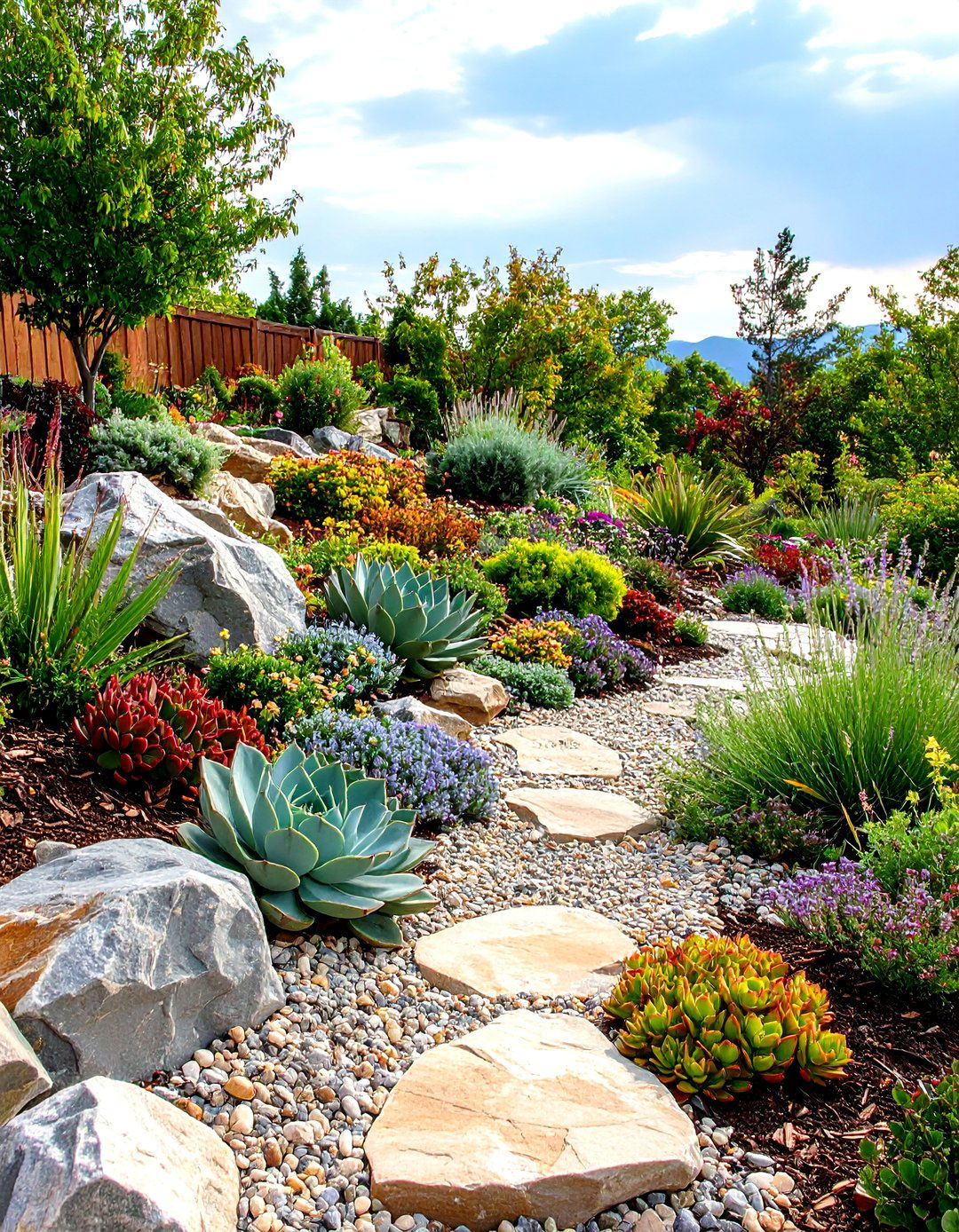
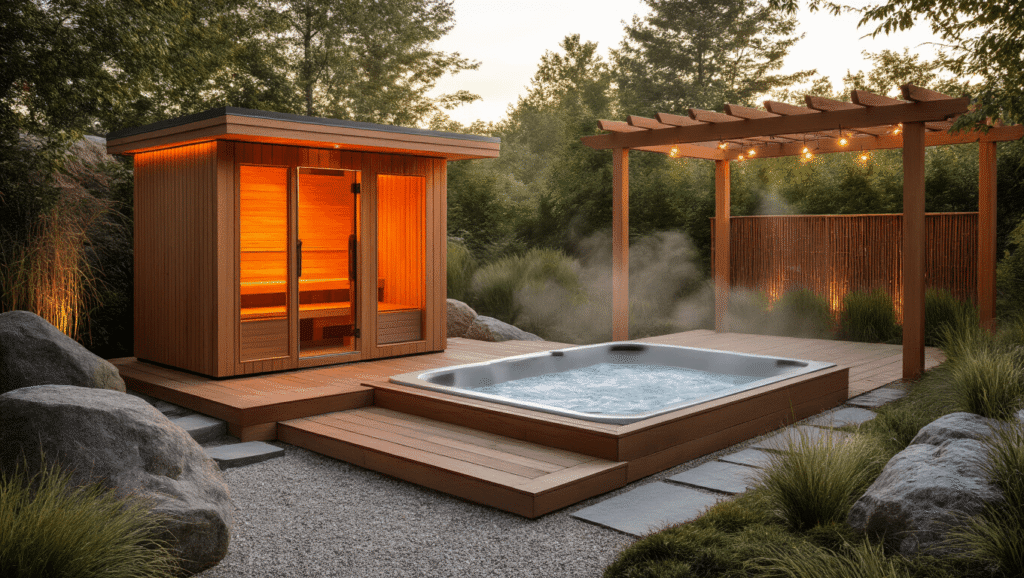
But how do you keep it from looking messy? Balance. You pair the wilder, organic shapes of the spa shell with structured elements nearby. A straight-edged wooden deck provides a clean transition from the house to the water. Linear lighting strips guide the eye without overpowering the natural aesthetic. The key is to let the spa feel like a discovery. Like you stumbled upon a hidden hot spring in the woods, even if it’s right behind your kitchen window. Use local stone if you can. It anchors the space to its location. A spa made of Vermont slate feels different than one made of Arizona sandstone. Let the material tell the story of where you are.
Material Matters: Wood, Stone, and Sustainable Composites
Let’s talk about what touches your skin. The materials you choose define the tactile experience of your spa. For years, acrylic was king. It’s cheap, easy to mold, and holds heat well. But it feels… plastic. Cold. Artificial. If you’re aiming for a timeless, soulful experience, you need materials that age gracefully. Wood is the obvious choice. Cedar, redwood, teak. These woods have natural oils that resist rot and insects. They smell amazing when warm. That scent alone is part of the therapy.
However, wood requires maintenance. You have to oil it. You have to watch for cracks. That’s where modern engineering steps in. High-quality composite decking and cladding materials have come a long way. BackyardMastery suggests using composites for durability and low maintenance. They don’t splinter. They don’t fade as quickly. And honestly? Some of the newer composites look incredibly realistic. You get the visual warmth of wood without the weekend chore list. It’s a practical compromise that doesn’t sacrifice aesthetics.
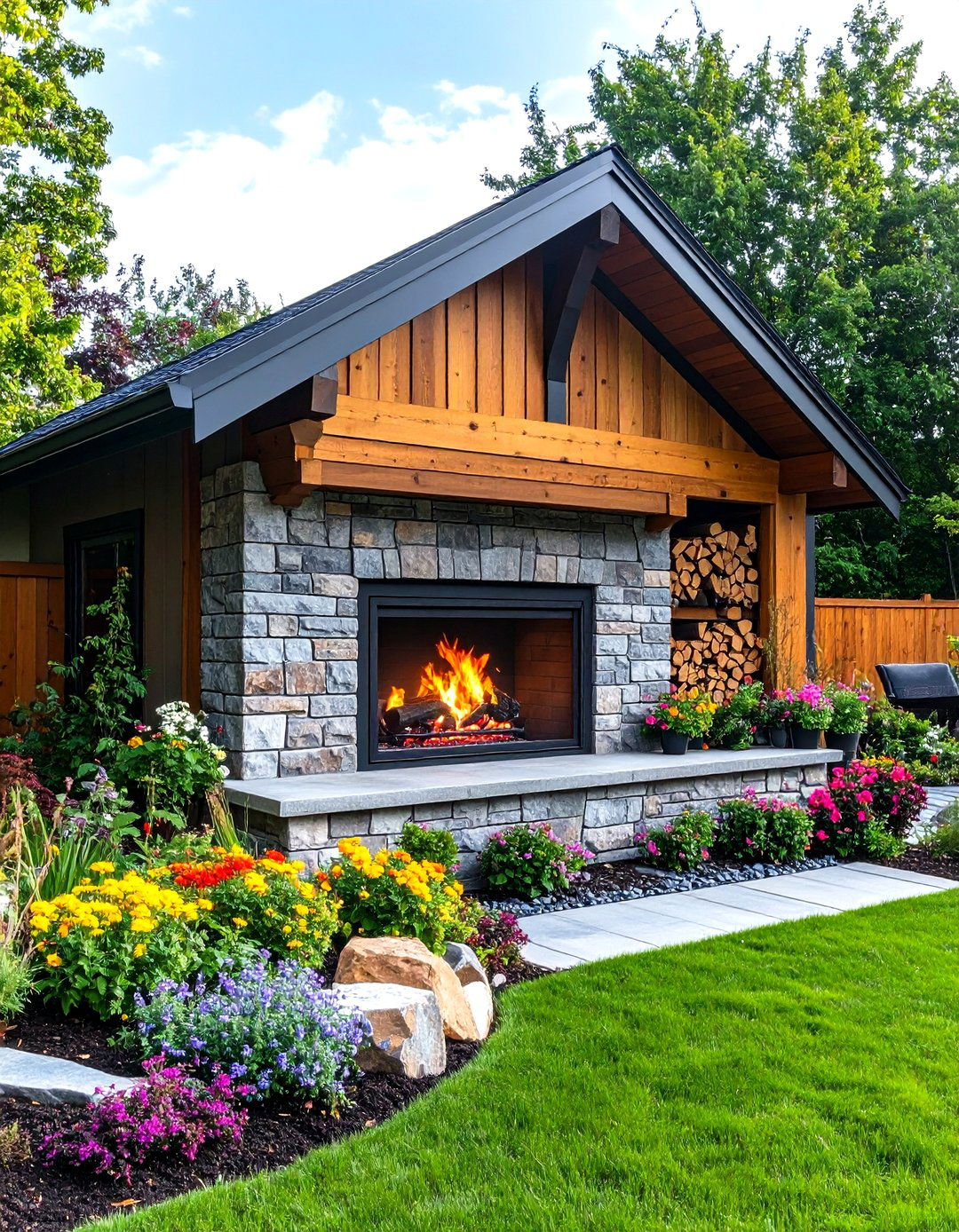
Stone is another powerhouse. Granite, basalt, limestone. These materials hold thermal mass. They absorb heat during the day and release it slowly at night. This isn’t just poetic; it’s functional. It helps regulate the temperature of the water and the surrounding air. Plus, stone lasts forever. Literally. A stone spa surround will outlive you, your kids, and probably your grandkids. That’s timeless. When combining wood and stone, think about contrast. Smooth stone against rough bark. Dark basalt against light cedar. These textures create visual interest that keeps the space from feeling flat. And remember, sustainability matters. Source locally. Choose materials that don’t require shipping across the ocean. It reduces your carbon footprint and supports local economies. Win-win.
Invisible Intelligence: Tech That Serves, Not Distracts
Here’s the tricky part. Technology can be intrusive. Nobody wants to fiddle with an app while trying to relax. The goal of modern spa tech is invisibility. It should work in the background, anticipating your needs so you don’t have to ask. PolSpas noted in their 2026 overview that ergonomic seating and energy efficiency are now integrated with mood-enhancing features. This is the sweet spot. Tech that enhances wellness, not just convenience.
Start with heating. Traditional heaters are loud and inefficient. Modern heat pumps are quiet and pull heat from the air, even in cooler climates. Pair this with smart insulation. Some 2025 models use aerogel or vacuum-insulated panels, which are incredibly thin but highly effective. This means your spa retains heat longer, using less energy. You can set schedules via your phone, sure. But even better? Geofencing. The spa knows when you’re heading home from work and starts warming up automatically. You arrive, and it’s ready. No waiting. No waste.
Lighting is another area where tech shines. LED systems have evolved beyond simple color changes. Now, we have circadian rhythm lighting. In the evening, the lights shift to warmer, amber tones that promote melatonin production and sleep. During the day, they might mimic natural sunlight to boost energy. These systems can be controlled by voice or simple motion sensors. Imagine walking out at night, and the path lights up softly, guiding you to the water. No switches to find in the dark. Just light. And sound? Waterproof, high-fidelity speakers embedded in the stone or wood allow you to play ambient sounds or music. But keep it subtle. The sound of water should still be dominant. Tech should amplify nature, not replace it.
Sensory Layers: Water, Sound, and Light Harmony
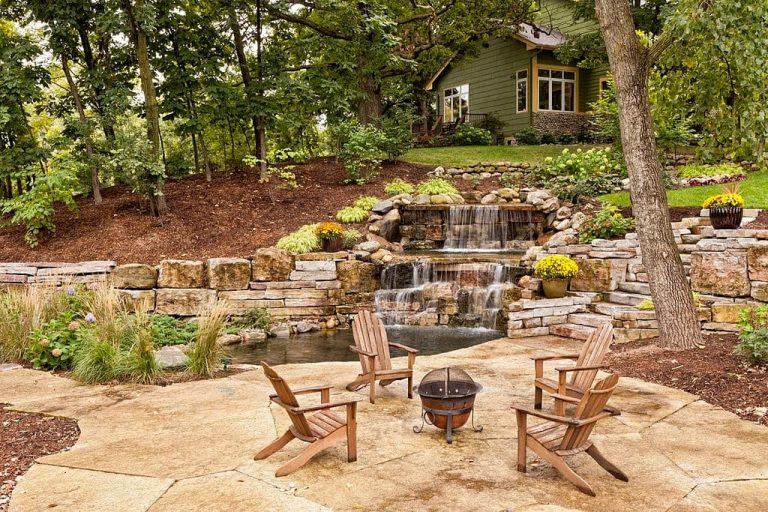
A spa isn’t just about heat. It’s a full-body sensory experience. If you only focus on the water temperature, you’re missing half the picture. Think about sound. The rush of the jets can be overwhelming. Modern systems allow for variable flow rates. You can have a gentle bubbling effect for meditation or a strong massage for sore muscles. Some designs incorporate natural water features alongside the spa. A small waterfall cascading into the pool creates white noise that masks neighborhood sounds. It’s calming. It’s private.
Lighting plays a huge role in setting the mood. Harsh overhead lights kill the vibe instantly. Instead, use underwater LEDs to create a glow from within. Illuminate the surrounding plants from below to create dramatic shadows. Use fiber optics for starry effects on the ceiling if you have a covered area. The goal is to create depth. Shadows are just as important as light. They add mystery. They make the space feel larger and more intimate at the same time. Nuadspa’s 2025 trends report emphasizes personalized wellness spaces, and lighting is key to personalization. You might want bright light for a morning soak to wake up, and dim, red-toned light for an evening unwind.
Don’t forget scent. While you can’t easily pump essential oils into a large chlorinated system, you can introduce aromatherapy through the surrounding landscape. Plant jasmine, lavender, or eucalyptus near the spa. The steam from the hot water will carry the scents into the air. It’s a natural, passive way to engage the sense of smell. Or, use a dedicated aromatherapy diffuser placed safely away from the water. The combination of warm water, soft light, gentle sound, and natural scent creates a layered experience that transports you. It’s not just a bath. It’s a journey.
Energy Efficiency and Eco-Conscious Wellness
We can’t talk about modern spas without addressing their environmental impact. Heating thousands of gallons of water takes energy. Lots of it. But the narrative is changing. Spas are no longer energy hogs; they’re becoming models of efficiency. The rise of outdoor wellness architecture in 2026 is heavily tied to sustainability. Homeowners are demanding systems that respect the planet. And manufacturers are delivering.
Solar integration is more accessible than ever. You don’t need a massive array of panels. Even a small solar thermal system can pre-heat your water, reducing the load on your electric heater. Combine this with a high-efficiency heat pump, and your operating costs drop significantly. Some systems even recover waste heat from your home’s HVAC system to warm the spa. It’s clever. It’s efficient. It’s the kind of innovation that makes sense financially and ethically.
Water conservation is also critical. Traditional spas require frequent draining and refilling. Modern filtration systems use ozone or UV light to sanitize water, reducing the need for harsh chemicals. This means the water lasts longer. You might only drain and refill once or twice a year instead of every few months. Some advanced systems even capture rainwater to top off evaporation losses. Every drop counts. By choosing eco-friendly materials and efficient systems, you’re not just building a spa. You’re making a statement. You’re saying that luxury and responsibility can coexist. And honestly? It feels better to relax knowing you’re not wasting resources.
Let’s address the elephant in the room. Maintenance. Many people avoid installing a spa because they fear the upkeep. They imagine scrubbing tiles and testing chemical levels every day. It’s a myth. Modern systems are designed for simplicity. If you choose the right materials and technology, maintenance becomes a minor task, not a major chore. The key is prevention and automation.
First, choose materials that resist algae and staining. Non-porous stone and high-quality composites are easy to wipe down. Wood needs occasional oiling, but that’s a meditative act, not a burden. Sit on the edge of the tub with a rag and some natural oil. Enjoy the process. Second, invest in a good automation system. Automatic chemical dispensers keep your water balanced without you lifting a finger. Robotic cleaners can scrub the floor and walls while you’re at work. You come home to sparkling water. It’s worth the initial investment for the time it saves.
Finally, embrace the seasons. In colder climates, you don’t have to use the spa year-round if you don’t want to. Winterizing is straightforward with modern covers and drainage systems. Or, lean into the contrast. There’s nothing quite like sitting in 104-degree water while snow falls around you. Just ensure your equipment is protected from freezing. Insulate your pipes. Use a high-quality thermal cover. With a little planning, your spa can be a four-season retreat. And when maintenance is easy, you’ll use it more. Consistency is key to wellness. Don’t let fear of chores stop you from creating your sanctuary.
Creating a timeless outdoor spa experience isn’t about buying the most expensive gadgets or the rarest stones. It’s about intention. It’s about understanding what brings you peace and designing a space that supports that feeling. By blending the warmth of organic materials with the precision of modern technology, you create something greater than the sum of its parts. You create a haven. A place where the modern world slows down. Where nature whispers. And where you can finally, truly, exhale.
So, where do you start? Look at your space. Really look at it. Notice the light. The wind. The views. Then, dream. Don’t limit yourself to what’s been done before. Mix the old with the new. Trust your instincts. And remember, the best spa is the one that feels like it belongs to you. Not a showroom. Not a magazine spread. Yours. Imperfect, perhaps. But authentic. And that’s what makes it timeless.
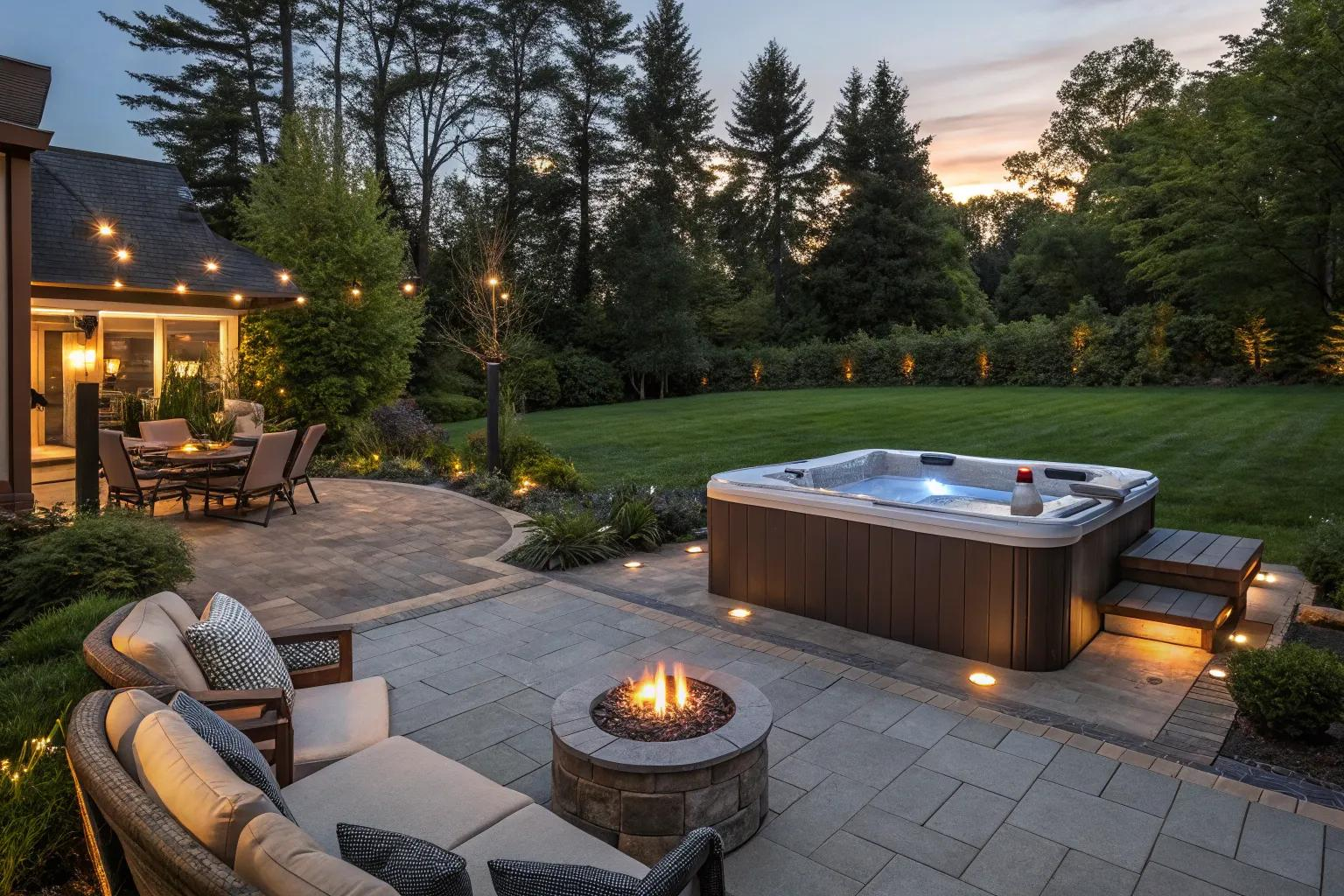
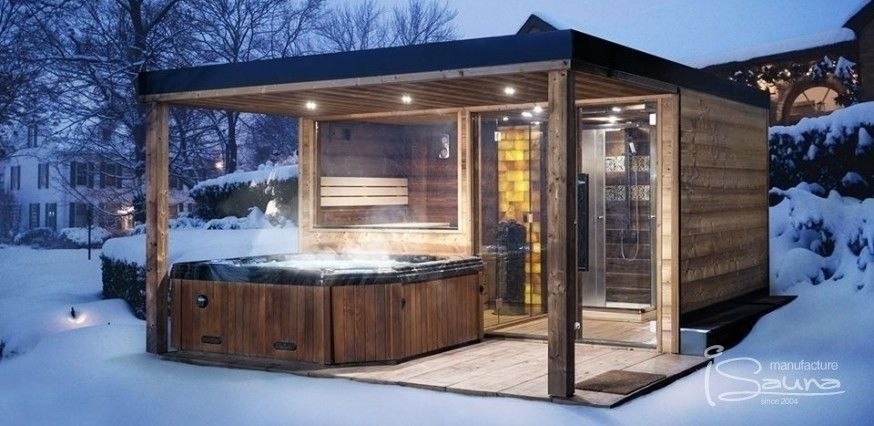
[sps_html tag=”img” src=”https://cdn.northcarolinafinearchitecture.com/2026/06/sauna-house-with-an-extended-pergola-roof-over-hot-tub-hot-tub-pergola-throughout-the-real-cost-and-practical-steps-for-building-a-backyard-sauna-and-hot-tub-combo-in-2026.jpg” alt=”Sauna House With An Extended Pergola Roof Over Hot Tub Hot Tub Pergola … throughout The Real Cost and Practical Steps for Building a Backyard Sauna and Hot Tub Combo in 2026″ style=”width: 100%; height: auto;”]
[sps_html tag=”img” src=”https://cdn.northcarolinafinearchitecture.com/2026/06/creating-the-ultimate-outdoor-sauna-and-hot-tub-retreat-your-backyard-with-regard-to-outdoor-spa-design.png” alt=”Creating The Ultimate Outdoor Sauna And Hot Tub Retreat: Your Backyard … with regard to Outdoor Spa Design” style=”width: 100%; height: auto;”]
[sps_html tag=”img” src=”https://cdn.northcarolinafinearchitecture.com/2026/06/17-inspiring-hot-tub-backyard-oasis-ideas-regarding-the-real-cost-and-practical-steps-for-building-a-backyard-sauna-and-hot-tub-combo-in-2026.jpg” alt=”17+ Inspiring Hot Tub Backyard Oasis Ideas regarding The Real Cost and Practical Steps for Building a Backyard Sauna and Hot Tub Combo in 2026″ style=”width: 100%; height: auto;”]
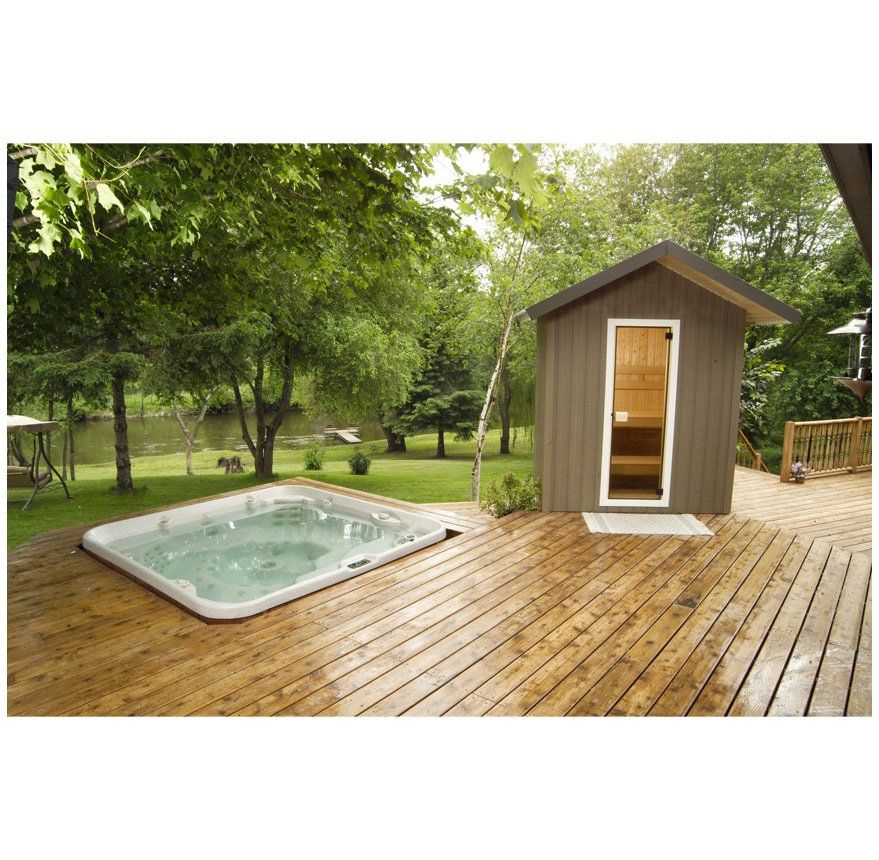
[sps_html tag=”img” src=”https://cdn.northcarolinafinearchitecture.com/2026/06/outdoor-patio-sauna-backyard-resort-hot-tub-backyard-jacuzzi-outdoor-throughout-outdoor-spa-design.jpg” alt=”Outdoor Patio Sauna | Backyard Resort, Hot Tub Backyard, Jacuzzi Outdoor throughout Outdoor Spa Design” style=”width: 100%; height: auto;”]
[sps_html tag=”img” src=”https://cdn.northcarolinafinearchitecture.com/2026/06/hot-tub-sauna-ideas-within-outdoor-spa-design.jpg” alt=”Hot Tub Sauna Ideas within Outdoor Spa Design” style=”width: 100%; height: auto;”]