Ever stood in the garage, staring at two metal tools that look kinda similar, and wondered if it really matters which one you grab? You’re not alone. It’s a common mix-up. Most folks think a shovel is a shovel, right? But here’s the thing: using the wrong tool for the job doesn’t just make the work harder. It can actually ruin the tool or, worse, hurt you.
We’re talking about the classic garden spade versus the specialized fire pit shovel. They might both have handles and metal bits, but they are as different as a scalpel and a ladle. One is designed for precision earth-moving, and the other is built to handle hot ash and embers without melting or bending. In 2026, with backyard fire pits being more popular than ever, knowing this distinction isn’t just trivia. It’s essential safety knowledge. Let’s dig into why these two don’t mix.
The Anatomy of a Garden Spade
So, what exactly is a garden spade? If you look closely, you’ll notice it has a flat, rectangular blade. It’s not curved like a scoop. This design isn’t an accident. It’s engineered for cutting. When you push a spade into the ground, that sharp edge slices through turf and compacted soil like a knife through butter. It’s meant for edging flower beds, digging straight-sided holes for planting, or turning over dense clay.
The handle is usually shorter than a typical shovel, giving you more control and leverage for downward pressure. You often see a "T" handle or a D-grip at the top. This allows you to put your full body weight behind the push. It’s a tool for precision work. You aren’t trying to move a mountain of dirt; you’re trying to create a clean line or loosen up a specific patch of earth. Using a spade for scooping loose mulch is frustrating because the flat blade just lets everything slide off the sides.
Also, most garden spades are made from carbon steel or stainless steel designed to resist rust from moisture in the soil. They aren’t built to withstand extreme heat. If you were to use a standard garden spade in a fire pit, the heat could weaken the temper of the steel. Over time, the blade might warp or lose its edge. It’s simply not rated for thermal stress. So, while it’s a hero in the vegetable patch, it’s a disaster waiting to happen near an open flame.
What Makes a Fire Pit Shovel Different
Now, let’s look at the fire pit shovel. Sometimes called an ash shovel or a coal shovel, this tool looks quite different. First off, the blade is usually smaller and deeper, often with raised edges or lips on the sides. Think of it like a small dustpan with a long handle. This shape is crucial because it keeps the ash and embers contained. You don’t want hot coals spilling out as you transfer them from the pit to a metal bucket.
The materials used here are key. A real fire pit shovel is typically made from heavy-duty steel that can handle high temperatures. Some even have heat-resistant coatings. The handle is another big differentiator. Many fire pit shovels have wooden handles or metal handles with insulated grips. Why? Because metal conducts heat. If you use a standard plastic-handled garden tool near a fire, the handle could melt or become too hot to hold. Safety is the primary driver here.
Another feature you’ll notice is the length. Fire pit shovels often have longer handles to keep your hands and face further away from the heat source. This distance is vital for preventing burns. Unlike the garden spade, which relies on foot pressure, the fire pit shovel is all about scooping and lifting. You aren’t digging into the ground; you’re skimming the surface of the ash bed. It’s a gentle, careful motion, not a forceful thrust.
Why You Should Never Swap Them
It might seem tempting to just grab whatever is closest. Hey, it’s just a little ash, right? Or maybe you need to dig out some old charcoal and the garden spade is right there. Don’t do it. There are serious reasons why these tools shouldn’t be swapped. First, let’s talk about contamination. Garden spades touch soil, which contains organic matter, bacteria, and sometimes fertilizers or pesticides. You don’t want those residues getting into your fire pit, where they can burn and release toxic fumes.
On the flip side, using a fire pit shovel in the garden is a bad idea too. The ash and soot residue on the shovel can alter the pH of your soil. Most plants prefer neutral soil, and ash is highly alkaline. Dumping ash-laden tools into your flower bed can harm sensitive plants. Plus, the sharp edge of a garden spade is useless for ash. It won’t scoop effectively, leading to spills and potential fire hazards if hot embers drop on your deck or patio.
Then there’s the durability factor. As mentioned earlier, the heat from a fire pit can damage the structural integrity of a garden spade. The metal might become brittle. Conversely, the abrasive nature of soil and rocks will quickly scratch and dull the finish of a fire pit shovel, making it harder to clean and more prone to rust if it’s not specifically treated for outdoor ground contact. Each tool has a specific environment it thrives in. Keep them in their lanes.
Material Matters: Steel, Heat, and Rust
Let’s get a bit technical for a second, but keep it simple. The steel used in garden tools is often chosen for its ability to hold a sharp edge and resist corrosion from water and earth. It’s great for cutting roots. However, this type of steel can lose its hardness when exposed to high temperatures. This process is called annealing. If your spade gets too hot, it becomes soft. A soft blade bends easily, rendering the tool useless for digging.
Fire pit shovels, on the other hand, are often made from thicker gauge steel. They prioritize heat resistance over sharpness. You don’t need a sharp edge to scoop ash; you need a sturdy container. Many high-quality fire pit shovels in 2026 are made from cast iron or heavy-gauge stainless steel that retains its strength even when glowing red. Some cheaper models might use thinner metal, which is why it’s important to check the specs before buying.
Rust is another enemy. Garden spades are constantly exposed to damp soil. Good ones have rust-resistant coatings. Fire pit shovels deal with dry ash, but ash can be corrosive if it gets wet. If you leave a fire pit shovel outside in the rain, it can rust quickly if it’s not properly maintained. Cleaning your tools after each use is non-negotiable. Wipe down the spade to remove soil moisture, and empty the fire pit shovel completely to prevent acidic ash buildup.
Practical Tips for Using Each Tool
So, how do you get the most out of these tools? For the garden spade, technique is everything. Don’t just hack at the ground. Place the blade vertically where you want the edge, then step on the shoulder of the blade (the flat part near the top) to drive it in. Use your leg muscles, not your back. Once it’s in, lever the handle back to lift the soil. This method saves your energy and keeps the edges of your garden beds crisp and professional-looking.
For the fire pit shovel, patience is key. Wait until the fire is completely out and the ashes are cool to the touch. If you must remove warm ashes, use a metal bucket and move slowly. Scoop gently. Don’t try to lift too much at once. The raised edges of the shovel are there to help, but gravity is still working against you. Always wear gloves and eye protection when handling ash, even if it seems cold. Hidden embers can linger for days.
Storage also matters. Hang your garden spade up or store it in a dry shed to prevent rust. Keep the blade clean and occasionally oil it if you live in a humid climate. For the fire pit shovel, store it in a covered area near the pit, but not directly in the weather. A simple hook on the side of the fire pit stand works well. This ensures it’s always ready when you need to clean up after a cozy night under the stars.
Making the Right Choice in 2026
As we move through 2026, the market for outdoor tools is more specialized than ever. You can find hybrid tools that claim to do it all, but experienced landscapers and fire enthusiasts still swear by having dedicated tools for each job. When shopping, look for clear labeling. A "garden spade" should have a flat, sharp blade. A "fire pit shovel" should have a deep, lipped scoop and a heat-safe handle.
Don’t skimp on quality. A cheap garden spade will bend the first time you hit a rock. A cheap fire pit shovel might warp the first time it touches hot coals. Invest in tools that feel solid in your hands. Check the welds where the handle meets the blade. These are the weak points. In recent years, ergonomic designs have improved, with better grip angles and lighter materials that don’t sacrifice strength. Take advantage of these advancements.
Remember, the right tool makes the job enjoyable. The wrong tool makes it a chore. Whether you’re preparing the soil for spring planting or cleaning up after a summer bonfire, having the correct equipment shows respect for the task and for your own body. It’s a small detail that makes a huge difference in the long run. Plus, it just looks more professional when you know what you’re doing.
At the end of the day, it’s about safety and efficiency. We’ve all been there, trying to make do with what we have. But when it comes to fire and earth, cutting corners isn’t worth the risk. A garden spade is a precision instrument for the soil. A fire pit shovel is a safety device for managing heat. They complement each other in a well-equipped home, but they never replace one another.
Take a moment to audit your shed or garage. Do you have both? If not, consider adding the missing piece to your toolkit. Your back will thank you, and your garden—and your fire pit—will look better for it. It’s a small investment that pays dividends every time you step outside to work or relax.
So next time you’re faced with a pile of ash or a patch of tough sod, pause. Look at your tools. Pick the right one. It’s a simple choice, but it’s the mark of someone who knows their craft. And honestly, isn’t that what we’re all aiming for? Just a little bit of mastery in our daily lives. Keep digging, keep burning, and stay safe out there.
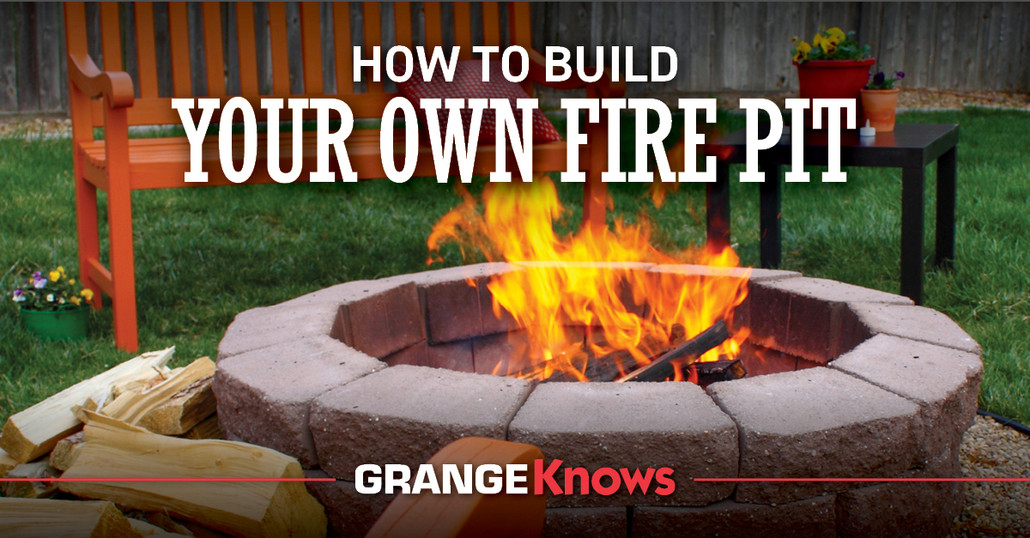
[sps_html tag=”img” src=”https://cdn.northcarolinafinearchitecture.com/2026/06/how-to-build-your-own-fire-pit-grange-co-op-with-regard-to-why-your-fire-pit-cleanup-is-harder-than-it-needs-to-be.jpg” alt=”How To Build Your Own Fire Pit - Grange Co-Op with regard to Why Your Fire Pit Cleanup Is Harder Than It Needs to Be” style=”width: 100%; height: auto;”]
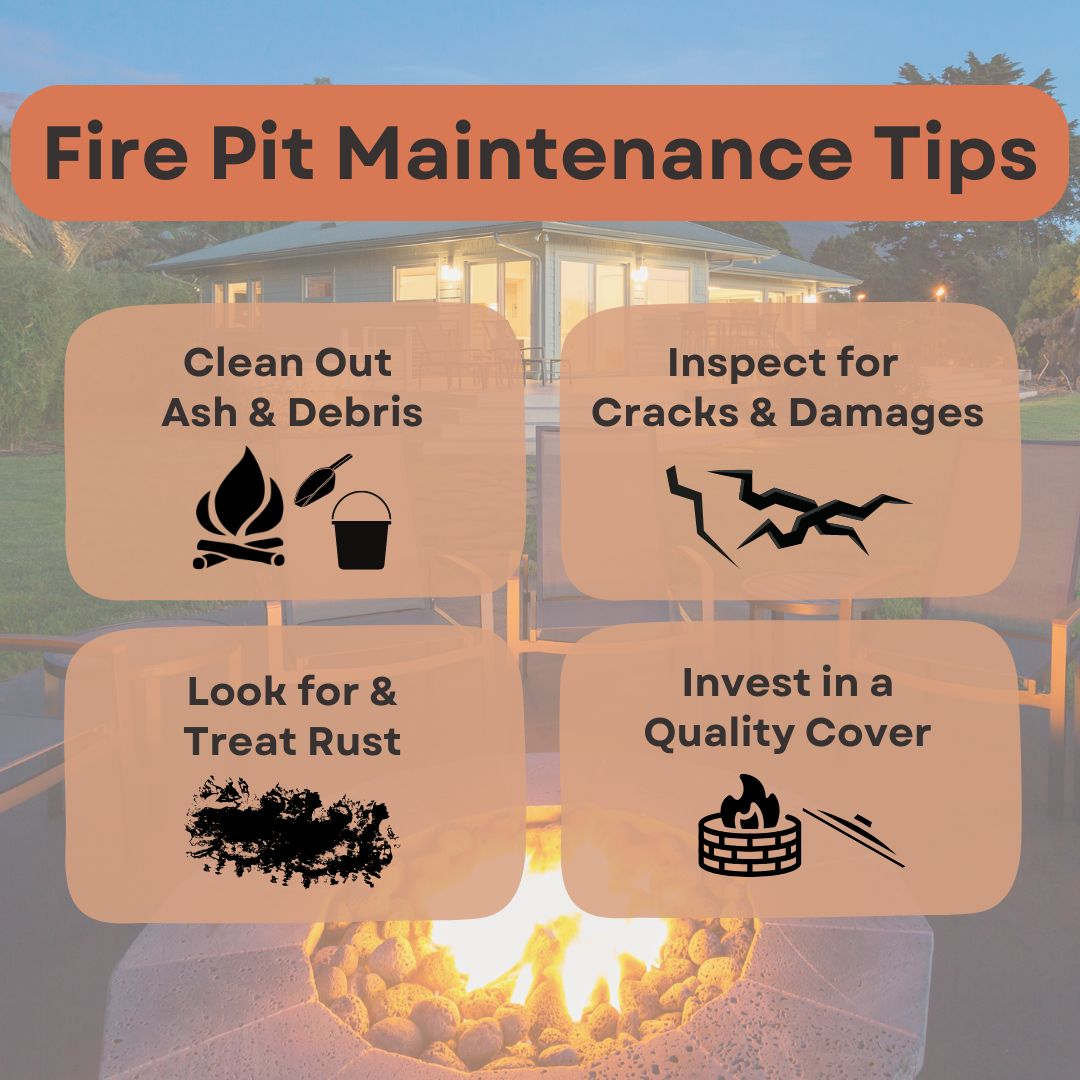
[sps_html tag=”img” src=”https://cdn.northcarolinafinearchitecture.com/2026/06/fire-pit-maintenance-tips-ormond-beach-fl-port-orange-fl-orlando-for-why-your-fire-pit-cleanup-is-harder-than-it-needs-to-be.jpg” alt=”Fire Pit Maintenance Tips - Ormond Beach Fl - Port Orange Fl - Orlando … for Why Your Fire Pit Cleanup Is Harder Than It Needs to Be” style=”width: 100%; height: auto;”]
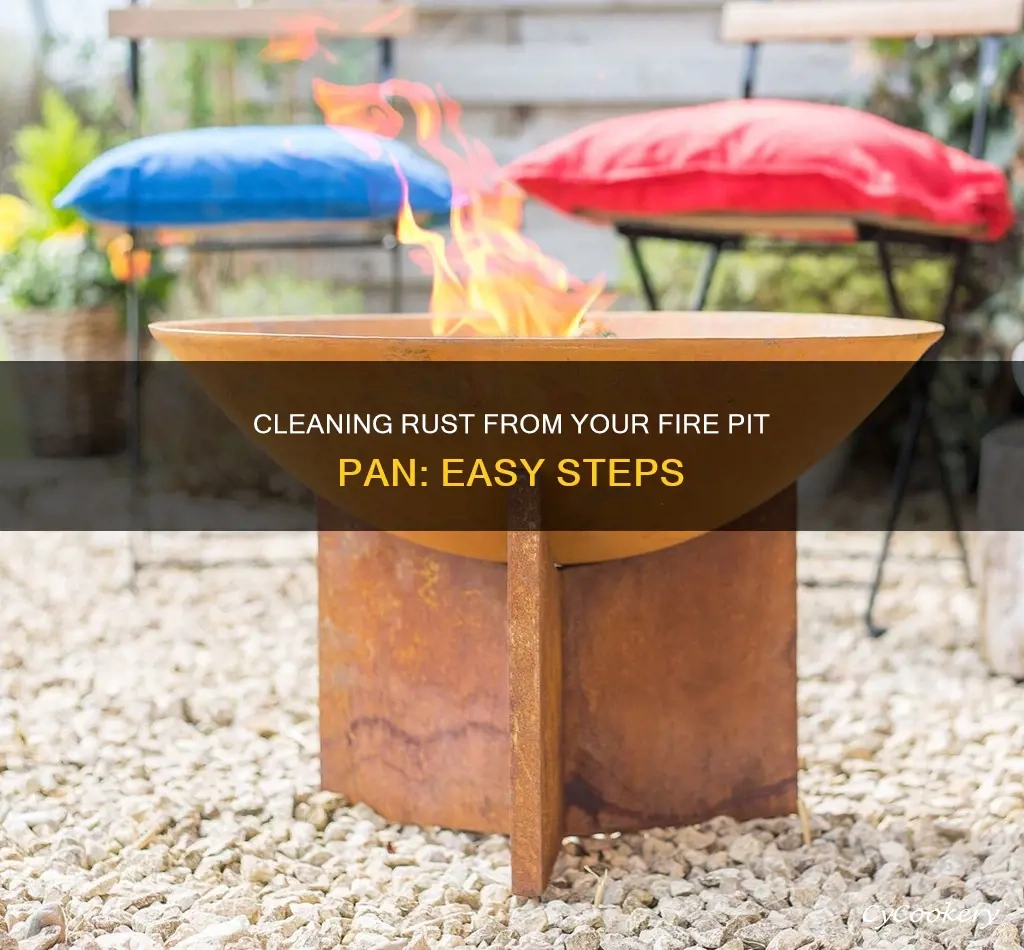
[sps_html tag=”img” src=”https://cdn.northcarolinafinearchitecture.com/2026/06/cleaning-rust-from-your-fire-pit-pan-easy-steps-cycookery-with-regard-to-outdoor-fire-shovel-design.webp” alt=”Cleaning Rust From Your Fire Pit Pan: Easy Steps | Cycookery with regard to Outdoor Fire Shovel Design” style=”width: 100%; height: auto;”]
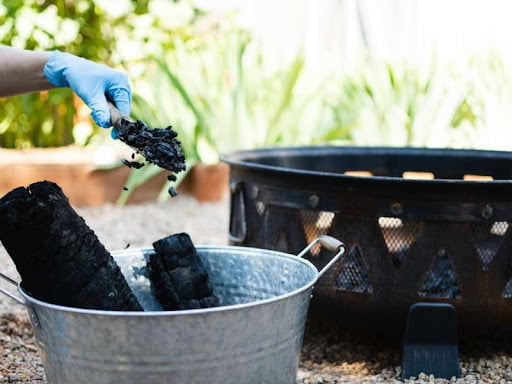
[sps_html tag=”img” src=”https://cdn.northcarolinafinearchitecture.com/2026/06/how-to-clean-a-fire-pit-simple-steps-to-make-sure-your-fire-pit-last-with-regard-to-outdoor-fire-shovel-design.jpg” alt=”How To Clean A Fire Pit - Simple Steps To Make Sure Your Fire Pit ‘Last … with regard to Outdoor Fire Shovel Design” style=”width: 100%; height: auto;”]
[sps_html tag=”img” src=”https://cdn.northcarolinafinearchitecture.com/2026/06/fire-pit-safety-how-to-prevent-accidents-and-keep-your-home-safe-2026-inside-why-your-fire-pit-cleanup-is-harder-than-it-needs-to-be.jpg” alt=”Fire Pit Safety: How To Prevent Accidents And Keep Your Home Safe | 2026 inside Why Your Fire Pit Cleanup Is Harder Than It Needs to Be” style=”width: 100%; height: auto;”]