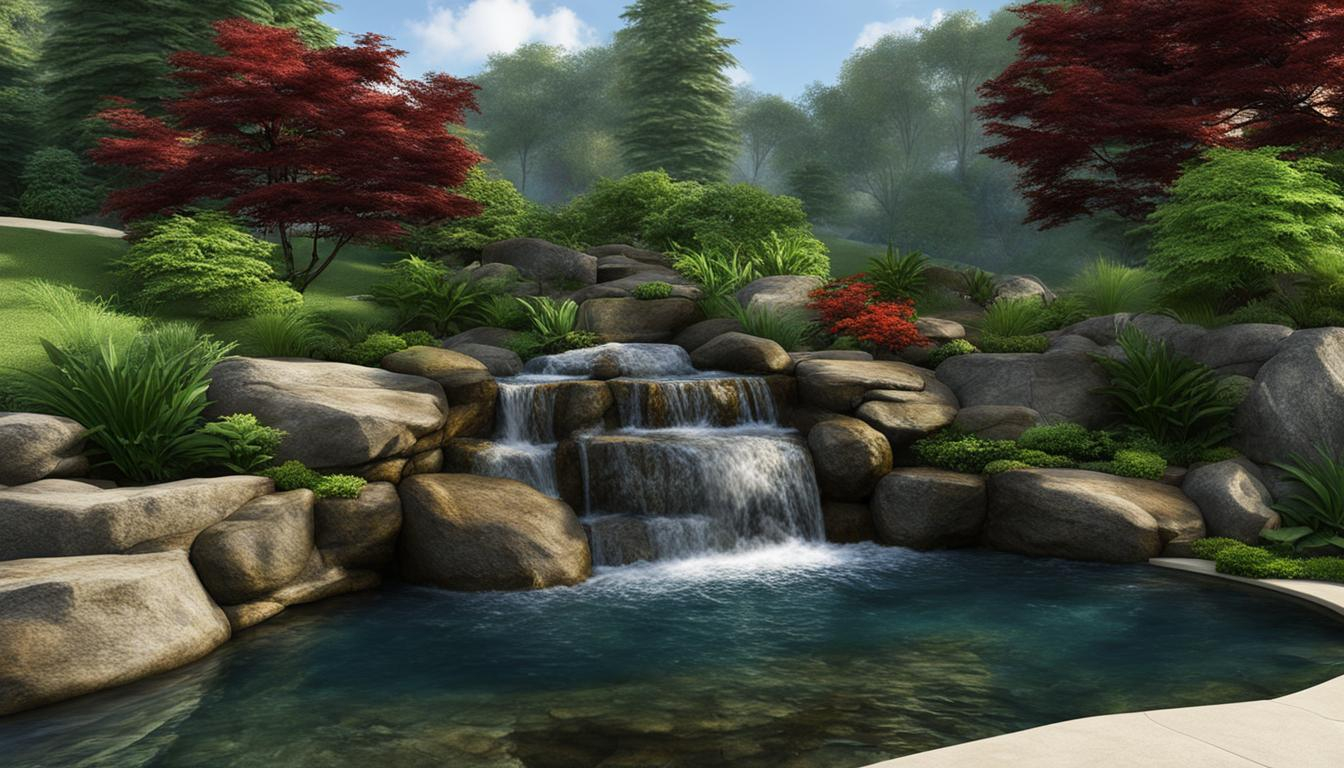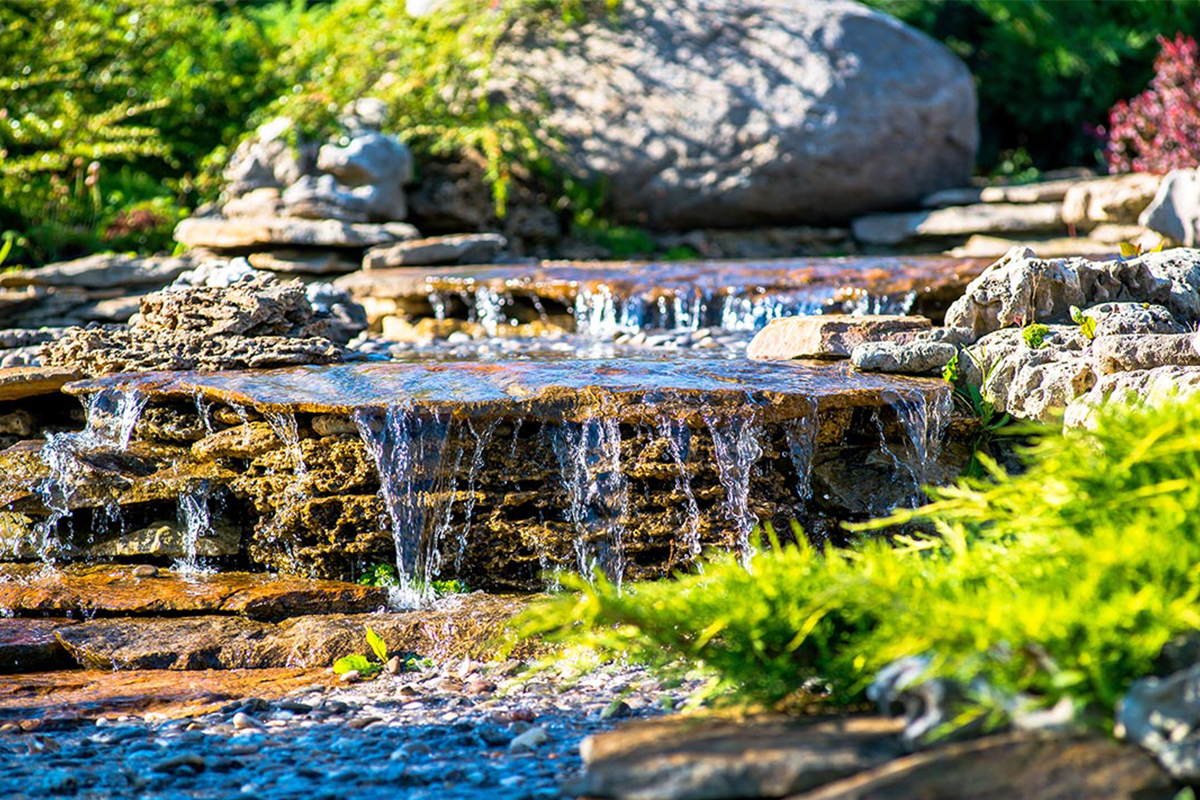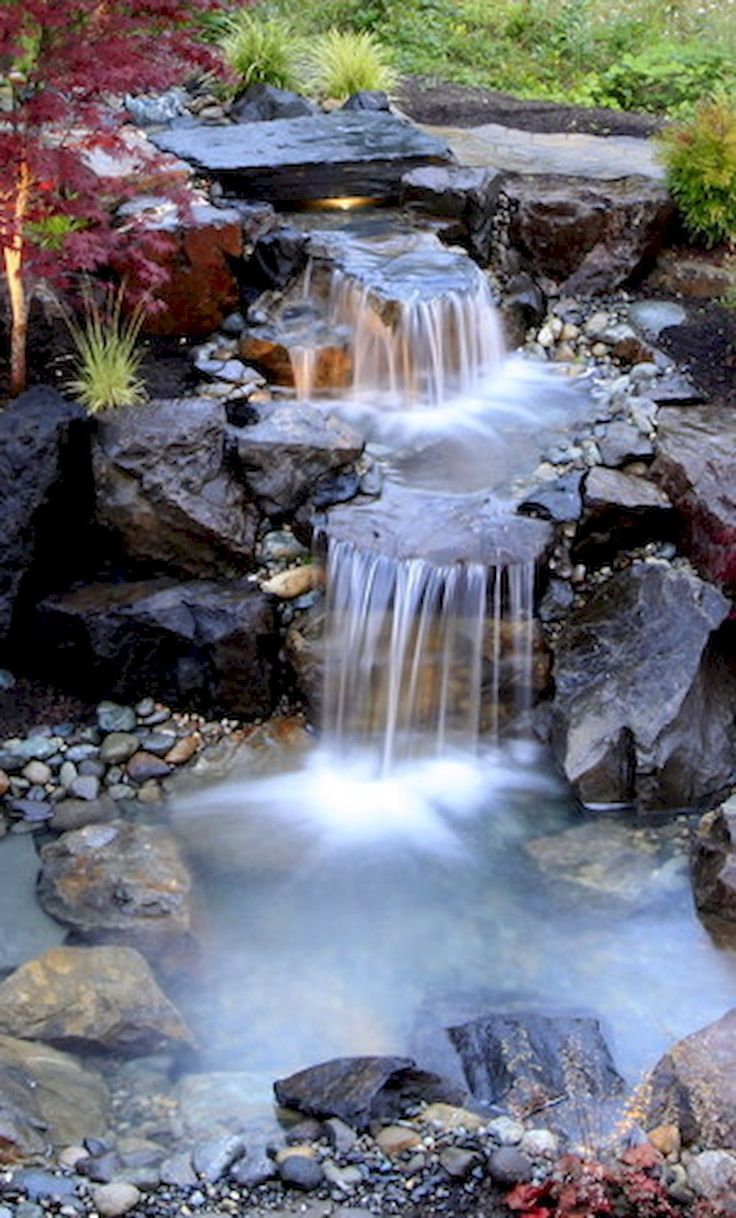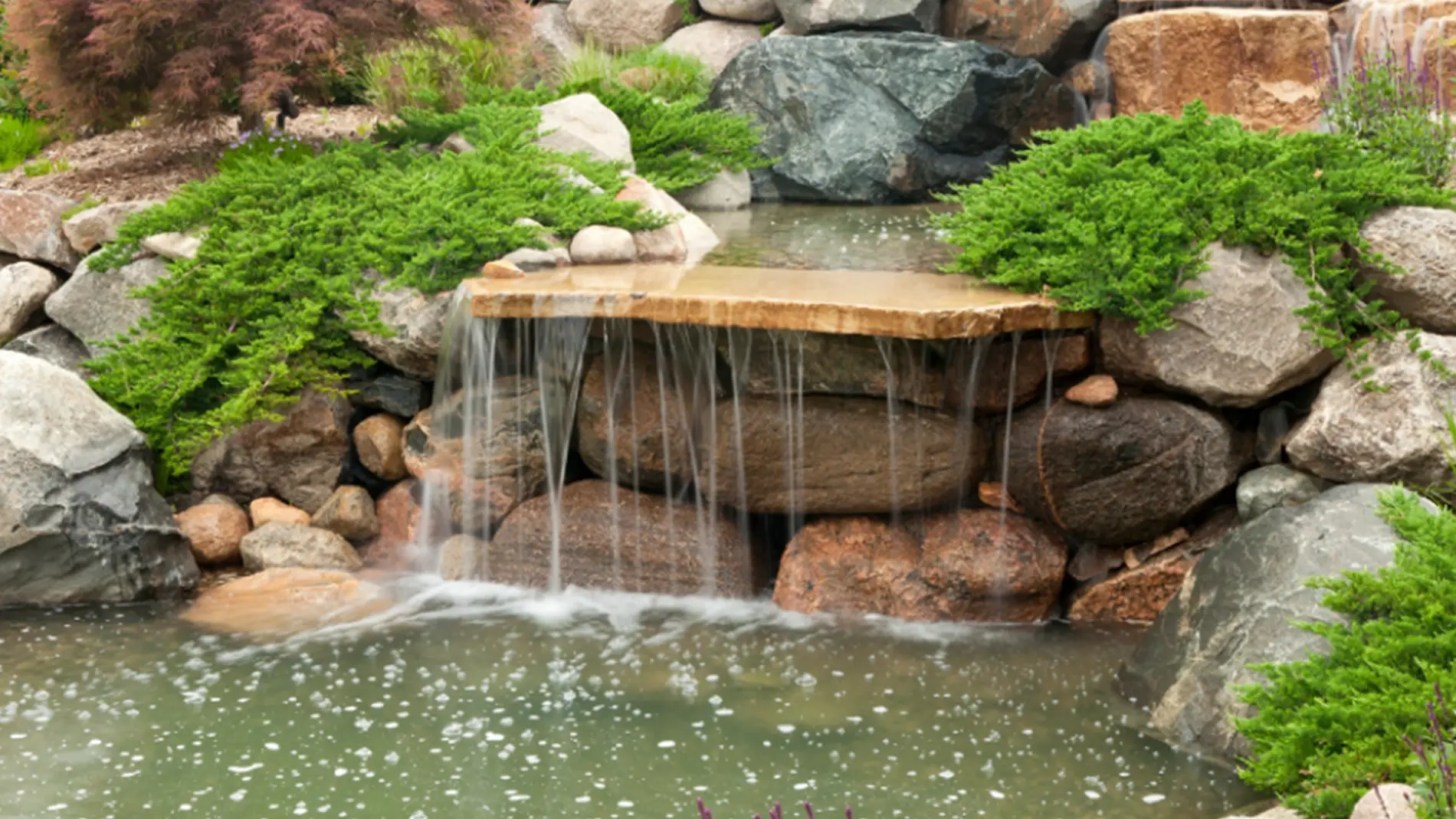
There is something primal about the sound of falling water. It cuts through the noise of traffic, the hum of appliances, and the endless ping of notifications. You step outside, and suddenly, the world slows down. But let’s be honest—nothing kills that vibe faster than a plastic-looking cascade that screams "I bought this at a big-box store last Tuesday."
We are in 2026 now. The days of obvious, kitschy garden features are fading. People want authenticity. They want their outdoor spaces to feel like an extension of the wild, not a theme park replica. Designing a waterfall that blends seamlessly isn’t just about stacking rocks; it is about understanding geology, hydrology, and a bit of psychology. It is about tricking the eye into believing nature did the work.
So, how do you achieve that elusive "always been there" look? It starts with forgetting the idea of a "feature" and starting to think about a "system." A real waterfall doesn’t exist in isolation. It is part of a stream, a pond, or a wetland. By mimicking these relationships, you can create a sanctuary that feels grounded, calm, and undeniably real. Let’s dig into the dirt and figure out how to make it happen.
Reading the Land Before You Dig
Before you move a single stone, you need to listen to your yard. Every property has a personality. Some slopes are eager to shed water; others hold it tight. In 2026, sustainable landscaping is no longer a trend—it is the standard. Ignoring your natural topography is not just aesthetically risky; it is inefficient. Start by watching where water goes when it rains. Those natural drainage paths are your best friends. They tell you where the water wants to flow.
If you try to force a waterfall onto a flat patch of grass without significant earthmoving, it will always look awkward. You will end up building a massive berm that looks like a molehill gone wrong. Instead, look for existing elevation changes. Even a subtle slope of two or three feet can be enough to create a gentle cascade if you play your cards right. The goal is to accentuate what is already there, not to fight against it.
Also, consider the sun and wind. Water evaporates faster in windy, sunny spots. If your potential site is exposed, you will lose more water to the air, meaning your pump has to work harder. A shaded nook not only reduces evaporation but also encourages the growth of moss and ferns, which are crucial for that aged, natural look. Take a week to observe your space at different times of day. Note where the shadows fall. This simple observation can save you hundreds of dollars in water bills and maintenance later on.
The Skeleton: Rock Selection and Placement
Rocks are the bones of your waterfall. Get this wrong, and no amount of pretty plants will fix it. The biggest mistake people make is mixing rock types. You wouldn’t wear sneakers with a tuxedo, so don’t put smooth river stones next to jagged limestone. Pick one local stone type and stick with it. In 2026, sourcing local stone is easier than ever thanks to regional material exchanges and reclaimed construction sites. Using local stone ensures the color and texture match the surrounding soil and bedrock, making the feature feel indigenous to your area.
Placement is everything. Nature is chaotic, but it follows rules. Large boulders anchor the structure. They should be buried at least one-third of their height into the ground. If a rock looks like it is sitting on top of the soil, it looks fake. It needs to look like it erupted from the earth. Use smaller stones to fill gaps, but avoid the "polka dot" effect where every rock is visible and separate. You want clusters and groups, not a neat row of soldiers.
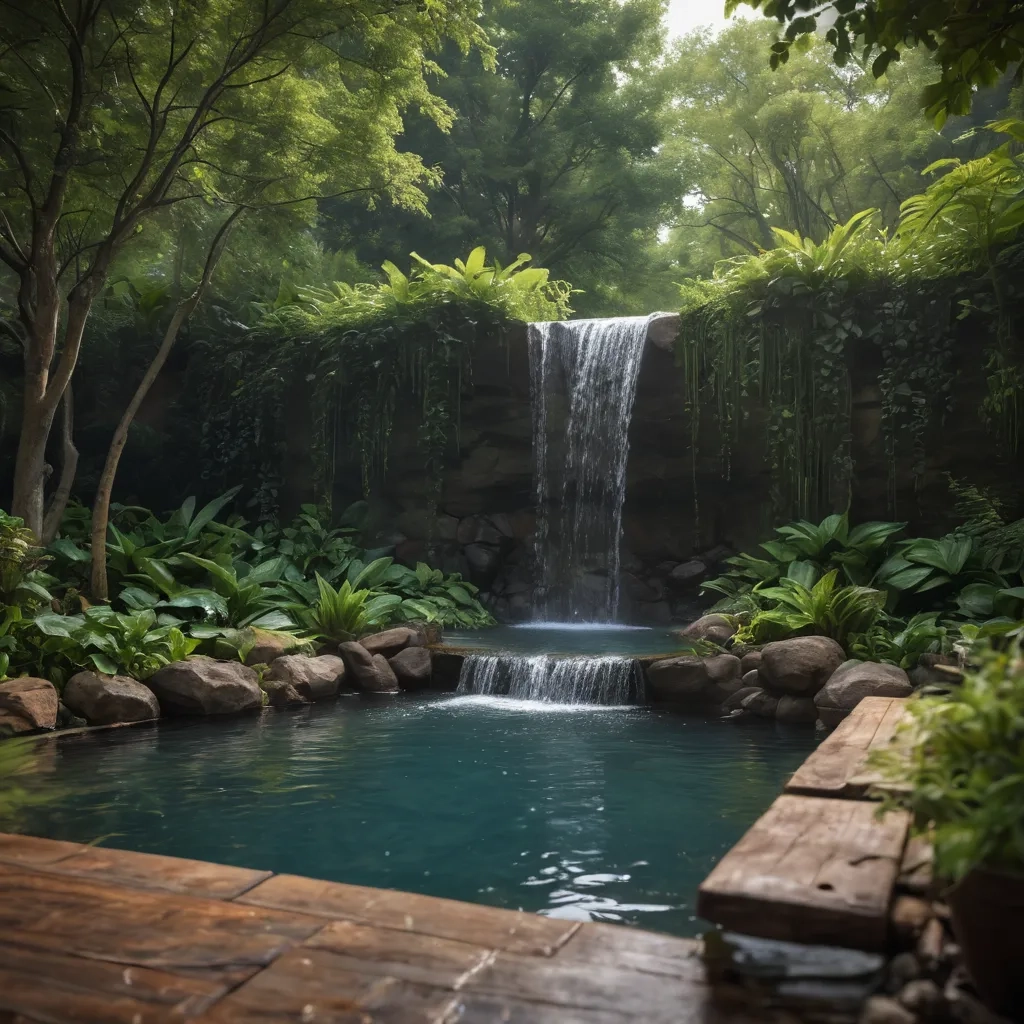
Think about the water’s path. Water flows around obstacles, not just over them. Create channels and crevices for the water to disappear into and reappear from. This creates visual interest and breaks up the surface tension of the flow. When you place your capstones—the rocks the water actually flows over—ensure they are level side-to-side but tilted slightly forward. This directs the water outward, preventing it from running down the back of the rock and disappearing into the gravel behind the liner. A little tilt goes a long way.
Hiding the Mechanics: The 2026 Tech Approach
Let’s talk about the elephant in the room: the pump and the liner. Nothing ruins the illusion of a natural spring like a black rubber liner peeking out from under a rock. In the past, we used gravel to hide edges. Today, we have better options. Bio-falls and modular wetland filters have evolved significantly. These systems allow you to integrate filtration directly into the rockwork, eliminating the need for unsightly external boxes.
The key is layering. Your liner should extend well beyond the visible edge of the waterfall. Cover the exposed liner with a layer of sand, then a layer of soil, and finally, plant roots. Over time, the plants will grow over the edge, creating a soft, green border that hides the artificial boundary. This technique, often called "soft edging," is critical for seamlessness. In 2026, many homeowners are also opting for flexible, EPDM liners that are fish-safe and durable, ensuring that the ecosystem remains healthy without leaking chemicals into the water.
Noise is another mechanical factor. A loud gurgling pump is a dead giveaway. Use variable frequency drive (VFD) pumps, which are now standard for high-end installations. They allow you to dial in the exact flow rate you need. Sometimes, less is more. A quiet, thin sheet of water is often more relaxing than a noisy roar. Plus, VFD pumps adjust to weather conditions, saving energy during cooler months when evaporation is lower. It is smart, silent, and efficient.
The Skin: Planting for Age and Mystery
A brand-new waterfall looks like a construction site. A mature waterfall looks like a secret garden. The difference is plants. But not just any plants. You need species that thrive in wet feet and splashing water. Forget about delicate annuals. You need tough, native perennials that can handle constant moisture and variable temperatures. In 2026, the push for native biodiversity means you have access to region-specific plant lists that support local pollinators while stabilizing your soil.
Start with the margins. Iris, sedges, and rushes are excellent for the shallow areas around the pond or stream bed. Their vertical lines break up the horizontal spread of the water, adding depth. For the rocks themselves, think small. Creeping jenny, mosses, and miniature ferns can tuck into crevices. These plants soften the hard edges of the stone and make the structure look older. Moss, in particular, is the ultimate aging agent. If you live in a humid climate, encourage it by keeping the rocks damp and shaded.
Don’t rush the planting. Leave some bare spots initially. Nature colonizes empty spaces over time. If you pack every inch with greenery on day one, it will look like a floral arrangement, not a landscape. Allow for gaps where water can splash against bare stone. These splashes create mist, which adds to the sensory experience. Also, consider seasonal interest. Choose plants that offer something in spring, summer, and fall. A waterfall surrounded by brown, dead stalks in October loses its magic.
Water Dynamics: Flow, Sound, and Light
Water is not just H2O; it is light, sound, and movement. How you shape the flow determines the mood of your space. A wide, shallow weir creates a gentle, sheet-like flow that is visually calming and produces a soft white noise. A narrow chute between two boulders creates a faster, more energetic stream with a higher-pitched sound. Decide what emotion you want to evoke. Do you want meditation or invigoration?
In 2026, lighting technology has become incredibly subtle. Avoid the "disco ball" effect of multicolored LEDs shining directly on the water. Instead, use warm-white, low-lumen fixtures hidden in the foliage or under rock ledges. The goal is to illuminate the mist and the movement, not the source of the light. Up-lighting a single focal boulder can create dramatic shadows that dance as the water flows. Keep the lights dim. You want to suggest the presence of water, not spotlight it like a stage performer.
Consider the acoustics too. Water sounds travel differently depending on the surroundings. Hard surfaces like patios or fences reflect sound, making it louder. Soft surfaces like mulch and plants absorb it. If your waterfall is near a neighbor’s window, you might want to dampen the sound with dense planting or a bermed earth barrier. Conversely, if you want to mask street noise, position the loudest part of the waterfall between your seating area and the street. Use the sound as a sonic shield.
Here is the truth: natural things require care. But if you design it right, the care becomes a ritual rather than a chore. In 2026, the concept of "rewilding" your maintenance routine is gaining traction. This means working with nature instead of against it. For example, instead of scrubbing algae off every rock, introduce beneficial bacteria and aquatic plants that compete with algae for nutrients. A balanced ecosystem stays clearer with less effort.
Check your skimmer box weekly. Leaves and debris will accumulate. If you let them rot in the water, they release nutrients that feed algae. A simple net sweep takes five minutes. Inspect your pump intake monthly. Ensure it is not clogged with roots or sediment. These small actions prevent big problems. Remember, a stagnant waterfall is a unhappy waterfall. Keep the water moving, keep it clean, and keep it oxygenated.
Seasonal changes require attention too. In autumn, net your pond before the leaves fall. In winter, if you live in a freezing climate, you may need to shut down the pump or install a de-icer to prevent ice dams from diverting water away from the stream bed. Embrace these cycles. Watching your waterfall change with the seasons is part of the joy. The ice formations in winter are just as beautiful as the flowing water in summer. Respect the rhythm of the year.
Creating a natural waterfall is an act of patience and observation. It is not about imposing your will on the land, but collaborating with it. By choosing local materials, hiding the tech, planting wisely, and respecting the water’s nature, you create more than a garden feature. You create a refuge. A place where the noise of the modern world fades into the background, replaced by the timeless song of falling water. And in 2026, that is a luxury worth cultivating.
[sps_html tag=”img” src=”https://cdn.northcarolinafinearchitecture.com/2026/05/health-benefits-of-waterfalls-at-victoria-wilsmore-blog-with-regard-to-ecological-benefits-of-backyard-waterfalls-beyond-just-aesthetic-appeal.jpg” alt=”Health Benefits Of Waterfalls At Victoria Wilsmore Blog with regard to Ecological Benefits of Backyard Waterfalls Beyond Just Aesthetic Appeal” style=”width: 100%; height: auto;”]
[sps_html tag=”img” src=”https://cdn.northcarolinafinearchitecture.com/2026/05/large-backyard-waterfalls-pertaining-to-ecological-benefits-of-backyard-waterfalls-beyond-just-aesthetic-appeal.jpg” alt=”Large Backyard Waterfalls pertaining to Ecological Benefits of Backyard Waterfalls Beyond Just Aesthetic Appeal” style=”width: 100%; height: auto;”]
[sps_html tag=”img” src=”https://cdn.northcarolinafinearchitecture.com/2026/05/elegant-waterfall-backyard-design-ideas-for-serene-outdoor-living-regarding-ecological-benefits-of-backyard-waterfalls-beyond-just-aesthetic-appeal.webp” alt=”Elegant Waterfall Backyard Design Ideas For Serene Outdoor Living regarding Ecological Benefits of Backyard Waterfalls Beyond Just Aesthetic Appeal” style=”width: 100%; height: auto;”]
[sps_html tag=”img” src=”https://cdn.northcarolinafinearchitecture.com/2026/05/designing-majestic-backyard-waterfalls-within-outdoor-waterfall-design.jpg” alt=”Designing Majestic Backyard Waterfalls within Outdoor Waterfall Design” style=”width: 100%; height: auto;”]
[sps_html tag=”img” src=”https://cdn.northcarolinafinearchitecture.com/2026/05/modern-backyard-waterfalls-for-aesthetic-outdoor-spaces-within-ecological-benefits-of-backyard-waterfalls-beyond-just-aesthetic-appeal.webp” alt=”Modern Backyard Waterfalls For Aesthetic Outdoor Spaces within Ecological Benefits of Backyard Waterfalls Beyond Just Aesthetic Appeal” style=”width: 100%; height: auto;”]