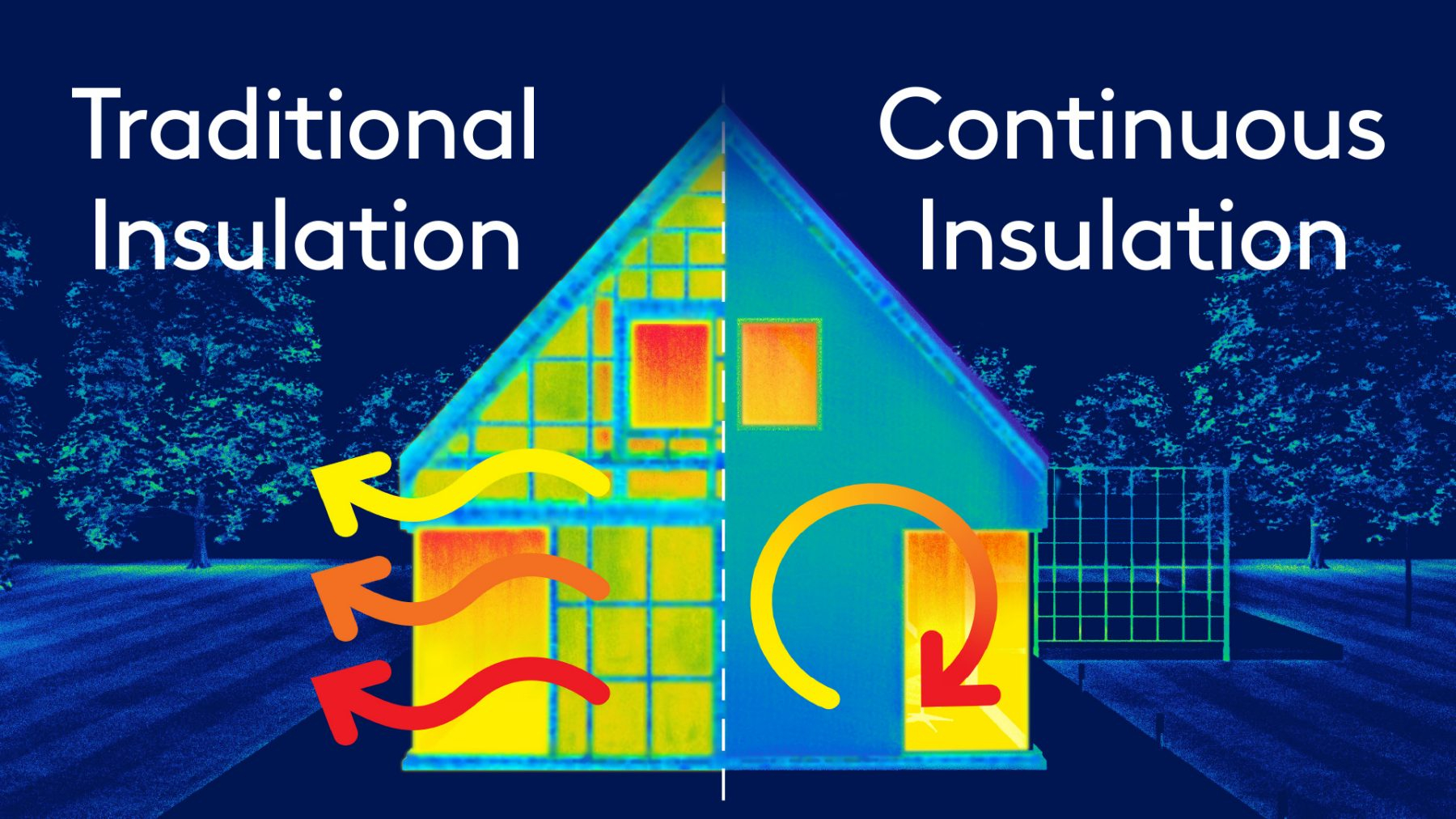
You did everything right. You sealed the cracks. You added the insulation. You probably even swapped out those old windows for triple-pane beauties that make the street noise disappear. Your utility bills dropped, and your home feels cozy, like a warm hug on a cold day. It’s exactly what you wanted. But have you ever stopped to think about what happens when you trap all that heat inside?
It’s a weird thought, isn’t it? We spend thousands making our homes airtight to save the planet and our wallets. Yet, that same airtightness can turn a small electrical glitch or a clogged vent into a disaster waiting to happen. In 2026, we’re seeing more "deep energy retrofits" than ever before. And with them, a quiet rise in home fires linked to the very systems meant to help us. It’s not about scaring you away from being green. It’s about making sure your safe haven stays safe.
Let’s talk about the elephant in the room. Or rather, the spark in the wall.
The Airtight Paradox: When Saving Energy Traps Danger
Here’s the thing about modern, efficient homes: they don’t breathe like the old ones did. Grandma’s house had drafts. You could feel the wind whistling through the floorboards. Annoying? Yes. But those leaks also let smoke and heat escape if something went wrong. Today’s super-insulated homes are like thermoses. They hold everything in. That’s great for your heating bill. It’s terrifying for fire safety.
When a fire starts in an airtight home, it behaves differently. It can grow hotter, faster, because there’s less air exchange to cool it down initially, but once it finds oxygen, it explodes with intensity. Plus, toxic gases like carbon monoxide don’t have an easy exit route. According to recent reports, weatherproofing mistakes are leading to dangerous buildup of gases inside homes. If your furnace heat exchanger cracks or a vent gets blocked, that poison has nowhere to go but into your living room.
It’s not just about the structure, either. It’s about the mindset. We focus so much on R-values and solar gains that we forget the basics. Fire needs three things: heat, fuel, and oxygen. By controlling the environment so tightly, we’ve changed the equation. We need to be smarter about how we manage that controlled environment. Otherwise, we’re just building a better oven.
Electrical Overloads: The Hidden Wiring Crisis
Let’s look at the wires behind your walls. In 2023 alone, nearly 24,000 home fires in the U.S. were blamed on electrical malfunctions. That’s a huge number. And here’s the kicker: many of these happen in homes that are being upgraded for efficiency. Why? Because going green often means adding more power-hungry tech. Think electric vehicle chargers, heat pumps, smart home hubs, and solar inverters.
If you live in an older home, your original wiring wasn’t built for this load. You might have slapped a new solar panel array on the roof and plugged in a Tesla in the garage, but did you check if the panel box can handle it? Deep energy retrofits often involve replacing outdated wiring, but too many contractors cut corners. They assume the old system is "good enough" because it hasn’t failed yet. That’s a gamble with high stakes.
Improper installations are a major culprit. Maybe the connections aren’t tight. Maybe the wrong gauge wire was used for a high-demand appliance. These small errors generate heat over time. Inside a wall packed with fluffy insulation, that heat has nowhere to dissipate. It builds up until something ignites. It’s silent, invisible, and deadly. You won’t smell it until it’s too late.
The Dryer Vent Trap: Lint is Just Gasoline in Disguise
Okay, let’s talk about something simpler. Your clothes dryer. It seems harmless, right? You toss in a load, hit start, and forget it. But dryer vents are one of the most common causes of house fires, especially in efficient homes where vents are routed through long, complex paths to maintain the building envelope.
Lint is flammable. Like, really flammable. It’s basically gasoline waiting for a spark. When you dry clothes, tiny fibers break off and get caught in the vent hose. Over time, this builds up. It restricts airflow. The dryer has to work harder to push the hot air out. It overheats. And if that lint catches a spark from the motor or the heating element? Boom.
In energy-efficient setups, vents are sometimes insulated or routed through attics to prevent heat loss. This can make cleaning them harder. If you don’t clean your dryer vent at least twice a year, you’re inviting trouble. It’s not just about pulling out the lint trap after every load. That only catches the big stuff. The real danger is deep in the ductwork. A clogged vent traps heat, making your dryer overheat and sometimes ignite a fire. Don’t ignore it.
Insulation Choices: Not All Blankets Are Safe
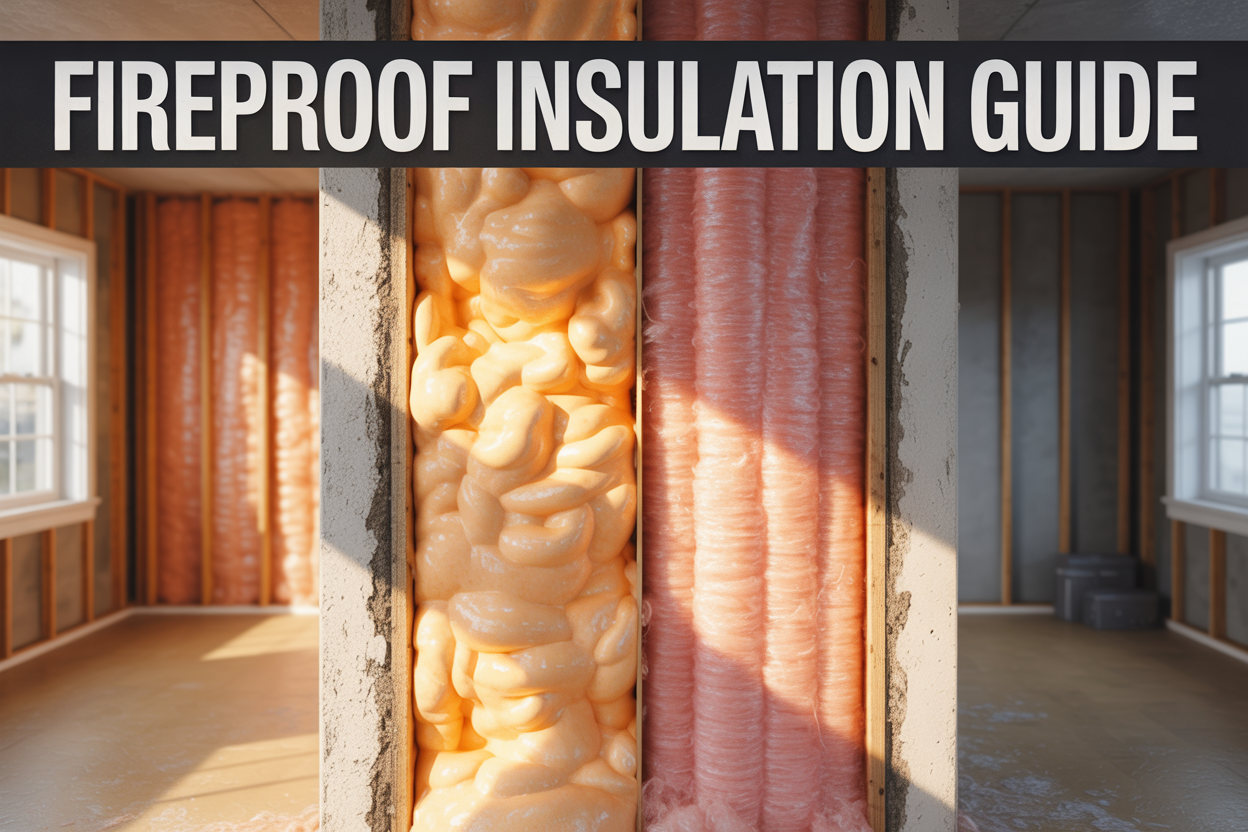
We wrap our homes in insulation to keep them warm. But not all insulation is created equal when it comes to fire. Some materials are naturally resistant. Others? Not so much. If you’re doing a retrofit, you need to know what’s going into your walls.
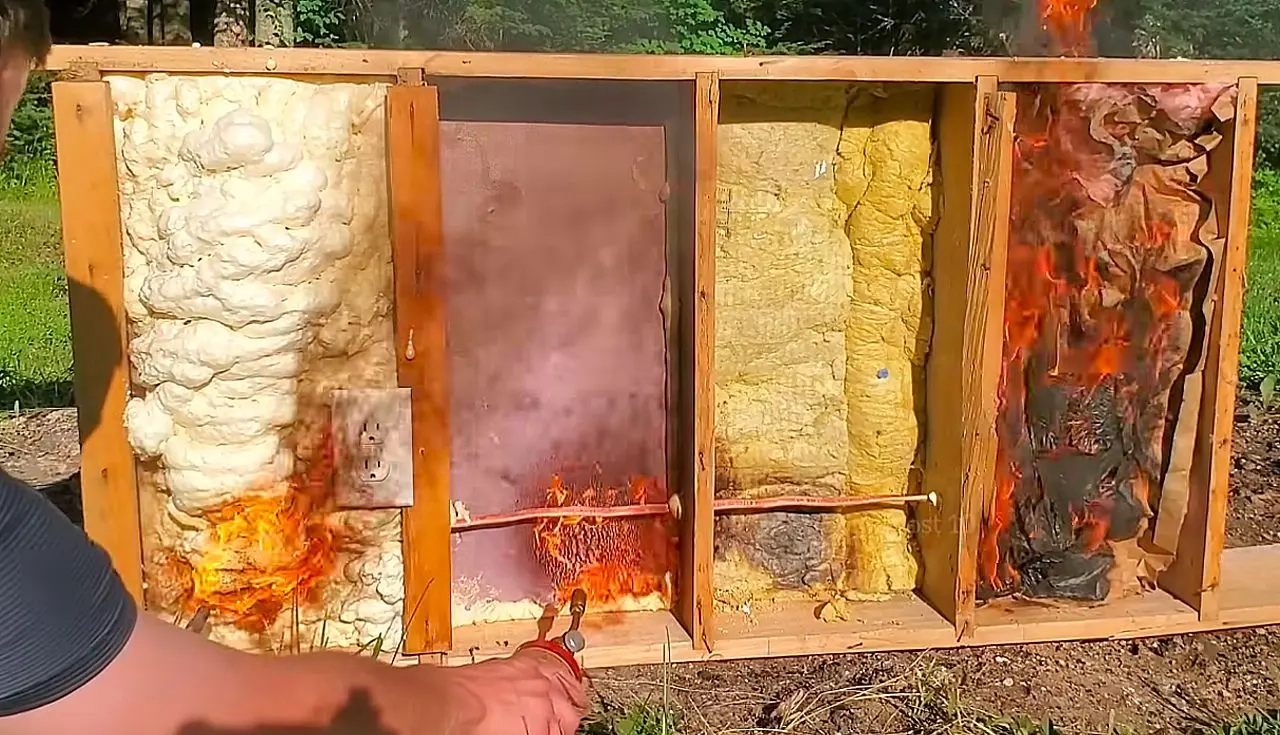
Spray foam is popular. It seals gaps better than anything else. But some types are highly flammable if not covered properly with a thermal barrier like drywall. If that barrier is compromised during renovation or by poor installation, the foam becomes fuel. Cellulose is another common choice. It’s treated with fire retardants, but those chemicals can lose effectiveness over time, especially if the material gets wet or settles unevenly.
Then there’s the issue of coverage. In an effort to maximize efficiency, installers might pack insulation tightly around electrical boxes or light fixtures. Many older fixtures aren’t rated for direct contact with insulation (they need "IC" rating). If you cover a non-IC rated can light with fluffy batts, the heat from the bulb gets trapped. It can reach temperatures high enough to ignite nearby wood framing or the insulation itself. Always check the ratings. Always leave space where required.
Kitchen and Appliance Safety in Sealed Spaces
Kitchens are the heart of the home, and also the most likely place for a fire to start. In an airtight home, the dynamics of cooking change. Range hoods are crucial. They pull out heat, grease, and moisture. But in some green homes, builders install recirculating hoods to avoid punching a hole in the thermal envelope. These just filter the air and blow it back into the kitchen.
That’s a mistake. Grease particles settle on cabinets, walls, and ceilings. Over time, this creates a sticky, flammable layer. When you crank up the stove, you’re essentially cooking next to a slow-burning fuse. Exhausting air outside is always safer, even if it requires a bit more engineering to do it without losing energy. Use backdraft dampers to prevent cold air from coming in when the fan is off.
Also, consider your appliances. Modern induction cooktops are safer than gas because there’s no open flame. But they still generate intense heat. Ensure there’s proper clearance around them. And don’t forget the small stuff. Toasters, microwaves, and coffee makers. Keep them away from curtains or paper towels. In a tight space, a small flare-up can spread to nearby combustibles quickly because the heat doesn’t dissipate into a drafty room.
Smart Design: Building a Fortress, Not Just a Box
So, how do we fix this? It starts with design. Fire-resistant home design isn’t about making your house look like a bunker. It’s about smart choices. Use materials that don’t burn easily. Metal roofing, fiber-cement siding, and double-paned windows with tempered glass can slow down a fire’s progress, whether it’s from inside or outside (like wildfires).
Create defensible space. This isn’t just for people in wildfire zones. Keep clutter away from the exterior of your home. Clean your gutters. Leaves and debris in gutters can catch embers from a neighbor’s fire or even a stray spark from your own chimney. Install gutter guards to keep them clear. It’s a small step that makes a big difference.
Inside, plan your escape. Smoke alarms are non-negotiable. But in an airtight home, you need interconnected alarms. If one goes off, they all go off. Test them monthly. Replace batteries yearly. Better yet, use ten-year sealed lithium batteries. And have a plan. Know two ways out of every room. Practice it with your family. In a fast-moving fire, seconds count. You don’t want to be figuring out which way to go when the smoke is already thick.
It’s also worth looking at passive house standards. They focus on airtightness, yes, but also on rigorous quality control. A well-built passive house is actually safer because it uses high-quality components and careful detailing. The key is execution. Sloppy work kills. Precision saves lives.
Look, we’re not going back to the days of drafty windows and freezing floors. Energy efficiency is good. It’s necessary. But we have to stop treating it like a magic bullet. It’s a system. And like any system, it has weak points. The goal isn’t to choose between saving money and staying safe. It’s to do both.
Start with an audit. Not just an energy audit, but a safety one. Have a qualified electrician check your panel and wiring, especially if you’ve added new loads. Inspect your dryer vent. Check your insulation around lights. Make sure your smoke detectors are working. These aren’t glamorous tasks. They won’t show up on your Instagram feed. But they’ll keep you alive.
Talk to your contractors. Ask them about fire safety. Ask how they’re sealing penetrations. Ask what materials they’re using. If they shrug or say "it’s up to code," dig deeper. Code is the minimum. You want better than minimum. You want peace of mind.
At the end of the day, your home is your sanctuary. It should protect you from the cold, the heat, and the dangers of the world. By paying attention to these hidden risks, you’re not just building a greener home. You’re building a stronger one. A safer one. And that’s worth every penny.
[sps_html tag=”img” src=”https://cdn.northcarolinafinearchitecture.com/2026/06/guide-to-fireproof-insulation-types-materials-and-applications-inside-fire-insulation-design.png” alt=”Guide To Fireproof Insulation: Types, Materials, And Applications … inside Fire Insulation Design” style=”width: 100%; height: auto;”]
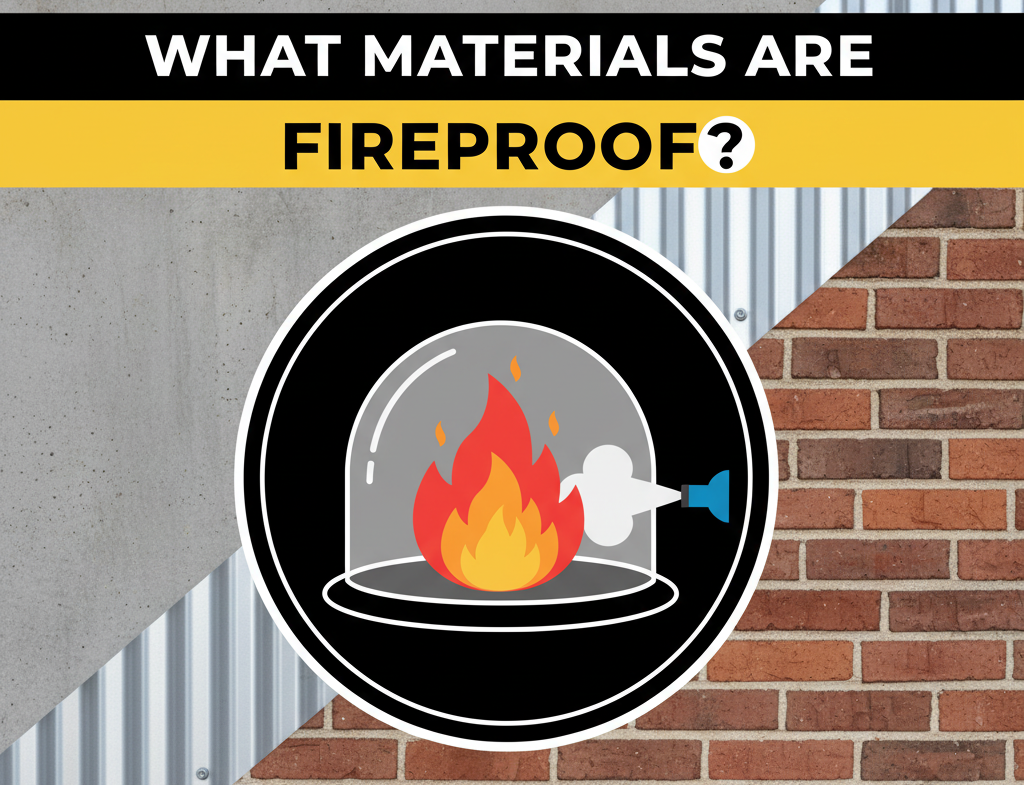
[sps_html tag=”img” src=”https://cdn.northcarolinafinearchitecture.com/2026/06/fireproof-spray-foam-vs-fireproof-insulation-toronto-homes-with-regard-to-the-real-difference-between-fire-resistant-and-fireproof-insulation.png” alt=”Fireproof Spray Foam Vs Fireproof Insulation | Toronto Homes with regard to The Real Difference Between Fire Resistant and Fireproof Insulation” style=”width: 100%; height: auto;”]
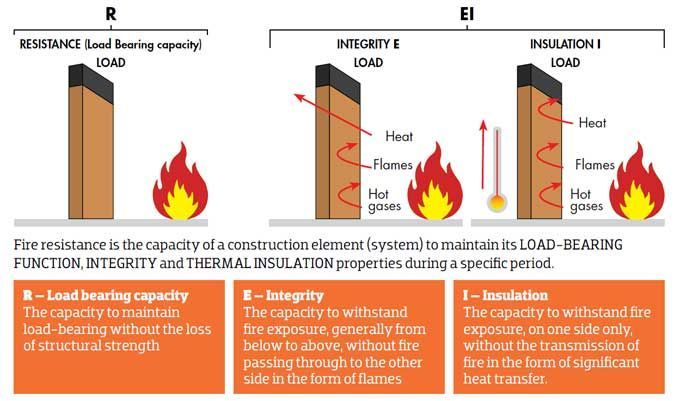
[sps_html tag=”img” src=”https://cdn.northcarolinafinearchitecture.com/2026/06/an-overview-of-fire-resistance-rating-in-construction-fire-training-in-the-real-difference-between-fire-resistant-and-fireproof-insulation.jpg” alt=”An Overview Of Fire Resistance Rating In Construction | Fire Training … in The Real Difference Between Fire Resistant and Fireproof Insulation” style=”width: 100%; height: auto;”]
[sps_html tag=”img” src=”https://cdn.northcarolinafinearchitecture.com/2026/06/fireproof-vs-fire-resistant-insulation-what-you-need-to-know-for-with-fire-insulation-design.webp” alt=”Fireproof Vs. Fire-Resistant Insulation: What You Need To Know For … with Fire Insulation Design” style=”width: 100%; height: auto;”]
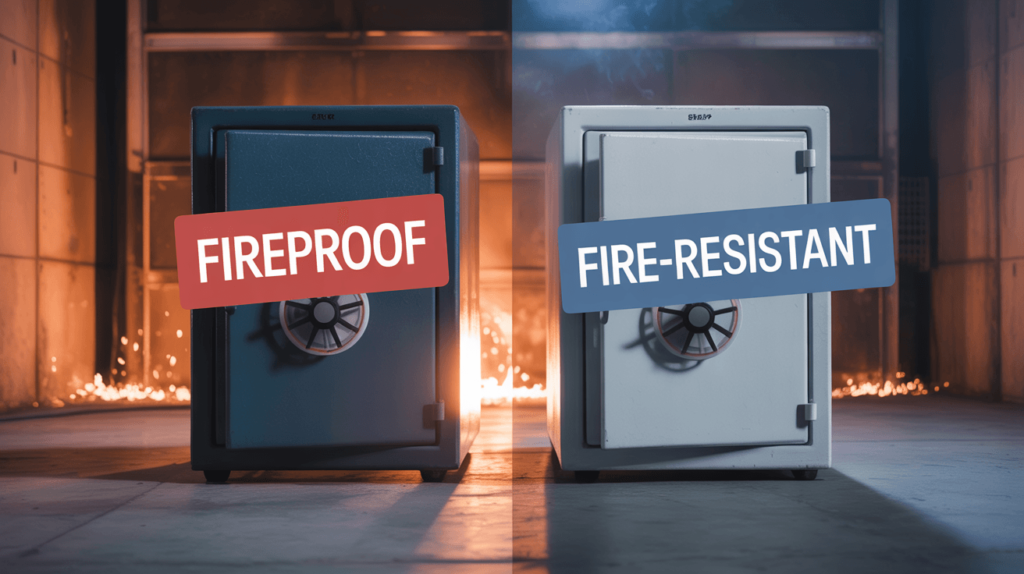
[sps_html tag=”img” src=”https://cdn.northcarolinafinearchitecture.com/2026/06/fireproof-vs-fire-resistant-safes-whats-the-real-difference-jimbosafe-with-fire-insulation-design.png” alt=”Fireproof Vs Fire-Resistant Safes – What’s The Real Difference? - Jimbosafe with Fire Insulation Design” style=”width: 100%; height: auto;”]