Concrete is everywhere. It’s under our feet, around us in the walls of our offices, and holding up the bridges we cross every day. But have you ever stopped to think about the rules that keep it all standing? For engineers and builders, those rules are written in a document that feels less like a code and more like a bible: ACI 318. And in 2026, that bible got a major rewrite.
The release of ACI 318-25 isn’t just another routine update. It’s a shift. A big one. Since the last major revision back in 2019, the world has changed. Climate concerns are louder. Wind storms are stronger. And the way we think about materials has evolved from "just make it strong" to "make it strong, durable, and kind to the planet." If you’re still designing with the 2019 mindset, you’re already behind. Let’s talk about what’s new, why it matters, and how you can master these changes without losing your mind.
The Sustainability Shift: More Than Just Green Washing
Let’s be honest. For years, "sustainability" in concrete design felt like a buzzword. Something you added to a proposal to look good. But ACI 318-25 changes that. It embeds sustainability right into the core requirements. This isn’t optional anymore. It’s code.
The new edition introduces substantive changes to cementitious materials acceptance. What does that mean for you? It means you can’t just grab any bag of cement off the shelf and assume it’s good to go. You need to look at the environmental impact of the materials you’re choosing. The code now encourages the use of supplementary cementitious materials (SCMs) like fly ash and slag, not just for workability, but to reduce the carbon footprint of the structure.
This is a huge deal for durability too. By focusing on the quality and type of cementitious materials, the code aims to create structures that last longer. A building that lasts 100 years instead of 50 is, by definition, more sustainable. So when you’re reviewing mix designs in 2026, ask yourself: Are we meeting the strength requirements? Yes. But are we also meeting the new durability and sustainability provisions? If the answer is no, you’ve got some reworking to do.
Performance-Based Wind Design: Dancing with the Gusts
Wind is tricky. It’s unpredictable. And in recent years, it’s gotten more violent. The old prescriptive methods for wind design were safe, sure, but they were also rigid. ACI 318-25 introduces guidance on Performance-Based Wind Design (PBWD). This is a game-changer for tall buildings and structures in high-wind zones.
PBWD allows engineers to use advanced analysis techniques to predict how a building will behave under specific wind loads. Instead of just following a checklist, you’re simulating real-world scenarios. This leads to more efficient designs. You might find you can use less material in some areas because you understand the forces better. Or, you might realize you need more reinforcement in others to prevent excessive sway.
It’s not for everyone, though. PBWD requires a higher level of expertise and often involves peer review. But for complex projects, it offers a path to safer, more resilient structures. If you’re working on a skyscraper in Miami or a coastal resort in the Carolinas, this section of the code is your new best friend. Don’t ignore it. Embrace it. Learn it.
Deep Foundations: Digging Deeper into Safety
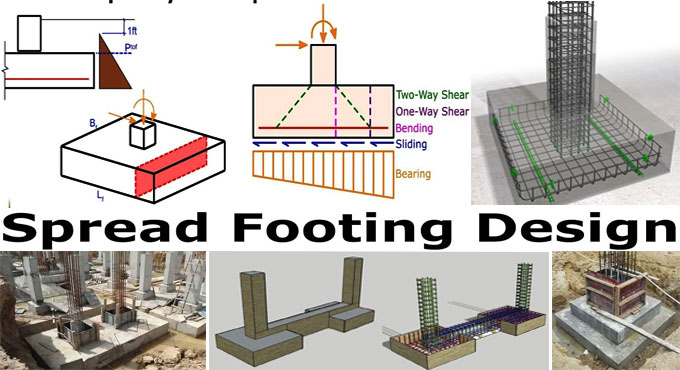
Foundations are the unsung heroes of construction. Nobody sees them, but if they fail, everything else comes down. ACI 318-25 brings new clarity to deep foundation design. This includes drilled shafts, driven piles, and other systems that transfer loads deep into the ground.
The updated code provides more detailed requirements for geotechnical integration. In the past, there was sometimes a gap between what the geotech engineer recommended and what the structural engineer designed. The new provisions help bridge that gap. They emphasize the importance of understanding soil-structure interaction. You can’t just design a pile in a vacuum. You have to know how the soil around it will behave under load.
There’s also a stronger focus on construction tolerances and inspection. Because let’s face it, a perfectly designed pile is useless if it’s installed crooked. The code now outlines clearer expectations for verifying that deep foundations are built as designed. This means more coordination during the construction phase, but it also means fewer surprises later on. And who doesn’t want fewer surprises?
Shear Friction: The Hidden Hero of Connections
Shear friction might sound boring. It’s not as glamorous as designing a beautiful facade or a soaring atrium. But it’s critical. Shear friction is what keeps concrete elements from sliding past each other. It’s what holds precast panels together. It’s what ensures that a beam stays connected to a column during an earthquake.
ACI 318-25 refines the provisions for shear friction. The changes are subtle but important. They clarify how to calculate the capacity of shear keys and roughened surfaces. The goal is to ensure that connections are robust and reliable. In seismic zones, this is especially vital. A weak connection can lead to progressive collapse. We don’t want that.
The new guidance also addresses the use of high-strength concrete in shear friction applications. As concrete strengths have increased over the years, the old equations didn’t always capture the true behavior of the material. The 2025 update adjusts for this, providing more accurate and safer design methods. So next time you’re detailing a connection, take a extra minute to double-check your shear friction calculations. It’s worth it.
Material Acceptance: Quality Control Gets Tougher
You can have the best design in the world, but if the materials are bad, the structure will fail. ACI 318-25 tightens the rules on material acceptance. This covers everything from reinforcing steel to admixtures. The code now requires more rigorous testing and documentation.
For reinforcing steel, there’s a greater emphasis on traceability. You need to know where the steel came from and that it meets the specified standards. This helps prevent the use of substandard materials that might look fine but lack the necessary ductility or strength. In a world where supply chains are global and sometimes shaky, this level of scrutiny is essential.
The code also updates the requirements for concrete curing. Proper curing is key to achieving the desired strength and durability. The new provisions provide clearer guidelines on how long to cure concrete and under what conditions. This might seem like a small detail, but it has a huge impact on the long-term performance of the structure. Don’t skimp on curing. The code won’t let you, and neither should you.
We’ve talked about big concepts like sustainability and wind design. But let’s zoom in. Let’s talk about detailing. The way you place rebar, the spacing of your stirrups, the cover over your reinforcement—these details matter. ACI 318-25 places a renewed focus on detailing for durability.
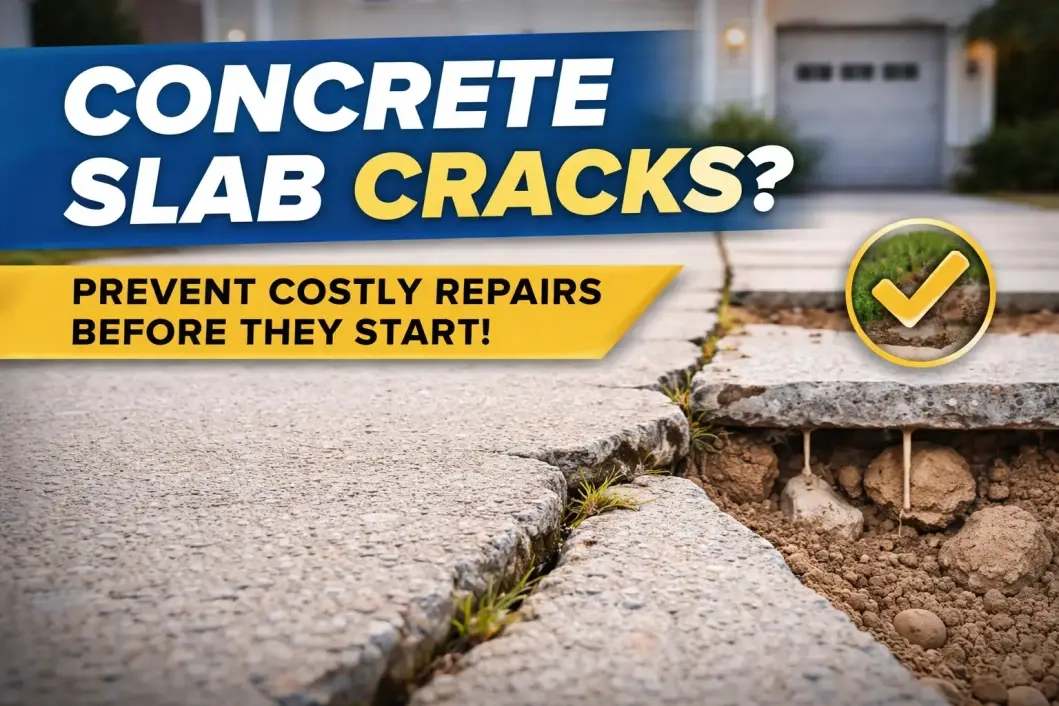
Why? Because corrosion is the enemy of concrete. When water and chlorides get to the steel, it rusts. Rust expands. Concrete cracks. And then the whole system starts to break down. The new code provides more specific requirements for concrete cover in aggressive environments. If you’re building near the ocean or in an area where de-icing salts are used, you need to pay attention.
There’s also new guidance on crack control. Cracks aren’t always bad, but uncontrolled cracks are. The code helps you design reinforcement layouts that keep cracks small and tight. This protects the steel inside and extends the life of the structure. It’s about thinking long-term. It’s about building things that last. And honestly, isn’t that what we’re all trying to do?
So, where does this leave us? ACI 318-25 is more than a set of rules. It’s a roadmap for building better. It challenges us to think differently about materials, design, and construction. It pushes us to consider the environment, the climate, and the future.
Mastering these updates takes effort. You’ll need to read the code. You’ll need to attend workshops. You might even need to unlearn some old habits. But it’s worth it. Because at the end of the day, we’re not just designing structures. We’re creating the spaces where people live, work, and play. And those spaces deserve to be safe, sustainable, and strong.
Don’t wait for a problem to force your hand. Dive into ACI 318-25 now. Ask questions. Challenge assumptions. And build something you can be proud of. The future is concrete, and it’s up to us to shape it right.
[sps_html tag=”img” src=”https://cdn.northcarolinafinearchitecture.com/2026/05/10-most-common-rc-mistakes-youtube-with-reinforced-concrete-design.jpg” alt=”10 Most Common Rc Mistakes! - Youtube with Reinforced Concrete Design” style=”width: 100%; height: auto;”]
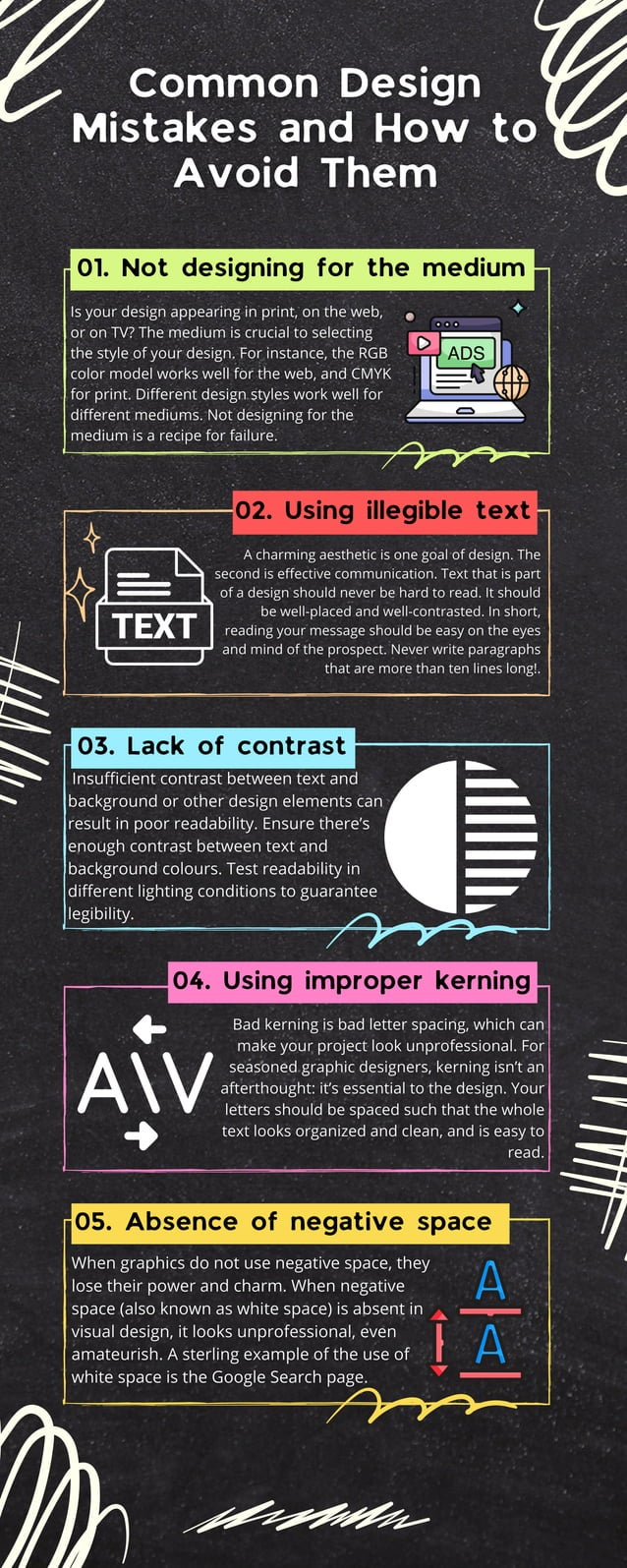
[sps_html tag=”img” src=”https://cdn.northcarolinafinearchitecture.com/2026/05/common-designing-mistakes-and-how-to-avoid-them-pdf-in-common-mistakes-engineers-make-when-designing-rc-elements.jpg” alt=”Common Designing Mistakes And How To Avoid Them | Pdf in Common Mistakes Engineers Make When Designing RC Elements” style=”width: 100%; height: auto;”]
[sps_html tag=”img” src=”https://cdn.northcarolinafinearchitecture.com/2026/05/5-common-mistakes-to-avoid-while-designing-your-home-eg-architects-for-common-mistakes-engineers-make-when-designing-rc-elements.jpg” alt=”5 Common Mistakes To Avoid While Designing Your Home - Eg Architects for Common Mistakes Engineers Make When Designing RC Elements” style=”width: 100%; height: auto;”]
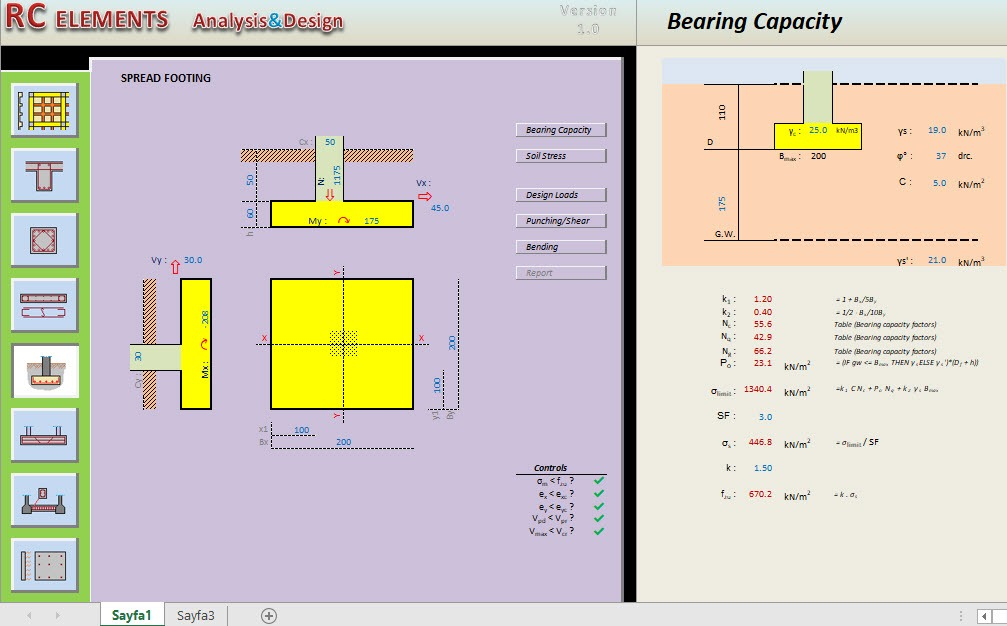
[sps_html tag=”img” src=”https://cdn.northcarolinafinearchitecture.com/2026/05/rc-element-analysis-and-design-spreadsheet-intended-for-reinforced-concrete-design.jpg” alt=”Rc Element Analysis And Design Spreadsheet intended for Reinforced Concrete Design” style=”width: 100%; height: auto;”]
[sps_html tag=”img” src=”https://cdn.northcarolinafinearchitecture.com/2026/05/7-most-common-design-errors-pdf-inside-common-mistakes-engineers-make-when-designing-rc-elements.jpg” alt=”7 Most Common Design Errors | Pdf inside Common Mistakes Engineers Make When Designing RC Elements” style=”width: 100%; height: auto;”]