You’re standing in the middle of a half-finished wall cavity, or maybe staring at a stack of roofing quotes, and the question hits you hard. Which insulation do I actually use? It’s not just about grabbing the cheapest bag off the shelf anymore. In 2026, with energy codes tightening up everywhere from Seattle to Miami, the stakes are higher. You want a building that breathes right, stays dry, and doesn’t cost a fortune to heat when winter rolls around. But the jargon? It’s a mess. Polyiso this, stone wool that, EPS something else.
It feels like everyone has an opinion. Your contractor might swear by foam boards because they’re light and easy to cut. The architect might be pushing for mineral wool because it’s "safer" in a fire. And your uncle? He probably says fiberglass is all you ever needed back in the day. But we aren’t building for yesterday. We’re building for now. And right now, the big three contenders battling for space in your walls and roofs are Polyisocyanurate (Polyiso), Expanded Polystyrene (EPS), and Stone Wool.
Let’s cut through the noise. This isn’t a sales pitch. It’s a look at what these materials actually do, where they fail, and why one might be perfect for your specific project while another could be a costly mistake. Whether you’re retrofitting an old Victorian or designing a modern passive house, understanding the soul of these materials is the first step to getting it right.
Understanding the Big Three: What Are They Actually?
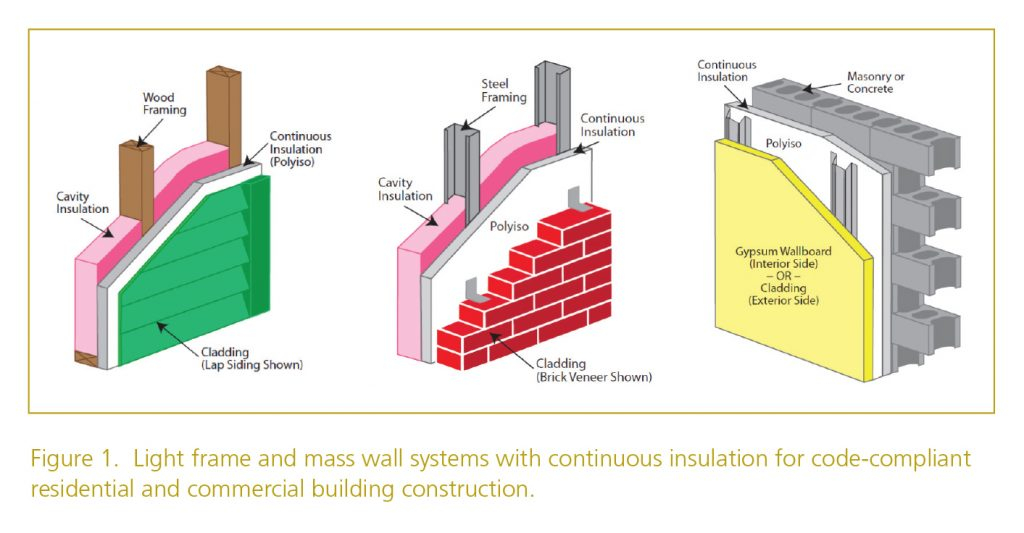
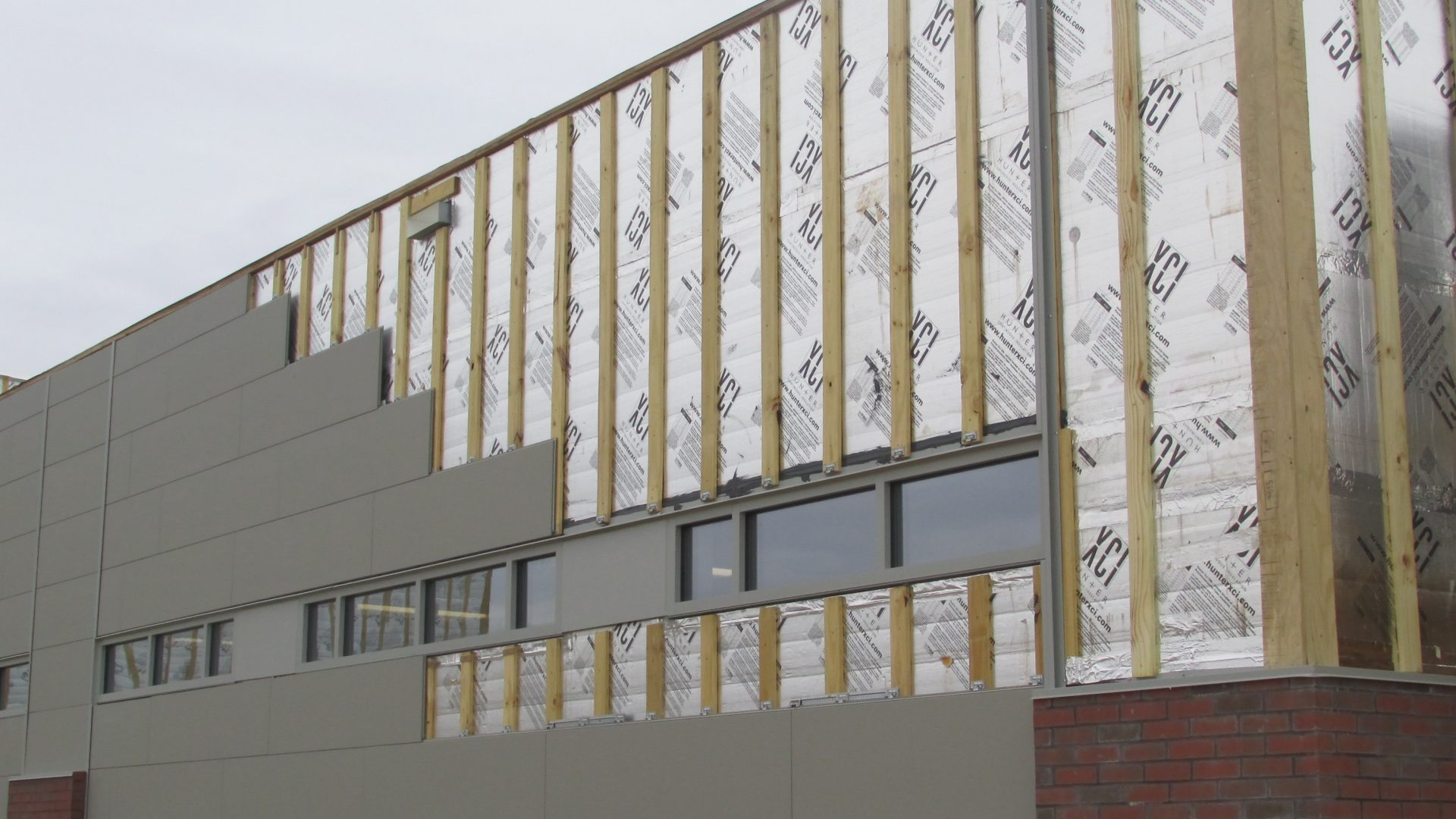
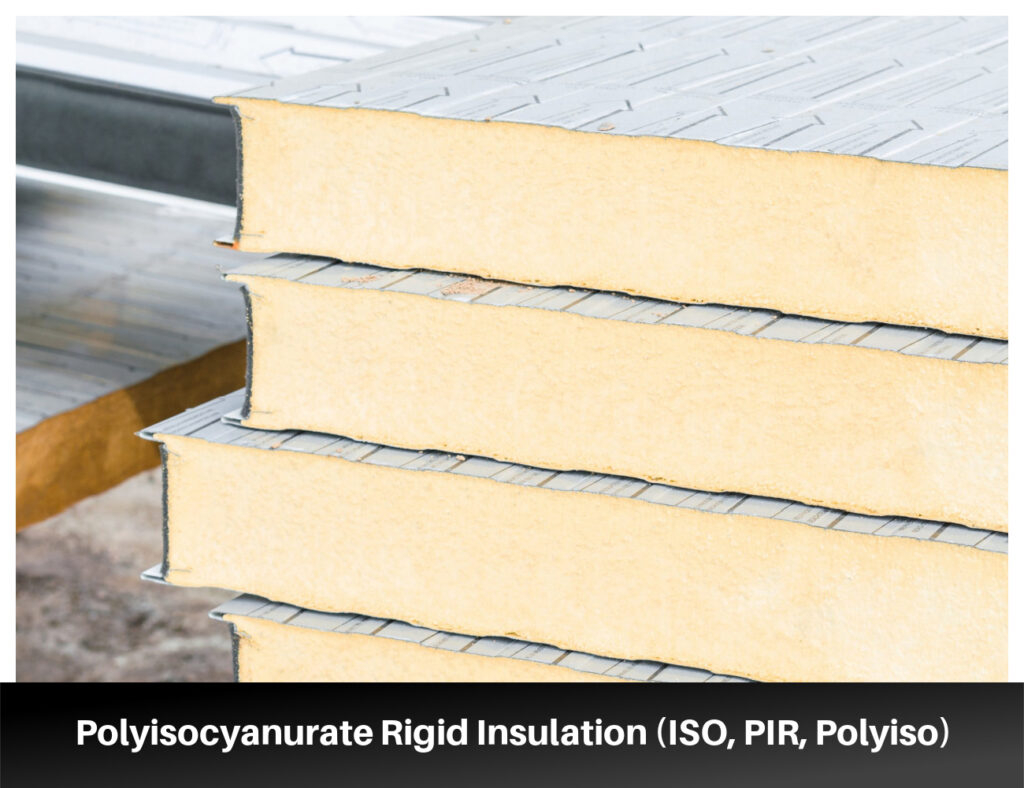
Before we dive into R-values and fire ratings, let’s get clear on what these stuff actually is. Because if you don’t know what you’re holding, you can’t trust it. Polyiso, often called polyisocyanurate, is a thermoset plastic. Think of it as a closed-cell foam sandwiched between two facers, usually foil or glass fiber. It’s rigid, it’s light, and it’s packed with blowing agents that give it incredible insulating power per inch. It’s the high-performer of the foam world. But it’s also sensitive. If you puncture it or get it wet, it can lose some of its mojo over time.
Then there’s EPS, or Expanded Polystyrene. You probably know this stuff better than you think. It’s the white, bead-like foam used in coffee cups and packing peanuts, just denser and molded into boards. Unlike Polyiso, EPS is permeable. It lets moisture vapor pass through it, which sounds scary but is actually a superpower in certain climates. It’s made of tiny beads fused together, so it’s not a solid sheet of plastic like XPS (Extruded Polystyrene). It’s cheaper, simpler, and has been around forever. It doesn’t have the highest R-value, but it doesn’t degrade over time either. What you buy is what you get, ten years later.
Stone wool is the odd one out here. It’s not plastic. It’s rock. Literally. Manufacturers take basalt rock and slag, melt them down at insane temperatures, and spin them into fibers. It looks like dense, gray cotton candy. Because it’s stone, it doesn’t burn. It doesn’t melt. It just sits there. It’s heavy, though. Much heavier than the foams. And while it insulates well, it’s not quite as efficient per inch as Polyiso. But it brings other things to the table, like sound dampening and a serious resistance to water absorption without losing its structure. It’s the tough guy of the group.
The R-Value Race: Efficiency Per Inch
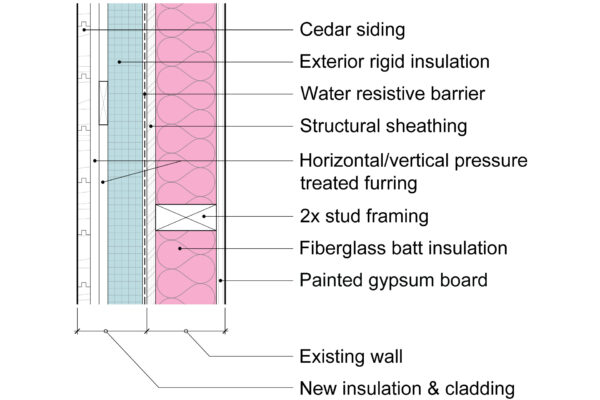
When most people talk insulation, they start with R-value. It’s the measure of thermal resistance. Higher number means better insulation. Simple, right? Well, mostly. Polyiso is the king here. In 2026, standard Polyiso boards still boast an R-value of around R-6 to R-6.5 per inch. That’s huge. If you have thin walls or a roof assembly where every millimeter counts, Polyiso lets you hit high energy targets without making your walls two feet thick. It’s why you see it on so many commercial flat roofs and high-performance residential retrofits.
But there’s a catch. And it’s a big one. Polyiso suffers from "thermal drift." The blowing agents inside the foam cells slowly escape over time and are replaced by air. This means the R-value drops slightly after installation. Most manufacturers rate it based on long-term thermal resistance (LTTR), which accounts for this, but it’s something to keep in mind. In very cold climates, below freezing, Polyiso’s performance can dip even more. So if you’re building in Minnesota or Canada, you might need to derate it slightly in your calculations. Don’t just trust the label blindly.
EPS and Stone Wool are more consistent. EPS hovers around R-3.6 to R-4.2 per inch, depending on the density. It’s lower, sure. To get the same insulation value as an inch of Polyiso, you need nearly two inches of EPS. That takes up space. But EPS doesn’t drift. Its R-value is stable for the life of the building. Stone Wool sits in the middle, usually around R-3.0 to R-3.3 per inch. It’s the least efficient per inch of the three. If space is tight, stone wool might force you to build thicker walls. But if you have the room, does it matter? Maybe not. It depends on your design constraints.
Moisture Management: Letting Walls Breathe
Water is the enemy of any building envelope. Not just leaks, but vapor. Where does the moisture go? This is where the choice between foam and wool gets critical. Polyiso is a vapor retarder. The foil facers act as a barrier. This is great if you want to keep warm, moist indoor air from getting into your cold wall cavity in winter. But if water gets behind it—say, from a leaky window flashings—it’s trapped. Polyiso doesn’t dry out easily. If it gets saturated, it can rot the wood framing behind it. Installation has to be perfect. There’s no room for error.
EPS is different. It’s vapor permeable. It allows moisture to pass through it. This makes it a favorite for exterior insulation on masonry buildings or older homes that need to "breathe." If water gets in, it can get out. It’s forgiving. In 2026, with more focus on resilient design, this trait is gaining popularity. You don’t have to worry as much about creating a perfect vapor seal on the interior because the wall assembly can dry to the exterior. It’s a safer bet for DIYers or projects where achieving a perfect air barrier is tricky.
Stone wool is hydrophobic. That’s a fancy word meaning it repels water. But unlike foam, it’s also vapor open. Water beads up on the surface, but vapor moves right through. If stone wool gets wet, it doesn’t lose its R-value significantly, and it dries out quickly without losing its shape. It won’t sag or settle. This makes it incredibly robust for rainy climates or areas prone to flooding. It’s also non-absorbent in a way that prevents mold growth within the insulation itself. For peace of mind, especially in humid zones, stone wool is hard to beat. It just handles the unexpected better than the foams.
Fire Safety and Acoustic Comfort
Let’s talk about safety. Because nobody wants to think about their house catching fire, but you have to plan for it. Polyiso and EPS are plastics. They burn. Now, they’re treated with flame retardants, and they’ll self-extinguish if the source is removed, but they are combustible. In a major fire, they will contribute fuel. Building codes have strict requirements for how much foam can be exposed and what thermal barriers (like drywall) are needed. It adds complexity to your design. You have to be careful with details around penetrations and edges.
Stone wool is non-combustible. Period. It can withstand temperatures over 1,000 degrees Fahrenheit without melting. It acts as a fire break, slowing the spread of flames through walls and floors. This is why it’s required in many multi-family buildings, high-rises, and commercial projects. Even in single-family homes, using stone wool can lower insurance premiums and provide a crucial extra layer of safety. If fire resistance is a top priority for your project, stone wool wins hands down. No contest.
Then there’s sound. Have you ever heard traffic noise creeping through your walls? Foam insulation, like Polyiso and EPS, is lightweight and rigid. It doesn’t absorb sound waves well. It might block some airborne noise, but it’s not great for impact noise or low-frequency rumble. Stone wool, being dense and fibrous, is excellent at absorbing sound. It dampens noise between rooms and from the outside. If you’re building a home theater, a music studio, or just live on a busy street, stone wool provides a quietness that foam simply can’t match. It’s a quality-of-life feature that’s often overlooked until it’s too late.
Cost, Availability, and Ease of Installation
Money matters. Let’s be real. In 2026, supply chains are better than they were a few years ago, but prices fluctuate. Generally, EPS is the cheapest option. It’s widely available, easy to find at any big-box store, and simple to work with. You can cut it with a utility knife. It’s light. Carrying it up a ladder isn’t a workout. For budget-conscious projects or large areas like slab underslabs, EPS is the go-to. It’s the practical choice.
Polyiso is mid-range in price, usually more expensive than EPS but cheaper than high-density stone wool. However, the cost per R-value is often lower for Polyiso because you need less of it. But installation is trickier. You need to tape the seams carefully to maintain the air barrier. The facers can tear. It’s brittle in cold weather. You need skilled labor to install it correctly. If your crew cuts corners, you lose performance. It’s not a forgiving material for amateurs.
Stone wool is typically the most expensive upfront. It’s heavy, which increases shipping costs. Cutting it requires a serrated knife or a saw, and it creates dust that irritates your skin and lungs (you need good PPE). It’s harder to handle overhead. But it installs tightly. You can friction-fit it between studs without taping seams for air sealing (though you still need an air barrier elsewhere). It’s forgiving of gaps because it’s flexible. For many builders, the ease of fitting it around wires and pipes outweighs the higher material cost. It’s less fussy than foam.
We can’t ignore the planet. In 2026, embodied carbon is a huge deal. How much energy did it take to make this stuff? Polyiso and EPS are petroleum-based. They rely on fossil fuels for production. While they save energy in operation by insulating your home, their creation has a carbon footprint. Some Polyiso uses recycled content, and EPS is recyclable, but the infrastructure for recycling construction foam is still spotty. Most of it ends up in landfills. It’s durable, but it’s not "green" in origin.
Stone wool is made from abundant natural materials: basalt rock and recycled slag (a byproduct of steel production). The manufacturing process is energy-intensive because you have to melt rock, but the raw materials are sustainable. Plus, stone wool is fully recyclable and biodegradable in a sense that it returns to earth without leaving microplastics behind. Many architects are choosing stone wool for LEED or Living Building Challenge projects because of its transparency and natural origins. It feels better to use rock than plastic.
But here’s the twist. The best insulation is the one that performs well for decades. If Polyiso helps you build a net-zero energy home that uses almost no heating fuel, its operational savings might offset its embodied carbon over time. It’s a trade-off. EPS has a lower embodied carbon than Polyiso because it uses pentane as a blowing agent instead of HFCs. Stone wool has high embodied energy but zero toxicity. There’s no perfect answer. It depends on whether you prioritize the manufacturing phase or the operational phase of your building’s life. Know your priorities.
Choosing between Polyiso, EPS, and Stone Wool isn’t about finding the "best" material. It’s about finding the right tool for your specific job. If you need maximum R-value in a thin roof assembly, Polyiso is your friend. Just respect its limits with moisture and fire. If you’re on a budget, insulating a foundation, or need a vapor-open wall that breathes, EPS is reliable and cheap. It’s the workhorse. If you care about fire safety, soundproofing, and using natural materials, Stone Wool is worth the extra cost and effort. It’s the premium, safe choice.
Look at your climate. Look at your budget. Look at your skills. Are you a DIYer who needs forgiveness? Go with EPS or Stone Wool. Are you working with a pro team on a high-performance build? Polyiso might unlock the efficiency you need. Don’t just copy what your neighbor did. Their house faces south; yours faces north. Their soil is dry; yours is wet. Context is everything.
In the end, the best insulation is the one that’s installed correctly. A perfectly specified Polyiso board with gaps and tears is worse than a sloppy-but-thick layer of EPS. Take your time. Plan your layers. Think about water. Think about fire. And remember, this decision will stay in your walls for fifty years or more. Make it count. You’ve got this.
[sps_html tag=”img” src=”https://cdn.northcarolinafinearchitecture.com/2026/06/affordable-thermal-efficiency-continuous-kooltherm-insulation-with-regard-to-rigid-insulation-design.jpeg” alt=”Affordable Thermal Efficiency: Continuous Kooltherm Insulation … with regard to Rigid Insulation Design” style=”width: 100%; height: auto;”]
[sps_html tag=”img” src=”https://cdn.northcarolinafinearchitecture.com/2026/06/continuous-insulation-christie-architecture-intended-for-why-continuous-rigid-insulation-is-the-secret-weapon-for-energy-efficient-homes-in-2026.jpg” alt=”Continuous Insulation - Christie Architecture intended for Why continuous rigid insulation is the secret weapon for energy efficient homes in 2026″ style=”width: 100%; height: auto;”]
[sps_html tag=”img” src=”https://cdn.northcarolinafinearchitecture.com/2026/06/continuous-insulation-using-polyiso-wall-sheathing-resisto-with-regard-to-rigid-insulation-design.jpg” alt=”Continuous Insulation Using Polyiso Wall Sheathing | Resisto with regard to Rigid Insulation Design” style=”width: 100%; height: auto;”]
[sps_html tag=”img” src=”https://cdn.northcarolinafinearchitecture.com/2026/06/continuous-insulation-commercial-roofing-solutions-inside-why-continuous-rigid-insulation-is-the-secret-weapon-for-energy-efficient-homes-in-2026.jpg” alt=”Continuous Insulation – Commercial Roofing Solutions inside Why continuous rigid insulation is the secret weapon for energy efficient homes in 2026″ style=”width: 100%; height: auto;”]
[sps_html tag=”img” src=”https://cdn.northcarolinafinearchitecture.com/2026/06/phenolic-insulation-boards-energy-efficient-and-fire-safe-gfi-throughout-rigid-insulation-design.webp” alt=”Phenolic Insulation Boards: Energy-Efficient And Fire-Safe - Gfi throughout Rigid Insulation Design” style=”width: 100%; height: auto;”]