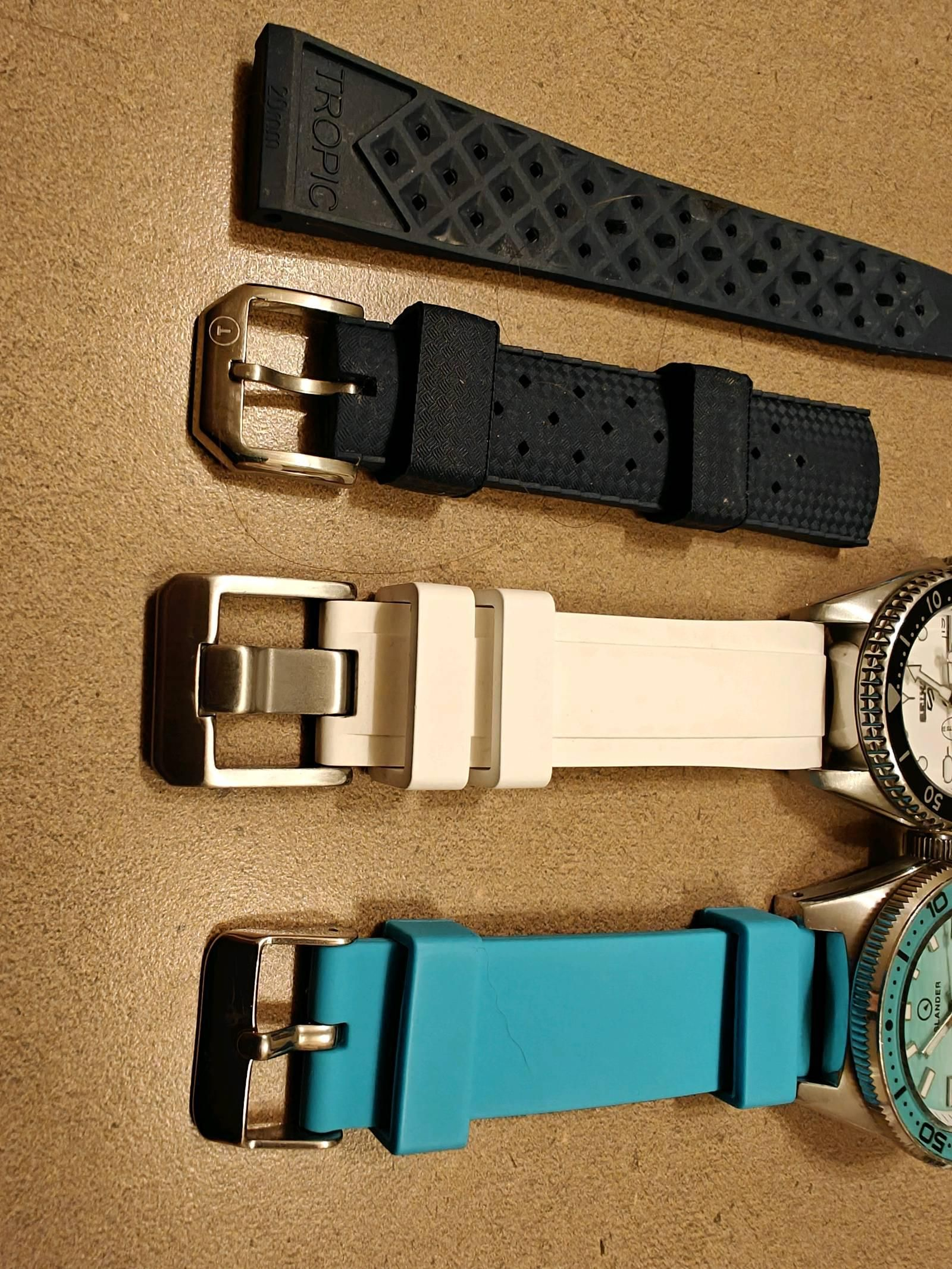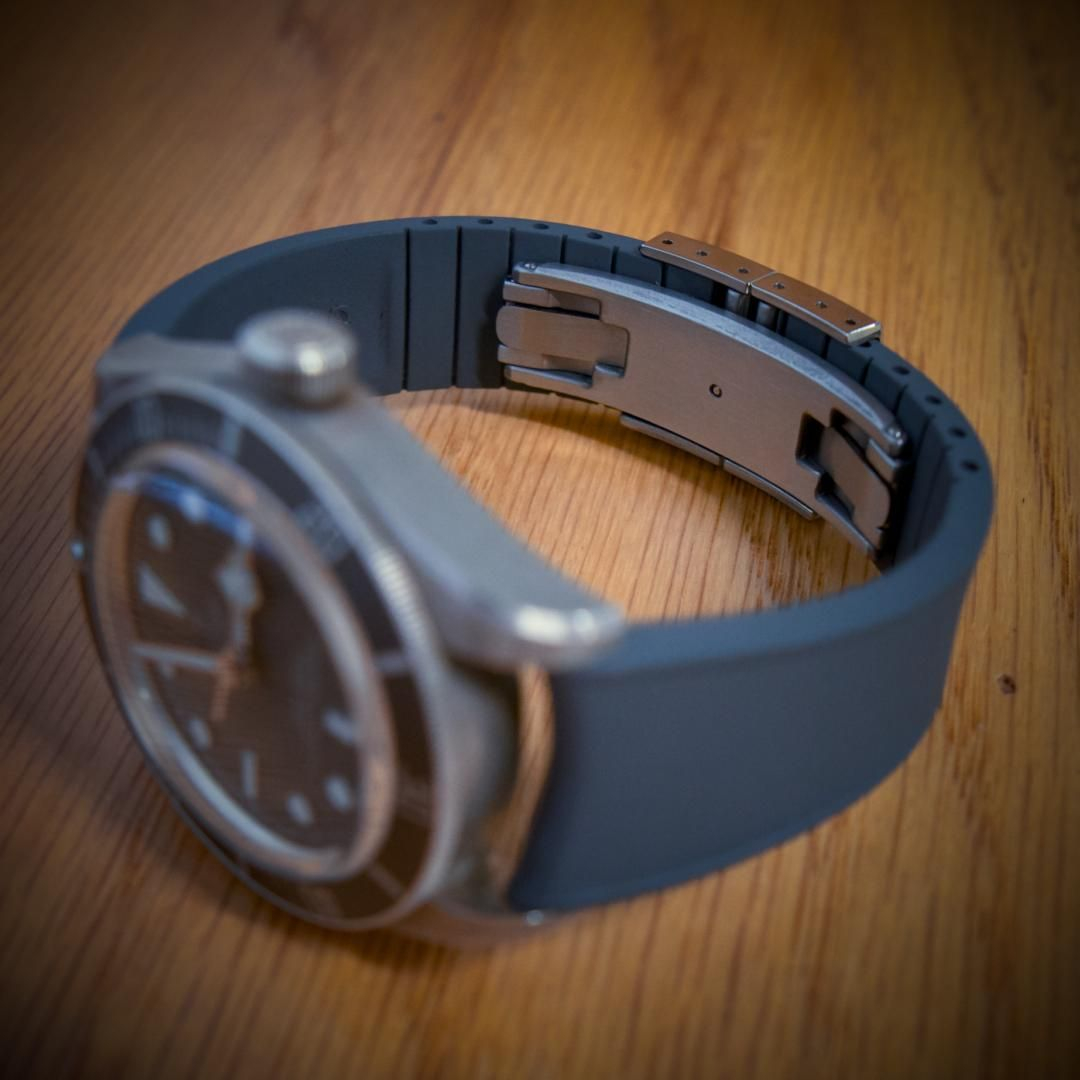
You’ve probably stared at your wrist, wondering why that fancy strap you bought last year looks like it’s been through a war. Or maybe you’re shopping for a new watch band and feeling totally overwhelmed by the choices. Leather? Nylon? Which one actually survives real life? It’s a question that pops up constantly in forums, Reddit threads, and casual conversations among watch enthusiasts. And honestly, there’s no single right answer. It depends on what you do, where you go, and how much abuse you throw at your gear.
Let’s cut through the marketing fluff. Both materials have their strengths and weaknesses. One might look better with a suit, while the other laughs in the face of sweat and rain. But durability? That’s a different beast entirely. In 2026, we’ve seen some wild innovations in both fields, from bio-based nylons to self-healing leathers. Yet, the core differences remain pretty much the same as they were decades ago. This article breaks it all down, so you can stop guessing and start wearing with confidence.
The Basics: What Are We Actually Talking About?
When we say "nylon," we’re usually talking about synthetic polymers woven into fabric. Think parachute cords, seatbelts, or those rugged NATO straps that became huge in the military before hitting civilian wrists. Nylon is lightweight, flexible, and incredibly resistant to abrasion. It doesn’t rot, it doesn’t mind water, and it dries fast. If you spill coffee on it, you just rinse it off. No big deal. It’s the utilitarian workhorse of the strap world.
Leather, on the other hand, is organic. It comes from animal hides—cow, alligator, ostrich, you name it. It’s been used for centuries because it looks good, feels premium, and molds to your skin over time. But here’s the catch: leather is alive in a sense. It breathes, it absorbs moisture, and it reacts to its environment. Sunlight can fade it. Sweat can stiffen it. Water can ruin it if it’s not treated properly. So while it offers that classic, sophisticated vibe, it demands a bit more attention than its synthetic cousin.
The key difference lies in their fundamental nature. Nylon is engineered for consistency and resilience. Leather is crafted for character and aging. One is built to withstand chaos; the other is designed to tell a story. Understanding this distinction is the first step in figuring out which one fits your life.
How They Handle Water and Moisture
Water is the great equalizer. It doesn’t care how expensive your strap is. If you’re swimming, surfing, or just caught in a sudden downpour, your strap’s reaction to moisture matters a lot. Nylon shines here. It’s hydrophobic, meaning it repels water rather than absorbing it. You can wear a nylon strap in the shower, jump in a pool, or hike through a swamp, and it’ll be fine. Maybe a bit smelly if you don’t wash it, but structurally sound. It won’t stretch out or lose its shape.
Leather? Not so much. Even "water-resistant" leather has limits. Most leather straps are treated with oils or waxes to repel moisture, but prolonged exposure can still cause damage. The leather can swell, warp, or even crack as it dries. Saltwater is especially nasty—it can strip away natural oils and leave the leather brittle. If you love the ocean or live in a humid climate, leather might become a hassle. You’ll need to condition it regularly, keep it dry, and maybe even rotate it with another strap.
There are exceptions, of course. Some high-end leathers, like shell cordovan or certain exotic skins, handle water better than others. And some modern treatments have improved leather’s resistance significantly. But generally speaking, if water is a constant factor in your life, nylon is the safer bet. It’s low-maintenance and forgiving. Leather requires a bit more TLC to stay looking good.
Wear and Tear: Daily Abuse Test
Let’s talk about scratches, scuffs, and general beatings. Life is messy. Your wrist bumps into doorframes, desks, and gym equipment. Over time, these little impacts add up. Nylon handles this kind of abuse remarkably well. It’s tough. Scratches barely show up on the woven texture. If it does get damaged, it’s often minor fraying at the edges, which you can trim or ignore. It doesn’t tear easily, and it doesn’t crack. You can wear it hard, put it away dirty, and pull it out months later, and it’ll still look decent.
Leather, however, shows every mark. That’s part of its charm for some people. A scratched leather strap develops a patina—a unique wear pattern that tells the story of your adventures. But for others, those scratches are annoying. They can deepen into cracks, especially if the leather isn’t conditioned. Sharp objects can puncture it. Rough surfaces can scrape off the finish. If you work with your hands, lift weights, or just tend to be clumsy, leather might look worn out faster than you’d like.
That said, leather’s ability to mold to your wrist is a huge plus. It becomes more comfortable over time, conforming to your shape. Nylon stays relatively static. It doesn’t break in the same way. So while nylon wins on pure toughness, leather offers a personalized fit that many find irresistible. It’s a trade-off between ruggedness and comfort.
Comfort and Breathability Factors
Comfort is subjective, but it’s crucial. You’re wearing this thing all day, every day. Nylon straps are breathable because of their woven structure. Air flows through the gaps, keeping your wrist cool and dry. This is great for hot climates or intense workouts. However, some people find the texture a bit rough against the skin, especially if the nylon is thick or poorly finished. Cheap nylon can feel scratchy. Higher-quality versions are smoother, but they still lack the softness of leather.
Leather, when broken in, feels luxurious. It’s soft, supple, and warm. It doesn’t trap heat as much as you might think, especially if it’s perforated or thin. But in humid conditions, leather can stick to your skin and feel clammy. Sweat can accumulate underneath, leading to irritation or odor. Regular cleaning helps, but it’s an extra step. Nylon, again, is easier to maintain in this regard. Just toss it in the wash (if it’s removable) or wipe it down.
Another point: weight. Nylon is lighter. For large watches or heavy divers, this can make a noticeable difference. Leather adds a bit more heft, which some people prefer for a substantial feel. Others find it burdensome after long hours. It really comes down to personal preference. Try both if you can. See which one feels better on your wrist during a typical day.
Longevity and Aging Process
Here’s where things get interesting. How long do these straps actually last? With proper care, a good nylon strap can last five years or more. It won’t look brand new forever, but it remains functional. The colors might fade slightly, especially if exposed to sunlight, but the structural integrity holds up. You can replace the buckle or hardware if needed, extending its life further. It’s a practical choice for long-term use without much fuss.
Leather’s lifespan varies wildly. A cheap leather strap might fall apart in six months. A high-quality one, properly maintained, can last a decade or longer. The aging process is part of the appeal. Leather develops character. It darkens, softens, and gains unique marks. Many enthusiasts love this evolution. It makes each strap one-of-a-kind. But if you prefer a pristine look, leather might frustrate you. It requires regular conditioning, storage away from direct sunlight, and occasional professional cleaning.
In 2026, we’re seeing more sustainable options in both categories. Recycled nylon straps are gaining popularity, offering eco-friendly durability. Similarly, vegetable-tanned leathers are being praised for their lower environmental impact and beautiful aging properties. Whatever you choose, consider the long-term commitment. Nylon is low-effort longevity. Leather is high-reward, high-maintenance longevity.
Price is always a factor. Nylon straps are generally cheaper. You can find decent ones for under $20. High-end branded nylon might cost $50-$100, but it’s still affordable compared to premium leather. The value proposition is clear: you get durability and versatility for a low price. If you lose it or damage it, it’s not a huge financial hit. You can buy multiples for different occasions without breaking the bank.
Leather spans a wide range. Basic leather straps start around $30-$50. Mid-range options go up to $150. Luxury exotic leathers can cost $500 or more. The value here isn’t just in durability—it’s in aesthetics, craftsmanship, and prestige. A well-made leather strap elevates the look of any watch. It signals attention to detail. But if you’re rough on your gear, that investment might not pay off. You could end up replacing it frequently, which adds up.
Think about your usage patterns. If you’re active, outdoorsy, or prone to accidents, nylon offers better value. It’s resilient and replaceable. If you’re dressing up, attending events, or simply appreciate fine materials, leather might be worth the splurge. It’s an investment in style and experience. Neither is inherently better. It’s about aligning cost with your lifestyle and priorities.
So, what’s the verdict? There isn’t one. Nylon and leather serve different purposes. Nylon is the reliable companion for adventure, sports, and everyday grind. It’s tough, easy to clean, and forgiving. Leather is the sophisticated partner for formal occasions, office wear, and those who enjoy the ritual of care. It’s beautiful, comfortable, and full of character.
Maybe you don’t have to choose just one. Many watch owners rotate straps based on activity. Wear nylon during the week for work and workouts. Switch to leather for weekends or special events. This approach gives you the best of both worlds. You get durability when you need it and elegance when you want it.
Ultimately, the best strap is the one that fits your life. Consider your habits, your climate, and your aesthetic preferences. Don’t be swayed by trends or peer pressure. Try both. See how they feel. Watch how they age. And remember, it’s just a strap. It’s meant to be used, enjoyed, and replaced when necessary. Enjoy the journey.
[sps_html tag=”img” src=”https://cdn.northcarolinafinearchitecture.com/2026/06/whats-the-difference-between-cheap-and-expensive-rubber-straps-inside-the-real-difference-between-cheap-and-premium-rubber-straps.jpg” alt=”What's The Difference Between "Cheap" And Expensive Rubber Straps … inside The Real Difference Between Cheap and Premium Rubber Straps” style=”width: 100%; height: auto;”]
[sps_html tag=”img” src=”https://cdn.northcarolinafinearchitecture.com/2026/06/rubber-strap-for-ulysse-nardin-marine-maxi-marine-22mm-luxury-within-strap-design.jpg” alt=”Rubber Strap For Ulysse Nardin Marine/Maxi Marine - 22Mm - Luxury … within Strap Design” style=”width: 100%; height: auto;”]
[sps_html tag=”img” src=”https://cdn.northcarolinafinearchitecture.com/2026/06/universal-waterproof-sports-silicone-watch-band-premium-rubber-strap-for-the-real-difference-between-cheap-and-premium-rubber-straps.jpg” alt=”Universal Waterproof Sports Silicone Watch Band - Premium Rubber Strap … for The Real Difference Between Cheap and Premium Rubber Straps” style=”width: 100%; height: auto;”]
[sps_html tag=”img” src=”https://cdn.northcarolinafinearchitecture.com/2026/06/premium-rubber-strap-review-delugs-watchcrunch-inside-the-real-difference-between-cheap-and-premium-rubber-straps.jpg” alt=”Premium Rubber Strap Review - Delugs | Watchcrunch inside The Real Difference Between Cheap and Premium Rubber Straps” style=”width: 100%; height: auto;”]
[sps_html tag=”img” src=”https://cdn.northcarolinafinearchitecture.com/2026/06/fkm-rubber-vs-silicone-watch-straps-whats-the-real-difference-with-strap-design.webp” alt=”Fkm Rubber Vs Silicone Watch Straps: What’s The Real Difference … with Strap Design” style=”width: 100%; height: auto;”]