Imagine looking up at a roof and seeing more than just shingles or flat gray membranes. Picture a living, breathing carpet of greenery interspersed with sleek, dark panels humming with electricity. It sounds like something out of a sci-fi movie, doesn’t it? But in 2026, this isn’t fiction. It’s becoming the new standard for smart, sustainable building. We used to think we had to choose. Do we want nature? Or do we want power? Turns out, that was a false choice all along.
The idea of slapping solar panels on a roof is old news. Everyone knows they save money and help the planet. Same with green roofs. They look nice, keep buildings cool, and handle rain. But when you put them together? That’s where the magic happens. It’s not just adding two things side-by-side. It’s about synergy. The plants help the panels work better. The panels help the plants survive. It’s a partnership. And honestly, it’s one of the most exciting developments in urban design we’ve seen in years.
You might be wondering if it’s worth the hassle. Is it expensive? Will it leak? Will the plants die? These are fair questions. For a long time, the industry treated these as separate systems. You hired a roofer, then an electrician, then maybe a landscaper. Nobody talked to each other. That led to mistakes. But today, integrated "biosolar" systems are solving those problems. We have better mounting tech. We have hardier plants. And we have a much clearer understanding of how these two elements dance together. Let’s dig into why this combo is taking over rooftops everywhere.
The Science of Synergy: How Plants and Panels Help Each Other
Let’s get into the nitty-gritty of why this works. Solar panels hate heat. Seriously. When silicon cells get too hot, their efficiency drops. It’s a well-known physics problem. On a traditional black tar roof in the middle of July, temperatures can skyrocket. This cooks the panels, and you lose precious energy production. Maybe five percent, maybe ten. That adds up over a year. Now, imagine those same panels sitting above a bed of sedum.
Sedum is a succulent. It holds water. As the sun beats down, that moisture evaporates. This process, called evapotranspiration, acts like natural air conditioning for the roof surface. Studies have shown that this cooling effect can lower the ambient temperature around the panels significantly. Cooler panels mean higher voltage. Higher voltage means more electricity. It’s a simple cause-and-effect chain, but the impact is real. You aren’t just generating power; you’re generating more power because of the plants.
But wait, it goes both ways. Sedum loves sun, but it hates drying out completely. In the height of summer, full exposure can stress even the toughest succulents. The solar panels cast shadows. These shadows move across the roof as the sun travels. This partial shading gives the plants a break. It reduces water stress. It means you don’t have to irrigate as much, if at all. In many climates, a biosolar roof is self-sustaining. The panels protect the plants from scorching, and the plants cool the panels. It’s a perfect little ecosystem right on top of your head.
Choosing the Right Setup: Integrated vs. Mounted Systems
So, how do you actually build this thing? You can’t just throw some dirt on the roof and stick panels on top. There are structure and safety issues to consider. In 2026, there are three main ways people are doing this. The first is the "integrated" system. Here, the mounting frames for the solar panels are designed to sit directly within the green roof layers. The vegetation grows right up to the edge of the panel frames. It looks seamless. It’s tidy. And it maximizes the use of space.
The second option is mounting the panels above the green roof. This uses taller legs or racks. The benefit here is airflow. By lifting the panels higher, you allow wind to pass underneath, which helps with cooling even more. It also makes maintenance easier. You can walk under the panels to check the plants or fix a leak without disturbing the electrical gear. However, these systems are heavier and catch more wind. Your roof structure needs to be strong enough to handle that extra load. Always check with a structural engineer before going this route.
Then there’s the zoned approach. This is simpler. You dedicate one part of the roof to solar and another part to sedum. They don’t overlap. This is great for irregularly shaped roofs or if you have obstacles like vents or skylights. It’s easier to install because you’re basically doing two separate jobs. But you lose that synergistic cooling effect for the most part. The panels don’t get the direct benefit of the nearby plants unless they’re close. For most homeowners wanting maximum efficiency, the integrated or elevated mounted systems are the way to go. They offer the best performance bang for your buck.
Sedum Selection: Picking Plants That Thrive Under Panels
Not all plants are created equal. You wouldn’t plant a rose bush on a roof and expect it to survive without constant care. That’s why sedum is the king of green roofs. It’s tough. It’s drought-resistant. It handles extreme temperatures. But even within the sedum family, there are choices to make. When combining with solar, you want varieties that stay low and spread fast. You don’t want tall plants that might shade the bottom of the panels or get tangled in the wiring.
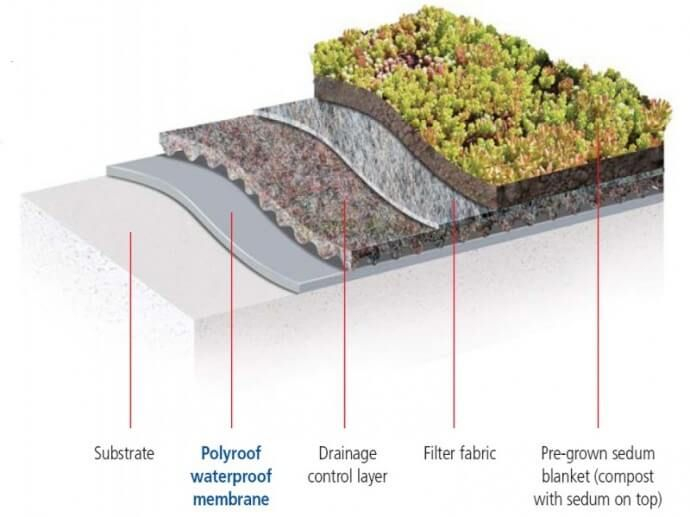
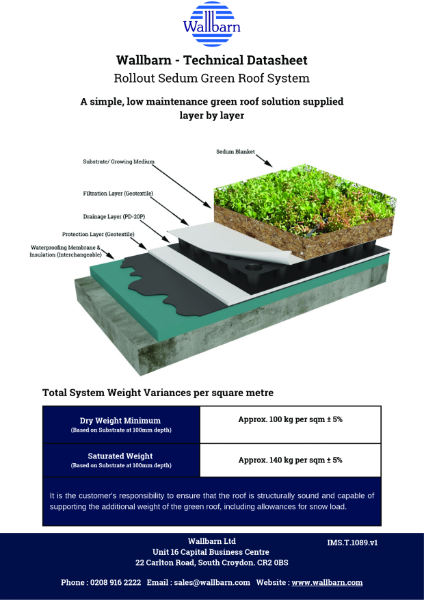
Common choices include Sedum acre, Sedum album, and Sedum spurium. These are hardy perennials. They form a dense mat that protects the waterproofing membrane below. In 2026, suppliers are also offering pre-grown mats. These are like rolls of carpet, but made of living plants. You unroll them, and boom, instant green roof. This is much faster than planting individual plugs. It also ensures immediate coverage, which helps prevent weeds from taking hold. Weeds are the enemy of a good green roof. They compete for nutrients and can grow tall enough to cause issues with the solar array.
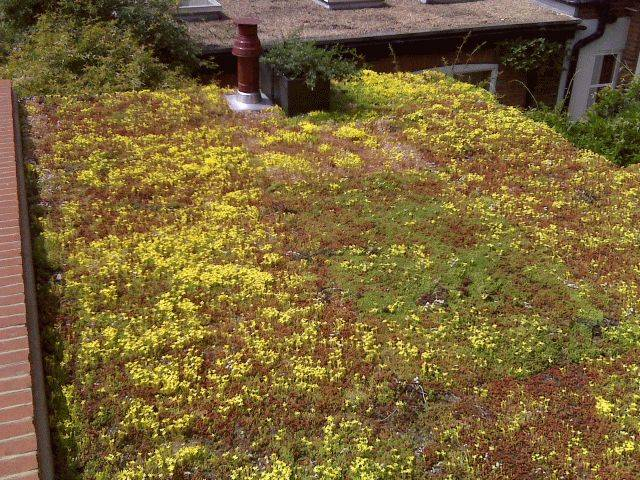
Another trend we’re seeing is the mix of wildflowers with sedum. This is often called a "biodiverse" roof. It’s great for bees and butterflies. But you have to be careful. Some wildflowers grow tall. If you go this route, you need to choose species that stay low or mow them regularly. Also, consider the local climate. What works in London might not work in Arizona. Local nurseries and green roof specialists can tell you which native sedums perform best in your area. The goal is a low-maintenance carpet that stays green (or turns a nice reddish hue in winter) without needing much love from you.
Installation Essentials: Weight, Waterproofing, and Safety
Let’s talk about the boring but critical stuff. Weight. A green roof is heavy. When it’s dry, it’s manageable. But when it rains, that substrate soaks up water like a sponge. A typical extensive sedum roof can weigh between 80 to 150 kg per square meter when saturated. Add solar panels, mounting rails, and ballast (if needed), and the load increases. Your roof deck must be able to support this. If you’re retrofitting an old building, this is the first thing to check. Reinforcing a roof is expensive. It’s better to know before you start.
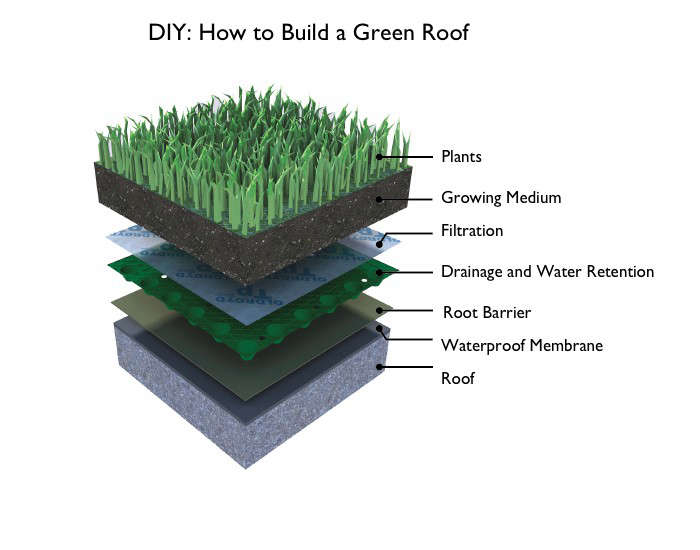
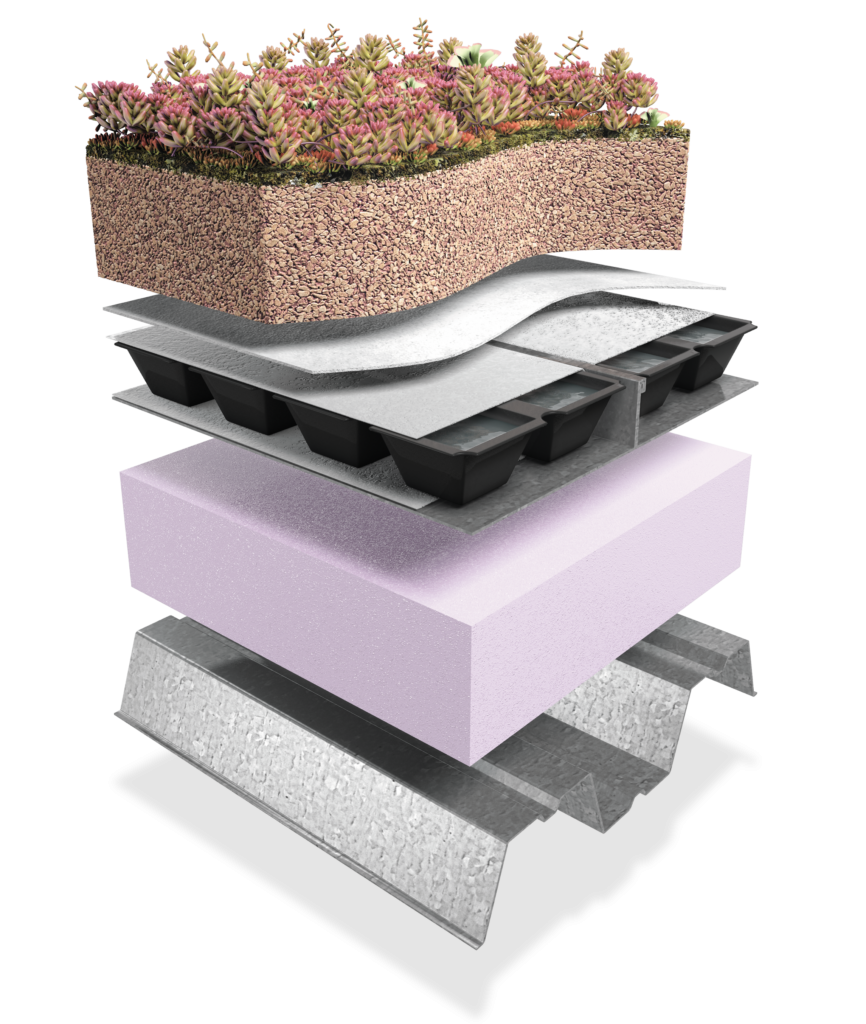
Waterproofing is equally important. You’re putting a garden on your house. Leaks are not an option. The root barrier layer is key here. Roots are persistent. They will find tiny cracks and push through. A high-quality root-resistant membrane is non-negotiable. On top of that, you need a drainage layer. This allows excess water to flow away so the plants don’t drown. It also prevents water from pooling around the solar mounts, which could lead to corrosion or leaks. In 2026, many systems come as complete kits. These include the membrane, drainage, filter fabric, substrate, and plants. Using a certified system takes the guesswork out of it.
Fire safety is another concern people raise. Does a green roof burn? Actually, no. Sedum is mostly water. It’s fire retardant. In fact, a green roof can help stop a fire from spreading across the roof surface. However, the solar panels and their electrical components need to be installed to code. Clearances around the panels are important for firefighters to access the roof if needed. Most regulations require a clear path around the edges and between arrays. Make sure your installer knows the local fire codes. It’s not just about compliance; it’s about peace of mind.
Maintenance and Long-Term Care in 2026
One of the biggest myths is that green roofs are "install and forget." They’re low maintenance, not no maintenance. You still need to check them. Twice a year is usually enough. Spring and autumn are the best times. In spring, you’re checking for winter damage. Did any plants die? Are there weeds sprouting? Pull the weeds early. If you let them go, they become a big job later. In autumn, you’re clearing debris. Leaves from nearby trees can clog drains. Clogged drains mean standing water. Standing water means dead plants and potential leaks.
Solar panels need cleaning too. Dust, pollen, and bird droppings can block sunlight. On a normal roof, you might hose them down. On a green roof, you have to be careful. You don’t want to wash mud onto the panels. Most modern setups are angled enough that rain does a decent job. But in dry spells, a gentle rinse might be needed. Use deionized water if possible to avoid spots. Check the connections. Ensure no vines or fast-growing sedum are creeping over the panel frames. Trim them back if they are.
The good news is that technology is making this easier. In 2026, smart monitoring systems are common. Your solar inverter tells you if a panel is underperforming. If one string drops in output, you know exactly where to look. Some green roof systems even have moisture sensors. These can alert you if the substrate is too dry or too wet. This data helps you intervene only when necessary. It takes the guesswork out of care. Remember, a little bit of attention goes a long way. A well-maintained biosolar roof can last 20 to 30 years or more. That’s a long time to enjoy free energy and a beautiful view.
Let’s talk money. Yes, installing a combined system costs more upfront than just solar or just a green roof. You’re paying for two technologies and specialized labor. But the return on investment is shifting. In 2026, many governments are recognizing the dual benefits. There are grants available specifically for "green-yellow" roofs. These incentives cover a portion of the installation cost. Some cities offer tax breaks for stormwater management, which green roofs provide. Others offer feed-in tariffs for solar energy. When you stack these incentives, the payback period shrinks significantly.
Beyond direct savings, there’s property value. Buildings with sustainable features sell for more. They’re attractive to buyers who care about energy bills and environmental impact. They’re also attractive to commercial tenants who want to meet corporate sustainability goals. A biosolar roof is a statement. It says you’re forward-thinking. It says you care about resilience. As climate change leads to hotter cities and heavier storms, these roofs become assets. They reduce the urban heat island effect. They manage flood risk. They create habitats for pollinators.
Looking ahead, the tech is only getting better. We’re seeing lighter substrates. More efficient panels that work better in low light. Even modular systems that snap together like Lego bricks. The barrier to entry is lowering. What was once a niche solution for eco-warriors is becoming mainstream construction practice. Whether you’re a homeowner looking to cut bills or a developer aiming for LEED certification, the combination of solar and sedum offers a compelling path forward. It’s practical. It’s profitable. And it’s pretty darn cool.
So, where does this leave us? We’ve moved past the era of single-purpose roofs. We don’t have to choose between function and form, or between energy and ecology. We can have both. The symbiosis of solar panels and sedum creates a roof that is greater than the sum of its parts. It’s cooler, more efficient, and more resilient. It handles rain, generates power, and supports life.
If you’re considering a roof replacement or a new build, seriously look into this option. Talk to specialists who understand both sides of the equation. Don’t just hire a solar guy and hope for the best. Find a team that sees the whole picture. Ask about the weight loads. Ask about the plant species. Ask about the warranties. Do your homework. The initial effort pays off in decades of reliable performance.
In the end, it’s about creating spaces that work with nature, not against it. Our cities are dense. Space is limited. Every square foot counts. By stacking functions, we make the most of what we have. We turn passive surfaces into active contributors. It’s a small step for one building, but multiplied across thousands of roofs, it’s a giant leap for our urban environment. And isn’t that the kind of future we all want to see? One that’s brighter, greener, and a whole lot smarter.
[sps_html tag=”img” src=”https://cdn.northcarolinafinearchitecture.com/2026/05/hardscaping-101-green-roofs-gardenista-pertaining-to-outdoor-sedum-roof-design.jpg” alt=”Hardscaping 101: Green Roofs: Gardenista pertaining to Outdoor Sedum Roof Design” style=”width: 100%; height: auto;”]
[sps_html tag=”img” src=”https://cdn.northcarolinafinearchitecture.com/2026/05/image-below-shows-an-extensive-green-roof-section-sedum-finish-low-in-choosing-between-natural-and-synthetic-drainage-for-your-extensive-sedum-roof-system.jpg” alt=”Image Below Shows An Extensive Green Roof Section (Sedum Finish) Low … in Choosing Between Natural and Synthetic Drainage for Your Extensive Sedum Roof System” style=”width: 100%; height: auto;”]
[sps_html tag=”img” src=”https://cdn.northcarolinafinearchitecture.com/2026/05/extensive-sedum-green-roof-rollout-blanket-system-extensive-sedum-within-choosing-between-natural-and-synthetic-drainage-for-your-extensive-sedum-roof-system.png” alt=”Extensive Sedum Green Roof - Rollout Blanket System - Extensive Sedum … within Choosing Between Natural and Synthetic Drainage for Your Extensive Sedum Roof System” style=”width: 100%; height: auto;”]
[sps_html tag=”img” src=”https://cdn.northcarolinafinearchitecture.com/2026/05/extensive-green-roof-with-drainage-reservoir-layers-inside-outdoor-sedum-roof-design.png” alt=”Extensive Green Roof With Drainage & Reservoir Layers inside Outdoor Sedum Roof Design” style=”width: 100%; height: auto;”]
[sps_html tag=”img” src=”https://cdn.northcarolinafinearchitecture.com/2026/05/extensive-sedum-green-roof-rollout-blanket-system-extensive-sedum-within-choosing-between-natural-and-synthetic-drainage-for-your-extensive-sedum-roof-system.jpg” alt=”Extensive Sedum Green Roof - Rollout Blanket System - Extensive Sedum … within Choosing Between Natural and Synthetic Drainage for Your Extensive Sedum Roof System” style=”width: 100%; height: auto;”]