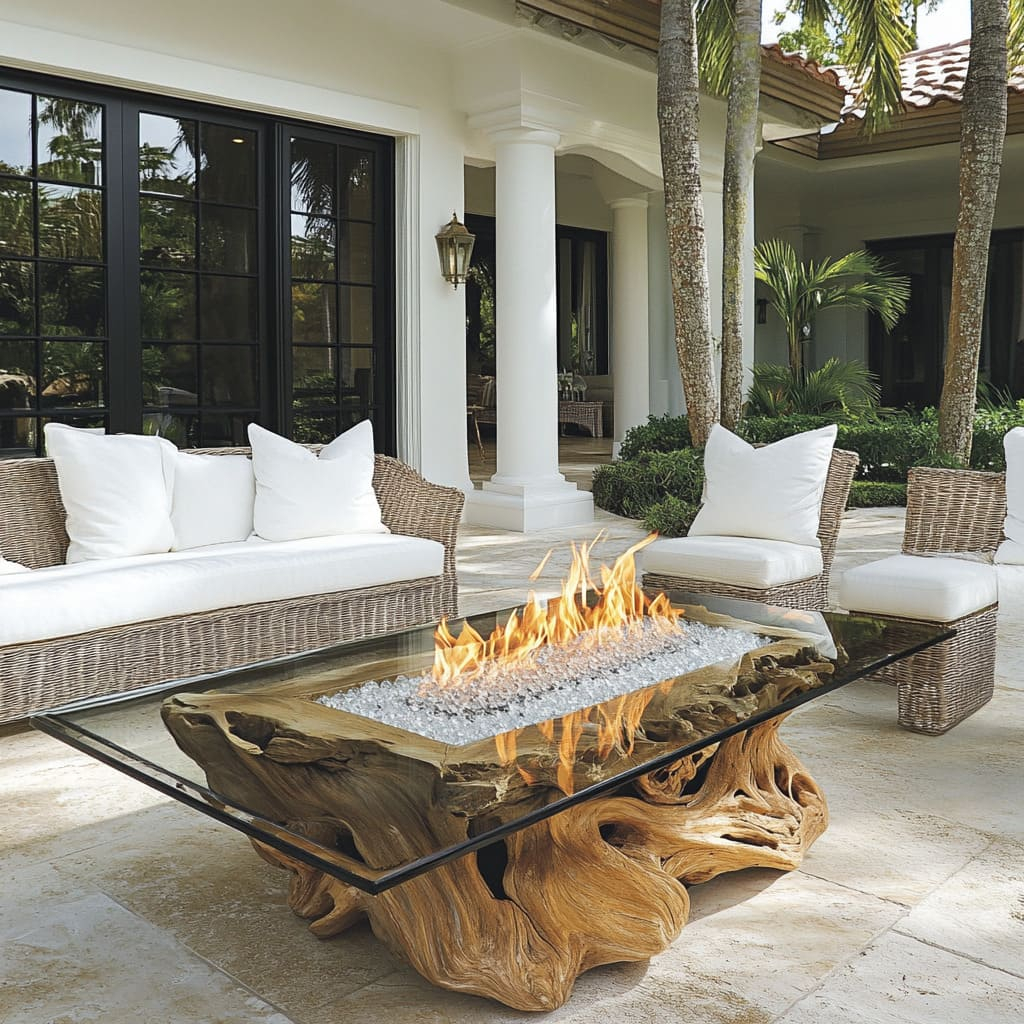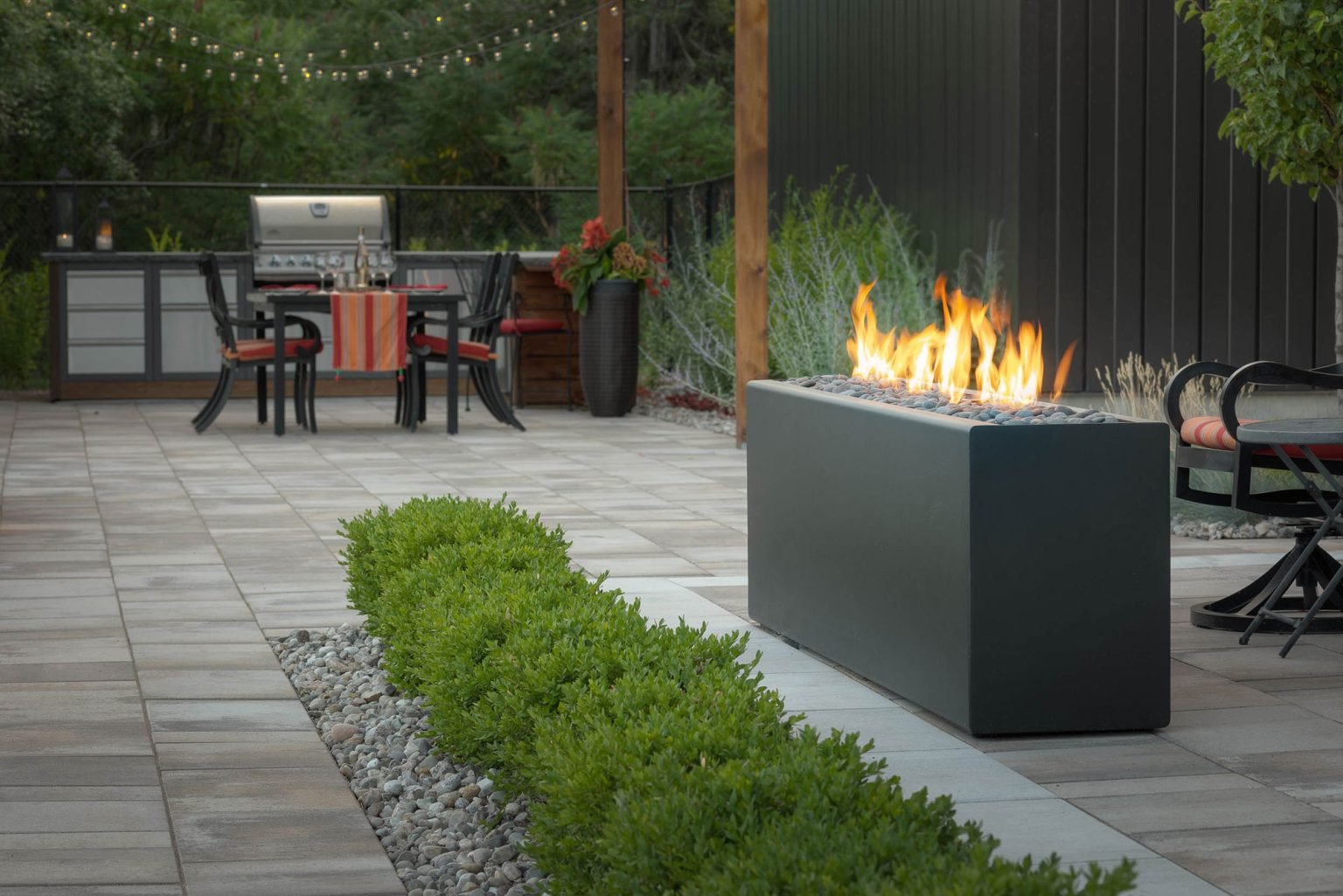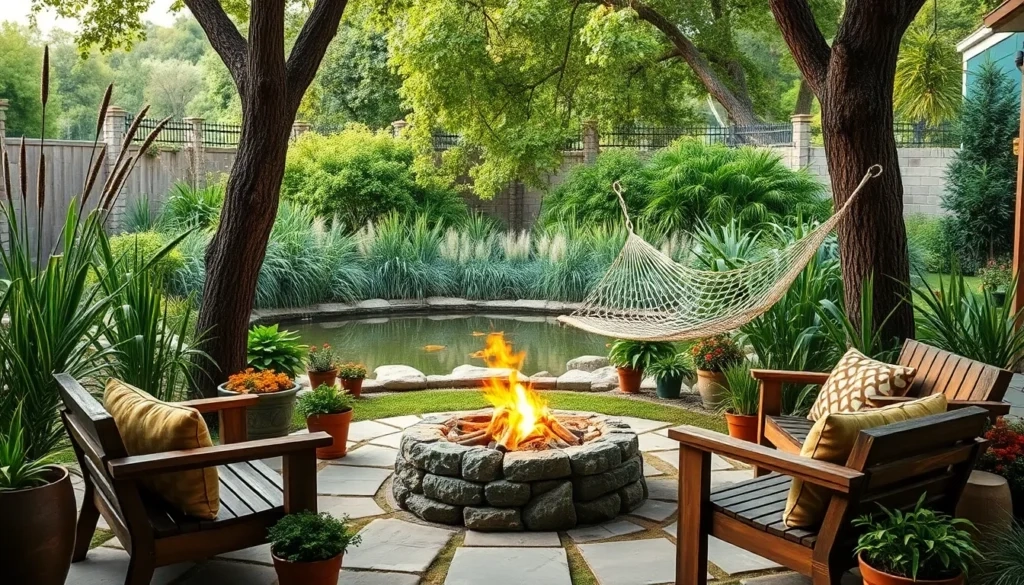
There’s something primal about gathering around a fire. It pulls people together. It slows down the conversation. In 2026, the backyard has become more than just a patch of grass; it’s an extension of our living rooms, a place where we host dinner parties, unwind after work, and make memories. But let’s be honest, once the sun dips below the horizon, things can get chilly fast. That’s where the fire table comes in. It’s not just a heater. It’s a centerpiece. It’s the reason your guests linger a little longer.
Choosing the right one, though? That’s where things get tricky. Walk into any home improvement store or scroll through online retailers, and you’re bombarded with options. Concrete, metal, glass beads, lava rock. Propane, natural gas. Do you go big and bold or small and subtle? It’s easy to feel overwhelmed. You don’t want to spend hundreds, maybe even thousands, on something that looks great for a month and then rusts out or, worse, doesn’t provide enough heat to keep your toes warm. We’ve sifted through the noise, looked at the top-rated models from brands like Ebel, Kenwood, and Pottery Barn, and talked to folks who’ve made every mistake in the book so you don’t have to.
This isn’t just about buying furniture. It’s about curating an experience. Whether you have a tiny urban balcony or a sprawling suburban patio, there’s a perfect fire table waiting for you. The key is knowing what questions to ask before you hit "buy." Let’s dive in and figure out how to turn your outdoor space into the cozy retreat you’ve been dreaming of.
Fueling the Flame: Propane vs. Natural Gas
The first big decision you’ll face is what powers your fire. It basically comes down to two choices: propane or natural gas. Both have their perks and their downsides, and the right choice depends entirely on your lifestyle and your setup. Propane is the most common route for a reason. It’s portable. You hook up a tank, usually hidden inside the base of the table, and you’re good to go. There’s no need for a professional installer to run a gas line. You can move the table around if you decide to rearrange your patio layout next summer. Brands like those featured in Popular Mechanics’ 2026 lineup often highlight this flexibility as a major selling point for renters or homeowners who like to change things up.
But propane isn’t without its annoyances. You have to monitor the fuel level. Nothing kills a vibe faster than the flame sputtering out in the middle of a story. You’ll need to keep spare tanks on hand, which means finding a place to store them. And while modern tanks are better, they still add weight and bulk to the unit. On the other hand, natural gas is the "set it and forget it" option. If your home already has a natural gas line running to the patio, connecting a fire table is a breeze. You get an endless supply of fuel. No running to the hardware store at 9 PM because you forgot to check the tank. It’s also generally cheaper to operate in the long run.
However, natural gas requires a permanent installation. You’re committing to a specific spot. If you move the table, you need to disconnect and reconnect the gas line, which isn’t exactly a DIY-friendly task for most people. Plus, the initial hookup cost can be steep if you don’t already have a line nearby. According to recent guides from Starfire Direct, BTU output is similar between the two, but natural gas tends to offer a slightly more consistent flame pressure. Think about how you use your space. Do you value convenience and mobility? Go propane. Do you want low-maintenance, endless heat? Natural gas might be your best bet.
Material Matters: Durability Meets Design
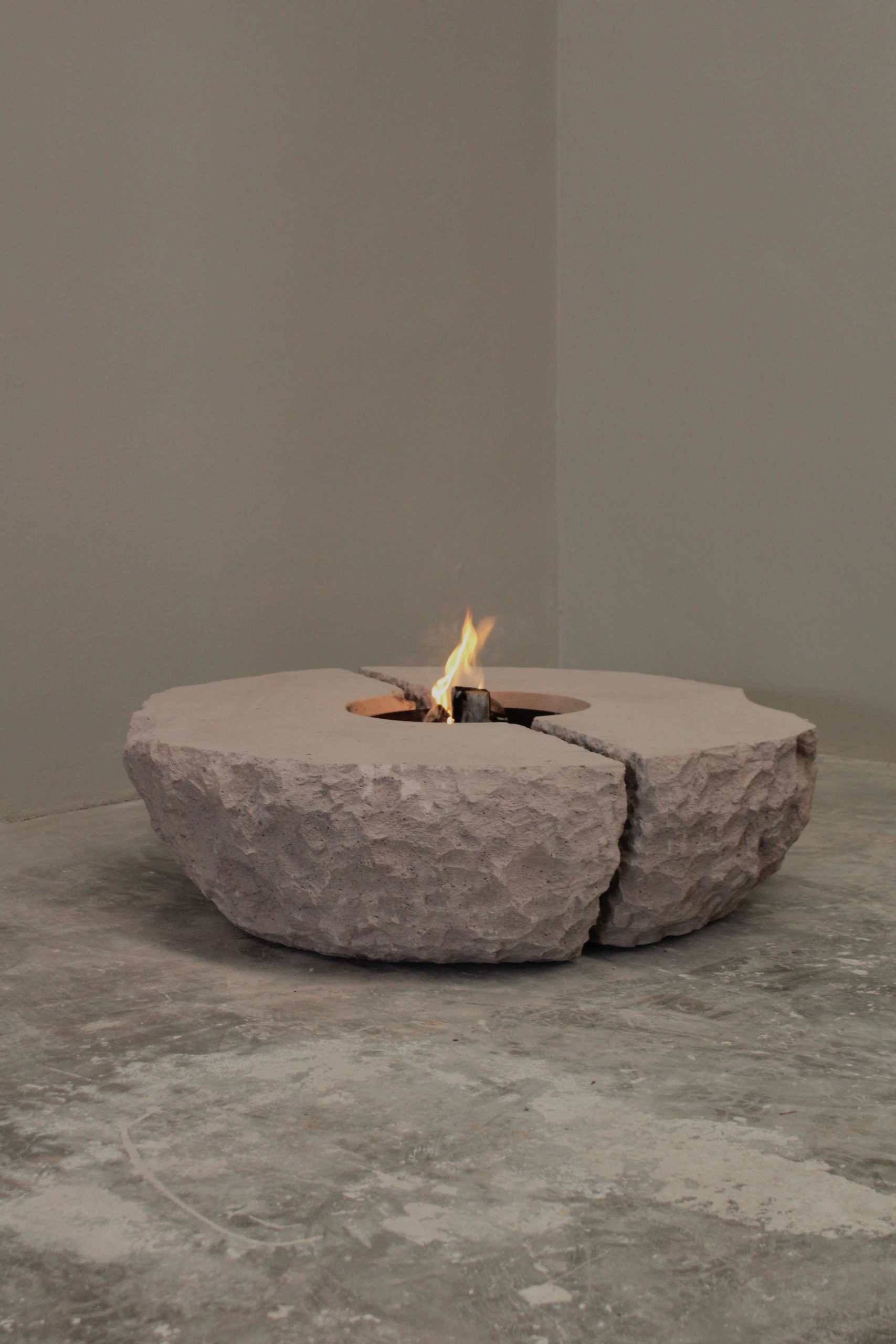
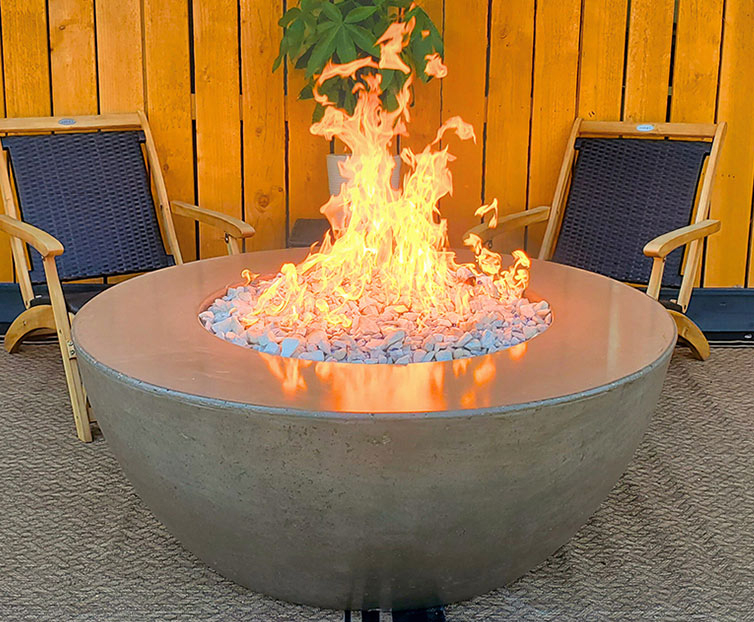
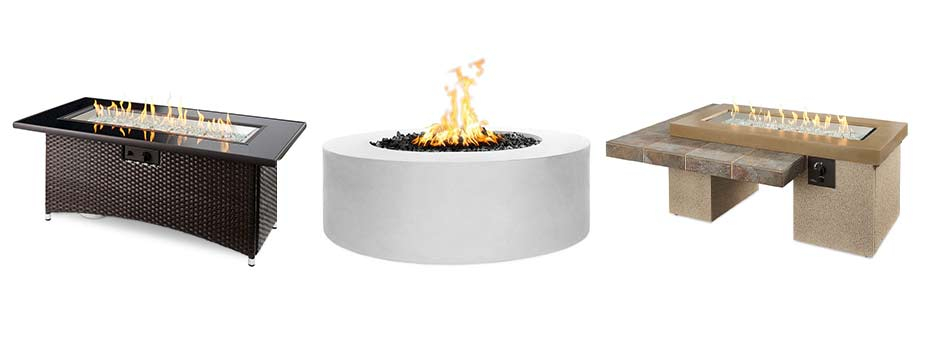
Once you’ve picked your fuel, it’s time to look at what the table is actually made of. This is where aesthetics and longevity collide. In 2026, the market is dominated by three main materials: concrete, powder-coated metal, and sometimes a mix of both. Concrete tables are having a huge moment. They’re heavy, which makes them stable in windy conditions, and they offer a modern, industrial chic look that fits well with contemporary outdoor decor. Majestic Fountains highlights several concrete models this year for their ability to retain heat and resist weathering. But concrete isn’t invincible. It can crack if water gets inside and freezes during winter, so proper covering is non-negotiable.
Powder-coated aluminum or steel is another popular choice. These tables are lighter, making them easier to move (if you’re not hooked up to natural gas). The powder coating is key here—it’s a baked-on finish that resists rust and fading much better than standard paint. Look for high-quality coatings, especially if you live in a humid or coastal area where salt air can eat away at lesser finishes. Bob Vila’s testing team noted that the best metal tables in 2026 feature thick-gauge materials that don’t dent easily. A flimsy table might look okay in the showroom, but one season of harsh weather can leave it looking battered.
Then there’s the finish and style. Do you want something that blends in with your existing furniture, or do you want the table to be a statement piece? Neutral tones like gray, beige, and black are safe bets that won’t clash with your cushions or rugs. But don’t be afraid of texture. Some tables feature faux stone finishes or intricate metalwork. Just remember, the material affects maintenance. Concrete might need sealing every few years. Metal might need a quick wipe-down to remove pollen or bird droppings to prevent staining. Think about how much effort you’re willing to put in. If you’re low-maintenance, a high-quality powder-coated metal table might save you some headache down the road.
Sizing It Right: Fit and Function
It’s tempting to go for the biggest, baddest fire table you can find. Bigger flame, right? More warmth? Not necessarily. And definitely not if it overwhelms your space. Sizing is crucial. You need to consider both the physical dimensions of the table and the heat output, measured in BTUs (British Thermal Units). For a small balcony or a cozy nook, a compact square or round table, maybe 30 to 40 inches wide, is plenty. It provides enough heat for two to four people without taking up all your walking room. Forbes Vetted’s 2026 picks include several smaller models that prove you don’t need a massive footprint to make an impact.
For larger patios or decks, you can go bigger. Rectangular tables, often 50 to 60 inches long, allow more people to gather around. They also provide more surface area for setting down drinks and plates, which is a huge plus. If you’re hosting dinner parties, look for a table with wide edges or a design that allows for dining chairs to be pulled up close. But here’s the thing: heat dissipates quickly outdoors. A massive table with low BTUs won’t keep you warm. Conversely, a tiny table with super-high BTUs might feel like a blast furnace if you’re sitting too close. Aim for a balance. Most experts recommend at least 40,000 to 50,000 BTUs for a standard-sized table to provide noticeable warmth in cooler evenings.
Don’t forget clearance. You need space around the table for safety. Most manufacturers recommend keeping combustible materials—like wooden decks, umbrellas, or overhanging branches—at least a few feet away. Measure your space carefully. Sketch it out if you have to. Imagine people moving around the table. Can you walk past comfortably? Is there room to pull out chairs? It’s easy to misjudge this when you’re excited about the purchase. Take a tape measure outside. It’s the best tool you’ve got. Also, consider the height. Standard dining height is around 30 inches, while counter height is closer to 36 inches. Make sure your chairs match the table height, or you’ll end up with awkward, uncomfortable seating.
Style and Aesthetics: Making It Yours
Your fire table should feel like a natural part of your outdoor oasis, not an alien object dropped from space. This is where personal taste comes into play. Are you into modern minimalism? Look for clean lines, smooth concrete, and simple geometric shapes. Do you prefer a rustic, cabin-like vibe? Maybe a table with a textured finish or darker, earthy tones would fit better. The Patio Pro’s reviews from earlier this year show a wide range of styles, proving that there’s truly something for every aesthetic. The key is cohesion. Look at your existing outdoor furniture. What colors are dominant? What materials are used? Try to complement, not clash.
Accessories play a big role in styling, too. Most fire tables come with a cover for the burner when it’s not in use. Some use decorative glass beads, while others use lava rocks. Glass beads come in dozens of colors—clear, blue, black, even mixed hues. They reflect the light beautifully and can add a pop of color. Lava rocks are more natural-looking and tend to be cheaper, but they can look a bit rougher. You can swap these out easily, so don’t stress too much about the initial choice. It’s an easy way to refresh the look later on.
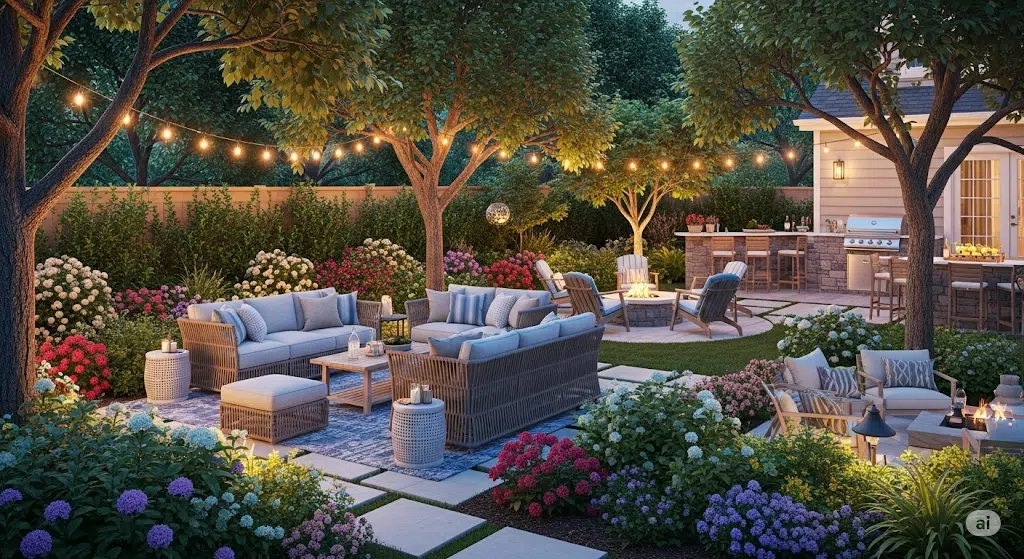
Lighting is another factor. Many 2026 models come with built-in LED lighting in the base or around the rim. This adds ambiance when the fire is off or low. It’s a nice touch for evening gatherings. But make sure the lighting is subtle. You don’t want it to compete with the flame. The fire should be the star. Also, think about the surrounding decor. A nice outdoor rug, some weather-resistant pillows, and perhaps a few potted plants can frame the fire table and make the whole area feel intentional and inviting. It’s about creating a zone, a destination within your backyard.
Safety First: Non-Negotiables
Let’s talk about the serious stuff. Fire is beautiful, but it’s also dangerous. Safety shouldn’t be an afterthought; it should be a primary filter for your purchase. In 2026, safety standards are stricter, but not all tables are created equal. Look for certifications. In the US, look for CSA (Canadian Standards Association) or ANSI (American National Standards Institute) certification. This ensures the table has been tested for safety and performance. Loomlan’s buying guide emphasizes American-made quality and robust safety features, which is a good signpost for reliable products. Don’t skimp here. A cheap, uncertified table is a risk you don’t want to take.
Wind is a major concern. A gusty night can blow the flame around, potentially igniting nearby objects or just making the fire inefficient. Many high-quality tables come with wind guards or enclosed burner designs that protect the flame. If you live in a windy area, this is a must-have feature. Also, consider the ignition system. Electronic ignition with a battery backup is convenient and safer than manual sparkers, which can fail or require you to lean over the table to light it. Auto-shutoff features are another great safety net. If the flame goes out unexpectedly, the gas should cut off immediately to prevent buildup.
Placement is half the battle. Never use a fire table under a covered porch with a low ceiling unless it’s specifically rated for it. Heat rises, and it can damage overhead structures or start a fire. Keep it on a non-combustible surface. If you have a wooden deck, use a fire-resistant mat underneath. Keep a fire extinguisher nearby. It sounds extreme, but it’s better to be safe. And always supervise the fire. Never leave it burning unattended, especially if kids or pets are around. Teach everyone in the household how to turn it off properly. Safety isn’t just about the product; it’s about how you use it.
Fire tables range from a few hundred dollars to several thousand. It’s a wide spectrum. So, how much should you spend? The answer depends on how often you’ll use it and how long you expect it to last. A budget-friendly table under $500 might look nice initially, but it’s likely made with thinner materials and simpler components. It might last a season or two before showing wear. If you’re in a rental or only plan to use it occasionally, this might be fine. But if you see this as a long-term investment for your home, spending more upfront often pays off. Mid-range tables ($800-$1,500) usually offer a sweet spot of quality, durability, and features.
High-end tables ($2,000+) often feature premium materials like thick concrete, custom finishes, and powerful, efficient burners. They’re built to withstand harsh weather and heavy use. Brands like Ebel and Kenwood, mentioned in Forbes’ top picks, fall into this category. They offer warranties and customer support that cheaper brands simply can’t match. Think about the cost per use. If you use your table every weekend for five years, a $1,500 table costs you about $6 a week. That’s less than a cup of coffee. Perspective matters.
Don’t forget hidden costs. You’ll need a cover to protect it from rain and snow. A good cover can cost $50-$100. If you go with propane, factor in the cost of tanks and refills. If you choose natural gas, consider the installation fee. And maintenance. Will you need to buy new glass beads or lava rocks eventually? Will you need to replace batteries for the ignition? These are small costs, but they add up. Read reviews carefully. Look for comments about long-term durability. Did the finish fade after one summer? Did the ignition fail after six months? Real-world feedback is invaluable. Buy for the life you want, not just the price tag you see today.
So, there you have it. Choosing the perfect outdoor fire table isn’t just about picking the shiniest object. It’s about understanding your space, your needs, and your budget. It’s about balancing beauty with function, and excitement with safety. Whether you end up with a sleek concrete model powered by natural gas or a portable propane table with colorful glass beads, the goal is the same: to create a space where you can connect, relax, and enjoy the simple pleasure of a warm flame. Take your time. Measure twice. Ask questions. And then, when the evening cools down, light it up. You’ve earned it.
[sps_html tag=”img” src=”https://cdn.northcarolinafinearchitecture.com/2026/06/apparentia-fire-table-by-andres-monnier-for-sale-at-1stdibs-regarding-outdoor-fire-table-design-scaled.jpg” alt=”Apparentia Fire Table By Andres Monnier For Sale At 1Stdibs regarding Outdoor Fire Table Design” style=”width: 100%; height: auto;”]
[sps_html tag=”img” src=”https://cdn.northcarolinafinearchitecture.com/2026/06/trendy-outdoor-fire-table-ideas-for-your-backyard-fh-regarding-why-handcrafted-fire-tables-are-worth-the-investment-for-your-home.jpg” alt=”Trendy Outdoor Fire Table Ideas For Your Backyard | Fh regarding Why Handcrafted Fire Tables Are Worth the Investment for Your Home” style=”width: 100%; height: auto;”]
[sps_html tag=”img” src=”https://cdn.northcarolinafinearchitecture.com/2026/06/modern-fire-pits-handcrafted-fire-pits-usa-throughout-why-handcrafted-fire-tables-are-worth-the-investment-for-your-home.jpg” alt=”Modern Fire Pits | Handcrafted Fire Pits Usa throughout Why Handcrafted Fire Tables Are Worth the Investment for Your Home” style=”width: 100%; height: auto;”]
[sps_html tag=”img” src=”https://cdn.northcarolinafinearchitecture.com/2026/06/fire-tables-castincrete-designs-intended-for-outdoor-fire-table-design.jpg” alt=”Fire Tables – Castincrete Designs intended for Outdoor Fire Table Design” style=”width: 100%; height: auto;”]
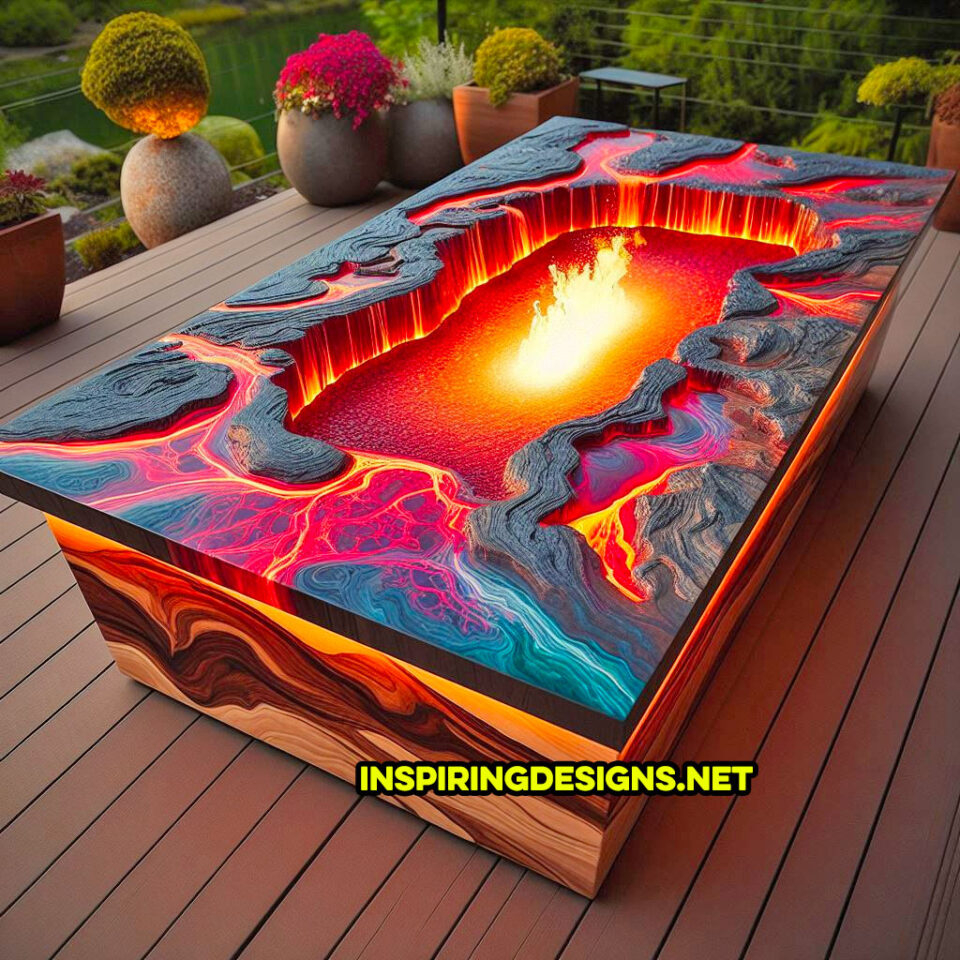
[sps_html tag=”img” src=”https://cdn.northcarolinafinearchitecture.com/2026/06/these-volcano-shaped-patio-fire-tables-bring-an-explosive-touch-to-your-inside-why-handcrafted-fire-tables-are-worth-the-investment-for-your-home.jpg” alt=”These Volcano Shaped Patio Fire Tables Bring An Explosive Touch To Your … inside Why Handcrafted Fire Tables Are Worth the Investment for Your Home” style=”width: 100%; height: auto;”]