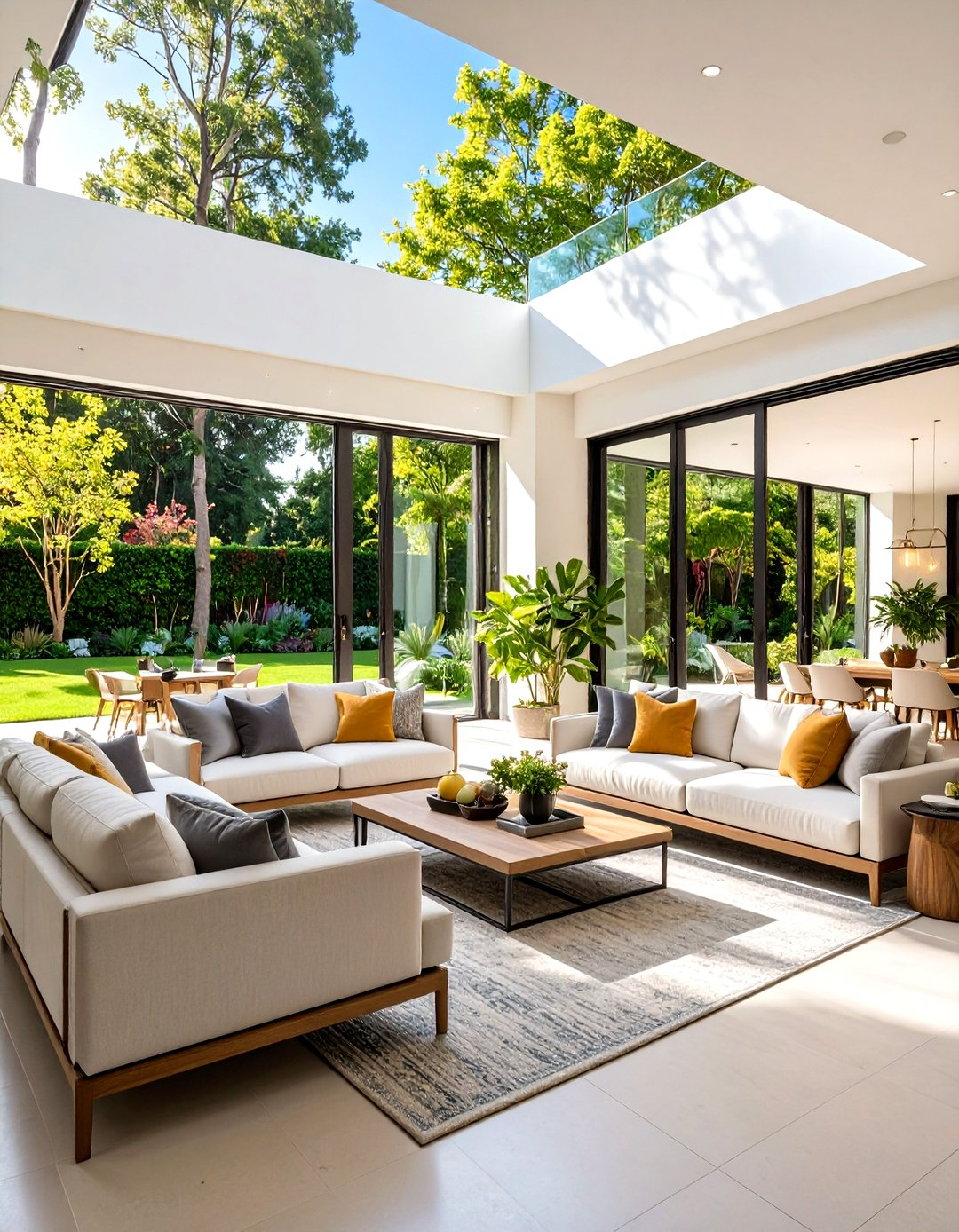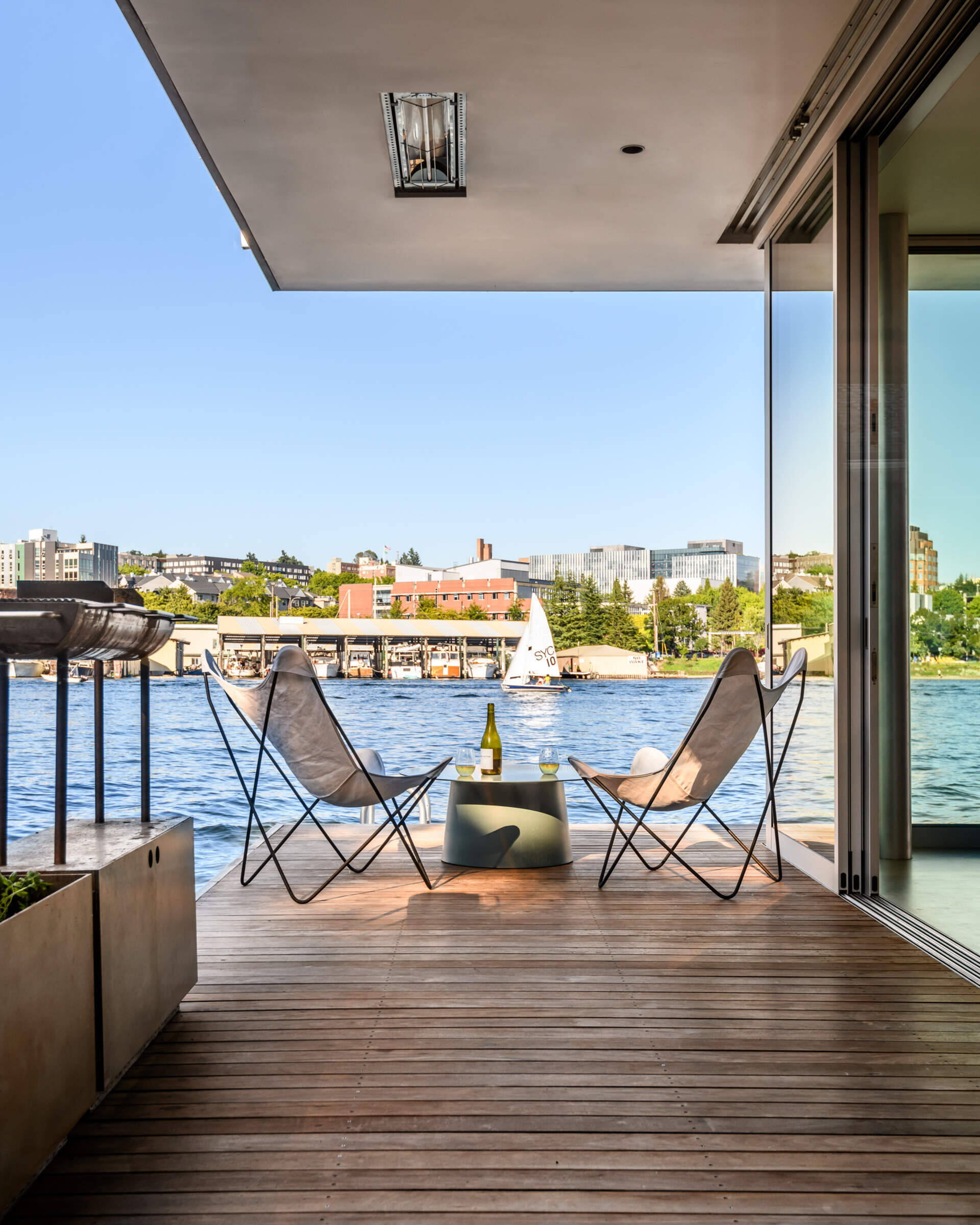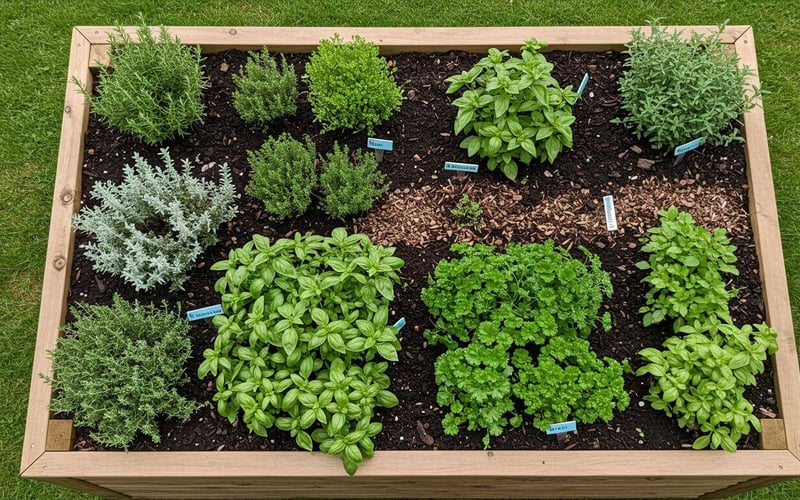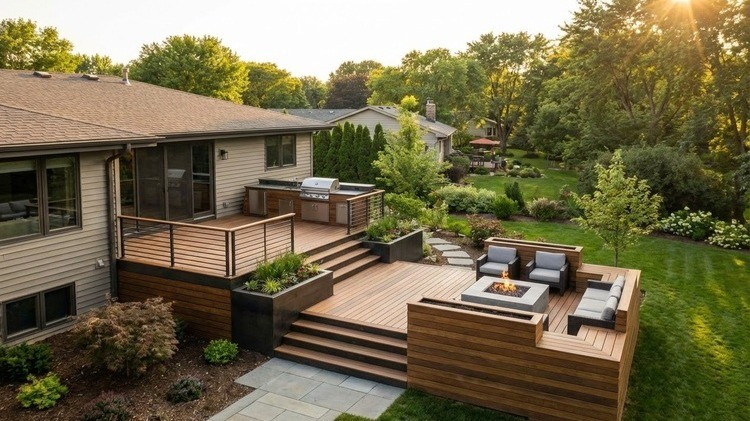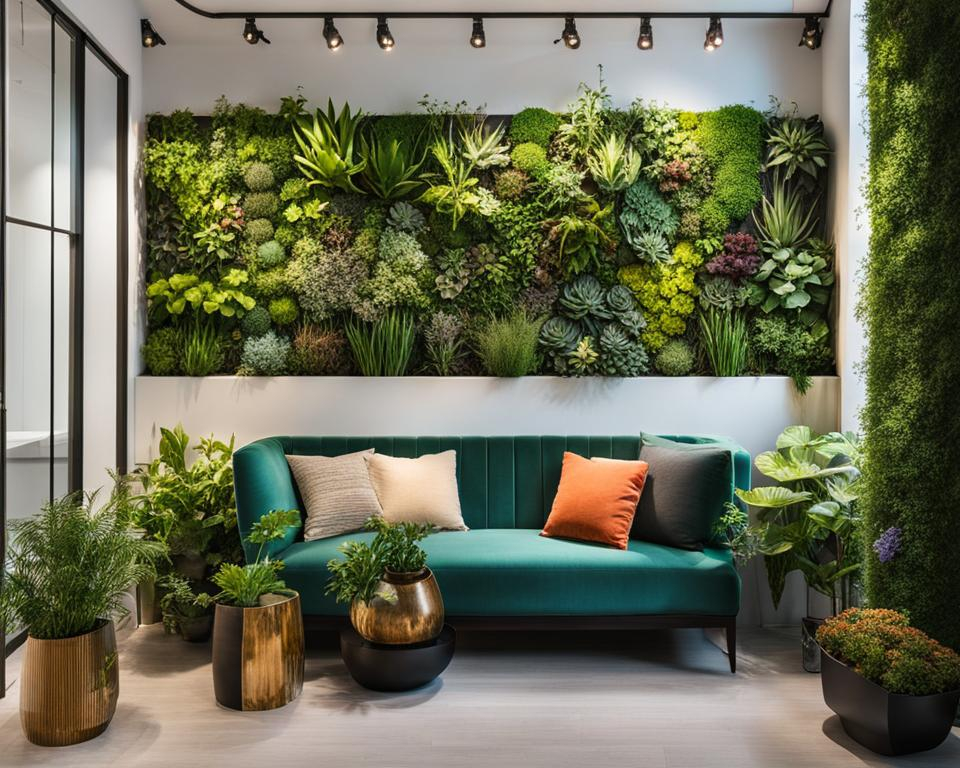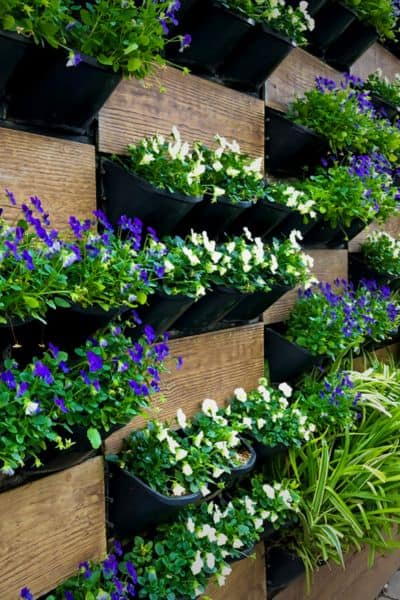
You know that feeling when you pull up to a house and just… stop? It’s not always the biggest mansion on the block. Sometimes it’s the one with that little tucked-away nook by the door. A spot where the light hits just right, maybe a bench sits under a tree, or a low wall guides your eye toward the entrance. That’s the magic of a front yard courtyard. It’s not just landscaping; it’s an invitation.
For years, we’ve been told to keep our front yards open. Visible. Safe. But something shifted recently. Homeowners are craving privacy without isolation. They want character without clutter. And honestly? The traditional lawn-and-shrub combo feels a bit tired. Enter the courtyard. It’s making a huge comeback in 2026, and for good reason. It turns a passive space into an active part of your home’s personality.
Think about it. Your front yard is the handshake of your house. It’s the first thing people see. If it’s just grass, it’s a limp handshake. But if it’s a structured, thoughtful courtyard? That’s a firm, warm grip. It says, “Welcome. Come in.” It transforms the ordinary into something extraordinary, creating a transition zone that feels special before you even turn the key.
The Psychology of the Welcoming Entrance
Why do we feel so drawn to these enclosed spaces? It’s primal, really. Humans have always sought shelter and defined boundaries. A courtyard offers a sense of protection while still being open to the sky. It creates a "room" outside. When you walk through that gate or around that low wall, the noise of the street fades. The pace slows down.
This psychological shift is powerful. For guests, it signals that they are entering a private, cared-for domain. It builds anticipation. Instead of seeing the whole house at once, you get a reveal. The path winds, the view opens up, and suddenly, there’s the front door, framed by greenery or stone. It’s theatrical, in the best possible way.
In 2026, with life moving faster than ever, this pause button is valuable. Designers note that homes with these transitional spaces report higher satisfaction rates among residents. It’s not just about looks; it’s about how the space makes you feel. Calm. Grounded. Ready to leave the chaos of the day behind. That emotional connection is what turns a house into a home, starting from the curb.
Architectural Harmony and Style Versatility
One common myth is that courtyards only work with certain styles. Spanish Revival? Sure. Modern minimalist? Absolutely. Even a humble ranch can benefit from a well-placed courtyard element. The key is harmony. The materials you choose should echo the home’s existing architecture. If your house has brick accents, use brick for the courtyard walls. If it’s sleek and white, consider smooth stucco or clean concrete lines.
This versatility is why the trend is exploding. You don’t need to rebuild your house. You just need to frame it. A simple L-shaped arrangement of planters can create a courtyard effect. Or perhaps a pergola extending from the porch, connected to a low fence. These elements define the space without overwhelming it. They act as a bridge between the built structure and the natural landscape.
Recent design data shows that properties with cohesive exterior narratives—where the landscape mirrors the architecture—sell faster. Buyers perceive them as more "complete." A courtyard ties everything together. It gives the eye a place to rest. It adds depth and dimension to a flat facade. Whether you’re going for rustic charm or urban chic, the courtyard adapts. It’s a chameleon that enhances whatever style you already have.
Creating Privacy Without Isolation
Let’s talk about the elephant in the room: privacy. Many people hesitate to enclose their front yard because they don’t want to look unfriendly or cut themselves off from the neighborhood. But a courtyard isn’t a fortress. It’s a filter. It blocks the direct line of sight from the street to your front door, which is a huge relief for many homeowners.
You can achieve this with layered planting. Tall ornamental grasses or slender trees like birches can screen views while still letting light through. Low walls, maybe knee-high, define the boundary without blocking the sky. This balance is crucial. You want to feel secluded, not trapped. The goal is to create a buffer zone where you can sit on your porch and read a book without feeling like you’re on stage.
In dense urban areas or suburbs with close-set houses, this is a game-changer. It reclaims personal space. You’re not hiding; you’re curating your experience. Neighbors can still wave over the fence. Kids can still play nearby. But the intimate core of your entrance remains yours. It’s a subtle power move that says, “I value my peace,” and surprisingly, most people respect that. It adds a layer of sophistication to the streetscape.
Boosting Property Value Through Design
Here’s the part that makes financial sense. Curb appeal isn’t just vanity; it’s equity. Real estate experts in 2026 agree that first impressions drive value. A stunning front yard courtyard can increase perceived property value by up to 15-20%. Why? Because it signals care. It suggests that the interior is likely just as well-maintained.
Think of it as an upgrade similar to a kitchen remodel, but for the exterior. It’s functional art. Potential buyers walk up and immediately imagine themselves enjoying that space. They see the potential for morning coffee or evening chats. That emotional buy-in is powerful. It differentiates your home from the sea of sameness on the market.
Moreover, these designs are often low-maintenance compared to vast lawns. Replacing turf with hardscaping, mulch, and drought-tolerant plants reduces water bills and upkeep time. This efficiency is a selling point. Buyers love the idea of beauty without the burden. So, you’re not just spending money; you’re investing in a feature that pays dividends in both enjoyment and resale potential. It’s smart economics wrapped in aesthetic pleasure.
Practical Elements for Your Own Courtyard
So, how do you actually build one? Start small. You don’t need a massive renovation. Identify the path from the sidewalk to your door. That’s your axis. Now, think about flanking it. Can you add a low wall on one side? A raised planter on the other? Maybe a trellis overhead? These vertical elements create the "walls" of your outdoor room.
Lighting is non-negotiable. A courtyard comes alive at night. Use path lights to guide the way. Uplight a small tree to cast shadows on the wall. Hang string lights if you have a pergola. The glow creates warmth and safety. It makes the space usable after dark, extending its function beyond just daytime curb appeal.
Choose plants that offer year-round interest. In 2026, native species are huge. They support local ecology and require less care. Mix textures: spiky agaves next to soft ferns. Add a focal point, like a sculpture, a water feature, or a unique pot. Keep the palette limited to avoid chaos. Two or three main materials—stone, wood, metal—keep it cohesive. And remember, symmetry isn’t required. Asymmetry can feel more natural and relaxed. Just ensure there’s balance.
It’s easy to get carried away. One big mistake is overcrowding. A courtyard needs breathing room. If you fill every inch with plants or decor, it feels claustrophobic. Leave some negative space. Let the hardscape shine. Another error is ignoring scale. A tiny bungalow doesn’t need towering columns. A massive McMansion shouldn’t have dainty, lost-in-the-shrubs details. Match the size of your elements to the size of your home.
Also, watch out for poor drainage. Enclosed spaces can trap water if not graded correctly. Make sure your pavers slope away from the foundation. Use permeable materials where possible. Nothing ruins a beautiful courtyard like a swampy entryway. And don’t forget maintenance access. Can you easily reach those back corners to weed? If not, simplify the design.
Lastly, avoid trends that won’t age well. Neon-colored plastics or overly complex patterns might look dated in five years. Stick to classic materials and forms. Stone, wood, iron, and greenery never go out of style. Your goal is timeless appeal, not a fleeting Instagram moment. Keep it simple, keep it functional, and let the architecture speak.
Creating a front yard courtyard is about more than just plants and stones. It’s about crafting an experience. It’s about slowing down the approach and savoring the arrival. In a world that’s constantly rushing, giving yourself and your guests that moment of pause is a gift. It transforms your home from a structure into a sanctuary, starting right at the curb.
As we move further into 2026, the demand for meaningful, connected living spaces grows. The courtyard answers that call. It blends privacy with welcome, style with substance. It’s not just a trend; it’s a return to fundamental design principles that prioritize human comfort and beauty. So, look at your front yard. Really look at it. See the potential for a room outside. A place to breathe. A place to belong.
You don’t need a huge budget or a professional team to start. Sometimes, all it takes is a new perspective. Move a planter. Add a gate. Plant a tree. Watch how the space changes. Watch how it feels. That’s the secret. It’s not just about what people see from the street. It’s about how it makes you feel when you come home. And that, truly, is the best curb appeal of all.
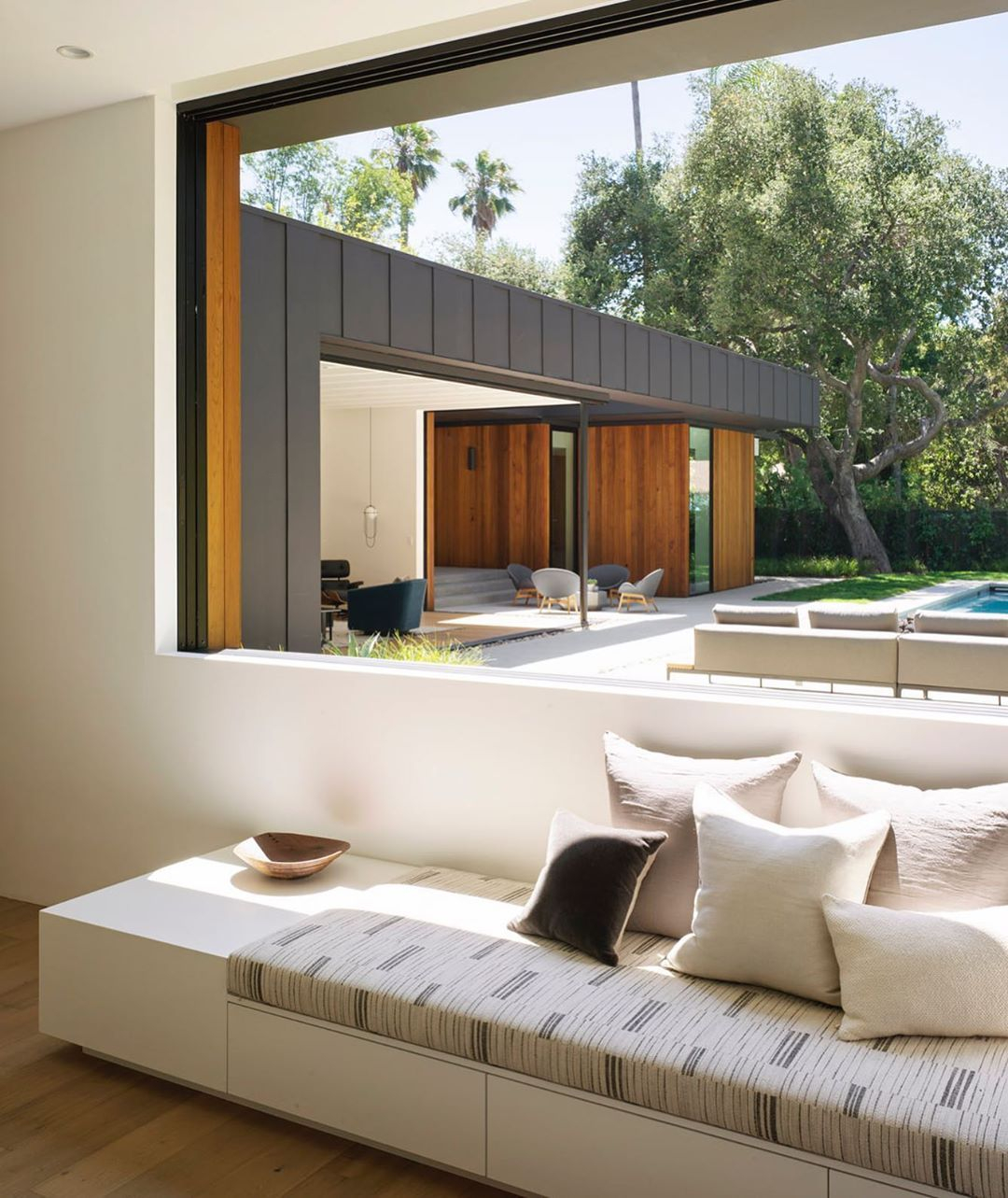
[sps_html tag=”img” src=”https://cdn.northcarolinafinearchitecture.com/2026/06/24-mansion-living-room-ideas-chic-grand-decor-lovers-too-much-time-throughout-creating-an-outdoor-living-room-that-blurs-the-line-between-inside-and-out.jpg” alt=”24 Mansion Living Room Ideas: Chic, Grand Decor Lovers - Too Much Time throughout Creating an Outdoor Living Room That Blurs the Line Between Inside and Out” style=”width: 100%; height: auto;”]
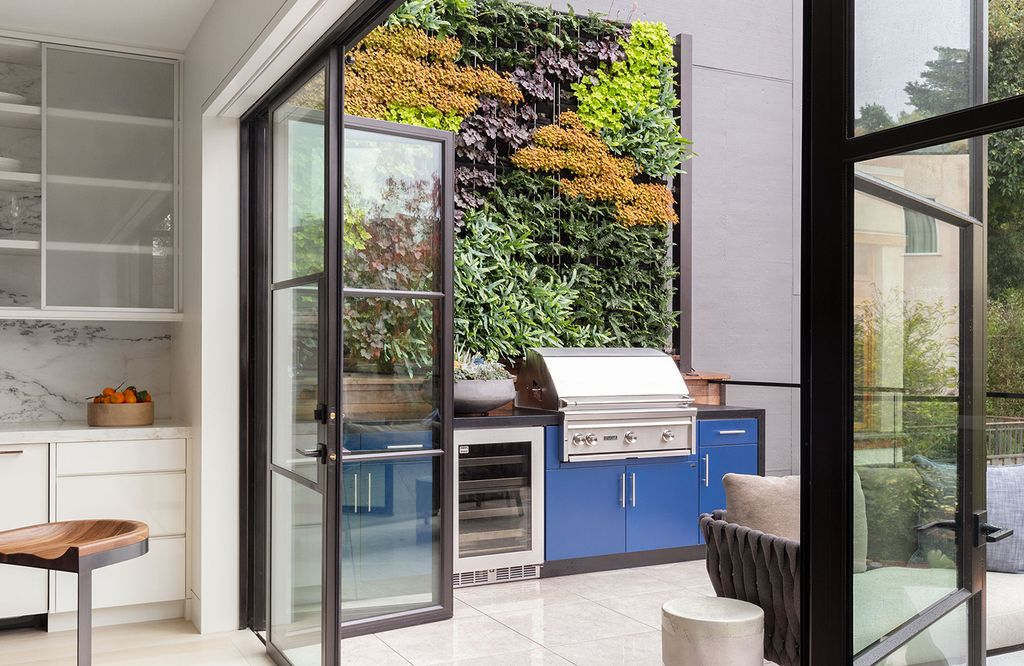
[sps_html tag=”img” src=”https://cdn.northcarolinafinearchitecture.com/2026/06/creating-an-outdoor-room-is-a-simple-choice-to-maximize-your-home-within-creating-an-outdoor-living-room-that-blurs-the-line-between-inside-and-out.jpeg” alt=”Creating An Outdoor Room Is A Simple Choice To Maximize Your Home … within Creating an Outdoor Living Room That Blurs the Line Between Inside and Out” style=”width: 100%; height: auto;”]
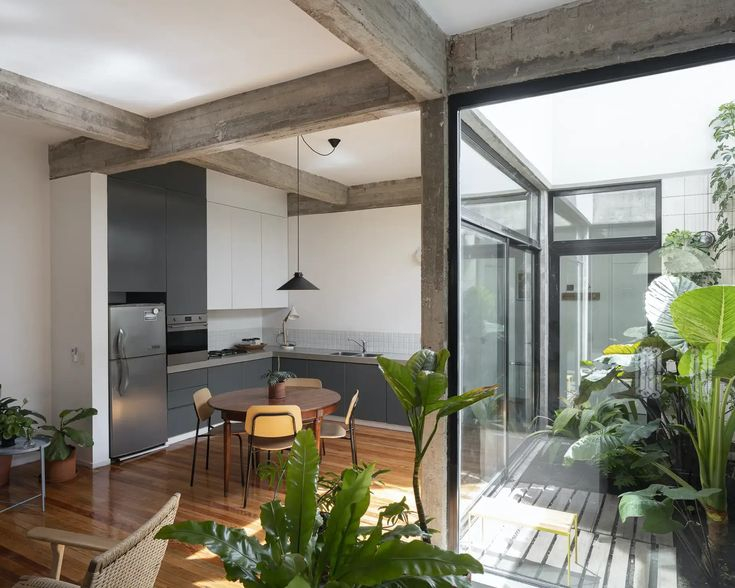
[sps_html tag=”img” src=”https://cdn.northcarolinafinearchitecture.com/2026/06/this-lush-buenos-aires-home-cleverly-blurs-the-boundaries-between-within-outdoor-courtyard-design.jpg” alt=”This Lush Buenos Aires Home Cleverly Blurs The Boundaries Between … within Outdoor Courtyard Design” style=”width: 100%; height: auto;”]
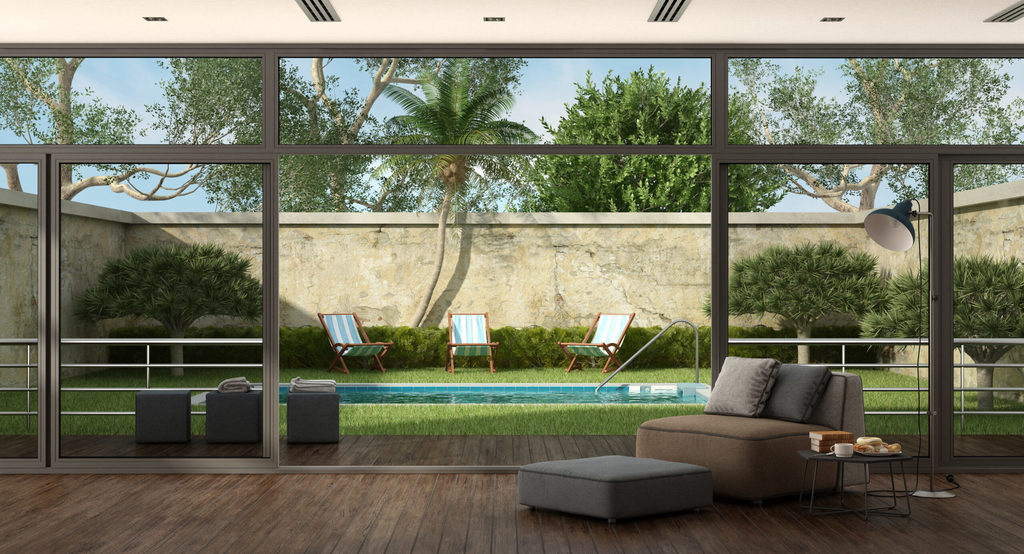
[sps_html tag=”img” src=”https://cdn.northcarolinafinearchitecture.com/2026/06/indoor-outdoor-connection-the-living-room-blurs-the-line-between-with-regard-to-creating-an-outdoor-living-room-that-blurs-the-line-between-inside-and-out.jpg” alt=”Indoor-Outdoor Connection: The Living Room Blurs The Line Between … with regard to Creating an Outdoor Living Room That Blurs the Line Between Inside and Out” style=”width: 100%; height: auto;”]
[sps_html tag=”img” src=”https://cdn.northcarolinafinearchitecture.com/2026/06/31-outdoor-kitchen-ideas-for-better-backyard-grilling-in-creating-an-outdoor-living-room-that-blurs-the-line-between-inside-and-out.jpg” alt=”31 Outdoor Kitchen Ideas For Better Backyard Grilling in Creating an Outdoor Living Room That Blurs the Line Between Inside and Out” style=”width: 100%; height: auto;”]